
Collection
France
2026.09.14
The Churches and Chapels of Paris: Stories That Last Longer Than Their Splendor
Seven Spaces Comparing Stained Glass, Domes, and Memories of the Revolutionary Era
The churches and chapels of Paris vary not just in size, but in how they use light and reflect traces of the city's history. The stained glass of Sainte-Chapelle, the mural by Delacroix in Saint-Sulpice, and the memories of the revolutionary era at Chapelle Expiatoire all highlight how even one space can vividly represent its time. We’ve gathered seven locations that clearly distinguish between places of worship and monuments that require admission tickets.
Religious architecture is, first and foremost, a space of faith rather than a tourist destination. During mass and prayer times, it's important to minimize movement and photography while observing appropriate attire such as avoiding hats and revealing clothing. Sainte-Chapelle requires security checks and timed reservations, but many regular churches allow free entry, showcasing the different ways to enjoy these sites. Given that concert schedules and renovations may alter viewing access, it's wise to check official schedules.
Religious architecture is, first and foremost, a space of faith rather than a tourist destination. During mass and prayer times, it's important to minimize movement and photography while observing appropriate attire such as avoiding hats and revealing clothing. Sainte-Chapelle requires security checks and timed reservations, but many regular churches allow free entry, showcasing the different ways to enjoy these sites. Given that concert schedules and renovations may alter viewing access, it's wise to check official schedules.
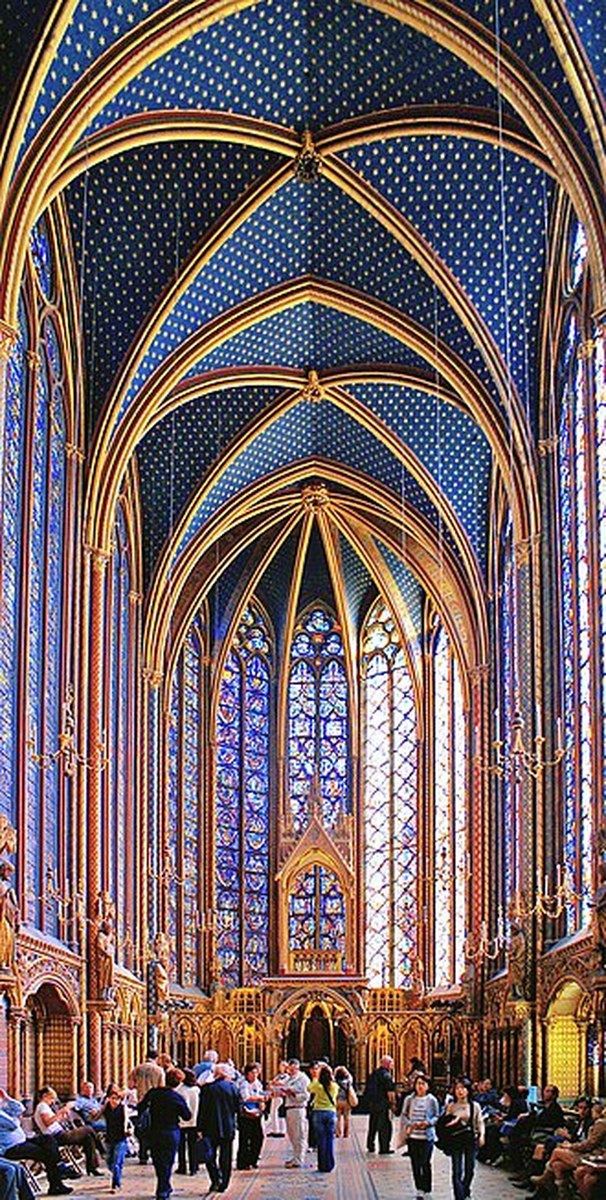
Sainte-Chapelle
The first thing to understand about Sainte-Chapelle is that it is a 13th-century Gothic royal chapel built by Louis IX to house relics. Entering from the street leading from the former royal palace on Île de la Cité, you can see the entire structure before moving inside, where its current usage may not be clear from just a single photo. When comparing to other religious buildings on the list, consider the building’s era, main users, and the spaces that are open to the public. Pay particular attention to the stained glass windows and the blue ceiling in the upper chapel to understand why this place is so memorable in Paris.
When planning your actual visit, it is important to build in time for ‘timed tickets and security check at Palais de Justice.’ Operating hours, closures, and reservation policies may vary depending on events and seasons, so always check the official website or announcements from the managing body on the day you visit. Even if the map coordinates point to the building's center or a prominent entrance, there might be alternative entry points available. By verifying details like the walking distance from nearby metro stations, security checks, stairs, elevators, and whether large luggage can be stored, you can reduce time wasted on-site.
When capturing memories, start by broadly framing the stained glass and blue ceiling in the upper chapel, while avoiding other visitors’ faces and staff workspaces. Religious architecture may have photography restrictions, as well as dress and quietness rules, which should always be prioritized by following on-site signage and guidance. If crowded, don’t monopolize the same composition for too long; instead, take a moment to observe the light and flow of people. When faced with unexpected situations, it's safer and more enriching to explore the streets and architecture around Île de la Cité rather than crossing any boundaries.
지역 시테섬 옛 왕궁
장소 유형 성당·예배당
방문 전 확인 시간 지정권과 팔레 드 쥐스티스 보안검색 여유를 둔다
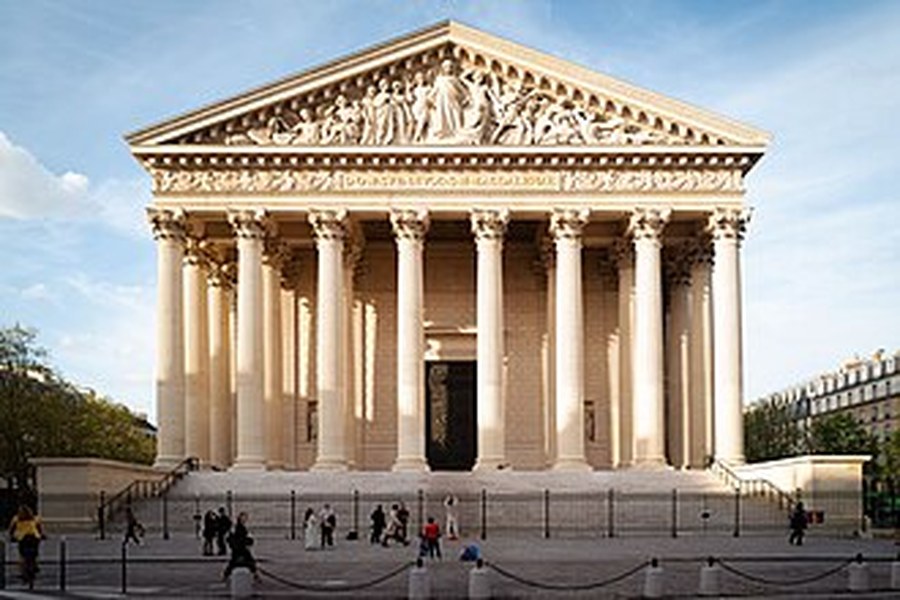
Madeleine Church
La Madeleine
At La Madeleine, the first thing to grasp is that it's a neoclassical church surrounded by 52 Corinthian columns. Upon entering from the square of Place de la Madeleine, you can observe the entire structure before moving inside, where its current usage may not be readily discernable from just a photo. When comparing it to other religious buildings on the list, evaluate the building’s era, main users, and the spaces that are open to the public. Particularly when viewing the temple-like façade from below the steps of the square, you will find the specific reasons this location is long-remembered in Paris.
In your actual visit plan, remember to ‘distinguish between free entry, concert tickets, and mass times.’ Operating hours, closures, and reservation policies can change depending on events and seasons, so always rely on the official website or announcements from the managing body on the day of your visit. Even if the map coordinates point to the building's center or a prominent entrance, you may find alternative entry points available. By confirming details such as walking distance from nearby metro stations, security checks, stairs, elevators, and the ability to store large luggage, you can minimize wasted time on-site.
When documenting your experience, start by broadly capturing the temple-like façade from below the steps of the square while avoiding other visitors’ faces and staff workspaces. Religious architecture often has photography restrictions, as well as regulations for attire and silence, so it’s crucial to prioritize on-site cues and instructions. If it gets crowded, don’t occupy the same shot for too long; instead, take a moment to observe the light and the flow of people. When faced with unexpected situations, it’s safer and more enriching to explore the streets and architecture around Place de la Madeleine instead of crossing any boundaries.
지역 8구 마들렌 광장
장소 유형 성당·예배당
방문 전 확인 무료 입장과 콘서트 표, 미사 시간을 구분한다
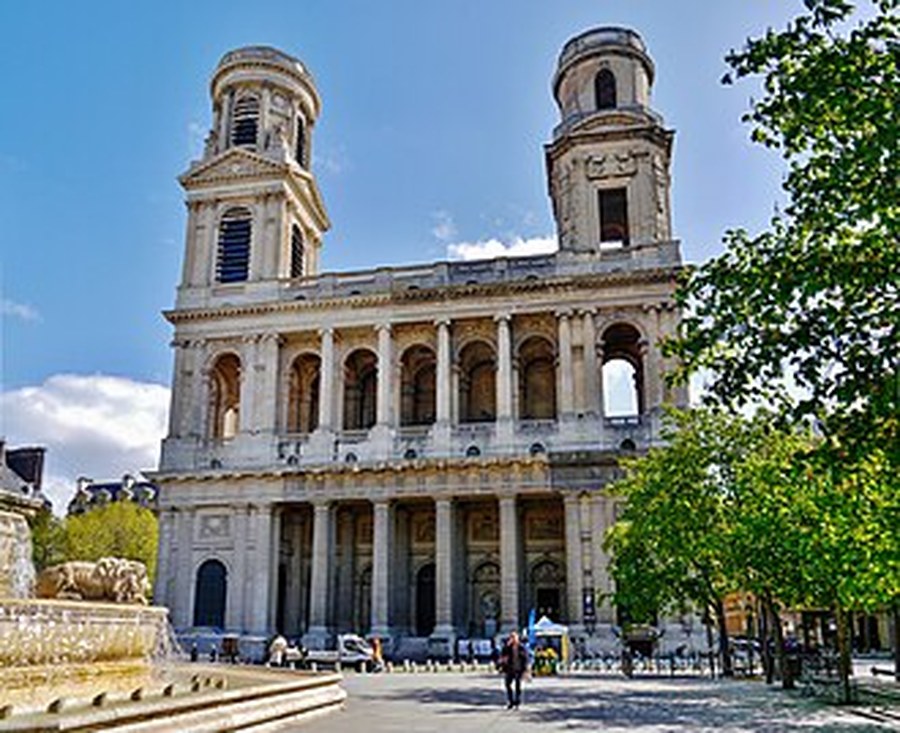
Église Saint-Sulpice
Saint-Sulpice
At Saint-Sulpice, the first thing to note is the presence of its asymmetrical twin towers and Delacroix's chapel of angels, known as the Gnomon. Upon entering from the street leading into Place Saint-Sulpice, you can see the overall structure before moving inside, where its current usage might not be evident from just a photograph. When comparing it to other religious buildings on this list, use the building's era, primary users, and the publicly accessible spaces as criteria. Pay particular attention to the fountain in the square and the differing heights of the two towers to find out why this location is so memorable in Paris.
In your actual visitation plan, it’s important to remember to ‘stop visiting and photographing the Delacroix chapel during mass.’ Operating hours, closures, and reservation policies may change based on events and seasons, so always check the official website or the announcements from the managing body on the day of your visit. Even if the map coordinates lead you to the building's center or a prominent entrance, alternative entrances may exist. Confirming factors like the walking distance from the nearest metro station, security checks, stair and elevator availability, and whether you can store large luggage will help reduce time wasted on-site.
When documenting your visit, first capture the fountain in the square and the varying heights of the two towers, and avoid taking pictures of other visitors' faces or staff workspaces. Religious architecture can have specific restrictions on photography, as well as rules regarding clothing and silence, so be sure to prioritize on-site signage and guidance. If things get crowded, avoid monopolizing the same viewpoint for long and instead take a moment to observe the light and flow of people. Meeting unexpected circumstances, it’s safer and more enriching to check out the streets and architecture around Place Saint-Sulpice rather than crossing any lines.
지역 6구 생쉴피스 광장
장소 유형 성당·예배당
방문 전 확인 미사 중에는 들라크루아 예배당 관람과 촬영을 멈춘다
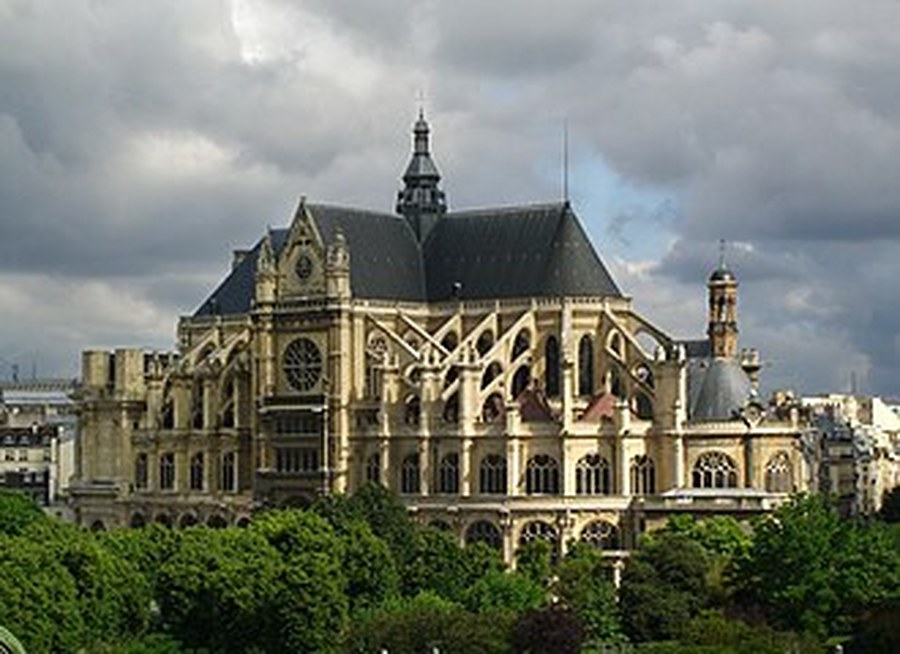
Église de Saint-Eustache
Saint-Eustache
At Saint-Eustache, the first aspect to understand is that it’s a church where Gothic structure and Renaissance decorations coexist, featuring a large pipe organ. Upon entering from the street leading into the Les Halles district, you can observe the entire structure before moving inside, where its current usage may not be fully discerned from just a photo. When comparing it with other religious buildings on the list, consider the building's era, main users, and public spaces. Pay special attention to the southern façade as viewed from the Nelson Mandela Garden to find out why this venue is so memorable in Paris.
In your actual visit plan, it’s essential to note that ‘internal pathways may vary due to organ performances, mass, and construction work.’ Operating hours, closures, and reservation policies may change based on events and seasons, so be sure to rely on the official website or the announcements from the managing body on the day of your visit. Even if the map coordinates indicate the building's center or a prominent entrance, other entrances may be available. Verifying details such as walking distance from nearby metro stations, security checks, stair and elevator access, and large luggage storage can help reduce time wasted at the site.
When documenting your experience, start by broadly capturing the southern façade as viewed from Nelson Mandela Garden while avoiding other visitors’ faces or staff workspaces. Religious architecture may have restrictions on photography, dress codes, and silence, so it’s important to prioritize the signage and instructions found on-site. If it becomes crowded, avoid occupying the same shot for long and take time to observe the light and the flow of people. When faced with unexpected situations, instead of crossing any boundaries, explore the streets and architecture around the Les Halles district safely for a more enriching Paris experience.
지역 레알 지구
장소 유형 성당·예배당
방문 전 확인 오르간 연주·미사·공사로 내부 동선이 달라질 수 있다
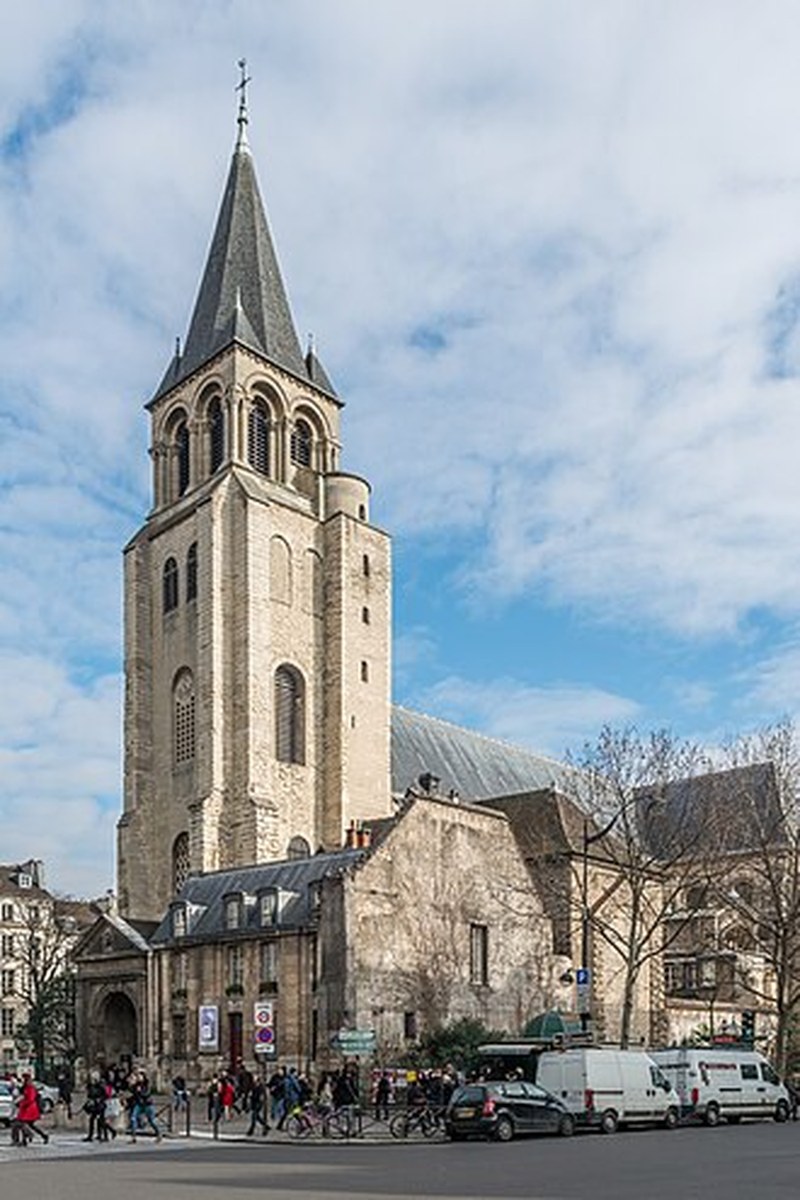
Église de Saint-Germain-des-Prés
Saint-Germain-des-Prés
At Saint-Germain-des-Prés, the first thing to acknowledge is that it's one of the oldest churches in Paris, featuring a Romanesque bell tower and restored frescoes. Entering from the street leading into the 6th arrondissement, you can observe the entire structure before venturing inside, where its current usage may not be obvious from just a photo. When comparing it to other religious buildings on the list, examine the building's era, primary users, and the spaces that are accessible to the public. Particularly, when observing the bell tower from the boulevard, as well as the blue star decorations inside, you'll discover the specific reasons this place is so memorable in Paris.
In your actual visitation plan, it’s crucial to differentiate between ‘worship times and paid concert schedules while maintaining silence.’ Operating hours, closures, and reservation policies may vary based on events and seasons, thus always rely on the official website or announcements from the managing body on the day you visit. Even if the coordinates guide you to the center of the building or a prominent entrance, alternative entry points may exist. Verifying the walking distance from nearby metro stations, security checks, stair and elevator access, and whether large luggage storage options are available will assist in minimizing wasted time on-site.
When documenting your experience, first capture the bell tower as viewed from the boulevard and the blue star decorations inside while avoiding taking pictures of the faces of other visitors and staff workspaces. Religious architecture may have photography restrictions, as well as rules concerning attire and silence, so it is imperative to prioritize the signage and guidance present on-site. If it becomes crowded, try not to monopolize the same shot for too long, and instead take a moment to watch the light and the flow of people. If you encounter unexpected situations, it’s safer and leads to a richer experience in Paris to explore the streets and architecture around the 6th arrondissement rather than crossing any lines.
지역 6구 생제르맹데프레
장소 유형 성당·예배당
방문 전 확인 예배와 유료 콘서트 일정을 구분하고 정숙을 지킨다
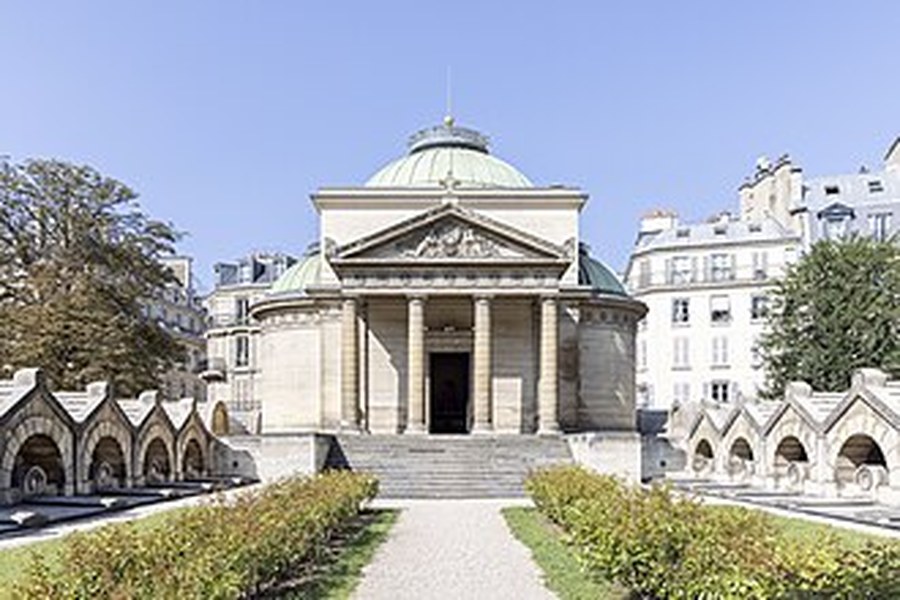
Chapelle Expiatoire
At Chapelle Expiatoire, the first aspect to understand is that it is a memorial chapel built over the burial site of Louis XVI and Marie Antoinette. Upon entering from the street leading to Place Louis XVI, you can see the entire structure before moving inside, where its current usage may not be fully understood from just one photograph. As you compare it to other religious buildings on this list, bear in mind the building's era, principal users, and the spaces that are open to visitors. Focus particularly on the cloister in the garden and the central dome to gain better insight into why this venue is long remembered in Paris.
For your actual visit, it is important to note that ‘the days of operation are limited, so checking the monument's official schedule is key.’ Operating hours, closures, and reservation policies may differ depending on events and seasons, so always confirm through the official website or the day-off announcements from the organizing body. Even if the map coordinates point to the center of the building or a main entrance, alternative access points may be available. Checking the walking distance from nearby metro stations, the security checks, availability of stairs and elevators, and whether large luggage can be stored will help you minimize time wasted on-site.
When documenting your visit, start by capturing the cloister in the garden and the central dome while avoiding taking photos of the faces of other visitors and staff. Religious architecture may have photography restrictions as well as dress and silence rules, so be sure to prioritize the information and guidance found on-site. If it’s crowded, avoid occupying the same angle for too long and take a moment to observe the light and the flow of people. When faced with unexpected situations, it’s safer and more enriching to explore the streets and architecture around Place Louis XVI without crossing boundaries.
지역 8구 루이 16세 광장
장소 유형 성당·예배당
방문 전 확인 개방 요일이 제한적이므로 기념물 공식 시간표를 확인한다
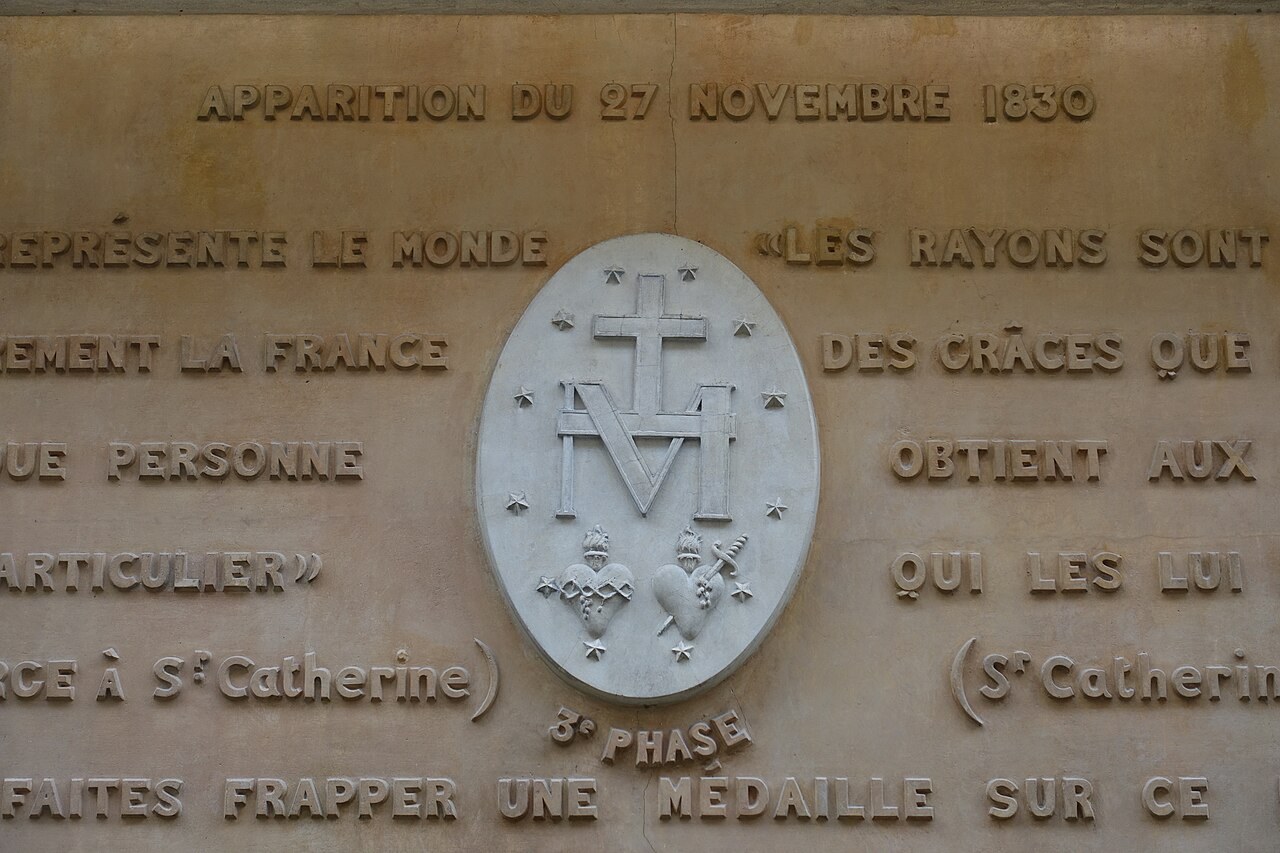
Chapel of Our Lady of the Miraculous Medal
Our Lady of the Miraculous Medal
At Our Lady of the Miraculous Medal, the first thing to grasp is its significance as a pilgrimage chapel known for the apparitions of Saint Catherine Labouré and the Miraculous Medal. Upon entering from the street leading to Rue du Bac, you can observe the entire structure before moving inside, where its current usage may not be clear from a single photo. When comparing it to other religious buildings on the list, consider the building's era, primary users, and the spaces open to the public. Take particular note of the quiet entrance within the shopping area and the altar to understand why this location remains memorable in Paris.
In your actual visit plan, it’s vital to 'avoid disturbing mass and prayer processions and to steer clear of group visit times.' Operating hours, closures, and reservation policies can change based on events and seasons, so always refer to the official website or the announcements on the day of your visit. Even if the map coordinates lead to the center of the building or a key entrance, alternative access points may exist. Double-checking factors such as walking distance from nearby metro stations, security checks, the availability of stairs and elevators, and large luggage storage options will help reduce time wasted while at the site.
When documenting your experience, start by broadly capturing the quiet entrance and altar within the shopping area, while avoiding taking photos of the faces of other visitors and staff workspaces. Religious architecture may have photography restrictions, as well as regulations regarding attire and silence, so prioritize on-site signage and guidance. If it becomes crowded, don’t linger too long in the same spot; instead, take a break to observe the light and the flow of people. When confronted with unexpected situations, it’s safer and more fulfilling to explore the streets and architecture around Rue du Bac rather than crossing boundaries.
지역 7구 뤼 뒤 박
장소 유형 성당·예배당
방문 전 확인 미사·기도 행렬을 방해하지 않고 단체 방문 시간을 피한다
Following this list reveals that the breadth of Parisian religious architecture extends well beyond just Gothic styles. The vertical light of Sainte-Chapelle, the ancient structure of Saint-Germain-des-Prés, the classical temple-like appearance of La Madeleine, and the commemorative space of Chapelle Expiatoire show different political and spiritual histories. Knowing the names of artworks and their architectural dates in advance helps you to engage more deeply with their interiors.
Instead of rushing through to see many places, choose two or three within the same area to compare their exteriors and interiors calmly. Avoid tripods and flashes in most worship spaces and refrain from close-up photography of worshippers or the rituals. Even in free churches, there may be donation requests or paid exhibition areas, and when services, funerals, or renovations begin, it's crucial to prioritize on-site guidance over the plans made.
Instead of rushing through to see many places, choose two or three within the same area to compare their exteriors and interiors calmly. Avoid tripods and flashes in most worship spaces and refrain from close-up photography of worshippers or the rituals. Even in free churches, there may be donation requests or paid exhibition areas, and when services, funerals, or renovations begin, it's crucial to prioritize on-site guidance over the plans made.
At a glance
7 items
Locations at a glance
7 places
As part of the Coupang Partners program, this post may earn a commission from qualifying purchases.
Comments 0
Log in to leave a comment.
Be the first to comment.
How about these lists?


You might also like


🎲
Not ready to stop here?
Wondering what to read next is the biggest waste of time.
Let the dice decide — you won't know what pops up until you roll.
If you don't press it… won't you wonder forever? 👀
