
Collection
Japan
2026.11.13
From a Stone Bridge to Hillside Western Houses: Scenes from a First Trip to Nagasaki
Seven picks along streets and buildings shaped by a history of exchange
Nagasaki's first impression can't be summed up by its port alone. A stone bridge over the river, Chinese-style temples and Chinatown, a former trading post and Western-style houses left on the hillsides each show a different face of the city. Walk the riverside from Meganebashi, see the restored buildings of Dejima, then climb to Minamiyamate to meet Oura Church and Glover Garden, and you'll find yourself thinking about how exchange by sea transformed daily life and architecture.
Rather than a course for finishing all seven in a day, this is a list for choosing the areas that interest you and seeing them in parts. Dividing the locations into the riverside and Teramachi, Shinchi and Dejima, and Higashiyamate and Minamiyamate makes getting around clearer. With plenty of cobblestones and hills, factor in both time for reading exhibits and the stamina for walking. Strolling the streets and entering buildings have different operating conditions, so start by deciding which interiors you most want to see.
Rather than a course for finishing all seven in a day, this is a list for choosing the areas that interest you and seeing them in parts. Dividing the locations into the riverside and Teramachi, Shinchi and Dejima, and Higashiyamate and Minamiyamate makes getting around clearer. With plenty of cobblestones and hills, factor in both time for reading exhibits and the stamina for walking. Strolling the streets and entering buildings have different operating conditions, so start by deciding which interiors you most want to see.
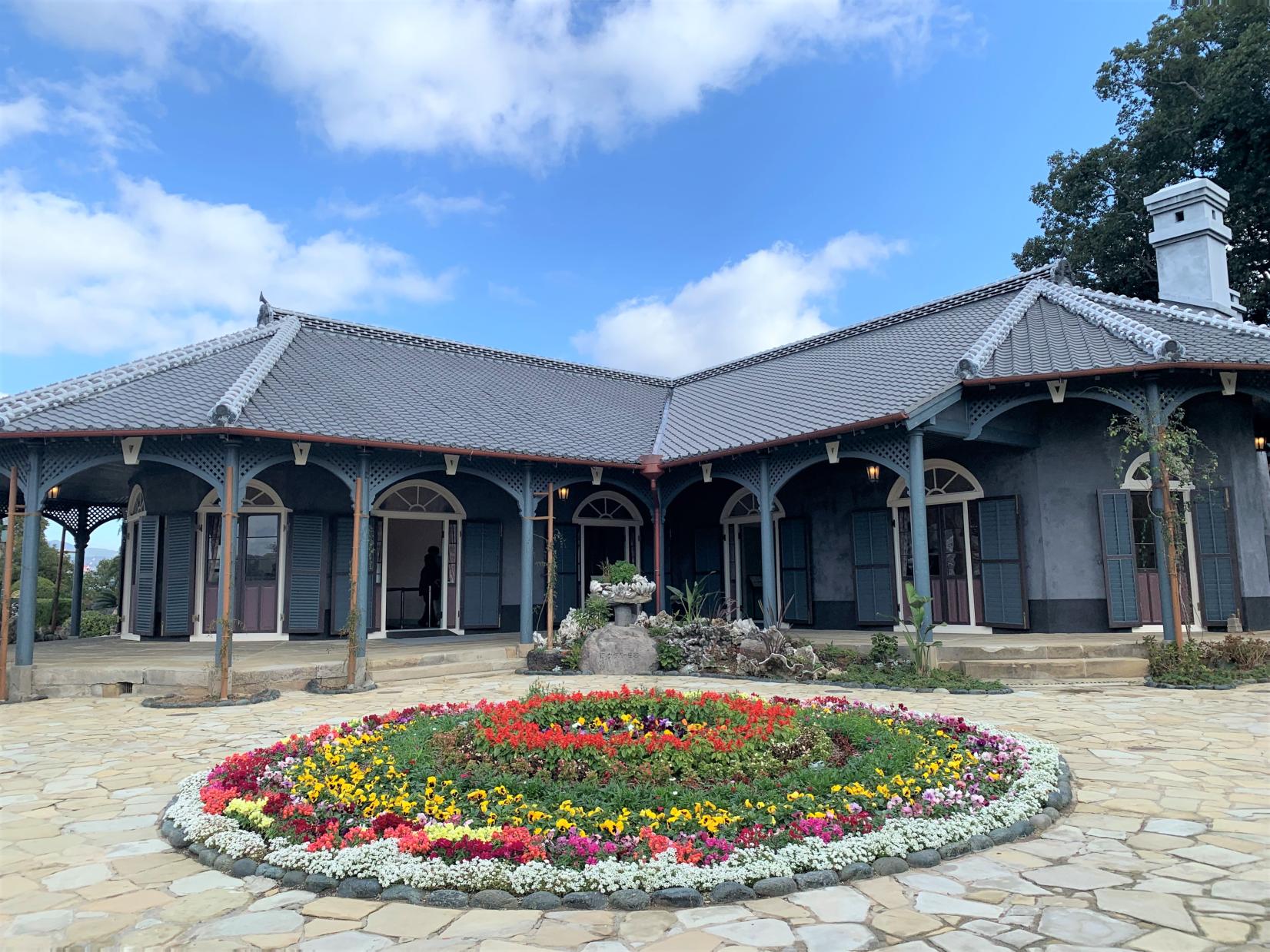
Glover Garden
Glover Garden is a place on a hill in the former foreign settlement where you can see Western-style houses together with Nagasaki Port. It brings together preserved and relocated historic buildings, including the house where Thomas Glover lived. Look at how Japanese roof tiles meet Western-style verandas, and you'll see the traces that different lifestyles left on architecture after the port opened. It's also worth noting that the building tied to the World Heritage listing is the Former Glover House.
The garden has cobblestone paths and slopes, so allow time to match your pace touring the buildings. By day you can see the port and the structure of the houses; on night-opening days, the illuminated scenery. Hours are listed as until 20:00 in November–December 2026 and until 18:00 in January–March 2027, with last entry 20 minutes before closing in each case. It's close to Oura Church, but tickets and open areas are separate, so plan your time at each.
The garden has cobblestone paths and slopes, so allow time to match your pace touring the buildings. By day you can see the port and the structure of the houses; on night-opening days, the illuminated scenery. Hours are listed as until 20:00 in November–December 2026 and until 18:00 in January–March 2027, with last entry 20 minutes before closing in each case. It's close to Oura Church, but tickets and open areas are separate, so plan your time at each.
현지 이름 グラバー園
주소 長崎県長崎市南山手町8-1
특징 역사 건축·항구 전망
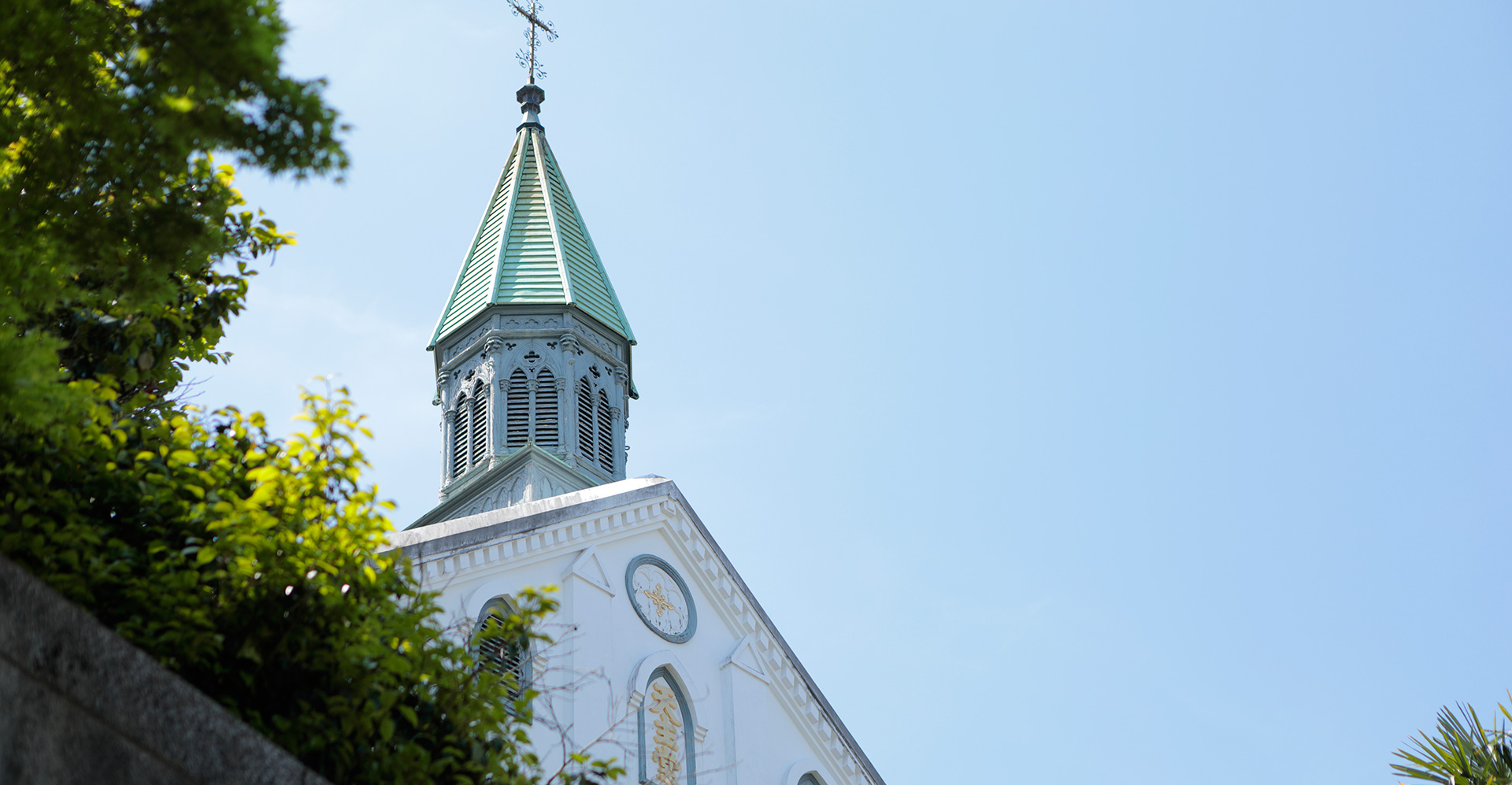
Oura Church
Oura Church is a historic building on the Minamiyamate hill with a white exterior and Gothic-style interior. It's known as the stage for the ‘Discovery of Hidden Christians,’ when believers who had kept their faith through the long period of prohibition revealed it. Along with admiring the church's form, reading the exhibits at the related museum helps you understand Nagasaki's Christian history more broadly than from a single view of the building.
It connects well with the path up to Glover Garden, but visiting the grounds requires separate paid admission. Regular hours are 8:30 to 17:30, with last entry at 17:00, and access may change due to church events. Follow the rules on indoor photography and viewing, and look around quietly. The church notes that it doesn't hold regular public Masses, so if attending Mass is your aim, look up the schedule of another church. It's also in a different location from Urakami Cathedral.
It connects well with the path up to Glover Garden, but visiting the grounds requires separate paid admission. Regular hours are 8:30 to 17:30, with last entry at 17:00, and access may change due to church events. Follow the rules on indoor photography and viewing, and look around quietly. The church notes that it doesn't hold regular public Masses, so if attending Mass is your aim, look up the schedule of another church. It's also in a different location from Urakami Cathedral.
현지 이름 大浦天主堂
주소 長崎県長崎市南山手町5-3
특징 천주당·기독교 역사
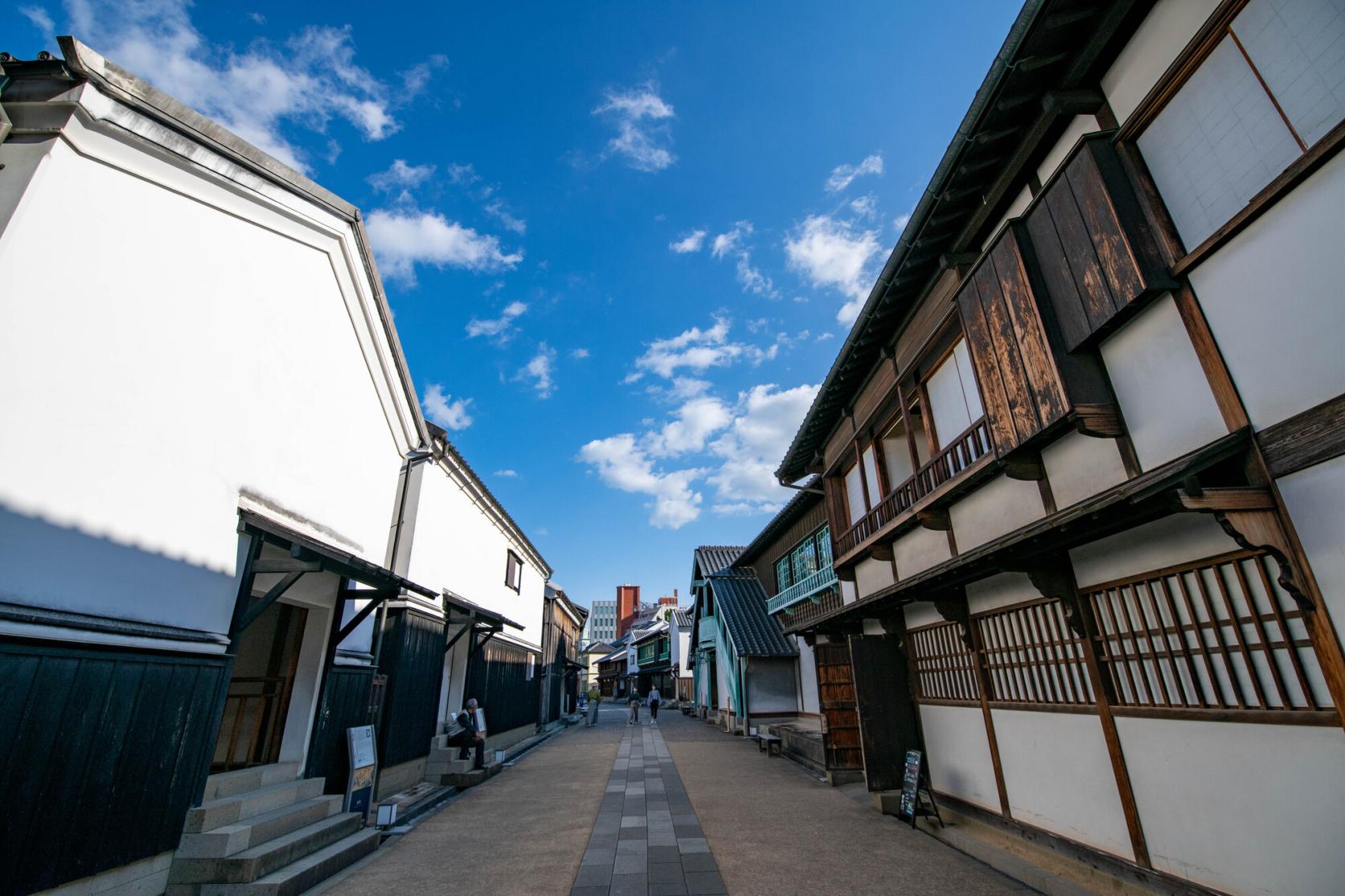
Dejima
Dejima is a site where you can explore the history of an artificial island that served as a window for overseas trade, through restored buildings, archaeological remains and exhibits. Move between warehouses and living quarters to see imported goods and lifestyles, and Nagasaki's character as a city connected by sea comes into view. Today the surroundings are connected to land, so it's a different kind of visit from island sightseeing by boat. It's worth walking around comparing buildings and stone walls from different periods.
On-site viewing is listed as 8:00 to 21:00, with last entry at 20:40. However, the restaurants and shops inside close earlier, so don't expect every service with a late entry. The entrances on the Omotemon Bridge side and the Water Gate side also have different hours, and re-entry isn't allowed. Dejima Wharf on the waterfront has a similar name but is a separate place, so plan time for the historical exhibits and time to relax by the water separately for an easier route.
On-site viewing is listed as 8:00 to 21:00, with last entry at 20:40. However, the restaurants and shops inside close earlier, so don't expect every service with a late entry. The entrances on the Omotemon Bridge side and the Water Gate side also have different hours, and re-entry isn't allowed. Dejima Wharf on the waterfront has a similar name but is a separate place, so plan time for the historical exhibits and time to relax by the water separately for an easier route.
현지 이름 出島
주소 長崎県長崎市出島町6-1
특징 무역사 전시·복원 거리
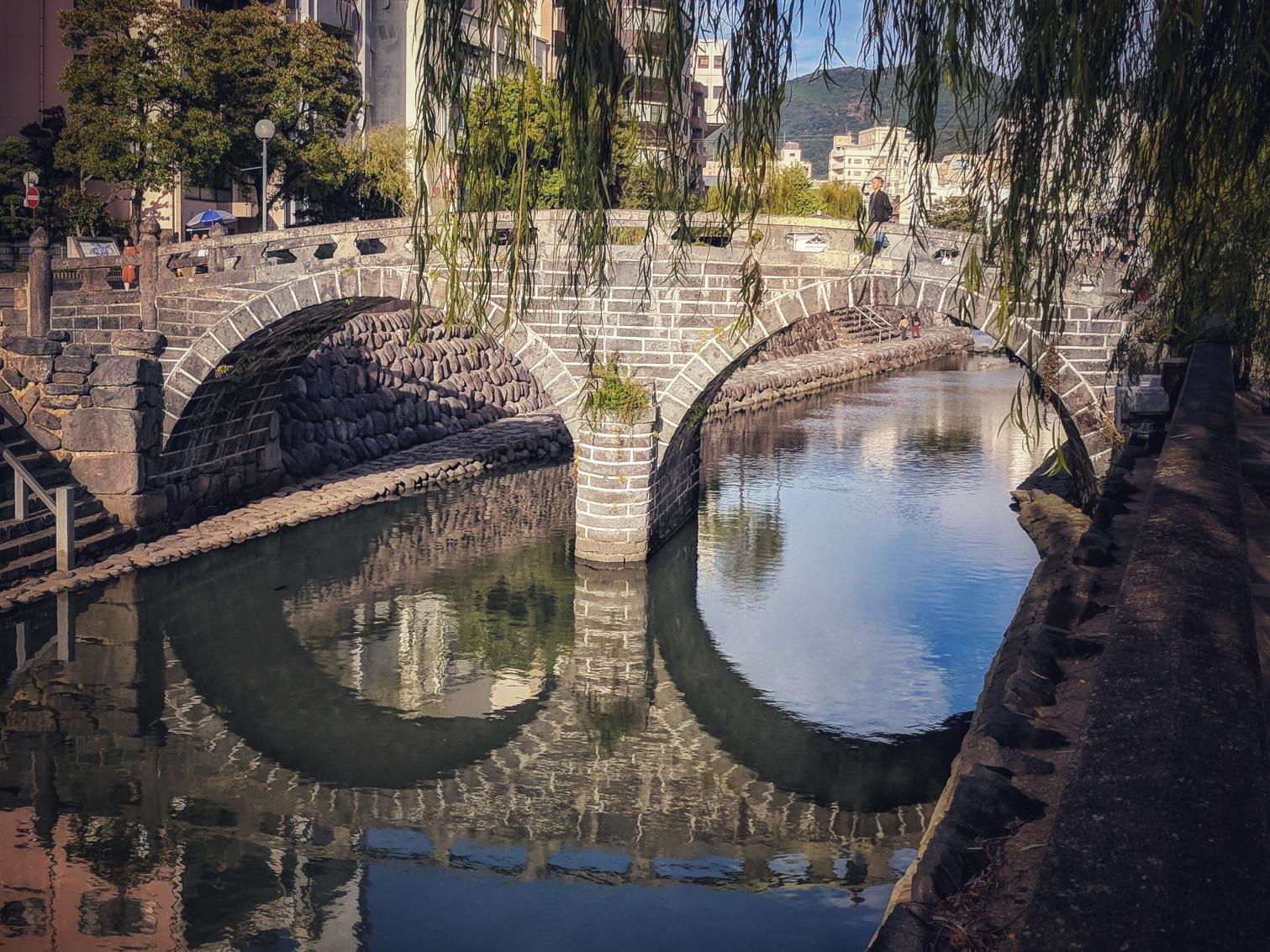
Meganebashi
Meganebashi is a stone arch bridge spanning the Nakashima River. It's said to have been built in 1634, and its name, "Spectacles Bridge," comes from how its arches and their reflection in the water look like a pair of glasses. The view of the river from on the bridge differs from the view of the whole bridge from the bank. On days when the water is calm, it's lovely to walk slowly, taking in the curve of the stone and its reflection.
It was partly destroyed in the 1982 Nagasaki flood and later restored, so this beautiful scene also holds a story of the city's disaster and preservation. Use the low path by the water according to water levels and on-site restrictions. There's a bridge of the same name in Isahaya City too, so it's important to confirm you're heading to the Meganebashi on the Nakashima River in Nagasaki City. Add a visit to nearby Kofukuji or a sweets shop, and a walk that began at the stone bridge flows naturally into temples and old shops.
It was partly destroyed in the 1982 Nagasaki flood and later restored, so this beautiful scene also holds a story of the city's disaster and preservation. Use the low path by the water according to water levels and on-site restrictions. There's a bridge of the same name in Isahaya City too, so it's important to confirm you're heading to the Meganebashi on the Nakashima River in Nagasaki City. Add a visit to nearby Kofukuji or a sweets shop, and a walk that began at the stone bridge flows naturally into temples and old shops.
현지 이름 眼鏡橋
주소 長崎県長崎市魚の町・諏訪町 中島川
특징 석조 다리·강변 산책
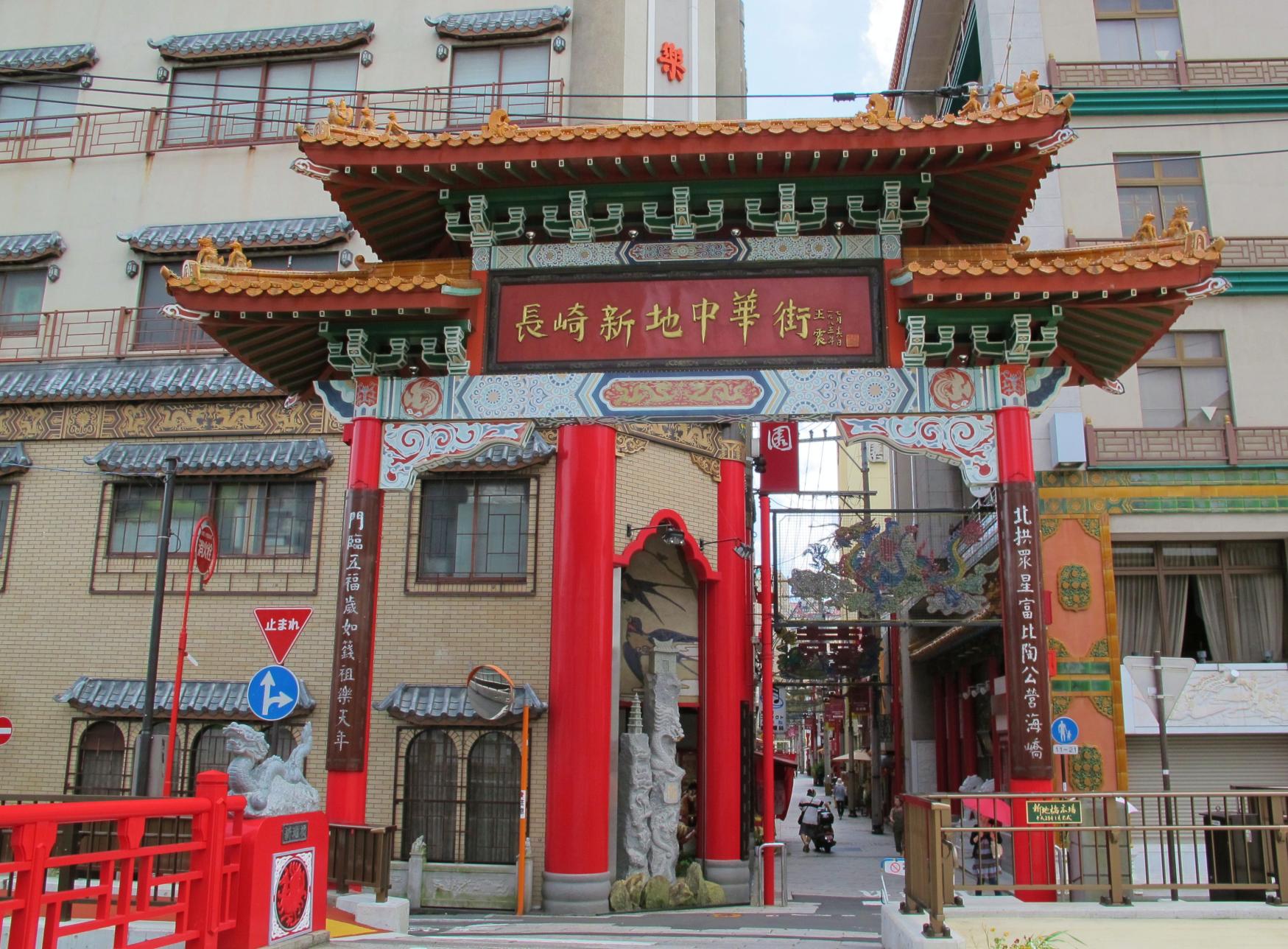
Nagasaki Shinchi Chinatown
Shinchi Chinatown is Nagasaki's signature commercial street, packed with Chinese restaurants, shops selling Chinese goods and red gates. While eating champon (a hearty noodle soup) and sara udon (crispy noodles topped with a savory sauce) or picking out small sweets, you can see traces of the city's long exchange with China. Take in the alley signs and decorations and the different menus at each restaurant, and the street's character feels richer than if you just ate at one place and moved on.
The street and each restaurant keep different hours, so factor in the break between lunch and dinner when you visit. The decorations and performances of the Lantern Festival are a sight of the festival period and aren't held on the same scale year-round. Be considerate of foot traffic when taking photos around the gates and in narrow lanes. It's easy to pair with nearby Dejima or the Hamanomachi area, making it a handy stretch for linking meals and strolls during a city-center trip.
The street and each restaurant keep different hours, so factor in the break between lunch and dinner when you visit. The decorations and performances of the Lantern Festival are a sight of the festival period and aren't held on the same scale year-round. Be considerate of foot traffic when taking photos around the gates and in narrow lanes. It's easy to pair with nearby Dejima or the Hamanomachi area, making it a handy stretch for linking meals and strolls during a city-center trip.
현지 이름 長崎新地中華街
주소 長崎県長崎市新地町
특징 중화가·식사·쇼핑
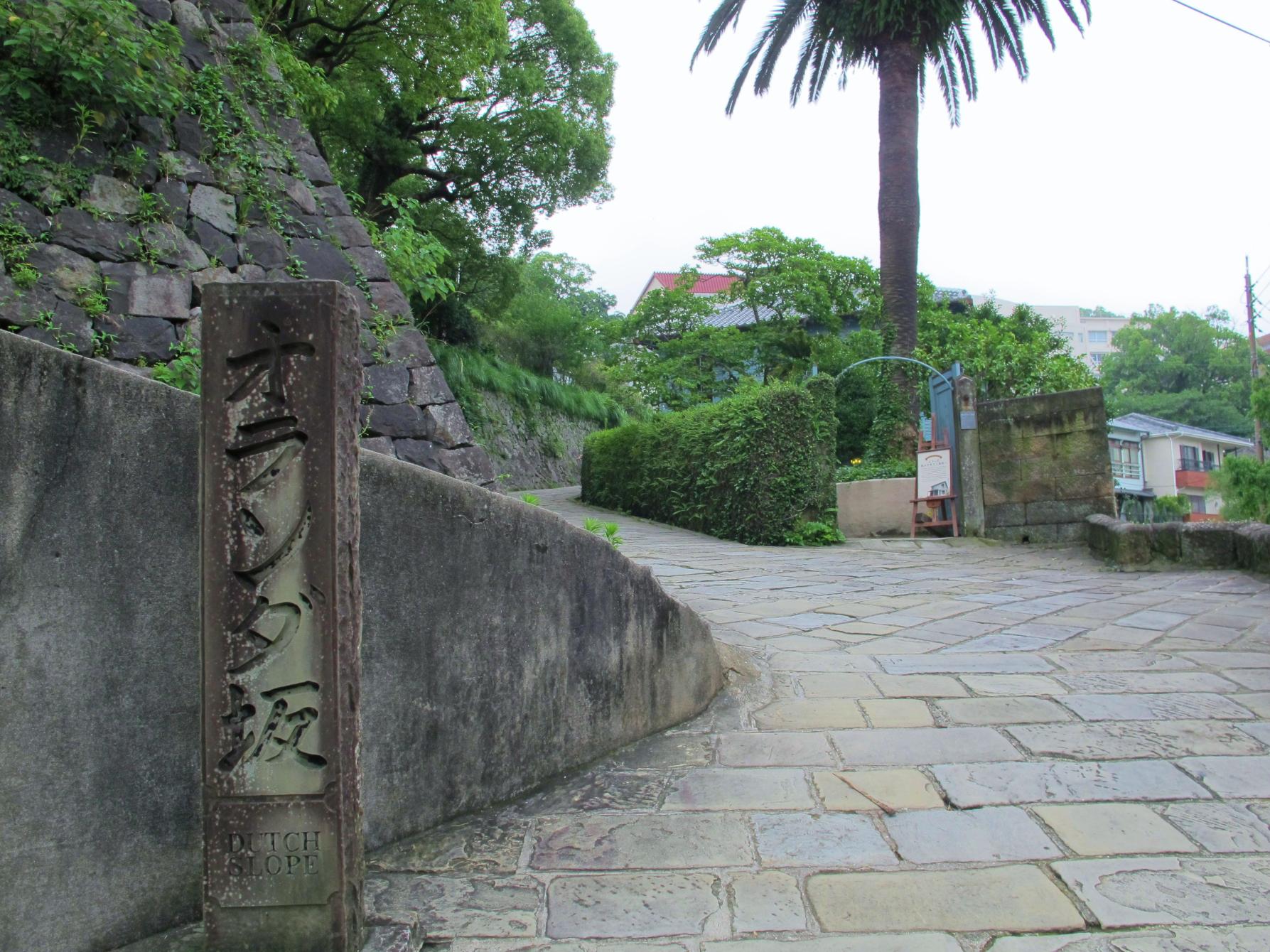
Dutch Slope
Dutch Slope (Oranda-zaka) is a cobblestone lane in Higashiyamate where you can experience the scenery of the former foreign settlement. The name ties back to the history of Nagasaki people calling Westerners ‘Oranda-san,’ so it's hard to understand it simply as a single road built by the Dutch. Walk along following stone walls, houses and the views that shift with the slope, and you'll feel a different side of the city's terrain from the flat shopping streets.
Today it mainly refers to the slope below Kwassui Women's University and the slopes around it, and should be distinguished from the Maruyama Dutch Slope of the same name. Rain-soaked cobblestones are atmospheric but can be slippery, so comfortable shoes are useful. The surrounding houses and school are living and educational spaces, so just because you can see a building doesn't mean you can freely enter it. Choose the public facilities along the way to visit, and leave time to come down to the flat waterfront to lighten the load.
Today it mainly refers to the slope below Kwassui Women's University and the slopes around it, and should be distinguished from the Maruyama Dutch Slope of the same name. Rain-soaked cobblestones are atmospheric but can be slippery, so comfortable shoes are useful. The surrounding houses and school are living and educational spaces, so just because you can see a building doesn't mean you can freely enter it. Choose the public facilities along the way to visit, and leave time to come down to the flat waterfront to lighten the load.
현지 이름 オランダ坂(東山手)
주소 長崎県長崎市東山手町
특징 역사 거리·돌길 산책
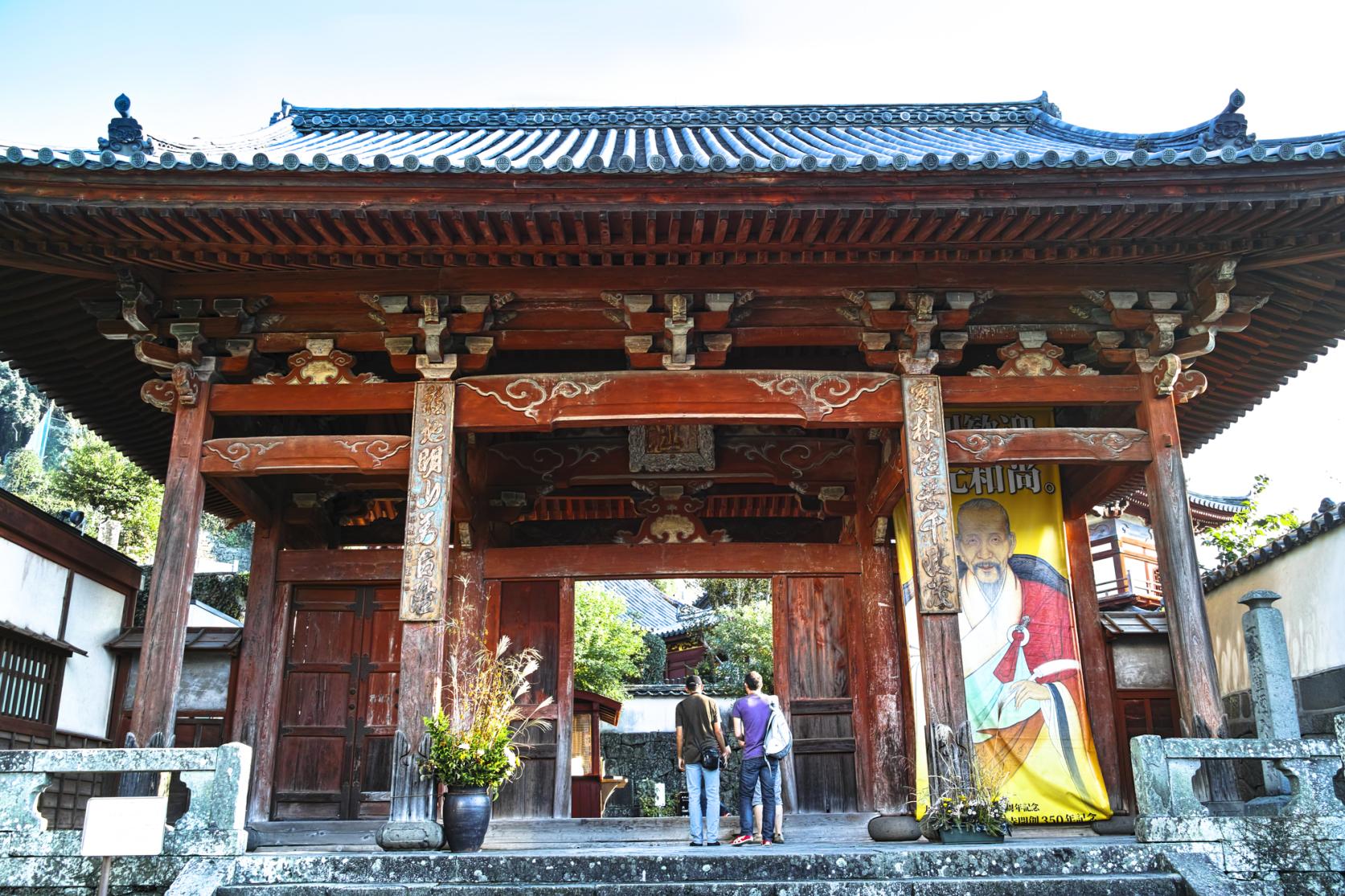
Kofukuji
Kofukuji is an Obaku Zen temple in Nagasaki's Teramachi where you can see a red main gate and Chinese-style architecture. It was founded in 1620 in connection with people from the Nanjing region of China and is also known as Nankin-dera. The current Main Hall was rebuilt in 1883 after fire and storm damage, and features details that stand out the closer you look, such as its wood carvings and the curves of its ceiling.
It also has ties to the monk who built Meganebashi, so visiting the temple after a riverside walk lets you connect the histories of both places. Regular visiting hours are 8:00 to 17:00. To avoid confusing it with the temple of the same name in Nara, search using its Teramachi, Nagasaki City address. Look around quietly inside the grounds, respecting the routes of a religious site, and rather than just taking photos of the buildings, it's worth learning the background of a temple built by Chinese residents to pray for safe voyages and to practice their faith.
It also has ties to the monk who built Meganebashi, so visiting the temple after a riverside walk lets you connect the histories of both places. Regular visiting hours are 8:00 to 17:00. To avoid confusing it with the temple of the same name in Nara, search using its Teramachi, Nagasaki City address. Look around quietly inside the grounds, respecting the routes of a religious site, and rather than just taking photos of the buildings, it's worth learning the background of a temple built by Chinese residents to pray for safe voyages and to practice their faith.
현지 이름 東明山 興福寺
주소 長崎県長崎市寺町4-32
특징 황벽종 사찰·역사 건축
Meganebashi and Kofukuji pair well on a day for tracing the history of the riverside and its temples, while Dejima and Shinchi Chinatown go together for exploring exchange and food in the city center. On the southern hill, splitting your visits to Oura Church and Glover Garden lets you take in the history of faith and the foreign settlement architecture at a calm pace. On Dutch Slope, look not only at the famous buildings but also at the cobblestones and everyday lanes.
If it rains, you can switch the order around, cutting back on slippery slopes and spending more time on indoor exhibits. Glover Garden's night opening and the closing times of shops inside Dejima aren't the same, so check each one for evening visits. Rather than ticking off many places, taking one more look at the details of a building that stayed with you will help you remember Nagasaki longer. Leave places to rest between walking stretches, and the city's changes in elevation will feel less taxing.
If it rains, you can switch the order around, cutting back on slippery slopes and spending more time on indoor exhibits. Glover Garden's night opening and the closing times of shops inside Dejima aren't the same, so check each one for evening visits. Rather than ticking off many places, taking one more look at the details of a building that stayed with you will help you remember Nagasaki longer. Leave places to rest between walking stretches, and the city's changes in elevation will feel less taxing.
At a glance
7 items
Locations at a glance
7 places
Comments 0
Log in to leave a comment.
Be the first to comment.
How about these lists?


You might also like


🎲
Not ready to stop here?
Wondering what to read next is the biggest waste of time.
Let the dice decide — you won't know what pops up until you roll.
If you don't press it… won't you wonder forever? 👀
