Collection
Jazz
2026.09.25
Modern Bossa Nova Redesigned Since the 1990s
An actual album that meets electronic sounds, jazz, and pop while maintaining its guitar rhythm
Bossa nova is not a genre that was completed and frozen in the 1960s. Since the 1990s, musicians have repositioned the small guitar rhythms and low voices within the production methods of electronic beats, sampling, modern jazz, and global pop. Some albums minimally refine the original, while others boldly incorporate textures from clubs and lounges. Hearing the breadth of change makes it clear that 'modern' does not simply refer to electronic sounds.
This list includes everything from João Gilberto's minimal late works to Morelenbaum²/Sakamoto's reinterpretation of Jobim, to beat-centered works from Zuco 103 and Bossacucanova, and collaborative pop from Sérgio Mendes, showcasing different directions. Only actual albums released since the 1990s have been selected, arranged to compare what has been preserved and what has changed between works closer to tradition and those that have boldly ventured outside.
This list includes everything from João Gilberto's minimal late works to Morelenbaum²/Sakamoto's reinterpretation of Jobim, to beat-centered works from Zuco 103 and Bossacucanova, and collaborative pop from Sérgio Mendes, showcasing different directions. Only actual albums released since the 1990s have been selected, arranged to compare what has been preserved and what has changed between works closer to tradition and those that have boldly ventured outside.
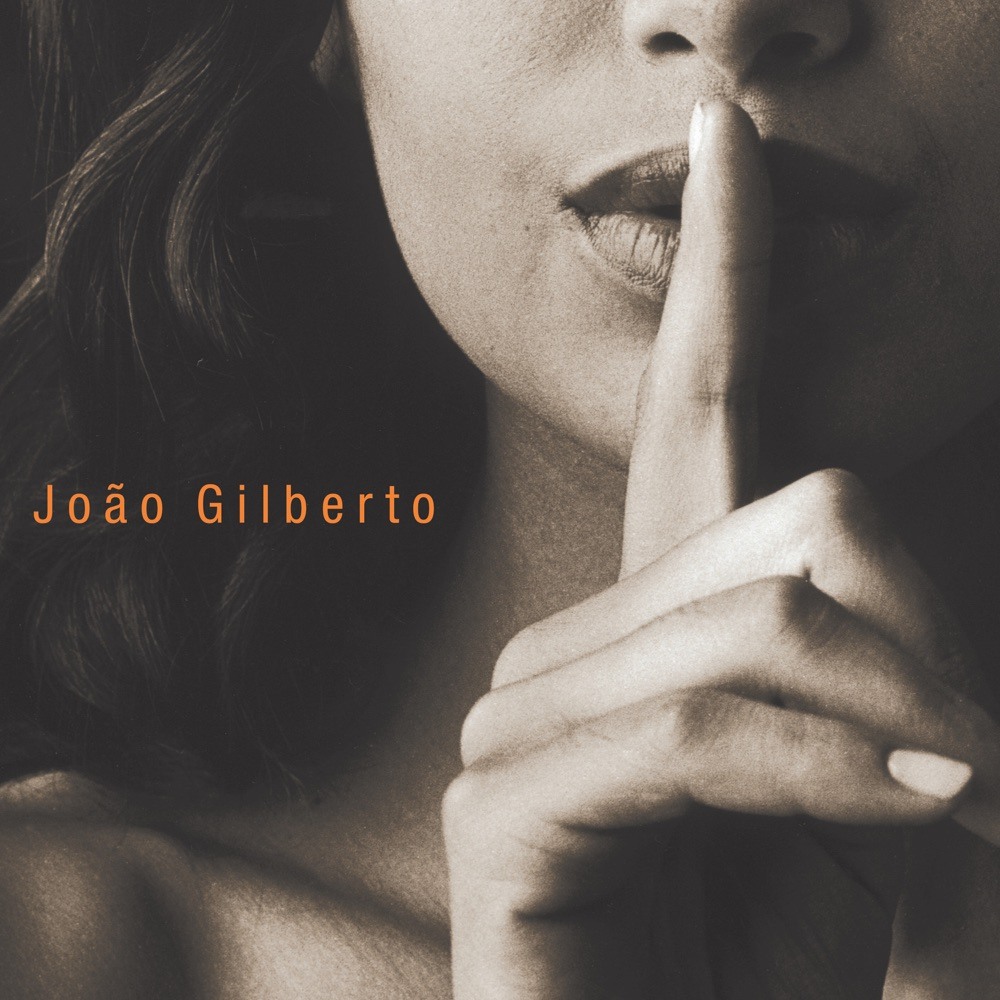
João Voz e Violão — João Gilberto
When listening to 《João Voz e Violão》, it’s better to first look at the arrangement rather than focusing on just one standout track. João Gilberto’s later work places the guitar and voice almost in the same space, refining the essence of bossa nova to an extreme simplicity. With repeated listens, focus on the rhythm of the fingers and the gap between breaths in the less-reverberant recording. By concentrating on the breathing of the performance, you can see the order that João Gilberto has established throughout the album as you check if the same choices are repeated in subsequent tracks.
The connected version is verified on Apple Music/iTunes under João Gilberto, marked with a release year of 1999, and the genre is Bossa nova. The original and reissued versions of 《João Voz e Violão》 might differ in cover, track arrangement, and dates, so I included both the album name and artist for comparison. This list introduces it as the archetype of the genre viewed through minimalism, and actual participant credits can be additionally confirmed on the connected page.
The connected version is verified on Apple Music/iTunes under João Gilberto, marked with a release year of 1999, and the genre is Bossa nova. The original and reissued versions of 《João Voz e Violão》 might differ in cover, track arrangement, and dates, so I included both the album name and artist for comparison. This list introduces it as the archetype of the genre viewed through minimalism, and actual participant credits can be additionally confirmed on the connected page.
아티스트 João Gilberto
표시 발매 연도 1999
형식 음반
표시 장르 Bossa nova
목록 내 맥락 미니멀리즘으로 돌아본 장르의 원형
감상 포인트 주앙 지우베르투가 기타와 목소리를 거의 한 공간에 놓아 보사노바의 핵심을 극도로 간결하게 다듬은 후기작이다.
듣기 팁 잔향이 적은 녹음에서 손가락의 리듬과 호흡 사이 간격을 집중해 들어보자.

Casa — Morelenbaum² / Sakamoto
The starting point for experiencing 《Casa》 is not the volume but the way instruments and voices share space. Listening with awareness of the gaps, Paula and Jaques Morelenbaum together with Ryuichi Sakamoto have delicately reinterpreted their repertoire centered around Jobim's house and piano. By layering the sounds, let’s see if the cello and piano can maintain the loose rhythm of bossa nova even without guitar. Following this process, you can assess the reasoning for this selection as a chamber music reinterpretation made from Jobim's space and instruments without relying solely on the impression of one track.
The data for 《Casa》 is organized based on the actual album page on Apple Music/iTunes. The listed artist is Morelenbaum² / Sakamoto, the year is 2001, and the service genre label is Jazz. This clarifies the distinction to avoid misunderstanding the re-release date as the original recording date, and the list’s role as a guide for listening is not the official genre classification of the platform.
The data for 《Casa》 is organized based on the actual album page on Apple Music/iTunes. The listed artist is Morelenbaum² / Sakamoto, the year is 2001, and the service genre label is Jazz. This clarifies the distinction to avoid misunderstanding the re-release date as the original recording date, and the list’s role as a guide for listening is not the official genre classification of the platform.
아티스트 Morelenbaum² / Sakamoto
표시 발매 연도 2001
형식 음반
표시 장르 Jazz
목록 내 맥락 조빙의 공간과 악기로 만든 실내악적 재해석
감상 포인트 파울라·자키스 모렐렌바움과 사카모토 류이치가 조빙의 집과 피아노를 중심으로 레퍼토리를 섬세하게 재해석했다.
듣기 팁 첼로와 피아노가 기타 없이도 보사노바의 느슨한 박자를 유지하는지 살펴보자.
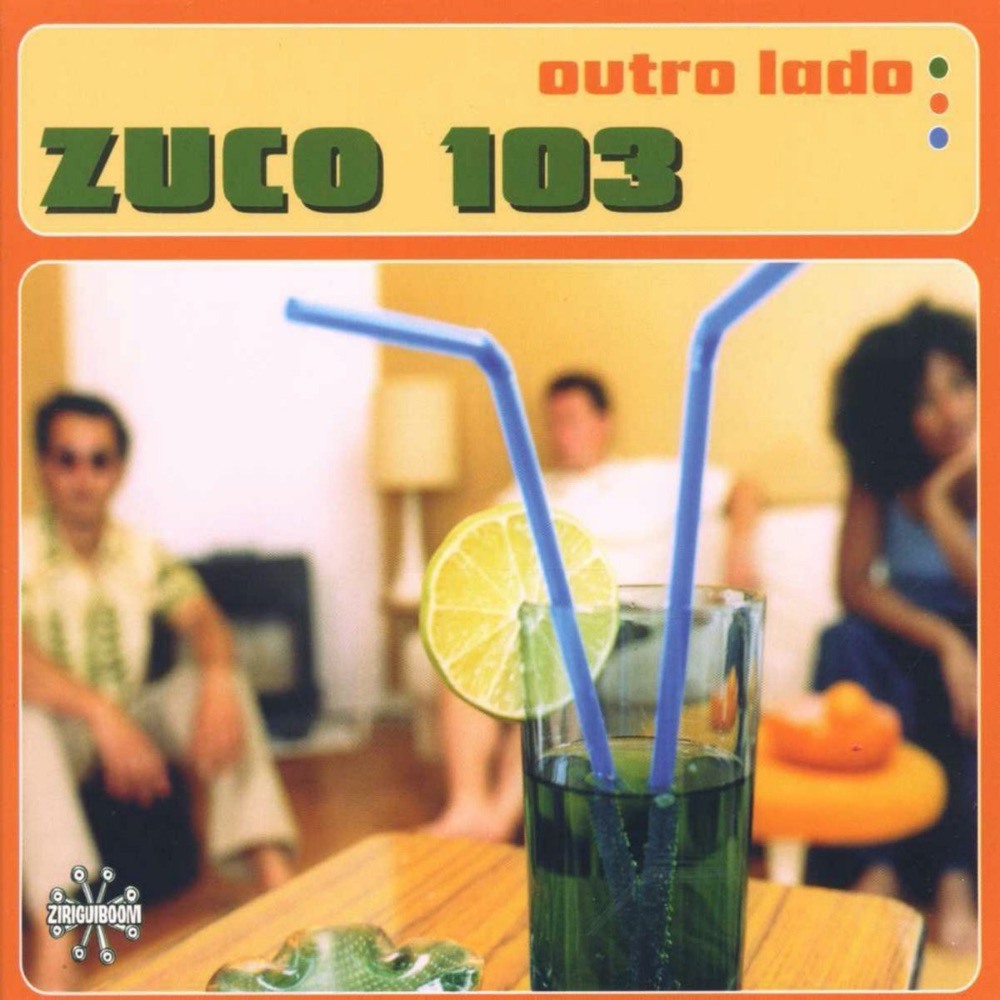
Outro Lado — Zuco 103
Zuco 103's 《Outro Lado》 does not stay in the same expression from the first track to the last. Listening more to the back rather than the melody, you’ll notice that Zuco 103's crossover album from the late 1990s combines Brazilian rhythms with drum and bass, electronic sounds, and jazz vocals. Throughout the album, when encountering tracks where live percussion overlaps with programmed beats, listen for the layers of rhythm. With repeated listens to 《Outro Lado》, by picking one fast track and one slow track to compare, the rhythm design and changes in timbre of this work become clearer.
The version linked on Apple Music/iTunes is marked as being from 1999, under Zuco 103. When focusing on the breathing of the performance, although the genre attached by the service is Música do mundo, that alone does not define the range of the music. While checking the differences in track listings between the original LP and the digital version, focus on the context of the intersection of club culture and Brazilian music.
The version linked on Apple Music/iTunes is marked as being from 1999, under Zuco 103. When focusing on the breathing of the performance, although the genre attached by the service is Música do mundo, that alone does not define the range of the music. While checking the differences in track listings between the original LP and the digital version, focus on the context of the intersection of club culture and Brazilian music.
아티스트 Zuco 103
표시 발매 연도 1999
형식 음반
표시 장르 Música do mundo
목록 내 맥락 클럽 문화와 브라질 음악의 교차점
감상 포인트 주코 103이 브라질 리듬을 드럼 앤 베이스·전자음향·재즈 보컬과 결합한 1990년대 후반의 크로스오버 음반이다.
듣기 팁 라이브 타악기와 프로그래밍된 비트가 겹치는 곡에서 리듬의 층을 나눠 들어보자.
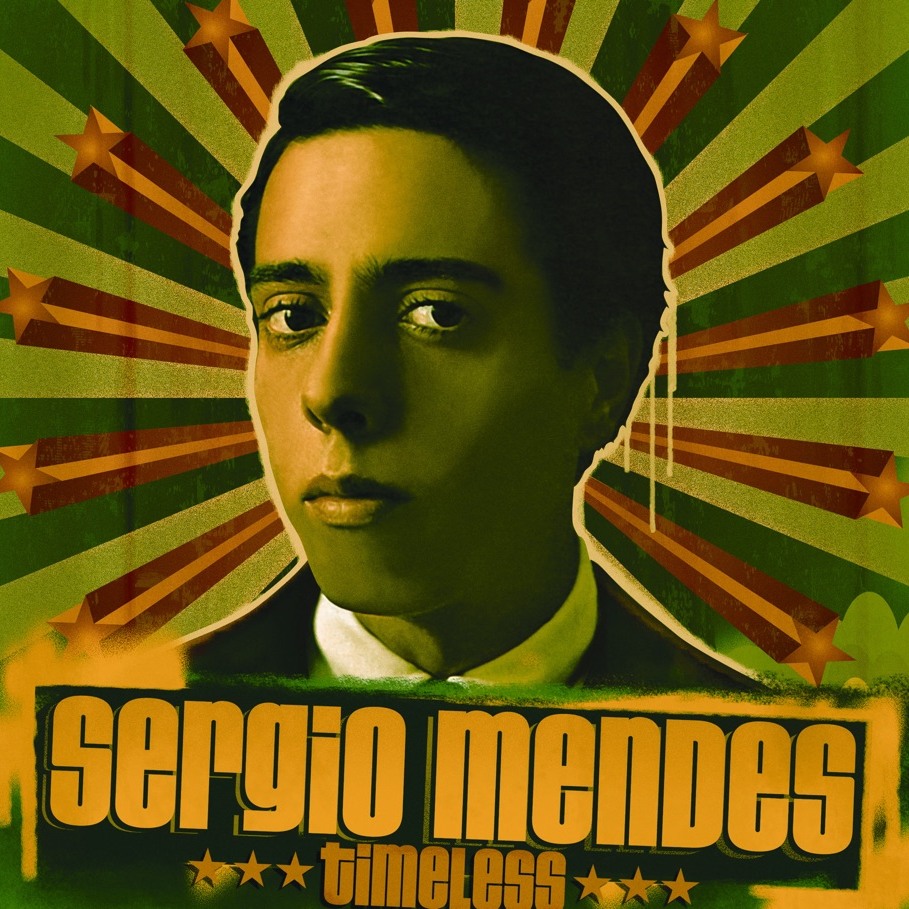
Timeless — Sérgio Mendes
In 《Timeless》, let’s look for the moments when the accompaniment opens up rather than just following the melody. Listening to the first and last tracks back-to-back, you’ll find that Sérgio Mendes collaborates with contemporary hip-hop and pop artists, transferring his Brazilian repertoire into new generational production styles. In tracks where you know the original songs, observe the rhythmic movements rather than the melody and compare how the spaces are recreated for beats and raps. By comparing the bass, guitar, and piano around those gaps, the role of this album within the modern bossa nova redesigned since the 1990s becomes concretized.
《Timeless》 is linked as a 2006 version under Sérgio Mendes, and the genre on Apple Music/iTunes is Brasileira. In 《Timeless》, listening with awareness of the gaps, the remastered releases may have different release dates from the original, so the date is noted as ‘indicated year’. By distinguishing the selection criterion of Brazilian pop renewed through intergenerational collaboration and the actual production credits, you can check both information and appreciation.
《Timeless》 is linked as a 2006 version under Sérgio Mendes, and the genre on Apple Music/iTunes is Brasileira. In 《Timeless》, listening with awareness of the gaps, the remastered releases may have different release dates from the original, so the date is noted as ‘indicated year’. By distinguishing the selection criterion of Brazilian pop renewed through intergenerational collaboration and the actual production credits, you can check both information and appreciation.
아티스트 Sérgio Mendes
표시 발매 연도 2006
형식 음반
표시 장르 Brasileira
목록 내 맥락 세대 간 협업으로 갱신한 브라질 팝
감상 포인트 세르지우 멘데스가 동시대 힙합·팝 아티스트와 협업해 자신의 브라질 레퍼토리를 새로운 세대의 제작 방식으로 옮겼다.
듣기 팁 원곡을 아는 트랙에서는 멜로디보다 비트와 랩이 들어올 자리를 어떻게 다시 만든지 비교해보자.
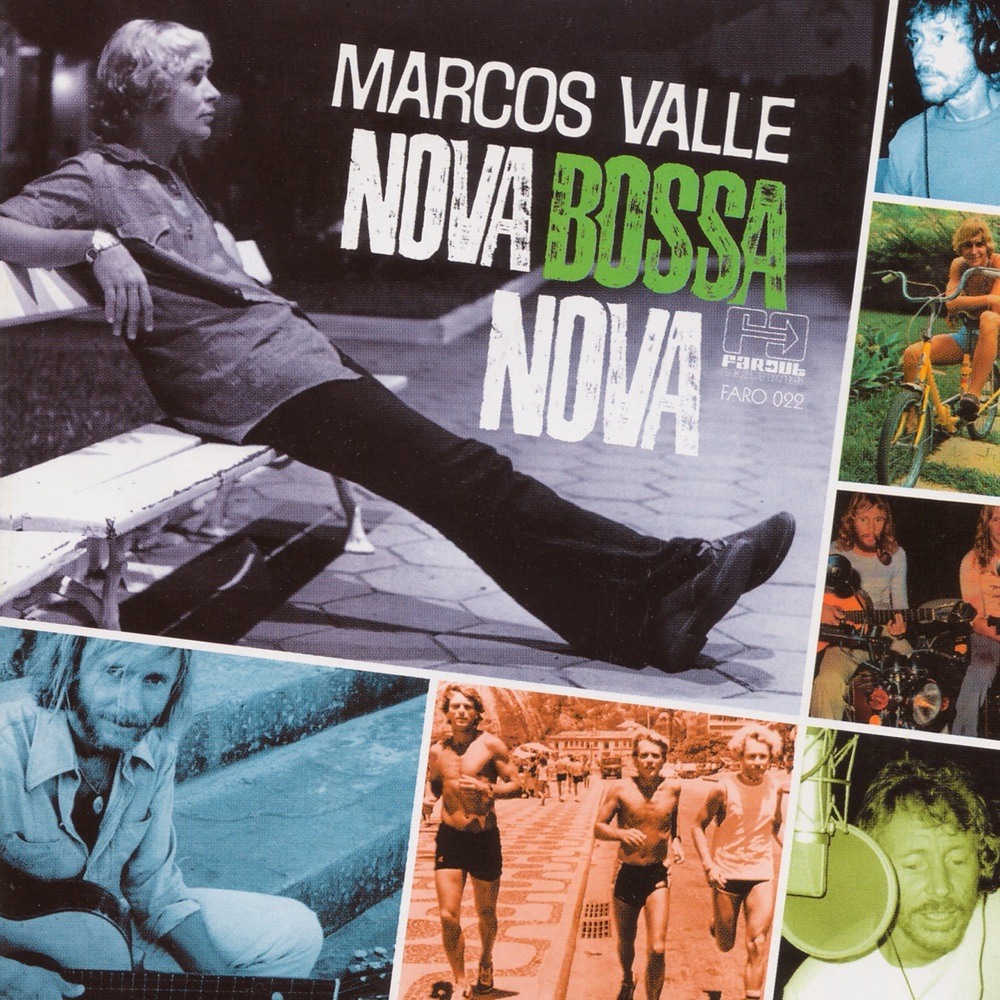
Nova Bossa Nova — Marcos Valle
The description of 《Nova Bossa Nova》 as a late urban sound from a bossa nova composer can be confirmed in its actual sound. Upon closer listening, Marcos Valle connects his composition world to the sounds of the 1990s with sophisticated keyboards and rhythm programming. When listening between the vocals and instruments, pay attention to the parts where the funk bass and bossa nova harmonies move simultaneously. If there are different versions of the same song, placing the tempos and phrasings side by side will help distinguish Marcos Valle's unique choices.
The connected version is confirmed on Apple Music/iTunes as Marcos Valle, with a release year of 1998, and the genre is MPB. The original and reissue versions of 《Nova Bossa Nova》 may differ in cover art, track arrangements, and dates, so both the album name and artist were provided for comparison. This list introduces it based on the standard of a late urban sound from a bossa nova composer, and actual participant credits can be additionally confirmed on the connected page.
The connected version is confirmed on Apple Music/iTunes as Marcos Valle, with a release year of 1998, and the genre is MPB. The original and reissue versions of 《Nova Bossa Nova》 may differ in cover art, track arrangements, and dates, so both the album name and artist were provided for comparison. This list introduces it based on the standard of a late urban sound from a bossa nova composer, and actual participant credits can be additionally confirmed on the connected page.
아티스트 Marcos Valle
표시 발매 연도 1998
형식 음반
표시 장르 MPB
목록 내 맥락 보사노바 작곡가의 후기적 도시 사운드
감상 포인트 마르쿠스 발리가 세련된 키보드와 리듬 프로그래밍으로 자신의 작곡 세계를 1990년대 사운드에 연결했다.
듣기 팁 펑크 베이스와 보사노바 화성이 동시에 움직이는 부분에 귀를 기울여보자.
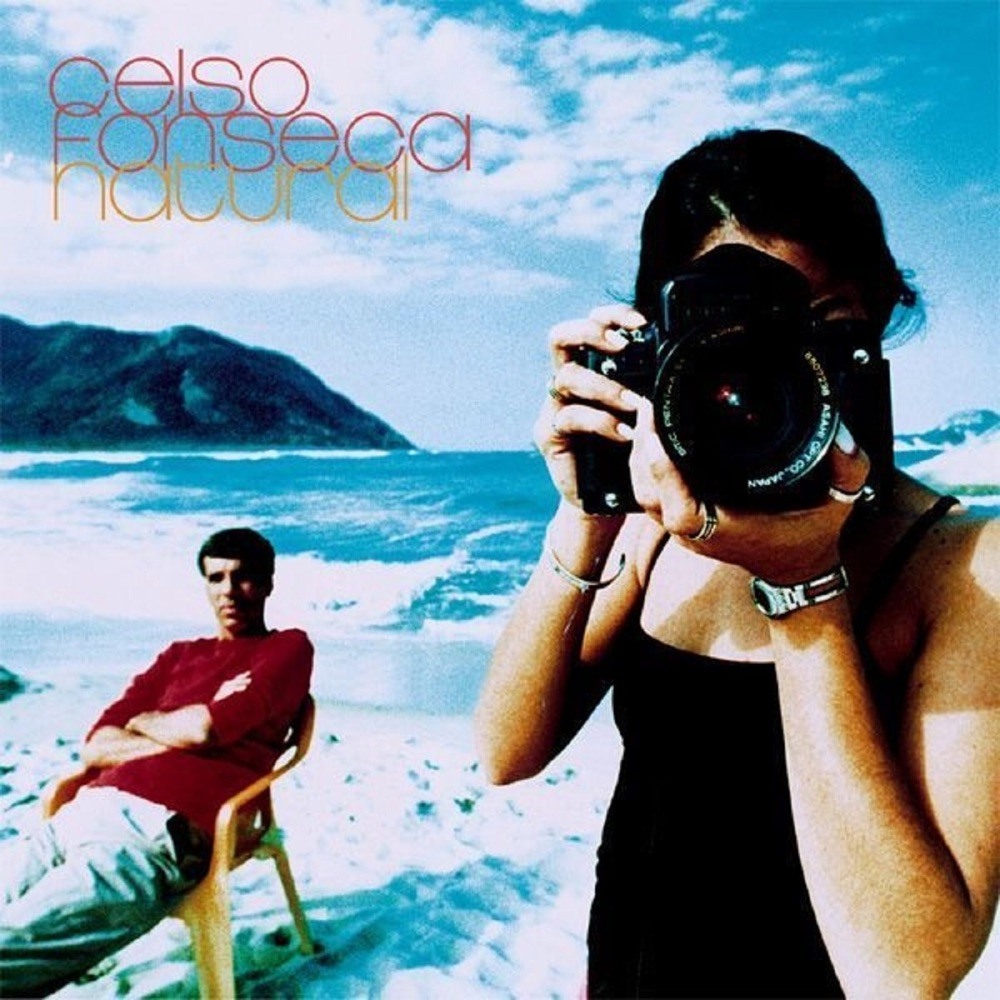
Natural — Celso Fonseca
The key to properly listening to 《Natural》 lies in the breath between the performers rather than the genre name. Re-listening to this album, Celso Fonseca creates a sense of modern Brazilian pop with smooth guitar, low vocals, and polished studio sound. When shifting focus, listen for how the low tones of the guitar and vocals give space to each other in tracks with fewer instruments. As a second point of listening to 《Natural》, linking the first and last tracks will clarify the character of the album as you observe the boundaries and reactions of the rhythm section when solos start and end.
The data for 《Natural》 is organized based on the actual album page on Apple Music/iTunes. The listed artist is Celso Fonseca, the year is 1999, and the service genre label is Worldwide. The re-release date was distinguished from the original recording date to avoid misunderstanding, and the list’s role as a contemporary bossa nova that retains the acoustic sense is not an official genre classification of the platform.
The data for 《Natural》 is organized based on the actual album page on Apple Music/iTunes. The listed artist is Celso Fonseca, the year is 1999, and the service genre label is Worldwide. The re-release date was distinguished from the original recording date to avoid misunderstanding, and the list’s role as a contemporary bossa nova that retains the acoustic sense is not an official genre classification of the platform.
아티스트 Celso Fonseca
표시 발매 연도 1999
형식 음반
표시 장르 Worldwide
목록 내 맥락 어쿠스틱 감각을 지킨 동시대 보사노바
감상 포인트 셀수 폰세카가 부드러운 기타와 낮은 보컬, 정돈된 스튜디오 음향으로 현대적인 브라질 팝의 친밀함을 만든다.
듣기 팁 악기 수가 적은 곡에서 기타의 저음과 보컬이 서로 자리를 비켜주는 방식을 들어보자.
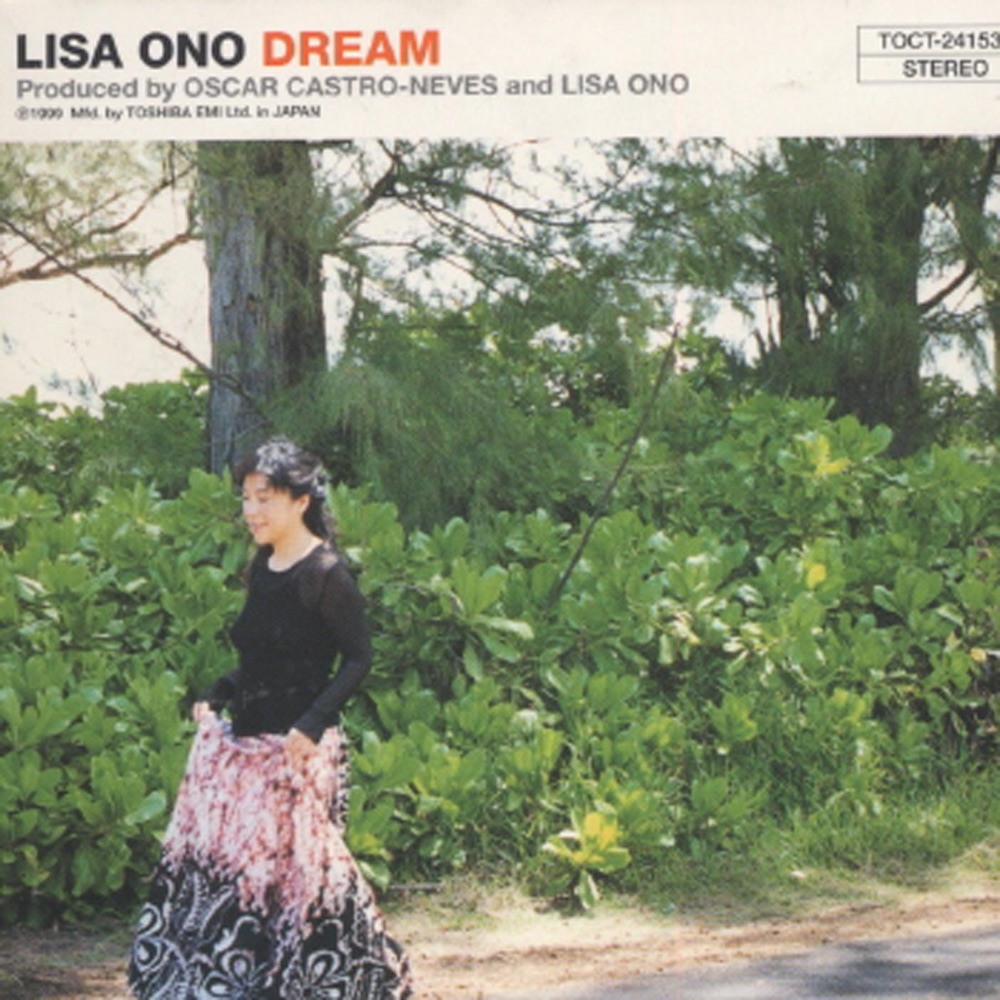
Dream — Lisa Ono
In the context of modern bossa nova redesigned since the 1990s, 《Dream》 expands the benchmark for comparison. Following the flow of the arrangements, Lisa Ono connects Brazilian repertoire with international jazz and pop arrangements and multilingual vocals in this late 20th-century bossa nova album. Taking it slowly track by track, compare how the rhythm of pronunciation differs in Portuguese and English songs. By listening closely, noting the differences in arrangement for the introduction, middle, and final tracks will allow you to distinguish the elements kept and changed by Lisa Ono.
The version linked on Apple Music/iTunes is marked as 1999, under Lisa Ono. When listening between the vocals and instruments, the genre attached by the service is Música do mundo, but that alone does not define the range of the music. While checking the differences in track listings between the original LP and the digital version, focus on the context of the global bossa nova that has expanded from Japan.
The version linked on Apple Music/iTunes is marked as 1999, under Lisa Ono. When listening between the vocals and instruments, the genre attached by the service is Música do mundo, but that alone does not define the range of the music. While checking the differences in track listings between the original LP and the digital version, focus on the context of the global bossa nova that has expanded from Japan.
아티스트 Lisa Ono
표시 발매 연도 1999
형식 음반
표시 장르 Música do mundo
목록 내 맥락 일본에서 확장된 글로벌 보사노바
감상 포인트 오노 리사가 브라질 레퍼토리를 국제적인 재즈·팝 편곡과 다국어 보컬로 연결한 세기말 보사노바 음반이다.
듣기 팁 포르투갈어와 영어 노래에서 발음의 리듬이 어떻게 달라지는지 비교해보자.
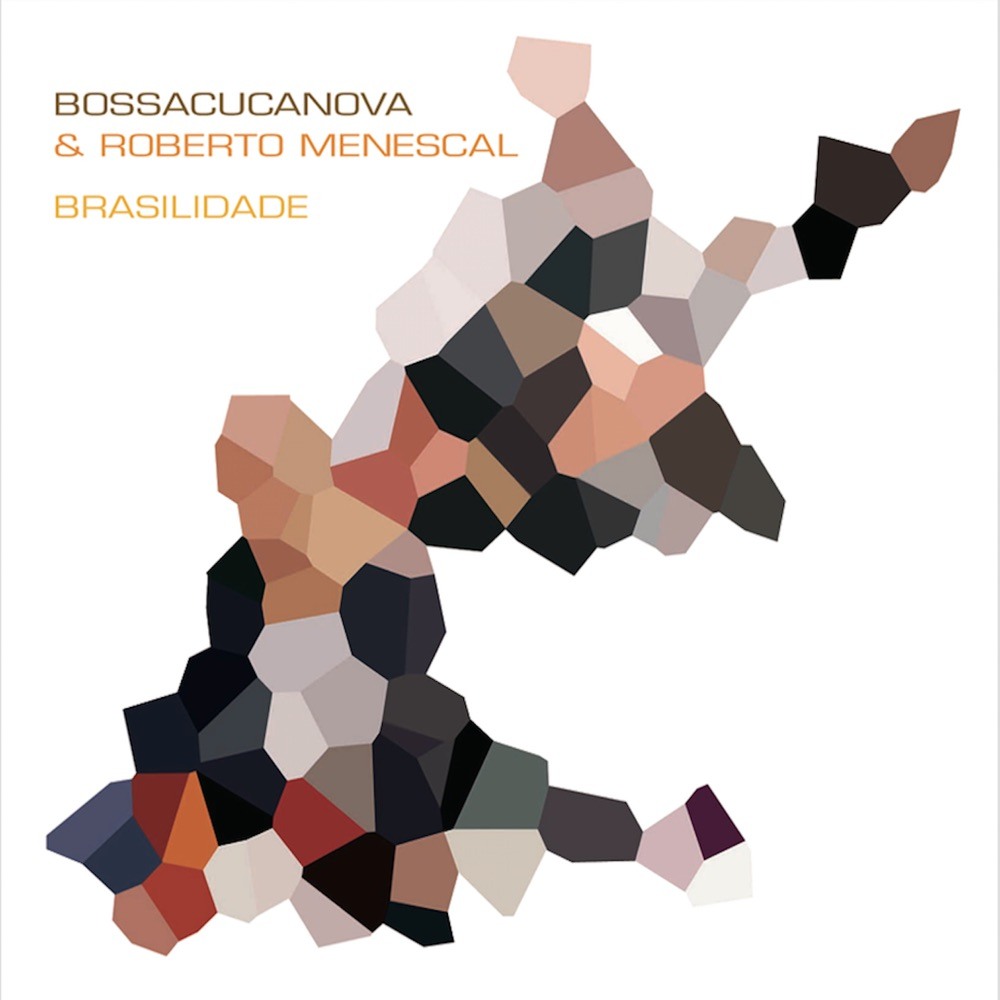
Brasilidade — Bossacucanova & Roberto Menescal
The charm of 《Brasilidade》 lies in the inner rhythms rather than the surface softness. Focusing on the breathing of the performance, Bossacucanova and Roberto Menescal have sampled the guitar sensibilities of classic bossa nova and positioned them within electronic beats. Beyond the first impressions, check how the original guitar or melody is cut and repeated in loops. As you listen again to 《Brasilidade》, during repeated listens, it's helpful to set aside the main melody for a moment and follow the positions of the low tones and percussion.
《Brasilidade》 is linked as a 2001 version under Bossacucanova & Roberto Menescal, with the genre on Apple Music/iTunes being Bossa nova. The second listening point for 《Brasilidade》 is when you change your focus; the remastered releases may have different release dates from the original, so the date is noted as ‘indicated year’. By distinguishing the selection criterion of collaboration between the original generation and the electronic music generation and the actual production credits, you can check both information and appreciation.
《Brasilidade》 is linked as a 2001 version under Bossacucanova & Roberto Menescal, with the genre on Apple Music/iTunes being Bossa nova. The second listening point for 《Brasilidade》 is when you change your focus; the remastered releases may have different release dates from the original, so the date is noted as ‘indicated year’. By distinguishing the selection criterion of collaboration between the original generation and the electronic music generation and the actual production credits, you can check both information and appreciation.
아티스트 Bossacucanova & Roberto Menescal
표시 발매 연도 2001
형식 음반
표시 장르 Bossa nova
목록 내 맥락 원 세대와 전자음악 세대의 공동 작업
감상 포인트 보사쿠카노바와 호베르투 메네스칼이 고전 보사노바의 기타 감각을 샘플링과 전자 비트 속에 배치했다.
듣기 팁 원곡의 기타나 멜로디가 루프 안에서 어떤 단위로 잘리고 반복되는지 확인해보자.
When listening to modern bossa nova, let's check if there is an electronic sound and how the subtle rhythms of guitars or percussion are retained. Even if samples and loops are repeated, if the vocals come in slightly late or the bass maintains the samba movement, the roots of the genre are revealed. Conversely, an acoustic arrangement with newly designed harmonies and recording spaces can present a sufficiently modern interpretation.
Rather than listening to everything at once, start by comparing the album closer to the original, 《João Voz e Violão》, with the electronically textured 《Outro Lado》, and then find a middle ground to properly capture the spectrum of changes. The release dates of the connected services can indicate re-release timings, so the explanations separate the context of the work and the indicated year. If you find an album you love, checking the credits for the producers and arrangers makes it clearer where the sounds of the era originated.
Rather than listening to everything at once, start by comparing the album closer to the original, 《João Voz e Violão》, with the electronically textured 《Outro Lado》, and then find a middle ground to properly capture the spectrum of changes. The release dates of the connected services can indicate re-release timings, so the explanations separate the context of the work and the indicated year. If you find an album you love, checking the credits for the producers and arrangers makes it clearer where the sounds of the era originated.
At a glance
8 items
João Voz e Violão — João Gilberto
João Gilberto1999음반
Casa — Morelenbaum² / Sakamoto
2001음반Jazz
Outro Lado — Zuco 103
Zuco 1031999음반
Timeless — Sérgio Mendes
Sérgio Mendes2006음반
Nova Bossa Nova — Marcos Valle
Marcos Valle1998음반
Natural — Celso Fonseca
Celso Fonseca1999음반
Dream — Lisa Ono
Lisa Ono1999음반
Brasilidade — Bossacucanova & Roberto Menescal
2001음반Bossa nova
As part of the Coupang Partners program, this post may earn a commission from qualifying purchases.
Comments 0
Log in to leave a comment.
Be the first to comment.
How about these lists?


You might also like


🎲
Not ready to stop here?
Wondering what to read next is the biggest waste of time.
Let the dice decide — you won't know what pops up until you roll.
If you don't press it… won't you wonder forever? 👀