Collection
Bossa Nova
2026.09.25
The Representative Artists Who Changed the Direction of Brazilian Bossa Nova
True musicians who created the genre's language through singing, guitar, composing, and lyrics
Explaining the history of bossa nova through just a hit song or two may overlook the process of how voice, guitar, composition, and lyrics influenced each other. João Gilberto's playing style, Antônio Carlos Jobim's harmonies, Vinicius de Moraes' poetry, and Astrud Gilberto's vocals each took on different roles, while Nara Leão and Baden Powell opened pathways for the genre to evolve.
This list doesn't just enumerate singers but instead selects eight individuals who left distinct marks in vocals, guitar, composition, and lyricism. It includes figures like Elis Regina, who showcased the expressiveness of MPB (Música Popular Brasileira) after bossa nova, as well as composers like Carlos Lyra, who contributed to the early repertoire. By following their collaborative albums and the songs interpreted by other artists, the interconnectedness becomes clear.
This list doesn't just enumerate singers but instead selects eight individuals who left distinct marks in vocals, guitar, composition, and lyricism. It includes figures like Elis Regina, who showcased the expressiveness of MPB (Música Popular Brasileira) after bossa nova, as well as composers like Carlos Lyra, who contributed to the early repertoire. By following their collaborative albums and the songs interpreted by other artists, the interconnectedness becomes clear.
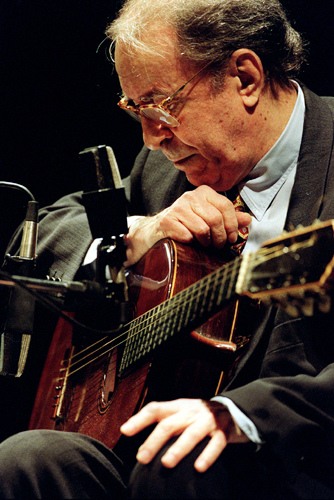
João Gilberto
To understand João Gilberto's work, it’s more accurate to focus on his actual role rather than just the titles of his hit songs. He established the core playing grammar of bossa nova by separating the bass and chords in guitar playing and placing his voice at a soft volume. The feature of 'restrained guitar rhythms and softly spoken vocals' appears not in a single recording but is repeated across various collaborations. Following the bass notes and high chords separately reveals how the small voice fits between the beats. This allows for a specific distinction of what this musician contributed to the genre among vocals, composition, and performance.
His main active period was from the late 1950s to the 2010s, with core roles summarized as vocals and guitar. Brazilian music involves close collaboration among composers, lyricists, performers, and singers, so it's important to check credits to avoid attributing all contributions solely to João Gilberto based on his name alone. The photos and sources use actual person information from Wikimedia Commons, and the Portuguese spellings may differ from English representations during searches.
His main active period was from the late 1950s to the 2010s, with core roles summarized as vocals and guitar. Brazilian music involves close collaboration among composers, lyricists, performers, and singers, so it's important to check credits to avoid attributing all contributions solely to João Gilberto based on his name alone. The photos and sources use actual person information from Wikimedia Commons, and the Portuguese spellings may differ from English representations during searches.
주요 역할 보컬·기타
활동 국가 브라질
주요 활동 시기 1950년대 후반~2010년대
음악적 특징 절제된 기타 리듬과 말하듯 낮은 보컬
감상 포인트 기타의 베이스와 화음을 분리해 연주하고 목소리를 작은 음량으로 배치하면서 보사노바의 핵심 연주 문법을 확립했다.
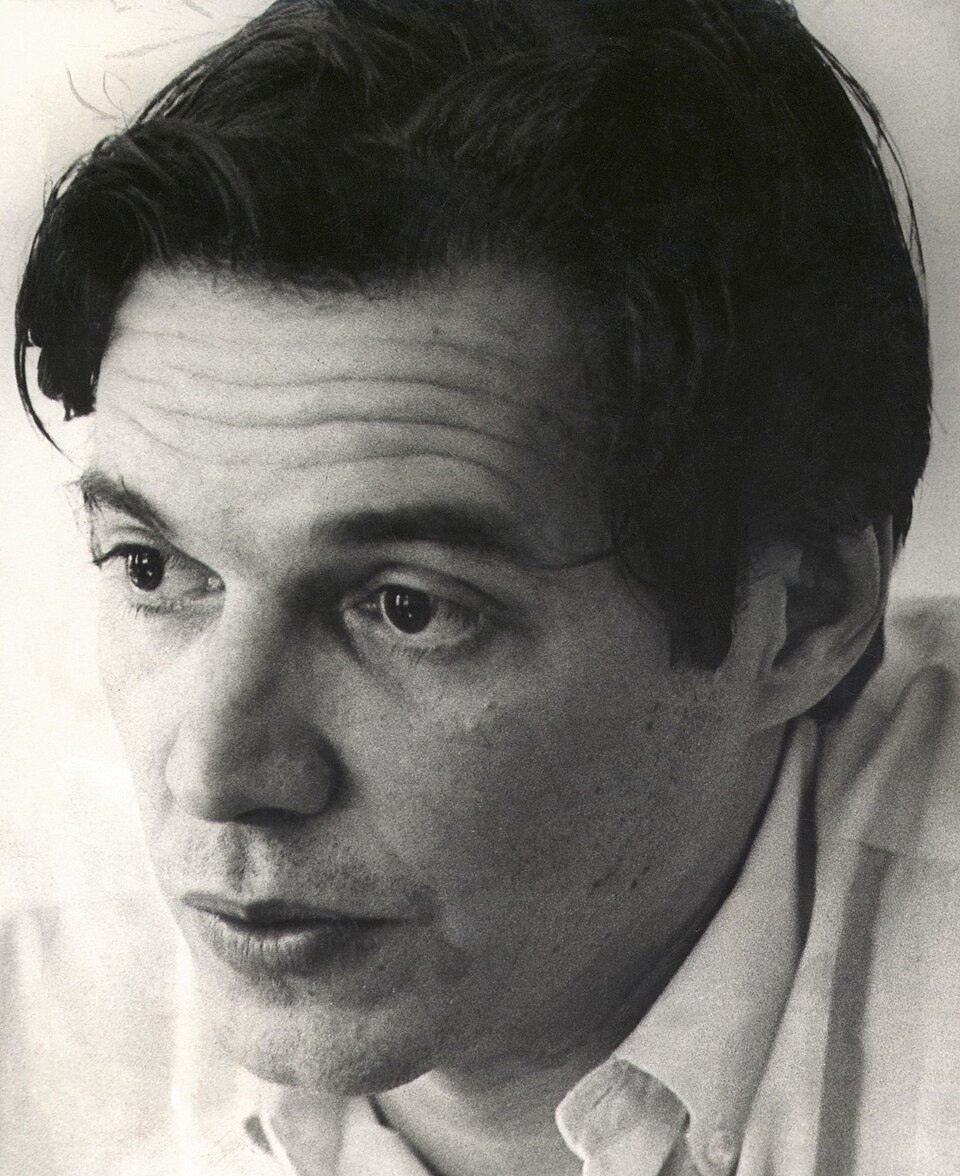
Antônio Carlos Jobim
To understand Antônio Carlos Jobim's work, it’s more accurate to focus on his actual role rather than just the titles of his hit songs. As a composer and arranger, he created the iconic repertoire of bossa nova and expanded the harmonic language bridging jazz, orchestral, and Brazilian music. The characteristic of 'sophisticated harmonies coupled with melodies capturing natural scenery' is not present in a single recording but is repeated across various collaborations. Comparing his performances with those of other singers helps to easily distinguish the influence of composition and arrangement. Listening with an awareness of the musical spaces brings clarity to how this musician contributed to the genre amidst vocals, composition, and performance.
His main active period was from the 1950s to the 1990s, summarized as focusing on composition, piano, and guitar. Brazilian music involves close collaboration among composers, lyricists, performers, and singers, so it’s important to check credits to avoid attributing all contributions solely to Antônio Carlos Jobim based on his name alone. Listening attentively to the layers of sound, the photos and sources use actual person information from Wikimedia Commons, and the Portuguese spellings may differ from English representations during searches.
His main active period was from the 1950s to the 1990s, summarized as focusing on composition, piano, and guitar. Brazilian music involves close collaboration among composers, lyricists, performers, and singers, so it’s important to check credits to avoid attributing all contributions solely to Antônio Carlos Jobim based on his name alone. Listening attentively to the layers of sound, the photos and sources use actual person information from Wikimedia Commons, and the Portuguese spellings may differ from English representations during searches.
주요 역할 작곡·피아노·기타
활동 국가 브라질
주요 활동 시기 1950년대~1990년대
음악적 특징 정교한 화성과 자연 풍경을 담은 선율
감상 포인트 작곡가와 편곡가로서 보사노바의 대표 레퍼토리를 만들고 재즈·관현악·브라질 음악을 잇는 화성 언어를 넓혔다.
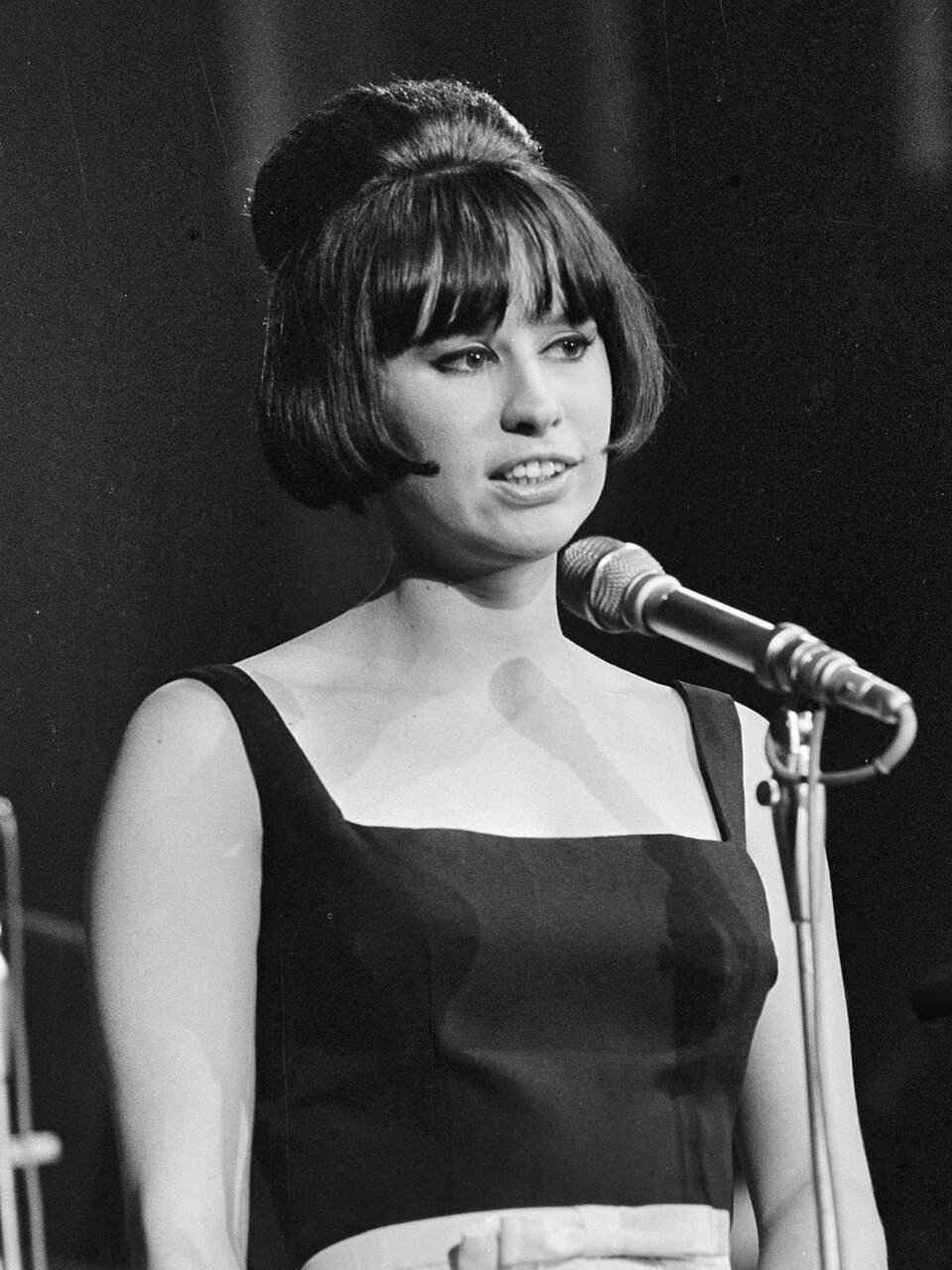
Astrud Gilberto
To understand Astrud Gilberto's work, it’s more accurate to focus on her actual role rather than just the titles of her hit songs. With an understated timbre and clear pronunciation, she played a significant role in delivering bossa nova to pop audiences outside Brazil. The characteristic of 'unembellished English and Portuguese vocals' appears not in a single recording but is repeated across various collaborations. Listening to English and Portuguese recordings side by side reveals how pronunciation changes the impression of rhythm. Listening with an ear toward the back of the melody allows for a specific distinction of what this musician contributed to the genre among vocals, composition, and performance.
Her main active period was from the 1960s to the 2000s, with her core role summarized as vocals. Brazilian music involves close collaboration among composers, lyricists, performers, and singers, so it’s important to check credits to ensure Astrud Gilberto is not solely credited for all contributions based on her name. Observing the overall flow of the album, the photos and sources use actual person information from Wikimedia Commons, and the Portuguese spellings may differ from English representations during searches.
Her main active period was from the 1960s to the 2000s, with her core role summarized as vocals. Brazilian music involves close collaboration among composers, lyricists, performers, and singers, so it’s important to check credits to ensure Astrud Gilberto is not solely credited for all contributions based on her name. Observing the overall flow of the album, the photos and sources use actual person information from Wikimedia Commons, and the Portuguese spellings may differ from English representations during searches.
주요 역할 보컬
활동 국가 브라질
주요 활동 시기 1960년대~2000년대
음악적 특징 담백한 영어·포르투갈어 보컬
감상 포인트 과장하지 않는 음색과 명료한 발음으로 보사노바가 브라질 밖의 팝 청중에게 전달되는 데 큰 역할을 했다.
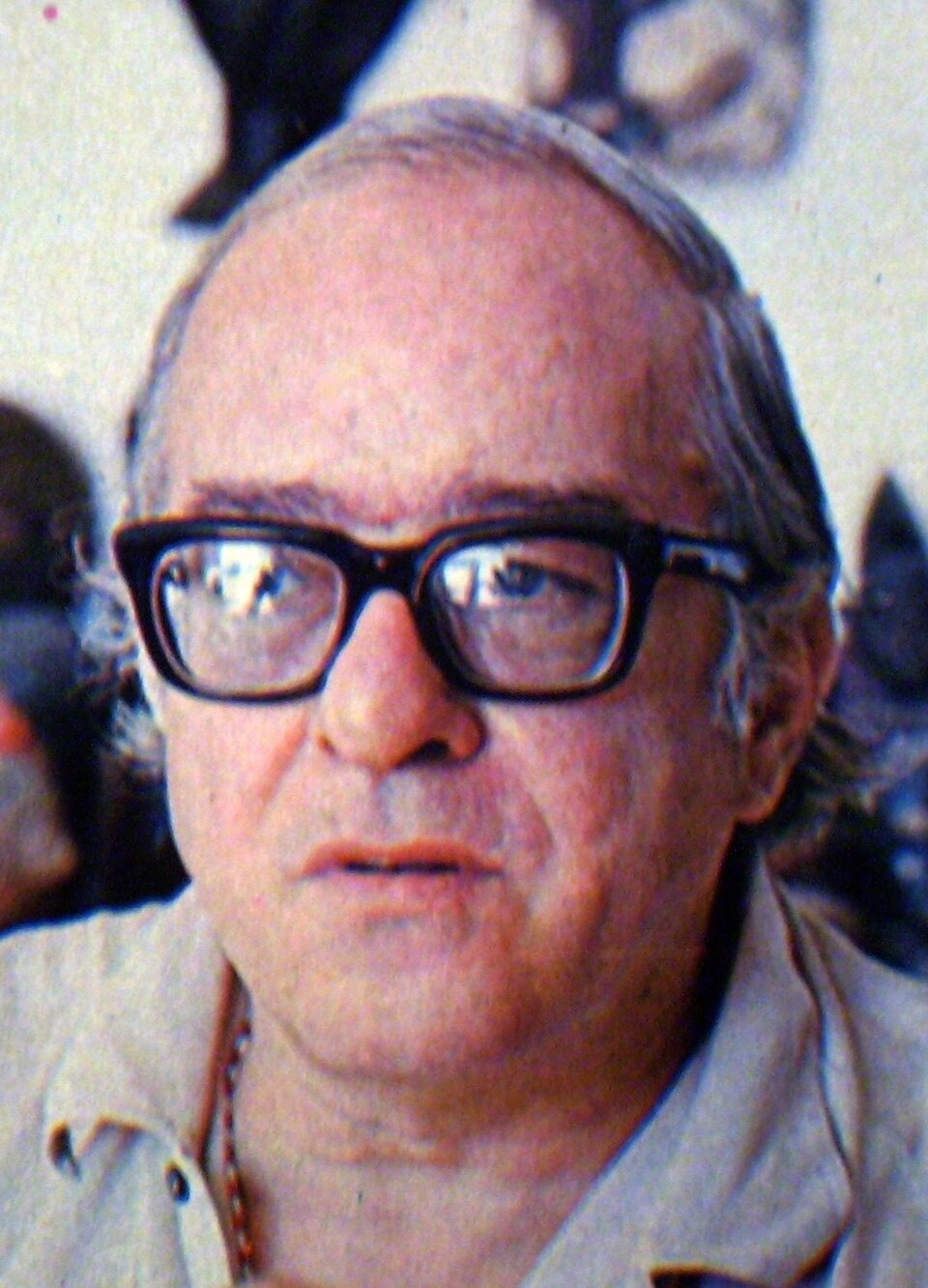
Vinicius de Moraes
To understand Vinicius de Moraes' work, it’s more accurate to focus on his actual role rather than just the titles of his hit songs. As a poet and lyricist, he infused the imagery of love, cities, and the sea into bossa nova lyrics and collaborated with various composers. The characteristic of 'lyrics bridging everyday language and poetry' appears not in a single recording but is repeated across various collaborations. Listening closely while having the translations at hand clarifies the relationship between words and rhythm. Connecting the first track to the last reveals how this musician contributed to the genre among vocals, composition, and performance.
His main active period was from the 1950s to the 1980s, summarized as focusing on lyrics, poetry, and vocals. Brazilian music involves close collaboration among composers, lyricists, performers, and singers, so it’s important to check credits to avoid attributing all contributions solely to Vinicius de Moraes based on his name alone. Observing the rhythm's movement reveals how it shaped his contribution, and the photos and sources use actual person information from Wikimedia Commons, along with the potential for differences in Portuguese spellings and English representations during searches.
His main active period was from the 1950s to the 1980s, summarized as focusing on lyrics, poetry, and vocals. Brazilian music involves close collaboration among composers, lyricists, performers, and singers, so it’s important to check credits to avoid attributing all contributions solely to Vinicius de Moraes based on his name alone. Observing the rhythm's movement reveals how it shaped his contribution, and the photos and sources use actual person information from Wikimedia Commons, along with the potential for differences in Portuguese spellings and English representations during searches.
주요 역할 작사·시·보컬
활동 국가 브라질
주요 활동 시기 1950년대~1980년
음악적 특징 일상의 언어와 시를 잇는 가사
감상 포인트 시인이자 작사가로서 사랑과 도시, 바다의 이미지를 보사노바 노랫말에 담고 여러 작곡가와 협업했다.
Nara Leão
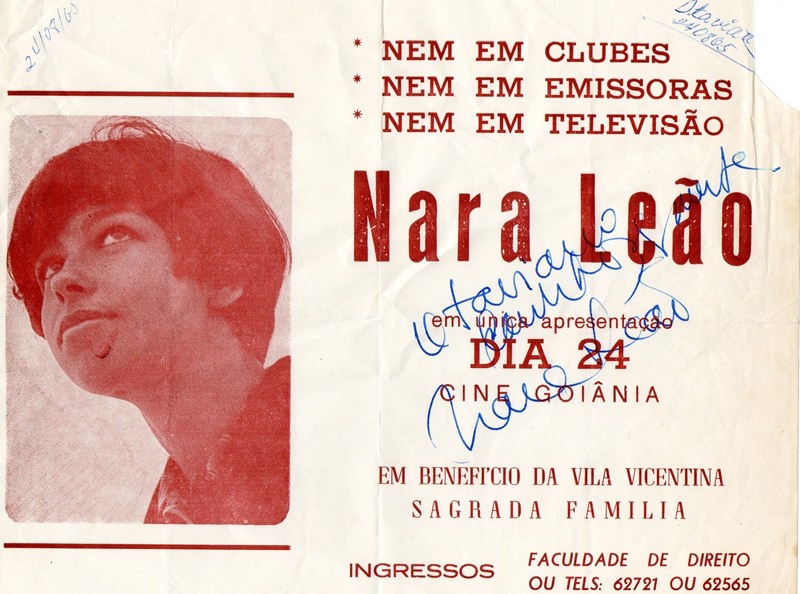
To understand Nara Leão's work, it’s more accurate to focus on her actual role rather than just the titles of her hit songs. As an essential figure in the early bossa nova meetings, she later expanded her repertoire to include samba and socially conscious songs, showcasing the changes in Brazilian popular music. The characteristic of 'intellectual and restrained vocals alongside a broad selection' appears not in a single recording but is repeated across various collaborations. Listening to early bossa nova and the later socially aware repertoire reveals the evolution of song selection. Delving into the specifics allows for a clear distinction of what this musician contributed to the genre among vocals, composition, and performance.
Her main active period was from the 1960s to the 1980s, summarized as focusing on vocals and guitar. Brazilian music involves close collaboration among composers, lyricists, performers, and singers, so it’s important to check credits to ensure Nara Leão is not solely credited for all contributions based on her name. Listening attentively between vocals and instruments helps clarify her contributions, and the photos and sources use actual person information from Wikimedia Commons, with different spellings in Portuguese and English representations possible during searches.
Her main active period was from the 1960s to the 1980s, summarized as focusing on vocals and guitar. Brazilian music involves close collaboration among composers, lyricists, performers, and singers, so it’s important to check credits to ensure Nara Leão is not solely credited for all contributions based on her name. Listening attentively between vocals and instruments helps clarify her contributions, and the photos and sources use actual person information from Wikimedia Commons, with different spellings in Portuguese and English representations possible during searches.
주요 역할 보컬·기타
활동 국가 브라질
주요 활동 시기 1960년대~1980년대
음악적 특징 지적이고 절제된 보컬과 폭넓은 선곡
감상 포인트 초기 보사노바 모임의 중요한 인물이면서 이후 삼바와 사회적인 노래까지 레퍼토리를 넓혀 브라질 대중음악의 변화를 보여줬다.
Baden Powell
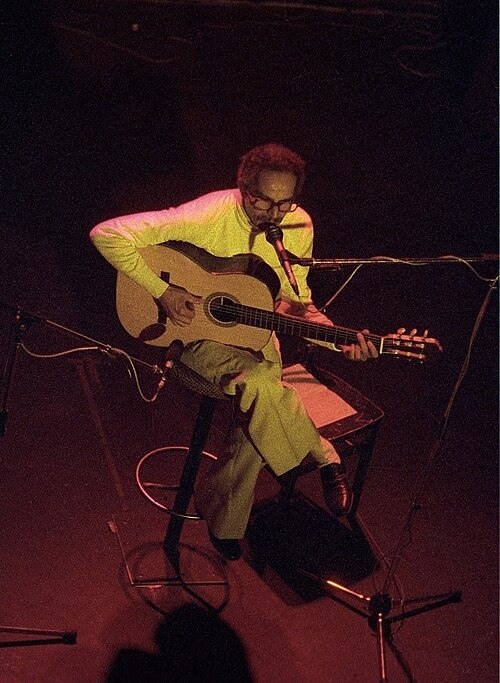
To understand Baden Powell's work, it’s more accurate to focus on his actual role rather than just the titles of his hit songs. He expanded the rhythms and playing techniques of the genre by adding strong percussive elements and Afro-Brazilian traditions to the delicacy of bossa nova guitar. The characteristic of 'the combination of classical guitar and Afro-Brazilian rhythms' is not present in a single recording but is repeated across various collaborations. Comparing quiet ballads with strong Afro-samba rhythms reveals the breadth of his right-hand techniques. Listening to this album again allows for a clear distinction of what this musician contributed to the genre among vocals, composition, and performance.
His main active period was from the 1950s to the 1990s, summarized as focusing on guitar and composition. Brazilian music involves close collaboration among composers, lyricists, performers, and singers, so it’s important to check credits to ensure Baden Powell is not solely credited for all contributions based on his name alone. Shifting focus while listening reveals his contributions, and the photos and sources use actual person information from Wikimedia Commons, with potential differences noted in Portuguese and English representations during searches.
His main active period was from the 1950s to the 1990s, summarized as focusing on guitar and composition. Brazilian music involves close collaboration among composers, lyricists, performers, and singers, so it’s important to check credits to ensure Baden Powell is not solely credited for all contributions based on his name alone. Shifting focus while listening reveals his contributions, and the photos and sources use actual person information from Wikimedia Commons, with potential differences noted in Portuguese and English representations during searches.
주요 역할 기타·작곡
활동 국가 브라질
주요 활동 시기 1950년대~1990년대
음악적 특징 클래식 기타와 아프로브라질 리듬의 결합
감상 포인트 보사노바 기타의 섬세함에 강한 타격감과 아프로브라질 전통을 더해 장르의 리듬과 연주 기법을 확장했다.
Elis Regina
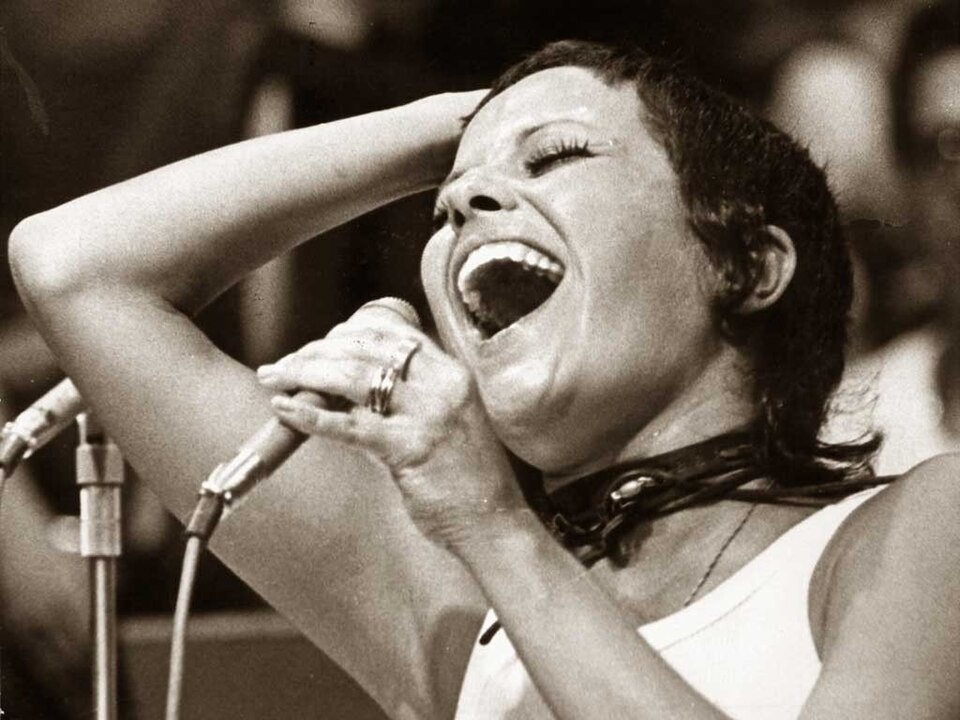
To understand Elis Regina's work, it’s more accurate to focus on her actual role rather than just the titles of her hit songs. As a representative singer of MPB following the bossa nova generation, she added dramatic breath and new emotional lines to familiar songs through her collaborations with Jobim. The characteristic of 'strong expressiveness and refined rhythmic sense' appears not in a single recording but is repeated across various collaborations. Listening closely to her work with Jobim, where laughter and breathing come through, reveals how strong expressiveness is moderated within collaborations. Following the arrangements closely allows for a clear distinction of what this musician contributed to the genre among vocals, composition, and performance.
Her main active period was from the 1960s to 1982, with her core role summarized as vocals. Brazilian music involves close collaboration among composers, lyricists, performers, and singers, so it’s important to check credits to avoid attributing all contributions solely to Elis Regina based on her name alone. Following through each song slowly enhances understanding, and the photos and sources use actual person information from Wikimedia Commons, noting potential differences in Portuguese spellings and English representations during searches.
Her main active period was from the 1960s to 1982, with her core role summarized as vocals. Brazilian music involves close collaboration among composers, lyricists, performers, and singers, so it’s important to check credits to avoid attributing all contributions solely to Elis Regina based on her name alone. Following through each song slowly enhances understanding, and the photos and sources use actual person information from Wikimedia Commons, noting potential differences in Portuguese spellings and English representations during searches.
주요 역할 보컬
활동 국가 브라질
주요 활동 시기 1960년대~1982년
음악적 특징 강한 표현력과 정교한 리듬 감각
감상 포인트 보사노바 세대 이후의 MPB를 대표하는 가수로, 조빙과의 협업을 통해 익숙한 곡에 극적인 호흡과 새로운 감정선을 더했다.
Carlos Lyra
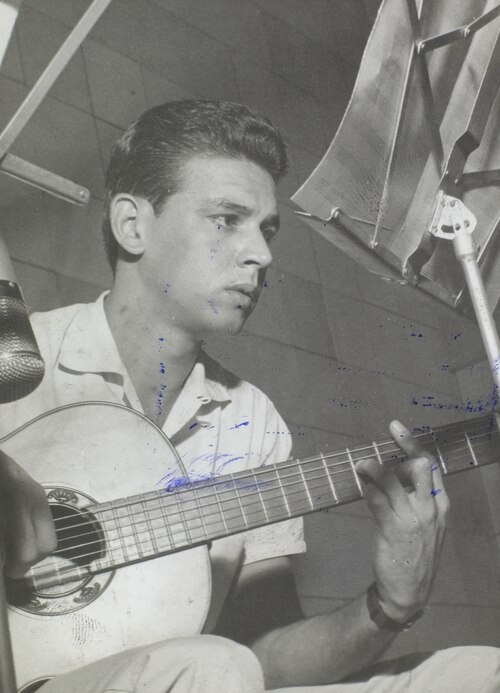
To understand Carlos Lyra's work, it’s more accurate to focus on his actual role rather than just the titles of his hit songs. Concentrating on the breath of major performances in early bossa nova allows us to see how he combined sophisticated harmonies with easy-to-sing melodies, continuing the repertoire through teaching and performing. The characteristic of 'urban melodies and clear compositions' appears not in a single recording but is repeated across various collaborations. Comparing his original songs with covers by other artists highlights the reasons behind the simplicity of his melodies allowing for multiple interpretations. Looking beyond the first impressions lets us clearly distinguish what this musician contributed to the genre among vocals, composition, and performance.
His main active period was from the 1950s to the 2020s, summarized as focusing on composition, vocals, and guitar. Brazilian music involves close collaboration among composers, lyricists, performers, and singers, so it’s important to check credits to avoid attributing all contributions solely to Carlos Lyra based on his name alone. Listening to this album again reveals his contributions, and the photos and sources use actual person information from Wikimedia Commons, with possible differences noted in Portuguese and English representations during searches.
His main active period was from the 1950s to the 2020s, summarized as focusing on composition, vocals, and guitar. Brazilian music involves close collaboration among composers, lyricists, performers, and singers, so it’s important to check credits to avoid attributing all contributions solely to Carlos Lyra based on his name alone. Listening to this album again reveals his contributions, and the photos and sources use actual person information from Wikimedia Commons, with possible differences noted in Portuguese and English representations during searches.
주요 역할 작곡·보컬·기타
활동 국가 브라질
주요 활동 시기 1950년대~2020년대
음악적 특징 도시적인 선율과 명료한 작곡
감상 포인트 초기 보사노바의 주요 작곡가로 세련된 화성과 노래하기 쉬운 선율을 결합하고 교육·공연 활동으로 레퍼토리를 이어갔다.
When listening to the artists, try to distinguish who wrote the songs, who provided the lyrics, and who played guitar and piano during the actual recordings. Contributions from different composers and musicians often hide behind well-known vocalists. Comparing versions sung by two different people can help feel how rhythm and pronunciation shape individuality beyond just the vocals.
The active periods are broadly noted from the first professional engagements to late performances and recordings, with specific years varying according to sources. The portrait photos use actual representations from Wikimedia Commons, linked back to the original pages. If you find an artist you like, expanding to their landmark albums, collaborators, and musicians from later generations who reinterpret their works unveils that bossa nova is not a fixed old genre but continuously evolving music.
The active periods are broadly noted from the first professional engagements to late performances and recordings, with specific years varying according to sources. The portrait photos use actual representations from Wikimedia Commons, linked back to the original pages. If you find an artist you like, expanding to their landmark albums, collaborators, and musicians from later generations who reinterpret their works unveils that bossa nova is not a fixed old genre but continuously evolving music.
한눈에 보기
8개
João Gilberto
보컬·기타 · 브라질 · 1950년대 후반~2010년대 · 절제된 기타 리듬과 말하듯 낮은 보컬 · 기타의 베이스와 화음을 분리해 연주하고 목소리를 작은 음량으로 배치하면서 보사노바의 핵심 연주 문법을 확립했다.
Antônio Carlos Jobim
작곡·피아노·기타 · 브라질 · 1950년대~1990년대 · 정교한 화성과 자연 풍경을 담은 선율 · 작곡가와 편곡가로서 보사노바의 대표 레퍼토리를 만들고 재즈·관현악·브라질 음악을 잇는 화성 언어를 넓혔다.
Astrud Gilberto
보컬 · 브라질 · 1960년대~2000년대 · 담백한 영어·포르투갈어 보컬 · 과장하지 않는 음색과 명료한 발음으로 보사노바가 브라질 밖의 팝 청중에게 전달되는 데 큰 역할을 했다.
Vinicius de Moraes
작사·시·보컬 · 브라질 · 1950년대~1980년 · 일상의 언어와 시를 잇는 가사 · 시인이자 작사가로서 사랑과 도시, 바다의 이미지를 보사노바 노랫말에 담고 여러 작곡가와 협업했다.
Nara Leão
보컬·기타 · 브라질 · 1960년대~1980년대 · 지적이고 절제된 보컬과 폭넓은 선곡 · 초기 보사노바 모임의 중요한 인물이면서 이후 삼바와 사회적인 노래까지 레퍼토리를 넓혀 브라질 대중음악의 변화를 보여줬다.
Baden Powell
기타·작곡 · 브라질 · 1950년대~1990년대 · 클래식 기타와 아프로브라질 리듬의 결합 · 보사노바 기타의 섬세함에 강한 타격감과 아프로브라질 전통을 더해 장르의 리듬과 연주 기법을 확장했다.
Elis Regina
보컬 · 브라질 · 1960년대~1982년 · 강한 표현력과 정교한 리듬 감각 · 보사노바 세대 이후의 MPB를 대표하는 가수로, 조빙과의 협업을 통해 익숙한 곡에 극적인 호흡과 새로운 감정선을 더했다.
Carlos Lyra
작곡·보컬·기타 · 브라질 · 1950년대~2020년대 · 도시적인 선율과 명료한 작곡 · 초기 보사노바의 주요 작곡가로 세련된 화성과 노래하기 쉬운 선율을 결합하고 교육·공연 활동으로 레퍼토리를 이어갔다.
이 포스팅은 쿠팡 파트너스 활동의 일환으로, 이에 따른 일정액의 수수료를 제공받습니다.
댓글 0
로그인 후 댓글을 작성할 수 있습니다.
첫 댓글을 남겨보세요.
이런 리스트는 어때요?


이런 리스트도 추천해요


🎲
여기서 멈추기엔 아쉽잖아?
다음에 뭘 볼지 고민하는 시간이 제일 아까워.
주사위가 대신 골라줄게 — 무슨 리스트가 튀어나올지는 굴려봐야 알지.
안 누르면… 평생 궁금하지 않겠어? 👀