What Makes Martin Dreadnought Different? A Guide to Choices for Accompaniment and Strumming
A comparison of the X·Road·15·Standard Series based on body material, wooden composition, and playing response in this Martin guide
Martin dreadnoughts are known for their large bodies and strong bass tones, but changes in the numbers and letters preceding and following the model name can significantly alter materials, structure, and playing feel. The X Series combines solid tops with HPL (High-Pressure Laminate) back and sides for consideration of environmental changes and mobility, while the Road Series features all-solid wood and pickups, increasing performance usability. The all-mahogany construction of the 15 Series and the spruce-mahogany or rosewood combinations in the Standard Series also produce different responses.
While D-18 and D-28 may look similar, the choice criteria differ in the types of back and side woods, bracing, and how overtones are structured. The HD-28 features scalloped bracing and herringbone specifications, while the D-35 has a 3-piece back and a different bracing character.
This list includes actual current products ranging from pickup-equipped models at entry-level prices to those meant for long-term possession like the Standard models. Think of how you will use the guitar, such as for strong strumming, bluegrass flatpicking, or vocal accompaniment, and also check the top and side/back woods, nut width, and the presence of pickups. Whether the volume is loud or how naturally the dynamic range of your playing is handled can be the criteria that distinguish the right dreadnought for you.
Martin D-X1E
Martin D-X2E
Martin D-10E Retro
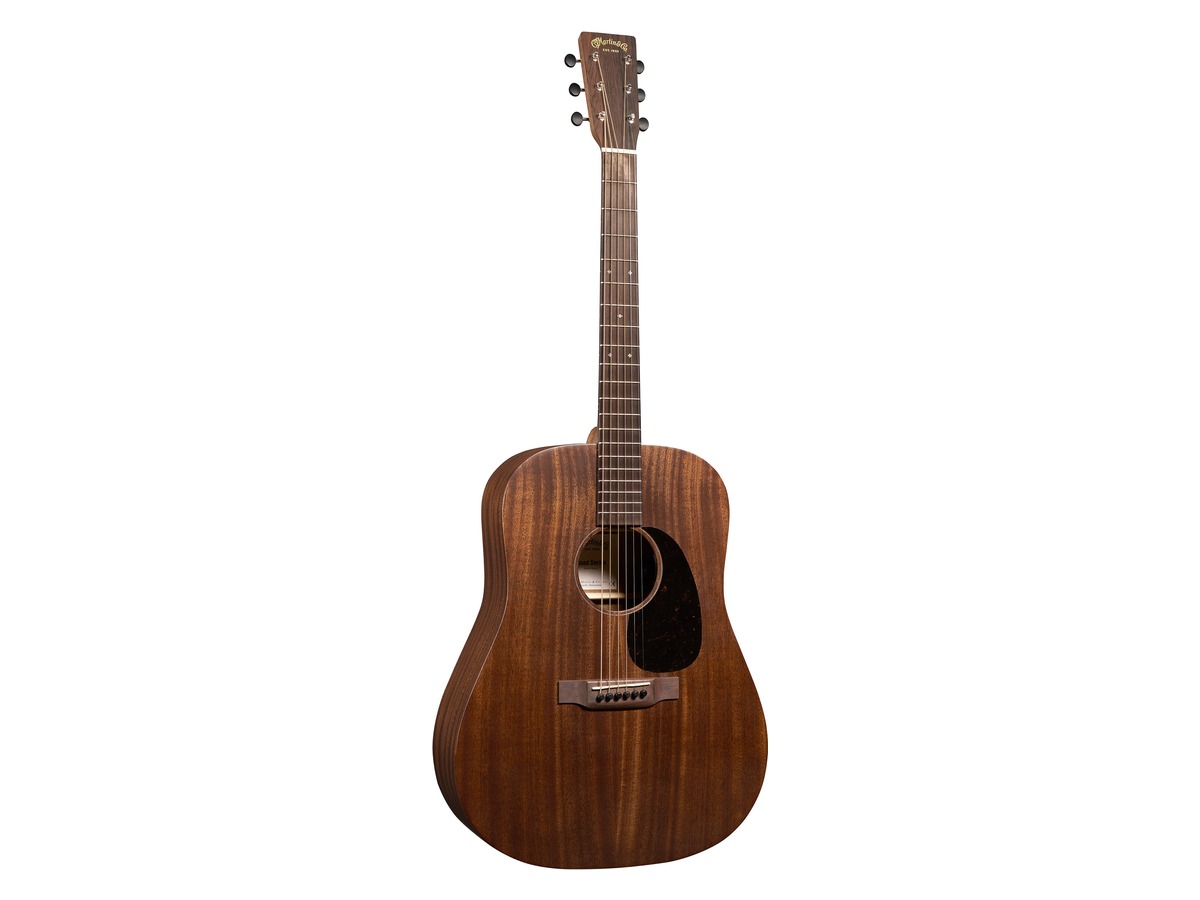
Martin D-10E Retro Sapele
Martin D-15M
Martin D-16E
Martin D-17
Martin D-18
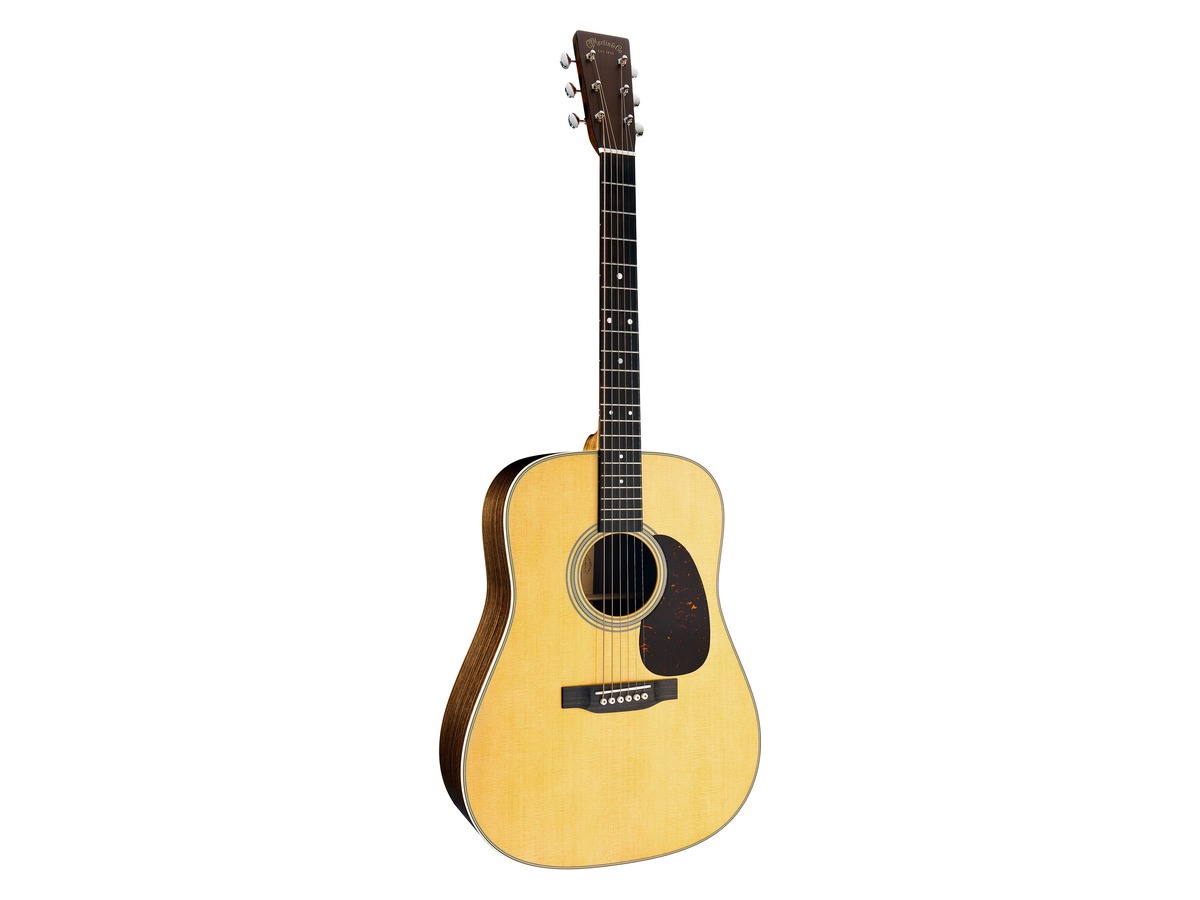
Martin D-28
Martin HD-28
Martin D-35
Martin Super D-18
When selecting a Martin dreadnought, it’s best to first determine where you'll use it most: at home, outdoors, for recordings, or performances. If you anticipate frequent movement or changes in humidity, the X Series with HPL back and sides and pickups is practical. For seamless transitions to the stage with one guitar, you might explore the electronic equipment and case configurations of the Road·16 Series. If pure acoustic response and traditional specifications are a priority, the 15·Standard Series would be natural contenders.
Don't jump to conclusions about the differences between spruce-mahogany and spruce-rosewood just based on wood names; compare them under similar string gauges and playing intensities. Factors like neck shape, nut width, and field setup can directly affect chord changes and prolonged playing fatigue.
During a demo, play gentle arpeggios, medium-intensity chords, and strong strumming in succession, and identify points where the sound becomes muddied. Check the position where the body touches your arms and shoulders while sitting, as well as the balance when the strap is in use. Ultimately, a Martin dreadnought that feels comfortable to play at the intensities you frequently use, and fits your maintenance environment and budget, will last the longest.
이 포스팅은 쿠팡 파트너스 활동의 일환으로, 이에 따른 일정액의 수수료를 제공받습니다.
댓글 0
로그인 후 댓글을 작성할 수 있습니다.
첫 댓글을 남겨보세요.
이런 리스트는 어때요?


이런 리스트도 추천해요


여기서 멈추기엔 아쉽잖아?
다음에 뭘 볼지 고민하는 시간이 제일 아까워.
주사위가 대신 골라줄게 — 무슨 리스트가 튀어나올지는 굴려봐야 알지.
안 누르면… 평생 궁금하지 않겠어? 👀