
Collection
Themed Travel
2026.10.07
Upcycling Spaces That Give Discarded Things a Second Life
Eight places across the country where you can experience repair, material banks, and upcycling education firsthand
Upcycling spaces are not just showrooms promoting waste sorting; they are urban infrastructure that collects and sorts discarded materials and routes them back into products and working materials. When a material bank, repair education, startup support, and exhibitions all operate together, citizens can concretely understand where waste travels and what production really costs. More important than a building's eco-friendly design is checking which resources it actually accepts and to whom it supplies them again.
This list gathers eight public upcycling hubs in Seoul, Gwangmyeong, Incheon, Cheongju, Daegu, Suncheon, Jeju, and Busan. Each region differs in the materials it accepts, the audiences it educates, and the scale of its permanent exhibitions, which makes them good to compare. Most are closer to education and business-support facilities than to tourist attractions, so weekday operation is the norm, and hands-on programs may require advance reservations or group applications. Before bringing in waste on your own, check the accepted donation items and the intake procedure first.
This list gathers eight public upcycling hubs in Seoul, Gwangmyeong, Incheon, Cheongju, Daegu, Suncheon, Jeju, and Busan. Each region differs in the materials it accepts, the audiences it educates, and the scale of its permanent exhibitions, which makes them good to compare. Most are closer to education and business-support facilities than to tourist attractions, so weekday operation is the norm, and hands-on programs may require advance reservations or group applications. Before bringing in waste on your own, check the accepted donation items and the intake procedure first.
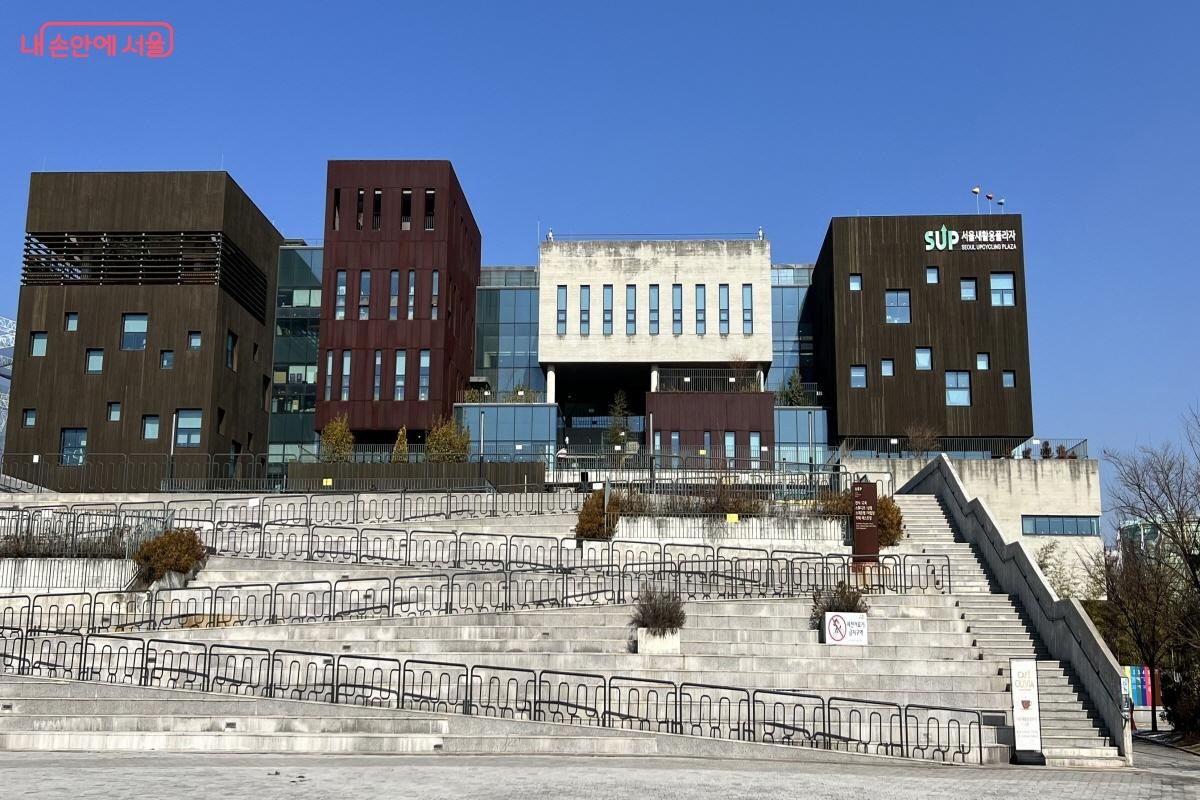
Seoul Upcycling Plaza
Seoul Upcycling Plaza began with urban waste resources and idle materials, and today it serves as an upcycling hub equipped with a material bank, tenant companies, exhibitions, and education. Rather than putting up an entirely new building, it connects the remaining structure to this upcycling hub of material bank, tenant companies, exhibitions, and education, passing the memory of the place on to its next users. The first thing to look at on site is the circular structure that runs from material collection through design to sales. Instead of quickly photographing the exterior, compare step by step how the traces of urban waste resources and idle materials carry over into the upcycling hub of material bank, tenant companies, exhibitions, and education, and the transformation unique to this place reveals itself naturally.
When preparing an actual visit, the first thing to check is the exhibition hours and reservations for material bank tours and hands-on programs. If travel conditions around 49 Jadongchasijang-gil, Seongdong-gu, Seoul change, the areas of the upcycling hub open to the public may be affected too, so it is safer to confirm the exhibition hours and material bank tour and program reservations through the latest announcements rather than relying only on the business hours shown on a map. At Seoul Upcycling Plaza, keep the public viewing areas separate from the living and working spaces of residents and tenants, and when documenting the circular structure from material collection through design to sales, avoid disrupting foot traffic and work so that your trip respects the way the place is used today.
When preparing an actual visit, the first thing to check is the exhibition hours and reservations for material bank tours and hands-on programs. If travel conditions around 49 Jadongchasijang-gil, Seongdong-gu, Seoul change, the areas of the upcycling hub open to the public may be affected too, so it is safer to confirm the exhibition hours and material bank tour and program reservations through the latest announcements rather than relying only on the business hours shown on a map. At Seoul Upcycling Plaza, keep the public viewing areas separate from the living and working spaces of residents and tenants, and when documenting the circular structure from material collection through design to sales, avoid disrupting foot traffic and work so that your trip respects the way the place is used today.
도로명주소 서울 성동구 자동차시장길 49
지번주소 서울 성동구 용답동 250-14
과거 용도 도시 폐자원과 유휴 소재
현재 쓰임 재료은행·기업 입주·전시·교육을 갖춘 새활용 거점
현장 관찰점 소재 수집에서 디자인·판매까지 이어지는 순환 구조
방문 전 확인 전시 운영과 소재은행 견학·체험 예약을 확인한다
공개 전화번호 02-2153-0400
공식 관광정보 https://korean.visitkorea.or.kr/search/search_list.do?keyword=%EC%84%9C%EC%9A%B8%EC%83%88%ED%99%9C%EC%9A%A9%ED%94%8C%EB%9D%BC%EC%9E%90
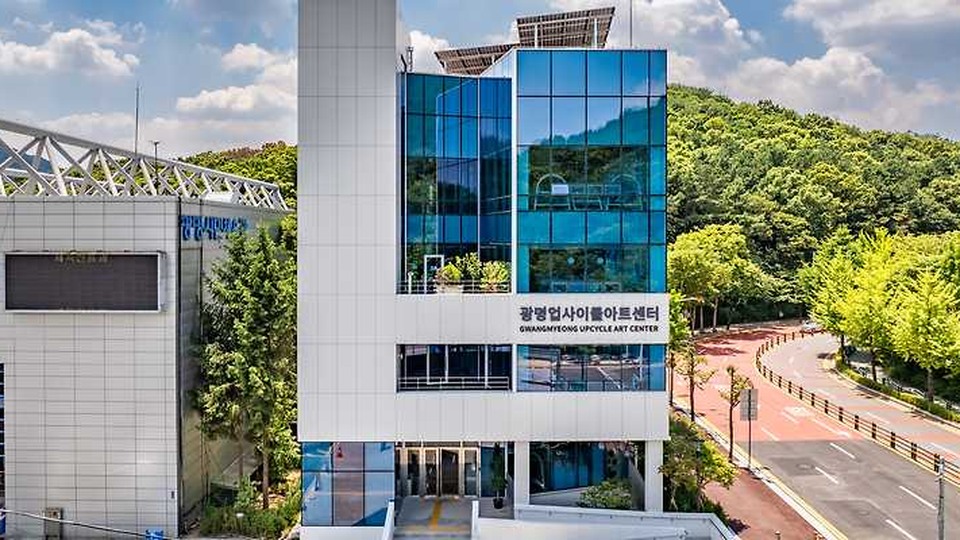
Gwangmyeong Upcycle Art Center
Gwangmyeong Upcycle Art Center began with idle space and waste resources around Gwangmyeong Cave, and today it serves as a space for upcycling exhibitions, creative work, and education. Rather than putting up an entirely new building, it connects the remaining structure to this upcycling exhibition, creation, and education space, passing the memory of the place on to its next users. The first thing to look at on site is the way industrial waste has been linked to art and design education. Instead of quickly photographing the exterior, compare step by step how the traces of the idle space and waste resources around Gwangmyeong Cave carry over into the upcycling exhibition, creation, and education space, and the transformation unique to this place reveals itself naturally.
When preparing an actual visit, the first thing to check is the special exhibitions, program registration, and parking. If travel conditions around 703 Ori-ro, Gwangmyeong-si, Gyeonggi change, the areas of the upcycling exhibition, creation, and education space open to the public may be affected too, so it is safer to confirm the special exhibitions, program registration, and parking through the latest announcements rather than relying only on the business hours shown on a map. At Gwangmyeong Upcycle Art Center, keep the public viewing areas separate from the living and working spaces of residents and tenants, and when documenting how industrial waste has been linked to art and design education, avoid disrupting foot traffic and work so that your trip respects the way the place is used today.
When preparing an actual visit, the first thing to check is the special exhibitions, program registration, and parking. If travel conditions around 703 Ori-ro, Gwangmyeong-si, Gyeonggi change, the areas of the upcycling exhibition, creation, and education space open to the public may be affected too, so it is safer to confirm the special exhibitions, program registration, and parking through the latest announcements rather than relying only on the business hours shown on a map. At Gwangmyeong Upcycle Art Center, keep the public viewing areas separate from the living and working spaces of residents and tenants, and when documenting how industrial waste has been linked to art and design education, avoid disrupting foot traffic and work so that your trip respects the way the place is used today.
도로명주소 경기 광명시 오리로 703
지번주소 경기 광명시 하안동 577
과거 용도 광명동굴 주변 유휴 공간과 폐자원
현재 쓰임 업사이클 전시·창작·교육 공간
현장 관찰점 산업 폐기물을 예술과 디자인 교육에 연결한 방식
방문 전 확인 기획전과 체험 접수·주차를 확인한다
공개 전화번호 02-2680-2086
공식 관광정보 https://korean.visitkorea.or.kr/search/search_list.do?keyword=%EA%B4%91%EB%AA%85%EC%97%85%EC%82%AC%EC%9D%B4%ED%81%B4%EC%95%84%ED%8A%B8%EC%84%BC%ED%84%B0
이미지 출처 https://img1.kakaocdn.net/cthumb/local/C800x400.q50/?fname=http%3A%2F%2Ft1.kakaocdn.net%2Fmystore%2F2CFB13B065534443B343B1508EF2772F
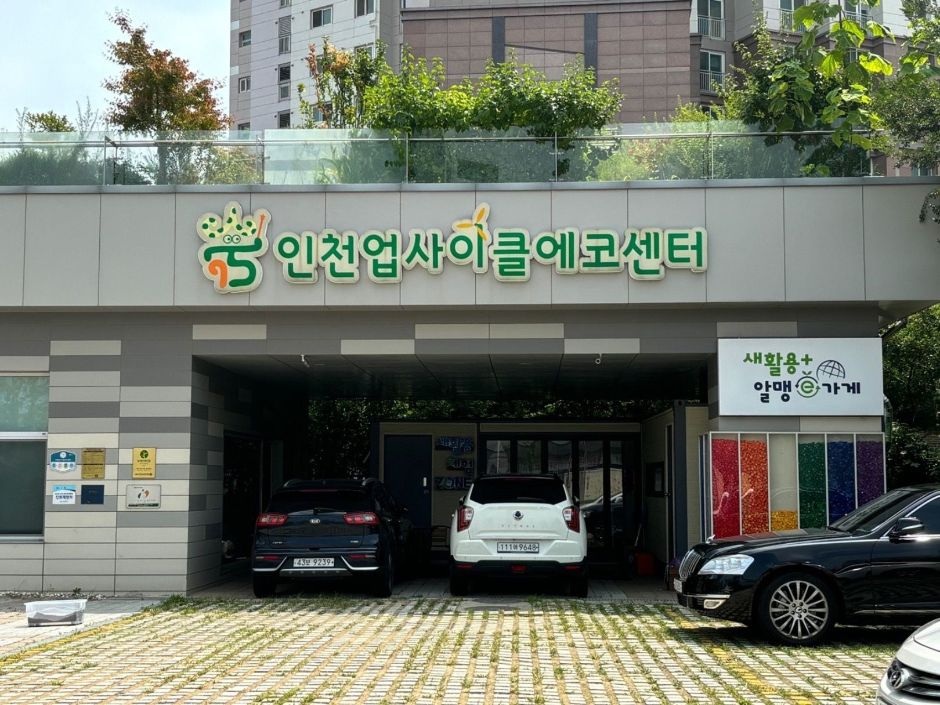
Incheon Upcycle Eco Center
Incheon Upcycle Eco Center began with local waste resources and the demand for environmental education, and today it serves as an education center for upcycling exhibitions, hands-on programs, and resource circulation. Rather than putting up an entirely new building, it connects the remaining structure to this upcycling exhibition, hands-on, and resource circulation education center, passing the memory of the place on to its next users. The first thing to look at on site is the exhibition showing how household waste is sorted and upcycled. Instead of quickly photographing the exterior, compare step by step how the traces of local waste resources and environmental education demand carry over into the upcycling exhibition, hands-on, and resource circulation education center, and the transformation unique to this place reveals itself naturally.
When preparing an actual visit, the first thing to check is the hours available for individual viewing and group programs. If travel conditions around 7 Maesohol-ro 290beon-gil, Michuhol-gu, Incheon change, the areas of the education center open to the public may be affected too, so it is safer to confirm the hours for individual viewing and group programs through the latest announcements rather than relying only on the business hours shown on a map. At Incheon Upcycle Eco Center, keep the public viewing areas separate from the living and working spaces of residents and tenants, and when documenting the exhibition on sorting and upcycling household waste, avoid disrupting foot traffic and work so that your trip respects the way the place is used today.
When preparing an actual visit, the first thing to check is the hours available for individual viewing and group programs. If travel conditions around 7 Maesohol-ro 290beon-gil, Michuhol-gu, Incheon change, the areas of the education center open to the public may be affected too, so it is safer to confirm the hours for individual viewing and group programs through the latest announcements rather than relying only on the business hours shown on a map. At Incheon Upcycle Eco Center, keep the public viewing areas separate from the living and working spaces of residents and tenants, and when documenting the exhibition on sorting and upcycling household waste, avoid disrupting foot traffic and work so that your trip respects the way the place is used today.
도로명주소 인천 미추홀구 매소홀로290번길 7
지번주소 인천 미추홀구 학익동 736
과거 용도 지역 폐자원과 환경교육 수요
현재 쓰임 업사이클 전시·체험·자원순환 교육센터
현장 관찰점 생활 폐기물의 분류와 새활용 과정을 보여주는 전시
방문 전 확인 개인 관람과 단체 체험 가능 시간을 확인한다
공개 전화번호 032-212-2929
공식 관광정보 https://korean.visitkorea.or.kr/search/search_list.do?keyword=%EC%9D%B8%EC%B2%9C%EC%97%85%EC%82%AC%EC%9D%B4%ED%81%B4%EC%97%90%EC%BD%94%EC%84%BC%ED%84%B0
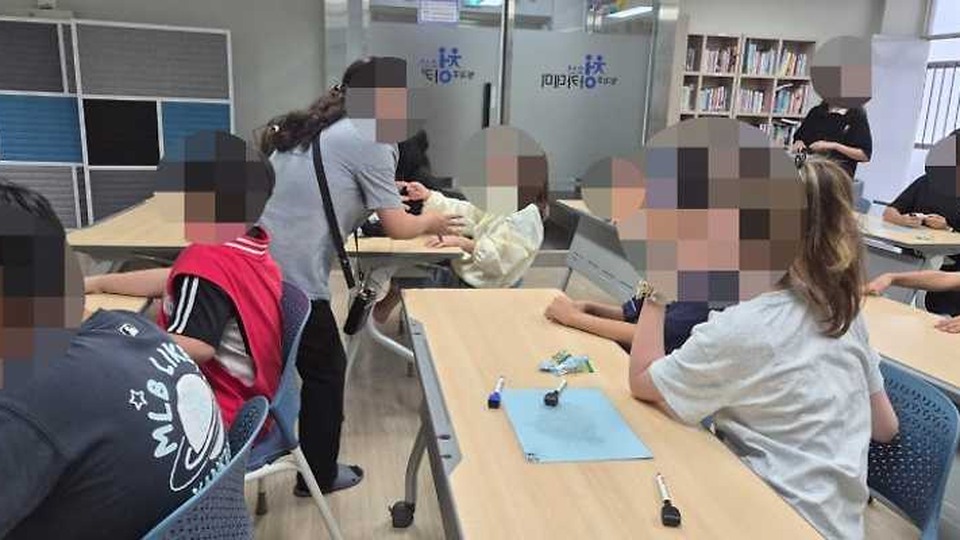
Cheongju Upcycling Citizens Center
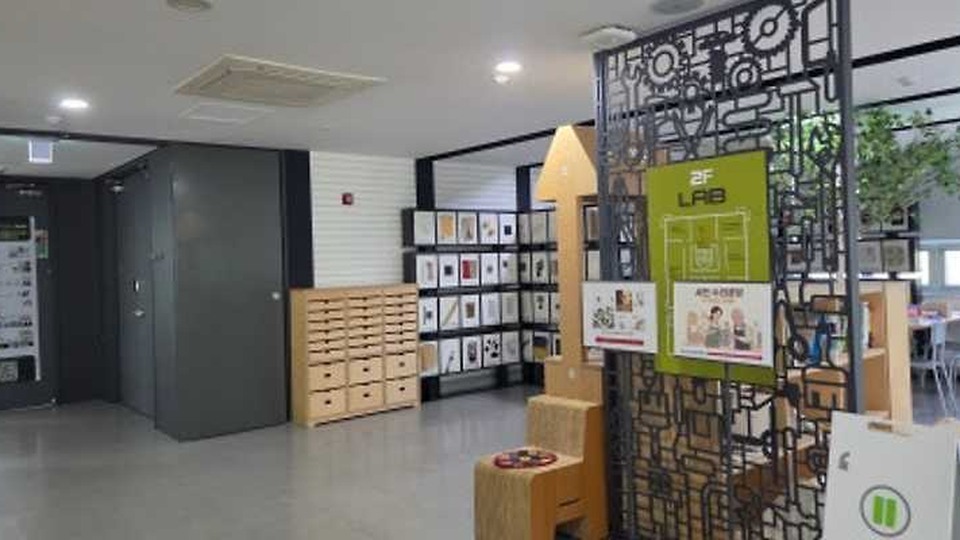
Cheongju Upcycling Citizen Center began with Cheongju's reuse, repair, and resource circulation activities, and today it serves as a hub for reusing goods, repair education, and citizen programs. Rather than putting up an entirely new building, it connects the remaining structure to this hub of goods reuse, repair education, and citizen programs, passing the memory of the place on to its next users. The first thing to look at on site is the operation that links things about to be thrown away to repair and sharing. Instead of quickly photographing the exterior, compare step by step how the traces of Cheongju's reuse, repair, and resource circulation activities carry over into the hub of goods reuse, repair education, and citizen programs, and the transformation unique to this place reveals itself naturally.
When preparing an actual visit, the first thing to check is which items can be donated and how to sign up for programs. If travel conditions around 28 Naesu-ro, Cheongwon-gu, Cheongju-si, Chungbuk change, the areas of the hub open to the public may be affected too, so it is safer to confirm the donatable items and program registration through the latest announcements rather than relying only on the business hours shown on a map. At Cheongju Upcycling Citizen Center, keep the public viewing areas separate from the living and working spaces of residents and tenants, and when documenting the operation that links discarded items to repair and sharing, avoid disrupting foot traffic and work so that your trip respects the way the place is used today.
When preparing an actual visit, the first thing to check is which items can be donated and how to sign up for programs. If travel conditions around 28 Naesu-ro, Cheongwon-gu, Cheongju-si, Chungbuk change, the areas of the hub open to the public may be affected too, so it is safer to confirm the donatable items and program registration through the latest announcements rather than relying only on the business hours shown on a map. At Cheongju Upcycling Citizen Center, keep the public viewing areas separate from the living and working spaces of residents and tenants, and when documenting the operation that links discarded items to repair and sharing, avoid disrupting foot traffic and work so that your trip respects the way the place is used today.
도로명주소 충북 청주시 청원구 내수로 28
지번주소 충북 청주시 청원구 주성동 297-19
과거 용도 청주의 재사용·수리·자원순환 활동
현재 쓰임 물품 재사용·수리 교육·시민 프로그램 거점
현장 관찰점 버려질 물건을 수리와 공유로 연결하는 운영
방문 전 확인 기증 가능 품목과 프로그램 신청을 확인한다
공개 전화번호 043-217-6600
공식 관광정보 https://korean.visitkorea.or.kr/search/search_list.do?keyword=%EC%B2%AD%EC%A3%BC%EC%83%88%ED%99%9C%EC%9A%A9%EC%8B%9C%EB%AF%BC%EC%84%BC%ED%84%B0
이미지 출처 https://img1.kakaocdn.net/cthumb/local/C800x400.q50/?fname=https%3A%2F%2Fpostfiles.pstatic.net%2FMjAyNjA5MDdfMjU1%2FMDAxNzg4NzcwMTc0Mjg0.ZkEmF12WDSxbyzvk57PlCPlcnS1QBEfrCR7XHjSqvjYg.DYILNLUw5VqduJ6qeilvr-N2VfovG3qXIooZSG2QGQUg.JPEG%2FSE-331440d4-9790-4906-833f-09c04a8b4ba0.jpg%3Ftype%3Dw773
Korea Upcycle Center
Korea Upcycle Center began with textile and household waste resources and the local manufacturing base, and today it serves as a space for supporting upcycling companies, exhibitions, and education. Rather than putting up an entirely new building, it connects the remaining structure to this space for upcycling business support, exhibitions, and education, passing the memory of the place on to its next users. The first thing to look at on site is the connection between Daegu's textile industry and upcycling design. Instead of quickly photographing the exterior, compare step by step how the traces of textile and household waste resources and the local manufacturing base carry over into the space for upcycling business support, exhibitions, and education, and the transformation unique to this place reveals itself naturally.
When preparing an actual visit, the first thing to check is the exhibition hall opening hours and the business and education programs. If travel conditions around 243 Gukchaebosang-ro, Seo-gu, Daegu change, the areas of the space open to the public may be affected too, so it is safer to confirm the exhibition hall hours and the business and education programs through the latest announcements rather than relying only on the business hours shown on a map. At Korea Upcycle Center, keep the public viewing areas separate from the living and working spaces of residents and tenants, and when documenting the connection between Daegu's textile industry and upcycling design, avoid disrupting foot traffic and work so that your trip respects the way the place is used today.
When preparing an actual visit, the first thing to check is the exhibition hall opening hours and the business and education programs. If travel conditions around 243 Gukchaebosang-ro, Seo-gu, Daegu change, the areas of the space open to the public may be affected too, so it is safer to confirm the exhibition hall hours and the business and education programs through the latest announcements rather than relying only on the business hours shown on a map. At Korea Upcycle Center, keep the public viewing areas separate from the living and working spaces of residents and tenants, and when documenting the connection between Daegu's textile industry and upcycling design, avoid disrupting foot traffic and work so that your trip respects the way the place is used today.
도로명주소 대구 서구 국채보상로 243
지번주소 대구 서구 평리동 1301
과거 용도 섬유·생활 폐자원과 지역 제조 기반
현재 쓰임 업사이클 기업 지원·전시·교육 공간
현장 관찰점 대구 섬유산업과 새활용 디자인의 연결
방문 전 확인 전시실 개방과 기업·교육 프로그램을 확인한다
공개 전화번호 검색 결과 미표시
공식 관광정보 https://korean.visitkorea.or.kr/search/search_list.do?keyword=%ED%95%9C%EA%B5%AD%EC%97%85%EC%82%AC%EC%9D%B4%ED%81%B4%EC%84%BC%ED%84%B0
이미지 출처 https://img1.kakaocdn.net/cthumb/local/C800x400.q50/?fname=https%3A%2F%2Fpostfiles.pstatic.net%2FMjAyNjA5MjFfMTE4%2FMDAxNzg5OTY4MDk2Mjk5.FD7DKUNB_qF0AEzzVkqkFtZbp52rrun_y2pEjmBBD28g.Mg1URiCtKCtpCxt3U_8k6rUi4H6WB-BVzG13cqgY9rAg.JPEG%2FSE-38f0b8d1-d198-4fe5-b65c-03e7d6f88b9a.jpg%3Ftype%3Dw466
Suncheon Upcycle Center
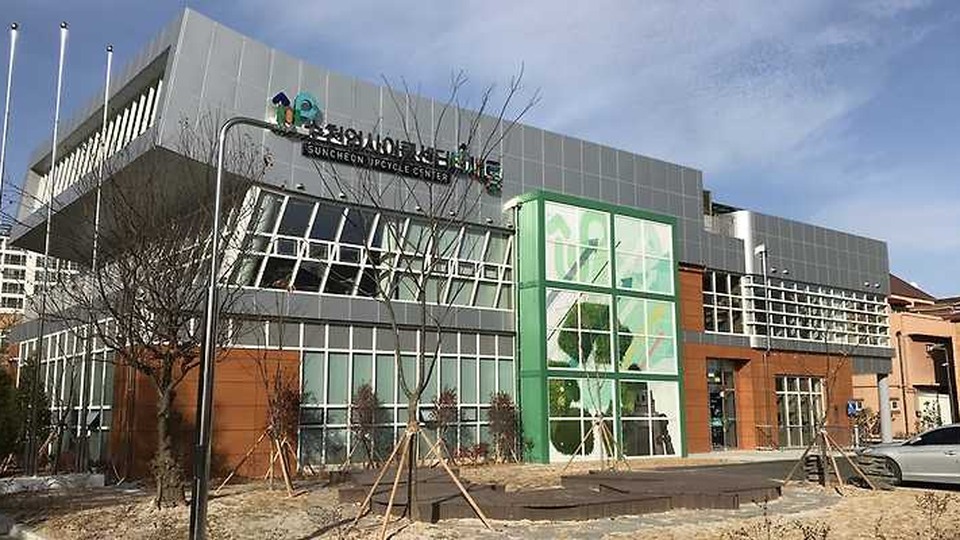
Suncheon Upcycle Center began with household waste and reusable materials, and today it serves as a space for upcycling exhibitions, workshops, and citizen education. Rather than putting up an entirely new building, it connects the remaining structure to this upcycling exhibition, workshop, and citizen education space, passing the memory of the place on to its next users. The first thing to look at on site is the process by which locally collected materials become materials for hands-on programs. Instead of quickly photographing the exterior, compare step by step how the traces of household waste and reusable materials carry over into the upcycling exhibition, workshop, and citizen education space, and the transformation unique to this place reveals itself naturally.
When preparing an actual visit, the first thing to check is the program days for each workshop and the rules for bringing in materials. If travel conditions around 9-19 Palma 1-gil, Suncheon-si, Jeonnam-Gwangju Integrated Special City change, the areas of the space open to the public may be affected too, so it is safer to confirm each workshop's program days and the material intake rules through the latest announcements rather than relying only on the business hours shown on a map. At Suncheon Upcycle Center, keep the public viewing areas separate from the living and working spaces of residents and tenants, and when documenting how locally collected materials become program materials, avoid disrupting foot traffic and work so that your trip respects the way the place is used today.
When preparing an actual visit, the first thing to check is the program days for each workshop and the rules for bringing in materials. If travel conditions around 9-19 Palma 1-gil, Suncheon-si, Jeonnam-Gwangju Integrated Special City change, the areas of the space open to the public may be affected too, so it is safer to confirm each workshop's program days and the material intake rules through the latest announcements rather than relying only on the business hours shown on a map. At Suncheon Upcycle Center, keep the public viewing areas separate from the living and working spaces of residents and tenants, and when documenting how locally collected materials become program materials, avoid disrupting foot traffic and work so that your trip respects the way the place is used today.
도로명주소 전남광주통합특별시 순천시 팔마1길 9-19
지번주소 전남광주통합특별시 순천시 연향동 1662-1
과거 용도 생활 폐기물과 재사용 가능 소재
현재 쓰임 새활용 전시·공방·시민교육 공간
현장 관찰점 지역 수거 소재가 체험 재료로 바뀌는 과정
방문 전 확인 공방별 체험일과 재료 반입 기준을 확인한다
공개 전화번호 061-749-6215
공식 관광정보 https://korean.visitkorea.or.kr/search/search_list.do?keyword=%EC%88%9C%EC%B2%9C%EC%97%85%EC%82%AC%EC%9D%B4%ED%81%B4%EC%84%BC%ED%84%B0
이미지 출처 https://img1.kakaocdn.net/cthumb/local/C800x400.q50/?fname=http%3A%2F%2Ft1.kakaocdn.net%2Flocalfiy%2Fsearchregister_1266029123
Jeju Upcycling Center
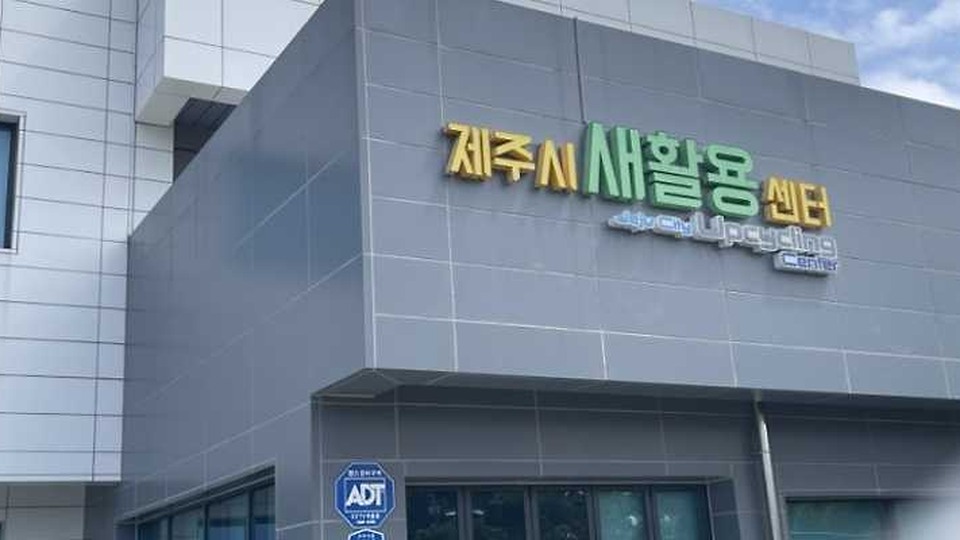
Jeju Upcycling Center began with the waste resources generated on the island, and today it serves as a hub for material circulation, education, and startup support. Rather than putting up an entirely new building, it connects the remaining structure to this hub of material circulation, education, and startup support, passing the memory of the place on to its next users. The first thing to look at on site is the programs that address the island's logistics conditions and resource circulation challenges. Instead of quickly photographing the exterior, compare step by step how the traces of the island's waste resources carry over into the hub of material circulation, education, and startup support, and the transformation unique to this place reveals itself naturally.
When preparing an actual visit, the first thing to check is the center's opening hours and reservations for hands-on programs and tours. If travel conditions around 39 Godasi-gil, Jeju-si, Jeju Special Self-Governing Province change, the areas of the hub open to the public may be affected too, so it is safer to confirm the center's opening hours and program and tour reservations through the latest announcements rather than relying only on the business hours shown on a map. At Jeju Upcycling Center, keep the public viewing areas separate from the living and working spaces of residents and tenants, and when documenting the programs on the island's logistics and resource circulation challenges, avoid disrupting foot traffic and work so that your trip respects the way the place is used today.
When preparing an actual visit, the first thing to check is the center's opening hours and reservations for hands-on programs and tours. If travel conditions around 39 Godasi-gil, Jeju-si, Jeju Special Self-Governing Province change, the areas of the hub open to the public may be affected too, so it is safer to confirm the center's opening hours and program and tour reservations through the latest announcements rather than relying only on the business hours shown on a map. At Jeju Upcycling Center, keep the public viewing areas separate from the living and working spaces of residents and tenants, and when documenting the programs on the island's logistics and resource circulation challenges, avoid disrupting foot traffic and work so that your trip respects the way the place is used today.
도로명주소 제주특별자치도 제주시 고다시길 39
지번주소 제주특별자치도 제주시 오등동 1069
과거 용도 섬 지역에서 발생하는 폐자원
현재 쓰임 소재 순환·교육·창업 지원 거점
현장 관찰점 섬의 물류 조건과 자원순환 문제를 다루는 프로그램
방문 전 확인 센터 개방과 체험·견학 예약을 확인한다
공개 전화번호 064-744-7080
공식 관광정보 https://korean.visitkorea.or.kr/search/search_list.do?keyword=%EC%A0%9C%EC%A3%BC%EC%83%88%ED%99%9C%EC%9A%A9%EC%84%BC%ED%84%B0
이미지 출처 https://img1.kakaocdn.net/cthumb/local/C800x400.q50/?fname=https%3A%2F%2Fpostfiles.pstatic.net%2FMjAyNjA5MTNfMTM5%2FMDAxNzg5MzAzNDQzNjE1.8SgOAF_BTehrtCs8WKg1KZJmSsllPdyKDe8wx85mL4Ag.bMo1x_q2Vc-H9c04kDWFuCMk_sChYipb8FxrzdhgRd4g.JPEG%2FIMG%25EF%25BC%25BF7462.JPG%3Ftype%3Dw773
Busan Resource Circulation Cooperation Center
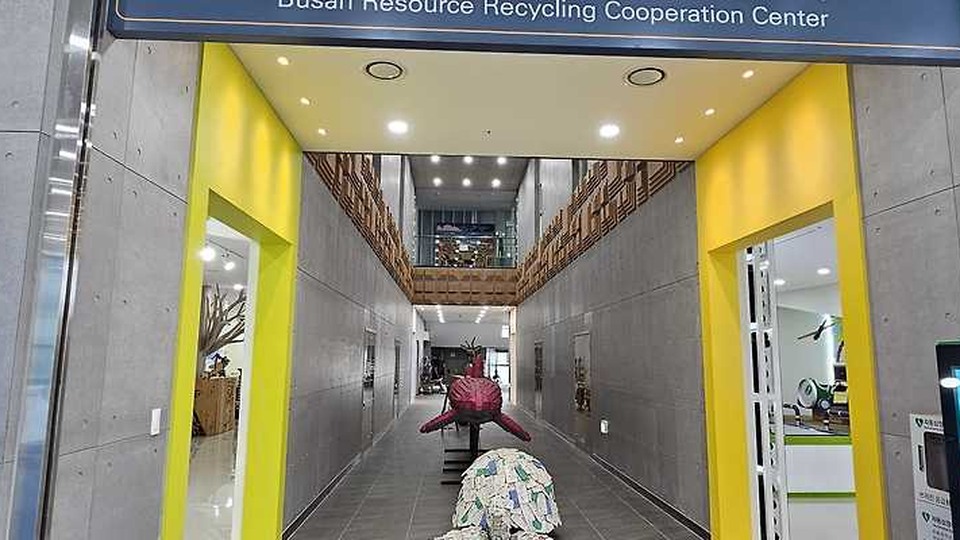
Busan Resource Circulation Cooperation Center began with the Busan region's waste and recycling industry, and today it serves as a space for supporting resource circulation companies, public outreach, and education. Rather than putting up an entirely new building, it connects the remaining structure to this space for resource circulation business support, outreach, and education, passing the memory of the place on to its next users. The first thing to look at on site is the public hub that connects the recycling industry with citizen education. Instead of quickly photographing the exterior, compare step by step how the traces of Busan's waste and recycling industry carry over into the space for resource circulation business support, outreach, and education, and the transformation unique to this place reveals itself naturally.
When preparing an actual visit, the first thing to check is which exhibitions are open to general visitors and how group tours work. If travel conditions around 58 Saenggoksandan 1-ro 24beon-gil, Gangseo-gu, Busan change, the areas of the space open to the public may be affected too, so it is safer to confirm the exhibitions open to general visitors and the group tour arrangements through the latest announcements rather than relying only on the business hours shown on a map. At Busan Resource Circulation Cooperation Center, keep the public viewing areas separate from the living and working spaces of residents and tenants, and when documenting the public hub connecting the recycling industry with citizen education, avoid disrupting foot traffic and work so that your trip respects the way the place is used today.
When preparing an actual visit, the first thing to check is which exhibitions are open to general visitors and how group tours work. If travel conditions around 58 Saenggoksandan 1-ro 24beon-gil, Gangseo-gu, Busan change, the areas of the space open to the public may be affected too, so it is safer to confirm the exhibitions open to general visitors and the group tour arrangements through the latest announcements rather than relying only on the business hours shown on a map. At Busan Resource Circulation Cooperation Center, keep the public viewing areas separate from the living and working spaces of residents and tenants, and when documenting the public hub connecting the recycling industry with citizen education, avoid disrupting foot traffic and work so that your trip respects the way the place is used today.
도로명주소 부산 강서구 생곡산단1로24번길 58
지번주소 부산 강서구 생곡동 1532-1
과거 용도 부산 지역 폐기물과 재활용 산업
현재 쓰임 자원순환 기업 지원·홍보·교육 공간
현장 관찰점 재활용 산업과 시민 교육을 연결하는 공공 거점
방문 전 확인 일반 방문 가능 전시와 단체 견학을 확인한다
공개 전화번호 검색 결과 미표시
공식 관광정보 https://korean.visitkorea.or.kr/search/search_list.do?keyword=%EB%B6%80%EC%82%B0%EC%9E%90%EC%9B%90%EC%88%9C%ED%99%98%ED%98%91%EB%A0%A5%EC%84%BC%ED%84%B0
이미지 출처 https://img1.kakaocdn.net/cthumb/local/C800x400.q50/?fname=http%3A%2F%2Ft1.kakaocdn.net%2Ffiy_reboot%2Fplace%2FD766921AD1E44BA5AE0E86034DF180E7
Looking at these eight spaces makes it clear that resource circulation cannot be solved by individual consumption habits alone. Upcycling only lasts when a warehouse to store materials, cleaning and processing equipment, education that shares repair skills, and startup space to test products are all connected. Seoul and Gwangmyeong have strong exhibition and startup functions, while the centers in Cheongju, Daegu, Suncheon, Jeju, Busan, and Incheon each run local collection systems and citizen education in their own way.
Before visiting, check whether the permanent exhibition is open to the public and what the conditions are for signing up for programs. On days without events, access to tenant spaces or workshops may be restricted, and not all waste is accepted as a donation. Rather than just taking home what you made in a workshop, it helps to look into where the materials came from and how much energy and cost the processing involves. Operating hours and organization names can change, so it is safest to plan based on the latest notices from the local government or the center.
Before visiting, check whether the permanent exhibition is open to the public and what the conditions are for signing up for programs. On days without events, access to tenant spaces or workshops may be restricted, and not all waste is accepted as a donation. Rather than just taking home what you made in a workshop, it helps to look into where the materials came from and how much energy and cost the processing involves. Operating hours and organization names can change, so it is safest to plan based on the latest notices from the local government or the center.
At a glance
8 items
Seoul Upcycling Plaza
서울 성동구 자동차시장길 49도시 폐자원과 유휴 소재02-2153-0400
Gwangmyeong Upcycle Art Center
경기 광명시 오리로 703경기 광명시 하안동 577업사이클 전시·창작·교육 공간
Incheon Upcycle Eco Center
인천 미추홀구 학익동 736지역 폐자원과 환경교육 수요032-212-2929
Cheongju Upcycling Citizens Center
043-217-6600
Korea Upcycle Center
대구 서구 국채보상로 243대구 서구 평리동 1301검색 결과 미표시
Suncheon Upcycle Center
061-749-6215
Jeju Upcycling Center
섬 지역에서 발생하는 폐자원064-744-7080
Busan Resource Circulation Cooperation Center
검색 결과 미표시
Locations at a glance
8 places
As part of the Coupang Partners program, this post may earn a commission from qualifying purchases.
Comments 0
Log in to leave a comment.
Be the first to comment.
How about these lists?


You might also like


🎲
Not ready to stop here?
Wondering what to read next is the biggest waste of time.
Let the dice decide — you won't know what pops up until you roll.
If you don't press it… won't you wonder forever? 👀
