
Collection
Themed Travel
2026.10.07
Modern Architecture Where Once-Exclusive Buildings Became Open Cultural Spaces
Eight places where you can walk the rooms and corridors of old houses, inns, clubs, and consulates again
Modern-era houses, inns, foreigners' social clubs, and consulates reveal the class, power, and urban life of their time through space. Once opened as cultural spaces, their rooms and corridors, gardens and staircases can be seen up close, but if only the beautiful window frames and furniture are emphasized, the background of colonial rule, urban poverty, and private ownership can be obscured. You should also consider for whom each building was built and which people and institutions used it afterward.
This list selects eight real examples of modern architecture in Seoul, Busan, Gunsan, Incheon, Daegu, and Mokpo. It brings together places with different original functions, including houses, an inn, a club, and a consulate, so you can compare their spatial structures. Wooden houses are vulnerable to fire and wear, and small rooms may limit the number of visitors, so be sure to check the rules on food, tripods, and commercial photography as well as the interior opening hours.
This list selects eight real examples of modern architecture in Seoul, Busan, Gunsan, Incheon, Daegu, and Mokpo. It brings together places with different original functions, including houses, an inn, a club, and a consulate, so you can compare their spatial structures. Wooden houses are vulnerable to fire and wear, and small rooms may limit the number of visitors, so be sure to check the rules on food, tripods, and commercial photography as well as the interior opening hours.
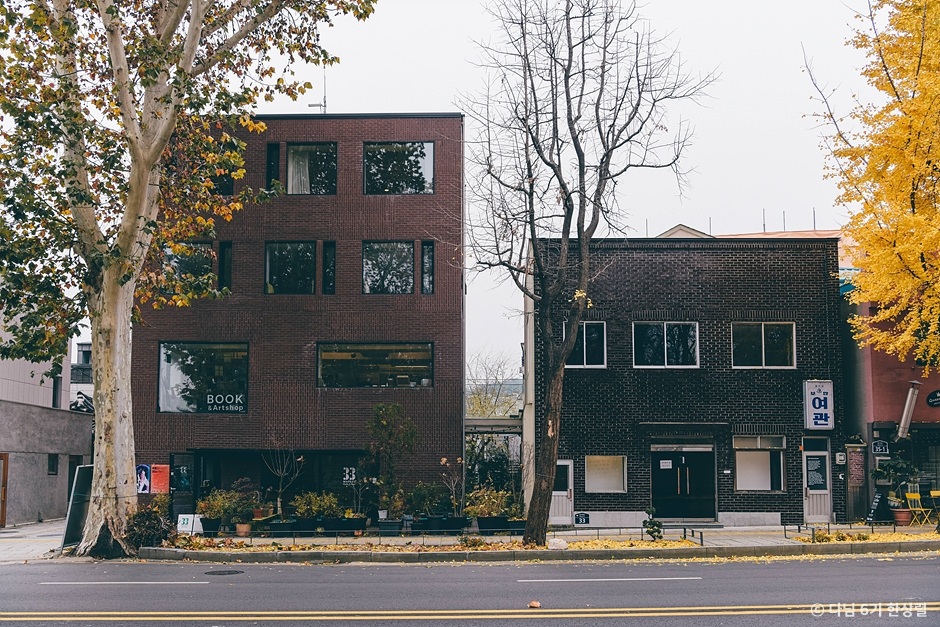
BOAN1942
Boan1942 began as Boan Inn, which operated from the 1930s, and today it serves as a cultural space combining exhibitions, a bookstore, and lodging. Rather than putting up an entirely new building, it connects the remaining structure to this cultural space of exhibitions, bookstore, and lodging, passing the memory of the place on to its next users. The first thing to look at on site is the way the inn's small rooms connect to the exhibition space in the new wing. Instead of quickly photographing the exterior, compare step by step how the traces of Boan Inn, in operation since the 1930s, carry over into the cultural space of exhibitions, bookstore, and lodging, and the transformation unique to this place reveals itself naturally.
When preparing an actual visit, the first thing to keep in mind is to distinguish the exhibition areas from the lodging areas. If travel conditions around 33 Hyoja-ro, Jongno-gu, Seoul change, the areas of the cultural space open to the public may be affected too, so it is safer to confirm which exhibition and lodging areas are open through the latest announcements rather than relying only on the business hours shown on a map. At Boan1942, keep the public viewing areas separate from the living spaces of residents and guests, and when documenting how the inn's small rooms connect to the new wing's exhibition space, avoid disrupting foot traffic and work so that your trip respects the way the place is used today.
When preparing an actual visit, the first thing to keep in mind is to distinguish the exhibition areas from the lodging areas. If travel conditions around 33 Hyoja-ro, Jongno-gu, Seoul change, the areas of the cultural space open to the public may be affected too, so it is safer to confirm which exhibition and lodging areas are open through the latest announcements rather than relying only on the business hours shown on a map. At Boan1942, keep the public viewing areas separate from the living spaces of residents and guests, and when documenting how the inn's small rooms connect to the new wing's exhibition space, avoid disrupting foot traffic and work so that your trip respects the way the place is used today.
도로명주소 서울 종로구 효자로 33
지번주소 서울 종로구 통의동 2-1
과거 용도 1930년대부터 운영된 보안여관
현재 쓰임 전시·책방·숙박이 결합된 문화공간
현장 관찰점 여관의 작은 방과 신관 전시공간이 연결된 방식
방문 전 확인 전시 개방과 숙박 구역을 구분한다
공개 전화번호 검색 결과 미표시
공식 관광정보 https://korean.visitkorea.or.kr/search/search_list.do?keyword=%EB%B3%B4%EC%95%881942
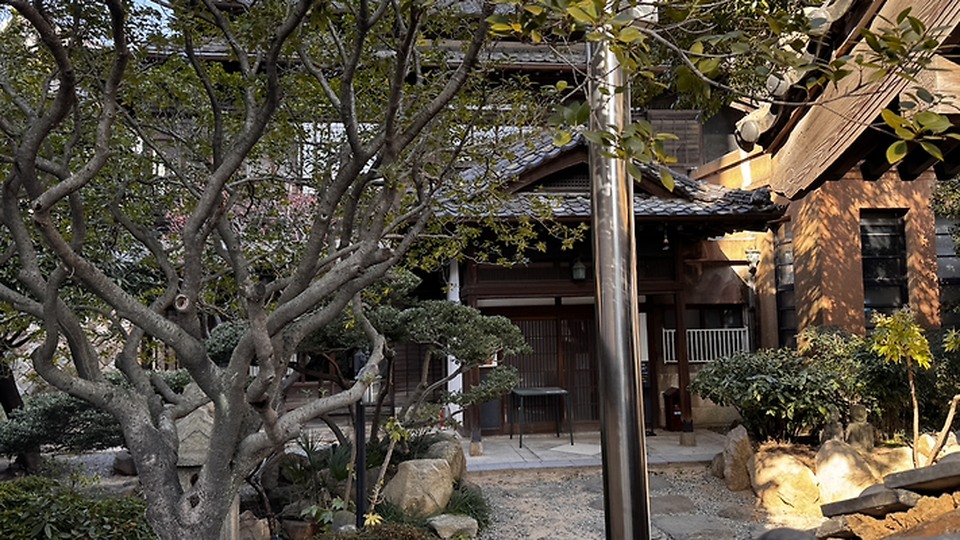
Munhwagonggam Sujeong
Munhwagonggam Sujeong began as Jeongnan-gak, a Japanese-style house from the Japanese colonial period, and today it serves as a space for exhibitions, performances, and cultural experiences. Rather than putting up an entirely new building, it connects the remaining structure to this exhibition, performance, and cultural experience space, passing the memory of the place on to its next users. The first thing to look at on site is the structure of the wooden house and its garden on the Sujeong-dong hill. Instead of quickly photographing the exterior, compare step by step how the traces of Jeongnan-gak, the colonial-era Japanese-style house, carry over into the exhibition, performance, and cultural experience space, and the transformation unique to this place reveals itself naturally.
When preparing an actual visit, the first thing to check is the interior viewing hours and event rentals. If travel conditions around 75 Honggok-ro, Dong-gu, Busan change, the areas of the exhibition, performance, and cultural experience space open to the public may be affected too, so it is safer to confirm the interior viewing hours and event rentals through the latest announcements rather than relying only on the business hours shown on a map. At Munhwagonggam Sujeong, keep the public viewing areas separate from the living spaces of residents and tenants, and when documenting the wooden house and garden structure on the Sujeong-dong hill, avoid disrupting foot traffic and work so that your trip respects the way the place is used today.
When preparing an actual visit, the first thing to check is the interior viewing hours and event rentals. If travel conditions around 75 Honggok-ro, Dong-gu, Busan change, the areas of the exhibition, performance, and cultural experience space open to the public may be affected too, so it is safer to confirm the interior viewing hours and event rentals through the latest announcements rather than relying only on the business hours shown on a map. At Munhwagonggam Sujeong, keep the public viewing areas separate from the living spaces of residents and tenants, and when documenting the wooden house and garden structure on the Sujeong-dong hill, avoid disrupting foot traffic and work so that your trip respects the way the place is used today.
도로명주소 부산 동구 홍곡로 75
지번주소 부산 동구 수정동 1010
과거 용도 일제강점기 일본식 주택 정란각
현재 쓰임 전시·공연·문화체험 공간
현장 관찰점 수정동 언덕의 목조 주택과 정원 구조
방문 전 확인 내부 관람시간과 행사 대관을 확인한다
공개 전화번호 검색 결과 미표시
공식 관광정보 https://korean.visitkorea.or.kr/search/search_list.do?keyword=%EB%AC%B8%ED%99%94%EA%B3%B5%EA%B0%90%20%EC%88%98%EC%A0%95
이미지 출처 https://img1.kakaocdn.net/cthumb/local/C800x400.q50/?fname=http%3A%2F%2Ft1.kakaocdn.net%2Flocal%2FkakaomapPhoto%2Freview%2F7be231f1cea14a16cc0a9e45d33fe4f9a643a2a3%3Foriginal
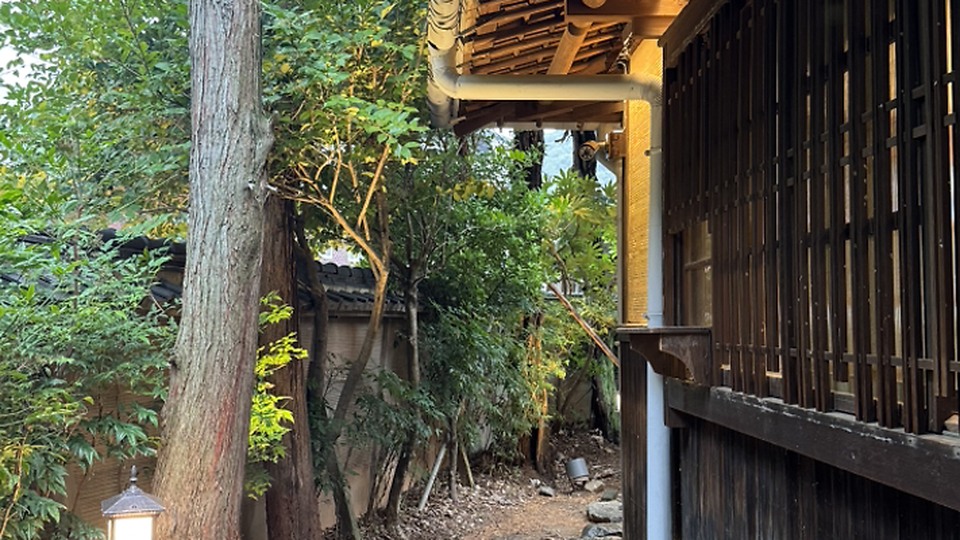
Sinheung-dong Japanese-Style House
The Sinheung-dong Japanese-style House began as the residence of Hirotsu, a textile merchant during the Japanese colonial period, and today it serves as a heritage viewing space for modern-era housing. Rather than putting up an entirely new building, it connects the remaining structure to this modern housing heritage viewing space, passing the memory of the place on to its next users. The first thing to look at on site is the spatial hierarchy of the Japanese-style garden and the indoor and outdoor corridors. Instead of quickly photographing the exterior, compare step by step how the traces of the colonial-era textile merchant Hirotsu's residence carry over into the modern housing heritage viewing space, and the transformation unique to this place reveals itself naturally.
When preparing an actual visit, the first thing to check is whether the interior is open and where the heritage viewing boundaries are. If travel conditions around 17 Guyeong 1-gil, Gunsan-si, Jeonbuk Special Self-Governing Province change, the areas of the heritage viewing space open to the public may be affected too, so it is safer to confirm interior access and the viewing boundaries through the latest announcements rather than relying only on the business hours shown on a map. At the Sinheung-dong Japanese-style House, keep the public viewing areas separate from the living spaces of residents and tenants, and when documenting the spatial hierarchy of the Japanese-style garden and the indoor and outdoor corridors, avoid disrupting foot traffic and work so that your trip respects the way the place is used today.
When preparing an actual visit, the first thing to check is whether the interior is open and where the heritage viewing boundaries are. If travel conditions around 17 Guyeong 1-gil, Gunsan-si, Jeonbuk Special Self-Governing Province change, the areas of the heritage viewing space open to the public may be affected too, so it is safer to confirm interior access and the viewing boundaries through the latest announcements rather than relying only on the business hours shown on a map. At the Sinheung-dong Japanese-style House, keep the public viewing areas separate from the living spaces of residents and tenants, and when documenting the spatial hierarchy of the Japanese-style garden and the indoor and outdoor corridors, avoid disrupting foot traffic and work so that your trip respects the way the place is used today.
도로명주소 전북특별자치도 군산시 구영1길 17
지번주소 전북특별자치도 군산시 신흥동 58-2
과거 용도 일제강점기 포목상 히로쓰의 주택
현재 쓰임 근대주거 문화재 관람 공간
현장 관찰점 일본식 정원과 실내외 복도의 공간 위계
방문 전 확인 실내 개방 여부와 문화재 관람선을 확인한다
공개 전화번호 063-454-4174
공식 관광정보 https://korean.visitkorea.or.kr/search/search_list.do?keyword=%EA%B5%B0%EC%82%B0%20%EC%8B%A0%ED%9D%A5%EB%8F%99%20%EC%9D%BC%EB%B3%B8%EC%8B%9D%EA%B0%80%EC%98%A5
이미지 출처 https://img1.kakaocdn.net/cthumb/local/C800x400.q50/?fname=http%3A%2F%2Ft1.kakaocdn.net%2Flocal%2FkakaomapPhoto%2Freview%2F9e7eda3c1ef855fe5b3befaad642f13caced9f3b%3Foriginal
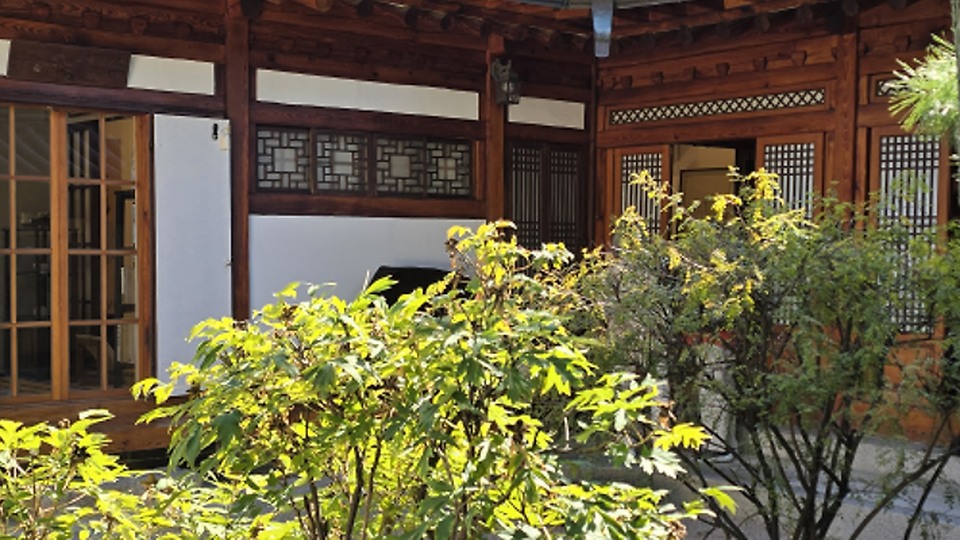
Choi Sun-u's Old House
Choi Sun-u's Old House began as the hanok residence of the art historian Choi Sun-u, and today it serves as an exhibition and education space for citizen-preserved cultural heritage. Rather than putting up an entirely new building, it connects the remaining structure to this citizen heritage exhibition and education space, passing the memory of the place on to its next users. The first thing to look at on site is the life of collecting and writing that remains in the hanok's rooms and courtyard. Instead of quickly photographing the exterior, compare step by step how the traces of the art historian Choi Sun-u's hanok residence carry over into the citizen heritage exhibition and education space, and the transformation unique to this place reveals itself naturally.
When preparing an actual visit, the first thing to check is the seasonal opening days and the rules for small-group viewing. If travel conditions around 9 Seongbuk-ro 15-gil, Seongbuk-gu, Seoul change, the areas of the exhibition and education space open to the public may be affected too, so it is safer to confirm the seasonal opening days and small-group viewing rules through the latest announcements rather than relying only on the business hours shown on a map. At Choi Sun-u's Old House, keep the public viewing areas separate from the living spaces of residents and tenants, and when documenting the collecting and writing life that remains in the hanok's rooms and courtyard, avoid disrupting foot traffic and work so that your trip respects the way the place is used today.
When preparing an actual visit, the first thing to check is the seasonal opening days and the rules for small-group viewing. If travel conditions around 9 Seongbuk-ro 15-gil, Seongbuk-gu, Seoul change, the areas of the exhibition and education space open to the public may be affected too, so it is safer to confirm the seasonal opening days and small-group viewing rules through the latest announcements rather than relying only on the business hours shown on a map. At Choi Sun-u's Old House, keep the public viewing areas separate from the living spaces of residents and tenants, and when documenting the collecting and writing life that remains in the hanok's rooms and courtyard, avoid disrupting foot traffic and work so that your trip respects the way the place is used today.
도로명주소 서울 성북구 성북로15길 9
지번주소 서울 성북구 성북동 126-20
과거 용도 미술사학자 최순우의 한옥 주거
현재 쓰임 시민문화유산 전시·교육 공간
현장 관찰점 한옥의 방과 마당에 남은 수집·집필 생활
방문 전 확인 계절 개방일과 소규모 관람 규정을 확인한다
공개 전화번호 02-3675-3401
공식 관광정보 https://korean.visitkorea.or.kr/search/search_list.do?keyword=%EC%B5%9C%EC%88%9C%EC%9A%B0%EC%98%9B%EC%A7%91
이미지 출처 https://img1.kakaocdn.net/cthumb/local/C800x400.q50/?fname=http%3A%2F%2Ft1.kakaocdn.net%2Flocal%2FkakaomapPhoto%2Freview%2F3bf418707adfab0993c737c70073b77e1ac0aa69%3Foriginal
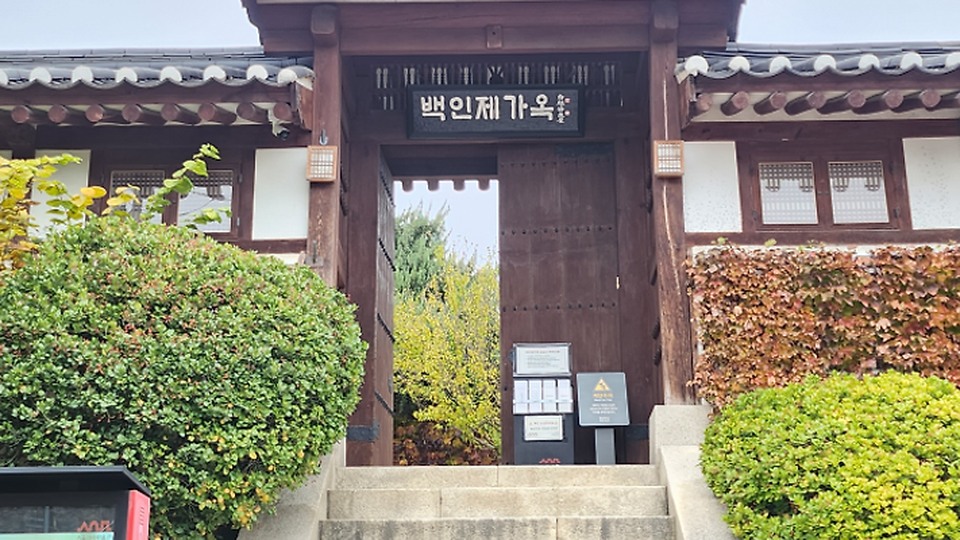
Baek In-je House
Baek In-je House began as an upper-class hanok residence of the modern era, and today it serves as a Seoul folk cultural heritage site and an exhibition space for everyday life history. Rather than putting up an entirely new building, it connects the remaining structure to this Seoul folk heritage and life history exhibition space, passing the memory of the place on to its next users. The first thing to look at on site is the modern residential structure that combines a hanok with Japanese-style corridors. Instead of quickly photographing the exterior, compare step by step how the traces of the modern-era upper-class hanok residence carry over into the Seoul folk heritage and life history exhibition space, and the transformation unique to this place reveals itself naturally.
When preparing an actual visit, the first thing to check is guided tour reservations and which interior areas are open for viewing. If travel conditions around 16 Bukchon-ro 7-gil, Jongno-gu, Seoul change, the areas of the exhibition space open to the public may be affected too, so it is safer to confirm guided tour reservations and the interior areas open for viewing through the latest announcements rather than relying only on the business hours shown on a map. At Baek In-je House, keep the public viewing areas separate from the living spaces of residents and tenants, and when documenting the modern residential structure that combines a hanok with Japanese-style corridors, avoid disrupting foot traffic and work so that your trip respects the way the place is used today.
When preparing an actual visit, the first thing to check is guided tour reservations and which interior areas are open for viewing. If travel conditions around 16 Bukchon-ro 7-gil, Jongno-gu, Seoul change, the areas of the exhibition space open to the public may be affected too, so it is safer to confirm guided tour reservations and the interior areas open for viewing through the latest announcements rather than relying only on the business hours shown on a map. At Baek In-je House, keep the public viewing areas separate from the living spaces of residents and tenants, and when documenting the modern residential structure that combines a hanok with Japanese-style corridors, avoid disrupting foot traffic and work so that your trip respects the way the place is used today.
도로명주소 서울 종로구 북촌로7길 16
지번주소 서울 종로구 가회동 93-1
과거 용도 근대기 상류층 한옥 주거
현재 쓰임 서울시 민속문화재와 생활사 전시 공간
현장 관찰점 한옥과 일본식 복도가 결합된 근대 주거 구조
방문 전 확인 해설 예약과 실내 관람 가능 구역을 확인한다
공개 전화번호 02-724-0200
공식 관광정보 https://korean.visitkorea.or.kr/search/search_list.do?keyword=%EB%B0%B1%EC%9D%B8%EC%A0%9C%EA%B0%80%EC%98%A5
이미지 출처 https://img1.kakaocdn.net/cthumb/local/C800x400.q50/?fname=http%3A%2F%2Ft1.kakaocdn.net%2Flocal%2FkakaomapPhoto%2Freview%2F6d014924827872bea6edd5165bcca598b995dc5f%3Foriginal
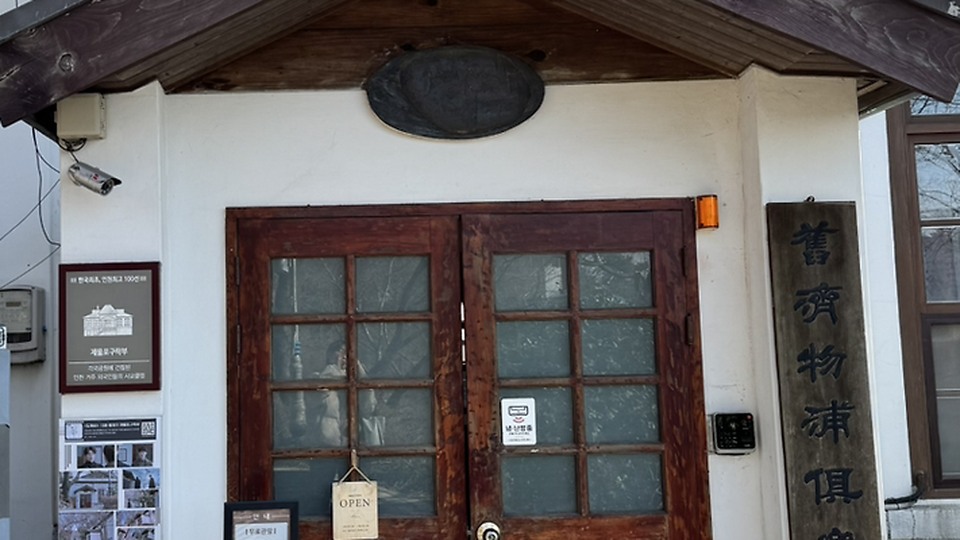
Jemulpo Club
Jemulpo Club began as a social club for foreigners during the port-opening era, and today it serves as an exhibition space for the history and culture of the open port. Rather than putting up an entirely new building, it connects the remaining structure to this open-port history and culture exhibition space, passing the memory of the place on to its next users. The first thing to look at on site is the hierarchy of the open-port city that remains in the fireplace and the social rooms. Instead of quickly photographing the exterior, compare step by step how the traces of the port-opening era foreigners' social club carry over into the open-port history and culture exhibition space, and the transformation unique to this place reveals itself naturally.
When preparing an actual visit, the first thing to check is exhibition changeovers and the uphill route from Jayu Park. If travel conditions around 25 Jayugongwonnam-ro, Jemulpo-gu, Incheon change, the areas of the exhibition space open to the public may be affected too, so it is safer to confirm exhibition changeovers and the uphill route from Jayu Park through the latest announcements rather than relying only on the business hours shown on a map. At Jemulpo Club, keep the public viewing areas separate from the living spaces of residents and tenants, and when documenting the open-port city's hierarchy that remains in the fireplace and social rooms, avoid disrupting foot traffic and work so that your trip respects the way the place is used today.
When preparing an actual visit, the first thing to check is exhibition changeovers and the uphill route from Jayu Park. If travel conditions around 25 Jayugongwonnam-ro, Jemulpo-gu, Incheon change, the areas of the exhibition space open to the public may be affected too, so it is safer to confirm exhibition changeovers and the uphill route from Jayu Park through the latest announcements rather than relying only on the business hours shown on a map. At Jemulpo Club, keep the public viewing areas separate from the living spaces of residents and tenants, and when documenting the open-port city's hierarchy that remains in the fireplace and social rooms, avoid disrupting foot traffic and work so that your trip respects the way the place is used today.
도로명주소 인천 제물포구 자유공원남로 25
지번주소 인천 제물포구 송학동1가 11-1
과거 용도 개항기 외국인 사교장
현재 쓰임 개항장 역사·문화 전시 공간
현장 관찰점 벽난로와 사교 공간에 남은 개항도시의 위계
방문 전 확인 전시 교체와 자유공원 오르막 동선을 확인한다
공개 전화번호 032-765-0261
공식 관광정보 https://korean.visitkorea.or.kr/search/search_list.do?keyword=%EC%A0%9C%EB%AC%BC%ED%8F%AC%EA%B5%AC%EB%9D%BD%EB%B6%80
이미지 출처 https://img1.kakaocdn.net/cthumb/local/C800x400.q50/?fname=http%3A%2F%2Ft1.kakaocdn.net%2Flocal%2FkakaomapPhoto%2Freview%2F6911f1ccdfd09ebff05c5e0b8ddfb31b734c09d6%3Foriginal
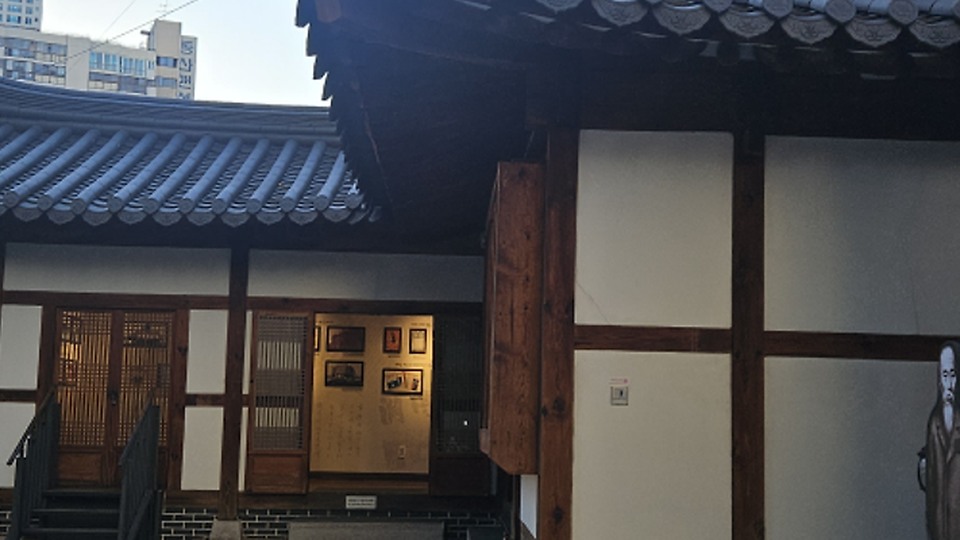
Gyesan Yega
Gyesan Yega began as a residence in the modern-era alleys of Gyesan-dong, Daegu, and today it serves as a space for modern culture interpretation, exhibitions, and tourist information. Rather than putting up an entirely new building, it connects the remaining structure to this modern culture interpretation, exhibition, and tourist information space, passing the memory of the place on to its next users. The first thing to look at on site is the alley context that connects to the old houses of Yi Sang-hwa and Seo Sang-don. Instead of quickly photographing the exterior, compare step by step how the traces of the modern-era residence in the alleys of Gyesan-dong carry over into the modern culture interpretation, exhibition, and tourist information space, and the transformation unique to this place reveals itself naturally.
When preparing an actual visit, the first thing to check is the guided tour programs and whether the nearby old houses are open. If travel conditions around 6-1 Seoseong-ro, Jung-gu, Daegu change, the areas of the interpretation, exhibition, and tourist information space open to the public may be affected too, so it is safer to confirm the guided tour programs and the opening of the nearby old houses through the latest announcements rather than relying only on the business hours shown on a map. At Gyesan Yega, keep the public viewing areas separate from the living spaces of residents and tenants, and when documenting the alley context connecting to the old houses of Yi Sang-hwa and Seo Sang-don, avoid disrupting foot traffic and work so that your trip respects the way the place is used today.
When preparing an actual visit, the first thing to check is the guided tour programs and whether the nearby old houses are open. If travel conditions around 6-1 Seoseong-ro, Jung-gu, Daegu change, the areas of the interpretation, exhibition, and tourist information space open to the public may be affected too, so it is safer to confirm the guided tour programs and the opening of the nearby old houses through the latest announcements rather than relying only on the business hours shown on a map. At Gyesan Yega, keep the public viewing areas separate from the living spaces of residents and tenants, and when documenting the alley context connecting to the old houses of Yi Sang-hwa and Seo Sang-don, avoid disrupting foot traffic and work so that your trip respects the way the place is used today.
도로명주소 대구 중구 서성로 6-1
지번주소 대구 중구 계산동2가 83-1
과거 용도 대구 계산동 근대 골목의 주거지
현재 쓰임 근대문화 해설·전시·관광안내 공간
현장 관찰점 이상화·서상돈 고택과 이어지는 골목 맥락
방문 전 확인 해설 프로그램과 인근 고택 개방을 확인한다
공개 전화번호 053-661-3323
공식 관광정보 https://korean.visitkorea.or.kr/search/search_list.do?keyword=%EA%B3%84%EC%82%B0%EC%98%88%EA%B0%80
이미지 출처 https://img1.kakaocdn.net/cthumb/local/C800x400.q50/?fname=http%3A%2F%2Ft1.kakaocdn.net%2Flocal%2FkakaomapPhoto%2Freview%2Fe3ac364b8633d58abd2f8c8a2cf8236bbbb5c656%3Foriginal
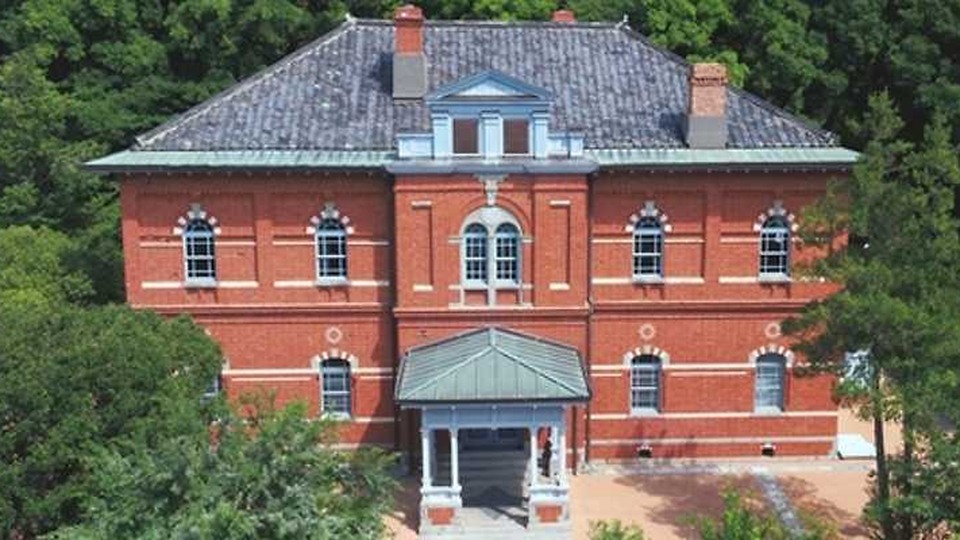
Mokpo Modern History Museum Building 1
Mokpo Modern History Museum Hall 1 began as the former Japanese Consulate, and today it serves as a museum of Mokpo's port opening and modern history. Rather than putting up an entirely new building, it connects the remaining structure to this museum of Mokpo's port opening and modern history, passing the memory of the place on to its next users. The first thing to look at on site is the traces of colonial power that remain in the red-brick consulate and the air-raid shelter. Instead of quickly photographing the exterior, compare step by step how the traces of the former Japanese Consulate carry over into the museum of Mokpo's port opening and modern history, and the transformation unique to this place reveals itself naturally.
When preparing an actual visit, the first thing to check is the admission fee, closing days, and whether the air-raid shelter is open. If travel conditions around 6 Yeongsan-ro 29beon-gil, Mokpo-si, Jeonnam-Gwangju Integrated Special City change, the areas of the museum open to the public may be affected too, so it is safer to confirm the admission fee, closing days, and air-raid shelter access through the latest announcements rather than relying only on the business hours shown on a map. At Mokpo Modern History Museum Hall 1, keep the public viewing areas separate from the living spaces of residents and tenants, and when documenting the traces of colonial power in the red-brick consulate and the air-raid shelter, avoid disrupting foot traffic and work so that your trip respects the way the place is used today.
When preparing an actual visit, the first thing to check is the admission fee, closing days, and whether the air-raid shelter is open. If travel conditions around 6 Yeongsan-ro 29beon-gil, Mokpo-si, Jeonnam-Gwangju Integrated Special City change, the areas of the museum open to the public may be affected too, so it is safer to confirm the admission fee, closing days, and air-raid shelter access through the latest announcements rather than relying only on the business hours shown on a map. At Mokpo Modern History Museum Hall 1, keep the public viewing areas separate from the living spaces of residents and tenants, and when documenting the traces of colonial power in the red-brick consulate and the air-raid shelter, avoid disrupting foot traffic and work so that your trip respects the way the place is used today.
도로명주소 전남광주통합특별시 목포시 영산로29번길 6
지번주소 전남광주통합특별시 목포시 대의동2가 1-5
과거 용도 옛 일본영사관
현재 쓰임 목포 개항·근대사 박물관
현장 관찰점 붉은 벽돌 영사관과 방공호에 남은 식민 권력의 흔적
방문 전 확인 관람료·휴관일과 방공호 개방을 확인한다
공개 전화번호 0507-1438-0462
공식 관광정보 https://korean.visitkorea.or.kr/search/search_list.do?keyword=%EB%AA%A9%ED%8F%AC%EA%B7%BC%EB%8C%80%EC%97%AD%EC%82%AC%EA%B4%80%201%EA%B4%80
이미지 출처 https://img1.kakaocdn.net/cthumb/local/C800x400.q50/?fname=http%3A%2F%2Ft1.kakaocdn.net%2Fmystore%2F4B617B9D27FB4943B30C7A3FC8444D05
Seeing the eight buildings in turn shows that the city's modern era did not have a single face. Baek In-je House and Choi Sun-u's Old House show residential life and the lives of cultural figures, while Boan1942 and Munhwagonggam Sujeong show how lodging buildings were turned into art and civic spaces. At Jemulpo Club and the Mokpo Modern History Museum you can see the spaces of port opening and colonial power, and at the Sinheung-dong Japanese-style House in Gunsan and Gyesan Yega you can compare local life history and approaches to preservation.
When visiting, do not treat elements like windows, tatami, and fireplaces merely as photo subjects; look at the hierarchy of rooms and the circulation of entrances and exits. Heritage buildings can close suddenly for repairs or events, and some have fixed times for indoor guided tours. Where a building sits in a narrow alley, do not block residents' access, and it is better to use public transportation. Reading the official commentary alongside the building's history lets you judge how the new programs after regeneration explain the past.
When visiting, do not treat elements like windows, tatami, and fireplaces merely as photo subjects; look at the hierarchy of rooms and the circulation of entrances and exits. Heritage buildings can close suddenly for repairs or events, and some have fixed times for indoor guided tours. Where a building sits in a narrow alley, do not block residents' access, and it is better to use public transportation. Reading the official commentary alongside the building's history lets you judge how the new programs after regeneration explain the past.
At a glance
8 items
BOAN1942
서울 종로구 효자로 33서울 종로구 통의동 2-1검색 결과 미표시
Munhwagonggam Sujeong
부산 동구 홍곡로 75부산 동구 수정동 1010일제강점기 일본식 주택 정란각
Sinheung-dong Japanese-Style House
근대주거 문화재 관람 공간063-454-4174
Choi Sun-u's Old House
서울 성북구 성북로15길 9미술사학자 최순우의 한옥 주거시민문화유산 전시·교육 공간
Baek In-je House
서울 종로구 북촌로7길 16서울 종로구 가회동 93-1근대기 상류층 한옥 주거
Jemulpo Club
개항기 외국인 사교장개항장 역사·문화 전시 공간032-765-0261
Gyesan Yega
대구 중구 서성로 6-1대구 중구 계산동2가 83-1053-661-3323
Mokpo Modern History Museum Building 1
옛 일본영사관목포 개항·근대사 박물관0507-1438-0462
Locations at a glance
8 places
#Cultural Space#Modern Architecture#Architectural Exploration#Historic House Travel#Urban Regeneration Travel
As part of the Coupang Partners program, this post may earn a commission from qualifying purchases.
Comments 0
Log in to leave a comment.
Be the first to comment.
How about these lists?


You might also like


🎲
Not ready to stop here?
Wondering what to read next is the biggest waste of time.
Let the dice decide — you won't know what pops up until you roll.
If you don't press it… won't you wonder forever? 👀
