Masterpieces of Korean Buddhist Art Completed by Stacking and Carving Stones
Collection Cultural Heritage 2026.09.21

Masterpieces of Korean Buddhist Art Completed by Stacking and Carving Stones

Seven Places Reading Techniques and Beliefs by Era through Stone Grottoes, Rock-carved Buddhas, and Stone Pagodas

Though stones are solid, in Korean Buddhist art, they have served as a medium that expresses the structure of wooden architecture, the gentle drapery of clothing, and even the perspective of worshippers. The man-made grotto of Seokguram and the natural cliff of Chilbulam create different spatial experiences around the Buddha statues, while the pagodas at Mireuksaji, Jeongrimsaji, Gameunsaji, and Tappyeongri showcase the evolving proportions and styles of pagoda architecture from Baekje to Unified Silla. The massive stone Buddha at Gwancheoksa adds a unique character to the regional art of the Goryeo period.

This list does not rank based on size or national treasure status. It explores how the type of stone, assembly method, the topography where sculptures are placed, and the worship routes contribute to the distinct impressions each site provides. By distinguishing restored sections from original ones and considering museum restoration records, one can also grasp the crafting and preservation techniques often overlooked when viewing the finished products.
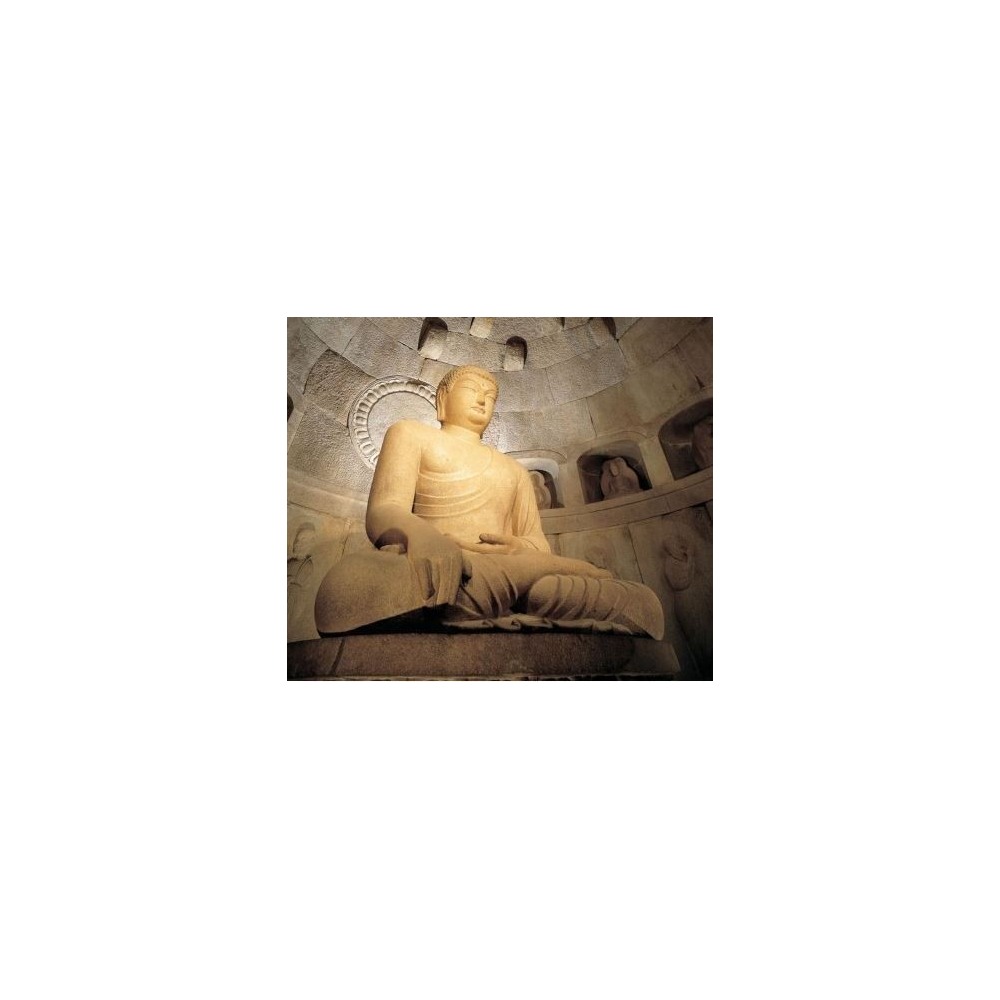
Seokguram Grotto

Seokguram Grotto

Seokguram

In Seokguram, Gyeongju, it’s better to start by observing the structure and uses preserved in the site rather than relying on its name or iconic photos. This artificial grotto made of intricately assembled granite is the core of Unified Silla Buddhist art, housing the main Buddha and reliefs in its interior. The key observation points are the axis of the antechamber, passage, and main chamber along with the arrangement of sculptures surrounding the main Buddha. Before visiting, ensure to adhere to no photography and restricted entry for preservation purposes as you observe through glass. Even a brief visit while confirming these arrangements will help you understand why this site is included on the list.

During your actual visit to Seokguram, please follow the rules of maintaining observation through glass and adhering to any photography restrictions and closing times. Avoid areas with different safety conditions such as the interior building, fortress walls, tombs, and mountain paths, and refrain from entering non-public spaces or touching archaeological remains.
주소 경북 경주시 석굴로 238 전화 054-746-9933 관람 포인트 본존불, 인공 석굴 구조, 토함산 산책길 추천 동선 불국사 관람 전후로 함께 방문 지역 경북 경주 유산 유형 석굴 사원 관찰 포인트 전실·통로·주실의 축과 본존불을 둘러싼 조각 배치 방문 팁 보존을 위해 유리 너머로 관람하며 촬영 금지와 입장 마감을 지킨다
Visit Directions
Gyeongju Namsan Chilbul-am Stone Buddha Group

Gyeongju Namsan Chilbul-am Stone Buddha Group

Chilbulam Rock-carved Buddha Group, Namsan, Gyeongju

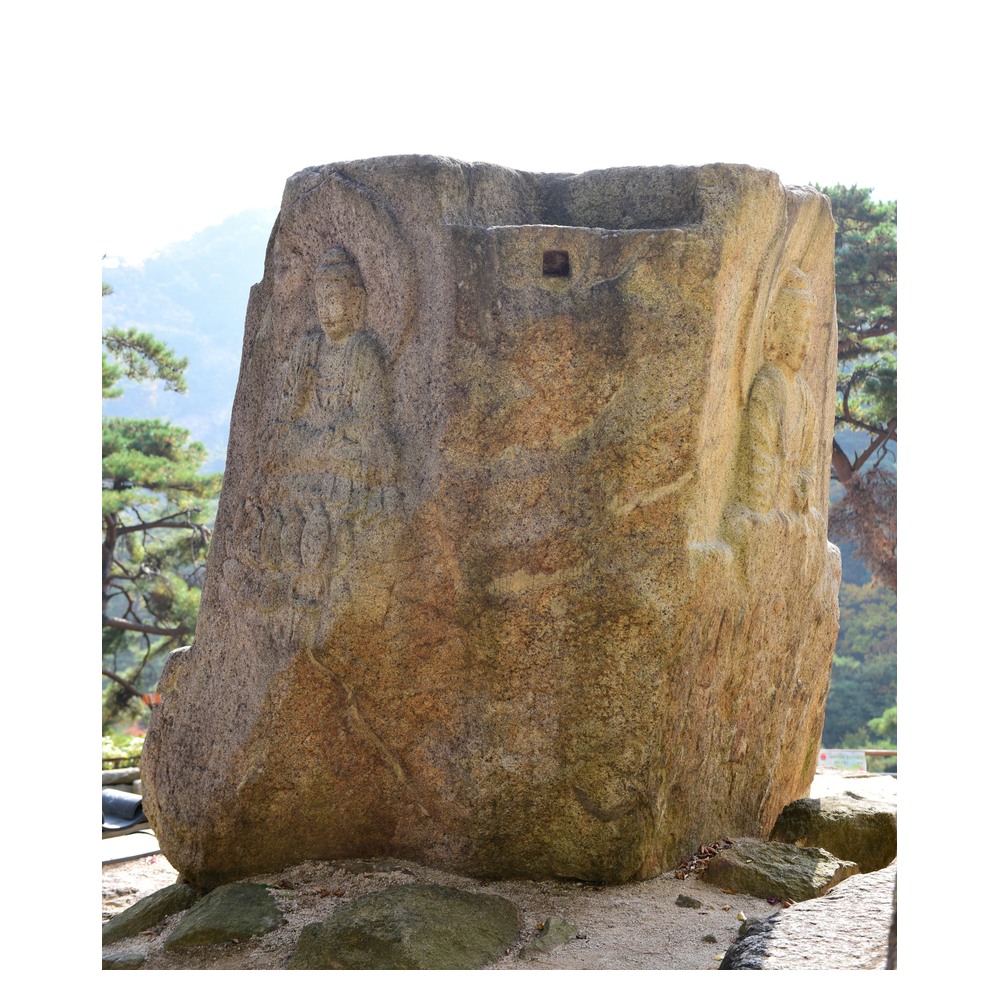
In this list, the Chilbulam Rock-carved Buddha Group is the point connecting rock-carved and stone Buddhas to actual spaces and materials. This site in Gyeongju, North Gyeongsang Province, consists of rock-carved and stone Buddhas that have created a three-dimensional worship space through multiple Buddhas engraved into the rocky surface and column-like protrusions. The key observation sites are the spatial arrangement where the rock-carved Buddhas face each other with the triad behind them. Before visiting, check the slope of the trail, rockfalls, and any icy conditions. During site interpretation, recognizing the spatial construction where the rock-carved Buddhas and the triad face each other will help you read the history of how the site was formed and utilized holistically instead of as fragmented events.

Before going to Chilbulam Rock-carved Buddha Group in Gyeongju, re-confirm whether there are any closures, reservations, or construction through the official guides. Check the slope of the trail, rockfalls, and icy conditions, and avoid touching the rock surfaces. Be prepared for possible changes in paths due to weather, events, or restrictions.
주소 경북 경주시 남산동 산 36-4 지역 경북 경주 유산 유형 마애불·석불 관찰 포인트 사면석불과 뒤편 삼존불이 서로 마주 보는 공간 구성 방문 팁 등산로 경사와 낙석·결빙을 확인하고 마애면에 손대지 않는다
Visit Directions
Gyeongju Gameunsa East and West Three-Storey Stone Pagoda

Gyeongju Gameunsa East and West Three-Storey Stone Pagoda

Eastern and Western Three-story Stone Pagodas, Gameunsaji, Gyeongju

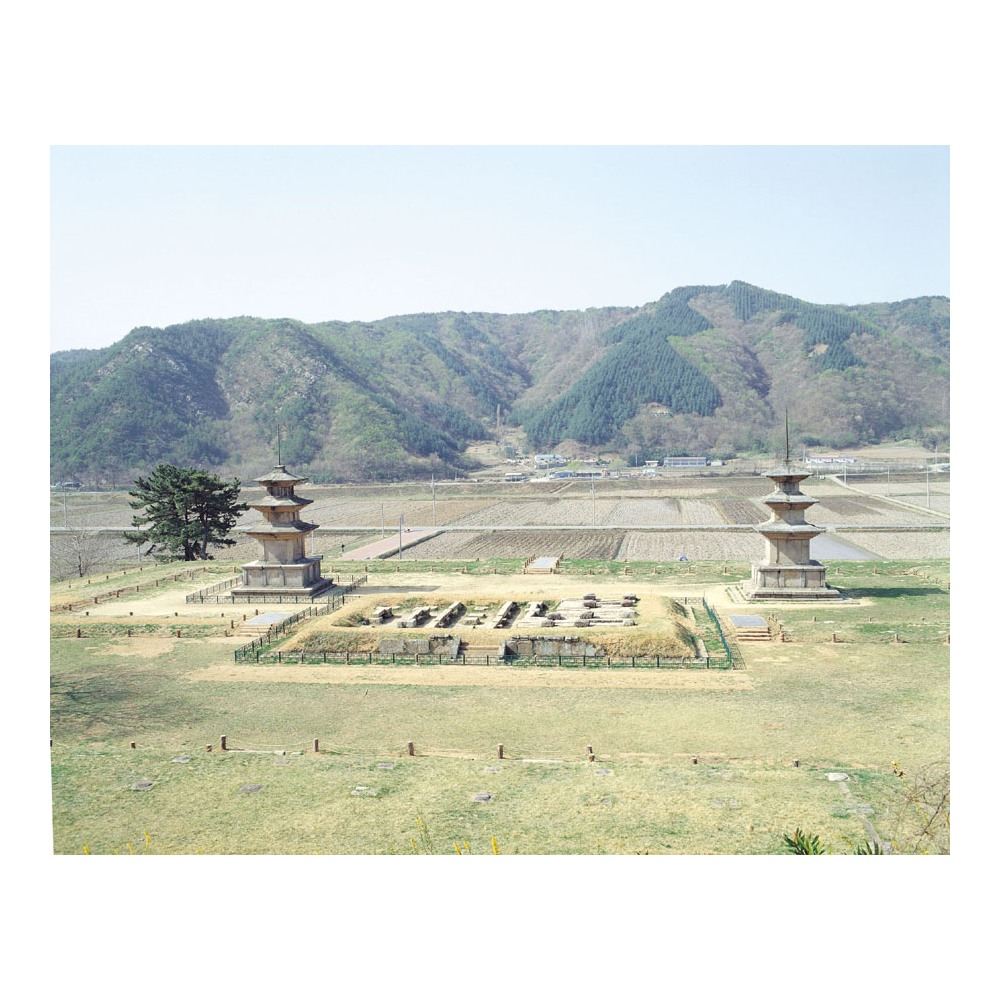
When touring the Eastern and Western Three-story Stone Pagodas at Gameunsaji, Gyeongju, follow how the whole site functioned as a Unified Silla stone pagoda site rather than focusing on one famous view. These Unified Silla stone pagodas in Gyeongju, North Gyeongsang, stand as twin pagodas in front of the site of Gameunsa Temple's main hall and show the structural shift from wooden pagodas to stone pagodas. The key points to observe are the proportions of the two pagodas, the structure under the main hall floor associated with the sea dragon, and the axis facing the East Sea, and before visiting, since it's an empty, windy temple site, check the sunset time and the time of your public transit ride home. Viewing this place with the proportions of the two pagodas, the structure under the main hall floor associated with the sea dragon, and the axis facing the East Sea at the center makes its difference from the other heritage sites on the list clear.

To view the Eastern and Western Three-story Stone Pagodas at Gameunsaji, Gyeongju, safely and accurately, check the sunset time and the time of your public transit ride home, since it's an empty, windy temple site. In places where residents live or where rituals, Buddhist services, or memorials continue, keep noise and staged photography to a minimum and respect the current use of the Eastern and Western Three-story Stone Pagodas at Gameunsaji, Gyeongju.
주소 경북 경주시 문무대왕면 용당리 55-3 지역 경북 경주 유산 유형 통일신라 석탑 관찰 포인트 두 탑의 비례와 금당 바닥의 해룡 관련 구조, 동해 방향 축 방문 팁 바람이 강한 빈 절터이므로 일몰과 대중교통 귀가 시간을 확인한다
Visit Directions
Iksan Mireuksaji Stone Pagoda

Iksan Mireuksaji Stone Pagoda

Mireuksaji Stone Pagoda, Iksan

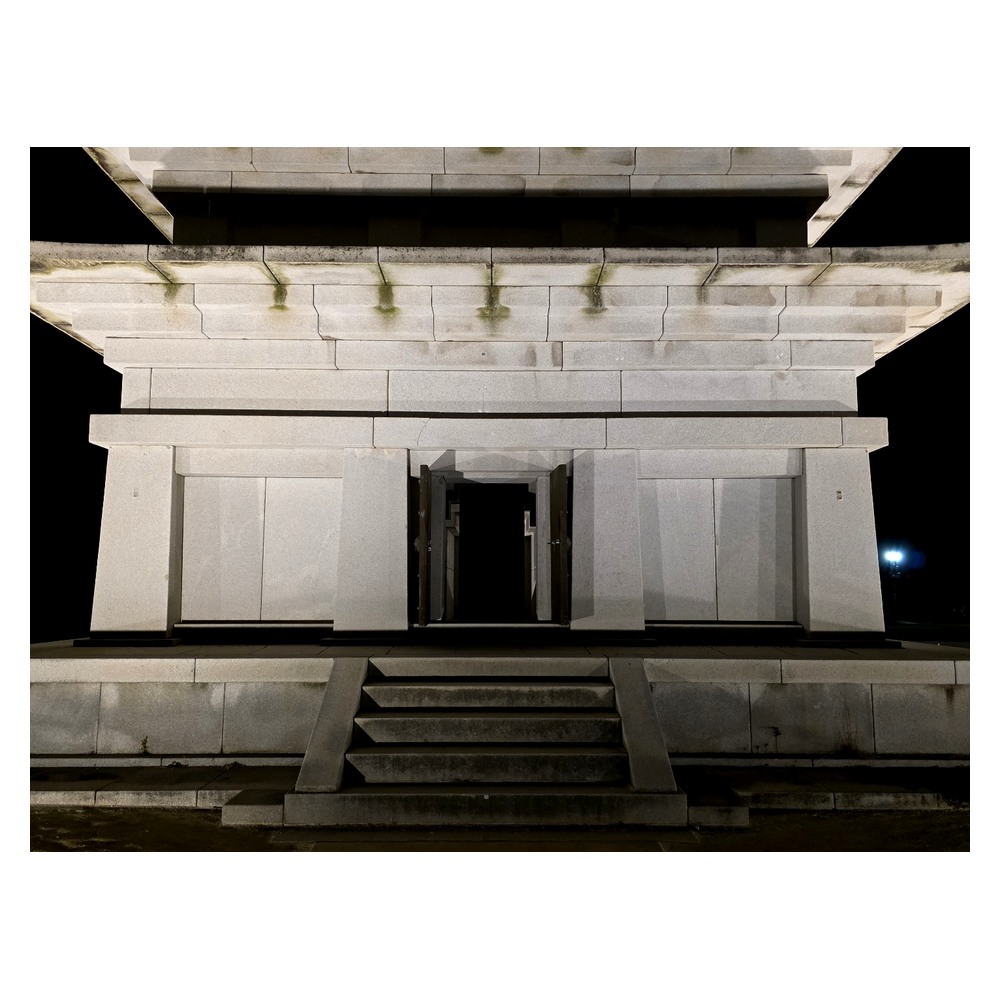
From the perspective of reading technologies and beliefs from stone grottoes, rock-carved Buddhas, and stone pagodas, the role of the Mireuksaji Stone Pagoda in Iksan is clear. As the largest stone pagoda of Baekje, located in Iksan, Jeollabuk-do, it translated the elements of wooden architecture into stone through a long disassembly and restoration process. Key observation points include the stone portrayed as columns, the color variations between restored and original parts. Before visiting, check the closing and entry times of the National Iksan Museum and the site exhibition hall. When observing, shifting your perspective based on the color and structure differences between the stones portrayed as columns and the distinctions between restored and original sections helps you understand how artifacts or buildings relate to their surrounding landscapes.

Before departing for the Mireuksaji Stone Pagoda in Iksan, check the closing and entry times of the National Iksan Museum and the exhibition hall. Don't just stay at the representative photo spots; rather, take a stroll along the guided pathways and then revisit an important structure or record for a comprehensive understanding.
주소 전북특별자치도 익산시 금마면 기양리 32-2 지역 전북 익산 유산 유형 백제 석탑 관찰 포인트 기둥처럼 표현한 석재와 복원부·원형부의 색과 결구 차이 방문 팁 국립익산박물관과 유적전시관 휴관·입장 시간을 함께 확인한다
Visit Directions
Buyeo Jeongnimsa Five-Storey Stone Pagoda

Buyeo Jeongnimsa Five-Storey Stone Pagoda

Ocheung Stone Pagoda, Jeongrimsaji, Buyeo

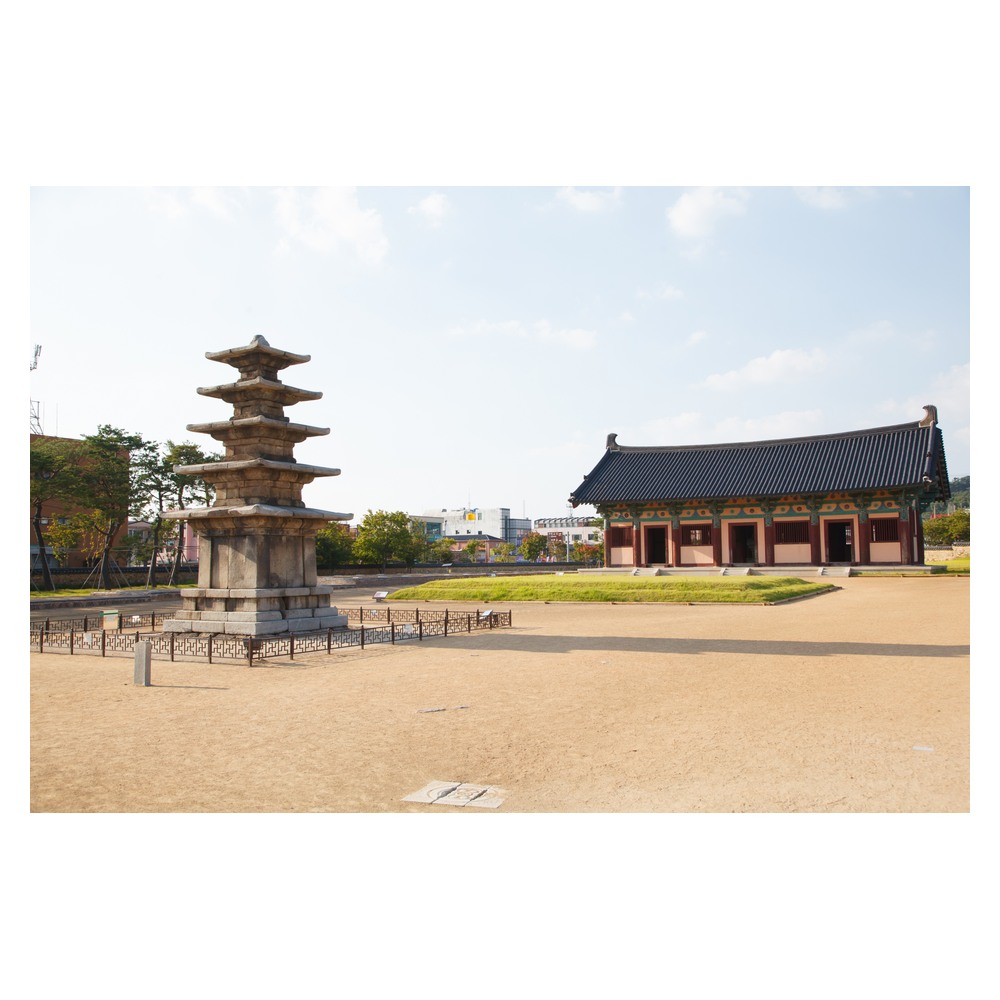
The Ocheung Stone Pagoda at Jeongrimsaji in Buyeo is a significant Baekje stone pagoda, suitable for comparing historical layers in a single location. Also a Baekje pagoda in Buyeo, Chungcheongnam-do, it represents the style of Baekje stone pagodas with its low, wide roof stones and stable proportions. The key observation points are the elevation of each roof stone and the inscriptions related to the Tang dynasty on the first story of the pagoda. Before visiting, observe the layout of the Sabido Fortress and temple site through the museum exhibition before examining the pagoda. During the visit, comparing the elevation of each roof stone and the Tang inscriptions on the first story with photos, maps, and explanations is crucial.

Plan your viewing time at the Ocheung Stone Pagoda of Jeongrimsaji generously; first, observe the museum exhibition and then look at the pagoda. Noting the construction date and repair records on the explanatory sign at the Ocheung Stone Pagoda will make it easier to distinguish differences among similar heritages. This information will stay with you long after your visit.
주소 충남 부여군 부여읍 정림로 83 지역 충남 부여 유산 유형 백제 석탑 관찰 포인트 각 층 지붕돌의 들림과 1층 탑신에 남은 당나라 관련 명문 방문 팁 박물관 전시에서 사비도성·절터 배치를 본 뒤 탑을 관찰한다
Visit Directions
Nonsan Gwanchoksa Standing Stone Maitreya Bodhisattva

Nonsan Gwanchoksa Standing Stone Maitreya Bodhisattva

Seokjo Maitreya Bodhisattva Statue, Gwancheoksa, Nonsan

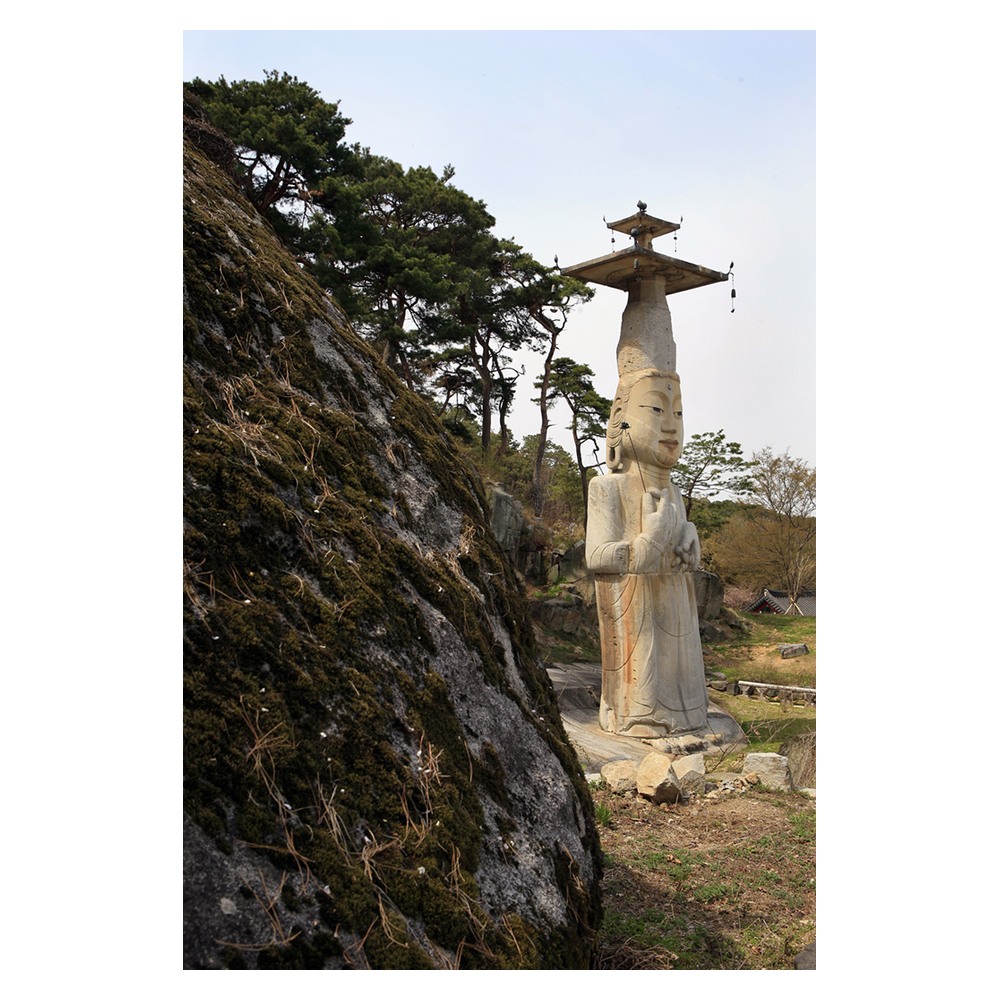
The reason for choosing the Seokjo Maitreya Bodhisattva statue at Gwancheoksa, Nonsan is due to its clear representation of characteristics of Goryeo-period stone Buddhas in South Chungcheong Province. This massive Maitreya statue made from large stones reveals the uniqueness of regional Buddhist art of early Goryeo. Key observation points are the large crown and the elongated features of the face and body, along with the alignment of the stone lantern and worship space. Before visiting, maintain respect during ceremonies by avoiding photography or loud conversations and do not lean against outdoor stone artifacts. Especially observing the large crown, elongated features, stone lantern, and worship space alignment with the explanatory signs’ dates and descriptions will help avoid confusion between original, repair, and restoration sections.

When planning your visit to the Seokjo Maitreya Bodhisattva statue in Nonsan, set your schedule based on the actual conditions rather than seasonal photos. During ceremonies, avoid photography or loud conversations and do not lean against outdoor stone artifacts. Follow cultural heritage protection guidelines and photography restrictions, prioritizing the current order of the Seokjo Maitreya Bodhisattva statue in religious, memorial, and community living areas.
주소 충남 논산시 관촉로1번길 25 지역 충남 논산 유산 유형 고려 석불 관찰 포인트 큰 관과 길게 표현한 얼굴·몸체, 석등과 예불 공간의 축 방문 팁 법회 중에는 촬영과 큰 대화를 삼가고 야외 석물에 기대지 않는다
Visit Directions
Chungju Tappyeong-ri Seven-Storey Stone Pagoda

Chungju Tappyeong-ri Seven-Storey Stone Pagoda

Seven-story Stone Pagoda, Tappyeongri, Chungju

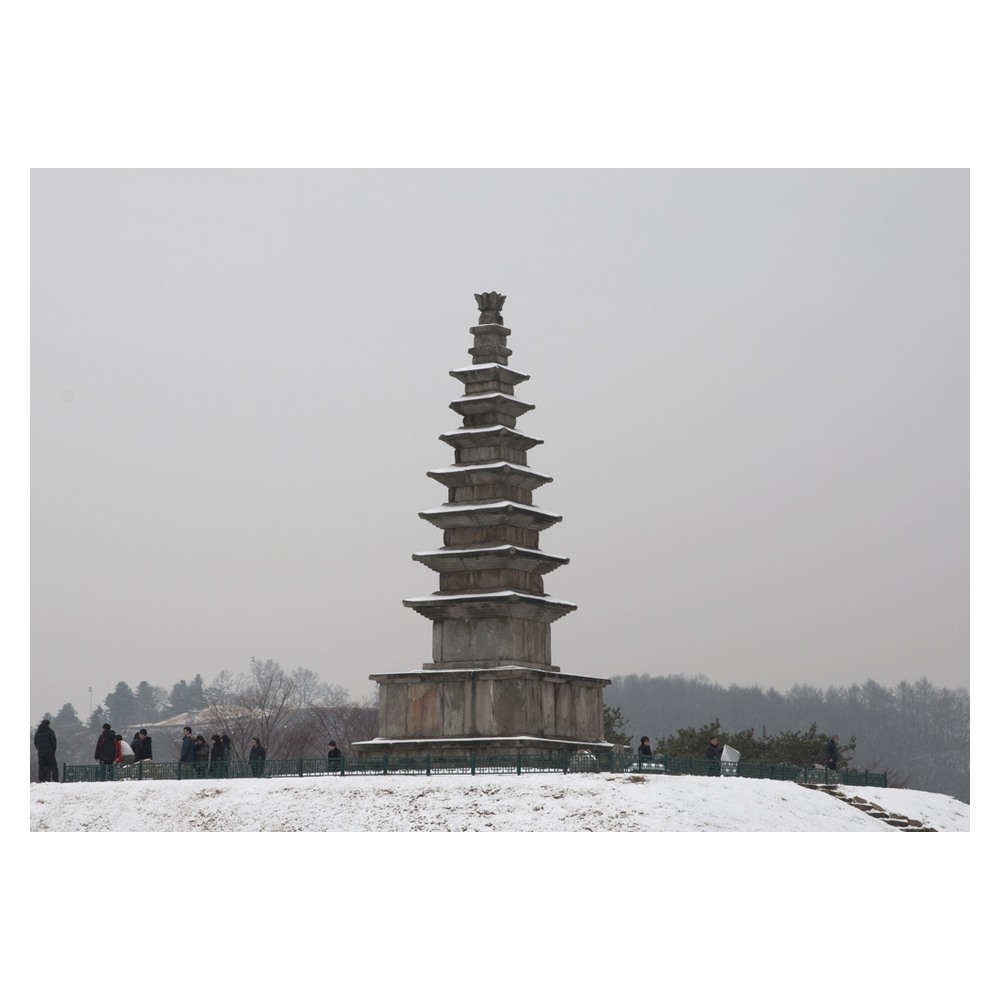
The Seven-story Stone Pagoda at Tappyeongri, Chungju, demonstrates the environment in which Unified Silla pagodas were formed when compared to other locations on this list. This Unified Silla pagoda, situated in the old transportation hub along the Namhan River in Chungbuk, is also known as the Central Pagoda due to its height. The key observation points are the feel of proportion between the high base and seven stories, and its visibility from the riverside plain. Before visiting, check for events at Central Pagoda Park, museum operations, and weather conditions along the riverside. First, confirm the proportions between the high base and seven stories, and their visibility from the riverside; then, comparing exhibition materials with the current landscape makes it easier to distinguish between what remains and what has been restored.

Usage conditions at the Tappyeongri Seven-story Stone Pagoda may change due to preservation work and events, so confirm the Central Pagoda Park events, museum operations, and riverside weather conditions. If there are guided explanations available, participate; if not, refer to the sources and dates on the official signs to differentiate them from exaggerated tourist descriptions.
주소 충북 충주시 중앙탑면 탑평리 11 지역 충북 충주 유산 유형 통일신라 석탑 관찰 포인트 높은 기단과 일곱 층의 체감 비례, 강변 평지에서의 시인성 방문 팁 중앙탑공원 행사와 박물관 운영, 강변 기상 상황을 확인한다
Visit Directions
When observing stone cultural heritage, try to look at the site not just from a frontal photo but by also observing the side views, bases, and surrounding building sites. At Mireuksaji and Gameunsaji, you can imagine the lost wooden architecture through pagodas and bases, while at Jeongrimsaji and Tapppyeongri, the sense of ascent created by varying numbers of layers is experienced differently. Chilbulam and Gwancheoksa show how the conditions of rocks, mountain paths, and temples alter the meanings of the sculptures.

Even though stone Buddhas and pagodas are outdoors, they are not forms to be touched or leaned against. Actions like rubbings, drone flights, or using tripods may need special permission, and in places like Seokguram and temples, photography itself may be restricted. Since sculptures can appear differently depending on lighting angles and weather, it's safer to use telescopes or viewfinder exhibitions at guided observation points rather than approaching them too closely.
Locations at a glance 7 places

As part of the Coupang Partners program, this post may earn a commission from qualifying purchases.

Comments 0

Log in to leave a comment.

Be the first to comment.

How about these lists?

You might also like

🎲

Not ready to stop here?

Wondering what to read next is the biggest waste of time.
Let the dice decide — you won't know what pops up until you roll.
If you don't press it… won't you wonder forever? 👀

All menu
Login required
Log in
Categories
Language
Display mode
✦ ✦ ✦ ✦ ✦

Drum roll… picking a list!

모하지
Use Mohazi as an app
Open it from your home screen and browse faster.
On iPhone, tap the Share button at the bottom of Safari, then choose “Add to Home Screen” to use it like an app.