Ranking
Jeju
2026.07.04
Top 10 Walking Trails and Oreum Hikes in Jeju
When you want to experience the quieter side of Jeju rather than the beach, we’ve gathered great walking trails and oreum hike courses along with their difficulty levels and atmospheres.
Jeju is as rich in forests and oreums as it is in seas. If the beach can feel hot and crowded during the summer afternoons, you can encounter a much calmer Jeju by walking through the forests and oreums in the mornings or late afternoons. The shade of the cedar forest, the humidity between the ancient cypress trees, and the winds that blow over the oreum ridges create a different depth compared to seaside travel.
This list includes the top 10 walking trails and oreums that allow you to fully feel Jeju's nature without requiring elaborate hiking gear. We have included organized trails that are great for family walks, oreums that are relatively accessible for beginners, courses with expansive views from the tops, and healing forest paths suitable for wellness travel. However, please check the notices before visiting, as the perceived difficulty of the oreums and trails can change significantly depending on weather conditions, wind, road conditions after rain, and any access restrictions.
This list includes the top 10 walking trails and oreums that allow you to fully feel Jeju's nature without requiring elaborate hiking gear. We have included organized trails that are great for family walks, oreums that are relatively accessible for beginners, courses with expansive views from the tops, and healing forest paths suitable for wellness travel. However, please check the notices before visiting, as the perceived difficulty of the oreums and trails can change significantly depending on weather conditions, wind, road conditions after rain, and any access restrictions.
1
Saryeoni Forest Path
Saryeoni Forest Path is a quintessential course that comes to mind when planning a forest trip in Jeju for the first time. The section lined with cedar trees provides deep shade even on sunny days, allowing you to feel the cool air of the forest and the texture of the dirt paths. It’s very satisfying to step away from a sea-centered itinerary and walk quietly for a while.
Since the course stretches long, it's important to decide in advance where to start and how far to walk. Rather than trying to cover the entire trail, starting from the entrance where parking and access are convenient and treating it like a round trip can reduce the burden. After rain, the paths can be slippery, and there may be insects in the summer, so comfortable shoes and insect repellent are recommended.
Since the course stretches long, it's important to decide in advance where to start and how far to walk. Rather than trying to cover the entire trail, starting from the entrance where parking and access are convenient and treating it like a round trip can reduce the burden. After rain, the paths can be slippery, and there may be insects in the summer, so comfortable shoes and insect repellent are recommended.
지역 제주시 조천읍
주소 제주특별자치도 제주시 조천읍 교래리 산 137-1
전화 064-900-8800
유형 숲길
카카오맵 http://place.map.kakao.com/26319779
2
Bijarim
Bijarim Forest
Bijarim Forest is a charming place with a unique atmosphere created by the old cypress trees. The path is relatively well-maintained, making it more of a stroll than a hike, and it’s easy to walk with children or parents. The scents and humidity of the forest, along with the light filtering through the trees, create a calm travel experience that's different from the Jeju sea.
On rainy or cloudy days, the colors of the forest become deeper, adding to the atmosphere. However, as it is a popular forest trail, it can get crowded during peak season, so it’s better to move slowly along the viewing paths. Combining it with cafes in Woljeongri, Sehwa, or Songdang on the eastern side makes it easy to create a one-day itinerary.
On rainy or cloudy days, the colors of the forest become deeper, adding to the atmosphere. However, as it is a popular forest trail, it can get crowded during peak season, so it’s better to move slowly along the viewing paths. Combining it with cafes in Woljeongri, Sehwa, or Songdang on the eastern side makes it easy to create a one-day itinerary.
지역 제주시 구좌읍
주소 제주특별자치도 제주시 구좌읍 비자숲길 55
전화 064-710-7912
유형 자연휴양림·숲
카카오맵 http://place.map.kakao.com/7912085
3
Jeolmul Natural Recreation Forest
Jeolmul Natural Recreation Forest is a conveniently accessible spot when you want to experience the forest in the Jeju City area. The cool cedar forest stretches pleasantly, and the walking paths and rest areas are relatively well equipped, allowing travelers who find oreum hikes burdensome to relax comfortably. On hot days, resting in the shade of the forest can be beneficial for managing your energy.
Given its recreational forest nature, this location suits not just walking but also resting and taking in the forest scents, allowing you to slow down a bit. It's also great for nature observation with children or leisurely walks with parents. However, parking can be complicated on weekends and holidays, so visiting during the morning hours is relatively easier.
Given its recreational forest nature, this location suits not just walking but also resting and taking in the forest scents, allowing you to slow down a bit. It's also great for nature observation with children or leisurely walks with parents. However, parking can be complicated on weekends and holidays, so visiting during the morning hours is relatively easier.
지역 제주시 봉개동
주소 제주특별자치도 제주시 명림로 584
전화 064-728-1510
유형 자연휴양림
카카오맵 http://place.map.kakao.com/8067359
4
Abu Oreum
Abu Oreum is a good course for experiencing the gentle curves of Jeju's oreums. It's not very large, so you can see the ridge and crater views in a relatively short time, and the view of the surrounding grasslands and oreums from the summit is impressive. It’s relatively easy for travelers who are hiking ores for the first time.
However, despite its short appearance, the area lacks shade and is heavily influenced by the wind. It’s best to visit early in the morning or around dusk in summer, and remember to bring a hat and water during midday. Combining it with cafes or local trips in Songdang, Gujwa, or Seongsan makes for a natural east Jeju hiking course.
However, despite its short appearance, the area lacks shade and is heavily influenced by the wind. It’s best to visit early in the morning or around dusk in summer, and remember to bring a hat and water during midday. Combining it with cafes or local trips in Songdang, Gujwa, or Seongsan makes for a natural east Jeju hiking course.
지역 제주시 구좌읍
주소 제주특별자치도 제주시 구좌읍 송당리 2263
전화 공식 안내 전화 없음
유형 오름
카카오맵 http://place.map.kakao.com/10599658
5
Saebyeol Oreum
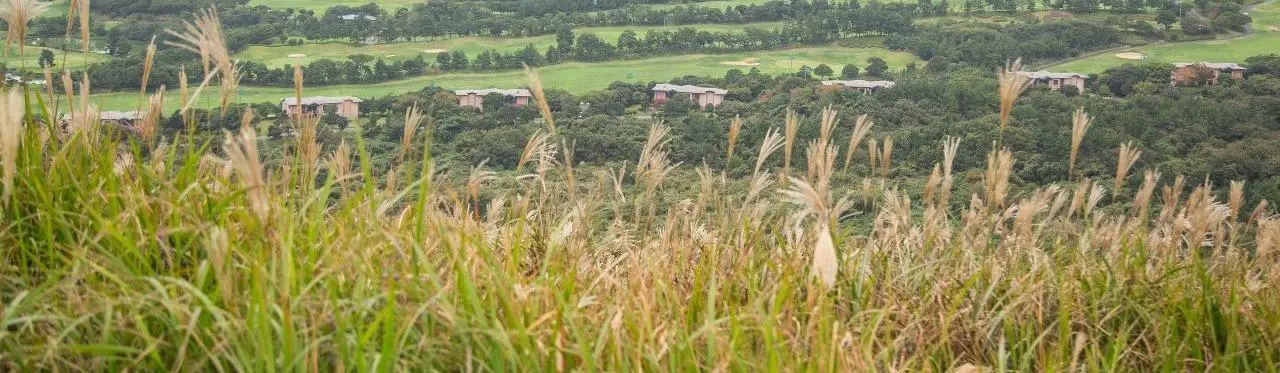
Saebyeol Oreum offers good accessibility from the western part of Jeju and features a panorama of stunning scenery. Even from a distance, its shape is distinct, and as you ascend, you can take in the wide fields and sky which makes for a good walking spot during a drive. It's famous for its silver grass season, but the green ridges and expansive sky are also appealing in summer.
However, the incline might not be as easy as it seems, so wearing sneakers is necessary, and strong winds can make it uncomfortable to stay at the summit. If you’re going to catch the sunset, it's safer to come down before the sun completely sets. This course is a great pairing with western oreum routes and local spots like Aewol, Hallim, or Geumoreum.
However, the incline might not be as easy as it seems, so wearing sneakers is necessary, and strong winds can make it uncomfortable to stay at the summit. If you’re going to catch the sunset, it's safer to come down before the sun completely sets. This course is a great pairing with western oreum routes and local spots like Aewol, Hallim, or Geumoreum.
권역 애월
주소 제주특별자치도 제주시 애월읍 봉성리 산 59-8
주소 제주특별자치도 제주시 애월읍 봉성리 산 59-8
전화 064-728-2753 / 064-728-2762
즐길 거리 억새 사면·오름 능선·서쪽 해안 전망
운영시간 상시 개방, 야간 탐방은 비추천
이용 안내 입장 무료 안내 / 낮 시간 탐방 권장
휴무일 연중무휴
방문 전 확인 서쪽 탐방로 경사·당일 기상·탐방 통제 확인
홈페이지 https://www.visitjeju.net/kr/detail/view?contentsid=CONT_000000000500309
유형 오름
추천 시간 일몰 40분 전부터 해 지기 전까지
야간 주의 능선 바람이 강하고 하산길이 어두워질 수 있어 안전거리 유지
지역 제주시 애월읍
6
Darangshi Oreum
Darangshi Oreum offers one of the most satisfying summit views among the oreums in eastern Jeju. When you reach the summit, the crater shape is distinctly visible, and you can see the layers of surrounding oreums, allowing you to appreciate the beauty of Jeju's terrain. It’s more suitable to consider this course as having some uphill rather than just a light stroll.
In summer, there’s less shade, and the perceived difficulty can increase, so a morning visit is recommended. On windy days, it’s best to lower your body at the summit and avoid taking risky photos. Essentials include sneakers, water, and a hat, and please move slowly as the dirt paths can be slippery after rain.
In summer, there’s less shade, and the perceived difficulty can increase, so a morning visit is recommended. On windy days, it’s best to lower your body at the summit and avoid taking risky photos. Essentials include sneakers, water, and a hat, and please move slowly as the dirt paths can be slippery after rain.
지역 제주시 구좌읍
주소 제주특별자치도 제주시 구좌읍 세화리 산 6
전화 공식 안내 전화 없음
유형 오름
카카오맵 http://place.map.kakao.com/25200772
7
Geum Oreum
Geum Oreum is a nice choice when you want to take a short yet impressive oreum walk in western Jeju. Once at the top, you’ll be greeted with views of the crater, surrounding ranch areas, and the western sky, making it popular as a photography spot. Particularly during sunset, the colors of the sky change dramatically, allowing you to deeply feel the ambiance of Jeju's oreums.
The course isn’t long but has an incline, so sneakers are advised instead of slippers. It can get crowded around sunset, and the way back can become dark after the sun sets, so it's important to allocate enough time. This route works well with western cafes, and a schedule that includes Hyeopjae and Hallim will let you enjoy both the sea and oreums.
The course isn’t long but has an incline, so sneakers are advised instead of slippers. It can get crowded around sunset, and the way back can become dark after the sun sets, so it's important to allocate enough time. This route works well with western cafes, and a schedule that includes Hyeopjae and Hallim will let you enjoy both the sea and oreums.
권역 한림
주소 제주특별자치도 제주시 한림읍 금악리 산 1-1
전화 공식 안내 전화 없음
운영시간 상시 개방, 야간 탐방은 비추천
휴무일 연중무휴
홈페이지 https://www.visitjeju.net/kr/search?keyword=%EA%B8%88%EC%98%A4%EB%A6%84
유형 오름
추천 시간 일몰 40분 전 도착 후 해 지기 전 하산 시작 권장
야간 주의 해진 뒤 하산로가 어두우므로 운동화·조명·겉옷 준비
지역 제주시 한림읍
8
Ttarabi Oreum
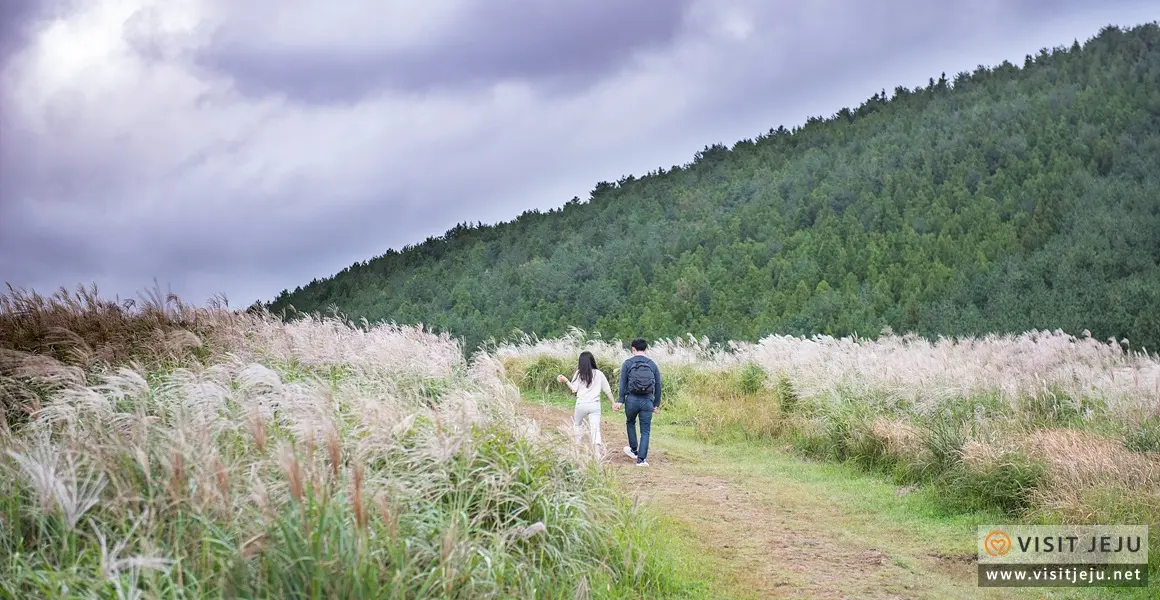
Ttarabi Oreum is an enticing southeastern oreum known for its gentle ridges and wide-open landscapes. Though it is widely recognized as a silver grass spot in autumn, it also offers a peaceful walking atmosphere during other seasons. The beautiful lines of the oreum are great for photographs, making it a perfect match for travelers who prefer a quiet stroll over busy major attractions.
However, it’s wise to check the access routes and current conditions ahead of time. The weather can affect the wind and road conditions around the oreum, and the dirt paths may be slippery after rain. Combining it with visits to Pyoseon, Seongeup, or Gasi-ri will create a wonderful course to experience the tranquil beauty of southeastern Jeju.
However, it’s wise to check the access routes and current conditions ahead of time. The weather can affect the wind and road conditions around the oreum, and the dirt paths may be slippery after rain. Combining it with visits to Pyoseon, Seongeup, or Gasi-ri will create a wonderful course to experience the tranquil beauty of southeastern Jeju.
지역 서귀포시 표선면
주소 제주특별자치도 서귀포시 표선면 가시리 산 62
즐길 거리 억새길·굼부리·가시리 들판 전망
이용 안내 정상 왕복과 분화구 둘레길 동선 구분
방문 전 확인 화장실 없음 안내 / 사유지·출입 가능 구간 확인
주소 제주특별자치도 서귀포시 표선면 가시리 산 62
전화 공식 안내 전화 없음
유형 오름
카카오맵 http://place.map.kakao.com/25036598
9
Hallasan Ecological Forest
Hallasan Ecological Forest is a location where travelers who find deep hikes in Hallasan daunting can still closely experience Jeju's flora. With designated walking paths and observation routes, it's perfect for slowly enjoying the trees, plants, and seasonal ecology, making it ideal for nature observation trips with children. Its convenient access from Jeju City is also a plus.
Rather than aiming for the accomplishment of reaching the mountain peak, this place is more about understanding and enjoying the forest while walking. So, it’s best to take your time and enjoy a leisurely stroll rather than rushing to take certification photos. In summer, remember to bring insect repellent and water, and wear comfortable shoes, as the decking and dirt paths can become slippery after rain.
Rather than aiming for the accomplishment of reaching the mountain peak, this place is more about understanding and enjoying the forest while walking. So, it’s best to take your time and enjoy a leisurely stroll rather than rushing to take certification photos. In summer, remember to bring insect repellent and water, and wear comfortable shoes, as the decking and dirt paths can become slippery after rain.
지역 제주시 516로
주소 제주특별자치도 제주시 516로 2596
전화 064-710-8688
유형 숲·생태공원
카카오맵 http://place.map.kakao.com/11426355
10
Seogwipo Healing Forest
Seogwipo Healing Forest is a place that suits a slow walking and resting experience rather than a quick sightseeing trip. Walking along the forest path allows you to catch your breath and quietly stay among the trees, making it well-suited for wellness travel. If you’ve been focused on the sea and waterfalls in the Seogwipo area, taking a day to slow down in the forest can be refreshing.
Some programs or exploration methods may require reservations or have operational guidelines, so it’s a good idea to check official announcements before your visit. Depending on the weather, the forest path can be humid and slippery, so comfortable shoes are needed, and even in midsummer, temperatures can vary within the forest. It’s highly recommended for travelers with parents, those seeking a serene solo walk, or anyone looking for a restorative course.
Some programs or exploration methods may require reservations or have operational guidelines, so it’s a good idea to check official announcements before your visit. Depending on the weather, the forest path can be humid and slippery, so comfortable shoes are needed, and even in midsummer, temperatures can vary within the forest. It’s highly recommended for travelers with parents, those seeking a serene solo walk, or anyone looking for a restorative course.
지역 서귀포시 산록남로
주소 제주특별자치도 서귀포시 산록남로 2271
전화 064-760-3067
유형 치유 숲길
카카오맵 http://place.map.kakao.com/1766125269
When traveling through the trails and oreums, your actual condition is more important than photos. In summer, it’s best to avoid the hottest hours of the day and bring along water, hats, insect repellent, and comfortable shoes. Although some oreums may seem short, many areas lack shade or are windy, and trails can be slippery or muddy after rain. It’s more important to come down safely than to reach the summit, so choosing routes that match your accommodation area and the weather is preferable rather than pushing for a tight schedule.
At a glance
10 items
1
2
3
4
5
6
7
8
9
10
Saryeoni Forest Path
제주시 조천읍064-900-8800숲길
Bijarim
제주시 구좌읍064-710-7912자연휴양림·숲
Jeolmul Natural Recreation Forest
제주시 봉개동064-728-1510자연휴양림
Abu Oreum
제주시 구좌읍공식 안내 전화 없음오름
Saebyeol Oreum
애월연중무휴오름
Darangshi Oreum
제주시 구좌읍공식 안내 전화 없음오름
Geum Oreum
한림공식 안내 전화 없음연중무휴
Ttarabi Oreum
서귀포시 표선면공식 안내 전화 없음오름
Hallasan Ecological Forest
제주시 516로064-710-8688숲·생태공원
Seogwipo Healing Forest
서귀포시 산록남로064-760-3067치유 숲길
Locations at a glance
10 places
As part of the Coupang Partners program, this post may earn a commission from qualifying purchases.
Comments 0
Log in to leave a comment.
Be the first to comment.
How about these lists?


You might also like




🎲
Not ready to stop here?
Wondering what to read next is the biggest waste of time.
Let the dice decide — you won't know what pops up until you roll.
If you don't press it… won't you wonder forever? 👀