
Collection
Studying Abroad
2026.10.08
Finding a Semester Abroad Exchange Student Program
Real options with varying support structures from school agreements to international networks
Exchange students have a different cost structure compared to regular study abroad programs where you directly apply to foreign universities. It's common to pay tuition to your home university while attending classes at an affiliated institution, but some international networks or visiting student programs may require separate fees for participation, accommodation, and insurance. Even if 'exchange' is in the title, it doesn’t automatically guarantee credit recognition, scholarships, or eligibility for dispatch.
This list gathers different routes, from the EU's exchange systems to inter-university networks and actual visiting student programs. Start by checking the agreements and selection announcements from your home university's international office, and then verify if external services accept your credits and enrollment status before making comparisons. By distinguishing the roles of each program, you can reduce the risk of tuition or graduation schedule discrepancies after applying.
This list gathers different routes, from the EU's exchange systems to inter-university networks and actual visiting student programs. Start by checking the agreements and selection announcements from your home university's international office, and then verify if external services accept your credits and enrollment status before making comparisons. By distinguishing the roles of each program, you can reduce the risk of tuition or graduation schedule discrepancies after applying.
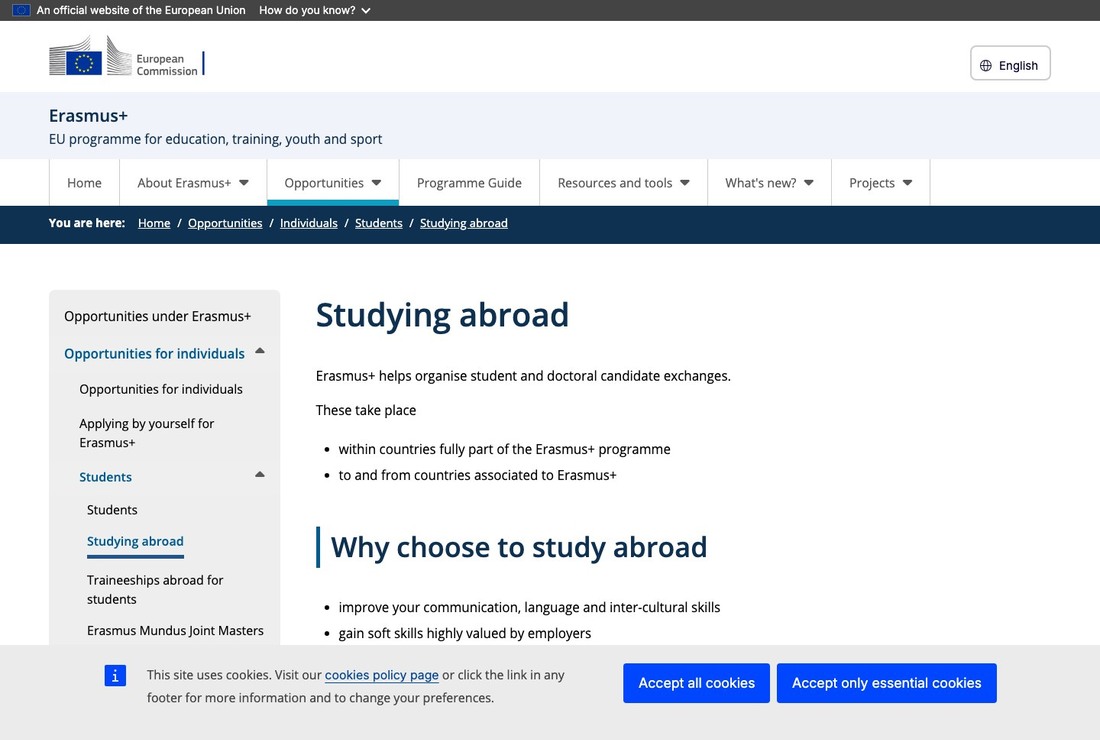
Erasmus+ Study Abroad
Erasmus+ Study Abroad is an EU educational program that provides academic mobility and support opportunities among European universities. This item serves as a benchmark for what to compare in the preparation phase rather than just a list of names when looking for a semester abroad. This is particularly useful when your home university operates an Erasmus+ agreement and prepares for European dispatch, but the service does not guarantee admissions, visas, credit recognition, or contract safety.
Before using, check whether the application is made directly through the central site or via the selection and nomination process of your home university. Then, read the eligibility, costs, and processing times on the official Erasmus+ Study Abroad page, and confirm if there are additional conditions for your nationality and home institution. Save the pages and conditions checked on Erasmus+ Study Abroad with dates, and keep email responses for any schedule changes or disputes.
Before using, check whether the application is made directly through the central site or via the selection and nomination process of your home university. Then, read the eligibility, costs, and processing times on the official Erasmus+ Study Abroad page, and confirm if there are additional conditions for your nationality and home institution. Save the pages and conditions checked on Erasmus+ Study Abroad with dates, and keep email responses for any schedule changes or disputes.
서비스 역할 유럽 대학 간 학업 이동과 지원 기회를 제공하는 EU 교육 프로그램
활용 시점 소속 대학이 Erasmus+ 협정을 운영하고 유럽 파견을 준비할 때
확인할 점 개인이 중앙 사이트에서 바로 지원하는 방식인지보다 소속 대학 선발·지명 절차를 확인한다.
공식 정보 https://erasmus-plus.ec.europa.eu/opportunities/opportunities-for-individuals/students/studying-abroad
이미지 출처 https://erasmus-plus.ec.europa.eu/opportunities/opportunities-for-individuals/students/studying-abroad
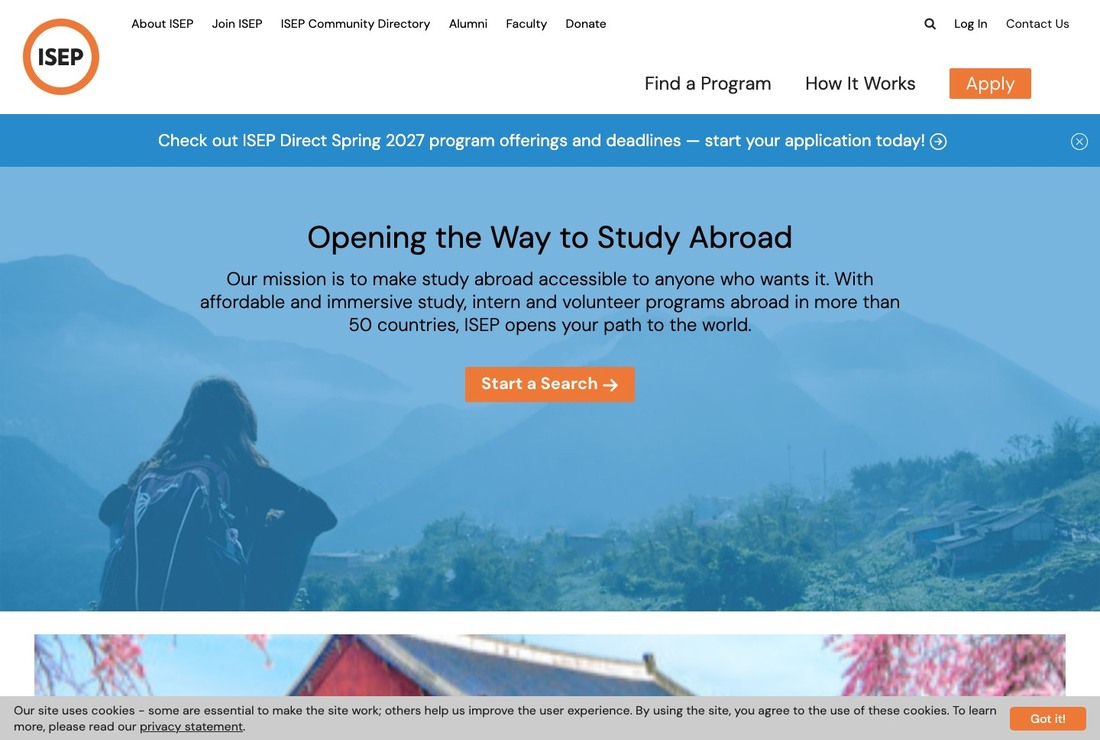
ISEP Study Abroad
You can look into ISEP Study Abroad when comparing whether your home university is an ISEP member and the options for exchange or direct enrollment. This non-profit international exchange and study abroad network connects member universities from several countries. Although there seem to be many similar services, differences in target countries, degree levels, and payment/cancellation structures necessitate reading the current guidance from ISEP Study Abroad. This section is particularly useful when comparing whether your home university is an ISEP member and the options for exchange or direct enrollment, but the service does not guarantee admissions, visas, credit recognition, or contract safety.
Before use, check the exchange assignment process, program costs, housing and meal inclusions, and credit approval. Then, read the official ISEP Study Abroad page for eligibility, costs, and processing timelines, and check if there are any additional conditions for your nationality or home university. Before entering personal or payment information on ISEP Study Abroad, verify the official domain and refund/retention policies, and keep a record of the application screen.
Before use, check the exchange assignment process, program costs, housing and meal inclusions, and credit approval. Then, read the official ISEP Study Abroad page for eligibility, costs, and processing timelines, and check if there are any additional conditions for your nationality or home university. Before entering personal or payment information on ISEP Study Abroad, verify the official domain and refund/retention policies, and keep a record of the application screen.
서비스 역할 여러 국가의 회원 대학을 연결하는 비영리 국제 교환·유학 네트워크
활용 시점 소속 대학의 ISEP 회원 여부와 교환·직접등록 선택지를 비교할 때
확인할 점 교환 배정 방식, 프로그램 비용, 주거·식사 포함 범위와 학점 승인을 확인한다.
공식 정보 https://www.isepstudyabroad.org/
이미지 출처 https://www.isepstudyabroad.org/
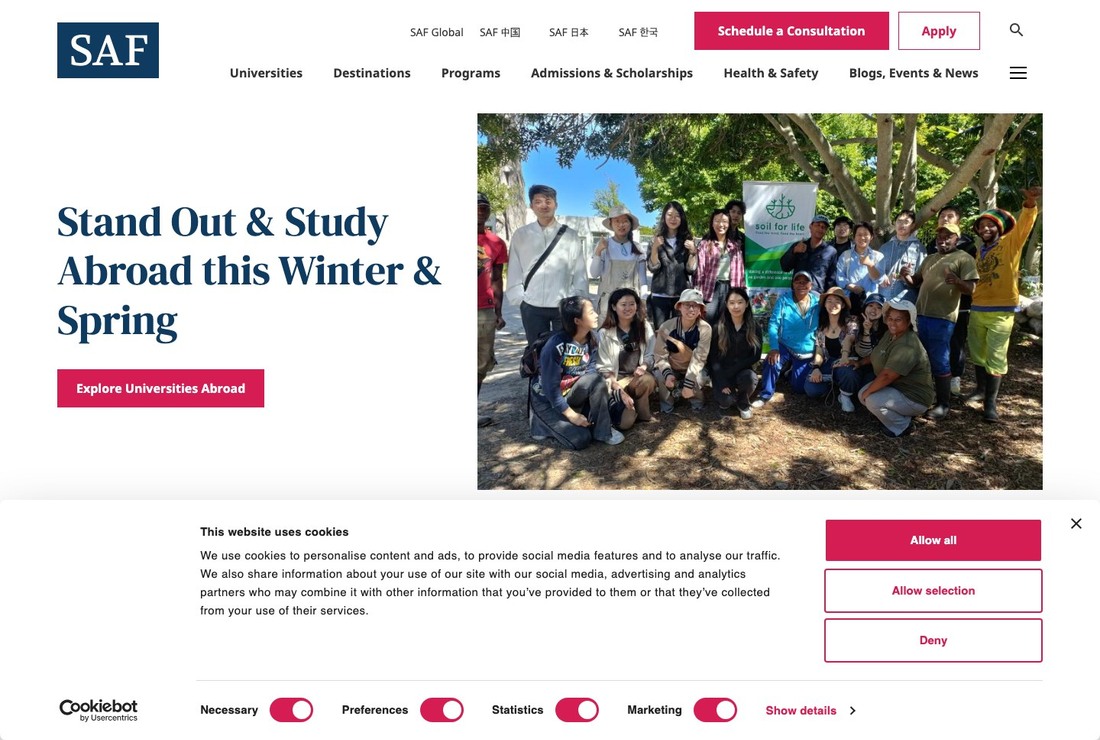
SAF Study Abroad
The role of SAF Study Abroad is to connect member university students with overseas semester and summer programs. Past user reviews are just reference materials for understanding trends, and actual availability and schedules should be judged according to the latest notices from SAF Study Abroad. This section is particularly useful when looking for visiting semester programs in North America, Europe, and Asia, but the service does not guarantee admissions, visas, credit recognition, or contract safety.
Before using, check if your home university’s recommendation is required, the scope of course access, and the procedures for transcript issuance and credit recognition. Then, read the official SAF Study Abroad page for eligibility, costs, and processing times, and check if there are additional conditions for your nationality or home university. If there are discrepancies between the requirements of the school department and SAF Study Abroad guidance, prioritize the responses from the receiving institution, and confirm important decisions in writing rather than verbally.
Before using, check if your home university’s recommendation is required, the scope of course access, and the procedures for transcript issuance and credit recognition. Then, read the official SAF Study Abroad page for eligibility, costs, and processing times, and check if there are additional conditions for your nationality or home university. If there are discrepancies between the requirements of the school department and SAF Study Abroad guidance, prioritize the responses from the receiving institution, and confirm important decisions in writing rather than verbally.
서비스 역할 회원 대학 학생을 해외 대학의 학기·여름 프로그램에 연결하는 네트워크
활용 시점 북미·유럽·아시아권 방문학기 프로그램을 찾을 때
확인할 점 본교 추천 필요 여부, 수업 접근 범위와 성적표 발급·학점 인정 절차를 확인한다.
공식 정보 https://studyabroadfoundation.org/
이미지 출처 https://studyabroadfoundation.org/
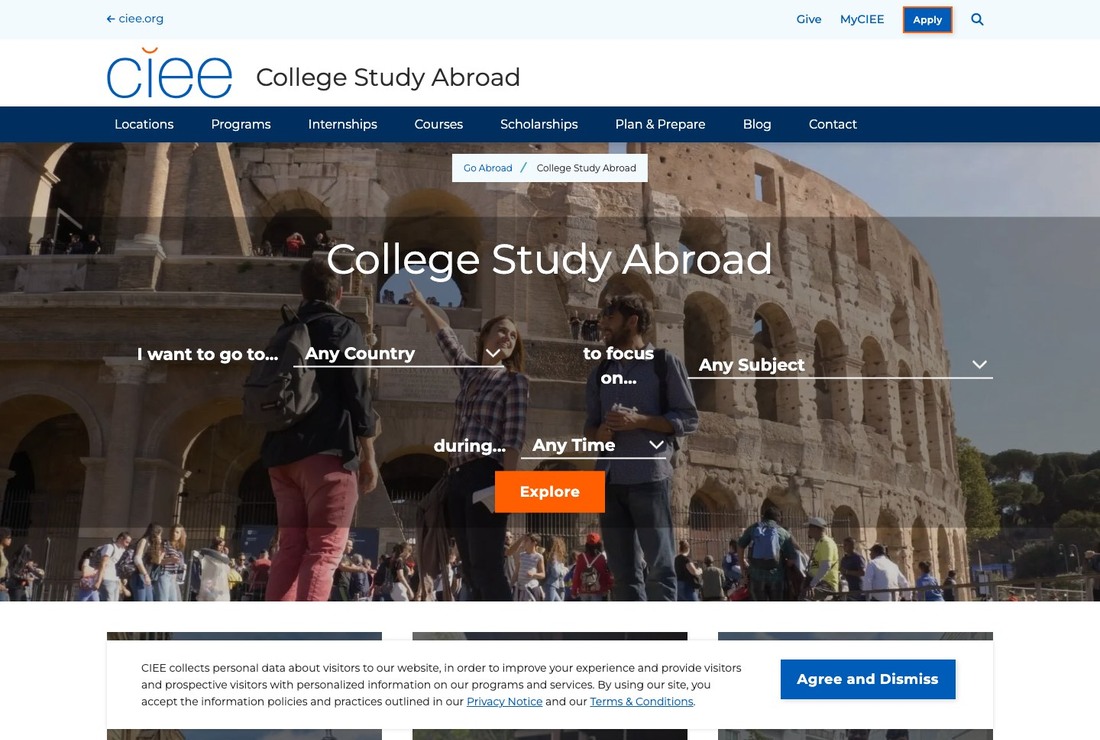
CIEE Study Abroad
The reason CIEE Study Abroad is included in this list is that it allows you to compare actual options for study abroad programs by city and major. It’s essential not to finalize your decision based solely on the search results or information screen from CIEE Study Abroad, but instead to check the contractual conditions of the affiliated organizations, universities, and operators. This section is particularly useful when comparing study abroad programs by city and major, but the service does not guarantee admissions, visas, credit recognition, or contract safety.
Before using, confirm your home school’s approval, the items included in the total costs, and the proportion of direct enrollment at the local university. Then, read the official CIEE Study Abroad page for eligibility, costs, and processing times, and check if there are additional conditions for your nationality or home university. Since CIEE Study Abroad deadlines and costs may change, double-check just before applying and compare it against other options on the same list using the same criteria.
Before using, confirm your home school’s approval, the items included in the total costs, and the proportion of direct enrollment at the local university. Then, read the official CIEE Study Abroad page for eligibility, costs, and processing times, and check if there are additional conditions for your nationality or home university. Since CIEE Study Abroad deadlines and costs may change, double-check just before applying and compare it against other options on the same list using the same criteria.
서비스 역할 학기·여름·단기 해외학습 프로그램을 운영하는 비영리 교육기관
활용 시점 도시와 전공별 해외수학 프로그램을 비교할 때
확인할 점 홈스쿨 승인, 총비용에 포함되는 항목과 현지 대학 직접수강 비중을 확인한다.
공식 정보 https://www.ciee.org/go-abroad/college-study-abroad
이미지 출처 https://www.ciee.org/go-abroad/college-study-abroad
USAC Study Abroad
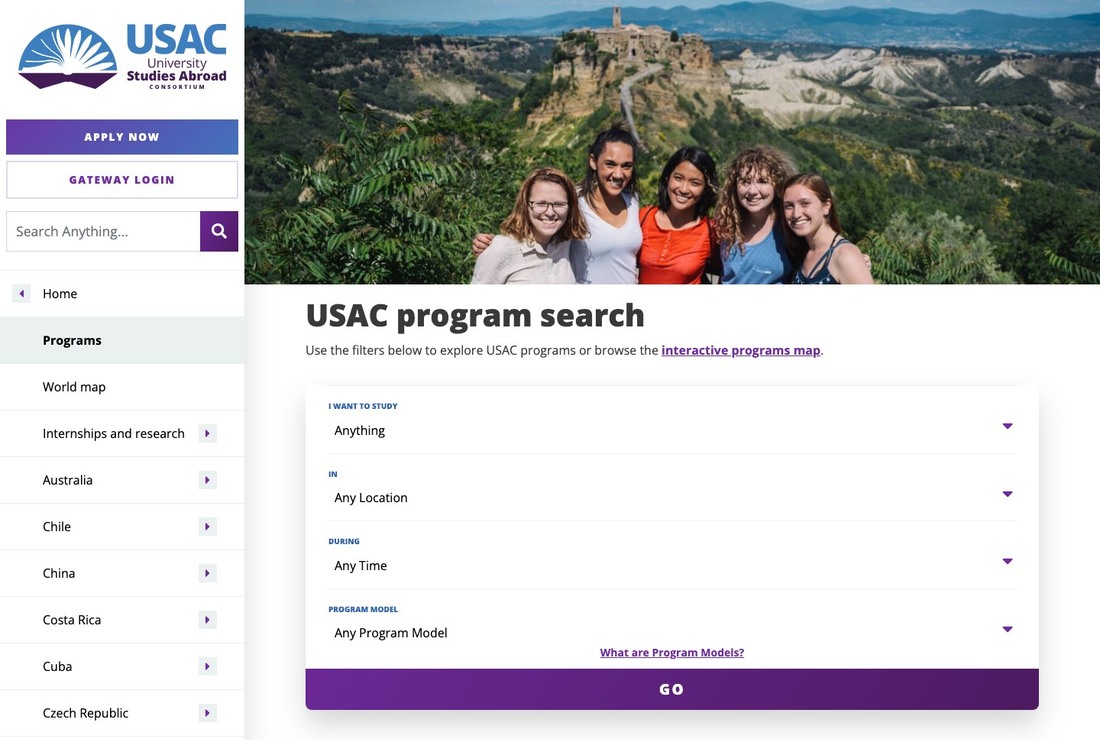
USAC Study Abroad is an organization that provides semester and summer overseas study programs based on a university consortium. In searching for a semester abroad exchange student program, this section serves as a benchmark for what to compare in the preparation phase, not just as a simple name listing. This option is particularly useful when looking for choices to complete language, regional studies, or major courses abroad, but the service does not guarantee admissions, visas, credit recognition, or contract safety.
Before using, compare the credit awarding institution, application fees, housing costs, and cancellation policies with your home institution’s adviser. Then, read the official USAC Study Abroad page for eligibility, costs, and processing times, and check if there are additional conditions for your nationality and home university. Save the pages and conditions checked on USAC Study Abroad with dates, and keep email responses for schedule changes or disputes.
Before using, compare the credit awarding institution, application fees, housing costs, and cancellation policies with your home institution’s adviser. Then, read the official USAC Study Abroad page for eligibility, costs, and processing times, and check if there are additional conditions for your nationality and home university. Save the pages and conditions checked on USAC Study Abroad with dates, and keep email responses for schedule changes or disputes.
서비스 역할 대학 컨소시엄 기반으로 학기·여름 해외학습 프로그램을 제공하는 기관
활용 시점 언어·지역학·전공 과목을 해외에서 이수할 선택지를 찾을 때
확인할 점 학점 발급 기관, 지원비·주거비와 취소 규정을 본교 담당자와 대조한다.
공식 정보 https://usac.edu/study-abroad-programs
이미지 출처 https://usac.edu/study-abroad-programs
Semester at Sea
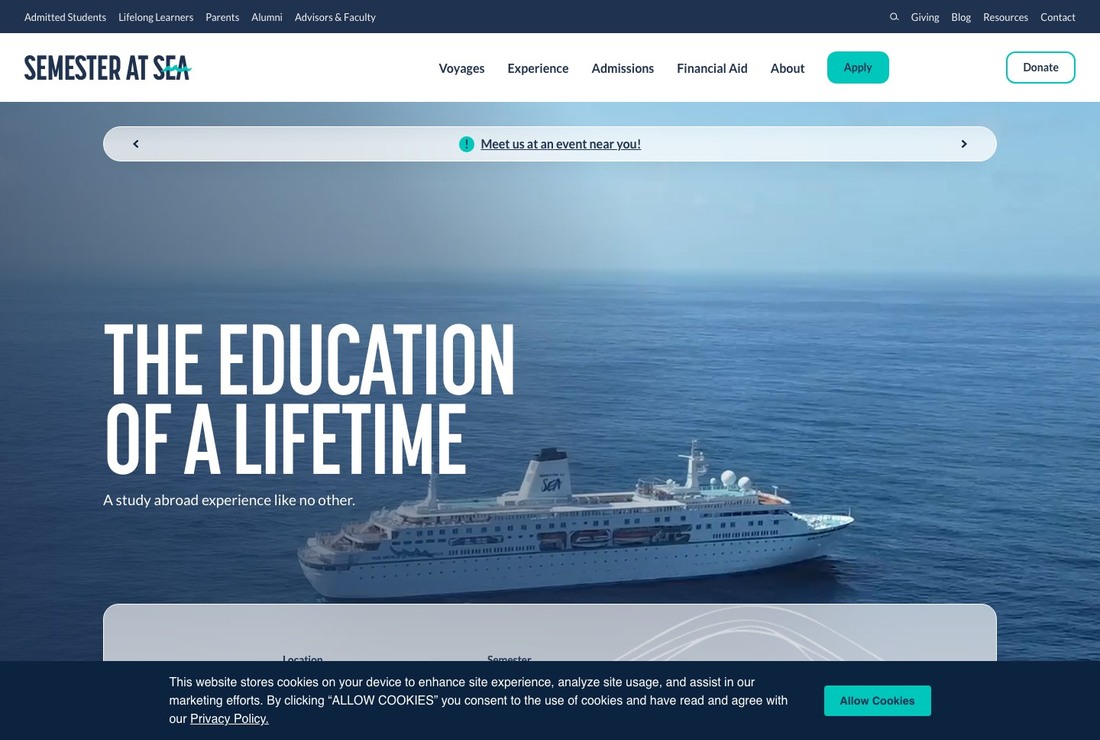
When considering comparative cultural programs that study multiple regions in a semester, you can check out Semester at Sea. This program combines maritime travel with field studies in various countries. Although it appears that there are many similar services, different target countries, degree levels, and payment/cancellation structures mean you need to read the current guidance from Semester at Sea directly. This section is particularly useful when reviewing comparative cultural programs that study multiple regions in a semester, but the service does not guarantee admissions, visas, credit recognition, or contract safety.
Before using, confirm the credit-awarding university, voyage schedule, and any additional costs for field studies along with vaccinations and visas. Then, read the official Semester at Sea page for eligibility, costs, and processing times, and check if there are additional conditions for your nationality and home university. Before entering personal or payment information on Semester at Sea, confirm the official domain and refund/retention policies, and keep a record of the application screen.
Before using, confirm the credit-awarding university, voyage schedule, and any additional costs for field studies along with vaccinations and visas. Then, read the official Semester at Sea page for eligibility, costs, and processing times, and check if there are additional conditions for your nationality and home university. Before entering personal or payment information on Semester at Sea, confirm the official domain and refund/retention policies, and keep a record of the application screen.
서비스 역할 선박 이동과 여러 국가 현장학습을 결합한 학기제 프로그램
활용 시점 한 학기에 여러 지역을 공부하는 비교문화형 프로그램을 검토할 때
확인할 점 학점 수여 대학, 항해 일정, 예방접종·비자와 별도 현장학습 비용을 확인한다.
공식 정보 https://www.semesteratsea.org/
이미지 출처 https://www.semesteratsea.org/

AIFS Abroad
AIFS Abroad's role is to provide overseas study programs in the form of semesters, summer, and internships. Past user reviews only serve as reference materials for understanding trends, and actual availability and schedules should be judged according to AIFS Abroad’s latest announcements. This section is particularly useful when comparing programs that bundle support, housing, and local assistance, but the service does not guarantee admissions, visas, credit recognition, or contract safety.
Before using, check the university's credit approval, the breakdown of program costs, and scholarship/refund conditions. Then, read the official AIFS Abroad page for eligibility, costs, and processing times, and check if there are additional conditions for your nationality and home university. If there are discrepancies between the requirements of the school department and AIFS Abroad guidance, prioritize the responses from the receiving institution, and confirm important decisions in writing rather than verbally.
Before using, check the university's credit approval, the breakdown of program costs, and scholarship/refund conditions. Then, read the official AIFS Abroad page for eligibility, costs, and processing times, and check if there are additional conditions for your nationality and home university. If there are discrepancies between the requirements of the school department and AIFS Abroad guidance, prioritize the responses from the receiving institution, and confirm important decisions in writing rather than verbally.
서비스 역할 학기·여름·인턴십 형태의 해외학습 프로그램을 제공하는 교육기관
활용 시점 지원·숙소·현지 지원을 묶은 프로그램을 비교할 때
확인할 점 대학 학점 승인, 프로그램비 포함 내역과 장학금·환불 조건을 확인한다.
공식 정보 https://www.aifsabroad.com/
이미지 출처 https://www.aifsabroad.com/
Asia Exchange
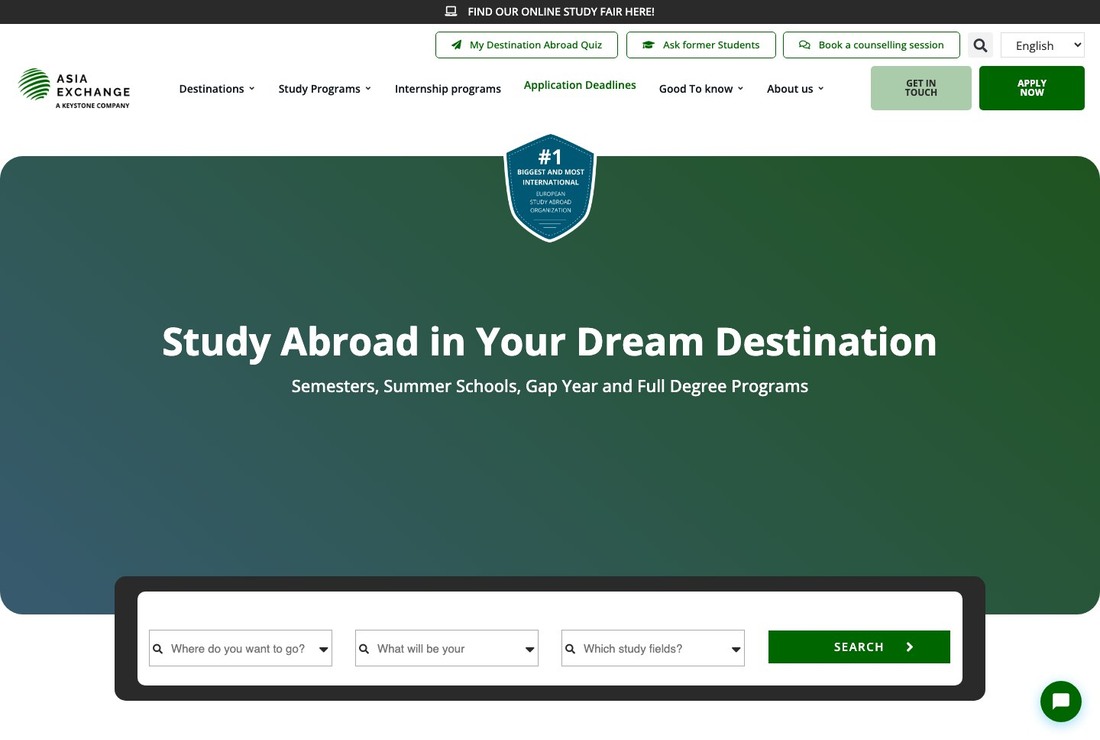
The reason Asia Exchange is included in this list is that it helps you verify actual options for visiting semesters with English classes in Asian cities. Don’t finalize your decision based solely on the search results or information screen from Asia Exchange—it's crucial to verify the contractual conditions of the affiliated organizations, universities, and operators. This section is particularly useful when looking for visiting semesters with English classes in Asian cities, but the service does not guarantee admissions, visas, credit recognition, or contract safety.
Before using, check the currently offered courses at the partner university, credit recognition responsibilities from your home university, and visa liabilities. Then, read the official Asia Exchange page for eligibility, costs, and processing times, and check if there are additional conditions for your nationality and home university. Since Asia Exchange deadlines and costs may change, double-check just before applying and compare it against other options on the same list using the same criteria.
Before using, check the currently offered courses at the partner university, credit recognition responsibilities from your home university, and visa liabilities. Then, read the official Asia Exchange page for eligibility, costs, and processing times, and check if there are additional conditions for your nationality and home university. Since Asia Exchange deadlines and costs may change, double-check just before applying and compare it against other options on the same list using the same criteria.
서비스 역할 아시아권 협력 대학의 학기·여름 과정을 연결하는 유학 서비스
활용 시점 아시아 도시에서 영어 수업 방문학기를 찾을 때
확인할 점 파트너 대학의 현재 개설 과목, 본교 학점 인정과 비자 책임 범위를 확인한다.
공식 정보 https://asiaexchange.org/
이미지 출처 https://asiaexchange.org/
If you've found candidate programs, first align them with your home university’s graduation requirements. If your major-required courses aren't offered or local course registration isn't guaranteed, it could lead to an extra semester. Make sure to confirm the syllabus, credit system, and grading conversion methods in writing from your department and international office, and compare tuition, dormitory, insurance, airfare, and visa fees in the same currency.
Before applying, read the cancellation and refund conditions as they might require reevaluation from the host institution after you’ve chosen your university. Be prepared for potential delays with visas or course cancellations. After acceptance, manage your passport, vaccinations, insurance, and accommodation schedules separately, and check how local transcripts will be delivered to your home university. The value of the exchange experience depends more on how well it aligns with your academic goals and outcomes than the number of countries visited.
Before applying, read the cancellation and refund conditions as they might require reevaluation from the host institution after you’ve chosen your university. Be prepared for potential delays with visas or course cancellations. After acceptance, manage your passport, vaccinations, insurance, and accommodation schedules separately, and check how local transcripts will be delivered to your home university. The value of the exchange experience depends more on how well it aligns with your academic goals and outcomes than the number of countries visited.
At a glance
8 items
As part of the Coupang Partners program, this post may earn a commission from qualifying purchases.
Comments 0
Log in to leave a comment.
Be the first to comment.
How about these lists?


You might also like


🎲
Not ready to stop here?
Wondering what to read next is the biggest waste of time.
Let the dice decide — you won't know what pops up until you roll.
If you don't press it… won't you wonder forever? 👀
