
Collection
Coffee
2026.09.29
A Milk Frother That Reduces Latte Foam Failures
Comparing Automatic Heating and Hand-Held Models on Temperature, Texture, and Cleaning
Not all foam is created equal for lattes. Just like cappuccinos require thick foam, latte art demands fine microfoam, and chocolate melting requires different movements and temperatures. Automatic heating models are easier to repeat with a simple button press, while hand-held types allow you to control the depth and time of air mixing but require more practice.
This list compares five different milk frothers that operate on different principles. It includes the Aeroccino, which separates cold foam and hot milk, the Milk Cafe that lets you choose temperatures, Smeg with multiple automatic programs, the portable NanoFoamer, and the NanoFoamer PRO that handles the entire pitcher automatically. Checking the quantity made at once, the type of milk, and dishwasher-safe components first can help minimize the hassle of cleaning as much as the frothing performance.
This list compares five different milk frothers that operate on different principles. It includes the Aeroccino, which separates cold foam and hot milk, the Milk Cafe that lets you choose temperatures, Smeg with multiple automatic programs, the portable NanoFoamer, and the NanoFoamer PRO that handles the entire pitcher automatically. Checking the quantity made at once, the type of milk, and dishwasher-safe components first can help minimize the hassle of cleaning as much as the frothing performance.
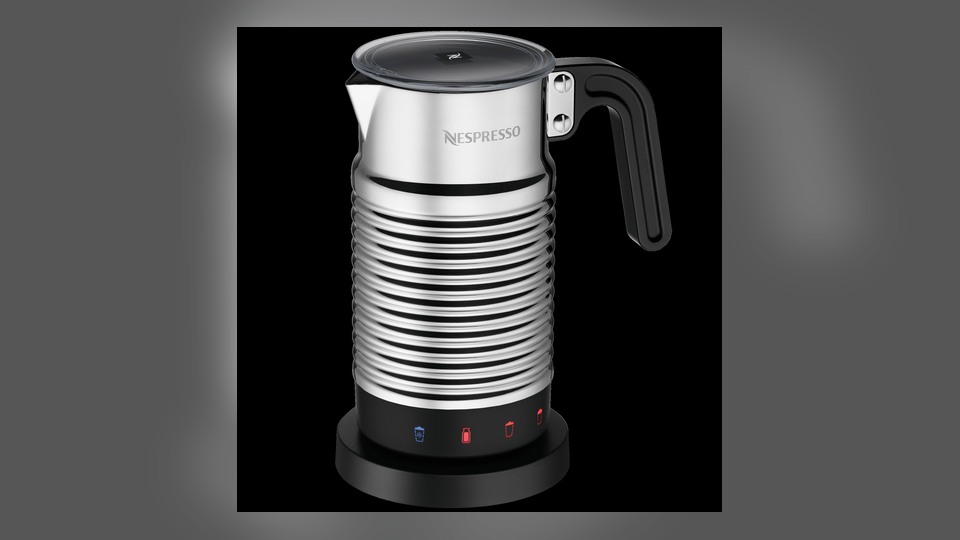
Nespresso Aeroccino4 Milk Frother
It can froth up to 120mL for foam and 240mL for hot milk, which helps reduce overflow. The stainless steel pitcher with a handle and program buttons is great for quickly adding milk to one or two cups of capsule coffee.
The pitcher is dishwasher safe according to instructions, but make sure not to submerge the electric base in water. Avoid confusing the different max fill lines, and be sure to rinse any remaining milk film immediately after frothing to reduce odors and cleaning requirements.
The pitcher is dishwasher safe according to instructions, but make sure not to submerge the electric base in water. Avoid confusing the different max fill lines, and be sure to rinse any remaining milk film immediately after frothing to reduce odors and cleaning requirements.
구성·형태 스테인리스 피처·4개 모드
잘 맞는 용도 한두 잔의 라테·카푸치노
핵심 특징 120mL 거품·240mL 뜨거운 우유
사용 방식 우유량에 맞춰 모드 버튼 선택
확인할 점 최대선 구분·베이스 방수·세척
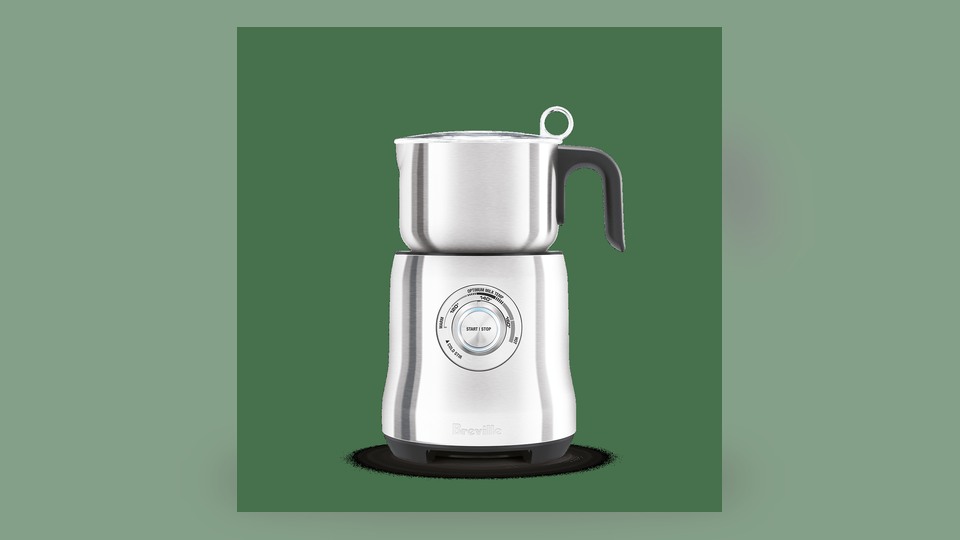
Breville the Milk Cafe
Change the disk to adjust the froth amount for lattes and cappuccinos, and use the temperature dial to heat to your desired point. The ample pitcher is more efficient for making several cups or hot chocolate at once compared to smaller cup types.
If you don’t fill to the minimum milk level, the rotation and temperature detection may not operate as expected. Keep track of the unused disks to avoid losing them, and after emptying, clean the removable pitcher while ensuring that water doesn’t get into the base and contact points.
If you don’t fill to the minimum milk level, the rotation and temperature detection may not operate as expected. Keep track of the unused disks to avoid losing them, and after emptying, clean the removable pitcher while ensuring that water doesn’t get into the base and contact points.
구성·형태 인덕션 피처·교체식 디스크
잘 맞는 용도 여러 잔·핫초콜릿·온도 선택
핵심 특징 라테와 카푸치노 거품 분리
사용 방식 디스크와 목표 온도를 고른 뒤 작동
확인할 점 최소량·피처 용량·디스크 보관
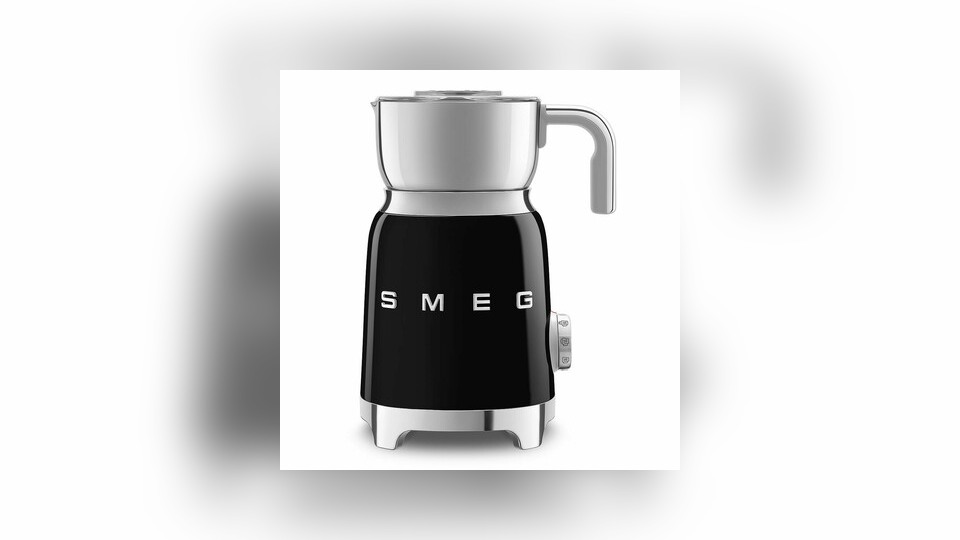
Smeg MFF11 Milk Frother
Heating capacity is up to 600mL, and frothing capacity is up to 250mL, with options for cold foam and hot chocolate. The detachable stainless steel pitcher reduces cleaning steps when making multiple drinks in succession.
Check the regional plug and rating before considering exterior colors. Follow the allowed forms and quantities for chocolate ingredients as per the official program, and ensure the bottom and contact points are completely dry before placing the pitcher back on the base to protect the electrical components.
Check the regional plug and rating before considering exterior colors. Follow the allowed forms and quantities for chocolate ingredients as per the official program, and ensure the bottom and contact points are completely dry before placing the pitcher back on the base to protect the electrical components.
구성·형태 인덕션·분리형 스테인리스 피처
잘 맞는 용도 가족용 라테·차가운 거품·초콜릿
핵심 특징 6개 프로그램+수동 모드
사용 방식 메뉴와 전용 휘스크를 맞춰 선택
확인할 점 600/250mL 구분·지역 정격·건조
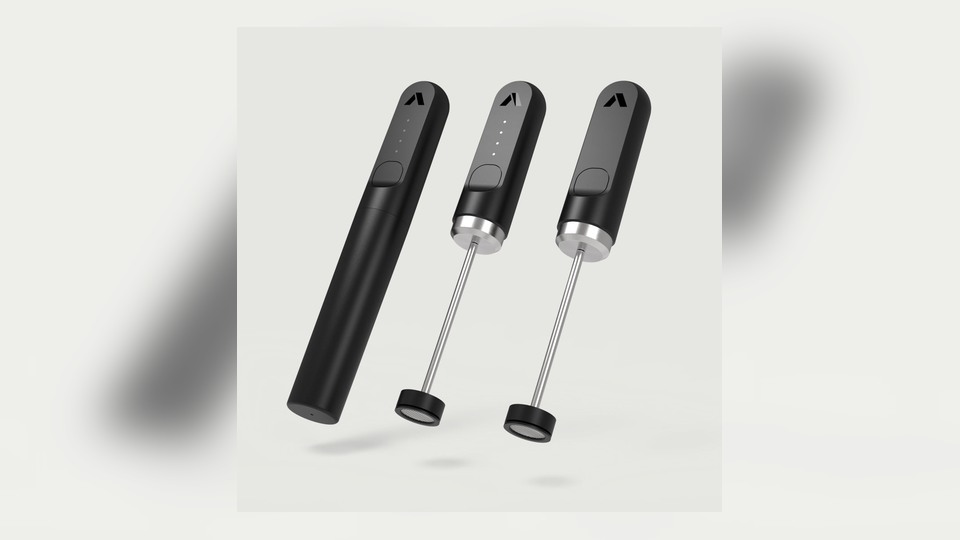
Subminimal NanoFoamer Lithium
It uses a 3,500rpm motor and a replaceable NanoScreen to create fine bubbles from large bubbles in a cup or pitcher. It’s lightweight and doesn’t have a separate heating function, making it suitable for users who want to control already warmed milk directly.
To minimize splatter, turn it on after inserting the rotating head into the milk, and ensure stability of your hands and pitcher when handling hot milk. The IPX4 designation does not mean complete submersion, so do not submerge the handle in water; instead, rinse only the head immediately.
To minimize splatter, turn it on after inserting the rotating head into the milk, and ensure stability of your hands and pitcher when handling hot milk. The IPX4 designation does not mean complete submersion, so do not submerge the handle in water; instead, rinse only the head immediately.
구성·형태 USB-C 손잡이형·NanoScreen
잘 맞는 용도 한 잔 라테아트·휴대
핵심 특징 2단 속도·3,500rpm·137g
사용 방식 가열한 우유 속에서 깊이를 바꿔 텍스처링
확인할 점 가열 기능 없음·IPX4·스크린 관리
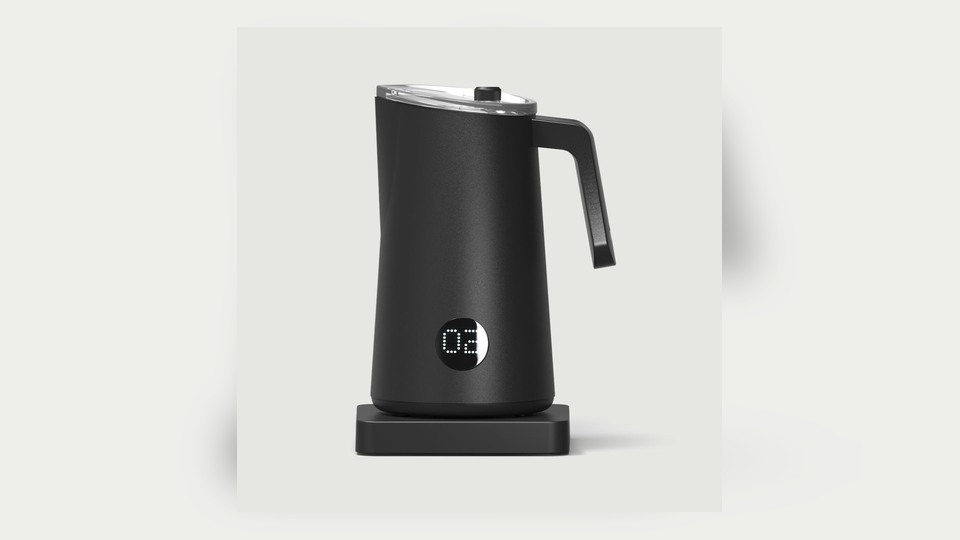
Subminimal NanoFoamer PRO Gen-2
With various programs and a flow control component, it adjusts for different milk types and desired foam thickness, focusing on repeating the texture needed for latte art without manually operating the steam wand. Confirm if it’s Gen-2 through the product name and specifications.
Results may vary based on the milk's protein content and starting temperature, so it’s advisable to record your settings. The impeller and flow control part are small and can cause milk to thicken easily, so clean them immediately after use and completely dry the exterior of the pitcher and electrical contact points.
Results may vary based on the milk's protein content and starting temperature, so it’s advisable to record your settings. The impeller and flow control part are small and can cause milk to thicken easily, so clean them immediately after use and completely dry the exterior of the pitcher and electrical contact points.
구성·형태 자동 가열 피처·교체 부품
잘 맞는 용도 반복 가능한 라테아트 거품
핵심 특징 프로그램식 미세 거품 제어
사용 방식 우유 종류에 맞춘 설정 후 자동 가열
확인할 점 Gen-2 구성·최소량·부품 세척
If your family enjoys multiple cups, a pitcher-type with capacity and automatic temperature control is convenient. For quickly making a single cup or taking it on trips, a hand-held model is lightweight. If your goal is latte art, look for products that focus on fine foam formation rather than simply creating large bubbles. Plant-based beverages may yield different results even with the same settings due to variations in protein and fat composition.
Start with cold milk, ensure not to exceed the max fill line, and rinse parts immediately after contact before the foam sets. Avoid submerging the electric handle and base in water; just clean the detachable pitcher and disk as instructed. Instead of aiming for perfect patterns from the beginning, observe the milk's sheen and how large bubbles disappear to quickly find the optimal time and amount for your product.
Start with cold milk, ensure not to exceed the max fill line, and rinse parts immediately after contact before the foam sets. Avoid submerging the electric handle and base in water; just clean the detachable pitcher and disk as instructed. Instead of aiming for perfect patterns from the beginning, observe the milk's sheen and how large bubbles disappear to quickly find the optimal time and amount for your product.
At a glance
5 items
Nespresso Aeroccino4 Milk Frother
스테인리스 피처·4개 모드한두 잔의 라테·카푸치노우유량에 맞춰 모드 버튼 선택
Breville the Milk Cafe
인덕션 피처·교체식 디스크여러 잔·핫초콜릿·온도 선택라테와 카푸치노 거품 분리
Smeg MFF11 Milk Frother
인덕션·분리형 스테인리스 피처6개 프로그램+수동 모드
Subminimal NanoFoamer Lithium
한 잔 라테아트·휴대
Subminimal NanoFoamer PRO Gen-2
자동 가열 피처·교체 부품반복 가능한 라테아트 거품프로그램식 미세 거품 제어
As part of the Coupang Partners program, this post may earn a commission from qualifying purchases.
Comments 0
Log in to leave a comment.
Be the first to comment.
How about these lists?


You might also like


🎲
Not ready to stop here?
Wondering what to read next is the biggest waste of time.
Let the dice decide — you won't know what pops up until you roll.
If you don't press it… won't you wonder forever? 👀
