
Places Following Gwangju's Modern History and Democracy
A learning journey connecting records, sites, and memorials from the Student Independence Movement to May 18
Gwangju's modern history is hard to grasp through textbook dates alone. By viewing the materials at the Student Independence Movement Memorial Hall and the May 18 Democracy Movement Archives, the sites of Geumnam-ro and the old Jeonnam Provincial Office, as well as the memorial areas at the National Cemetery and the old cemetery, we can concretely connect the meaning of citizens' choices, state violence, and solidarity. This list gathers real places that can be visited in a sequence: first reading the records, then walking through the sites, and finally paying tribute.
Places related to May 18 are spaces where memories of victims, survivors, and citizens linger, not just backdrops for photos. In the cemetery, please refrain from loud noises, food, and staged photography, and be aware that shocking materials can be encountered in the exhibition halls, so it's advisable to explain the purpose of the visit to children and teenagers in advance. Check the operating hours, reservation for explanations, and the viewing range due to restoration work at the old Jeonnam Provincial Office, and avoid trying to rush through too many places in one day. Reading the explanation of one place thoroughly before moving on to the next helps in understanding the connections between events.
Gwangju Student Independence Movement Memorial Hall
5·18 Democratization Movement Archives
May 18 Democracy Movement Archives
Jeonil Building 245
5·18 Democracy Square
May 18 Democracy Plaza
Old Jeonnam Provincial Office
5·18 Freedom Park
May 18 Free Park
5·18 Memorial Park
May 18 Memorial Park
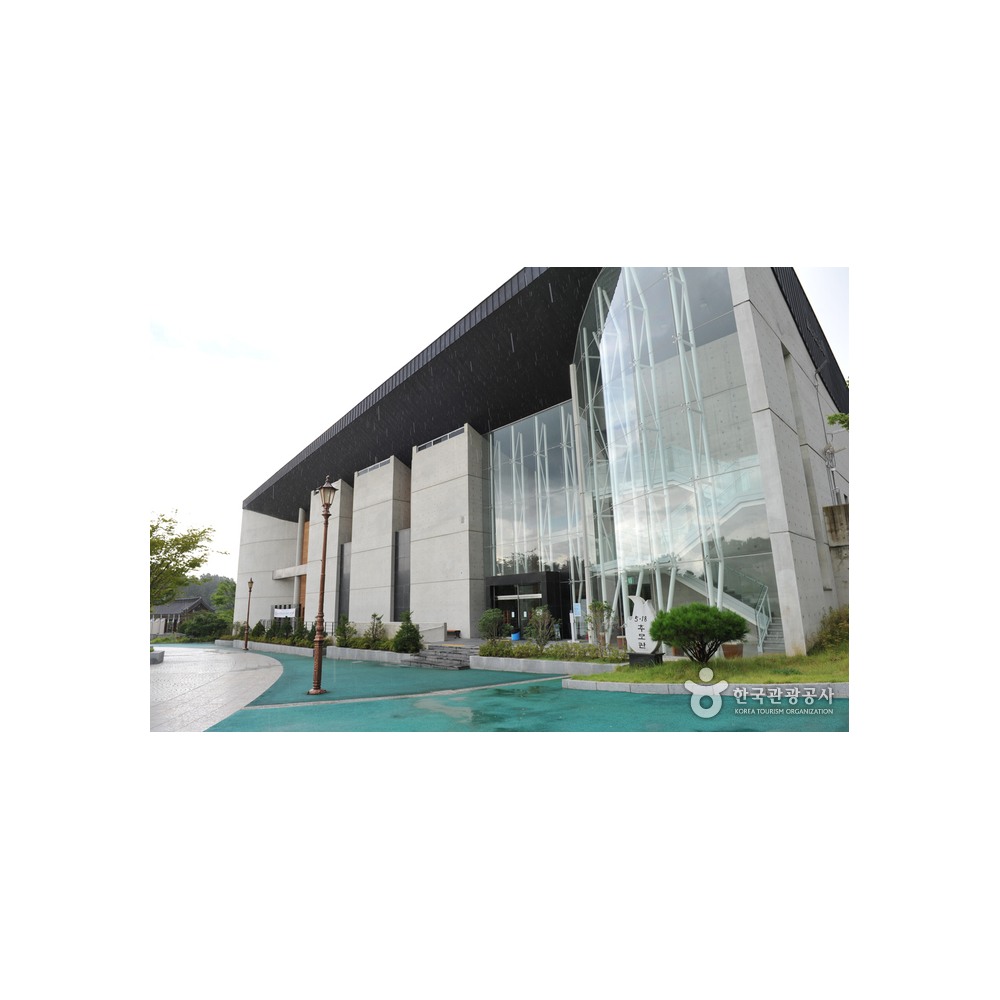
Guknip 5·18 Minjoo Memorial
National May 18 Democracy Cemetery
May 18 Democratic Memorial Cemetery in Mangwol-dong
Mangwol-dong May 18 National Democratic Martyrs Cemetery
Yangnim Historical Culture Village
Yanglim Cultural and Historical Village
There's no right order for walking through historical sites, but after reading the basic context at the archives, walking to Jeonil Building 245, Democracy Square, and the old Jeonnam Provincial Office will help you feel the actual distances between spaces. Freedom Park and Memorial Park are located in the Sangmu area, while the National Cemetery and old cemetery are on the outskirts of Buk-gu, so you should plan for separate travel. The Gwangju Student Independence Movement Memorial Hall and Yanglim-dong provide a broader perspective on the flow of modern history.
Instead of just copying exhibition descriptions word for word, let's ask what materials remain, who left them, and how they connect to today's democracy. At memorial facilities, remembering the victims should take precedence over political debates among visitors. Be sure to check the areas where photography is allowed and the rules for citing materials, and after visiting, take enough time to rest and gather your thoughts. If there are guided programs, they can help in understanding the connections between events better than viewing alone. To secure enough time for remembrance and learning, it's better not to schedule meals and shopping too closely together.
이 포스팅은 쿠팡 파트너스 활동의 일환으로, 이에 따른 일정액의 수수료를 제공받습니다.
댓글 0
로그인 후 댓글을 작성할 수 있습니다.
첫 댓글을 남겨보세요.
이런 리스트는 어때요?


이런 리스트도 추천해요



여기서 멈추기엔 아쉽잖아?
다음에 뭘 볼지 고민하는 시간이 제일 아까워.
주사위가 대신 골라줄게 — 무슨 리스트가 튀어나올지는 굴려봐야 알지.
안 누르면… 평생 궁금하지 않겠어? 👀
