Collection
China
2026.08.23
The Maritime Silk Road Following the Open Guangzhou
Connecting Places That Link Old Ports, Temples, Museums, and Trade
Guangzhou has been a gateway to South China for over 2,000 years, where people, goods, religions, and technologies have flowed through the sea. At Huangpu Port, you can reminisce about Qing Dynasty foreign trade vessels, at Nanhai Deity Temple, you can witness rituals praying for safe navigation, and at the Maritime Museum, you can explore sea routes and trade goods. The Shisan Hang Museum explains how merchants and export artisans interacted with the global market during the restricted trade period.
Eight actual locations were selected, including Huangpu Military Academy, Pazhou Tower, and Cijiang Tower, as well as the Huai Sheng Si Guang Tower. Rather than simplifying these into a single 'port,' we compare layers of trade, faith, route markers, and modern history, which vary in era and character. We’ve structured this to respect the entry regulations for religious and military heritage, and to split the urban sections into different days for visiting Huangpu, Changzhou Island, and the city center.
Eight actual locations were selected, including Huangpu Military Academy, Pazhou Tower, and Cijiang Tower, as well as the Huai Sheng Si Guang Tower. Rather than simplifying these into a single 'port,' we compare layers of trade, faith, route markers, and modern history, which vary in era and character. We’ve structured this to respect the entry regulations for religious and military heritage, and to split the urban sections into different days for visiting Huangpu, Changzhou Island, and the city center.
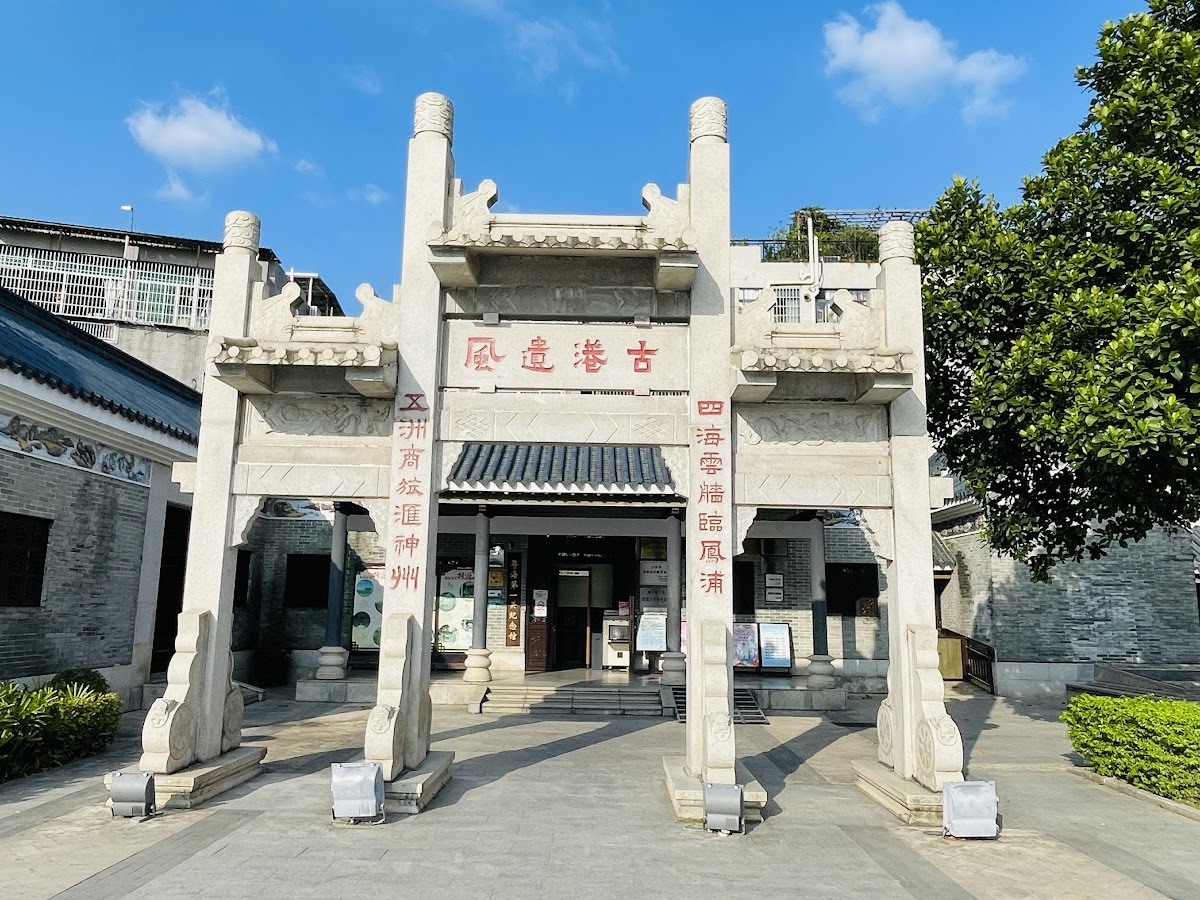
Huangpu Ancient Port Ruins
Huangpu Port Ruins
This is a place to explore the memories of customs and docks from the Huangpu Port, where Qing Dynasty foreign trade vessels used to pass, alongside village ruins. Don’t confuse it with modern Huangpu Port and check the open exhibition halls. In this list, we explore places from the perspective of 'connecting sites of old ports, temples, museums, and trade traces.' The order is based on considering actual movement and usage flow, rather than popularity. Comparing the atmosphere, history, and experience differences before and after each entry, along with checking same-day reservations, public access, and return transport, can help plan a more specific and safe trip to Guangzhou.
주소 广州市海珠区新港东路琶洲街石基村
방문 확인 운영·예약·접근 조건 당일 확인
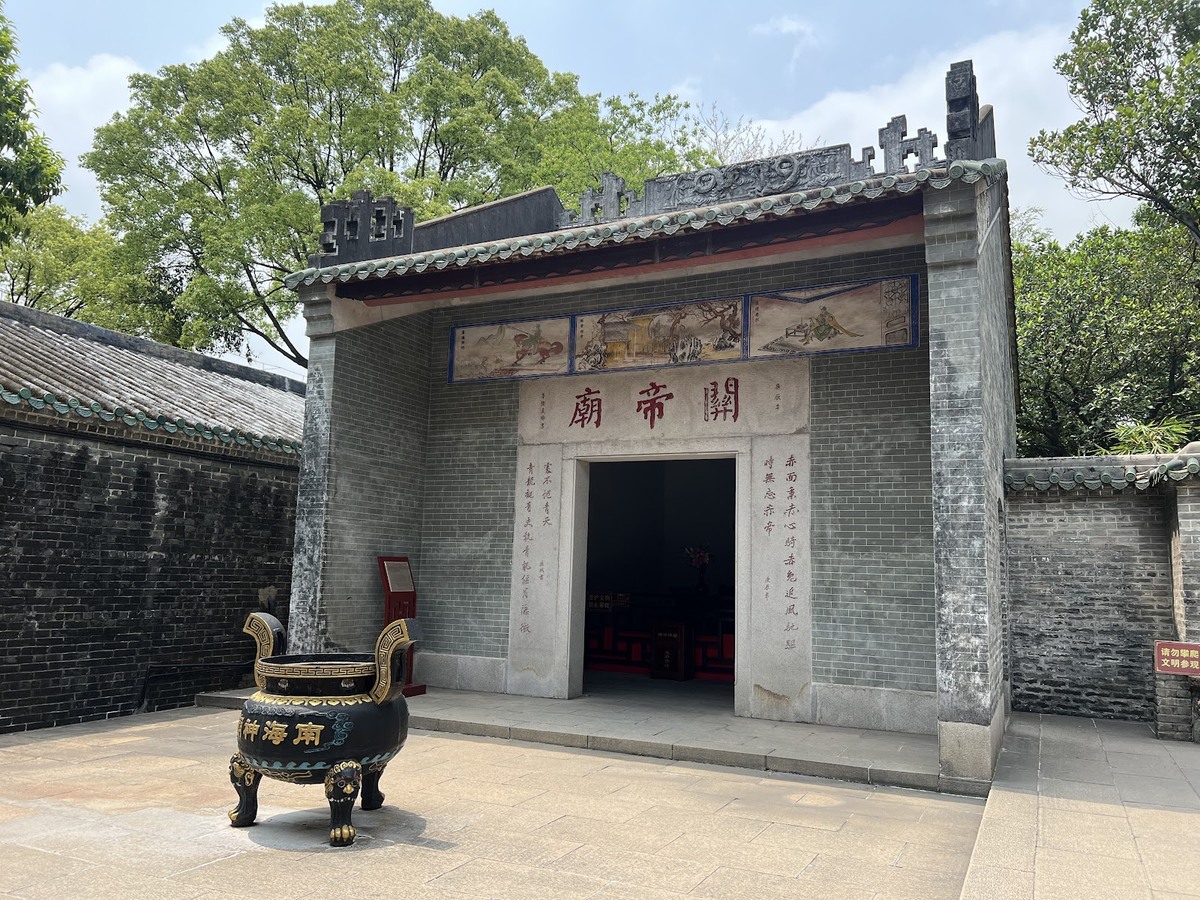
Nanhai God Temple
Nanhai Deity Temple
This is a core heritage site of the Maritime Silk Road that holds the history of national rituals praying for sea safety and trade. It is next to the Maritime Museum, so entrance and free areas should be separated. In this list, we explore places from the perspective of 'connecting sites of old ports, temples, museums, and trade traces.' The order is based on considering actual movement and usage flow, rather than popularity. Comparing the atmosphere, history, and experience differences before and after each entry, along with checking same-day reservations, public access, and return transport, can help plan a more specific and safe trip to Guangzhou.
주소 广州市黄埔区庙头旭日街22号
방문 확인 운영·예약·접근 조건 당일 확인
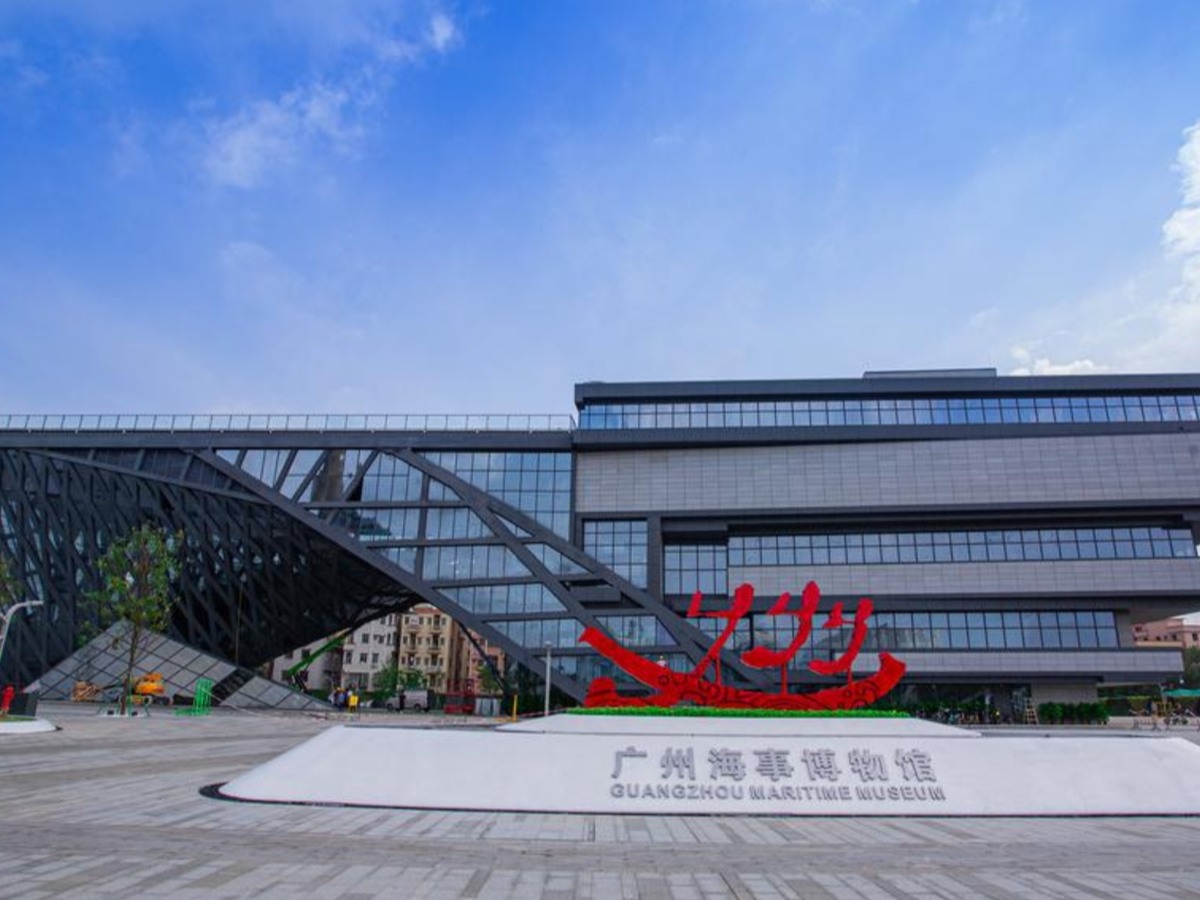
Guangzhou Maritime Museum
The museum explains how Guangzhou grew as a gateway to South China through ships, routes, trade goods, and maritime exchanges. It should be paired with Nanhai Deity Temple on the same day, but confirm their respective closing hours. In this list, we explore places from the perspective of 'connecting sites of old ports, temples, museums, and trade traces.' The order is based on considering actual movement and usage flow, rather than popularity. Comparing the atmosphere, history, and experience differences before and after each entry, along with checking same-day reservations, public access, and return transport, can help plan a more specific and safe trip to Guangzhou.
주소 广州市黄埔区庙头旭日街22号
방문 확인 운영·예약·접근 조건 당일 확인
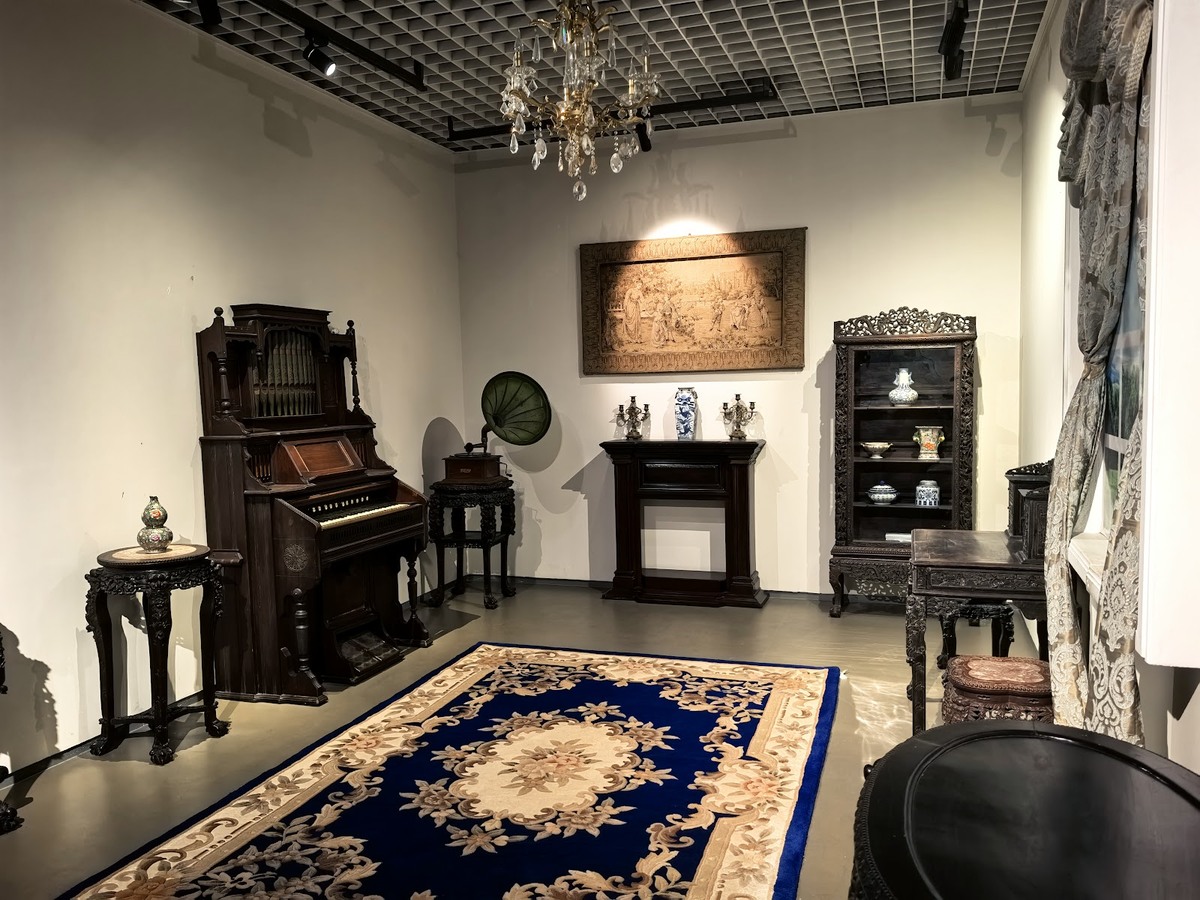
Guangzhou Thirteen Hongs Museum
Guangzhou Shisan Hang Museum
This museum showcases merchants and export goods during the Qing Dynasty's trading period, illustrating global trade. Check the exact entrance, reservations, and exhibition explanation schedules within the cultural park. In this list, we explore places from the perspective of 'connecting sites of old ports, temples, museums, and trade traces.' The order is based on considering actual movement and usage flow, rather than popularity. Comparing the atmosphere, history, and experience differences before and after each entry, along with checking same-day reservations, public access, and return transport, can help plan a more specific and safe trip to Guangzhou.
주소 广州市荔湾区西堤二马路37号文化公园内
방문 확인 운영·예약·접근 조건 당일 확인
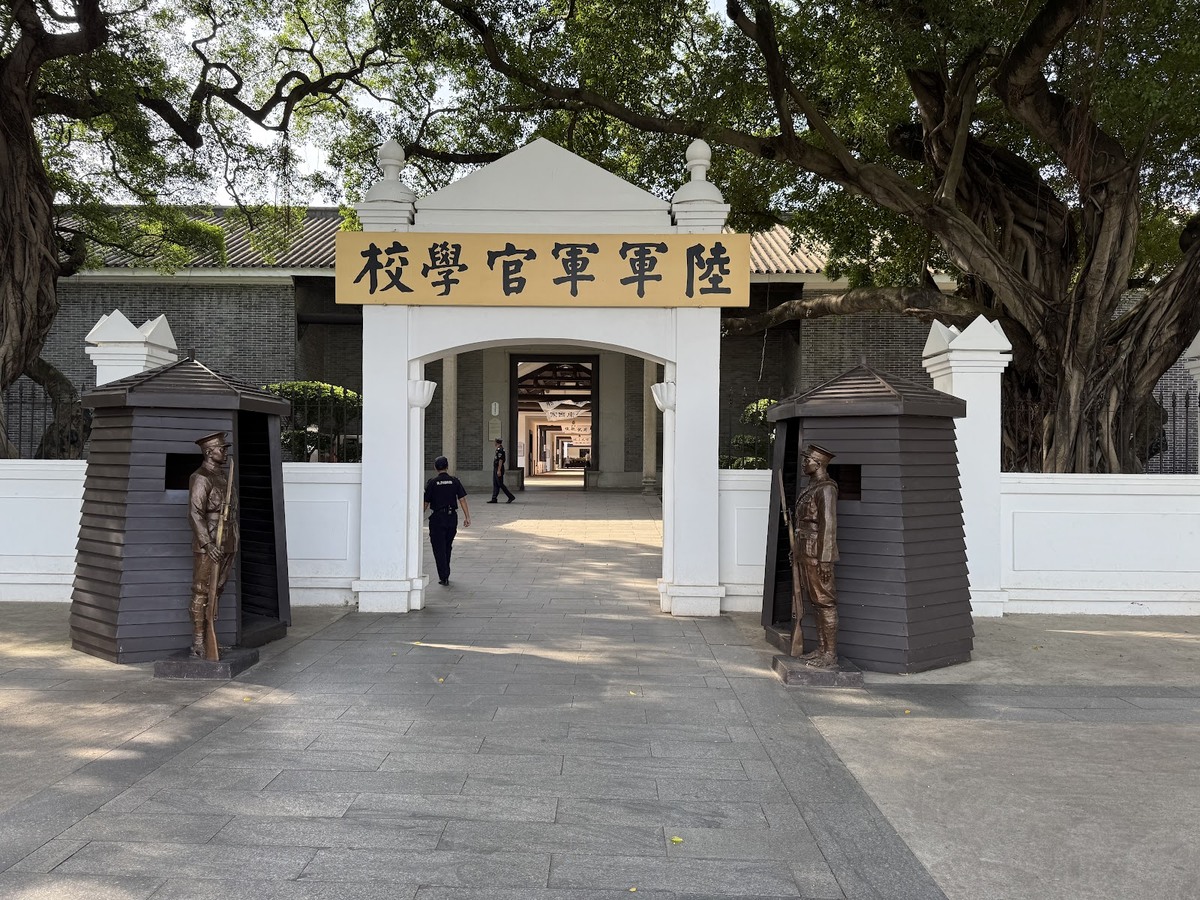
Whampoa Military Academy Memorial Museum
Huangpu Military Academy Site Memorial Hall
A military school ruin on Changzhou Island, providing insights into the port location of modern Guangzhou and its revolutionary networks. Check island transportation, real-name reservations, and security checks. In this list, we explore places from the perspective of 'connecting sites of old ports, temples, museums, and trade traces.' The order is based on considering actual movement and usage flow, rather than popularity. Comparing the atmosphere, history, and experience differences before and after each entry, along with checking same-day reservations, public access, and return transport, can help plan a more specific and safe trip to Guangzhou.
주소 广州市黄埔区长洲岛军校路170号
방문 확인 운영·예약·접근 조건 당일 확인
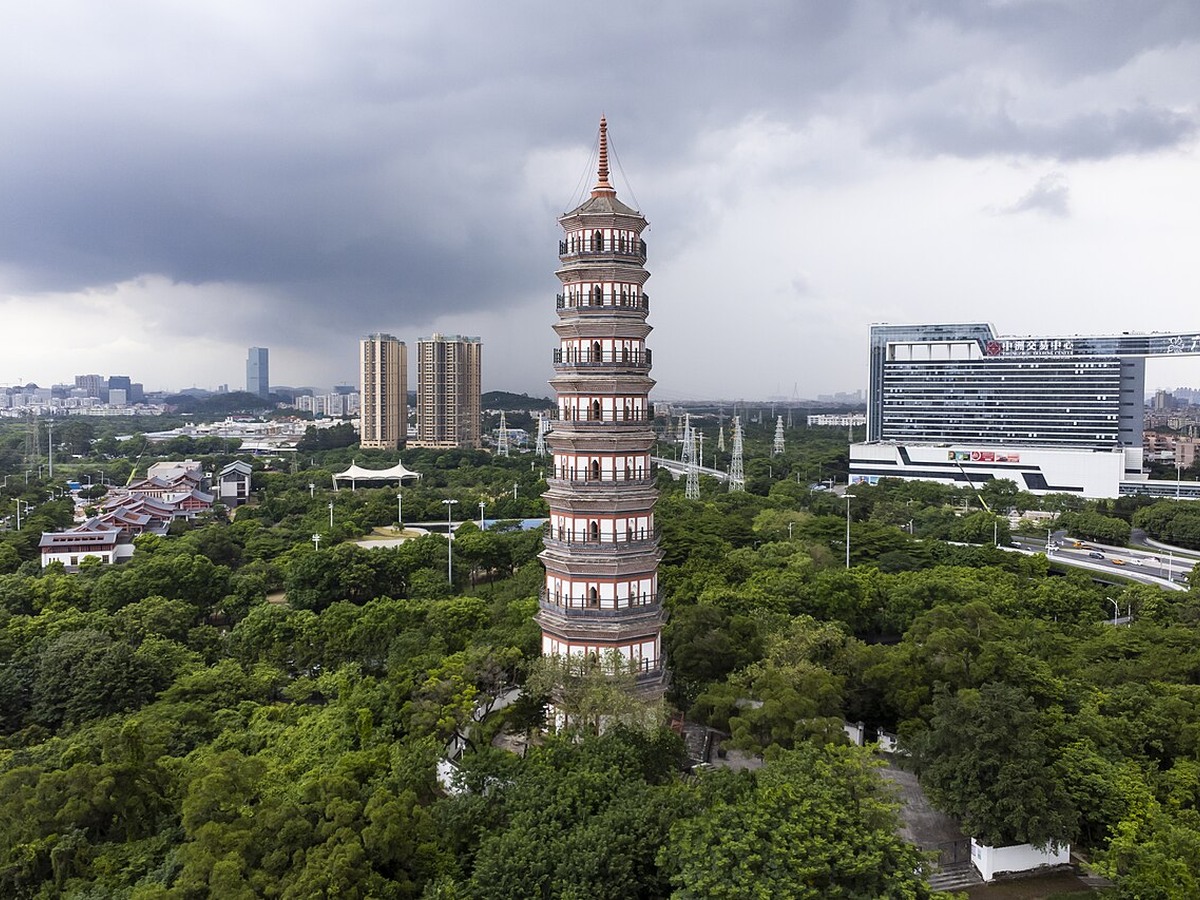
Pazhou Pagoda
Pazhou Tower
An ancient tower that served as a marker for the Ming Dynasty trade routes, allowing for comparison of the modern exhibition area and new urban landscape with the old waterways. Observe the exterior from the park rather than the interior of the tower. In this list, we explore places from the perspective of 'connecting sites of old ports, temples, museums, and trade traces.' The order is based on considering actual movement and usage flow, rather than popularity. Comparing the atmosphere, history, and experience differences before and after each entry, along with checking same-day reservations, public access, and return transport, can help plan a more specific and safe trip to Guangzhou.
주소 广州市海珠区琶洲街琶洲塔公园
방문 확인 운영·예약·접근 조건 당일 확인
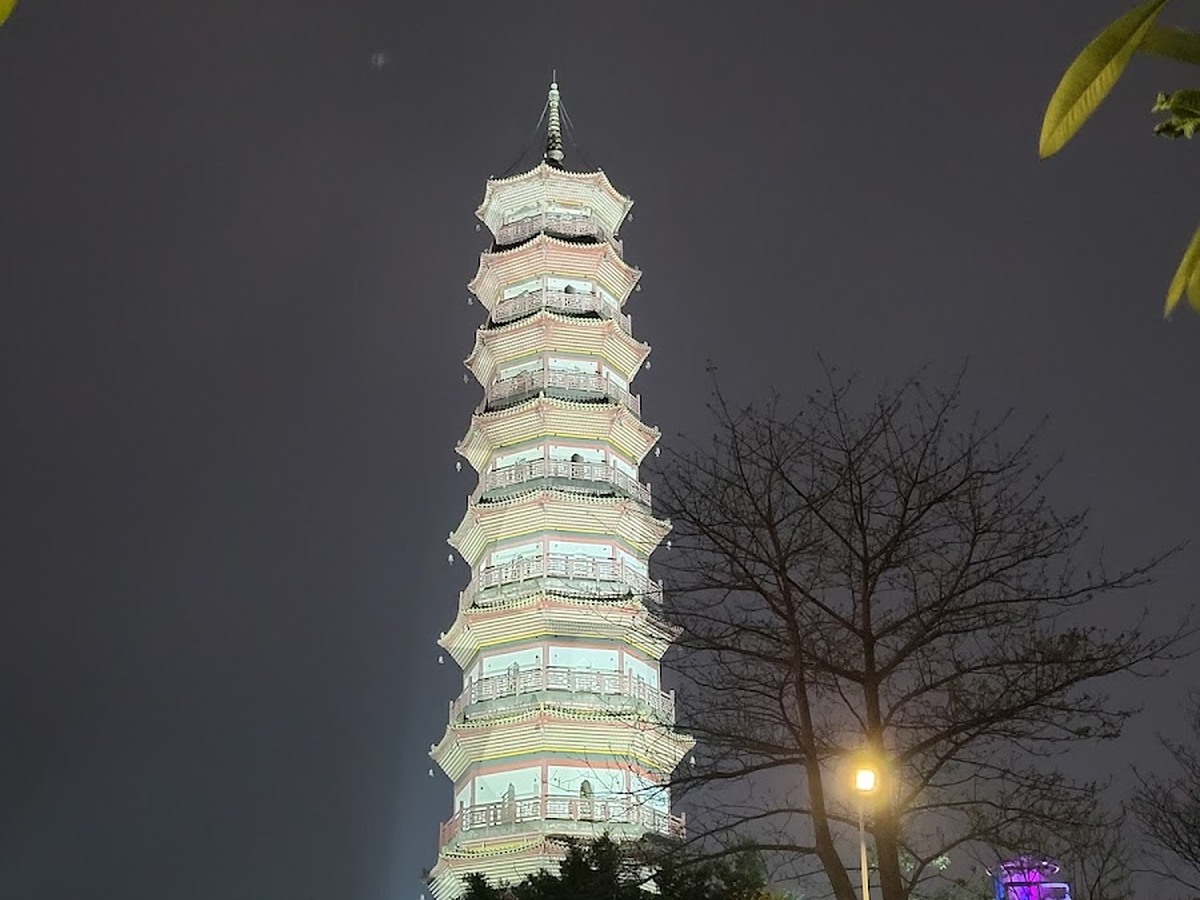
Chigang Pagoda
Cijiang Tower
A landmark of the trade routes and a Ming Dynasty ancient tower that creates a vertical landscape alongside Guangzhou Tower. Observe the exterior from public parks. In this list, we explore places from the perspective of 'connecting sites of old ports, temples, museums, and trade traces.' The order is based on considering actual movement and usage flow, rather than popularity. Comparing the atmosphere, history, and experience differences before and after each entry, along with checking same-day reservations, public access, and return transport, can help plan a more specific and safe trip to Guangzhou.
주소 广州市海珠区新港中路赤岗塔公园
방문 확인 운영·예약·접근 조건 당일 확인
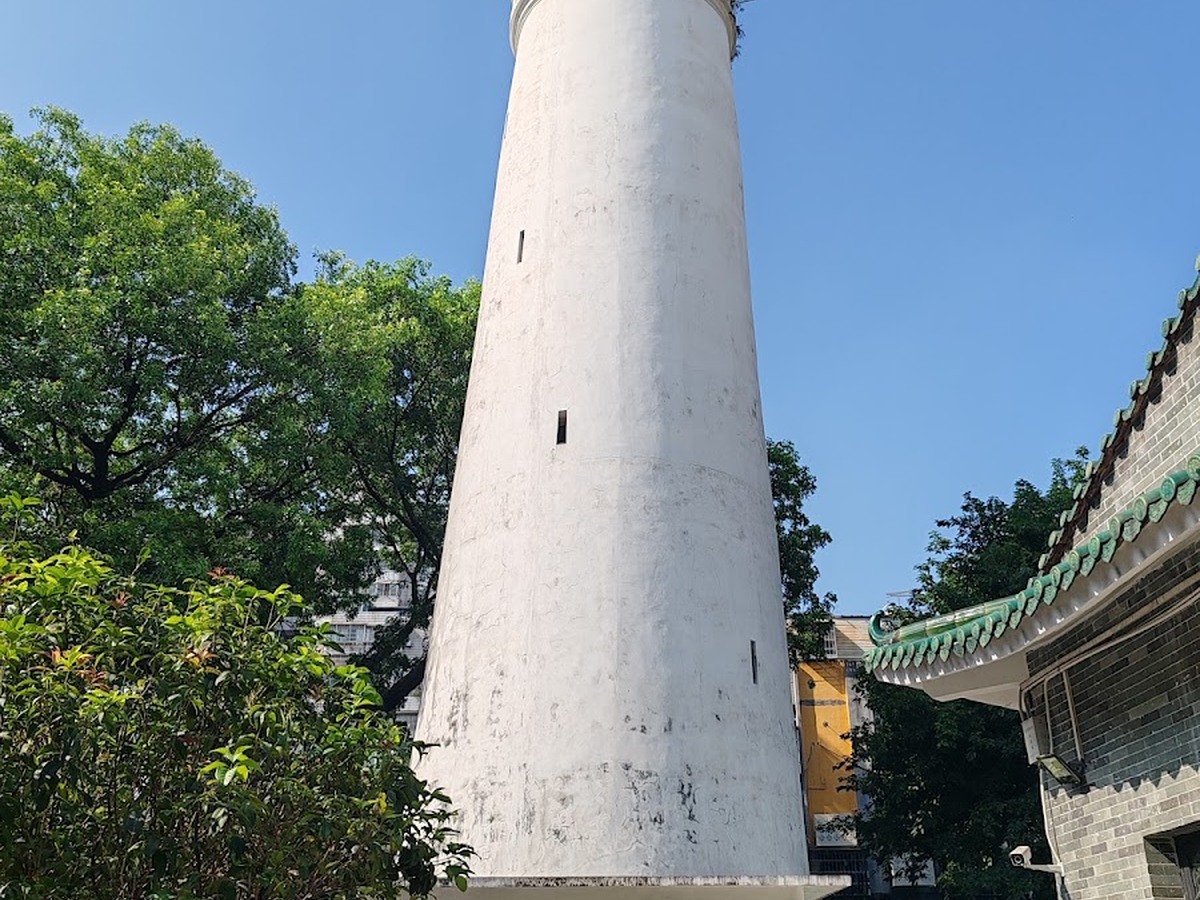
Huaisheng Mosque
Huai Sheng Si Guang Tower
This religious facility showcases the history of Guangzhou's old Islamic community and overseas merchants. Worship takes precedence, and non-Muslim public access, dress codes, and photography regulations should be followed. In this list, we explore places from the perspective of 'connecting sites of old ports, temples, museums, and trade traces.' The order is based on considering actual movement and usage flow, rather than popularity. Comparing the atmosphere, history, and experience differences before and after each entry, along with checking same-day reservations, public access, and return transport, can help plan a more specific and safe trip to Guangzhou.
주소 广州市越秀区光塔路56号
방문 확인 운영·예약·접근 조건 당일 확인
In the east, you can combine Nanhai Deity Temple and the Maritime Museum, and if you have time, choose either Huangpu Port or Changzhou Island. In the city center, you can connect merchants, exports, and overseas communities through the Shisan Hang Museum and the Huai Sheng Si Guang Tower. Pazhou Tower and Cijiang Tower showcase how ancient route markers meet today's skyline.
Don't view the Maritime Silk Road solely through the lens of glamorous trade stories; let's also read about monsoons, customs, faith and migration, and unequal trade systems. Religious facilities require respect for worship and dress codes, while military heritage sites follow real-name reservations and security checks. Check the last buses to islands and outskirts, as well as museum closing days. A journey that asks where goods come from and whose hands they passed through leaves a lasting impression.
Don't view the Maritime Silk Road solely through the lens of glamorous trade stories; let's also read about monsoons, customs, faith and migration, and unequal trade systems. Religious facilities require respect for worship and dress codes, while military heritage sites follow real-name reservations and security checks. Check the last buses to islands and outskirts, as well as museum closing days. A journey that asks where goods come from and whose hands they passed through leaves a lasting impression.
At a glance
8 items
Locations at a glance
8 places
As part of the Coupang Partners program, this post may earn a commission from qualifying purchases.
Comments 0
Log in to leave a comment.
Be the first to comment.
How about these lists?


You might also like


🎲
Not ready to stop here?
Wondering what to read next is the biggest waste of time.
Let the dice decide — you won't know what pops up until you roll.
If you don't press it… won't you wonder forever? 👀