Collection
Jazz
2026.09.17
Classic Albums That Change the Atmosphere with Just One Note from the Tenor Saxophone
A Collection of Albums from Strong Hard Bop to Lyrical Ballads
The tenor saxophone can push through with a roughness akin to the human voice or blend breath to create a low temperature. Even within the same hard bop, John Coltrane might throw in short phrases, Sonny Rollins disassembles melodies with rhythm and silence, and Dexter Gordon shows a comfortable delay behind the beat. The unique sound of the player becomes clearer when you also listen to their relationship with the rhythm section.
This list selects eight albums centered on the tenor saxophone, connecting the changes from the 1950s to the 1960s. It includes fast tracks and ballads, original pieces and standards, studio focus and band conversations. Instead of counting the number of solo notes on a first listen, following how the initial theme is transformed and how it responds to the drum accents allows you to easily catch the player's musical language.
This list selects eight albums centered on the tenor saxophone, connecting the changes from the 1950s to the 1960s. It includes fast tracks and ballads, original pieces and standards, studio focus and band conversations. Instead of counting the number of solo notes on a first listen, following how the initial theme is transformed and how it responds to the drum accents allows you to easily catch the player's musical language.
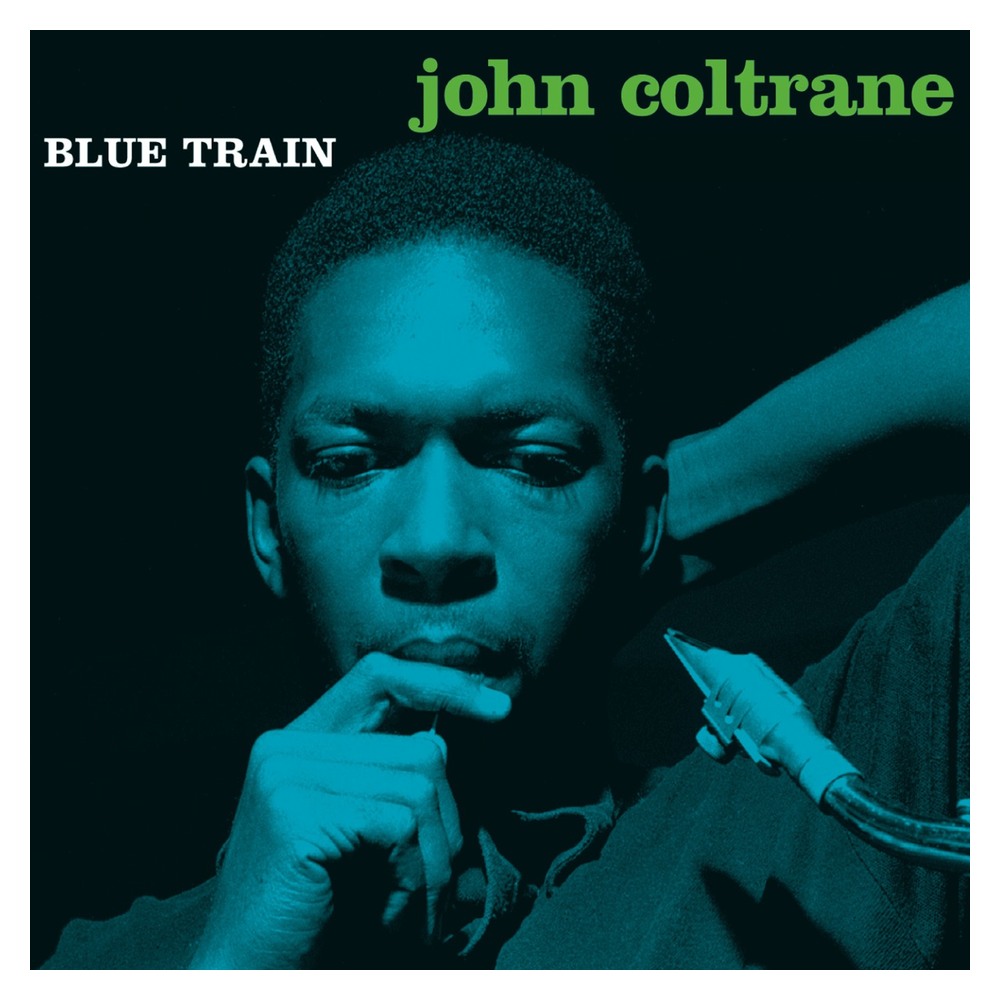
Blue Train
The central style of 《Blue Train》 is 'hard bop·blues'. Follow how the short riff of the first theme gets broken down into smaller pieces during the solo and then returns to a longer line.
The artist of 《Blue Train》 is John Coltrane, first released in 1958, and the label is Blue Note. Note that reissues or digital versions of 《Blue Train》 may have different bonus tracks and orders, so it's good to check the original album credits.
The artist of 《Blue Train》 is John Coltrane, first released in 1958, and the label is Blue Note. Note that reissues or digital versions of 《Blue Train》 may have different bonus tracks and orders, so it's good to check the original album credits.
아티스트 John Coltrane
발표 연도 1958
레이블 Blue Note
스타일 하드 밥·블루스
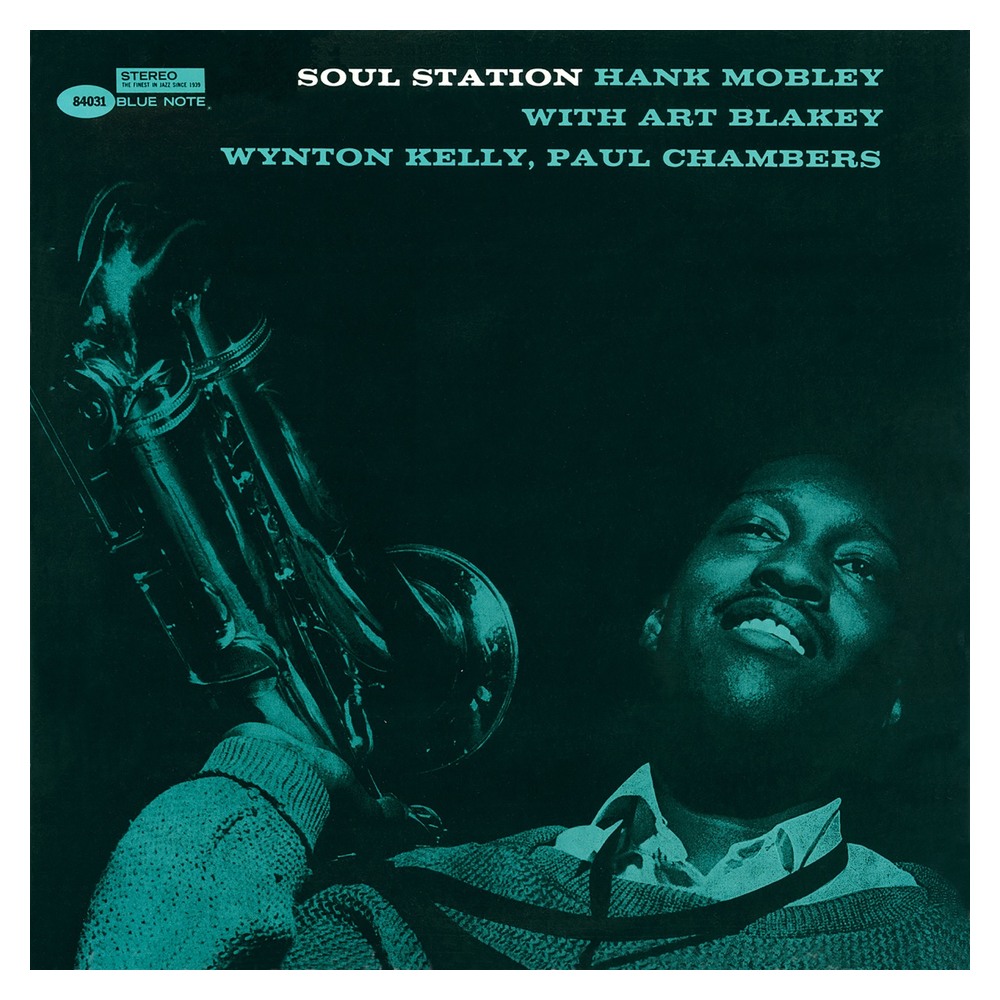
Soul Station
The central style of 《Soul Station》 is 'hard bop'. Listen to how freely the tenor walks between the bass and drums in a section without piano or brass accompaniment.
The artist of 《Soul Station》 is Hank Mobley, first released in 1960, and the label is Blue Note. Note that reissues or digital versions of 《Soul Station》 may have different bonus tracks and orders, so it's good to check the original album credits.
The artist of 《Soul Station》 is Hank Mobley, first released in 1960, and the label is Blue Note. Note that reissues or digital versions of 《Soul Station》 may have different bonus tracks and orders, so it's good to check the original album credits.
아티스트 Hank Mobley
발표 연도 1960
레이블 Blue Note
스타일 하드 밥
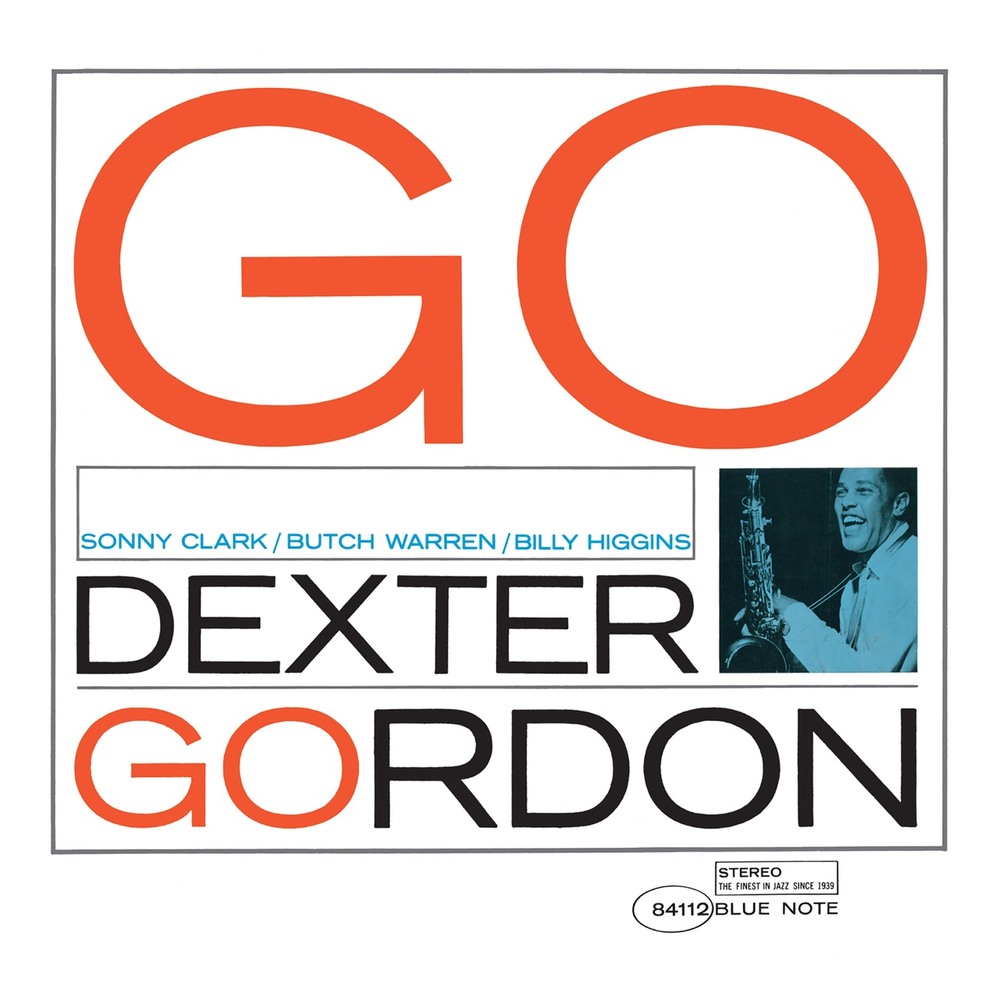
Go!
The central style of 《Go!》 is 'hard bop·standard'. Explore why the melody that enters slightly late doesn’t drag the flow down but rather enhances the swing.
The artist of 《Go!》 is Dexter Gordon, first released in 1962, and the label is Blue Note. Note that reissues or digital versions of 《Go!》 may have different bonus tracks and orders, so it's good to check the original album credits.
The artist of 《Go!》 is Dexter Gordon, first released in 1962, and the label is Blue Note. Note that reissues or digital versions of 《Go!》 may have different bonus tracks and orders, so it's good to check the original album credits.
아티스트 Dexter Gordon
발표 연도 1962
레이블 Blue Note
스타일 하드 밥·스탠더드
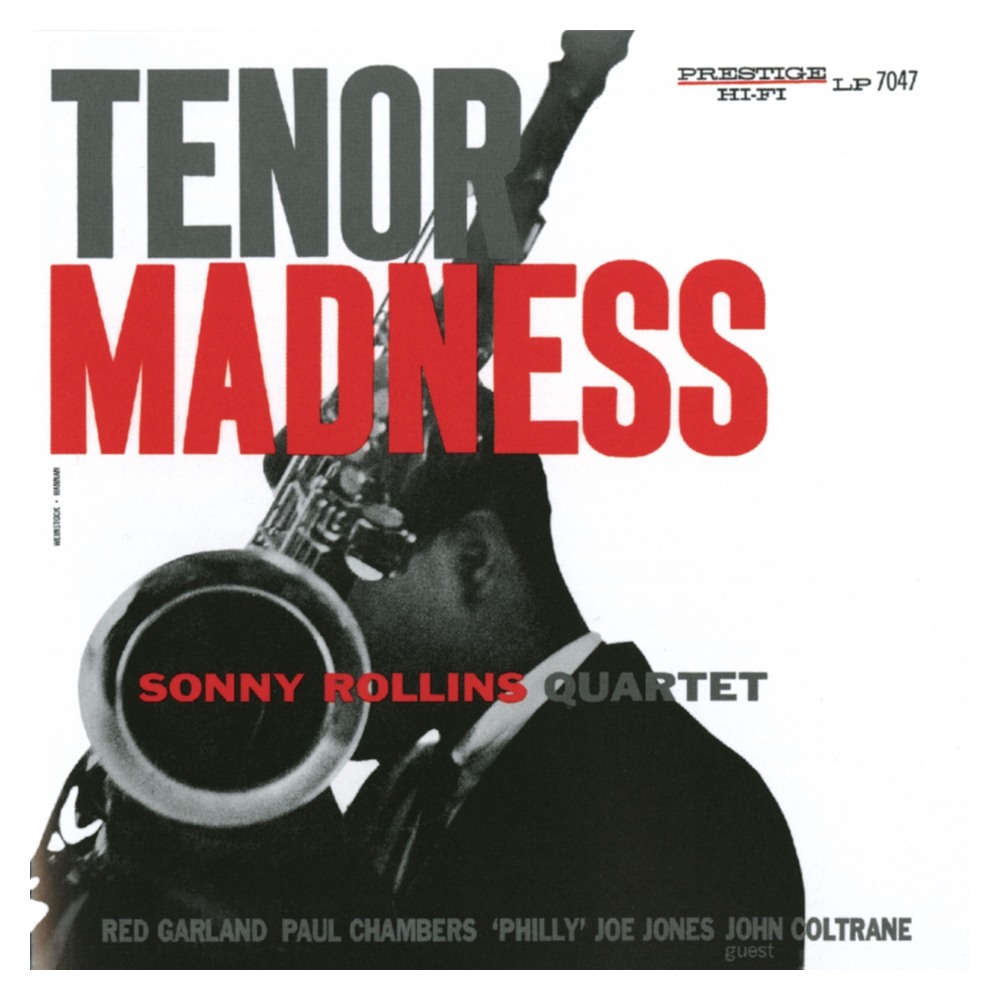
Tenor Madness
The central style of 《Tenor Madness》 is 'tenor battle·hard bop'. As you distinguish between the tones and phrase lengths of the two tenors, listen to how the next solo transforms the ideas put forth by its counterpart.
The artist of 《Tenor Madness》 is Sonny Rollins, first released in 1956, and the label is Prestige. Note that reissues or digital versions of 《Tenor Madness》 may have different bonus tracks and orders, so it's good to check the original album credits.
The artist of 《Tenor Madness》 is Sonny Rollins, first released in 1956, and the label is Prestige. Note that reissues or digital versions of 《Tenor Madness》 may have different bonus tracks and orders, so it's good to check the original album credits.
아티스트 Sonny Rollins
발표 연도 1956
레이블 Prestige
스타일 테너 배틀·하드 밥
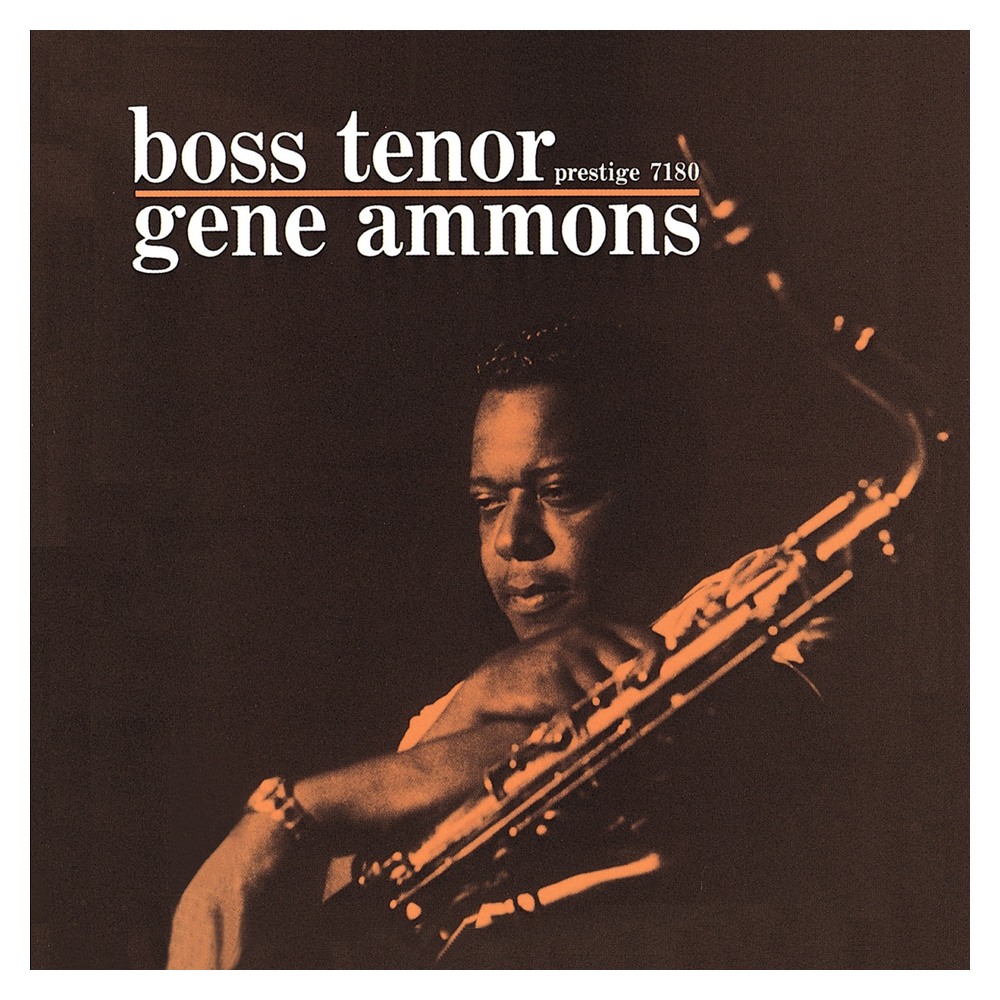
Boss Tenor
The central style of 《Boss Tenor》 is 'soul jazz·ballad'. Observe how even in a combo without an organ, the vibrations and breath of a single note create the warmth of soul jazz rather than rapid technical play.
The artist of 《Boss Tenor》 is Gene Ammons, first released in 1960, and the label is Prestige. Note that reissues or digital versions of 《Boss Tenor》 may have different bonus tracks and orders, so it's good to check the original album credits.
The artist of 《Boss Tenor》 is Gene Ammons, first released in 1960, and the label is Prestige. Note that reissues or digital versions of 《Boss Tenor》 may have different bonus tracks and orders, so it's good to check the original album credits.
아티스트 Gene Ammons
발표 연도 1960
레이블 Prestige
스타일 소울 재즈·발라드
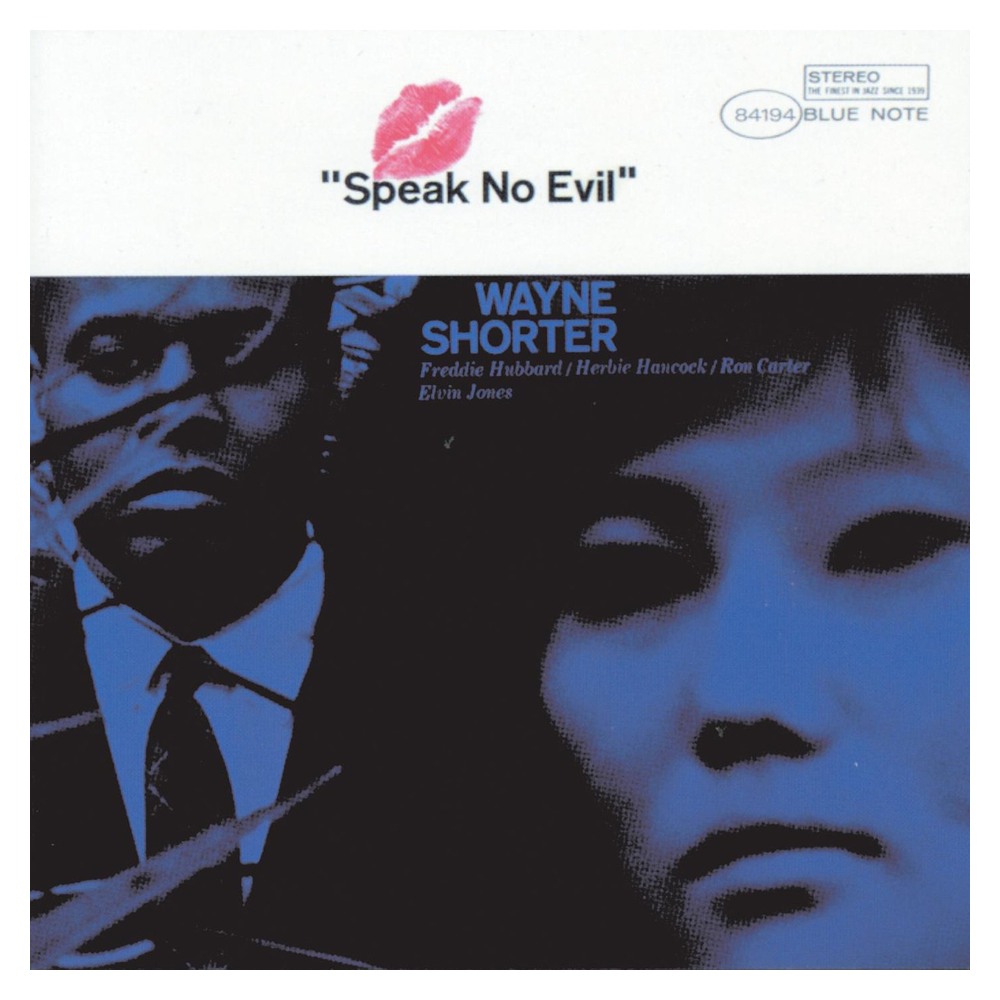
Speak No Evil
The central style of 《Speak No Evil》 is 'post bop'. Notice how the dark harmonic backdrop of the piece constrains and opens up the direction of the solo even after the melody has ended.
The artist of 《Speak No Evil》 is Wayne Shorter, first released in 1966, and the label is Blue Note. Note that reissues or digital versions of 《Speak No Evil》 may have different bonus tracks and orders, so it's good to check the original album credits.
The artist of 《Speak No Evil》 is Wayne Shorter, first released in 1966, and the label is Blue Note. Note that reissues or digital versions of 《Speak No Evil》 may have different bonus tracks and orders, so it's good to check the original album credits.
아티스트 Wayne Shorter
발표 연도 1966
레이블 Blue Note
스타일 포스트 밥
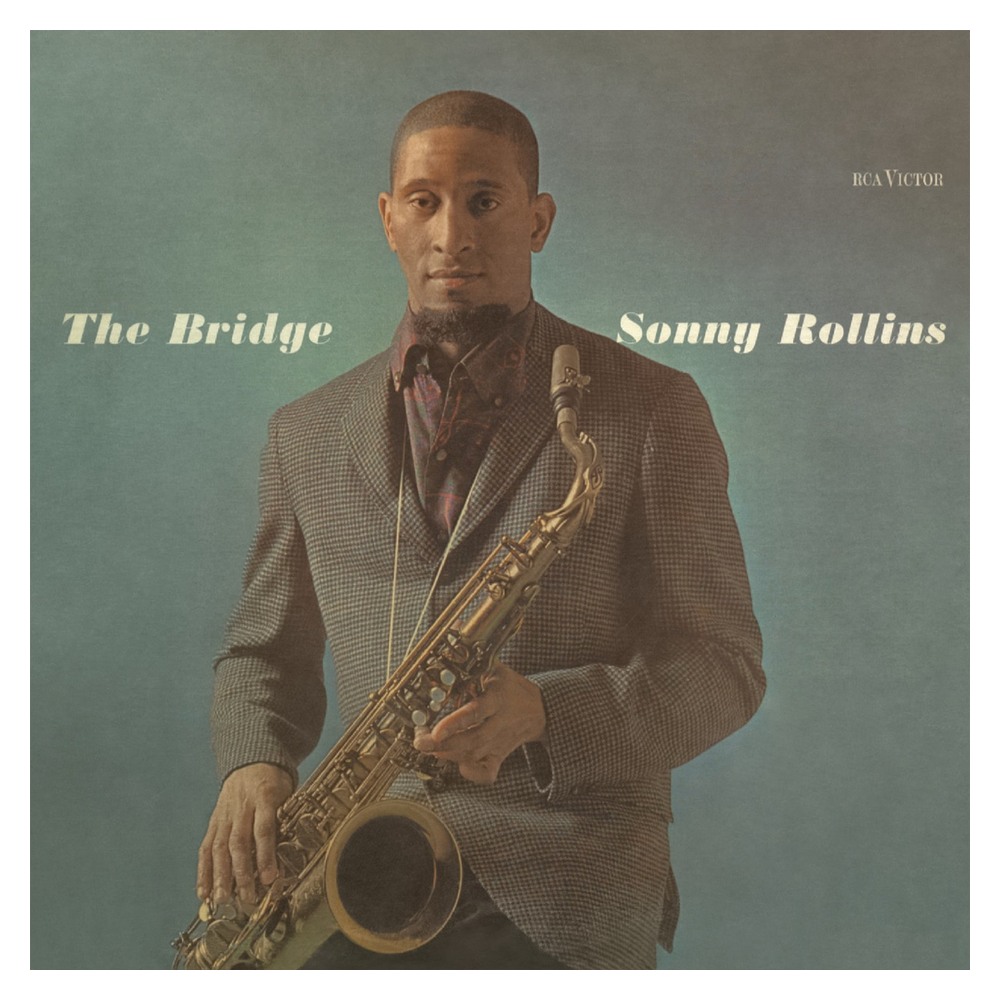
The Bridge
The central style of 《The Bridge》 is 'modern jazz·quartet'. Enjoy the wide space that emerges between the guitar chords and tenor melody in areas without the piano.
The artist of 《The Bridge》 is Sonny Rollins, first released in 1962, and the label is RCA Victor. Note that reissues or digital versions of 《The Bridge》 may have different bonus tracks and orders, so it's good to check the original album credits.
The artist of 《The Bridge》 is Sonny Rollins, first released in 1962, and the label is RCA Victor. Note that reissues or digital versions of 《The Bridge》 may have different bonus tracks and orders, so it's good to check the original album credits.
아티스트 Sonny Rollins
발표 연도 1962
레이블 RCA Victor
스타일 모던 재즈·콰르텟
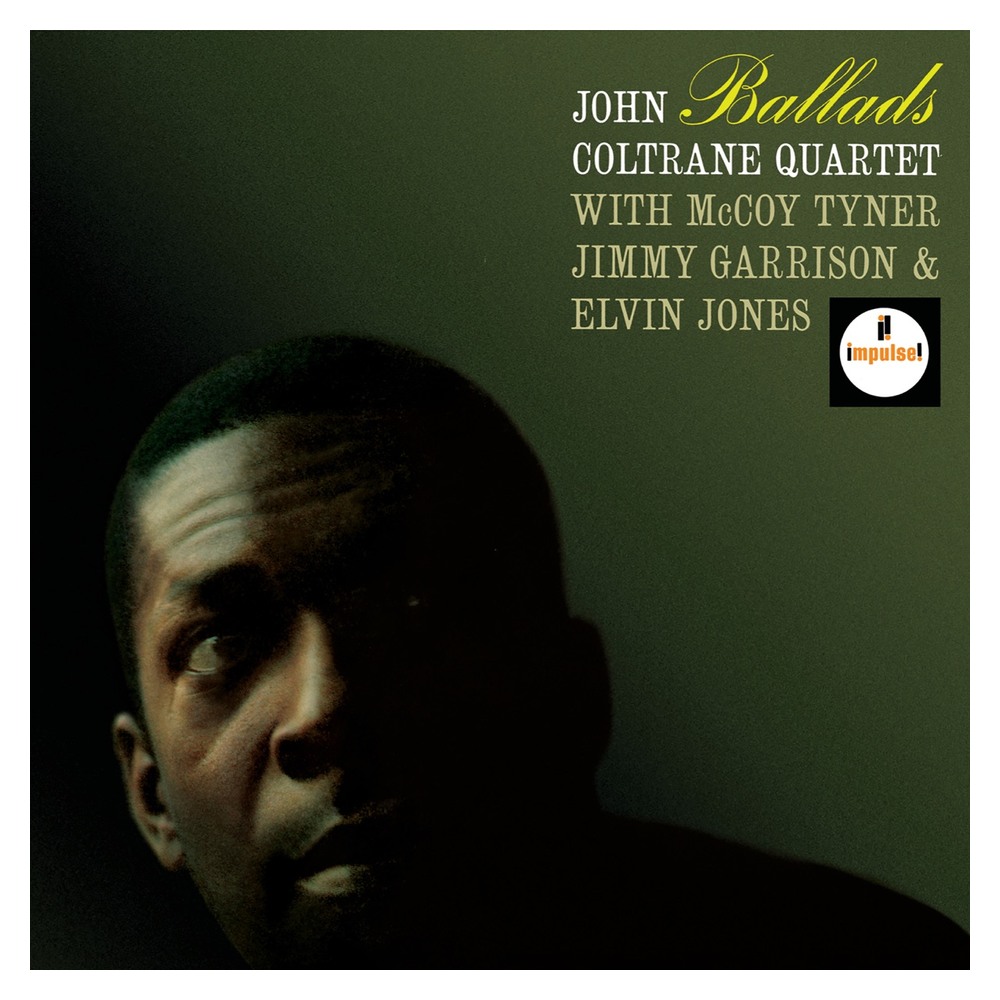
Ballads
The central style of 《Ballads》 is 'jazz ballad'. It's nice to hear how Coltrane's expressions choose rests between intense performances and preserve melody.
The artist of 《Ballads》 is John Coltrane Quartet, first released in 1963, and the label is Impulse!. Note that reissues or digital versions of 《Ballads》 may have different bonus tracks and orders, so it's good to check the original album credits.
The artist of 《Ballads》 is John Coltrane Quartet, first released in 1963, and the label is Impulse!. Note that reissues or digital versions of 《Ballads》 may have different bonus tracks and orders, so it's good to check the original album credits.
아티스트 John Coltrane Quartet
발표 연도 1963
레이블 Impulse!
스타일 재즈 발라드
If you want strong momentum, start with 《Blue Train》 and 《Soul Station》; for a relaxed swing, 《Go!》 and 《Boss Tenor》 are good starting points. Listening to both albums by Sonny Rollins sequentially reveals the differences in competitive jamming and the return that makes use of wide spaces. Wayne Shorter's 《Speak No Evil》 shows how composition and improvisation intertwine, while Coltrane's 《Ballads》 demonstrates just how deep the sound can go without being loud.
When choosing tenor saxophone albums, it's better to check not just the leader but also the pianist and drummer. The same player can alter the length and aggression of phrases depending on the rhythm section. Mark the theme performance, first solo, and the return to the last theme while listening to a piece to see how far the improvisation has wandered from the original before returning. If you find a sound you like, listening to other side projects from the same time can also be a great way to explore.
When choosing tenor saxophone albums, it's better to check not just the leader but also the pianist and drummer. The same player can alter the length and aggression of phrases depending on the rhythm section. Mark the theme performance, first solo, and the return to the last theme while listening to a piece to see how far the improvisation has wandered from the original before returning. If you find a sound you like, listening to other side projects from the same time can also be a great way to explore.
한눈에 보기
8개
Blue Train
John Coltrane · 1958 · Blue Note · 하드 밥·블루스
Soul Station
Hank Mobley · 1960 · Blue Note · 하드 밥
Go!
Dexter Gordon · 1962 · Blue Note · 하드 밥·스탠더드
Tenor Madness
Sonny Rollins · 1956 · Prestige · 테너 배틀·하드 밥
Boss Tenor
Gene Ammons · 1960 · Prestige · 소울 재즈·발라드
Speak No Evil
Wayne Shorter · 1966 · Blue Note · 포스트 밥
The Bridge
Sonny Rollins · 1962 · RCA Victor · 모던 재즈·콰르텟
Ballads
John Coltrane Quartet · 1963 · Impulse! · 재즈 발라드
이 포스팅은 쿠팡 파트너스 활동의 일환으로, 이에 따른 일정액의 수수료를 제공받습니다.
댓글 0
로그인 후 댓글을 작성할 수 있습니다.
첫 댓글을 남겨보세요.
이런 리스트는 어때요?


이런 리스트도 추천해요


🎲
여기서 멈추기엔 아쉽잖아?
다음에 뭘 볼지 고민하는 시간이 제일 아까워.
주사위가 대신 골라줄게 — 무슨 리스트가 튀어나올지는 굴려봐야 알지.
안 누르면… 평생 궁금하지 않겠어? 👀