Children's Reading and Writing Books that Expand Thoughts into Words
A collection of practical books that draw out children's questions and evidence from character choices and story conditions
Books for reading and writing discussions are more beneficial when they enable the reader to generate questions and explain different interpretations with evidence rather than being difficult or overtly didactic. In children's reading and writing books, the focus is not just on checking the plot but rather on transforming events in children's books into questions and evidence while revisiting character choices and story conditions. This list was organized to anticipate essay topics from the selection process by linking various issues and writing activities after checking the bibliographic information of actual published books.
From 'The Hen Who Dreamed She Could Fly' to 'Ran Like the Wind', the order is not based on difficulty or sales volume. First, look into the topics of interest, reading experiences, length of the text, and whether there's someone to read along with before choosing a book. Before reading, generate questions from the title and cover, and during reading, note scenes and dialogue that shifted your judgment. After finishing the book, instead of asking for impressions right away, discussing the most confusing choices or possible alternative endings will naturally lead to claims and evidence.
In particular, when turning the events of children's books into questions and evidence, a single answer to the book's message is not determined. If the characters' actions are judged solely by current standards or if the publisher's introduction and example reviews are copied directly, the students' interpretations may be lost. Distinguish between textual evidence, personal experiences, and additional materials, and explore opposing interpretations. Reading levels are not determined solely by grade, so check previews and word counts, especially if the book contains heavy topics; it’s better to read those together considering the student's experiences and emotions.
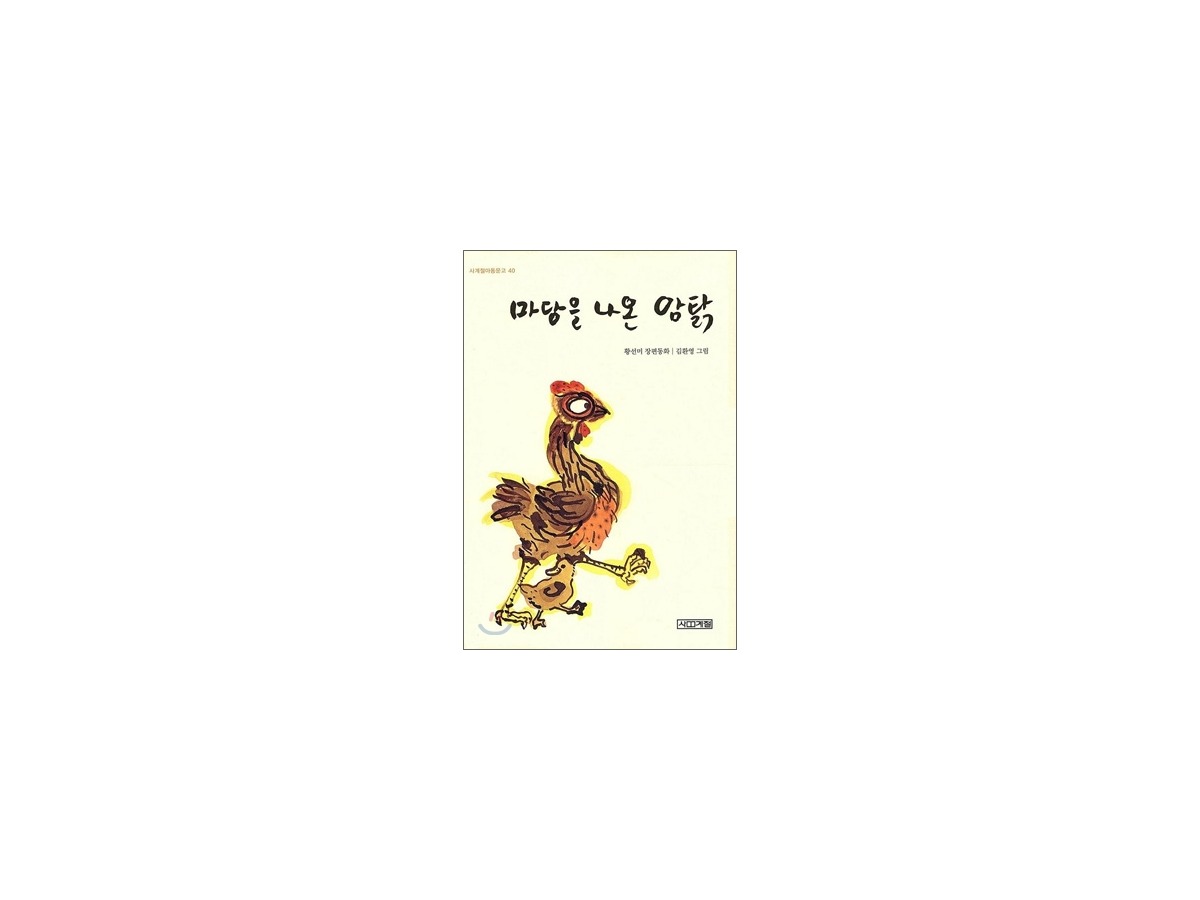
The Hen Who Dreamed She Could Fly
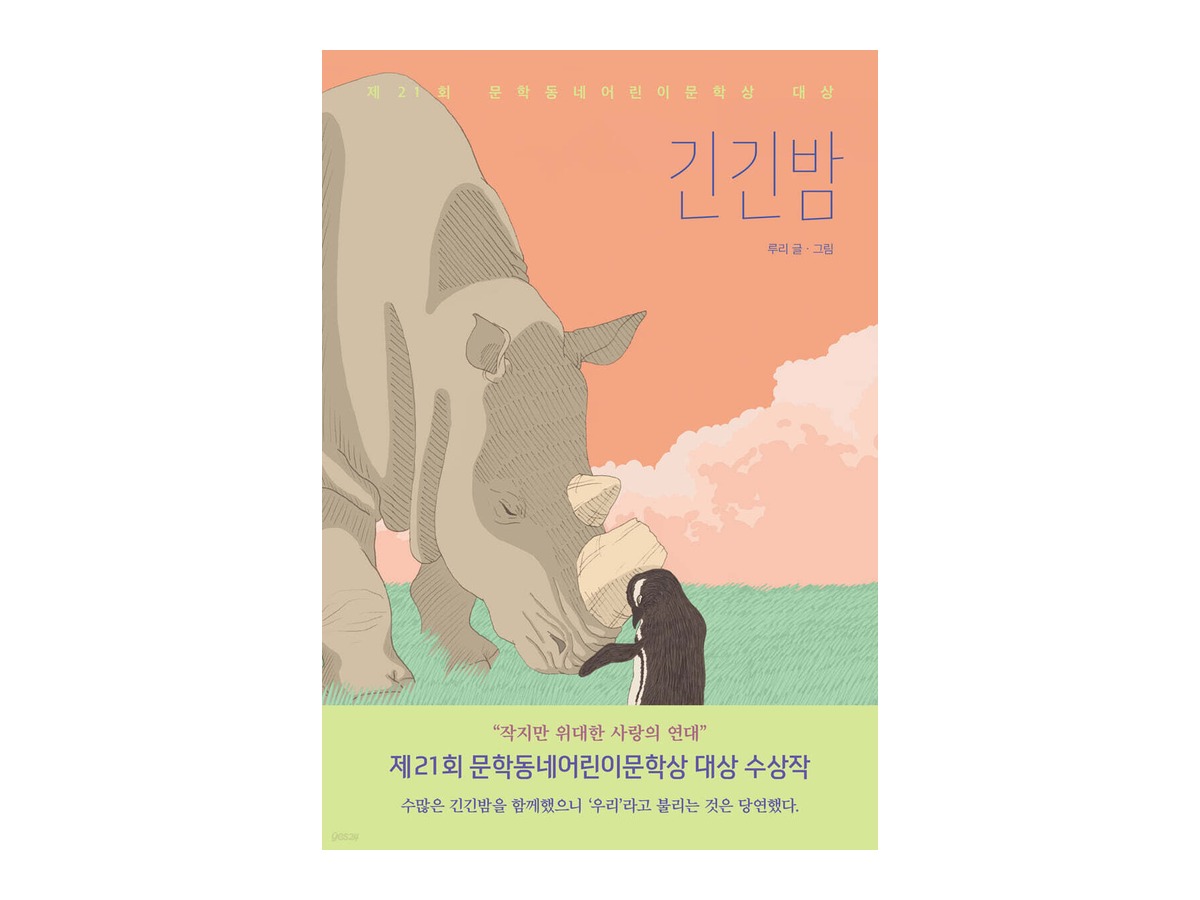
Long, Long Night
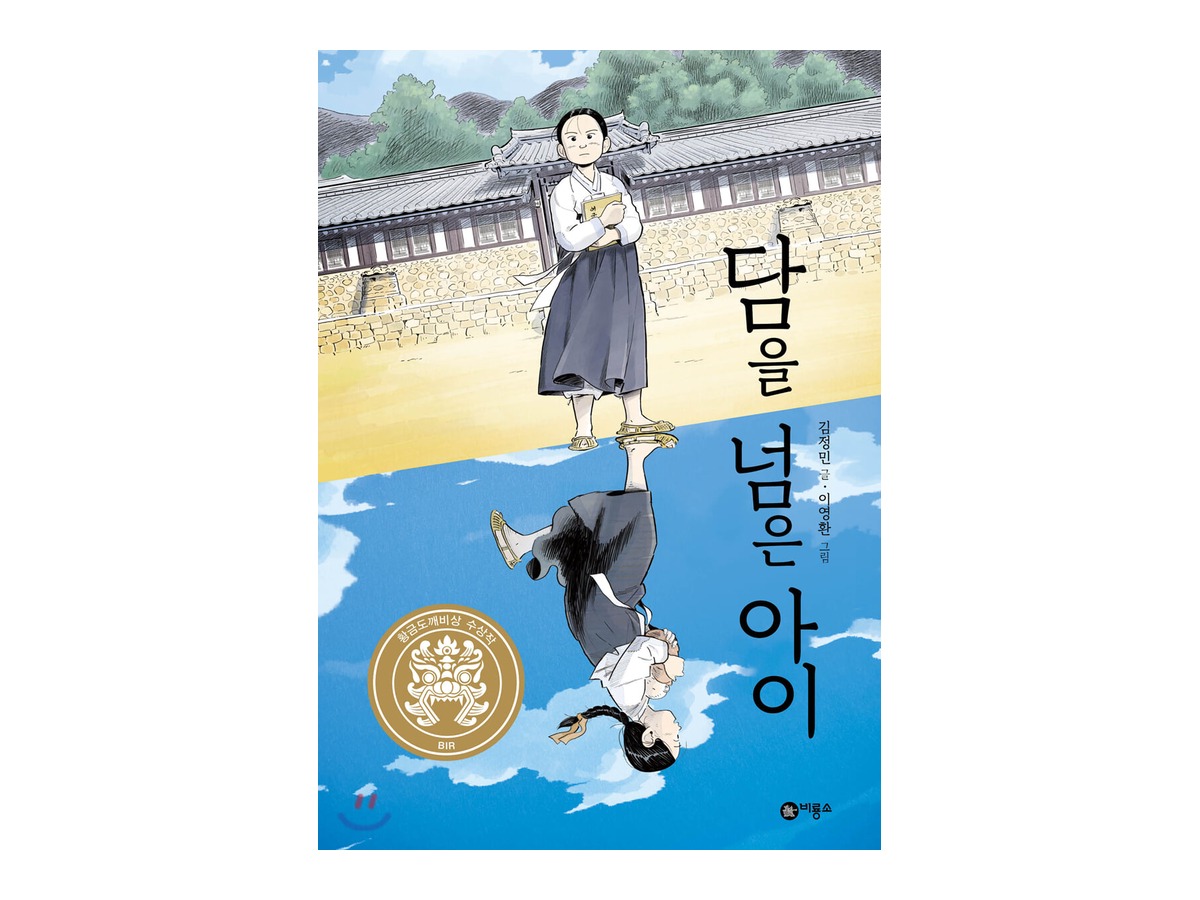
The Child Over the Wall
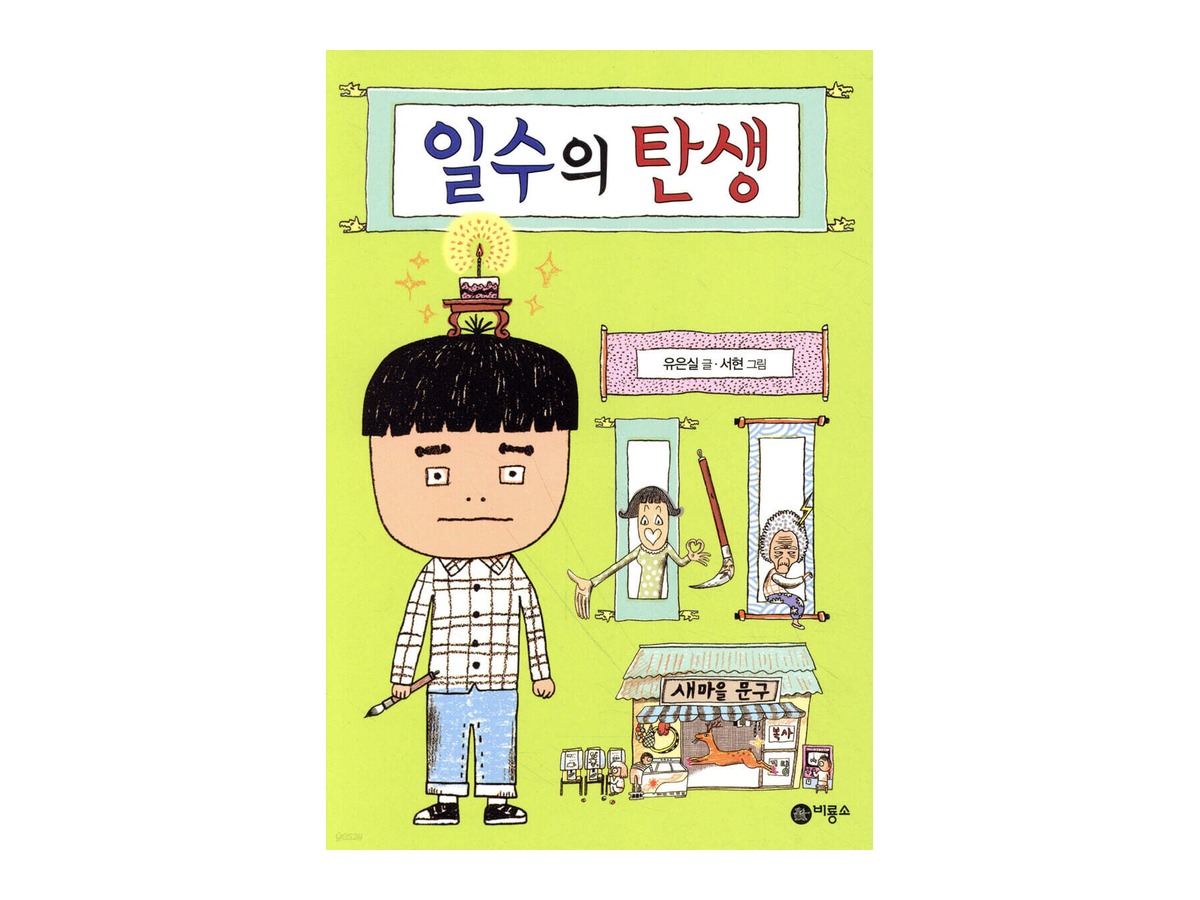
The Birth of Daily Life
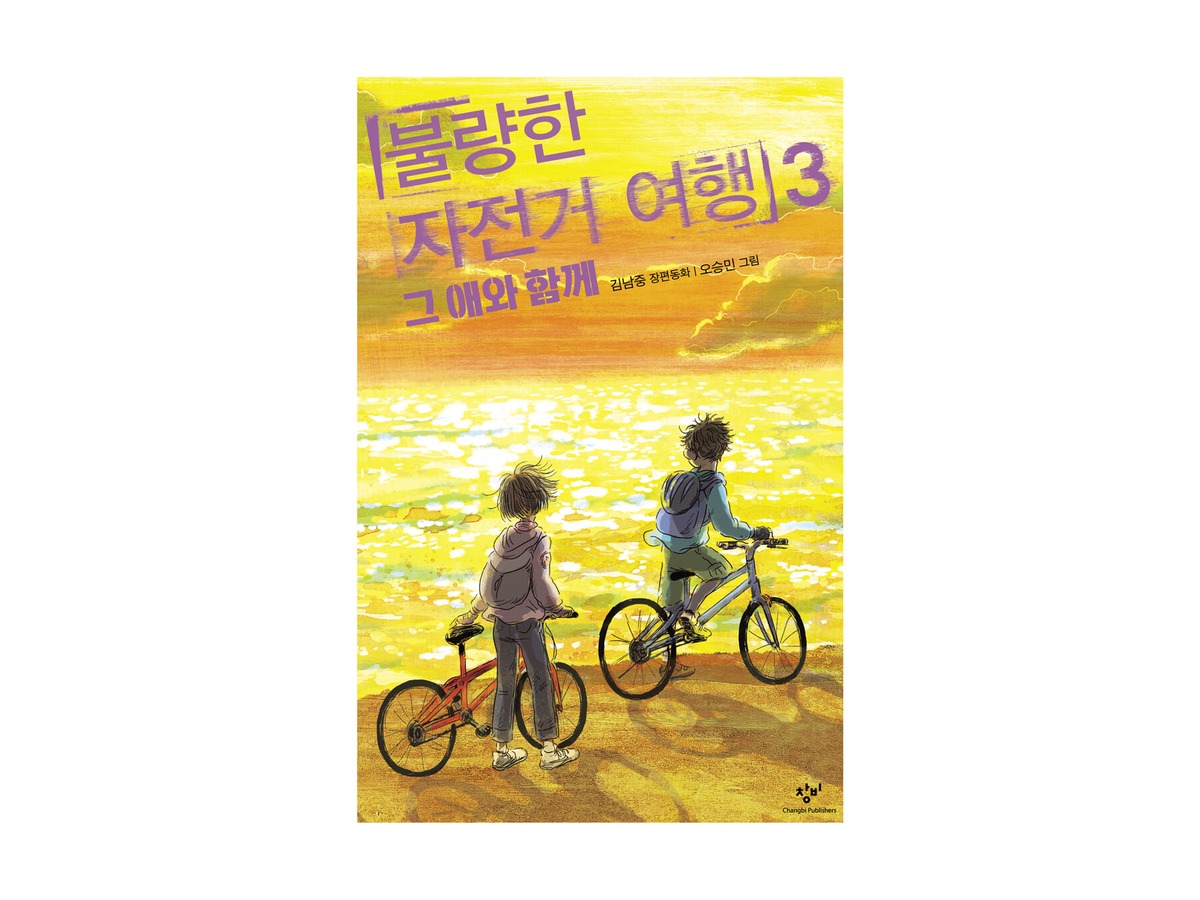
Rebellious Bicycle Journey 3
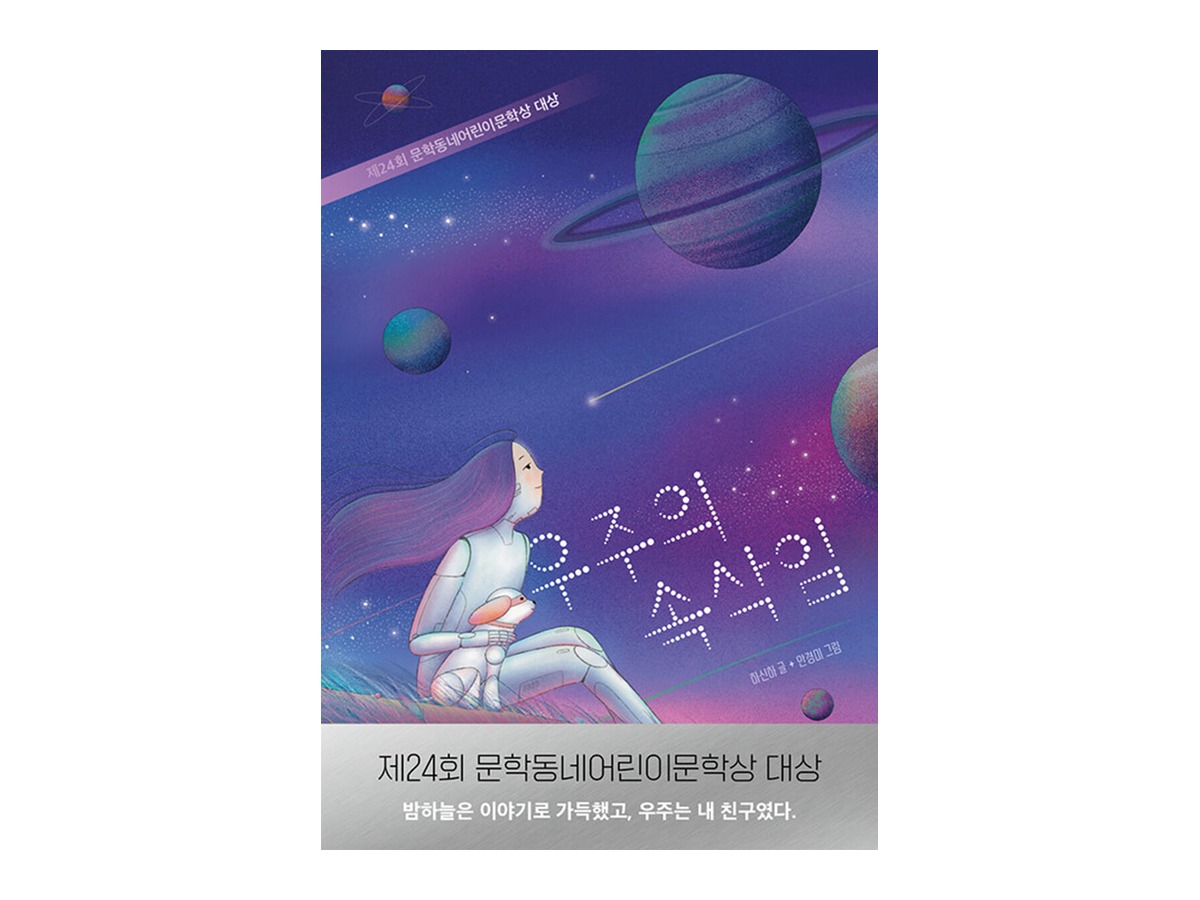
Whispers of the Universe
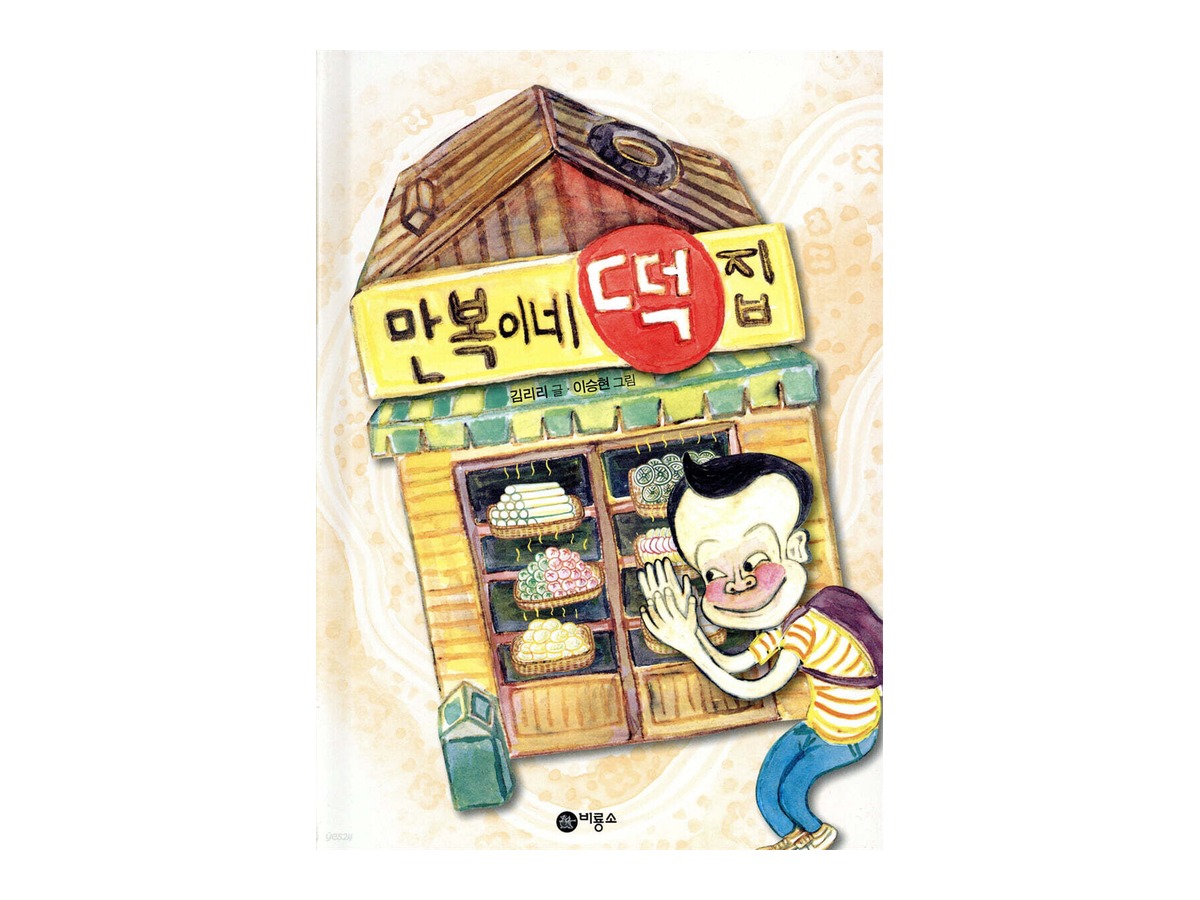
Manbok's Rice Cake Shop
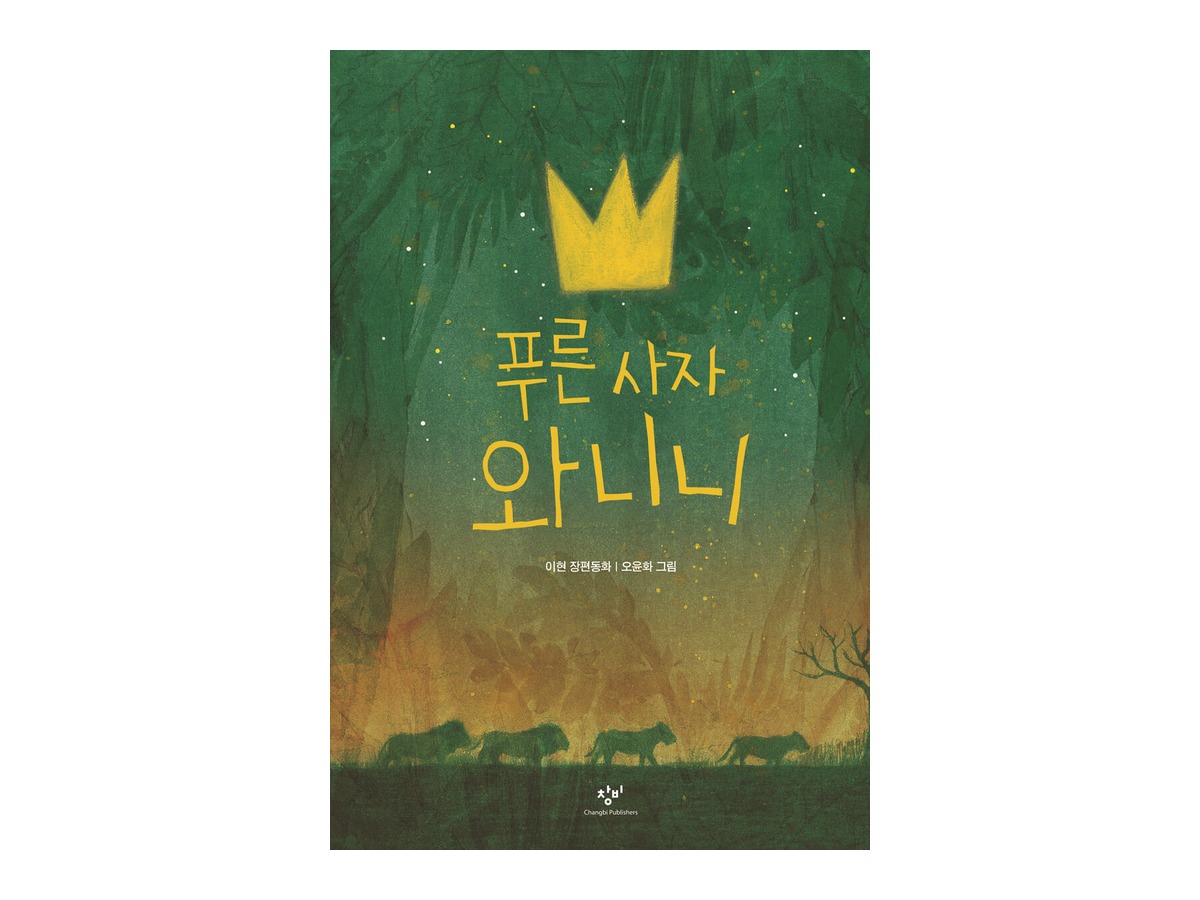
The Blue Lion Waniini
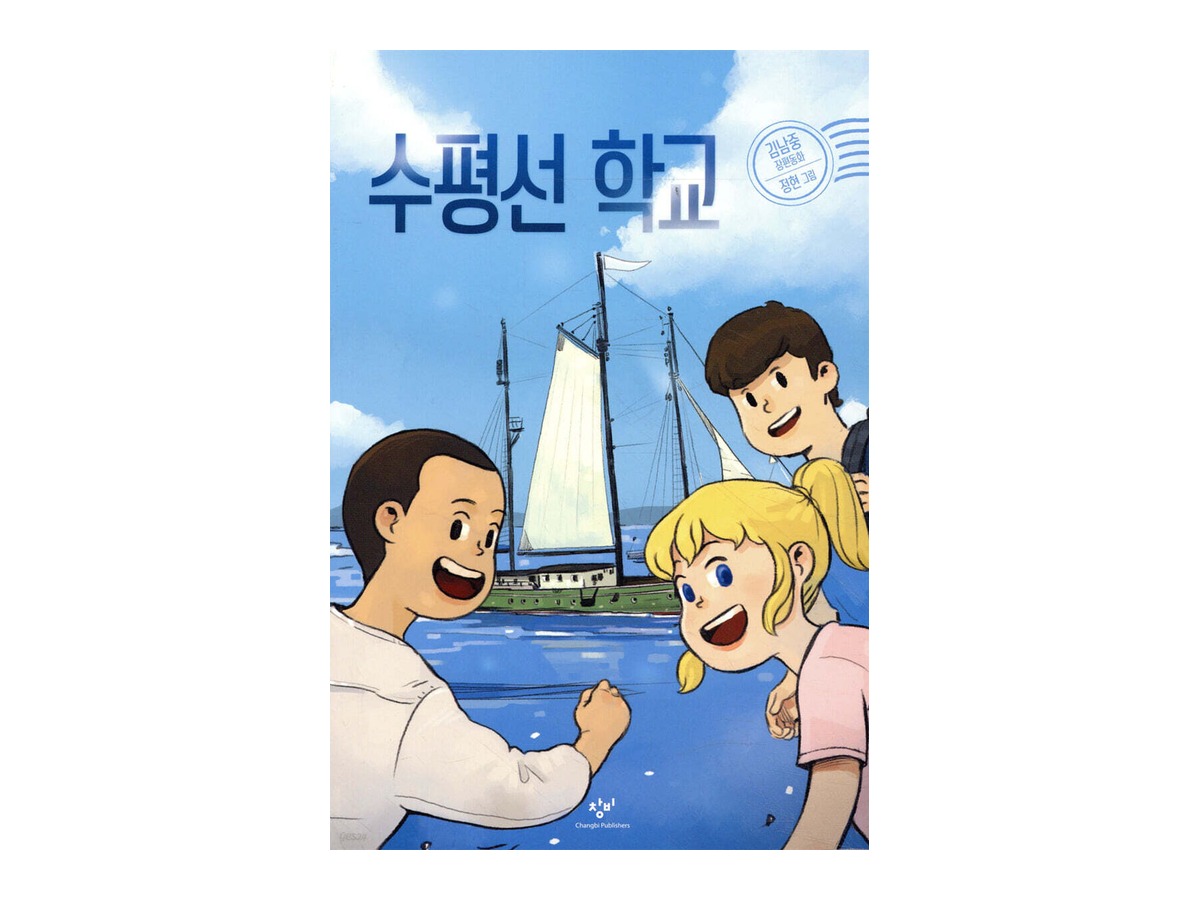
Horizon School
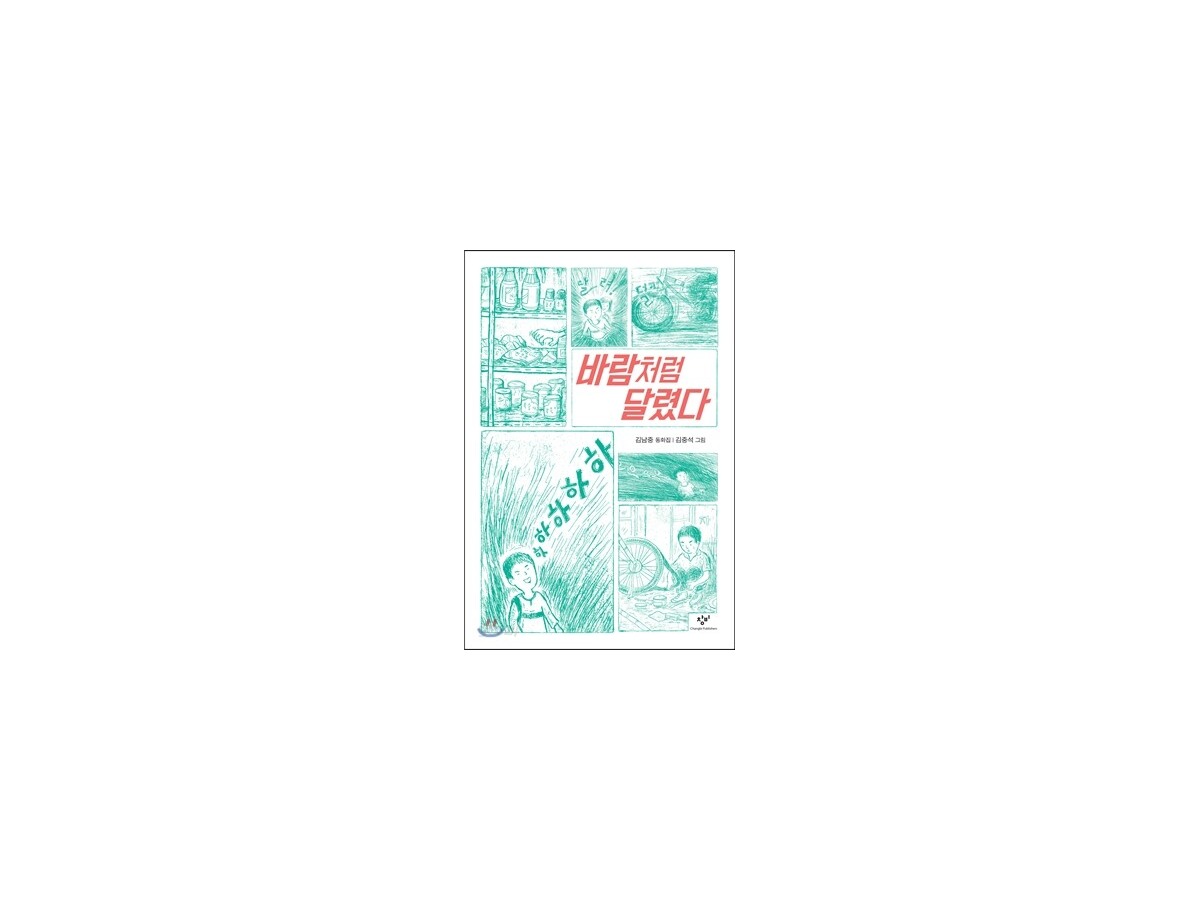
Ran Like the Wind
After utilizing the reading technique that transforms events in children's books into questions and evidence, reflect on which questions moved the writing rather than just the completeness of an impression piece. Even when reading different books from 'The Hen Who Dreamed She Could Fly' to 'Ran Like the Wind', there are perspectives that can be repeatedly used such as character choices, causes of events, value conflicts, and gaps in resources. Keeping a record of the scenes chosen by students, the questions they initially created, and the revised thoughts during discussions will make it easier to see how both written expression and interpretation have developed over time.
Feedback is not about scoring whether the lesson of the work was correctly identified. First, check whether arguments are connected to textual evidence, whether facts and interpretations are distinguished, and whether there's enough explanation for other readers to understand. If the evidence is weak, instead of correcting sentences, decide which scene to revisit, and if a perspective is simplistic, try adding just one more viewpoint from another character or external resources. Students should be able to explain the differences before and after revisions in their own words so that they can carry the method over to the next book.
Ultimately, the goal of children's reading and writing books is not to finish as many recommended titles as possible. It's important to thoroughly engage with one book using the technique of transforming events into questions and evidence, leaving behind records of questions, arguments, outlines, drafts, and rewrites. Given the possibility of books going out of print or changing editions, check titles, authors, and publishers to find them at libraries and bookstores, and look at the content and reading difficulty directly. There's no guaranteed method for correct book reviews or improving grades, but such reading and revision records will serve as concrete criteria for selecting the next book and adjusting essay assignments.
이 포스팅은 쿠팡 파트너스 활동의 일환으로, 이에 따른 일정액의 수수료를 제공받습니다.
댓글 0
로그인 후 댓글을 작성할 수 있습니다.
첫 댓글을 남겨보세요.
이런 리스트는 어때요?


이런 리스트도 추천해요


여기서 멈추기엔 아쉽잖아?
다음에 뭘 볼지 고민하는 시간이 제일 아까워.
주사위가 대신 골라줄게 — 무슨 리스트가 튀어나올지는 굴려봐야 알지.
안 누르면… 평생 궁금하지 않겠어? 👀