Collection
Basketball
2026.09.23
Screens and Cuts that Create Offense Even Without the Ball
From Pick and Roll to Backdoor: How Five Players Occupy the Same Space
When a basketball offense stagnates, it's easy to think that the problem lies solely with the dribbler. In reality, the issue often lies with two or three players without the ball staying in the same spot, or mismatched timing between the start of screens and cuts that eliminates passing opportunities. Good movement aims to change the defensive focus and create new options between the basket and the perimeter, rather than just showcasing flashy skills.
This list organizes the concepts of screens, cuts, and filling space as they appear in the Jr. NBA training process, tailored to actual game situations. It goes beyond merely introducing the names of the movements to explain when to use them, what to read, and what to check to avoid illegal screens or collisions during movement, so teams can discuss strategies during practice right away.
This list organizes the concepts of screens, cuts, and filling space as they appear in the Jr. NBA training process, tailored to actual game situations. It goes beyond merely introducing the names of the movements to explain when to use them, what to read, and what to check to avoid illegal screens or collisions during movement, so teams can discuss strategies during practice right away.
On-Ball Screen
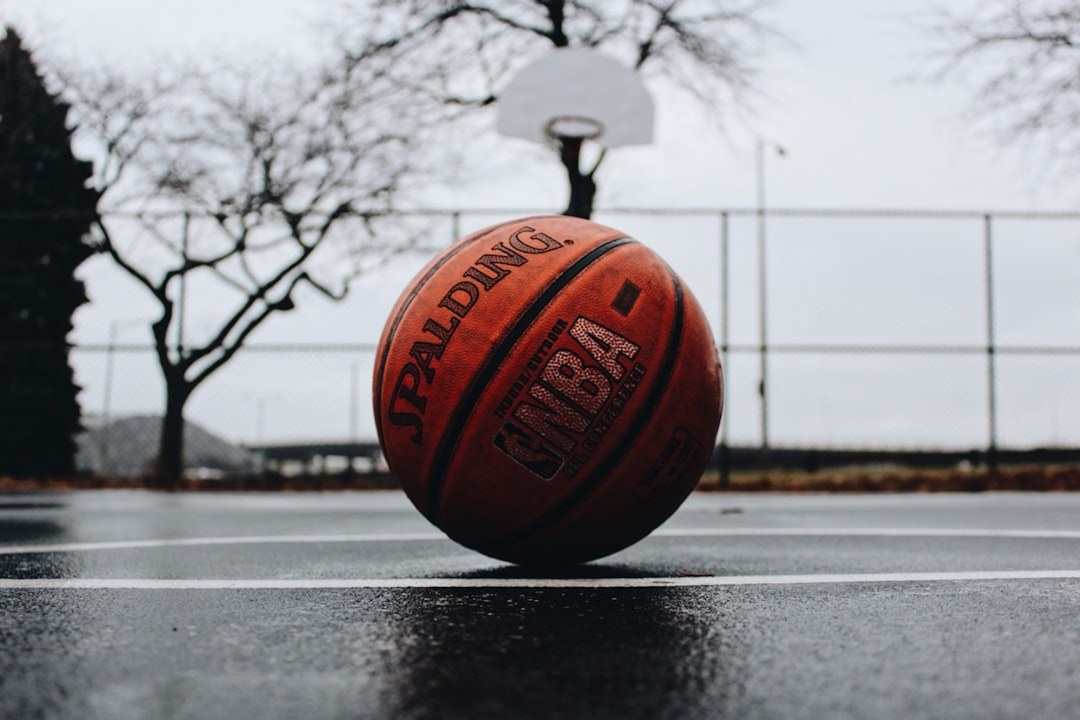
The on-ball screen is a movement in "Screens and Cuts that Create Offense Even Without the Ball" for reading the space you create without the ball. It starts with reading whether the defender goes over or under the screen. It mainly comes up when the ball handler and the screener begin their two-on-two reads, and where the defense moved decides the outcome more than the name of the move.
If you also remember that contact while the screener is moving can be an illegal screen, you can cut down on mistakes. With screens and cuts, reading where the defense moved comes before memorizing the names of the moves. The same movement can lead to different results depending on how the defense responds, so rather than settling on one answer, it's best to learn it by practicing your timing with teammates.
If you also remember that contact while the screener is moving can be an illegal screen, you can cut down on mistakes. With screens and cuts, reading where the defense moved comes before memorizing the names of the moves. The same movement can lead to different results depending on how the defense responds, so rather than settling on one answer, it's best to learn it by practicing your timing with teammates.
핵심 핵심 읽기: 수비의 위·아래 통과
추천 상황 볼 핸들러와 스크리너가 2대2 읽기를 시작할 때
확인할 점 스크리너가 움직인 채 접촉하면 불법 스크린이 될 수 있음
Pick and Roll
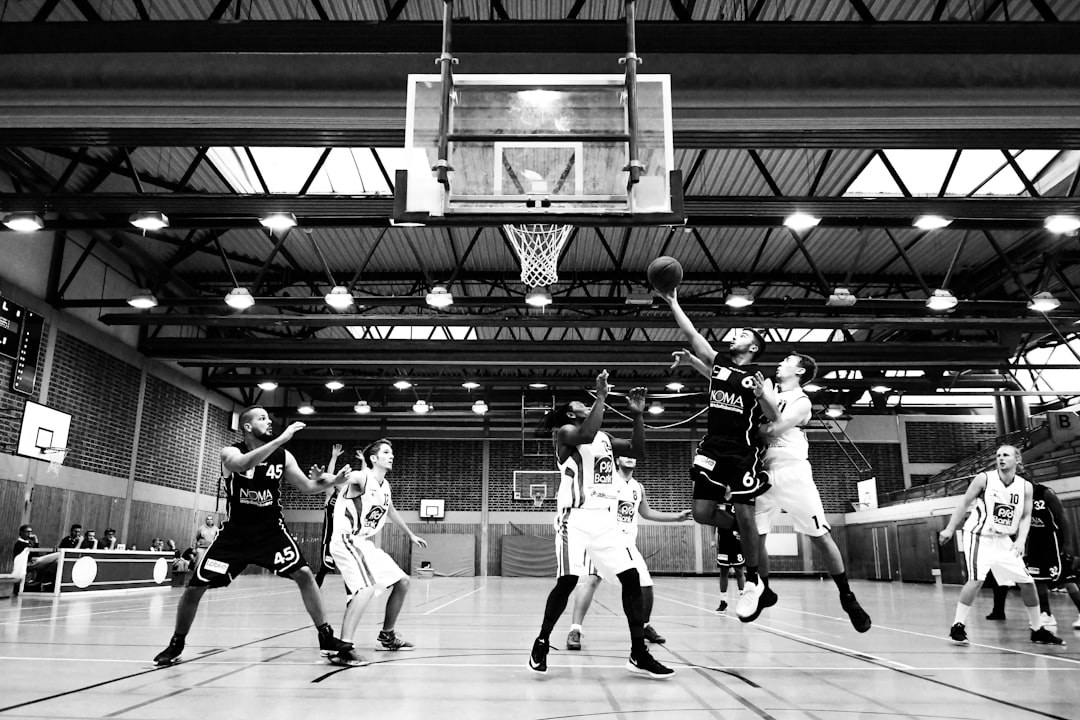
The pick and roll is a movement in "Screens and Cuts that Create Offense Even Without the Ball" for reading the space you create without the ball. It starts with reading the defense on the roll and the help from the weak side. It mainly comes up when the ball handler and a big man create pressure near the basket, and where the defense moved decides the outcome more than the name of the move.
If you also remember that rolling too early wipes out the effect of the screen and narrows the passing angle, you can cut down on mistakes. With screens and cuts, reading where the defense moved comes before memorizing the names of the moves. The same movement can lead to different results depending on how the defense responds, so rather than settling on one answer, it's best to learn it by practicing your timing with teammates.
If you also remember that rolling too early wipes out the effect of the screen and narrows the passing angle, you can cut down on mistakes. With screens and cuts, reading where the defense moved comes before memorizing the names of the moves. The same movement can lead to different results depending on how the defense responds, so rather than settling on one answer, it's best to learn it by practicing your timing with teammates.
핵심 핵심 읽기: 롤 수비와 약한 쪽 도움
추천 상황 볼 핸들러와 빅맨이 골밑 압박을 만들 때
확인할 점 너무 일찍 롤하면 스크린 효과가 사라지고 패스 각도도 좁아짐
Pick and Pop
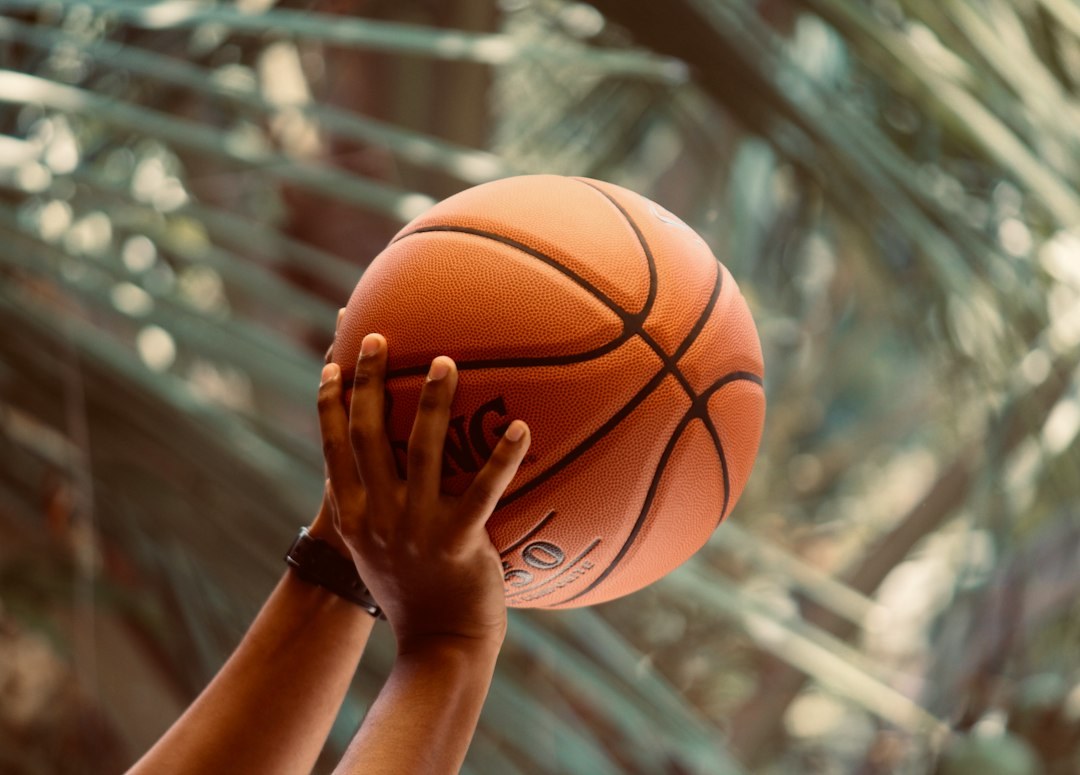
The pick and pop is a movement in "Screens and Cuts that Create Offense Even Without the Ball" for reading the space you create without the ball. It starts with reading whether the big man's defender stays near the basket. It mainly comes up with a big man who can shoot from outside, and where the defense moved decides the outcome more than the name of the move.
If you also remember that the pop spot must not overlap with the ball handler's driving lane, you can cut down on mistakes. With screens and cuts, reading where the defense moved comes before memorizing the names of the moves. The same movement can lead to different results depending on how the defense responds, so rather than settling on one answer, it's best to learn it by practicing your timing with teammates.
If you also remember that the pop spot must not overlap with the ball handler's driving lane, you can cut down on mistakes. With screens and cuts, reading where the defense moved comes before memorizing the names of the moves. The same movement can lead to different results depending on how the defense responds, so rather than settling on one answer, it's best to learn it by practicing your timing with teammates.
핵심 핵심 읽기: 빅맨 수비의 골밑 잔류
추천 상황 외곽 슛이 가능한 빅맨과 함께할 때
확인할 점 팝 위치가 볼 핸들러의 돌파선과 겹치지 않아야 함
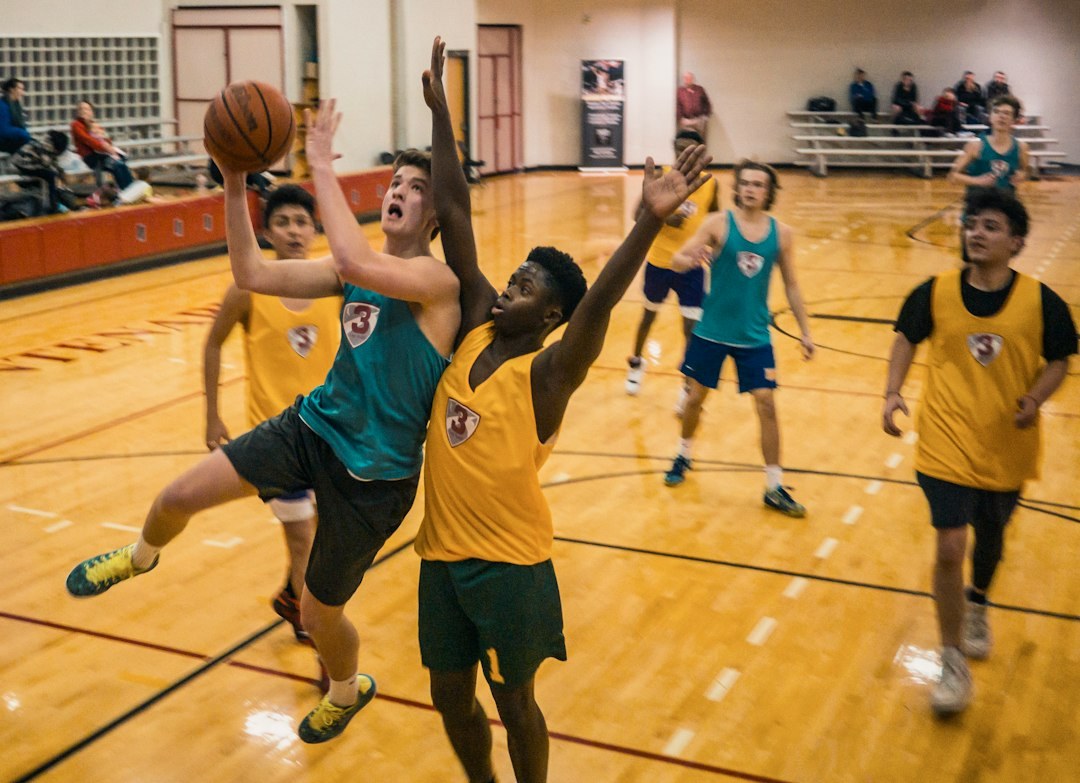
Back Screen
The back screen is a movement in "Screens and Cuts that Create Offense Even Without the Ball" for reading the space you create without the ball. It starts with reading where the defender is looking. It mainly comes up when creating a chance near the basket while the defender's eyes are drawn toward the ball, and where the defense moved decides the outcome more than the name of the move.
Because the contact comes from where the defender can't see it, a set stance and your teammate's timing are especially important. With screens and cuts, reading where the defense moved comes before memorizing the names of the moves. The same movement can lead to different results depending on how the defense responds, so rather than settling on one answer, it's best to learn it by practicing your timing with teammates.
Because the contact comes from where the defender can't see it, a set stance and your teammate's timing are especially important. With screens and cuts, reading where the defense moved comes before memorizing the names of the moves. The same movement can lead to different results depending on how the defense responds, so rather than settling on one answer, it's best to learn it by practicing your timing with teammates.
핵심 핵심 읽기: 수비의 시선
추천 상황 수비 시선이 공 쪽으로 쏠렸을 때 골밑 찬스를 만들 때
확인할 점 보이지 않는 접촉이므로 정지 자세와 동료의 타이밍이 특히 중요
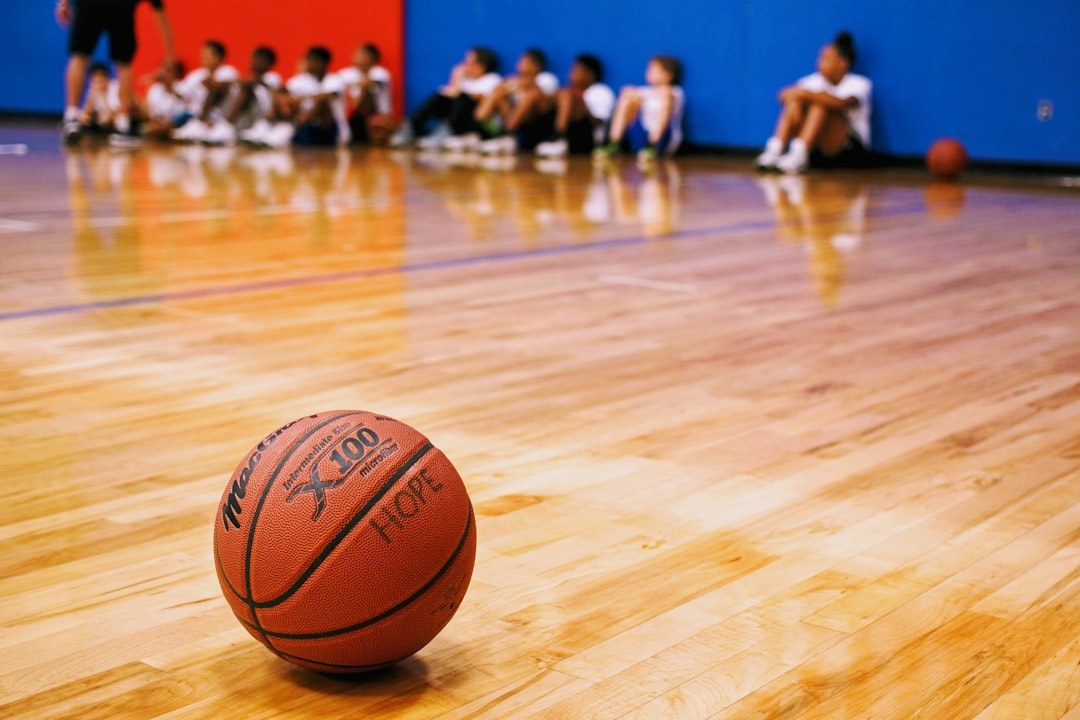
Down Screen
The down screen is a movement in "Screens and Cuts that Create Offense Even Without the Ball" for reading the space you create without the ball. It starts with reading the direction the shooter's defender chases. It mainly comes up when creating wing or elbow positions for catch-and-shoot, and where the defense moved decides the outcome more than the name of the move.
If you also remember that when the shooter curls too far from the screen, the defender slips through the gap, you can cut down on mistakes. With screens and cuts, reading where the defense moved comes before memorizing the names of the moves. The same movement can lead to different results depending on how the defense responds, so rather than settling on one answer, it's best to learn it by practicing your timing with teammates.
If you also remember that when the shooter curls too far from the screen, the defender slips through the gap, you can cut down on mistakes. With screens and cuts, reading where the defense moved comes before memorizing the names of the moves. The same movement can lead to different results depending on how the defense responds, so rather than settling on one answer, it's best to learn it by practicing your timing with teammates.
핵심 핵심 읽기: 슈터 수비의 추격 방향
추천 상황 캐치앤슛을 위한 윙·엘보 위치를 만들 때
확인할 점 슈터가 스크린과 너무 멀리 돌면 수비가 사이로 통과함
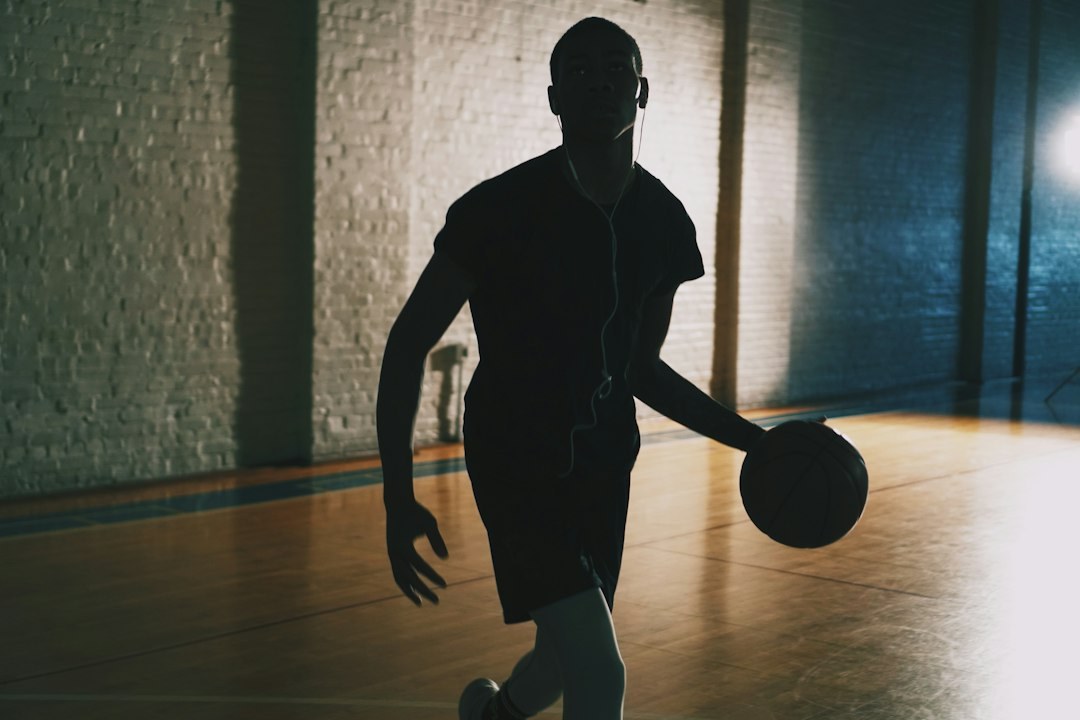
Flare Screen
The flare screen is a movement in "Screens and Cuts that Create Offense Even Without the Ball" for reading the space you create without the ball. It starts with reading the position of the help defense. It mainly comes up when creating room for outside shots on the wing or in the corner, and where the defense moved decides the outcome more than the name of the move.
If you also remember that a long pass is risky when there's no clear line of sight between the passer and the shooter, you can cut down on mistakes. With screens and cuts, reading where the defense moved comes before memorizing the names of the moves. The same movement can lead to different results depending on how the defense responds, so rather than settling on one answer, it's best to learn it by practicing your timing with teammates.
If you also remember that a long pass is risky when there's no clear line of sight between the passer and the shooter, you can cut down on mistakes. With screens and cuts, reading where the defense moved comes before memorizing the names of the moves. The same movement can lead to different results depending on how the defense responds, so rather than settling on one answer, it's best to learn it by practicing your timing with teammates.
핵심 핵심 읽기: 도움 수비의 위치
추천 상황 윙이나 코너의 외곽 슛 공간을 만들 때
확인할 점 패서와 슈터 사이 시야가 열리지 않으면 긴 패스가 위험함
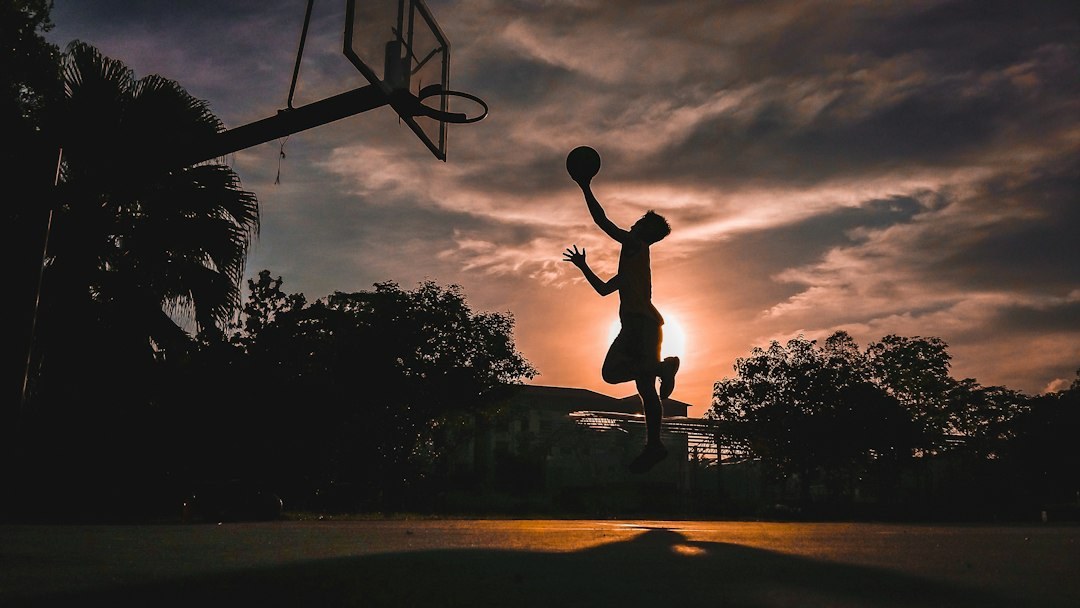
Pass and Cut
The pass and cut is a movement in "Screens and Cuts that Create Offense Even Without the Ball" for reading the space you create without the ball. It starts with reading the defense's reaction right after the pass. It mainly comes up when turning the defenders' heads and circulating space in a stalled offense, and where the defense moved decides the outcome more than the name of the move.
If you also remember not to stop in the same spot after cutting but to refill the spacing on the opposite side, you can cut down on mistakes. With screens and cuts, reading where the defense moved comes before memorizing the names of the moves. The same movement can lead to different results depending on how the defense responds, so rather than settling on one answer, it's best to learn it by practicing your timing with teammates.
If you also remember not to stop in the same spot after cutting but to refill the spacing on the opposite side, you can cut down on mistakes. With screens and cuts, reading where the defense moved comes before memorizing the names of the moves. The same movement can lead to different results depending on how the defense responds, so rather than settling on one answer, it's best to learn it by practicing your timing with teammates.
핵심 핵심 읽기: 패스 직후 수비 반응
추천 상황 정체된 공격에서 수비 머리를 돌리고 공간을 순환할 때
확인할 점 컷 뒤 같은 자리에 멈추지 말고 반대편 간격을 다시 채움
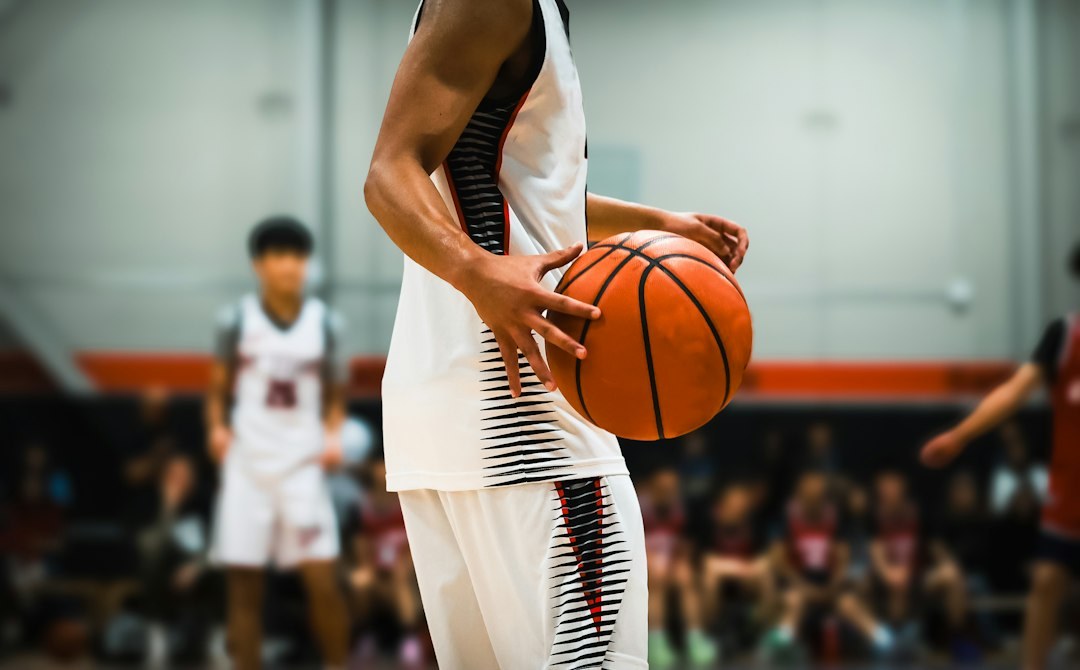
Backdoor Cut
The backdoor cut is a movement in "Screens and Cuts that Create Offense Even Without the Ball" for reading the space you create without the ball. It starts with reading the direction of the defender's feet and hands. It mainly comes up when turning an overplaying defense against itself, and where the defense moved decides the outcome more than the name of the move.
If you also remember that taking off without making eye contact with the passer raises the risk of a turnover, you can cut down on mistakes. With screens and cuts, reading where the defense moved comes before memorizing the names of the moves. The same movement can lead to different results depending on how the defense responds, so rather than settling on one answer, it's best to learn it by practicing your timing with teammates.
If you also remember that taking off without making eye contact with the passer raises the risk of a turnover, you can cut down on mistakes. With screens and cuts, reading where the defense moved comes before memorizing the names of the moves. The same movement can lead to different results depending on how the defense responds, so rather than settling on one answer, it's best to learn it by practicing your timing with teammates.
핵심 핵심 읽기: 수비 발과 손의 방향
추천 상황 오버플레이 수비를 역이용할 때
확인할 점 패서와 눈맞춤 없이 출발하면 턴오버 위험이 커짐
Drift Cut
The drift cut is a movement in "Screens and Cuts that Create Offense Even Without the Ball" for reading the space you create without the ball. It starts with reading how deep the driver goes. It mainly comes up when creating a kick-out angle as the help defense collapses toward the basket, and where the defense moved decides the outcome more than the name of the move.
If you also remember that moving too early lets the defender move with you, while moving too late closes the passing window, you can cut down on mistakes. With screens and cuts, reading where the defense moved comes before memorizing the names of the moves. The same movement can lead to different results depending on how the defense responds, so rather than settling on one answer, it's best to learn it by practicing your timing with teammates.
If you also remember that moving too early lets the defender move with you, while moving too late closes the passing window, you can cut down on mistakes. With screens and cuts, reading where the defense moved comes before memorizing the names of the moves. The same movement can lead to different results depending on how the defense responds, so rather than settling on one answer, it's best to learn it by practicing your timing with teammates.
핵심 핵심 읽기: 돌파자의 깊이
추천 상황 도움 수비가 골밑으로 좁혀질 때 킥아웃 각도를 만들 때
확인할 점 너무 빠르면 수비가 함께 이동하고 늦으면 패스 창이 닫힘
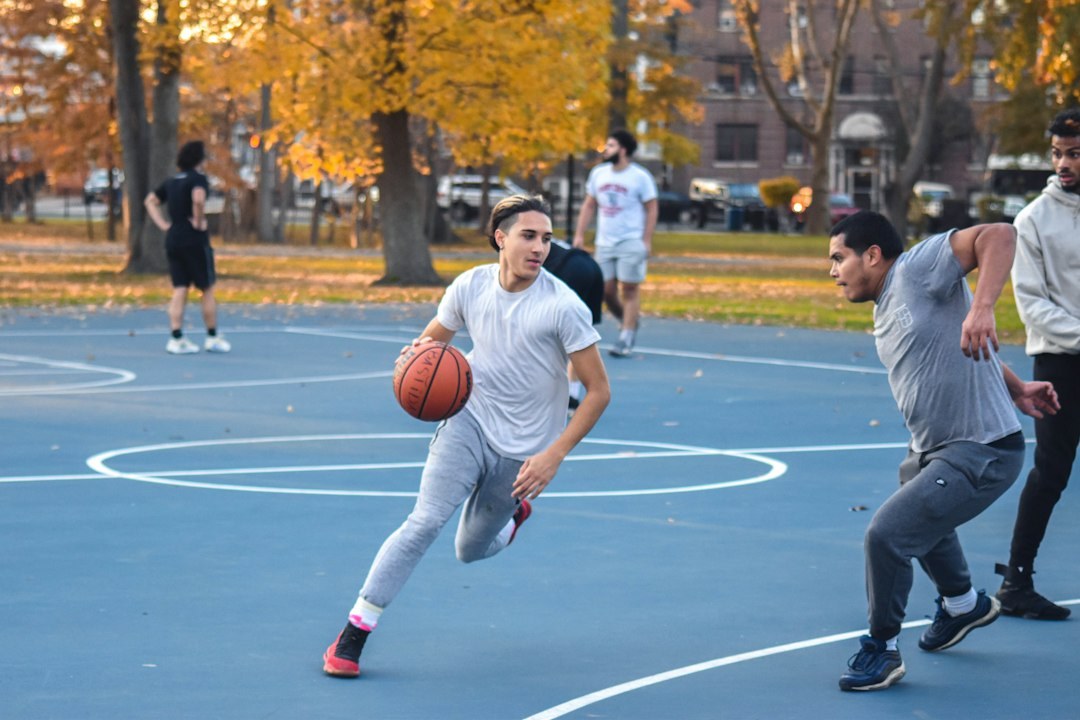
45-Degree Cut
The 45-degree cut is a movement in "Screens and Cuts that Create Offense Even Without the Ball" for reading the space you create without the ball. It starts with reading the weak-side help defense. It mainly comes up when a drive on the opposite side has pulled the defense in, and where the defense moved decides the outcome more than the name of the move.
If you also remember to move into open space a beat later so you don't collide with the driving lane, you can cut down on mistakes. With screens and cuts, reading where the defense moved comes before memorizing the names of the moves. The same movement can lead to different results depending on how the defense responds, so rather than settling on one answer, it's best to learn it by practicing your timing with teammates.
If you also remember to move into open space a beat later so you don't collide with the driving lane, you can cut down on mistakes. With screens and cuts, reading where the defense moved comes before memorizing the names of the moves. The same movement can lead to different results depending on how the defense responds, so rather than settling on one answer, it's best to learn it by practicing your timing with teammates.
핵심 핵심 읽기: 약한 쪽 도움 수비
추천 상황 반대편 돌파가 수비를 끌어당겼을 때
확인할 점 돌파선과 충돌하지 않도록 한 박자 뒤 빈 공간으로 움직임
In screens and cuts, training to read defensive reactions is more important than memorizing set plays. For instance, if the defense follows the on-ball screen upwards, it may open up space towards the basket; passing through below can create shooting space. Make sure to establish eye contact with teammates before initiating the movement and fill in any openings after the play to ensure the next pass can follow smoothly.
When practicing for the first time, start without defense and slow down to adjust the spacing between all five players. Gradually increase the difficulty with passive defense and then real defense, allowing for practice in both contact and decision-making. Be cautious with screens, as moving while making contact can result in an offensive foul; ensure proper stopping posture and maintain safe distances, and connect cuts without blocking your teammate's driving lane.
When practicing for the first time, start without defense and slow down to adjust the spacing between all five players. Gradually increase the difficulty with passive defense and then real defense, allowing for practice in both contact and decision-making. Be cautious with screens, as moving while making contact can result in an offensive foul; ensure proper stopping posture and maintain safe distances, and connect cuts without blocking your teammate's driving lane.
At a glance
10 items
As part of the Coupang Partners program, this post may earn a commission from qualifying purchases.
Comments 0
Log in to leave a comment.
Be the first to comment.
How about these lists?


You might also like


🎲
Not ready to stop here?
Wondering what to read next is the biggest waste of time.
Let the dice decide — you won't know what pops up until you roll.
If you don't press it… won't you wonder forever? 👀