
Collection
Basketball
2026.09.23
Understanding Basketball Positions Through Movement Rather Than Height
From the point guard to modern hybrid roles: what to watch and where to move on the court
If you only memorize basketball positions by height, confusion arises as players switch places in actual games. A point guard carries the ball but doesn't always make the first pass, and centers can execute screens and passes from the perimeter. What's crucial is the space created in offense, the area responsibilities in defense, and the next movements that follow when the ball is not in play.
This list connects the traditional five positions described by Jr. NBA to modern roles frequently used in today's basketball, such as combo guard, 3&D wing, and stretch big. Each entry is structured around the problems that the role needs to solve during the game and the movements that beginners should observe, without defining physical attributes too strictly.
This list connects the traditional five positions described by Jr. NBA to modern roles frequently used in today's basketball, such as combo guard, 3&D wing, and stretch big. Each entry is structured around the problems that the role needs to solve during the game and the movements that beginners should observe, without defining physical attributes too strictly.
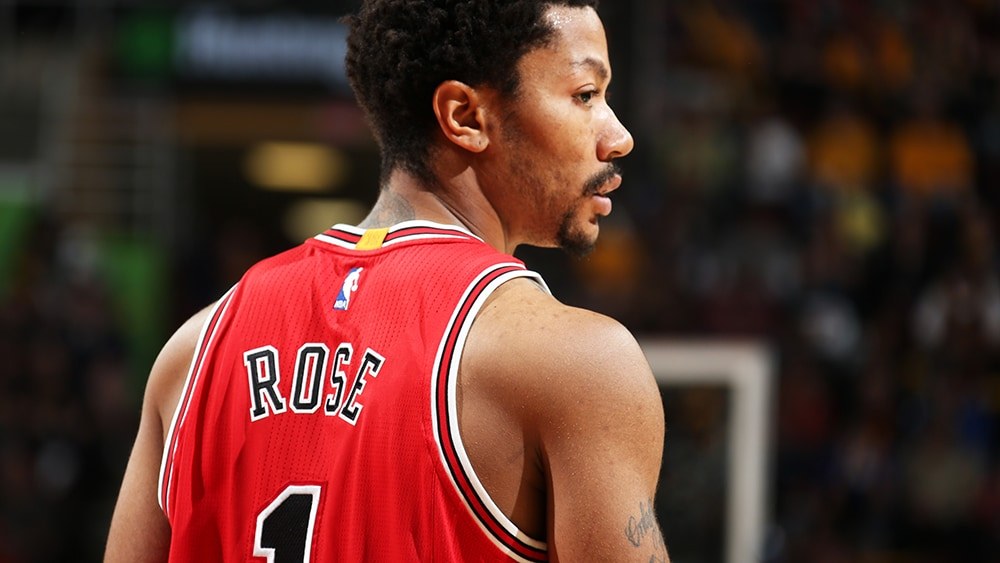
Point Guard
The point guard is a position in "Understanding Basketball Positions Through Movement Rather Than Height" read by the movements it takes on rather than by height. It's the spot responsible for bringing the ball up and running the offense. This is an overview that players who read their teammates' positions and the defensive alignment first, rather than just dribbling for a long time, need early on, and it's quicker to understand when you look at the movement taken on in that moment rather than the number.
Under pressure, manage safe passing angles and the pace of the game. Position names are just words that describe roles, not fixed spots. In real games, one player shifts between several roles, so it's quicker to understand when you go by the movement taken on in that moment rather than the number.
Under pressure, manage safe passing angles and the pace of the game. Position names are just words that describe roles, not fixed spots. In real games, one player shifts between several roles, so it's quicker to understand when you go by the movement taken on in that moment rather than the number.
핵심 역할: 볼 운반·공격 조율
추천 상황 드리블만 오래 하기보다 동료의 위치와 수비 배열을 먼저 읽는 선수
확인할 점 압박을 받았을 때 안전한 패스 각도와 경기 속도 조절
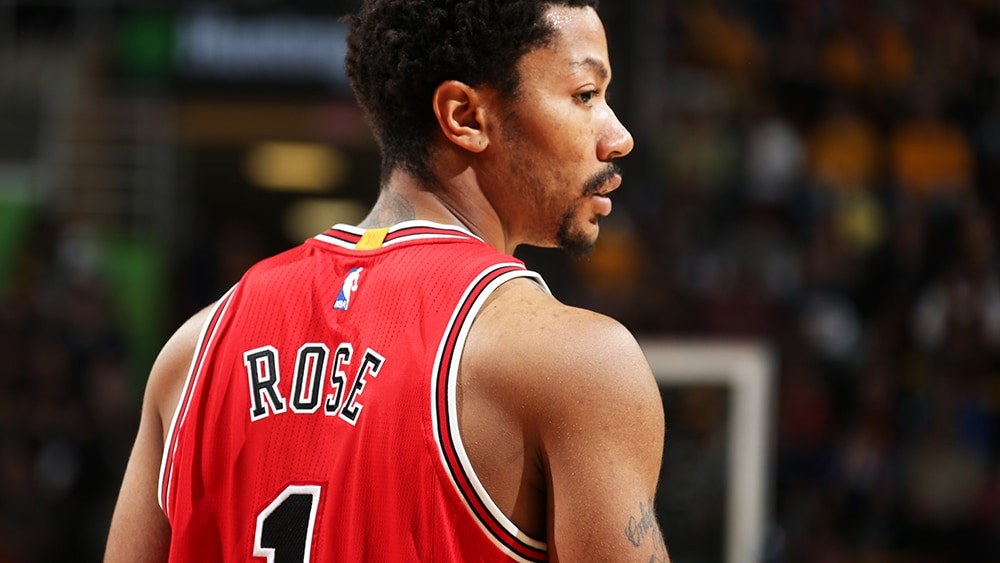
Shooting Guard
The shooting guard is a position in "Understanding Basketball Positions Through Movement Rather Than Height" read by the movements it takes on rather than by height. It's the spot responsible for perimeter scoring and secondary playmaking. This is an overview that players looking to learn catch-and-shoot, cutting, and secondary ball handling together need early on, and it's quicker to understand when you look at the movement taken on in that moment rather than the number.
If you also pay attention to movements that create space using screens instead of standing still waiting for a shot, your in-game decisions get faster. Position names are just words that describe roles, not fixed spots. In real games, one player shifts between several roles, so it's quicker to understand when you go by the movement taken on in that moment rather than the number.
If you also pay attention to movements that create space using screens instead of standing still waiting for a shot, your in-game decisions get faster. Position names are just words that describe roles, not fixed spots. In real games, one player shifts between several roles, so it's quicker to understand when you go by the movement taken on in that moment rather than the number.
핵심 역할: 외곽 득점·보조 전개
추천 상황 캐치앤슛과 컷인, 보조 볼 핸들링을 함께 익히려는 선수
확인할 점 슛을 기다리며 멈추지 않고 스크린을 이용해 공간을 만드는 움직임
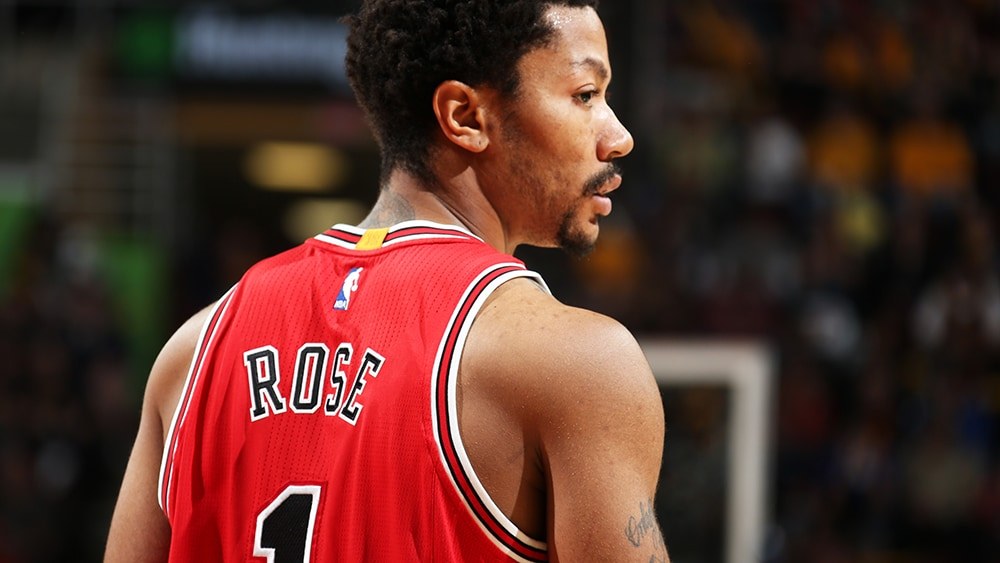
Small Forward
The small forward is a position in "Understanding Basketball Positions Through Movement Rather Than Height" read by the movements it takes on rather than by height. It's the spot that plays the role of a versatile wing. This is an overview that wing players who want to develop shooting, driving, and defense in balance need early on, and it's quicker to understand when you look at the movement taken on in that moment rather than the number.
If you also pay attention to corner and wing spacing on offense and communication about matchup switches on defense, your in-game decisions get faster. Position names are just words that describe roles, not fixed spots. In real games, one player shifts between several roles, so it's quicker to understand when you go by the movement taken on in that moment rather than the number.
If you also pay attention to corner and wing spacing on offense and communication about matchup switches on defense, your in-game decisions get faster. Position names are just words that describe roles, not fixed spots. In real games, one player shifts between several roles, so it's quicker to understand when you go by the movement taken on in that moment rather than the number.
핵심 역할: 다목적 윙
추천 상황 슛·돌파·수비를 균형 있게 키우고 싶은 윙 플레이어
확인할 점 공격 때 코너와 윙 간격, 수비 때 매치업 전환에 대한 의사소통
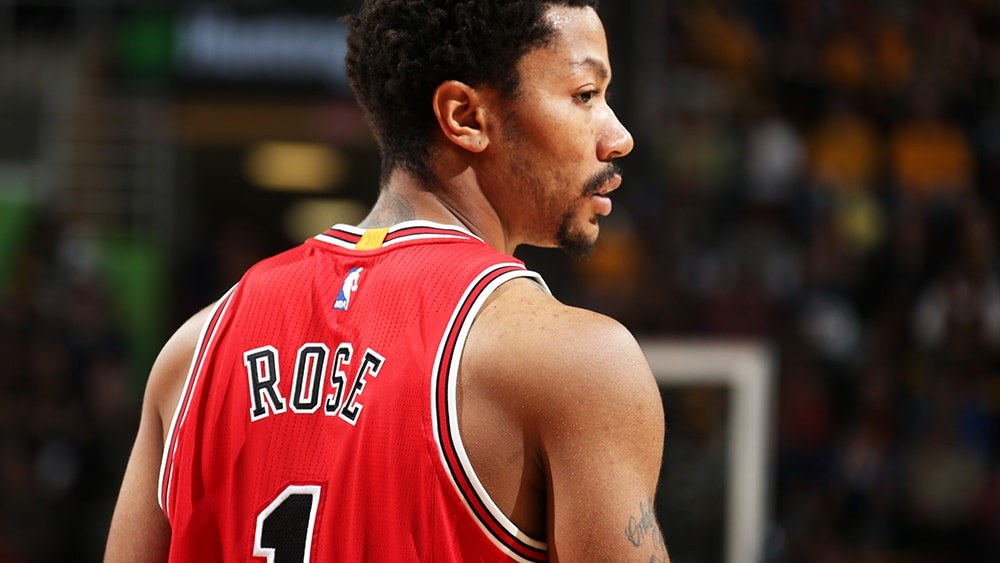
Power Forward
The power forward is a position in "Understanding Basketball Positions Through Movement Rather Than Height" read by the movements it takes on rather than by height. It's the spot responsible for rebounding and screening. This is an overview that frontcourt players who combine physicality with mid-range and three-point ability need early on, and it's quicker to understand when you look at the movement taken on in that moment rather than the number.
After setting a screen, judge whether a roll or a pop better fits the team's spacing. Position names are just words that describe roles, not fixed spots. In real games, one player shifts between several roles, so it's quicker to understand when you go by the movement taken on in that moment rather than the number.
After setting a screen, judge whether a roll or a pop better fits the team's spacing. Position names are just words that describe roles, not fixed spots. In real games, one player shifts between several roles, so it's quicker to understand when you go by the movement taken on in that moment rather than the number.
핵심 역할: 리바운드·스크린
추천 상황 몸싸움과 중거리·3점 능력을 함께 쓰는 프런트코트 선수
확인할 점 스크린 뒤 롤과 팝 중 무엇이 팀 공간에 맞는지 판단
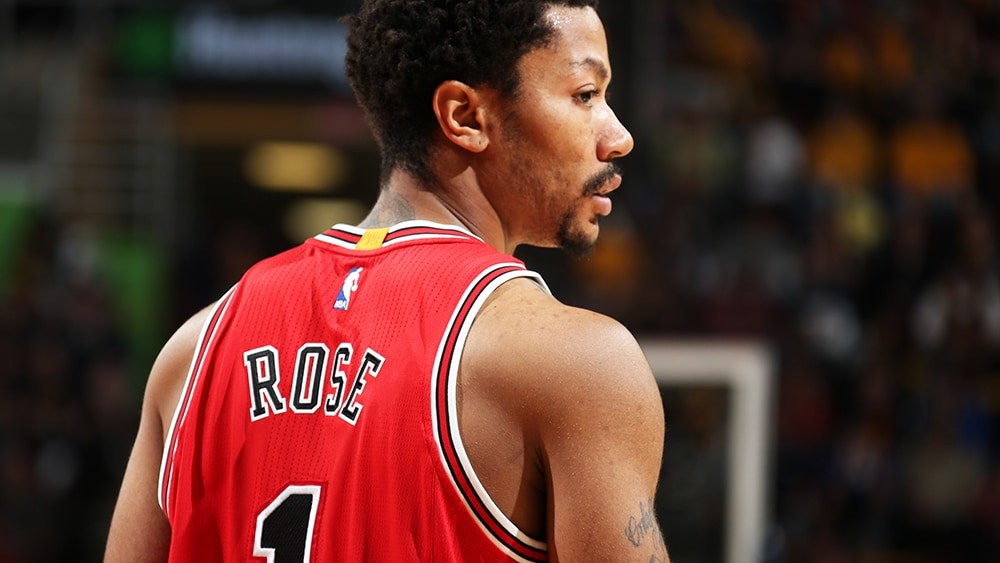
Center
The center is a position in "Understanding Basketball Positions Through Movement Rather Than Height" read by the movements it takes on rather than by height. It's the spot responsible for protecting the rim and finishing near the basket. This is an overview that big men who want to improve their positioning and defensive impact in the paint need early on, and it's quicker to understand when you look at the movement taken on in that moment rather than the number.
Rather than just following the ball, check who you need to box out and the timing of help defense. Position names are just words that describe roles, not fixed spots. In real games, one player shifts between several roles, so it's quicker to understand when you go by the movement taken on in that moment rather than the number.
Rather than just following the ball, check who you need to box out and the timing of help defense. Position names are just words that describe roles, not fixed spots. In real games, one player shifts between several roles, so it's quicker to understand when you go by the movement taken on in that moment rather than the number.
핵심 역할: 림 보호·골밑 마무리
추천 상황 페인트존에서 위치 선정과 수비 영향력을 높이려는 빅맨
확인할 점 공만 따라가기보다 박스아웃 대상과 도움 수비 타이밍 확인
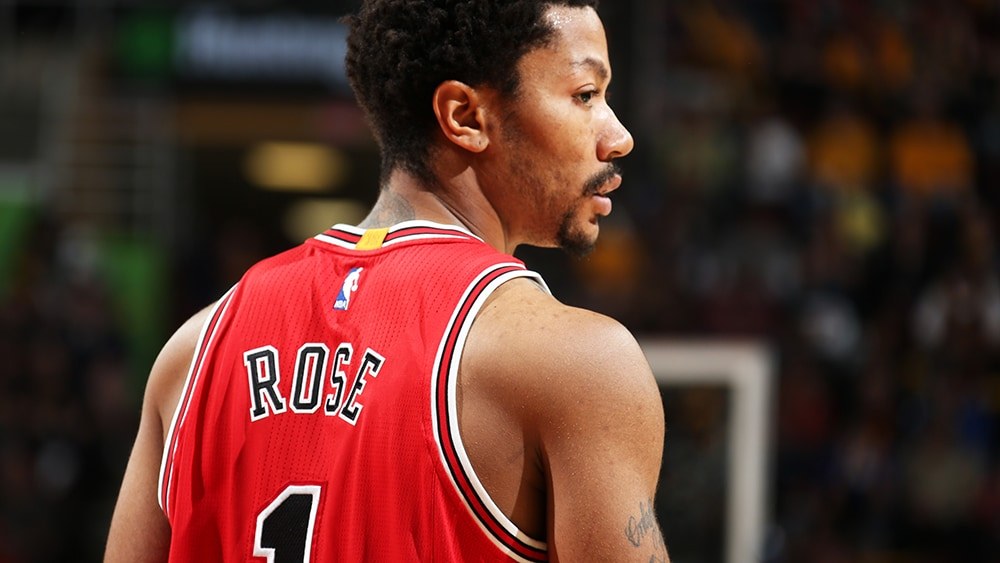
Combo Guard
The combo guard is a position in "Understanding Basketball Positions Through Movement Rather Than Height" read by the movements it takes on rather than by height. It's a type that plays both the 1 and the 2. This is an overview that guards who have to handle both bringing the ball up and scoring directly need early on, and it's quicker to understand when you look at the movement taken on in that moment rather than the number.
When you hold the ball for a long time, make quick choices so your teammates' rhythm doesn't break. Position names are just words that describe roles, not fixed spots. In real games, one player shifts between several roles, so it's quicker to understand when you go by the movement taken on in that moment rather than the number.
When you hold the ball for a long time, make quick choices so your teammates' rhythm doesn't break. Position names are just words that describe roles, not fixed spots. In real games, one player shifts between several roles, so it's quicker to understand when you go by the movement taken on in that moment rather than the number.
핵심 유형: 1·2번 겸업
추천 상황 볼 운반과 직접 득점을 모두 맡아야 하는 가드
확인할 점 공을 오래 소유할 때 동료의 리듬이 끊기지 않도록 빠른 선택
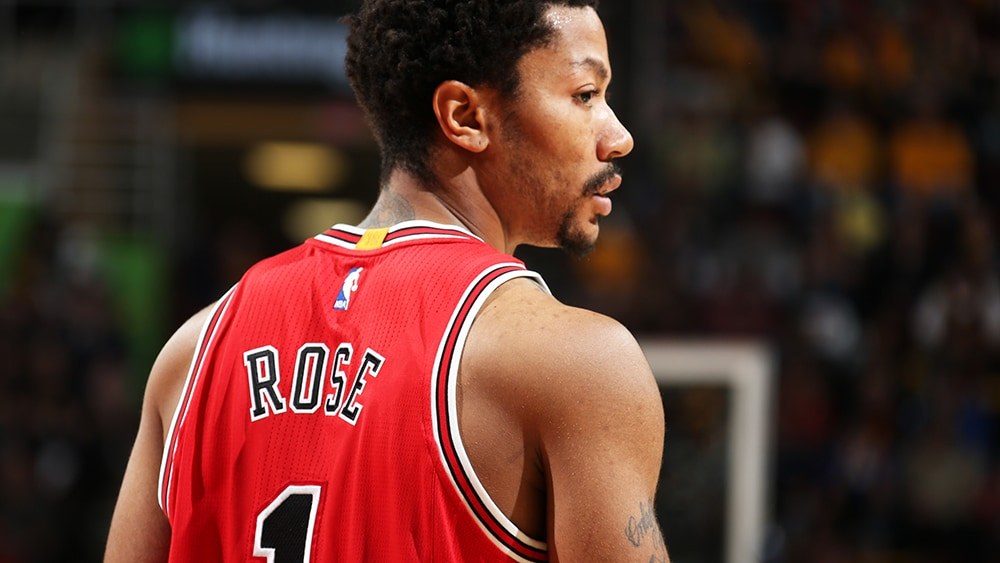
3&D Wing
The 3&D wing is a position in "Understanding Basketball Positions Through Movement Rather Than Height" read by the movements it takes on rather than by height. It's a type defined by perimeter shooting and wing defense. This is an overview that players who want to contribute through defense and catch-and-shoot even with little time on the ball need early on, and it's quicker to understand when you look at the movement taken on in that moment rather than the number.
If you also pay attention to corner spacing and the direction of your first two steps after a closeout, your in-game decisions get faster. Position names are just words that describe roles, not fixed spots. In real games, one player shifts between several roles, so it's quicker to understand when you go by the movement taken on in that moment rather than the number.
If you also pay attention to corner spacing and the direction of your first two steps after a closeout, your in-game decisions get faster. Position names are just words that describe roles, not fixed spots. In real games, one player shifts between several roles, so it's quicker to understand when you go by the movement taken on in that moment rather than the number.
핵심 유형: 외곽 슛·윙 수비
추천 상황 공 소유가 적어도 수비와 캐치앤슛으로 기여하려는 선수
확인할 점 코너 간격과 클로즈아웃 후 첫 두 걸음의 방향
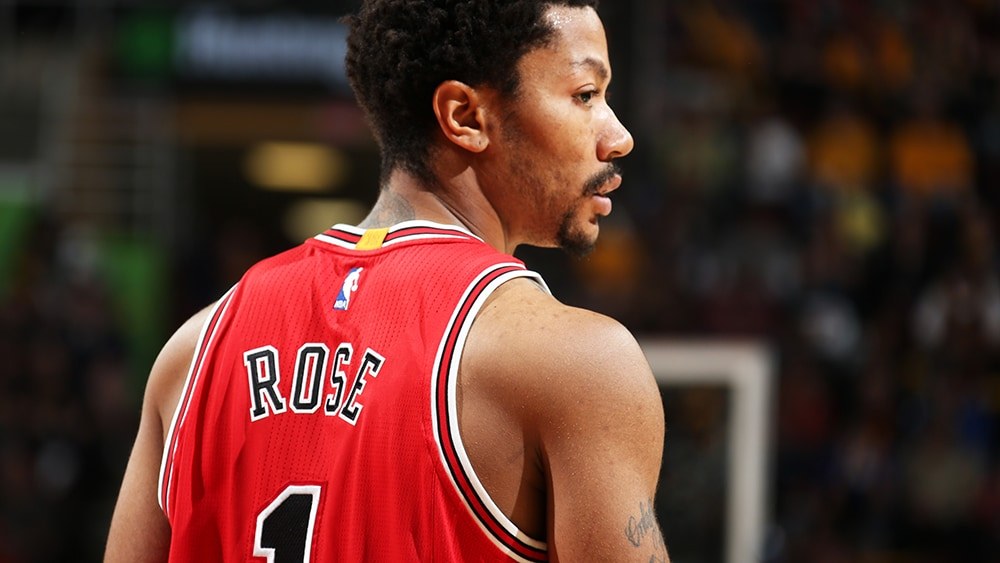
Stretch Big
The stretch big is a position in "Understanding Basketball Positions Through Movement Rather Than Height" read by the movements it takes on rather than by height. It's a type of big man who stretches out to the perimeter. This is an overview that tall players who use the pop after a screen and perimeter shooting need early on, and it's quicker to understand when you look at the movement taken on in that moment rather than the number.
Don't just stay on the perimeter; combine it with getting back for rebounds and choosing to roll. Position names are just words that describe roles, not fixed spots. In real games, one player shifts between several roles, so it's quicker to understand when you go by the movement taken on in that moment rather than the number.
Don't just stay on the perimeter; combine it with getting back for rebounds and choosing to roll. Position names are just words that describe roles, not fixed spots. In real games, one player shifts between several roles, so it's quicker to understand when you go by the movement taken on in that moment rather than the number.
핵심 유형: 외곽으로 확장하는 빅맨
추천 상황 스크린 이후 팝과 외곽 슛을 활용하는 장신 선수
확인할 점 외곽에만 머물지 않고 리바운드 복귀와 롤 선택을 병행
Rim Protector
The rim protector is a position in "Understanding Basketball Positions Through Movement Rather Than Height" read by the movements it takes on rather than by height. It's a type specialized in defense near the basket. This is an overview that players who should prioritize positioning and vertical defense over blocks need early on, and it's quicker to understand when you look at the movement taken on in that moment rather than the number.
After helping on defense, return to your original matchup and rebounding area. Position names are just words that describe roles, not fixed spots. In real games, one player shifts between several roles, so it's quicker to understand when you go by the movement taken on in that moment rather than the number.
After helping on defense, return to your original matchup and rebounding area. Position names are just words that describe roles, not fixed spots. In real games, one player shifts between several roles, so it's quicker to understand when you go by the movement taken on in that moment rather than the number.
핵심 유형: 골밑 수비 특화
추천 상황 블록보다 위치 선정과 수직 수비를 우선할 선수
확인할 점 도움 수비 뒤 본래 매치업과 리바운드 구역으로 복귀
Sixth Man
The sixth man is a position in "Understanding Basketball Positions Through Movement Rather Than Height" read by the movements it takes on rather than by height. It's a type that serves as a key bench player. This is an overview that players who need to show their strengths quickly even in short minutes need early on, and it's quicker to understand when you look at the movement taken on in that moment rather than the number.
Right after checking in, get a feel for the team's defensive agreements and the game tempo rather than forcing shots. Position names are just words that describe roles, not fixed spots. In real games, one player shifts between several roles, so it's quicker to understand when you go by the movement taken on in that moment rather than the number.
Right after checking in, get a feel for the team's defensive agreements and the game tempo rather than forcing shots. Position names are just words that describe roles, not fixed spots. In real games, one player shifts between several roles, so it's quicker to understand when you go by the movement taken on in that moment rather than the number.
핵심 유형: 벤치 핵심 자원
추천 상황 짧은 출전에도 자신의 강점을 빠르게 보여줘야 하는 선수
확인할 점 투입 직후 무리한 슛보다 팀 수비 약속과 경기 템포 파악
When searching for your position, don't decide solely based on height or scoring ability. It's better to first look at consistent advantages like safely carrying the ball, effective defensive communication, and reliably executing screens and rebounds. The same player may have different roles depending on the combinations they play in or the matchups against opponents.
In practice games, instead of sticking to just one position, try alternating between two or three roles. Guards can learn how to box out; big men can practice passing and spacing for perimeter shots, which will make it easier to understand each other’s choices. Positions should not be limiting labels but rather a common language for sharing space and responsibilities among five players, making it more practical.
In practice games, instead of sticking to just one position, try alternating between two or three roles. Guards can learn how to box out; big men can practice passing and spacing for perimeter shots, which will make it easier to understand each other’s choices. Positions should not be limiting labels but rather a common language for sharing space and responsibilities among five players, making it more practical.
At a glance
10 items
As part of the Coupang Partners program, this post may earn a commission from qualifying purchases.
Comments 0
Log in to leave a comment.
Be the first to comment.
How about these lists?


You might also like




🎲
Not ready to stop here?
Wondering what to read next is the biggest waste of time.
Let the dice decide — you won't know what pops up until you roll.
If you don't press it… won't you wonder forever? 👀
