A Collection of AKMU Songs Featuring the Sibling Vocals of Lee Soo-hyun and Lee Chan-hyuk
Exploring the Roles of AKMU's Two Voices Through Call-and-Response, Harmony, and Speaker Dynamics
This collection connects AKMU's music through a listening approach that differentiates the call-and-response, harmony, and speaker roles of the two vocalists. Rather than ranking songs based solely on familiarity, we will see how the voices of Lee Chan-hyuk and Lee Soo-hyun interact, what scenes the lyrics and arrangements create, and how sounds from different eras connect. We will use their well-known representative songs as an entrance and broaden our perspective to include album tracks and official performances.
AKMU is difficult to define by the first impression of being a bright and witty duo. Their lyrics turn daily language into metaphor, with alternating vocals and production that ranges from acoustic folk to band, synth, and electronic textures creating a unique balance for each song. Each item is practically guided by the point of first listening, next recommended song, and live comparison method.
When listening, it’s good to first play the entire song without interruption, then follow Lee Soo-hyun's melody and Lee Chan-hyuk's phrases separately the next time. As a third step, it’s helpful to confirm how the drums, bass, guitar, and keyboards expand the chorus. Rather than focusing on genre names or equipment, we prioritize the actual rhythm and texture we hear, offering a description without exaggeration.
If a song appears in multiple collections, we set different versions and listening questions as formal music videos, broadcasts, concerts, or band sessions. Only official releases from AKMU, rights holders, broadcasting companies, and performance institutions are used, excluding fan cams, uncredited reuploads, and Shorts. The status, channel, and video ID are separately checked against the existing database.
When handling lyrics, we do not duplicate passages or lengthy verses. Instead, we summarize the speaker's position, the way titles return, the relationship of repetitive imagery, and arrangements to leave room for users to discover aspects while listening to the song directly. If a particular song resonates with you, be sure to continue with the next recommended version to compare the differences between studio and stage, and early and later works.

RE-BYE
What kind of song/performance is it? 'RE-BYE' can be found on the album Teenage Emotions. In this collection, we choose the question of how the two engage in a theatrical exchange of scenes and lines through their vocals. When listening to AKMU, it’s beneficial not to just follow the bright melody and witty surface, but to observe how the two voices alternate at certain moments and how the arrangements shift the story. The central emotion of this song is a transition of repeated farewells into a scene akin to a stage. In the first listen, follow the overall narrative without interruption, and starting from the second listen, focus separately on the vocals, rhythm, and the repetition of the chorus, which highlights how many scenes are intricately arranged within a short pop structure. We also considered whether it serves as an entrance that leads to other works without ranking solely based on representation.
The two vocalists and arrangement The key to identifying in both official notation and actual listening is Lee Soo-hyun's clear melodies and Lee Chan-hyuk's rhythmic dialogues. The two voices do not merely end at a typical male-female duet sharing the same melody. When one person introduces a situation, the other deepens the emotional aspect, shifting the distance of the speaker with short responses and harmonies following the solo. Start by checking {sound}. Listening sequentially to overlapping and separate vocal sections, positions of lower and higher pitches, and moments when instruments drop out will reveal their roles. There may be sessions and post-production work not visible on screen, so we do not make assumptions about instrument models or session personnel without official credits.
Point to start listening The first point focuses on their theatrical exchange of scenes and lines. Listen for who opens the scene in the introduction and which instrument sets the rhythm of the song, how the height of the voices and harmonies expand in the first chorus, and how the initial image returns with significance at the end. Once follow only Lee Soo-hyun's melody, and another time only Lee Chan-hyuk's phrases and rhythm, you will hear different stories within the same song. It can also be beneficial to change your listening environment—check for left-right placement and reverb with earphones, and the bass and kick creating the foundation with speakers. Recording the actual heard beats, instruments, and vocal productions ahead of any specific genre names can lead to a more grounded appreciation.
Next recommended song/version Next, we recommend listening to 'People Moving' and a live version from the 10th anniversary in sequence. When comparing the audio and live versions of the same song, pick one aspect—such as tempo, the length of the intro and interlude, the breathing as the two vocalists wait for each other, or how the ending is handled—to hear the differences more clearly rather than deciding which version is superior. The role of this entry is to understand the song's basic form through ‘official audio or official music video.’ Even if the same song appears again in another list, the video ID, version, and listening objectives are all treated differently. When moving on to another song, finding one common vocal arrangement and one altered arrangement element will help understand AKMU's evolution more specifically than merely distinguishing between early and late.
Lyrics and story Rather than translating the lyrics extensively, we provide a summary that addresses the transition of repeated farewells into a staged scene. AKMU's songs often use familiar objects and everyday language while twisting the position of the speaker or hiding anxieties about growth and relationships beneath a bright exterior. Let’s observe how the title returns in meaning during the chorus, whether the same word changes in meaning depending on context, and how the two vocalists take on different characters. While the scenes of the music video aid interpretation, it’s wise not to conclude the video’s narrative as the only meaning of the lyrics. Keeping possibilities open based on lyric credits and the internal structure of the songs will keep new scenes alive even after repeated listening.
Sound and live appreciation method The sound features a rhythm reminiscent of swing and dramatic brass and band textures. Compare whether acoustic instruments or electronic textures are forward, whether the drums drive the song forward or create space, and how expansive the chorus and synths become during the refrain. In live performances, don’t assume they share the same key and tempo as the audio; rather observe the actual breathing and ensemble heard on stage. Moments when the two connect with their eyes or when one vocalist hands off a line and brief pauses after audience reactions also change the song’s impression. Prioritize the official channel names and album credits, and do not use equipment information from fan cams or unofficial lyric interpretations as factual basis.
Official credits and materials The confirmed creative roles are based on official credits centered on Lee Chan-hyuk for lyrics and composition, and arrangement reference is according to the official album credits for each song. We organized the vocal roles based on Lee Soo-hyun's clear melodies and Lee Chan-hyuk's rhythmic dialogues. Key materials are found at https://www.youtube.com/watch?v=ST8O-AeY3Uo and https://music.bugs.co.kr/artist/80141499. We will separately verify the status, titles, and channels for the YouTube video ID ST8O-AeY3Uo. Official materials that do not specify the name of sessions, instruments, or recording equipment will not be assumed, distinguishing between the sounds we actually hear and credit facts. By checking the release context and contributors, we can understand AKMU's music not just as a vocal duo but as a work that connects lyrics, composition, arrangement, and production. Official materials · Official materials
People Moving
What kind of song/performance is it? 'People Moving' can be found on the album Teenage Emotions. In this collection, we choose the question of how the observer's inquiry expands through the two voices. When listening to AKMU, it’s beneficial not just to follow bright melodies and witty surfaces, but to observe how the two voices alternate at certain moments and how the arrangements shift the story. The central emotion of this song is curiosity about the movements of people. In the first listen, follow the overall narrative without interruption, and starting from the second listen, focus separately on the vocals, rhythm, and the repetition of the chorus, which highlights how many scenes are intricately arranged within a short pop structure. We also considered whether it serves as an entrance leading to other works without ranking solely based on representation.
The two vocalists and arrangement The key in both official notation and actual listening is Lee Chan-hyuk's rapid phrases and Lee Soo-hyun's high choruses. The two voices do not merely end at a typical male-female duet sharing the same melody. One presents a situation while the other expands the emotions or shifts the speaker’s distance with short responses and harmonies following a solo. Start by checking {sound}. Listening sequentially to overlapping and separate vocal sections, positions of lower and higher pitches, and moments when instruments drop out will reveal their roles. There may be sessions and post-production work not visible on screen, so we do not make assumptions about instrument models or session personnel without official credits.
Point to start listening The first point focuses on the structure expanding an observer's questions through the two voices. Listen for who opens the scene in the introduction, which instrument sets the pace of the song, how the voices' heights and harmonies expand in the first chorus, and how the initial image returns with meaning at the end. Once follow only Lee Soo-hyun's melody, and another time only Lee Chan-hyuk's phrases and rhythm, you will hear different stories within the same song. It can also be beneficial to change your listening environment—check for left-right placement and reverb with earphones, and the bass and kick creating the foundation with speakers. Recording the actual heard beats, instruments, and vocal productions ahead of any specific genre names can lead to a more grounded appreciation.
Next recommended song/version Next, we recommend listening to 'RE-BYE' and the 10th anniversary live performance in sequence. When comparing the audio and live versions of the same song, pick one aspect—such as tempo, the length of the intro and interlude, the breathing as the two vocalists await each other, or how the ending is managed—to hear the differences more clearly rather than deciding which version is superior. The role of this entry is to understand the song's basic form through 'official audio or official music video.' Even if the same song appears again in another list, the video ID, version, and listening objectives are all treated differently. When moving on to another song, finding one common vocal arrangement and one altered arrangement element will help understand AKMU's evolution more specifically than merely distinguishing between early and late.
Lyrics and story Rather than translating lyrics extensively, we provide a summary that addresses the curiosity about observing people’s movements. AKMU’s songs often use familiar objects and everyday language while twisting the position of the speaker or hiding anxieties about growth and relationships beneath a bright exterior. Let’s observe how the title returns in meaning during the chorus, whether the same word changes in meaning depending on context, and how the two vocalists take on different characters. While the scenes in the music video aid interpretation, it’s wise not to conclude the video’s narrative as the only meaning of the lyrics. Keeping possibilities open based on lyric credits and the internal structure of the songs will keep new scenes alive even after repeated listening.
Sound and live appreciation method The sound features a tight rhythm and playful band and electronic elements. Compare whether acoustic instruments or electronic textures are forward, whether the drums push the song forward or create space, and how expansive the chorus and synths become during the refrain. In live performances, don’t assume they share the same key and tempo as the audio; rather observe the actual breathing and ensemble heard on stage. Moments when the two connect with their eyes or when one vocalist hands off a line and brief pauses after audience reactions also change the song’s impression. Prioritize the official channel names and album credits, and do not use equipment information from fan cams or unofficial interpretations as factual basis.
Official credits and materials The confirmed creative roles are based on official credits centered on Lee Chan-hyuk for lyrics and composition, and arrangement reference is according to the official album credits for each song. We organized the vocal roles based on Lee Chan-hyuk's rapid phrases and Lee Soo-hyun's high chorus. Key materials are found at https://www.youtube.com/watch?v=sbc2yBheAbo and https://music.bugs.co.kr/artist/80141499. We will separately verify the status, titles, and channels for the YouTube video ID sbc2yBheAbo. Official materials that do not specify the name of sessions, instruments, or recording equipment will not be assumed, distinguishing between the sounds we actually hear and credit facts. By checking the release context and contributors, we can understand AKMU's music not just as a vocal duo but as a work that connects lyrics, composition, arrangement, and production. Official materials · Official materials

200% — Official Live
What kind of song/performance is it? '200% — Official Live' can be found in the official live version of their first studio album, PLAY. In this collection, we choose a version that highlights the lively exchanges and harmonies of the early two vocalists. When listening to AKMU, it’s beneficial not just to follow the bright melody and witty surface but to observe how the two voices alternate at certain moments and how the arrangements shift the story. The central emotion of this song is a scene that transforms youthful feelings into stage energy. In the first listen, follow the overall narrative without interruption, and from the second listen onward, focus separately on the vocals, rhythm, and the repetition of the chorus, making it clearer how many scenes are arranged within a short pop structure. We also considered whether it serves as an entrance leading to other works without ranking solely based on representation.
The two vocalists and arrangement The key to identifying in both official notation and actual listening is Lee Chan-hyuk's rhythmic guitar and vocals along with Lee Soo-hyun's principal melodies. The two voices do not merely end at a typical male-female duet sharing the same melody. One introduces a situation, while the other deepens emotional aspects or shifts the speaker’s distance through short responses and harmonies following a solo. Start by checking {sound}. Listening sequentially to overlapping and separate vocal sections, positions of lower and higher pitches, and moments when instruments drop out will reveal their roles. There may be sessions and post-production work not visible on screen, so we do not make assumptions about instrument models or session personnel without official credits.
Point to start listening The first point focuses on listening to the lively dialogues and harmonies of the early two vocalists. Listen for who opens the scene in the introduction and which instrument sets the pace of the song, how the heights of the voices and harmonies expand in the first chorus, and how the initial image returns with significance at the end. Once follow only Lee Soo-hyun's melody, and another time only Lee Chan-hyuk's phrases and rhythm, you will hear different stories within the same song. It can also be beneficial to change your listening environment—check for left-right placement and reverb with earphones, and the bass and kick creating the foundation with speakers. Recording the actual heard beats, instruments, and vocal productions ahead of any specific genre names can lead to a more grounded appreciation.
Next recommended song/version Next, we recommend listening to the official music video and 'Give Love' live in sequence. When comparing the audio and live versions of the same song, pick one aspect—such as tempo, the length of the intro and interlude, the breathing as the two vocalists await each other, or how the ending is managed—to hear the differences more clearly rather than deciding which version is superior. The role of this entry is to understand the song's basic form through 'official live performance where you can observe the preliminary vocal exchanges.' Even if the same song appears again in another list, the video ID, version, and listening objectives are all treated differently. When moving to another song, finding one common vocal arrangement and one altered arrangement element will provide a more nuanced understanding of AKMU's changes beyond a simple early-late distinction.
Lyrics and story Rather than translating lyrics extensively, we provide a summary that addresses transforming youthful feelings into stage energy. AKMU’s songs often use familiar objects and everyday language while twisting the position of the speaker or hiding anxieties about growth and relationships beneath a bright exterior. Observing how the title returns in meaning during the chorus, whether the same word changes in meaning depending on context, and how the two vocalists take on different characters can add depth. While the scenes of the music video aid interpretation, it’s wise not to conclude the video’s narrative as the only meaning of the lyrics. Keeping possibilities open based on lyric credits and the internal structure of the songs will keep new scenes alive even after repeated listening.
Sound and live appreciation method The sound centers on a light groove from live arrangements and direct breathing. Compare whether acoustic instruments or electronic textures are forward, whether the drums push the song forward or create space, and how expansive the chorus and synths become during the refrain. In live performances, don’t assume they share the same key and tempo as the audio; rather observe the actual breathing and ensemble heard on stage. Moments when the two connect with their eyes or when one vocalist hands off a line and brief pauses occurring after audience reactions also change the impression of the piece. Prioritize the official channel names and album credits, and do not use equipment information from fan cams or unofficial interpretations as factual basis.
Official credits and materials The confirmed creative roles are based on official credits centered on Lee Chan-hyuk for lyrics and composition, and arrangement reference is according to the official album credits for each song. We summarized the vocal roles as Lee Chan-hyuk's rhythmic guitar and vocals alongside Lee Soo-hyun's principal melodies. Key materials are found at https://www.youtube.com/watch?v=FPPKIJj5lmQ and https://music.bugs.co.kr/artist/80141499. We will separately verify the status, titles, and channels for the YouTube video ID FPPKIJj5lmQ. Official materials that do not specify the name of sessions, instruments, or recording equipment will not be assumed, distinguishing between the sounds we actually hear and credit facts. By checking the release context and contributors, we can understand AKMU's music not just as a vocal duo but as a work that connects lyrics, composition, arrangement, and production. Official materials · Official materials
Give Love — Onal O Bame
Give Love — Onnal Abam
What kind of song/performance is it? 'Give Love — Onnal Abam' can be found in the live performance of the first studio album. In this collection, we highlight how the current duo shares early representative songs again. When listening to AKMU, it’s beneficial not just to follow bright melodies and witty surfaces, but to observe how the two voices alternate at certain moments and how arrangements shift the narrative. The central emotion of this song is a direct dialogue aimed at confirming the other's feelings. In the first listen, follow the overall narrative without interruption, and from the second listen onward, focus separately on the vocals, rhythm, and the repetition of the chorus, making it clearer how many scenes are arranged within a short pop structure. We also considered whether it serves as an entrance leading to other works without ranking solely based on representation.
The two vocalists and arrangement The key in both official notation and actual listening is the relaxed dialogues between the two and harmonies directed towards the audience. AKMU’s two voices do not merely end at a typical male-female duet sharing the same melody. One presents a scenario while the other expands emotions or shifts the speaker's distance through short responses and harmonies following a solo. Start by checking {sound}. Listening sequentially to overlapping and separate vocal sections, positions of lower and higher pitches, and moments when instruments drop out will reveal their roles. There may be sessions and post-production work not visible on screen, so we do not make assumptions about instrument models or session personnel without official credits.
Point to start listening The first point focuses on how the current two vocalists share early representative songs. Reflect on who opens the scene in the introduction, which instrument sets the pace of the song, how the heights of the voices and harmonies expand in the first chorus, and how the initial image returns with significance at the end. Once follow only Lee Soo-hyun's melody, and another time only Lee Chan-hyuk's phrases and rhythm, you will hear different stories within the same song. It can also be beneficial to change your listening environment—check for left-right placement and reverb with earphones, and confirm the bass and kick creating the foundation with speakers. Recording the actual heard beats, instruments, and vocal productions ahead of any specific genre names can lead to a more grounded appreciation.
Next recommended song/version Next, we recommend listening in sequence to '200%' live and 'I Love You.' When comparing the audio and live versions of the same song, pick one aspect—such as tempo, the length of the intro and interlude, the breathing as the two vocalists await each other, or how the ending is managed—to hear the differences more clearly rather than deciding which version is superior. The role of this entry is to witness the current sibling vocal chemistry through ‘KBS official actual performance version.’ Even if the same song appears again in another list, the video ID, version, and listening objectives are all treated differently. When moving to another song, finding one common vocal arrangement and one altered arrangement element will provide a more nuanced understanding of AKMU's changes beyond a simple early-late distinction.
Lyrics and story Rather than translating lyrics extensively, we provide a summary focusing on direct dialogue aimed at confirming the feelings of the other. AKMU’s songs often use familiar objects and everyday language while twisting the position of the speaker or hiding anxieties beneath a bright exterior. Observing how the title returns in meaning during the chorus, whether the same word changes in meaning depending on context, and how the two vocalists take on different characters can add depth. While the scenes of the music video aid interpretation, it’s wise not to conclude the video’s narrative as the only meaning of the lyrics. Keeping possibilities open based on lyric credits and the internal structure of the songs will keep new scenes alive even after repeated listening.
Sound and live appreciation method The sound is centered around bright pop refined through a broadcast band arrangement. Compare whether acoustic instruments or electronic textures are forward, whether the drums push the song forward or create space, and how expansive the chorus and synths become during the refrain. In live performances, don’t assume they share the same key and tempo as the audio; rather observe the actual breathing and ensemble heard on stage. Moments when the two connect with their eyes or when one vocalist hands off a line and brief pauses that follow reactions from the audience also change the song’s impression. Prioritize the official channel names and album credits, and do not use equipment information from fan cams or unofficial interpretations as factual basis.
Official credits and materials The confirmed creative roles are based on official credits centered on Lee Chan-hyuk for lyrics and composition, and arrangement reference is according to the official album credits for each song. We summarized the vocal roles depicting the relaxed dialogues and audience-directed harmonies. Key materials are found at https://www.youtube.com/watch?v=1mf7VgXjat4 and https://music.bugs.co.kr/artist/80141499. We will separately verify the status, titles, and channels for the YouTube video ID 1mf7VgXjat4. Official materials that do not specify the name of sessions, instruments, or recording equipment will not be assumed, distinguishing between the sounds we actually hear and credit facts. By checking the release context and contributors, we can understand AKMU's music not just as a vocal duo but as a work that connects lyrics, composition, arrangement, and production. Official materials · Official materials

I Love You
What kind of song/performance is it? 'I Love You' can be found in the OST of the drama All about My Love. In this collection, we highlight the intuitive duet grammar before and after their debut. When listening to AKMU, it’s beneficial not just to follow the bright melody and witty surface, but to observe how the two voices alternate at certain moments and how arrangements shift the narrative. The central emotion of this song is a concise and clear expression of love’s certainty. In the first listen, follow the overall narrative without interruption, and from the second listen onward, focus separately on the vocals, rhythm, and the repetition of the chorus, revealing how many scenes are layered within a short pop structure. We also considered whether it serves as an entrance leading to other works without ranking solely based on representation.
The two vocalists and arrangement The key in both official notation and actual listening is Lee Soo-hyun's bright main melody and Lee Chan-hyuk's responses and harmonies. The two voices do not merely end as a typical male-female duet sharing the same melody. When one presents a situation, the other deepens emotional aspects or shifts the speaker’s distance with short responses and harmonies following a solo. Start by checking {sound}. Listening sequentially to overlapping and separate vocal sections, low and high pitch positions, and moments when instruments are laid bare will reveal their roles. There may be sessions and post-production work not visible on screen, so we do not make assumptions about instrument models or session personnel without official credits.
Point to start listening The first point focuses on the intuitive duet grammar before and after their debut. Listen for who opens the scene in the introduction and which instrument sets the song's pace, how the heights of the voices and harmonies expand in the first chorus, and how the initial image returns with significance at the end. Once follow only Lee Soo-hyun's melody, and another time only Lee Chan-hyuk's phrases and rhythm; you will hear different stories within the same song. It can also be beneficial to change your listening environment—check for left-right placement and reverb with earphones, and confirm the bass and kick creating the foundation with speakers. Recording the actual heard beats, instruments, and vocal productions ahead of any specific genre names can lead to a more grounded appreciation.
Next recommended song/version Next, we recommend listening to 'Give Love' and 'Time and Fallen Leaves' in sequence. When comparing the audio and live versions of the same song, pick one aspect—whether it’s tempo, the length of the intro and interlude, the breathing as the two vocalists await each other, or how the ending is handled—to hear the differences more clearly rather than deciding which version is superior. The role of this entry is to grasp the basic form of the song through ‘official audio or official music video.’ Even if the same song appears again in another list, the video ID, version, and listening objectives are all treated differently. When moving to another song, finding one common vocal arrangement and one altered arrangement element will help understand AKMU's changes more specifically than simply distinguishing between early and late.
Lyrics and story Rather than translating lyrics extensively, we provide a summary focusing on a concise yet clear expression of love's certainty. AKMU’s songs often use familiar objects and everyday language while twisting the speaker's position or hiding anxieties about growth and relationships beneath a bright exterior. Let’s observe how the title returns in meaning during the chorus, whether the same word changes in meaning depending on context, and how the two vocalists adopt different characters. While the scenes of the music video aid interpretation, it's wise not to conclude the video’s narrative as the only meaning of the lyrics. Keeping possibilities open based on lyric credits and the internal structure of the songs will keep new scenes alive even after repeated listening.
Sound and live appreciation method The sound centers on a light and linear acoustic pop arrangement. Compare whether acoustic instruments or electronic textures are forward, whether the drums push the song forward or create space, and how expansive the chorus and synths become during the refrain. In live performances, don’t assume they share the same key and tempo as the audio; rather observe the actual breathing and ensemble heard on stage. Moments when the two connect with their eyes or when one vocalist hands off a line and brief pauses following audience reactions also change the song’s impression. Prioritize the official channel names and album credits, and do not use equipment information from fan cams or unofficial interpretations as factual basis.
Official credits and materials The confirmed creative roles are based on official credits centered on Lee Chan-hyuk for lyrics and composition, and arrangement reference is according to the official album credits for each song. We summarized the vocal roles in terms of Lee Soo-hyun's bright main melody and Lee Chan-hyuk's responses and harmonies. Key materials are found at https://www.youtube.com/watch?v=ZuyNe3AmlSk and https://music.bugs.co.kr/artist/80141499. We will separately verify the status, titles, and channels for the YouTube video ID ZuyNe3AmlSk. Official materials that do not specify the name of sessions, instruments, or recording equipment will not be assumed, distinguishing between the sounds we actually hear and credit facts. By checking the release context and contributors, we can understand AKMU's music not just as a vocal duo but as a work that connects lyrics, composition, arrangement, and production. Official materials · Official materials
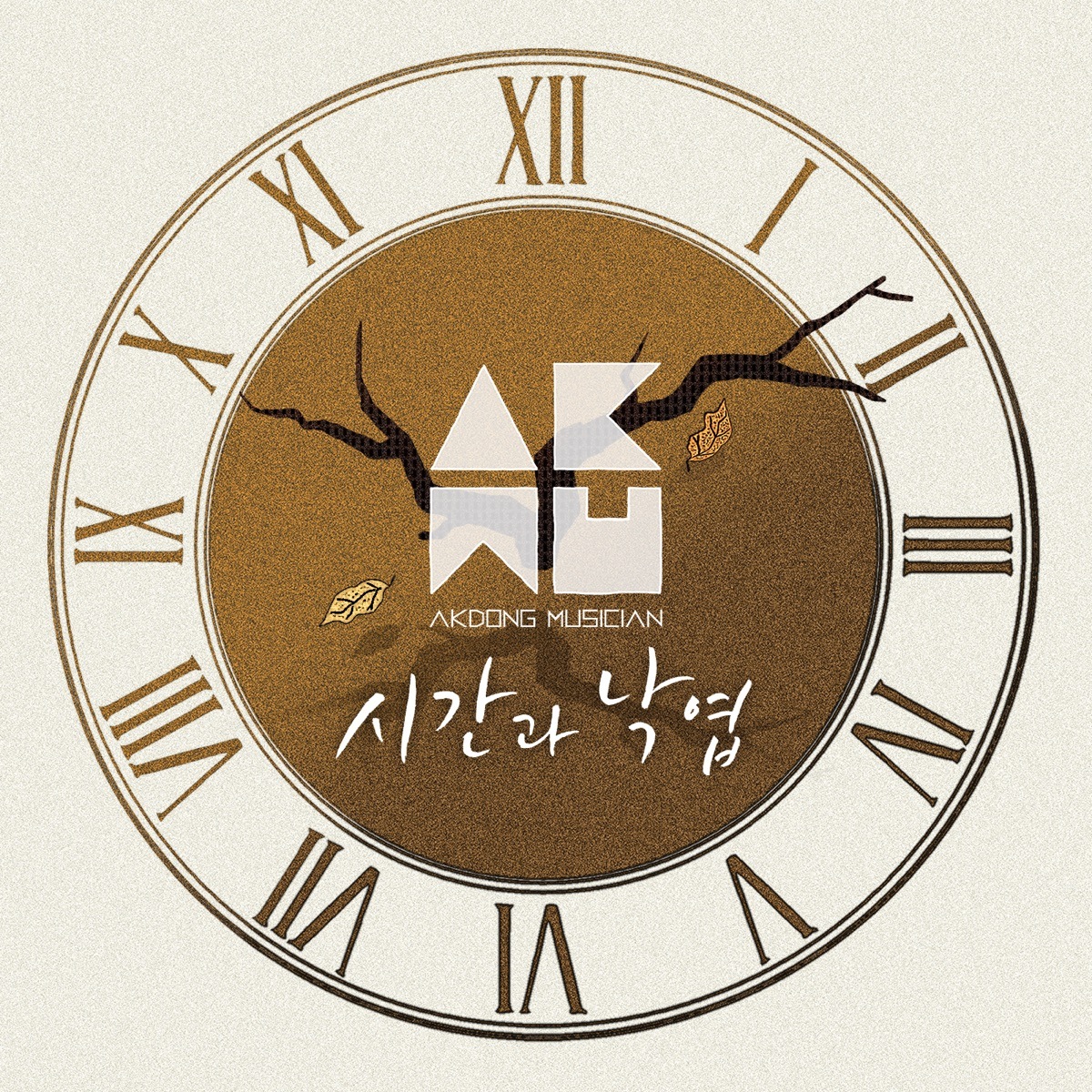
Time and Fallen Leaves
What kind of song/performance is it? 'Time and Fallen Leaves' can be found on the single Time and Fallen Leaves. In this collection, we focus on Lee Soo-hyun's leading melody and Lee Chan-hyuk's restrained vocal role. When listening to AKMU, it’s beneficial not just to follow bright melodies and witty surfaces, but to observe how the two voices alternate at certain moments and how arrangements shift the story. The central emotion of this song is a recollection that contemplates the passage of time and fading scenes. In the first listen, follow the overall narrative without interruption, and from the second listen onward, focus separately on the vocals, rhythm, and the repetition of the chorus, revealing how many scenes are layered within a short pop structure. We also considered whether it serves as an entrance leading to other works without ranking solely based on representation.
The two vocalists and arrangement The key in both official notation and actual listening is a construction centered around a clear main melody supported by low pitches and harmonies. AKMU's two voices do not merely end at a typical male-female duet sharing the same melody. One presents a situation, while the other expands emotions or shifts the speaker’s distance with short responses and harmonies following a solo. Start by checking {sound}. Listening sequentially to overlapping and separate vocal sections, positions of lower and higher pitches, and moments when instruments are laid bare will reveal their roles. There may be sessions and post-production work not visible on screen, so we do not make assumptions about instrument models or session personnel without official credits.
Point to start listening The first point focuses on Lee Soo-hyun's leading melody and Lee Chan-hyuk's restrained vocal role. Listen for who opens the scene in the introduction and which instrument sets the pace of the song, how the heights of the voices and harmonies expand in the first chorus, and how the initial image returns with significance at the end. Once follow only Lee Soo-hyun's melody, and another time only Lee Chan-hyuk's phrases and rhythm; you will hear different stories within the same song. It can also be beneficial to change your listening environment—check for left-right placement and reverb with earphones, and confirm the bass and kick creating the foundation with speakers. Recording the actual heard beats, instruments, and vocal productions ahead of any specific genre names can lead to a more grounded appreciation.
Next recommended song/version Next, we recommend listening in sequence to 'Little Star' and 'Long Days Long Nights.' When comparing the audio and live versions of the same song, pick one aspect—such as tempo, the length of the intro and interlude, the breathing as the two vocalists await each other, or how the ending is handled—to hear the differences more clearly rather than deciding which version is superior. The role of this entry is to understand the basic form of the song through 'official audio or official music video.' Even if the same song appears again in another list, the video ID, version, and listening objectives are all treated differently. When moving to another song, finding one common vocal arrangement and one altered arrangement element will help understand AKMU's changes more specifically than simply distinguishing between early and late.
Lyrics and story Rather than translating lyrics extensively, we provide a summary that considers the passage of time and fading scenes. AKMU's songs often use familiar objects and everyday language while twisting the speaker's position or hiding anxieties about growth and relationships beneath a bright exterior. Let’s observe how the title returns in meaning during the chorus, whether the same word changes in meaning depending on context, and how the two vocalists take on different characters. While the scenes of the music video aid interpretation, it’s wise not to conclude the video’s narrative as the only meaning of the lyrics. Keeping possibilities open based on lyric credits and the internal structure of the songs will keep new scenes alive even after repeated listening.
Sound and live appreciation method The sound centers on lyrical spaces created by piano and string elements along with slow breathing. Compare whether acoustic instruments or electronic textures are forward, whether the drums push the song forward or create space, and how expansive the chorus and synths become during the refrain. In live performances, don’t assume they share the same key and tempo as the audio; rather observe the actual breathing and ensemble heard on stage. Moments when the two connect with their eyes or when one vocalist hands off a line and brief pauses occurring after audience reactions can also alter the impression of the song. Prioritize official channel names and album credits, and do not use equipment information from fan cams or unofficial interpretations as factual basis.
Official credits and materials The confirmed creative roles are based on official credits centered on Lee Chan-hyuk for lyrics and composition, and arrangement reference is according to the official album credits for each song. We summarized the vocal roles centered around the clear main melody with supporting low pitches and harmonies. Key materials are found at https://www.youtube.com/watch?v=dbpepFegS6Y and https://music.bugs.co.kr/artist/80141499. We will separately verify the status, titles, and channels for the YouTube video ID dbpepFegS6Y. Official materials that do not specify the name of sessions, instruments, or recording equipment will not be assumed, distinguishing between the sounds we actually hear and credit facts. By checking the release context and contributors, we can understand AKMU's music not just as a vocal duo but as a work that connects lyrics, composition, arrangement, and production. Official materials · Official materials
This collection links AKMU's works based on the listening approach that distinguishes the call-and-response, harmony, and speaker roles of the two vocalists. There’s no need to memorize all the information at once. By selecting just one point of ‘first listening’ for each item, you can discover moments where the two vocals and arrangements change the scenes of the song. In the first playback, absorb the overall impression, and in the next playback, choose just one question from this paragraph to follow along and easily discover the differences between the works.
When focusing on the sibling vocals, it’s more about who opens the situation, who expands the emotion, and where the two voices overlap, rather than who sings more. Short responses and harmonies, and intentional distances add new speakers to the lyrics. In one playback, absorb the overall impression, and in the next playback, simply select one question from this paragraph to follow to easily discover the differences between the works.
Understanding the lyrics and story is more accurate when viewed alongside the official lyric credits and song structure. Observing whether familiar words carry different meanings in different contexts, or whether feelings of anxiety or growth lie beneath a bright arrangement can provide insights into the depth of the work without lengthy quotations. In one playback, absorb the overall impression, and in the next playback, merely choose one question from this paragraph to follow along, making it easy to find differences between the works.
Rather than just dividing sound changes into early and late categories, let’s choose one aspect to compare among rhythm, texture, and vocal production. Listening to how acoustic and band, synth and electronic rhythms enhance the narrative of the song will clarify the changes. In one playback, absorb the overall impression, and in the next playback, choose just one question from this paragraph to follow to smoothly understand the differences between the works.
Finally, let's alternate between official recordings and official live performances. Even comparing just one aspect, such as tempo, interlude, the breathing of the two, or the ending, can make the same song sound different. We encourage you to use this collection as a starting point to slowly expand your appreciation of albums and concert videos. In one playback, accept the overall impression, and in the next playback, simply select one question from this paragraph to follow to comfortably discover the differences between the works.
이 포스팅은 쿠팡 파트너스 활동의 일환으로, 이에 따른 일정액의 수수료를 제공받습니다.
댓글 0
로그인 후 댓글을 작성할 수 있습니다.
첫 댓글을 남겨보세요.
이런 리스트는 어때요?


이런 리스트도 추천해요


여기서 멈추기엔 아쉽잖아?
다음에 뭘 볼지 고민하는 시간이 제일 아까워.
주사위가 대신 골라줄게 — 무슨 리스트가 튀어나올지는 굴려봐야 알지.
안 누르면… 평생 궁금하지 않겠어? 👀