A Collection of AKMU's Representative Songs to Enjoy When First Listening
From debut acoustic pop to collaborations, synths, love songs, and recent albums, a guide for beginners
This collection serves as an introductory guide to experiencing AKMU's music by starting from their representative songs and exploring the breadth of their eras, vocals, and sounds. Instead of merely ranking based on a few well-known tracks, we look at how the voices of Lee Chan-hyuk and Lee Soo-hyun interact, how the lyrics and arrangements create different scenes, and how the sounds of different eras connect. We use familiar representative songs as an entry point and broaden our perspective with album tracks and official performances.
AKMU is hard to describe with just the first impression of being a bright and witty duo. The lyrics transform everyday language into metaphors, and the way two voices alternate creates unique dynamics that change with each song's production, which expands from acoustic folk to band, synth, and electronic textures. Each item is practically guided by differentiating the initial points of listening, next recommended tracks, and live comparison methods.
When listening, it’s best to first listen to the entire song uninterrupted, and then separately follow Lee Soo-hyun's melodies and Lee Chan-hyuk's lyrics. On the third listen, check how the drums, bass, guitar, and keyboards expand the chorus. Instead of focusing on genre names or equipment assumptions, we prioritize the actual rhythms and textures heard, providing straightforward explanations.
If a song appears in multiple collections, we will set different versions and listening questions based on official music videos, broadcasts, concerts, and band sessions. Only official releases from AKMU, rights holders, broadcasters, and performance institutions will be used, while fan cams, unspecified source re-uploads, and Shorts are excluded. The status and channel of the release, as well as the video ID, will be cross-referenced against the existing database.
When dealing with lyrics, long passages or exact lines are not duplicated. Instead, we summarize the speaker's position, how titles return, the relationships between recurring images and arrangements, leaving room for users to discover these while listening to the tracks. If any songs resonate with you, continue to the next recommended version to compare the differences between studio versions and live performances.

200%
What is the song/performance? "200%" is a work found in the first full album "PLAY". In this collection, we choose it for its cleverness from the debut period and its acoustic pop sensibilities. When listening to AKMU, rather than just following the bright melodies and witty surface, it's better to see how the two voices alternate at moments and where the arrangement takes the story. The central emotion of this song is the fresh point where affection and illusion intersect. In your first listen, follow the entire narrative without interruption; from the second listen onward, pick out the vocals, rhythms, and the repetition of the chorus, revealing how many scenes are arranged within the short pop structure. We also considered whether it serves as an entrance to other works without merely ranking based on representativeness.
The two vocals and arrangement Key elements to confirm in official notation and actual listening are Lee Chan-hyuk's rhythmic phrasing and Lee Soo-hyun's clear lead melody. The two voices of AKMU do not simply end with sharing the same melody like a typical male-female duet. When one presents a situation, the other expands upon the emotion, or shifts the distance of the speaker with short responses and harmonies following each solo. First, verify the sound of {sound}. By listening for overlapping and separating sections, the low and high registers’ interactions and moments when the instruments drop out, you’ll uncover the roles of the two. There may be sessions and post-production unseen on screen, so we do not speculate on the instrument models or session personnel without official credits.
Initial listening point The first point emphasizes the cleverness from the debut period and the acoustic pop sensibility. In the introduction, listen for who opens the scene first and which instruments determine the song's tempo. Check how voices lift and harmonize in the first chorus, and how the initial image returns with deep meaning at the end. On one listen, track only Lee Soo-hyun's melody; on another, follow only Lee Chan-hyuk's phrases and rhythms to notice different stories within the same song. Changing the listening environment, like using earphones to focus on left-right placement and reverb, or speakers to check the bass and kick making the foundation, works well too. Prioritizing actual rhythms, instruments, and vocal production over specific genre labels will ensure a straightforward experience.
Next recommended song/version Following this, I recommend listening to "Give Love" and its official live version in that order. When comparing the audio and live versions of the same song, rather than asking which version is better, select one aspect like tempo, length of the intro and interlude, the waiting breath shared between the two vocals, or the handling of the ending to notice the differences clearly. The role of this version is to identify the basic form of the song through either the official audio or official music video. Even if the same song appears again on a different list, we will differentiate the video ID, version, and listening purpose. When transitioning to a different song, you’ll gain a more concrete understanding of AKMU's evolution by identifying one common vocal arrangement and one altered arrangement element rather than just categorizing them as early and late.
Lyrics and story Without transferring long lyrics, a summary focuses on the intersection of affection and illusion. AKMU's songs often twist the speaker's position while employing familiar things and everyday language, concealing anxieties or growth within bright surfaces. Investigate how the title circles back to the chorus with meaning, whether the same word shifts in meaning throughout, and how both vocalists embody different personas. While the music video provides scenes to assist interpretation, it's best not to conclude the video's narrative as the only meaning of the lyrics directly. By opening multiple interpretations based on lyric credits and song structure, listeners can discover fresh scenes even after long-term engagement.
Sound and live listening method The center of the sound is the buoyancy created by vibrant guitar and light rhythms. Examine which acoustic instruments or electronic textures are positioned upfront, whether the drums push the song forward or create moments of silence, and how much the chorus and synth expand in the refrain. During live performances, don’t assume that the key and tempo are the same as the studio version; observe based on the actual breath and ensemble that you hear on stage. Moments when the two lock eyes or instances when one vocalist hands off a line, as well as the brief pauses after audience reactions, will also change the impression of the song. Always prioritize the official channel title and album credits, and do not base your understanding on equipment details from fan cams or unofficial interpretations.
Official credits and materials The confirmed creative roles are centered around lyrics by Lee Chan-hyuk and compositions by Lee Chan-hyuk, with arrangements referenced from the official album credits specific to each song. The vocal roles are summarized as Lee Chan-hyuk's rhythmic phrasing and Lee Soo-hyun's clear lead melody. Key materials include https://www.youtube.com/watch?v=0Oi8jDMvd_w and https://music.bugs.co.kr/artist/80141499, and I will check the public status, title, and channel of the YouTube video ID 0Oi8jDMvd_w separately. If official materials do not specify names of sessions, instruments, or recording equipment, we refrain from assignments and differentiate factual observations of sound from credit details. By verifying the context of releases and contributors involved, we can understand AKMU’s music not just as a vocal duo but as a culmination of lyrics, compositions, arrangements, and productions woven together. Official materials · Official materials
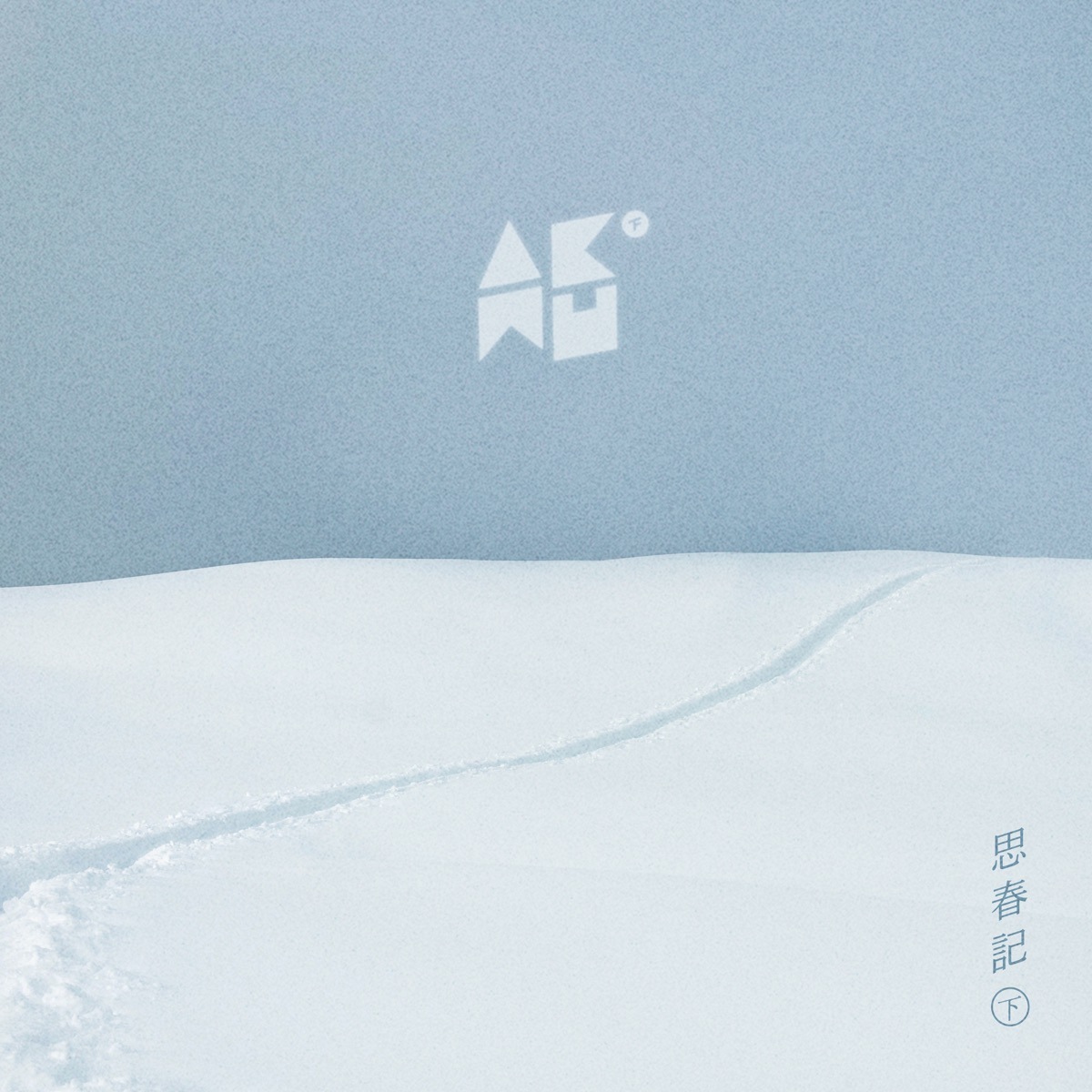
Long Day, Long Night
What is the song/performance? "Long Day, Long Night" is a work found in the album "Chapter Two". In this collection, we focus on the balance of matured vocals and the theme of farewell. When listening to AKMU, rather than just following the bright melodies and witty surface, it’s compelling to see how the two voices alternate and how the arrangement shifts the story. This song centers around reflecting on an old relationship from the present. In the first listen, follow the entire narrative without interruption; from the second listen onward, distinguish between vocals, rhythms, and the repetition of the chorus to clarify just how many scenes are embedded within this short pop structure. We also reflect on whether the song serves as an entrance to other works without ranking solely based on representativeness.
The two vocals and arrangement Key things to confirm in official notation and actual listening are how the two vocals convey memories and the present moment. The voices of AKMU aren’t limited to merely sharing the same melody like a simple male-female duet. When one presents a situation, the other enlarges the emotion, or alters the distance of the speaker through short responses and harmonies following each solo section. Let’s focus on {sound}. Listen for overlapping and dividing sections, how the low range and high range contrast positions, and the moments when instruments drop out; this will reveal the roles of the two artists. Keep in mind that there might be unseen sessions and post-production work, so we avoid speculating about instrument models or session personnel without official credits.
Initial listening point The first point to explore is the balance of matured vocals and the farewell narrative. Listen to who opens the scene first and which instruments define the song's tempo in the introduction, how the voices rise and harmonize in the first chorus, and how the initial image returns with different meaning at the end. On one play, follow only Lee Soo-hyun’s melody; on another, listen to Lee Chan-hyuk's phrases and rhythms to notice different stories within the same piece. Changing the listening environment by checking the left-right placement and reverb on earphones, or the bass and kick creating the foundation on speakers can also enhance the experience. Keeping track of actual rhythms, instruments, and vocal production rather than specific genre names will result in a clearer impression.
Next recommended song/version Next, I recommend listening to "How Can I Love You Until We Part" and the KBS live version in that order. When comparing the audio and live versions of the same song, rather than determining which version is superior, select one aspect like tempo, length of the intro and interlude, the interaction between the two vocalists, or handling of the ending, and you'll clearly hear the differences. The role of this entry is to grasp the basic form of the song through either the official audio or an official music video. Even if the same song appears on another list, we will differentiate video ID, version, and listening purpose. Transitioning to other songs may allow you to understand AKMU's evolution more concretely by identifying one common vocal arrangement and one modified arrangement element, instead of simply distinguishing them as early or late works.
Lyrics and story Without long translations of lyrics, a summary handles reflecting on an old relationship from the present. AKMU's songs often employ familiar objects and everyday language, twisting the positions of the speakers or concealing anxieties about growth and relationships beneath a light surface. Examine how titles return to the chorus with significance, whether the meanings of the same words shift throughout, and how both vocals portrays different characters. Music video scenes can assist interpretation but should not be taken as the singular meaning of the lyrics. Leaving space for multiple interpretations based on lyric credits and song structure allows for new scenes to remain, even with long engagement.
Sound and live listening method The core of the sound is the dynamic that builds from a calm start to a full band finish. Compare which acoustic instruments or electronic textures come forward, whether the drums drive the song or create space, and how much the chorus and synth expand in the refrain. During live performances, don’t assume the key and tempo are identical to the studio; observe the breathing and ensemble you hear on-stage. Moments when the performers make eye contact or when one hands off a line, and the short pauses that arise due to audience reactions can also alter the song's impression. Always prioritize the official channel title and album credits, avoiding reliance on equipment details from fan cams or unofficial lyric interpretations.
Official credits and materials The verified creative roles focus on lyrics and compositions primarily by Lee Chan-hyuk, with arrangements referenced from each song's official album credits. The vocals split emotional layers between Lee Soo-hyun's melodies and Lee Chan-hyuk’s narratives. Key materials include https://www.youtube.com/watch?v=wEQpfil0IYA and https://music.bugs.co.kr/artist/80141499, and I will verify the public state, title, and channel of YouTube video ID wEQpfil0IYA separately. If official sources do not specify names of sessions, instruments, or recording equipment, we refrain from definitive assignments and clearly differentiate between observed sound and documented facts. Considering the release context and participants allows us to comprehend AKMU’s music not merely as a vocal duet but as works intertwining lyrics, compositions, arrangements, and productions. Official materials · Official materials

DINOSAUR
What is the song/performance? "DINOSAUR" is a work that can be found in the single "SUMMER EPISODE". In this collection, we choose it for its intersection between electronic textures and childhood memories. When listening to AKMU, rather than just following the bright melodies and witty surface, it’s advisable to see how the two voices alternate at certain moments and where the arrangement shifts the story. The central emotion of this song embodies a narrative that evokes terrifying memories as symbolic presences. In the first listen, follow the entire narrative uninterrupted; from the second listen onward, discern vocals, rhythms, and repetitions in the chorus to clearly understand how many scenes are laid within this short pop structure. We have also considered whether it acts as an entry point into other works without merely ranking based on representativeness.
The two vocals and arrangement Critical elements to confirm in official notation and actual listening are Lee Soo-hyun's high melody and Lee Chan-hyuk’s low narrative axis. AKMU's two voices do not merely end with sharing the same melody like a typical male-female duet. As one presents a situation, the other expands upon the feelings or shifts the speaker's distance through short responses and harmonies following solos. First, let’s discover {sound}. By listening for overlapping and separating sections, the placement of low and high registers, and moments when the instruments drop out, you’ll unearth roles of the two artists. Keep in mind that there might be unseen sessions and post-production, so we do not make assumptions about the instrument models or session personnel without official credits.
Initial listening point The first point is the intersection between electronic textures and childhood memories. In the introduction, note who opens the scene first and which instruments dictate the song’s tempo; take note of how voices rise and harmonize in the first chorus and how the initial images return with meaning toward the end. On one listen, focus solely on Lee Soo-hyun’s melody; on another, listen to Lee Chan-hyuk's phrases and rhythms, revealing different stories in the same song. Modifying the listening environment—checking left-right placement and reverb through earphones, or observing the foundation laid by bass and kick through speakers—can also enhance the experience. Logging actual rhythms and sounds rather than specific genre names leads to a genuine experience without exaggeration.
Next recommended song/version Now, I suggest continuing with "Ice" and its official live version in sequence. When comparing the audio and live versions of the same track, opt for one aspect to notice differences, such as tempo, the length of intro and interlude, the breath shared between the two vocalists, or how the ending is handled, rather than asking which version is superior. Here, the role of this version is to identify the fundamental form of the song through the official audio or music video. Even if the same song appears on different lists, we differentiate video IDs, versions, and listening purposes. When transitioning to a different song, identifying one common vocal arrangement and one altered arrangement will allow for comprehending AKMU's changes more concretely, beyond simply labeling them as early or late.
Lyrics and story Without long translations, the summary touches upon how terrifying memories are evoked as symbolic presences. AKMU’s songs utilize familiar objects and everyday languages while simultaneously twisting the positioning of speakers, often hiding growth and relationship anxieties beneath bright surfaces. Analyze how titles resonate back into the chorus, whether the meanings of words shift throughout, and how both vocals embody differing characters. Although scenes in music videos assist interpretation, let’s not jump to conclude the video's narrative is the only clear meaning of the lyrics. Allowing for multiple interpretations rooted in lyric credits and song structure will keep unveiling new scenes over time.
Sound and live listening method The sound’s core revolves around tension and expansion created by synths and electronic rhythms. Investigate which acoustic instruments or electronic textures take precedence, determine whether the drums push the song forward or leave room, and evaluate how much the chorus and synth broaden during the refrain. During live performances, don’t assume the key and tempo mirror that of the studio version; instead, listen based on the breathing and ensemble present on stage. Moments when the two artists connect with eye contact or one vocalist transitions their lyrics also leave a mark on the overall impression of the song. Upkeep emphasis on official channel titles and album credits, and refrain from depending on equipment specifics or unofficial interpretations from fan cams.
Official credits and materials The verified creative roles center on lyrics by Lee Chan-hyuk and compositions also by Lee Chan-hyuk, with arrangements referenced from individual song credits. The vocal roles are articulated through Lee Soo-hyun’s higher melodies and Lee Chan-hyuk's narratives. Key materials include https://www.youtube.com/watch?v=8Oz7DG76ibY and https://music.bugs.co.kr/artist/80141499, with a separate check on the public status, title, and channel for the YouTube video ID 8Oz7DG76ibY. If no names are specified in the official materials regarding sessions, instruments, or recording equipment, we refrain from conclusive assignments and distinguish between actual sound observations and credit details. Analyzing release contexts and contributions allows us to appreciate AKMU’s music as not merely a vocal duo but as interconnected works encompassing lyrics, compositions, arrangements, and productions. Official materials · Official materials

Falling (with IU)
(Falling) with IU
What is the song/performance? "(Falling) with IU" can be found in the collaboration album "NEXT EPISODE". In this collection, we highlight it as a representative song showcasing AKMU's collaborations and electronic pop sensibilities. When listening to AKMU, rather than just focusing on the bright melodies and witty surface, it’s beneficial to appreciate how the two voices alternate at moments and how the arrangement shifts the narrative. The main emotion of this song is the camaraderie thrumming through the message that falling together is not something to fear. In the first listen, follow the entire narrative uninterrupted; from the second listen onward, discerning vocals, rhythms, and repetitions in the chorus will clarify just how many scenes are housed within this short pop structure. We have also considered whether it serves as an entry to other works rather than merely ranking based on representativeness.
The two vocals and arrangement Key aspects to notice in official notation and actual listening include the melodies of Lee Soo-hyun and IU, alongside Lee Chan-hyuk's vocal and narrative contributions. The voices of AKMU don’t just end in sharing the same melody like a typical male-female duet. When one proposes a context, the other amplifies the feelings or alters the speaker's distance through brief responses and harmonies following solos. Let's first affirm {sound}. Listen for sections where vocals overlap or separate, the positioning of low and high registers, and moments when instruments are held back; this will reveal the dynamics of the two voices. There might be sessions and post-production work not visible on the screen, hence we avoid speculating about instrument models or session personnel without proper credits.
Initial listening point The first point focuses on showcasing AKMU’s collaboration and electronic pop sensibility. In the introduction, discern who opens the scene and which instrument determines the tempo of the song; evaluate how voices rise and harmonize in the first chorus, and how the initial image returns with significant meaning at the end. On one listen, track only Lee Soo-hyun’s melody, and on another, follow only Lee Chan-hyuk's phrases and rhythms to uncover differing narratives within the same track. Changing the listening environment by checking left-right balance and reverb through earphones, or monitoring the bass and kick constructing the foundation through speakers can add value to the overall experience. Documenting actual rhythms, instruments, and vocal production before specific genre names ensures a genuine listening session.
Next recommended song/version Next, I recommend listening to "Battlefield" and the KBS live version in sequence. When comparing the audio and live versions of the same song, rather than determining which version is superior, focusing on aspects like tempo, length of the intro and interlude, the breath shared by both vocals, or the handling of the ending will clearly highlight the differences. The role of this entry is to grasp the basic format of the song through the official audio or official music video. Even if the same track later appears in different lists, we differentiate video IDs, versions, and listening purposes. Transitioning to different songs, identifying common vocal arrangements and any altered contextual elements will allow for a more nuanced understanding of AKMU’s evolution beyond the initial and late categorization.
Lyrics and story Without lengthy translations, a summary explores the themes of camaraderie indicating that shared falls are not to be feared. AKMU's songs play with familiar objects and everyday language yet twist the speaker's standing or cozy up anxieties for growth and relationships within bright surfaces. Investigate how titles communicate meaning in the chorus, how consistent words transition back and forth, and how both vocals take on distinct character roles. While the music video offers scenes to assist in interpretation, it’s prudent not to conclude that the video’s narrative is the sole meaning of the lyrics. Maintaining openness for multiple interpretations grounded in the lyrical credits and unique song structures keeps discoveries alive through recurrent listening.
Sound and live listening method The sound centers around a blend of heavy electronic rhythms and contrasting hooks. Analyze which kinds of acoustic instruments or electronic textures take lead, whether the drums reinforce the singing, or provide breathing room; note how the chorus and synth expand throughout. During live performances, avoid assuming that the key or tempo align with studio recordings; base observations on what you hear in real-time performances. Moments of eye contact or lyrical handoffs between the two artists, as well as soft pauses after audience reactions, also impact the song’s overall impression. Prioritize official channel titles and album credits over any fan cam details or unofficial interpretations.
Official credits and materials Confirmed creative roles primarily include lyrics by Lee Chan-hyuk and composition by Lee Chan-hyuk; arrangements are referenced from official album credits unique to each song. Vocal roles are articulated through the melodies of Lee Soo-hyun and the narrative contributions of Lee Chan-hyuk. Core materials are sourced from https://music.bugs.co.kr/album/4058623 and https://www.youtube.com/watch?v=EtiPbWzUY9o, with a separate check on the public status, title, and channel for the YouTube video ID EtiPbWzUY9o. If official resources omit specific names for sessions, instruments, or recording equipment, we abstain from definitive conclusions and instead distinguish between sound observations and documented credits. Examining the context of releases alongside contributing parties allows for understanding AKMU's music as more than just a duet, but as a fusion of lyrics, compositions, arrangements, and production. Official materials · Official materials

Love Lee
What is the song/performance? "Love Lee" is a work found in the single "Love Lee". In this collection, we selected it for reviving early AKMU’s bright energy with modern twists. When listening to AKMU, it’s best to consider how the two voices alternate at specific moments and how the arrangement carries the story, rather than solely following the bright melodies and witty appearances. This song’s core emotion lies in expressing love through wordplay and straightforward dialogue. Listen to the whole song uninterrupted during your first playthrough; in the second listen, separating each vocal, rhythm, and repetition of the chorus will clarify how many scenes are arranged within the short pop structure. We also reflect on whether the song serves as an entrance to further works beyond just hierarchical importance.
The two vocals and arrangement The essential elements to confirm in official notation and during actual listening are the playful responses and harmonies the two share. The voices of AKMU don’t merely conclude with sharing the same melody like a common male-female duet. With one offering a situation, the other can amplify the feelings or tweak the distance of the speaker via short responses and harmonies after each solo section. Let’s check the sound {sound}. By assessing overlapping or splitting vocal sections, the interplay between lower and higher registers, as well as when instruments drop out, the roles unveils for each artist. There may be unseen sessions and post-production work, hence we refrain from speculation about instrument models or session personnel without proper credits.
Initial listening point The first point to investigate is how this song embodies the early bright energy of AKMU revitalized in a current context. Listen in the introduction to see who opens the scene and which instrument sets the tempo; observe how voices elevate and harmonize in the first chorus, identifying significant meaning alongside images that return at the end. On one listen, track only Lee Soo-hyun's melody; on another, listen solely to Lee Chan-hyuk's phrases and rhythms, revealing different facets of the same track. By switching environmental listening—using headphones to tune into left vs right balance and reverb, or using speakers to explore how the bass and kick lays down the groundwork worldwide—is beneficial. Documenting actual rhythms, instruments, and vocal production over specific genre names creates a more profound experience without exaggeration.
Next recommended song/version The subsequent songs to follow are "Dream of Fry" and a band live version in sequential listening. When gauging the audio and live versions of the same song, rather than determining which one is superior, choose an aspect like tempo, the length of the intro or interlude, the breathing shared between the actors, or how the ending is processed to gauge differences effectively. This entry's function is to grasp the fundamental form through either the official audio or music video. Even if the same piece appears again, we will differentiate its video ID, version, and listening objectives. As we transfer to different songs, identifying one shared vocal arrangement alongside one available difference in arrangement enables more nuanced comprehension than a mere early vs late classification of AKMU.
Lyrics and story A lengthy disclosure of the lyrics isn’t necessary; we can summarize the narrative that handles expression through wordplay and straightforward dialogue around the concept of love. In AKMU’s songs everyday objects and language come to play while twisting the point of view; often, anxieties about growth and relationships rest beneath the gleaming surface. Trace how the title returns in the chorus with significance, observe words shifting in meaning throughout the song, and analyze how both vocalists take on different character roles. The visual scenes from the music video can aid in interpretation but avoid concluding that its narrative definitively marks the only possible meaning of the lyrics. Allowing for multiple interpretations stemming from lyric credits and song structure means new surfaces emerge even after extensive listening sessions.
Sound and live listening method The core sound can be characterized by the buoyant pop generated by vibrant synths, bass, and electronic piano. Focus on which acoustic instruments versus electronic textures lead, whether the drums propel the melodies or create spaces, and how the chorus and synths broaden during the refrain. When enjoying live settings, don’t assume the key or tempo applies equitably as in the studio version; observe rhythm and ensemble present at the performance. Moments when performers share glances or transfer lyrical ownership may change the overall impression of the piece as the audience’s reactions yield pauses afterwards. Official channel credits and titles should take precedence over details drawn from fan cams or unofficial lyric interpretations.
Official credits and materials The confirmed creative credits focus on lyrics primarily by Lee Chan-hyuk, with compositions and arrangements referenced from the song’s consistent album credits. Vocal dynamics encapsulate playful dialogue shared between the two singers. Key materials include https://music.bugs.co.kr/album/4090354 and https://www.youtube.com/watch?v=EIz09kLzN9k, with a separate check for public state, title, and channel for the YouTube video ID EIz09kLzN9k. If official materials do not specify details on session, instruments, or recording equipment, we refrain from making speculative conclusions, maintaining a clear division between observed sound and credited details. Analyzing both context and participation will help recognize AKMU not simply as a duo, but rather as intertwined entities of lyrics, composition, arrangement, and production. Official materials · Official materials
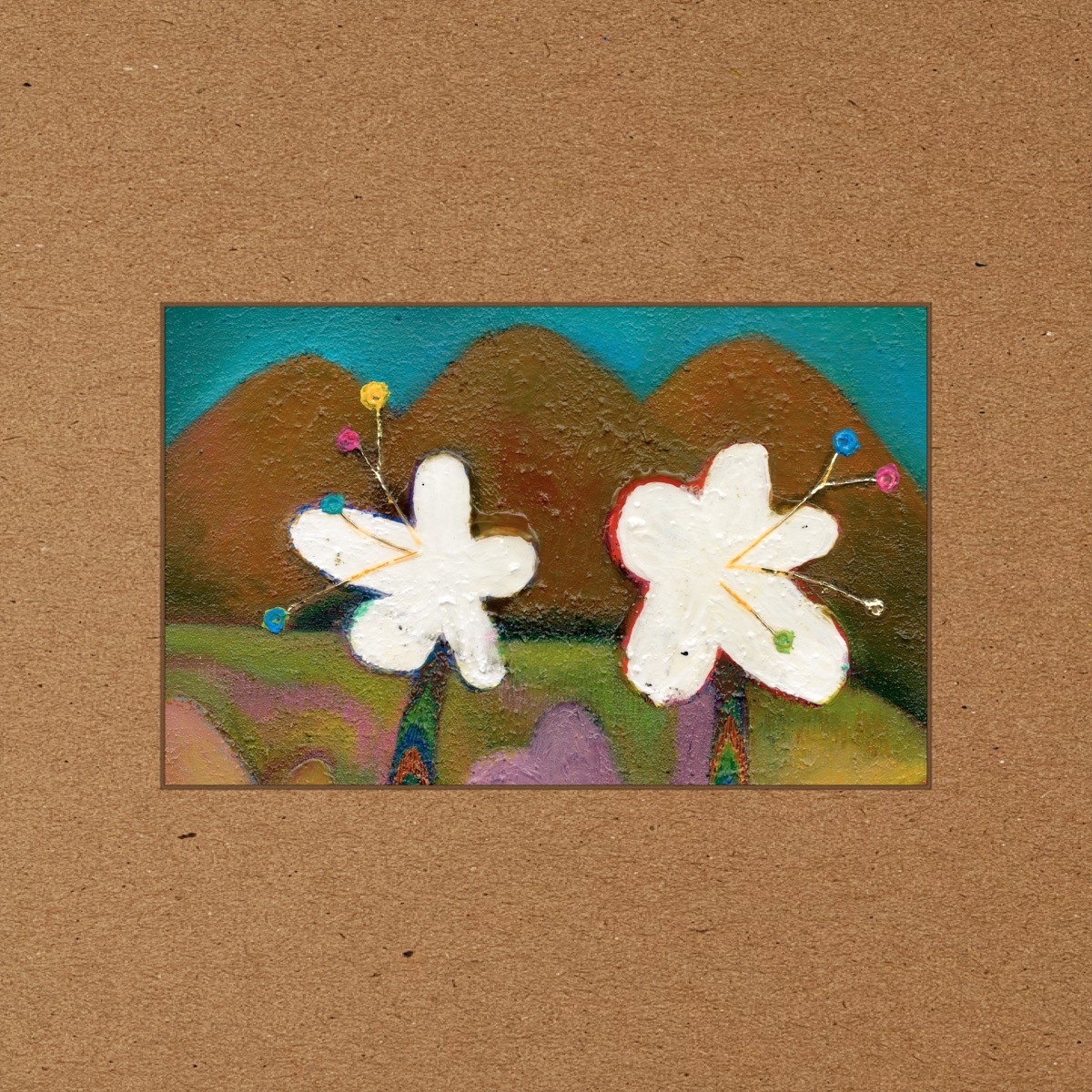
Paradise of Rumors
What is the song/performance? "Paradise of Rumors" is a work found in the fourth full album "Blooming". In this collection, we explore how AKMU examines rumors and desires through their creative lens. When listening to AKMU, instead of just following the bright melodies and clever surface, it’s interesting to see how the duo's voices alternate and how the arrangement drives the story forward. The main emotion of this song is around the imagery of the paradise people pursue alongside the influence of rumors. In the first listen, follow the entire narrative seamlessly; in following listens, focus on separating the vocals, rhythms, and chorus to clarify how many scenes fit within this short pop structure. We also wish to consider whether it acts as an entry point to other works rather than prioritizing solely on representation.
The two vocals and arrangement Critical elements in both the official notation and practical listening are the contrasting views that separate the collective voice from the individual's perspective. The voices of AKMU don't merely result in a shared melody like a straightforward male-female duet. When one provides a context, the following voice amplifies emotion, or alters the speaker's distance through brief responses and harmonies after solos. First, let us focus on {sound}. By listening to overlapping and dividing sections, observing the distances between both low and high registers, as well as identifying arrangements when the instruments drop out, reveals the respective duties of the two performers. Keep in mind that hidden sessions and post-production processes might exist; thus, we refrain from speculating about instrument types or session personnel without solid documentation.
Initial listening point The first crucial point is how AKMU assesses rumors and desires in today's context. Observe who opens the scene in the introduction and which instrument shapes the song’s tempo; identify how voices elevate and harmonize in the first chorus and how the original imagery returns deeply towards the conclusion. On one listen, contextualize only Lee Soo-hyun's melody; on another, track solely Lee Chan-hyuk's phrases and rhythms to uncover diverse tales within the same song. Altering your listening environment can also deepen understanding: check reverb and left-right placement with headphones or switch to speakers to observe foundation from bass and kick. Keeping a record of actual rhythm details, instrumentation, and vocal production over specific genre labels will lead to a straightforward experience.
Next recommended song/version Next, I’d suggest continuing with "Joy, Sadness, Beautiful Mind" and the official album live version in sequence. When comparing the audio and live versions of the same piece, try not to conclude which is superior; rather, choose one aspect like the tempo, length of the introductory and interlude sequences, the interacting breaths between both, or the handling of the ending for meaningful comparisons. This specific entry's purpose is to capture the base version through either the official audio or music video. Though different lists may feature the same song, we will differentiate its video ID, version, and aim of listening. Transitioning to other songs could also blossom your understanding of AKMU’s evolution by recognizing one shared vocal arrangement along with differing arrangement elements rather than simplistic early versus late categorization.
Lyrics and story Without lengthy translations of lyrics, we can sum up how it addresses the imagery of paradise pursued and the potency of rumors. AKMU’s songs leverage familiar items and everyday vernacular while sometimes twisting the speaker's perspective, often hiding anxieties regarding growth beneath bright appearances. Track how titles reflect meaning back into the choruses, observe changes in the meanings of consistent words, and analyze how both vocalists embody varying character roles. While music videos may bolster interpretation, it’s best not to conclude that the narrative it offers is the singular takeaway from the lyrics. Allowing multiple interpretations rooted in lyric credits and song structure keeps new revelations alive even after repeated listens.
Sound and live listening method The sound's core relies on contemporary band and pop production alongside throughout an evocative build-up. Observe which acoustic instruments or electronic textures emerge, deciding whether drums drive the piece or create breathing spots, and how the chorus and synths unfold in breadth during the refrain. During live performances, avoid assumptions that the key and tempo match studio tracks; rather, rely on what you absorb from live breaths and performances in real-time, as moments of contact between performers or lyrical handovers might shift the song's overall thrust. Always prioritize official channel titles and album credits, without depending on equipment details drawn from fan cams or unofficial interpretations of lyrics.
Official credits and materials Confirmed creative contributions focus on lyrics credited to Lee Chan-hyuk and compositions primarily by Lee Chan-hyuk. Each piece’s arrangement is referenced from its respective official album credits. The performance roles within the vocal contrast are separated into distinct voices representing collective and individual perspectives. The principal materials consist of links such as https://www.youtube.com/watch?v=D54StAZFUrc and https://music.bugs.co.kr/artist/80141499, with an additional check of the public details, title, and channel of YouTube video ID D54StAZFUrc being conducted separately. If official information neither mentions session particulars nor details regarding instruments or recording devices, we refrain from making final selections, clearly maintaining a division between observable sounds and credit documentation. By verifying context alongside participation, we can position AKMU’s music as more than merely a vocal duet, recognizing it as interwoven creations extending from lyrics to composition, arrangement, and production. Official materials · Official materials
Joy, Sadness, Beautiful Heart
Joy, Sadness, Beautiful Mind
What is the song/performance? "Joy, Sadness, Beautiful Mind" is a work charmingly located in the fourth full album "Blooming". This collection emphasizes a recent representative piece showcasing the complexity of emotions in long breaths. When listening to AKMU, rather than merely chasing bright melodies and witty layers, it is valuable to observe how their voices switch places. This song’s emotional essence revolves around the coexistence of joy and sadness. During your first listen, take in the entire narrative without interruptions; from your second listen onward, separating the vocals, rhythms, and repetition in the chorus will clarify how many scenes are embedded within the short pop structure. We also consider whether the song provides an entry to additional works rather than organizing solely based on representativeness.
The two vocals and arrangement The core elements confirmed in the official notation and actual listening observe how Lee Soo-hyun’s melodies balance with Lee Chan-hyuk’s storytelling to separate layers of emotions. The duo’s voices don’t merely align to express the same melody like traditional male-female duets. An individual may portray a specific situation while the other expands the emotion or alters the distance of the speaker through brief responses and harmonies following solos. Initially, let’s examine {sound}. Listening for overlapping and distinct intervals, as well as how the low and high registers separate, will highlight each participant’s role. Be mindful that there might be sessions and post-production elements that aren’t visible on-screen, so it’s wise to avoid guessing instrument types or session members without formal documentation.
Initial listening point The primary element is the focus on complexities in emotional expression shown in these melodies. At the start, note who outlines the scene and which instruments dictate the tempo; investigate how vocal heights and harmonies within the first chorus flourish, examining the original images that return with deeper meaning in the conclusion. In one listening session, follow only Lee Soo-hyun’s melodic lines and in the next, focus solely on Lee Chan-hyuk's narrative or rhythmic patterns, obtaining varying stories within the same piece. Alternating your listening method, whether through headphones for a stronger grasp of balance and echo, or utilizing speakers to observe fabricated bass lines and beats may enhance understanding significantly. Recording accurate sounds across various instruments and reliable vocal records rather than emphasizing genre terms ensures an authentic experience.
Next recommended song/version I suggest transitioning next to "Paradise of Rumors" and the EBS official live version sequentially. When checking the same song’s audio against its live rendition, observe the differences by selecting aspects such as tempo, prelude versus interlude timings, breaths, and how phrases resolve—this will articulate clarity amidst comparisons rather than simply attesting to which version outweighs the other. The purpose of this section is to capture the basic form of the song in official audio or music releases. Even if identical pieces recur in different lists, we’ll differentiate video IDs, versions, and the driving goals for our listening experiences. Moving towards different songs, finding shared vocal configurations and any revised arrangement aspects will yield richer understandings of AKMU beyond mere classifications based solely on chronology.
Lyrics and story While avoiding good-length lyric reproductions, the summary encapsulates the intertwining concept of joy and sadness coexisting. AKMU’s songs illuminate comfortable items through the lens of ordinary language, often twisting speaker positions to obscure deeper anxieties surrounding relationships and growth beneath bright surfaces. Consider how titles deliver weight within choruses, track recurring words that shift with contexts, and contemplate how both vocalists assume different character positions. Even though the visuals in the music video provide helpful contexts for interpreting the piece, concluding this thorough storyline as the singular meaning of the lyrics isn’t advisable. Maintaining openness to a multitude of interpretations rooted in lyrical insights fosters profound connections long after multiple listenings.
Sound and live listening method The sound’s focal point captures the extensive arrangements of band dynamics along with vocal responsiveness. Observe which acoustic instruments or electronic textures prevail, decide whether drums propel the piece or yield moments of stillness, and evaluate how the chorus and synthesizers deepen in arrangement during refrains. While engaged in live performance, one should not assume equivalence in keys or tempos as compared to studio versions; rather, real-time observation must prevail instead. As moments of eye contact or lyric exchanges impact perceptions, audience interactions may refine interpretations and impressions further. Confirm the priority of official channel identities and album credits, avoiding reliance on any pieces from fan perspectives and interpretations.
Official credits and materials Confirmed creative roles center on lyrics attributed to Lee Chan-hyuk, with the focus on the arrangement as stated in each song's specific official credits. Vocal dynamics consist of Lee Soo-hyun's melodies entwined within Lee Chan-hyuk's emotional arcs. Essential materials include https://www.youtube.com/watch?v=SNn_H_Q2moo and https://music.bugs.co.kr/artist/80141499, necessitating an additional examination of the public states, titles, and channels relating to YouTube video ID SNn_H_Q2moo. Should any official details lack clarity regarding sessions, instruments, or recording details, we shall avoid definitive conclusions while distinctly categorizing sounds beneath defined facts of the credits. By examining the release contexts alongside contributor insights, listeners can better understand AKMU not just as a duet but as a collaborative realization of lyrical content, compositional mastery, arrangement, and production artistry. Official materials · Official materials
This collection links AKMU's works through an introductory standard that checks the breadth of their music across eras, vocals, and sounds, beginning with their representative songs. There is no need to memorize all the information at once. Choosing just one ‘initial listening point’ for each item and playing it can uncover moments where the two vocals and arrangements alter the scenes of the songs. In one listen, absorb the overall impression, and during the next play, focus on just one question from this paragraph to discover the differences between the works without pressure.
When listening with a focus on the sibling vocals, consider not who sings more, but who opens up the situation, who elevates emotions, and where the two voices overlap. Short responses and harmonies, along with intentional distance, can add a new speaker to the lyrics. In one listen, absorb the overall impression, and during the next play, focus on just one question from this paragraph to discover the differences between the works without pressure.
Lyrics and tales are more precise when viewing the official lyric credits alongside the song structure. Paying attention to whether familiar words carry different meanings back and forth, or whether emotions of anxiety or growth rest beneath bright arrangements can help in understanding the depth of the works without long quotes. In one listen, absorb the overall impression, and during the next play, you can discover the differences without strain between the works.
Don’t divide sound changes merely into early and late, but choose one aspect to compare such as rhythm, instrument texture, or vocal production. Listening to how acoustic and band, synth, and electronic rhythms add to the narrative of the song will make the changes more concrete. In one listen, absorb the overall impression, and during the next play, choosing just one question from this paragraph can help uncover the differences between the works without any burden.
Finally, try alternating between the official audio and official live versions. Comparing just one of the tempo, interlude, breath of the two, or ending will make the same song feel like it’s presenting different scenes. I encourage you to use this collection as a starting point to slowly expand into album-level listening and concert videos. In one listen, absorb the overall impression, and during the next play, just follow one question from this paragraph to explore the differences between the works without pressure.
이 포스팅은 쿠팡 파트너스 활동의 일환으로, 이에 따른 일정액의 수수료를 제공받습니다.
댓글 0
로그인 후 댓글을 작성할 수 있습니다.
첫 댓글을 남겨보세요.
이런 리스트는 어때요?


이런 리스트도 추천해요


여기서 멈추기엔 아쉽잖아?
다음에 뭘 볼지 고민하는 시간이 제일 아까워.
주사위가 대신 골라줄게 — 무슨 리스트가 튀어나올지는 굴려봐야 알지.
안 누르면… 평생 궁금하지 않겠어? 👀