Collection
Nobel Prize
2026.10.07
Controlling Nerves with Light: The 2026 Nobel Prize in Physiology or Medicine
The distinct contributions and official award records of the three researchers who opened up optogenetics
The 2026 Nobel Prize in Physiology or Medicine went to three researchers who led the discoveries concerning light-responsive ion channels and optogenetics. Basic research that revealed how cells convert light into electrical signals, and research that extended that principle into a tool for precisely switching the activity of living nerve cells on and off, were bundled into a single citation. The phrase 'controlling the brain with light' alone is not enough to explain each person's role and the accumulation of research behind it.
This list examines Karl Deisseroth, Peter Hegemann, and Georg Nagel side by side, based on the affiliations and prize shares recorded in the official Nobel Prize announcement. It is organized so that you can read how the key phrases of the citation, light-gated ion channels and optogenetics, are connected, and why the three researchers jointly received the prize for the same achievement. Rather than making definitive claims about therapeutic effects on disease, the focus is on the scientific significance of a research tool that made it possible to test cause and effect in neural circuits.
This list examines Karl Deisseroth, Peter Hegemann, and Georg Nagel side by side, based on the affiliations and prize shares recorded in the official Nobel Prize announcement. It is organized so that you can read how the key phrases of the citation, light-gated ion channels and optogenetics, are connected, and why the three researchers jointly received the prize for the same achievement. Rather than making definitive claims about therapeutic effects on disease, the focus is on the scientific significance of a research tool that made it possible to test cause and effect in neural circuits.
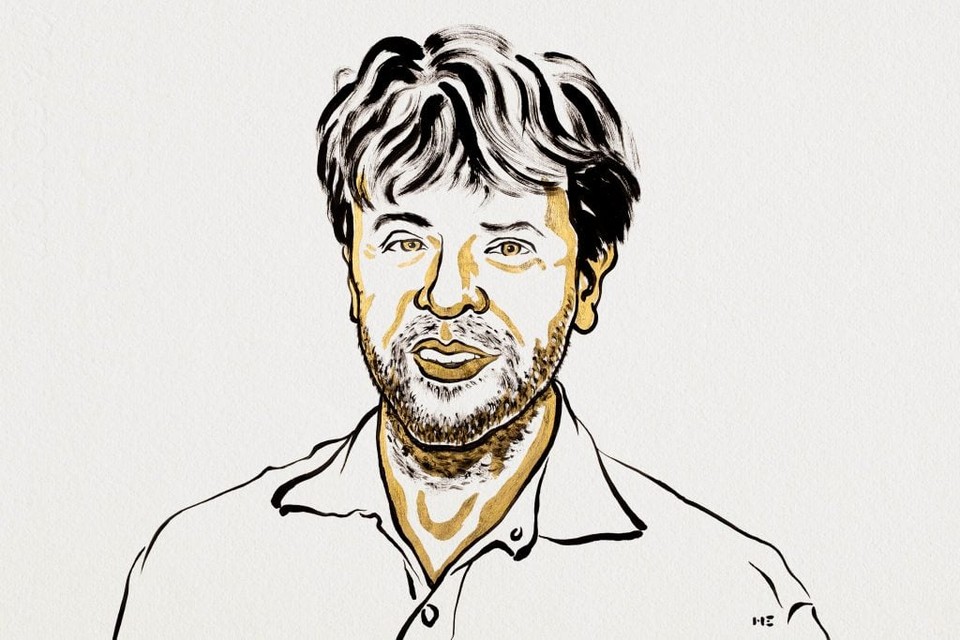
Karl Deisseroth
Karl Deisseroth is listed in the official Nobel Prize materials as affiliated with the Howard Hughes Medical Institute and Stanford University. This prize jointly recognizes the discoveries concerning ion channels that open and close in response to light, along with optogenetics, and Deisseroth is introduced as the researcher who expanded the approach of using light in neuroscience to control the activity of selected cell populations with temporal precision.
In understanding his role, exaggerations such as 'shine a light and you can create any behavior you want' should be avoided. The researcher first delivers a molecular tool so that specific cells respond to light, then verifies the relationship between circuits and behavior in controlled experiments. The one-third share signifies the official distribution acknowledging that three joint laureates completed a single scientific current, rather than a sole inventor.
In understanding his role, exaggerations such as 'shine a light and you can create any behavior you want' should be avoided. The researcher first delivers a molecular tool so that specific cells respond to light, then verifies the relationship between circuits and behavior in controlled experiments. The one-third share signifies the official distribution acknowledging that three joint laureates completed a single scientific current, rather than a sole inventor.
공식 소속 HHMI·Stanford University
수상 지분 1/3
발표일 2026-10-05
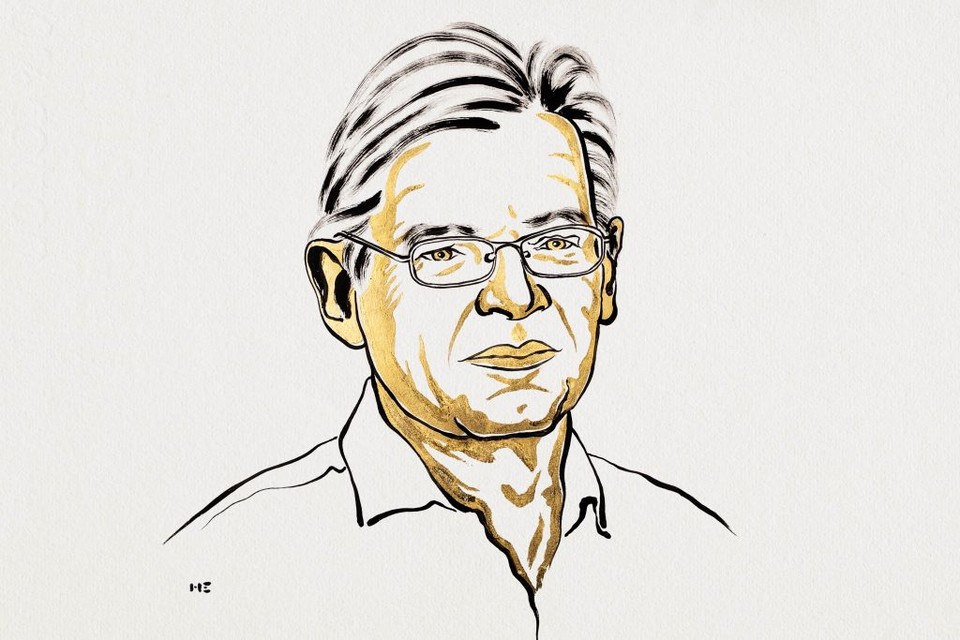
Peter Hegemann
Peter Hegemann was recorded as affiliated with Humboldt University of Berlin at the time of the Nobel Prize announcement. The context of his research begins with uncovering the molecular systems by which microorganisms sense and respond to light. This basic research on understanding light-operated proteins later became an important foundation for designing optogenetic tools that control the electrical state of living cells.
This contribution is easy to overlook if you consider only the application stage in isolation. For optogenetics to work, one must know which molecules respond to which wavelengths of light and how the flow of ions across the cell membrane changes as a result. The official one-third share shows that Hegemann's basic photobiology research was placed within a joint-award structure on equal footing with the contributions of Deisseroth and Nagel.
This contribution is easy to overlook if you consider only the application stage in isolation. For optogenetics to work, one must know which molecules respond to which wavelengths of light and how the flow of ions across the cell membrane changes as a result. The official one-third share shows that Hegemann's basic photobiology research was placed within a joint-award structure on equal footing with the contributions of Deisseroth and Nagel.
공식 소속 Humboldt University of Berlin
수상 지분 1/3
발표일 2026-10-05
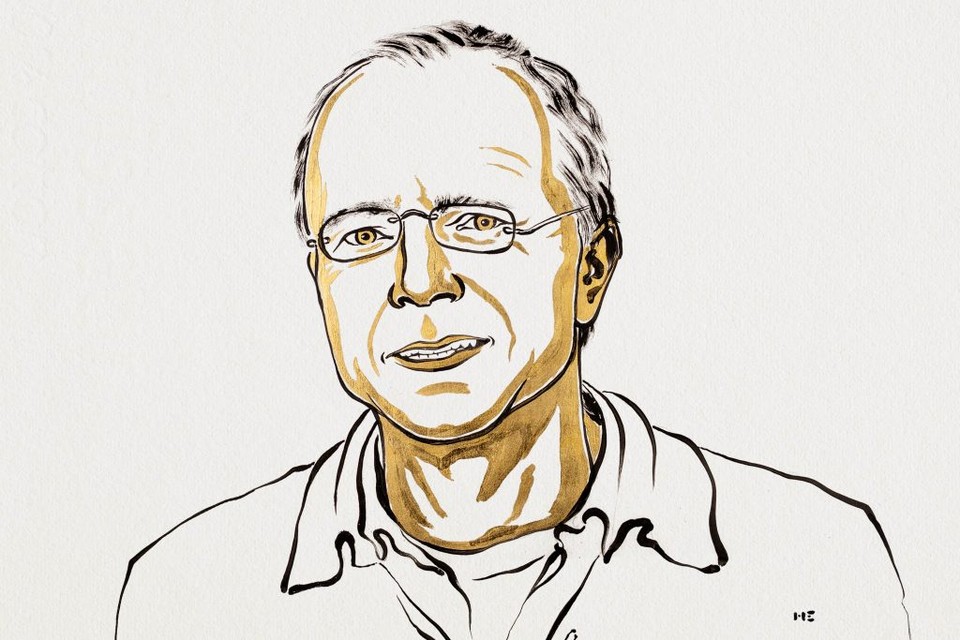
Georg Nagel
Georg Nagel was announced in the official Nobel Prize records as affiliated with the University of Würzburg. His research on light-responsive membrane proteins and ion channels went beyond merely observing photoreception, placing it within the current of making these proteins function in other cells and developing them into experimental tools that control electrical activity.
When explaining the relationship among the three joint laureates, reducing Nagel's contribution to a single protein name blurs the connectedness of the research. What matters is that he refined the molecular principle by which a light stimulus leads to ion movement across the cell membrane into an experimentally workable form. His official prize share is one-third, and the citation was not divided by individual but given to all three in the same sentence.
When explaining the relationship among the three joint laureates, reducing Nagel's contribution to a single protein name blurs the connectedness of the research. What matters is that he refined the molecular principle by which a light stimulus leads to ion movement across the cell membrane into an experimentally workable form. His official prize share is one-third, and the citation was not divided by individual but given to all three in the same sentence.
공식 소속 University of Würzburg
수상 지분 1/3
발표일 2026-10-05
The achievements of the three laureates are more accurately seen as a process in which discovery and tool-building followed one another, rather than as a single invention. While the photoreceptor protein research of Hegemann and Nagel broadened the foundation for understanding and utilizing light-responsive molecular devices, Deisseroth's research contributed to systematizing those devices into a method for controlling activity by cell type in neuroscience. The reason the official citation names all three together can be read within this connection.
Optogenetics is a powerful research method, but it is not a cure-all technology that immediately treats every human disease. Because a light-responsive protein must be expressed in the target cells and light must be delivered to them, separate verification is needed for the conditions of application, safety, and clinical translation. When reading this list, distinguish between 'the molecules discovered,' 'the conversion into an experimental tool,' and 'the application to questions about neural circuits.' Then it becomes clear that the 2026 prize in physiology or medicine recognized the formation of a new experimental language, not a single piece of equipment.
Optogenetics is a powerful research method, but it is not a cure-all technology that immediately treats every human disease. Because a light-responsive protein must be expressed in the target cells and light must be delivered to them, separate verification is needed for the conditions of application, safety, and clinical translation. When reading this list, distinguish between 'the molecules discovered,' 'the conversion into an experimental tool,' and 'the application to questions about neural circuits.' Then it becomes clear that the 2026 prize in physiology or medicine recognized the formation of a new experimental language, not a single piece of equipment.
At a glance
3 items
As part of the Coupang Partners program, this post may earn a commission from qualifying purchases.
Comments 0
Log in to leave a comment.
Be the first to comment.
How about these lists?


You might also like


🎲
Not ready to stop here?
Wondering what to read next is the biggest waste of time.
Let the dice decide — you won't know what pops up until you roll.
If you don't press it… won't you wonder forever? 👀