Collection
Travel to China
2026.08.24
Temples in Xi'an to Calm Your Heart
A Journey Exploring Buddhist Sects, Geography, and Worship Culture at the Jungnamsan Mountain Temples and Urban Temples
The religious culture of Xi'an is deeply rooted not only in its iconic sites like the Big Wild Goose Pagoda but also in the temples nestled in the valley of Jungnamsan Mountain and the alleys of the city. Chodang Temple carries the tradition of Kumārajīva's translation, Jeongyeop Temple follows the lineage of the Vinaya school, while Huayan Temple and Hyangjeok Temple embody the histories of Huayan and Pure Land Buddhism, respectively. At Nugwandai, one can compare the landscapes and practice traditions of Buddhism with those of other Taoist sacred sites.
Although the temples are close in distance on a map, the winding valley paths and staircases make travel time longer. Check for public transportation transfers, entry restrictions, and sunset times beforehand, and avoid entering sacred spaces or taking photos during ceremonies. Each temple has different rules for offerings, rituals, and dress codes, and it's important not to confuse hiking trails with practice areas. Focus on one sect or one valley each day to appreciate the significance of the places rather than just the number of buildings.
Although the temples are close in distance on a map, the winding valley paths and staircases make travel time longer. Check for public transportation transfers, entry restrictions, and sunset times beforehand, and avoid entering sacred spaces or taking photos during ceremonies. Each temple has different rules for offerings, rituals, and dress codes, and it's important not to confuse hiking trails with practice areas. Focus on one sect or one valley each day to appreciate the significance of the places rather than just the number of buildings.
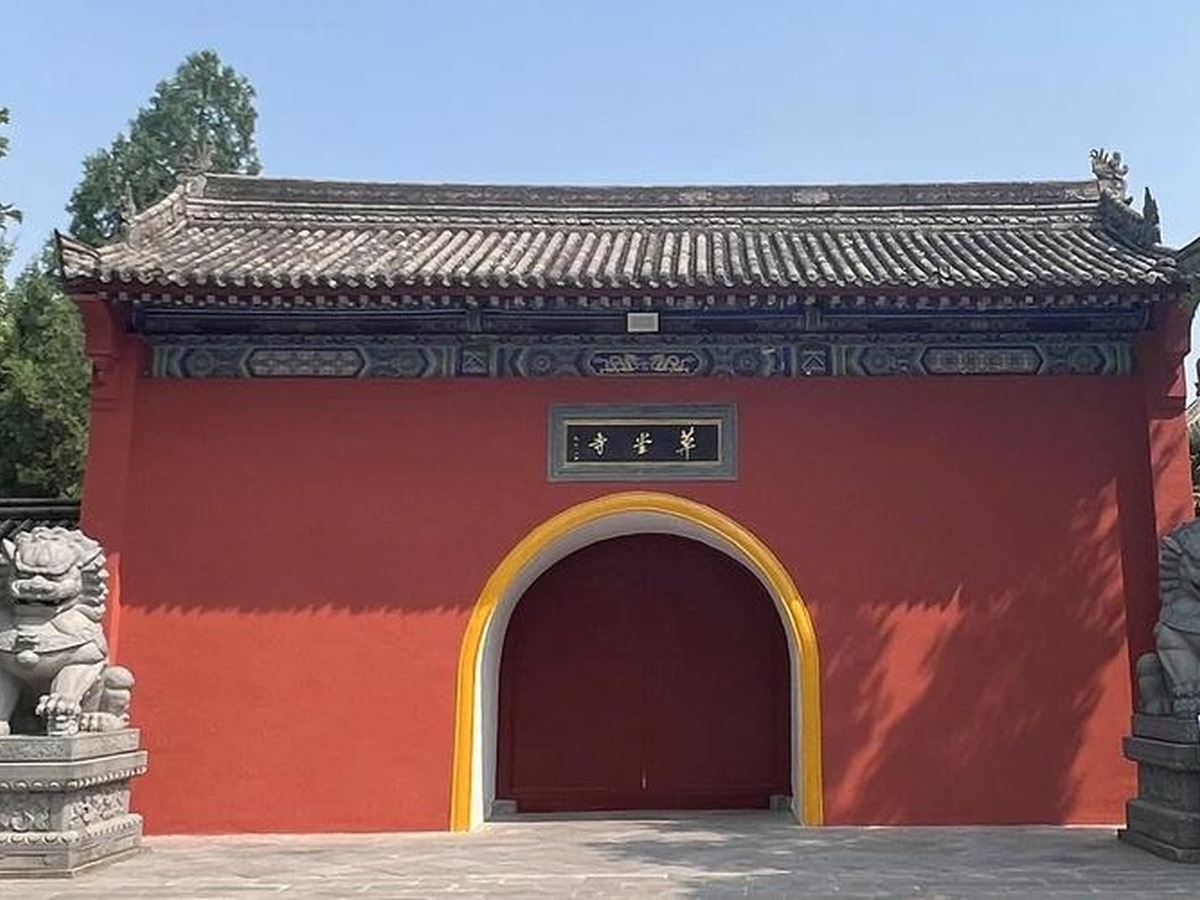
Chaodang Temple
Chodang Temple
Chodang Temple is the first temple we discuss in 'Temples in Xi'an to Calm Your Heart.' When exploring Chodang Temple, it's helpful to observe how the space is utilized rather than just its appearance. The essence of Chodang Temple lies in its meeting with the bamboo forest north of Jungnamsan Mountain and is known for the tradition of Kumārajīva's translation of scriptures. While visiting, check values such as the opening of gatherings and translation memorial spaces, as well as public transport transfers, and adhere to photo restrictions inside the halls. Make sure to save both the address '西安市鄠邑区草堂镇草寺东路' and its Chinese name. Comparing this location with the next place on the list will clarify the differences within the context of 'A Journey Exploring Buddhist Sects, Geography, and Worship Culture at the Jungnamsan Mountain Temples and Urban Temples.'
주소 西安市鄠邑区草堂镇草寺东路
방문 확인 법회·역경 기념공간 개방과 대중교통 환승을 확인하고 전각 안 촬영 규칙을 따른다
Xi'an Xiangjisi
Hyangjeok Temple
At Hyangjeok Temple, the second temple we encounter, it's best to slow down a bit. If your visit is brief, focus on one important feature. Knowing that Hyangjeok Temple is a sect site in the south of Chang'an where traditions of Pure Land Buddhism have remained helps highlight otherwise easily overlooked elements. Ensure to follow the visiting route in the protected area of the pagoda and check the return traffic on rural roads. The location of Hyangjeok Temple is '西安市长安区郭杜街道香积寺村.' By relating Hyangjeok Temple to Chodang Temple among the other items mentioned in 'Temples in Xi'an to Calm Your Heart,' the journey becomes a comparative experience rather than a simple list of locations.
주소 西安市长安区郭杜街道香积寺村
방문 확인 도심에서 떨어진 마을 진입 교통과 전각 개방 시간을 확인하고 참배가 이어지는 구역에서는 정숙한다
Xi'an Huayan Temple
Huayan Temple
The third selection in this series is Huayan Temple. When visiting Huayan Temple, first grasp the overall layout from the entrance before moving into detailed areas. Considering that the temple is situated on a cliff with the zenith tower overlooking the lineage of the Huayan school and the broad audience forum aids quick understanding when viewing the actual landscape. For safety, be cautious at the cliff edges and narrow access roads, and postpone visits during inclement weather. The standard address for Huayan Temple is '西安市长安区韦曲街道四府井村.' Comparing Huayan Temple’s methods and uses of space with Hyangjeok Temple from earlier will reveal how their different attractions do not overlap.
주소 西安市长安区韦曲街道四府井村
방문 확인 마을길과 절벽 지형을 고려해 이동하고 종교 행사와 보수 공사에 따른 출입 범위를 확인한다
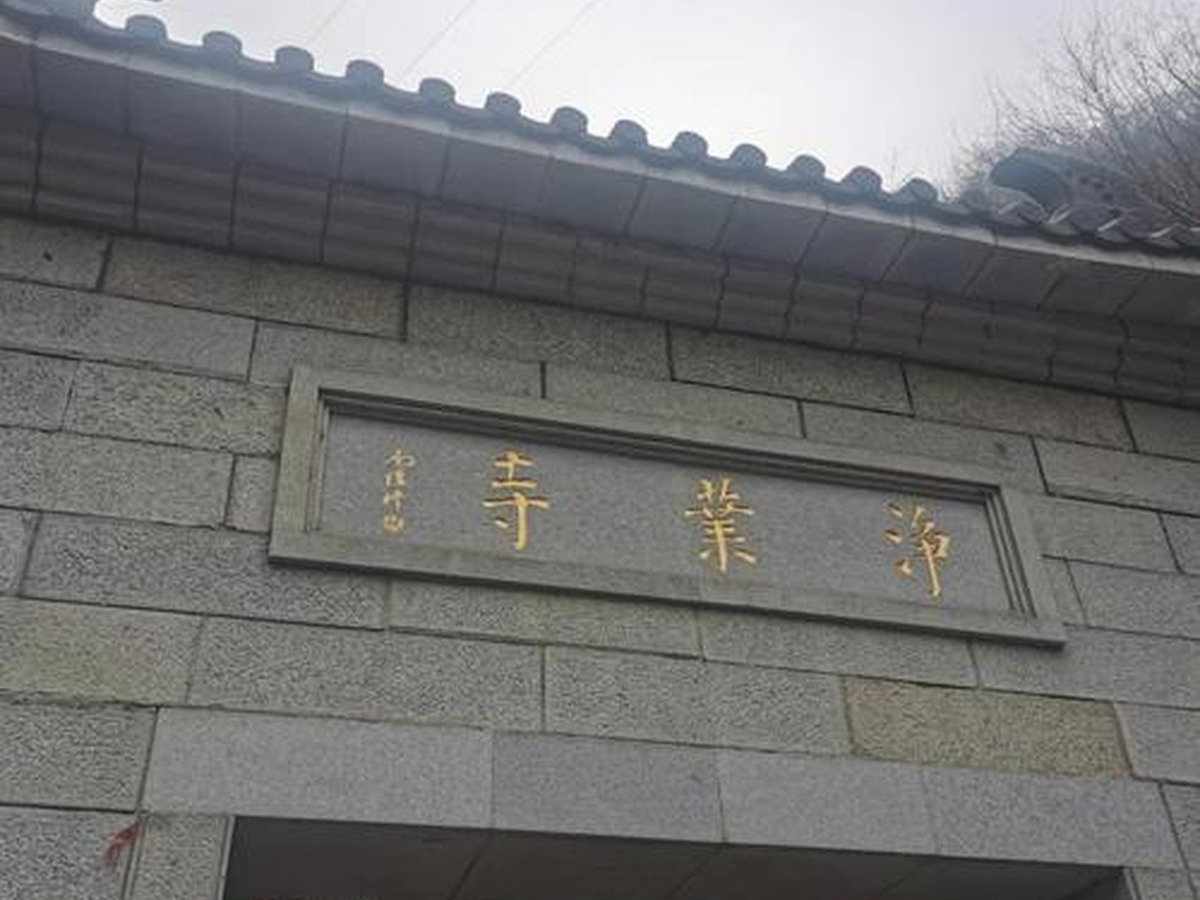
Zhengye Temple
Jeongyeop Temple
Jeongyeop Temple, the fourth place on this list, is where the perspective of 'A Journey Exploring Buddhist Sects, Geography, and Worship Culture at the Jungnamsan Mountain Temples and Urban Temples' meets actual space. When visiting Jeongyeop Temple, checking core terms on the signboards can enhance understanding. First, notice that it is a tranquil practice temple established by the Vinaya school in the secluded valley of Jungnamsan. Calculate the uphill trek from the mountain gate to the main hall and plan to descend before sunset when using the space. Showing the address '西安市长安区滦镇沣峪口内' to your transportation provider will facilitate movement. Noting the size and visitor movement in parallel with what was observed at Huayan Temple will provide rich comparisons.
주소 西安市长安区滦镇沣峪口内
방문 확인 산문에서 전각까지의 오르막과 일몰 전 하산 시간을 계산하고 수행 구역을 침범하지 않는다
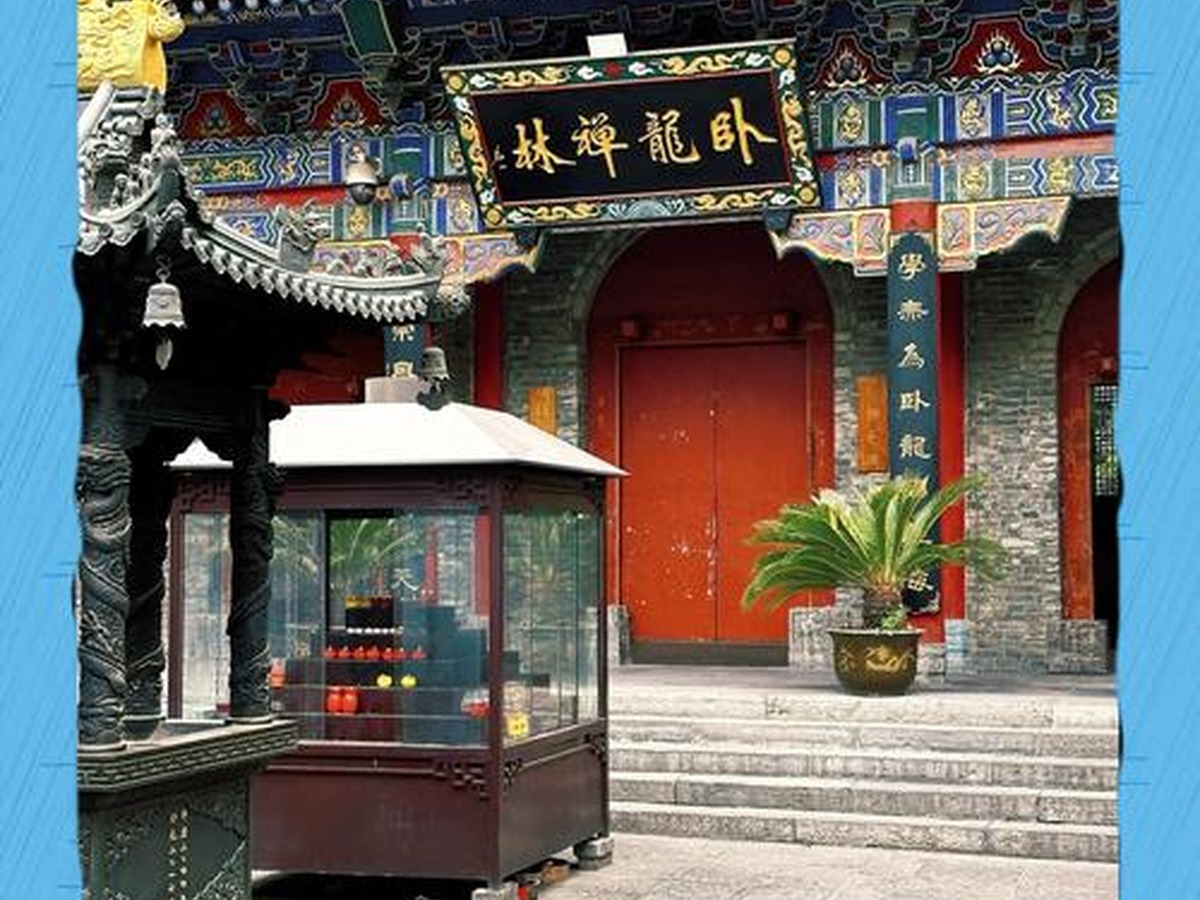
Wanglong Temple
Waryong Temple
Waryong Temple is the fifth item in 'Temples in Xi'an to Calm Your Heart.' To take in the surrounding scenery as well, give yourself some space while moving around Waryong Temple. The reason for selecting this site is its combination of ancient temple architecture and stele with current worship practices in an urban alley. Preparations for visiting include checking the narrow alley’s entrance and ceremony times, and avoiding excessive photography near the incense burner. Confirm the destination as '西安市碑林区柏树林街35号.' This time, rather than using the scale observed in Jeongyeop Temple as a benchmark, focusing on the surrounding atmosphere and current use will broaden the scope of your observations.
주소 西安市碑林区柏树林街35号
방문 확인 좁은 골목 입구와 법회 시간을 확인하고 향로 주변에서 장시간 촬영하지 않는다
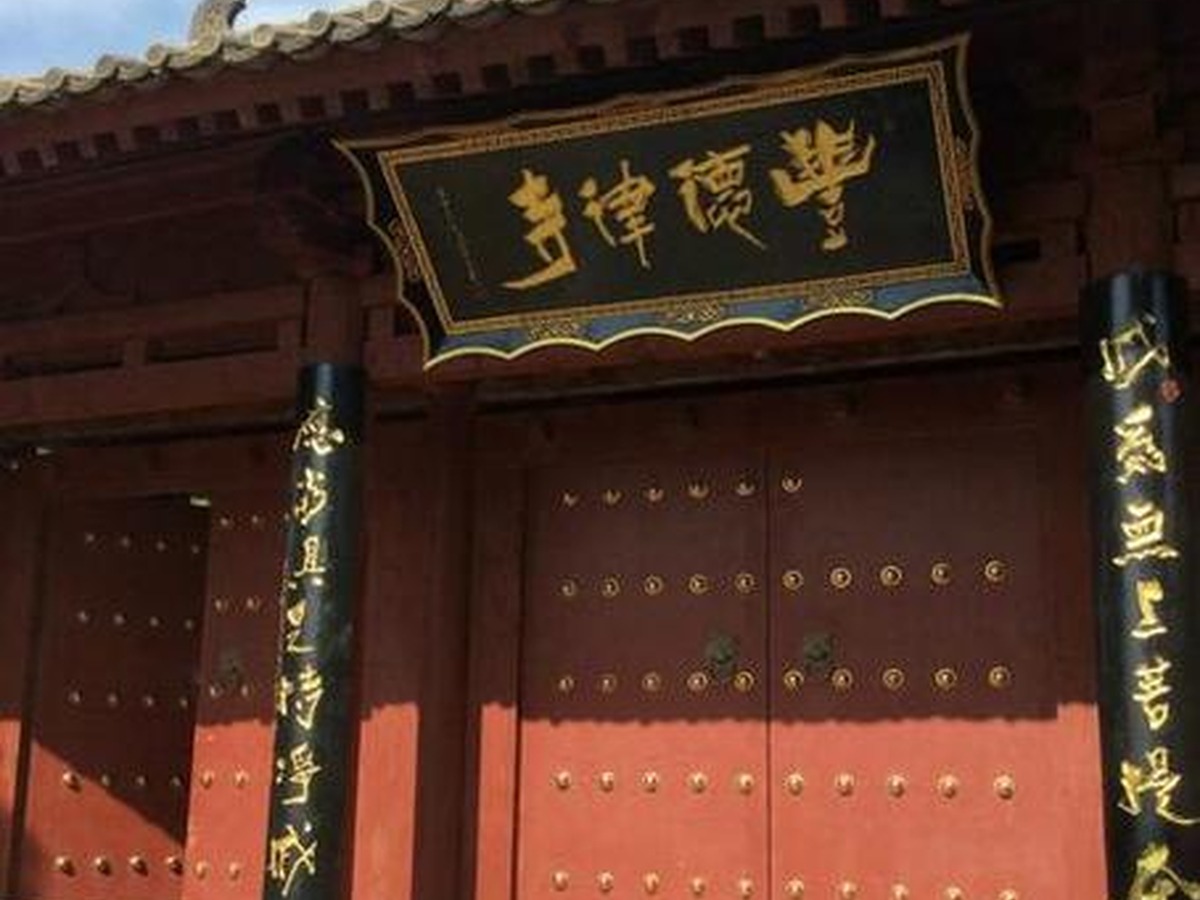
Fengdu Temple
Pungdeok Temple
Pungdeok Temple is placed sixth to highlight the characteristics of this ancient temple which explores the tradition of the Samnon school and mountain temple terrain in Jungnamsan's hot spring area. When visiting Pungdeok Temple, a perspective that observes both the architecture and current users is needed. Be sure not to confuse its location with Jeongyeop Temple; check the day’s opening hours, path conditions, and transportation for return trips separately. The place to visit is '西安市长安区滦镇沣峪口,' and if pronunciation is difficult, presenting the Chinese name can be helpful. When comparing with Waryong Temple, note the differences in duration of stay and surrounding living conditions to transform the theme into your personal travel record of 'A Journey Exploring Buddhist Sects, Geography, and Worship Culture at the Jungnamsan Mountain Temples and Urban Temples.'
주소 西安市长安区滦镇沣峪口
방문 확인 정업사와 위치를 혼동하지 말고 당일 개방·산길 상태·귀가 교통을 따로 확인한다
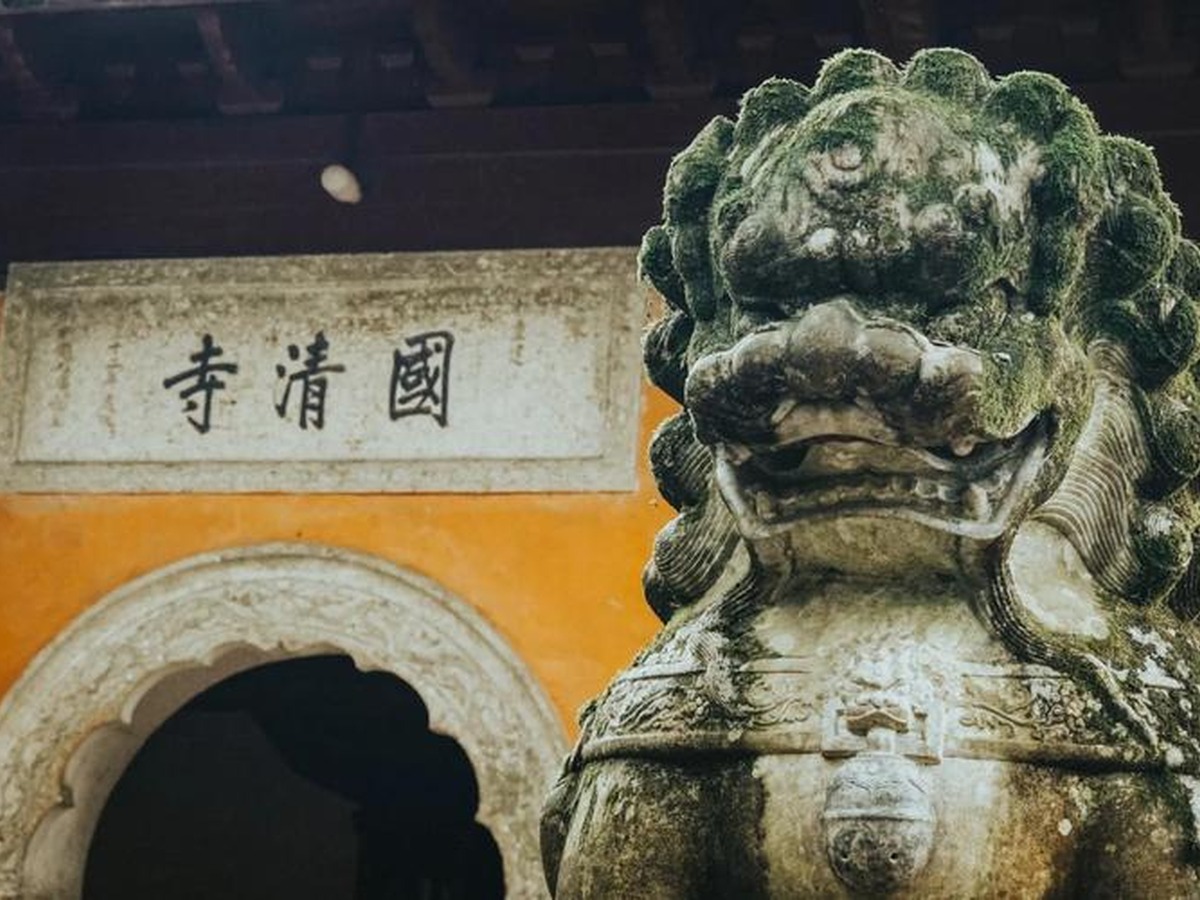
Guoqing Temple
Gukcheong Temple
Gukcheong Temple is the seventh location where it's nice to slow down a bit. When visiting Gukcheong Temple, if your visit is short, it's best to focus on one major characteristic. Knowing that it embodies the humble scale of the Buddhist culture from the Sui and Tang dynasties in the southern part of Chang'an brings readily overlooked aspects into view. Reduce noise on the entry path passing through local villages and check general visiting hours. The location information for Gukcheong Temple is '西安市长安区韦曲街道东四府村.' When thinking of Gukcheong Temple alongside Pungdeok Temple from earlier, the theme of 'A Journey Exploring Buddhist Sects, Geography, and Worship Culture at the Jungnamsan Mountain Temples and Urban Temples' remains a comparative experience rather than simply a list.
주소 西安市长安区韦曲街道东四府村
방문 확인 주민 마을을 지나는 진입로에서 소음을 줄이고 일반 관람 가능 시간을 확인한다
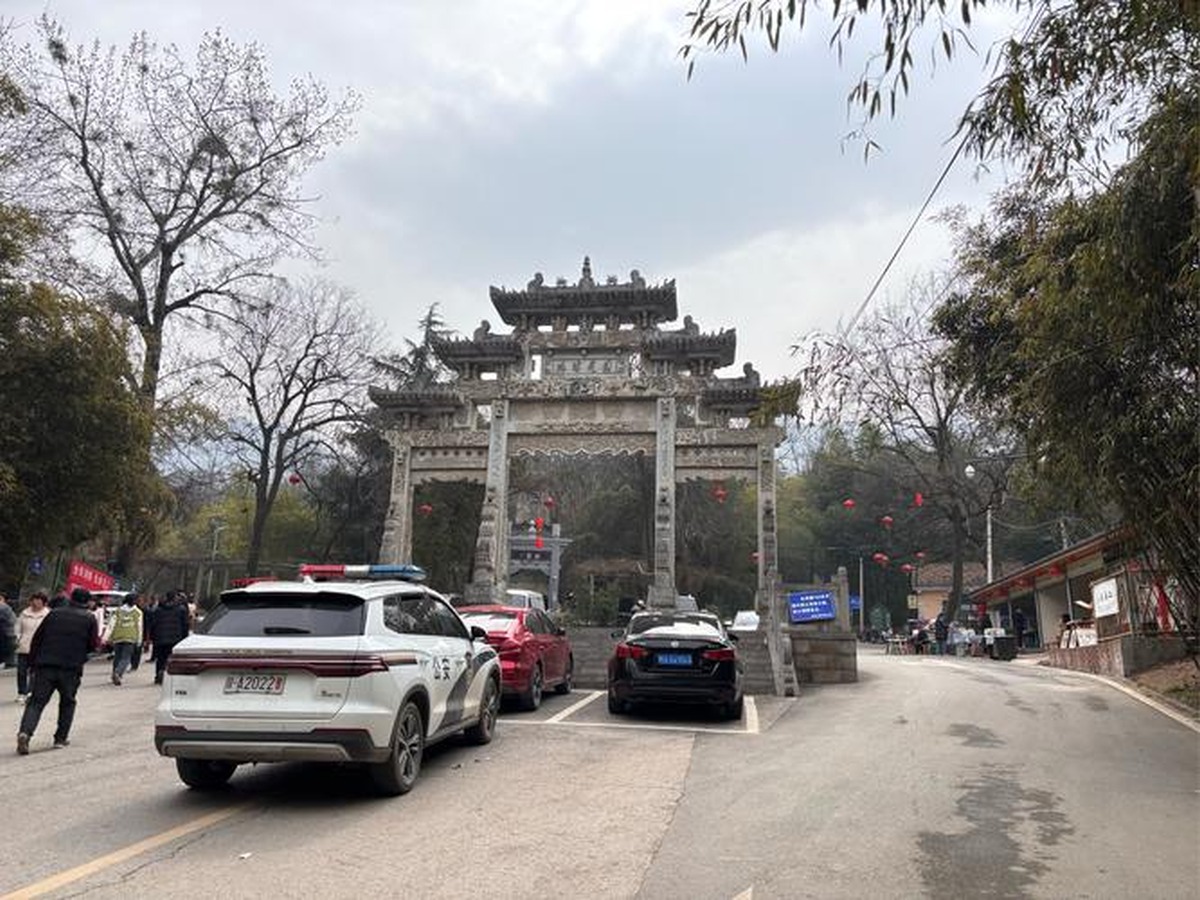
Luguandai
Nugwandai
In 'Temples in Xi'an to Calm Your Heart,' Nugwandai is the eighth venue on the list. When visiting Nugwandai, it’s convenient to determine the optimal viewing spot beforehand during busy times. Nugwandai is notable as a representative sacred site of Chinese Taoism that combines the stories of Laozi and the tradition of the Dao De Jing, along with the forest on the northern slope of Qinling Mountain. Before use, distinguish between the ecological cultural area and religious structures, and confirm the last return trip to the city center of Xi'an. Keeping the address '西安市周至县集贤镇楼观台' handy is straightforward for reference. When comparing Nugwandai with Gukcheong Temple, rather than only matching photographs, choosing to compare one aspect among usage, spatial materials, or accessibility can highlight the uniqueness of each location.
주소 西安市周至县集贤镇楼观台
방문 확인 생태문화구와 종교 전각의 표·동선을 구분하고 시안 도심 복귀 막차를 확인한다
Following the temples reveals that Chang'an was a city of exchange where scriptures and thoughts were translated and spread throughout East Asia. The translations at Chodang Temple, the precepts of Jeongyeop Temple, the Pure Land beliefs at Hyangjeok Temple, and the Taoist traditions at Nugwandai have created diverse paths of practice while sharing views of the same mountain. By exploring the backgrounds and geography of the temples rather than just their elaborate structures, one's visit can become much more meaningful.
Religious sites are not photo opportunities for tourists; they are spaces where prayers and practices continue today. Avoid taking close-up shots of monks and devotees, and politely decline unofficial solicitations that pressure for offerings and donations. On mountain paths, keep noise and litter to a minimum, and anticipate slipping in rain or snow. Taking some time to sit and feel the sounds and winds at one location will help you remember Xi'an's religious culture as an experience rather than just a timeline.
Religious sites are not photo opportunities for tourists; they are spaces where prayers and practices continue today. Avoid taking close-up shots of monks and devotees, and politely decline unofficial solicitations that pressure for offerings and donations. On mountain paths, keep noise and litter to a minimum, and anticipate slipping in rain or snow. Taking some time to sit and feel the sounds and winds at one location will help you remember Xi'an's religious culture as an experience rather than just a timeline.
한눈에 보기
8개
Chaodang Temple
西安市鄠邑区草堂镇草寺东路 · 법회·역경 기념공간 개방과 대중교통 환승을 확인하고 전각 안 촬영 규칙을 따른다
Xi'an Xiangjisi
西安市长安区郭杜街道香积寺村 · 도심에서 떨어진 마을 진입 교통과 전각 개방 시간을 확인하고 참배가 이어지는 구역에서는 정숙한다
Xi'an Huayan Temple
西安市长安区韦曲街道四府井村 · 마을길과 절벽 지형을 고려해 이동하고 종교 행사와 보수 공사에 따른 출입 범위를 확인한다
Zhengye Temple
西安市长安区滦镇沣峪口内 · 산문에서 전각까지의 오르막과 일몰 전 하산 시간을 계산하고 수행 구역을 침범하지 않는다
Wanglong Temple
西安市碑林区柏树林街35号 · 좁은 골목 입구와 법회 시간을 확인하고 향로 주변에서 장시간 촬영하지 않는다
Fengdu Temple
西安市长安区滦镇沣峪口 · 정업사와 위치를 혼동하지 말고 당일 개방·산길 상태·귀가 교통을 따로 확인한다
Guoqing Temple
西安市长安区韦曲街道东四府村 · 주민 마을을 지나는 진입로에서 소음을 줄이고 일반 관람 가능 시간을 확인한다
Luguandai
西安市周至县集贤镇楼观台 · 생태문화구와 종교 전각의 표·동선을 구분하고 시안 도심 복귀 막차를 확인한다
위치 한눈에 보기
8곳
이 포스팅은 쿠팡 파트너스 활동의 일환으로, 이에 따른 일정액의 수수료를 제공받습니다.
댓글 0
로그인 후 댓글을 작성할 수 있습니다.
첫 댓글을 남겨보세요.
이런 리스트는 어때요?


이런 리스트도 추천해요


🎲
여기서 멈추기엔 아쉽잖아?
다음에 뭘 볼지 고민하는 시간이 제일 아까워.
주사위가 대신 골라줄게 — 무슨 리스트가 튀어나올지는 굴려봐야 알지.
안 누르면… 평생 궁금하지 않겠어? 👀