
A Museum Finding Meaning of Peace in the Record of War
A space reflecting on the Korean War, forced conscription, and anti-Japanese movements through personal lives and local memories
In museums dealing with war, anti-colonialism, and peace, it's just as important to read individual lives and choices as it is to understand the outcomes of military operations or weapon specifications. The records of soldiers, prisoners, evacuees, forced labor victims, abductees, and student independence activists show that various experiences exist even within a single event. This list gathers actual places where one can reflect on the meaning of peace and human rights while revisiting the Korean War, the Japanese colonial period, and local anti-Japanese movements.
Make sure to distinguish between recreated scenes in exhibitions and actual artifacts/testimonies, and verify the sources of photos and documents. If visiting with children, it's better to explain why we remember and record rather than showing brutal scenes for long periods. Each memorial has its unique ways of commemorating and educating, so don't consider one exhibition as the definitive answer to the whole historical narrative; instead, compare various voices. Always check the programs and operating hours before visiting.
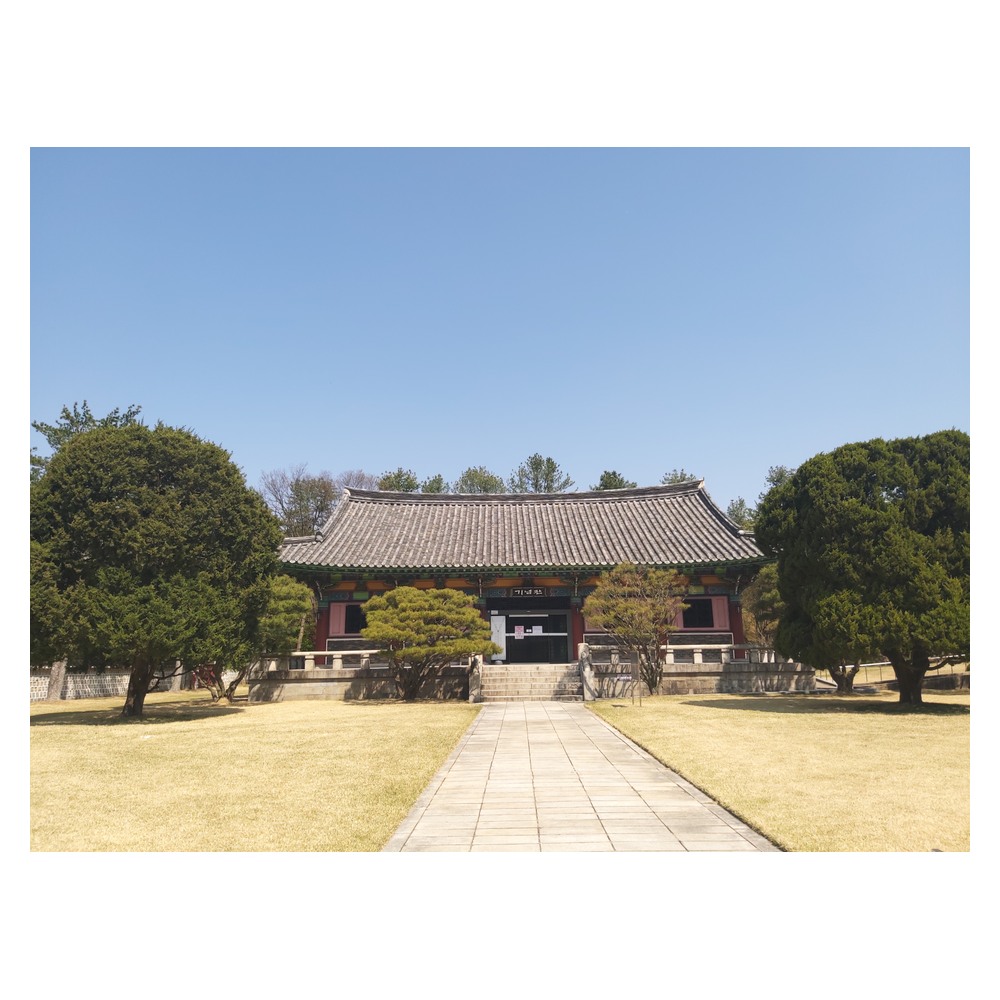
The War Memorial of Korea
Geoje POW Camp Historic Park
Chilgok Hoeguk Peace Memorial Hall
UN Peace Memorial Hall
National History Museum of Forced Mobilization during Japanese Colonial Rule
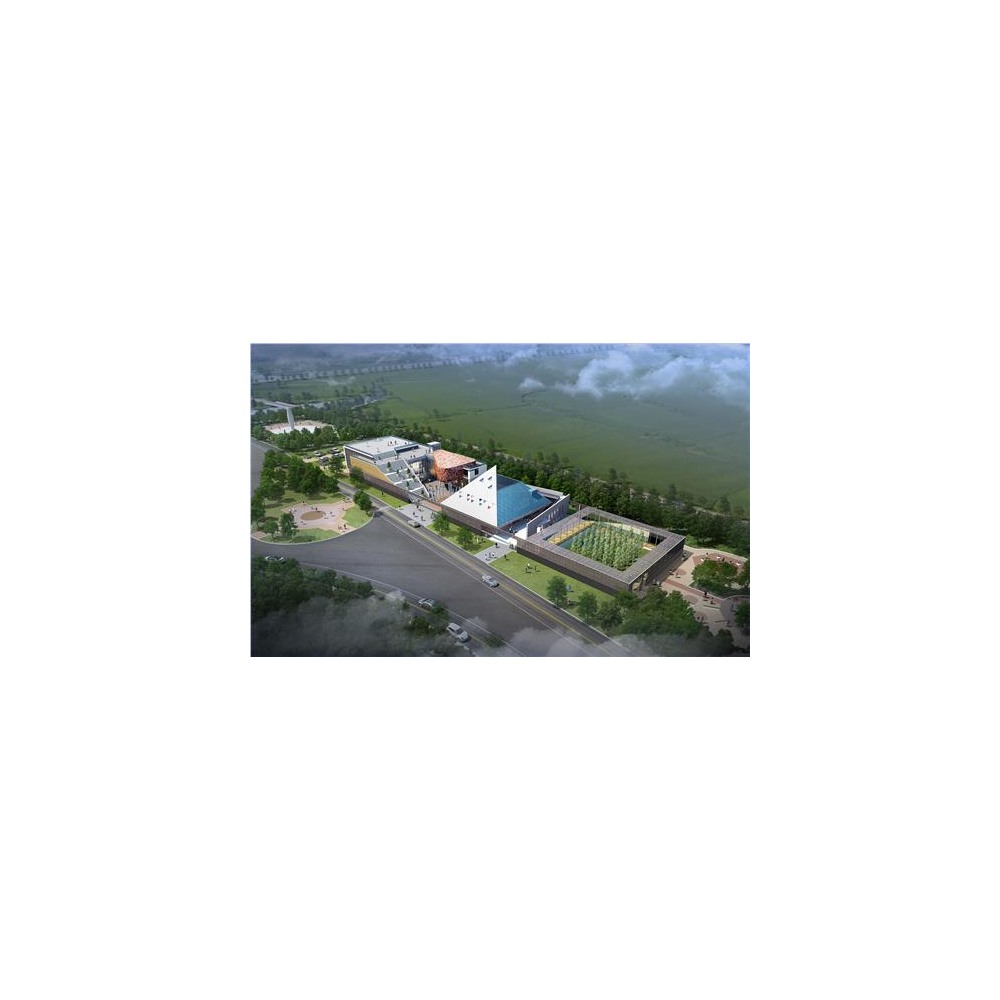
National Memorial Hall for Korean War Abductees
Nakdong River Victory Memorial Hall
Incheon Landing Operation Memorial Hall
Jeju Independence Memorial Hall
Gwangju Student Independence Movement Memorial Hall
Such exhibitions can be emotionally heavy, so rather than quickly viewing many displays, it's more suitable to follow one person's record slowly. By examining a letter, a list with a name, or an everyday tool, the events that were only understood in numbers become real lives. In outdoor battle sites and memorial areas, we should minimize noise and observe local etiquette, such as flower laying and photography.
After viewing, rather than simply concluding who was right, consider discussing the changes that war left on ordinary people and the conditions needed to prevent such events from repeating. Many memorials have similar names or several facilities within one complex, so it's important to check the exact address and entrance. Be sure to review the latest closures, reservations, guides, and exhibition operations through official channels prior to the visit, and include time for a proper rest in your schedule. A respectful attitude towards different memories is also crucial.
As part of the Coupang Partners program, this post may earn a commission from qualifying purchases.
Comments 0
Log in to leave a comment.
Be the first to comment.
How about these lists?


You might also like


Not ready to stop here?
Wondering what to read next is the biggest waste of time.
Let the dice decide — you won't know what pops up until you roll.
If you don't press it… won't you wonder forever? 👀
