
Collection
World Art Gallery Tour
2026.08.13
A Tokyo art museum trip from Ueno to Roppongi
East Asian antiquities, Western art, postwar art, photography and digital installations — a route for every interest
Tokyo's museums differ in their collections, how they display them and the neighborhoods they call home. In Ueno you can split your time between Japanese and East Asian artifacts and Western art, while in Roppongi you can take in special exhibitions and architecture together. From antiquities and a garden in Aoyama to ukiyo-e in Sumida, photography and film in Ebisu and digital art in Azabudai, here are ten places you can choose based on what interests you.
This isn't a course for covering everything in one day but a list for picking one area to suit your taste and where you're staying. Some institutions have no permanent collection display, and at some venues the exhibitions, observation deck and café in the same building each have their own entry conditions. If you're after a particular work or exhibition, check what's on display and the booking details first, then split the rest of your time between strolling the neighborhood and a meal.
This isn't a course for covering everything in one day but a list for picking one area to suit your taste and where you're staying. Some institutions have no permanent collection display, and at some venues the exhibitions, observation deck and café in the same building each have their own entry conditions. If you're after a particular work or exhibition, check what's on display and the booking details first, then split the rest of your time between strolling the neighborhood and a meal.
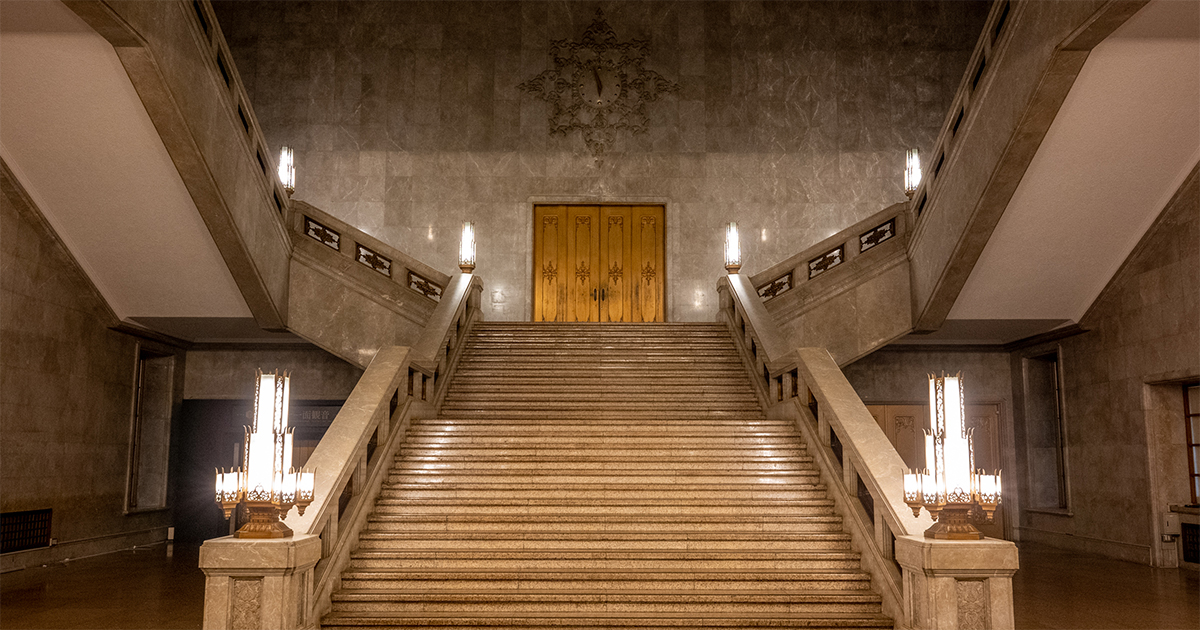
Tokyo National Museum
Each building has its own focus, from the Honkan (Japanese Gallery) devoted to Japanese art to the Toyokan (Asian Gallery) with artifacts from across Asia. Decide first which interests you most among Buddhist statues, paintings and ceramics, then explore one or two areas, and your viewing won't blur even in such a vast museum. It's close to Ueno Park's other cultural facilities, which makes it easy to add a walk around the area.
The regular exhibitions and special exhibitions have separate tickets and cover different areas. Even with such a large collection, a given work isn't always on display, so if there's an artifact you want to see, check the exhibit list first. The walk between buildings and from the station is outdoors, and it's best not to assume the garden or annex buildings keep the same opening schedule as the Honkan.
If you're arriving with luggage, also check the restriction on bringing in suitcases introduced in August 2026. At the end of the year, note the difference between the December 15 closure for equipment inspection and December 22–25, when only the Gallery of Horyuji Treasures and the Kuroda Memorial Hall are open.
주소 東京都台東区上野公園13-9
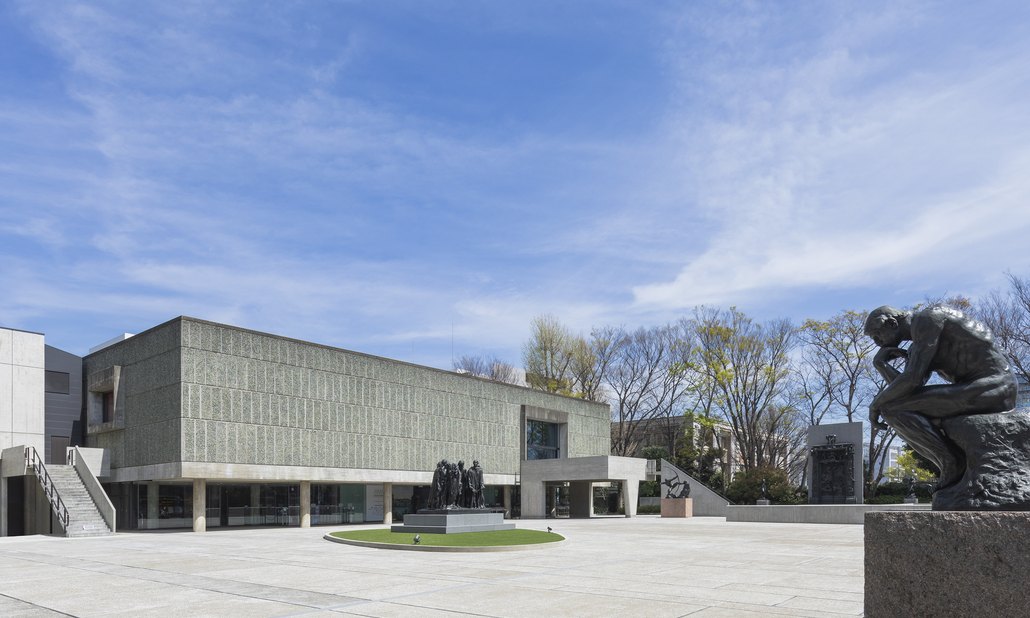
The National Museum of Western Art
A museum where you can see Western paintings and sculpture built around the Matsukata Collection. On top of comparing works from different periods, you can take in the space of the main building designed by Le Corbusier. If you want to focus on one exhibition in Ueno, start by picking the artists or periods that interest you.
The permanent collection and special exhibitions have different tickets and open areas, and some spaces may close for exhibition changes or facility work. It helps to treat viewing the sculptures in the front garden and touring the galleries inside as separate routes. Don't expect to see a particular masterpiece just because the museum owns works by famous painters — check that day's list of works on display.
The permanent collection and special exhibitions have different tickets and open areas, and some spaces may close for exhibition changes or facility work. It helps to treat viewing the sculptures in the front garden and touring the galleries inside as separate routes. Don't expect to see a particular masterpiece just because the museum owns works by famous painters — check that day's list of works on display.
주소 東京都台東区上野公園7-7
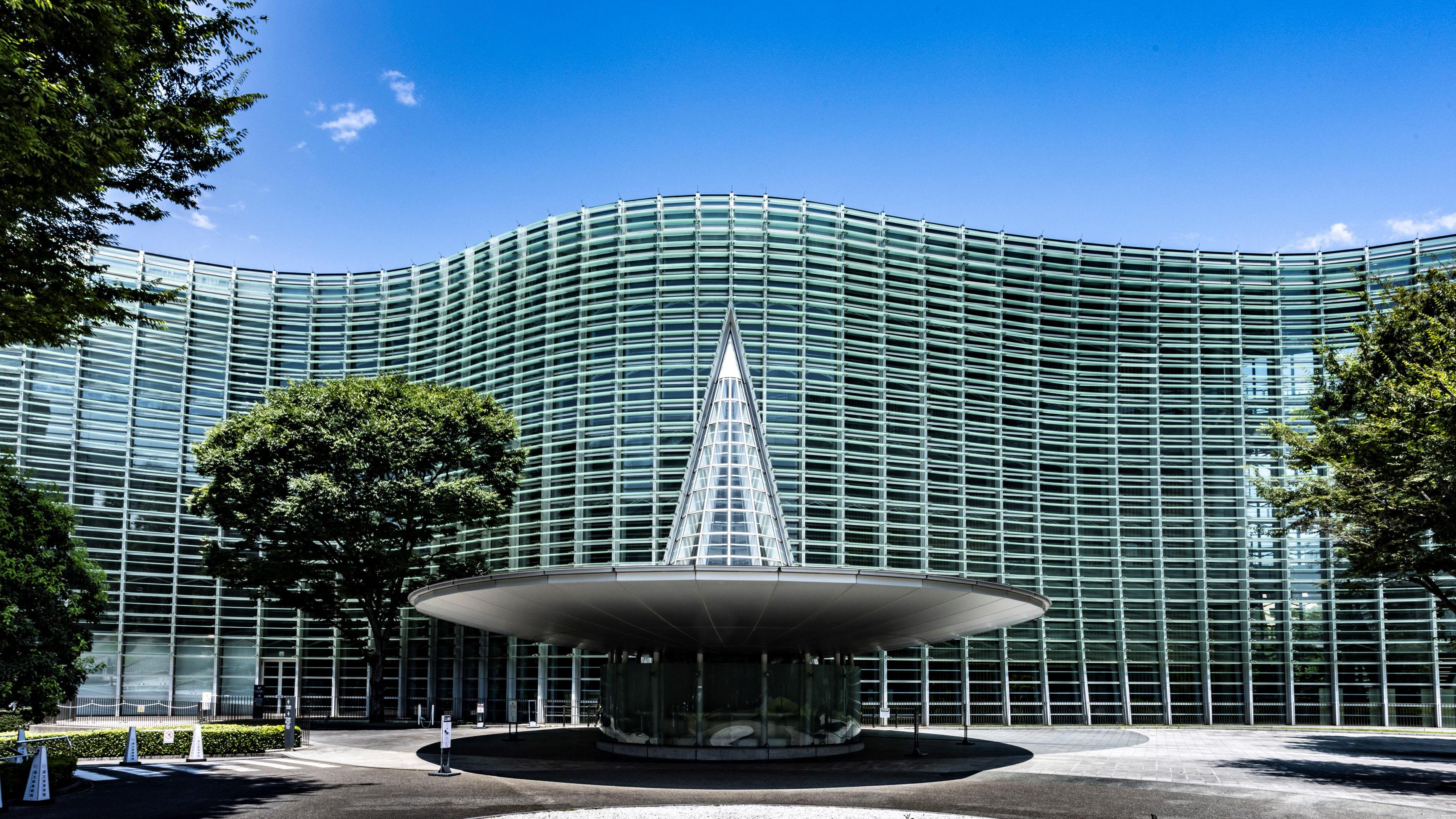
The National Art Center, Tokyo
Unlike a typical museum that rotates its own collection, this institution hosts a range of special exhibitions and open-call exhibitions. Its undulating glass facade designed by Kisho Kurokawa and its vast interior are reasons to visit in their own right. Decide first whether you'll spend your time on the architecture or on a specific exhibition, and you'll know how much of your Roppongi day it needs.
Even exhibitions running at the same time can have different organizers, prices, closure days and closing times. Being inside the building doesn't mean you can enter every gallery. Getting to the other museums of the Art Triangle requires a separate trip, so on a rainy day it's fine to scale back to one indoor visit and a meal.
Even exhibitions running at the same time can have different organizers, prices, closure days and closing times. Being inside the building doesn't mean you can enter every gallery. Getting to the other museums of the Art Triangle requires a separate trip, so on a rainy day it's fine to scale back to one indoor visit and a meal.
주소 東京都港区六本木7-22-2
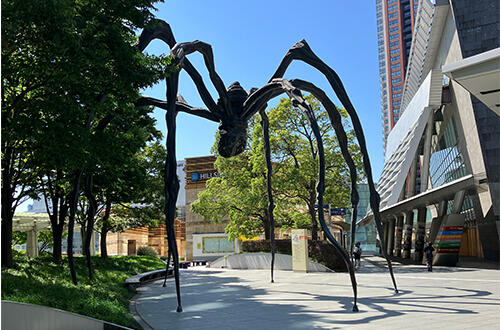
Mori Art Museum
Here you can see contemporary art exhibitions on the 53rd floor of Roppongi Hills Mori Tower. The themes change with each show — cities, society, technology and more — and the appeal lies in meeting unfamiliar works. Walk around the public art and architecture nearby, then focus on one artist's way of expressing ideas in the galleries, and you'll have an anchor for your viewing.
The museum and Tokyo City View on the 52nd floor are separate facilities, so don't assume an exhibition ticket gives you access to every observation space. Opening hours vary by day, and there are closure periods between exhibitions. Check whether an evening visit is possible, but don't assume the museum stays open late every day of the week.
The museum and Tokyo City View on the 52nd floor are separate facilities, so don't assume an exhibition ticket gives you access to every observation space. Opening hours vary by day, and there are closure periods between exhibitions. Check whether an evening visit is possible, but don't assume the museum stays open late every day of the week.
주소 東京都港区六本木6-10-1 六本木ヒルズ森タワー53階
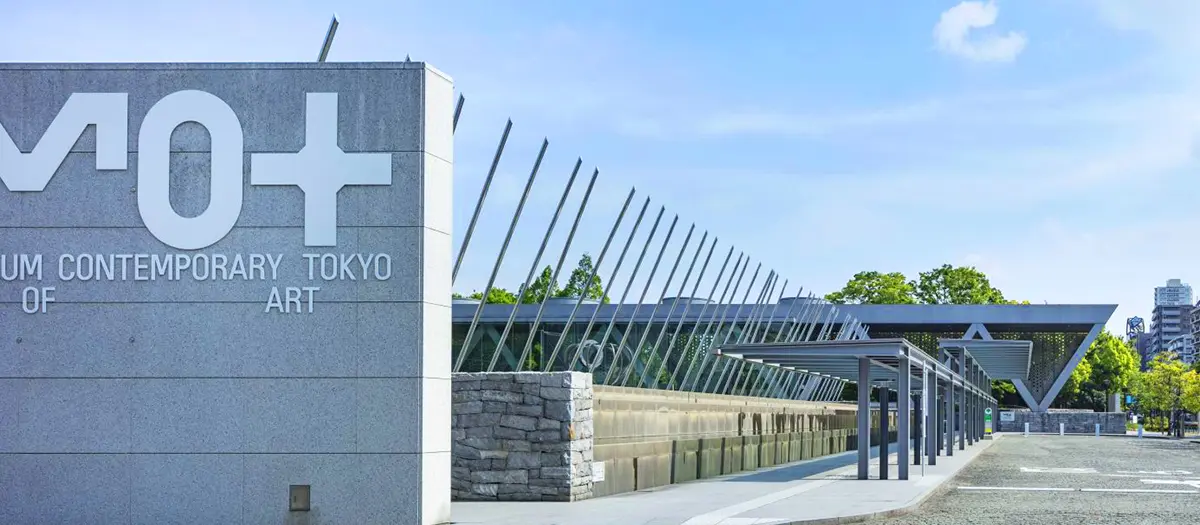
Museum of Contemporary Art Tokyo
An institution where you can explore its collection, including Japanese postwar art, alongside contemporary art exhibitions. The large exhibition spaces are good for comparing expression across media — not just painting but also installation and video. If you're pairing it with Kiyosumi-Shirakawa's cafés, set aside separate time for a coffee break and for a long visit to the exhibitions.
The MOT Collection and special exhibitions may differ in content and admission, and some works may be off view due to rotation. Despite the word ‘museum,’ don't expect a children's play facility where you can try anything. The paths leading to Kiba Park and the surrounding backstreets are outdoors, so adjust the length of your walk to the weather.
The MOT Collection and special exhibitions may differ in content and admission, and some works may be off view due to rotation. Despite the word ‘museum,’ don't expect a children's play facility where you can try anything. The paths leading to Kiba Park and the surrounding backstreets are outdoors, so adjust the length of your walk to the weather.
주소 東京都江東区三好4-1-1
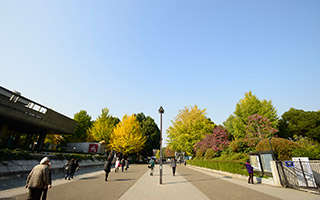
Tokyo Metropolitan Art Museum
A museum in Ueno Park that hosts a variety of exhibitions, including special exhibitions and open-call shows. On the same day there may be exhibitions in different fields such as painting, sculpture and calligraphy, so rather than treating the whole building as one theme, choose the galleries you want to see. It's also worth comparing how its role differs from the museums around it.
Each exhibition may have its own admission fee, viewing hours and last entry. Distinguish between the building and common areas being open and the galleries being open, and check the closure days of the exhibition you want to see. Popular special exhibitions may require booking or involve a wait to get in, so it's better to give one exhibition some breathing room than to line up lots of Ueno institutions back to back.
The museum has announced a maintenance closure from December 21 to 28, 2026. If you're visiting at the end of the year, check this period along with the separate New Year holiday closure.
주소 東京都台東区上野公園8-36
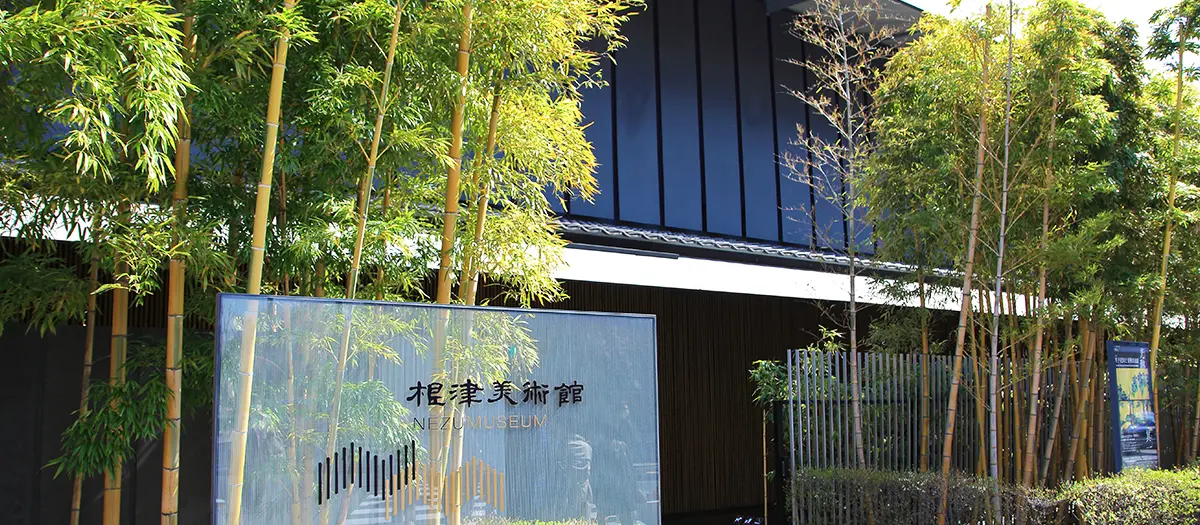
Nezu Museum
A museum displaying Japanese and East Asian antiquities that began with the collection of Nezu Kaichiro. Look at the exhibition's theme among paintings, tea utensils and Buddhist art, then step out into the garden, and you'll notice the pace of viewing change between indoors and out. Even if you combine it with shopping in Omotesando, it's a different kind of visit from a simple free garden walk.
Museum admission is required even to use the garden and café. The signature works are not shown in the same place year-round, and the museum closes during exhibition changes. Check online booking and the information for your visit date, and decide how much of the garden to cover with its steps, stone paths and the weather in mind, and you can explore at a calm pace.
Museum admission is required even to use the garden and café. The signature works are not shown in the same place year-round, and the museum closes during exhibition changes. Check online booking and the information for your visit date, and decide how much of the garden to cover with its steps, stone paths and the weather in mind, and you can explore at a calm pace.
주소 東京都港区南青山6-5-1
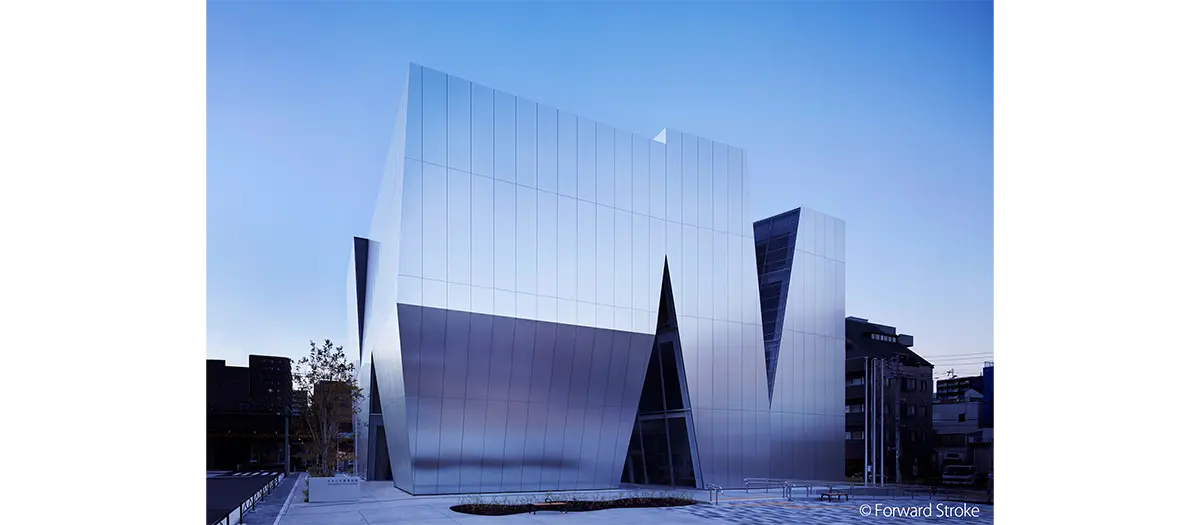
The Sumida Hokusai Museum
A museum where you can explore ukiyo-e and local history through works and materials related to Katsushika Hokusai. Drop in while walking around Ryogoku and compare the lines and colors of the woodblock prints and how the same subject changes from print to print. The angular exterior and the interior spaces are also worth observing for how they relate to the surrounding streets.
Distinguish between the makeup and tickets of the permanent and special exhibitions, and check whether original works are on display. Works are rotated for conservation and reproductions are sometimes used, so don't assume a particular masterpiece is always on show. Rules on photography and viewing materials may also differ by space, so follow the signs on site.
Distinguish between the makeup and tickets of the permanent and special exhibitions, and check whether original works are on display. Works are rotated for conservation and reproductions are sometimes used, so don't assume a particular masterpiece is always on show. Rules on photography and viewing materials may also differ by space, so follow the signs on site.
주소 東京都墨田区亀沢2-7-2
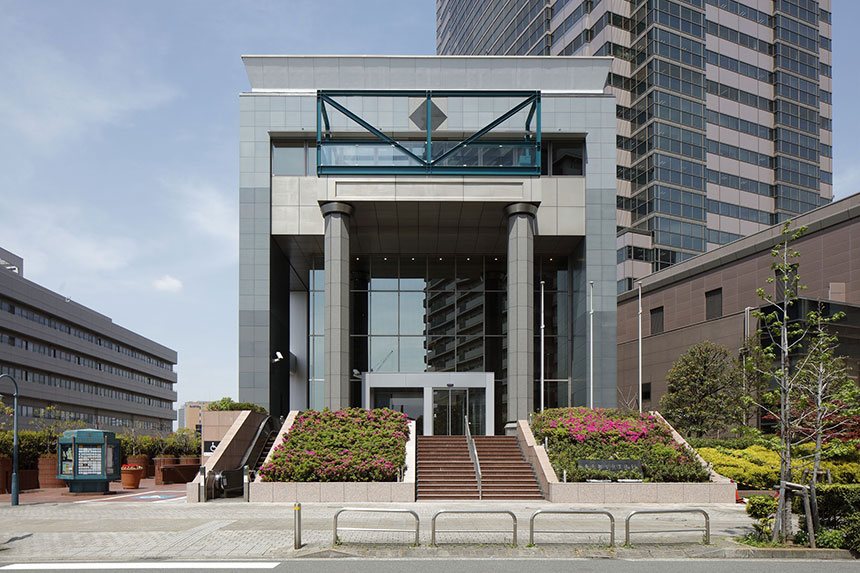
Tokyo Photographic Art Museum
A museum focused on photography and moving images, where each exhibition shows you a different artist's perspective and way of conveying images. Unlike flicking through photos on a screen, looking at print sizes, placement and the spacing between works gives you a reason to be in the gallery. It suits a plan of seeing one exhibition with a meal in Ebisu.
Exhibitions on different floors and film screenings may have separate tickets and showtimes. If you want to catch a particular screening, don't just check the galleries' opening hours — look up the separate program schedule. After your visit you can relax around Yebisu Garden Place, but don't expect an all-indoor route that keeps you out of the rain everywhere, including the outdoor areas.
Exhibitions on different floors and film screenings may have separate tickets and showtimes. If you want to catch a particular screening, don't just check the galleries' opening hours — look up the separate program schedule. After your visit you can relax around Yebisu Garden Place, but don't expect an all-indoor route that keeps you out of the rain everywhere, including the outdoor areas.
주소 東京都目黒区三田1-13-3 恵比寿ガーデンプレイス内
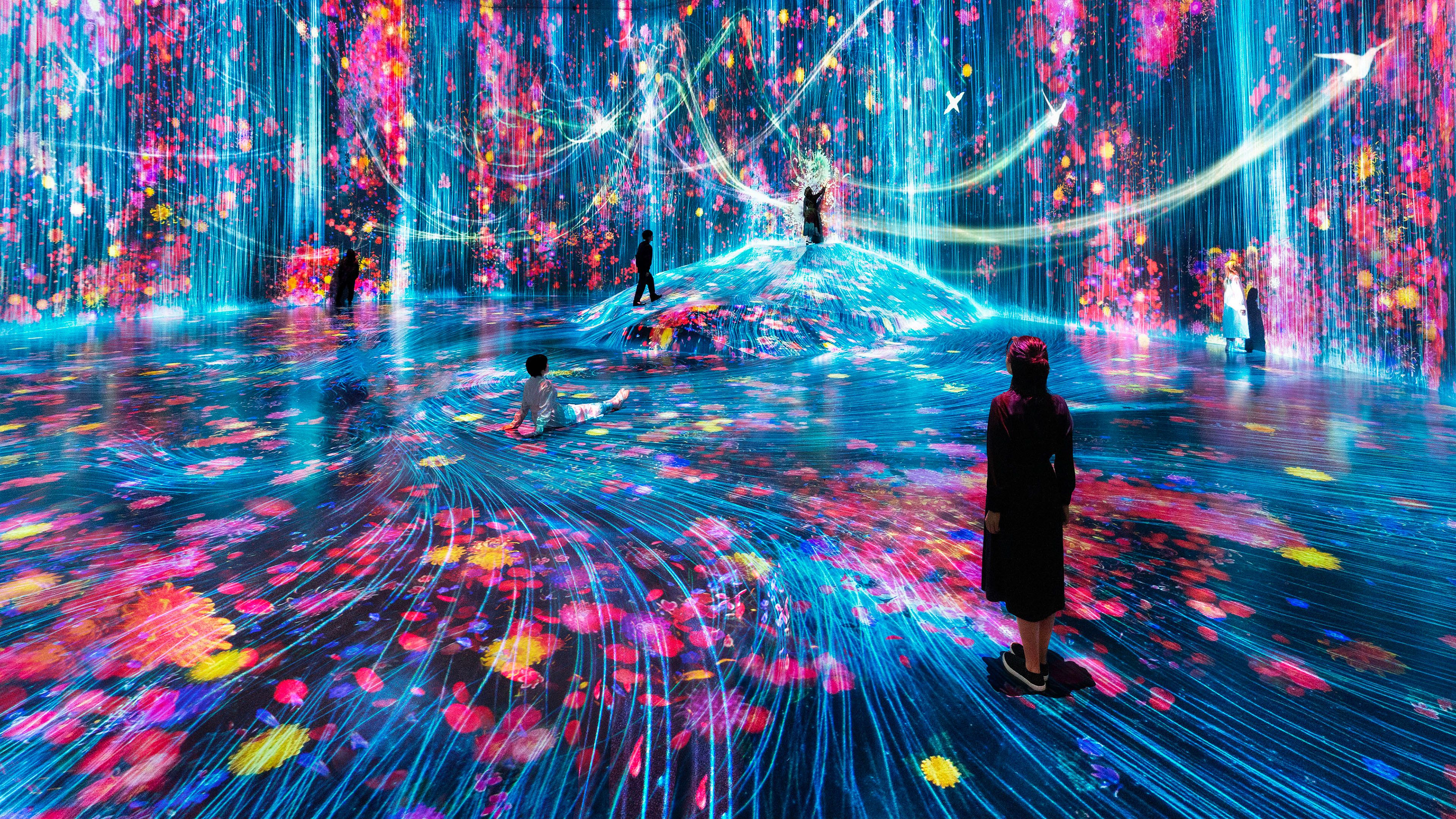
teamLab Borderless Azabudai Hills
teamLab Borderless at Azabudai Hills is a space where you move between works and experience scenes that change with light, sound and visitors' movements. Rather than hunting only for photos of specific works, linger a while in one spot and then move on to another space, and the changes start to stand out. Pick it on a day when you want something different from museums centered on antiquities or painting.
It differs in location and experience from teamLab Planets in Toyosu, so check the facility name on the booking screen. Get a ticket for your date and time slot, and look over the rules on dark spaces, mirrored floors, photography and bag storage. Not every work's effects look exactly the same every time, and the restaurants and other facilities at Azabudai Hills are separate.
It differs in location and experience from teamLab Planets in Toyosu, so check the facility name on the booking screen. Get a ticket for your date and time slot, and look over the rules on dark spaces, mirrored floors, photography and bag storage. Not every work's effects look exactly the same every time, and the restaurants and other facilities at Azabudai Hills are separate.
주소 東京都港区麻布台1-2-4 麻布台ヒルズ ガーデンプラザB B1
In Ueno, give more time to whichever of the national museum or the Western art museum matches your interests; in Roppongi, building your day around one institution of the Art Triangle is plenty. If you love a garden stroll, pick the Nezu Museum; if photography and film intrigue you, head to Ebisu. The clearer your reason for choosing a place, the less tiring even a long exhibition feels. You can also plan visits for the architecture separately from viewing the art.
Start by checking whether the signature works are always on view and how tickets differ between special exhibitions and collection displays. If you don't assume a museum's general opening hours match those of its screenings, café or garden, you'll miss fewer things on the day. Rather than piling on more exhibitions, try leaving time to walk the area while thinking back on the works that stayed with you.
Start by checking whether the signature works are always on view and how tickets differ between special exhibitions and collection displays. If you don't assume a museum's general opening hours match those of its screenings, café or garden, you'll miss fewer things on the day. Rather than piling on more exhibitions, try leaving time to walk the area while thinking back on the works that stayed with you.
At a glance
10 items
Tokyo National Museum
東京都台東区上野公園13-9
The National Museum of Western Art
東京都台東区上野公園7-7
The National Art Center, Tokyo
東京都港区六本木7-22-2
Mori Art Museum
Museum of Contemporary Art Tokyo
東京都江東区三好4-1-1
Tokyo Metropolitan Art Museum
東京都台東区上野公園8-36
Nezu Museum
東京都港区南青山6-5-1
The Sumida Hokusai Museum
東京都墨田区亀沢2-7-2
Tokyo Photographic Art Museum
teamLab Borderless Azabudai Hills
Locations at a glance
10 places
As part of the Coupang Partners program, this post may earn a commission from qualifying purchases.
Comments 0
Log in to leave a comment.
Be the first to comment.
How about these lists?


You might also like


🎲
Not ready to stop here?
Wondering what to read next is the biggest waste of time.
Let the dice decide — you won't know what pops up until you roll.
If you don't press it… won't you wonder forever? 👀
