
Collection
Japan
2026.07.04
A Collection of Scenic Walking Courses to Enjoy Tokyo's Architecture and Design
Walking areas in Tokyo like Omotesando, Marunouchi, Roppongi, and Daikanyama, perfect for appreciating architecture, spaces, and urban design
Tokyo is a city where the enjoyment of architecture and urban design is just as significant as shopping and dining. Omotesando is home to a concentration of commercial buildings designed by world-renowned architects, while Marunouchi contrasts modern urbanity with tall buildings and Ginza combines old department stores with contemporary flagship stores. Roppongi and Azabudai showcase the flow of mixed development. An architectural journey is much more fascinating when you observe not just famous buildings, but also the streets, signs, shops, parks, and human flow. This list organizes some great walking routes in Tokyo for appreciating architecture and design by neighborhood.
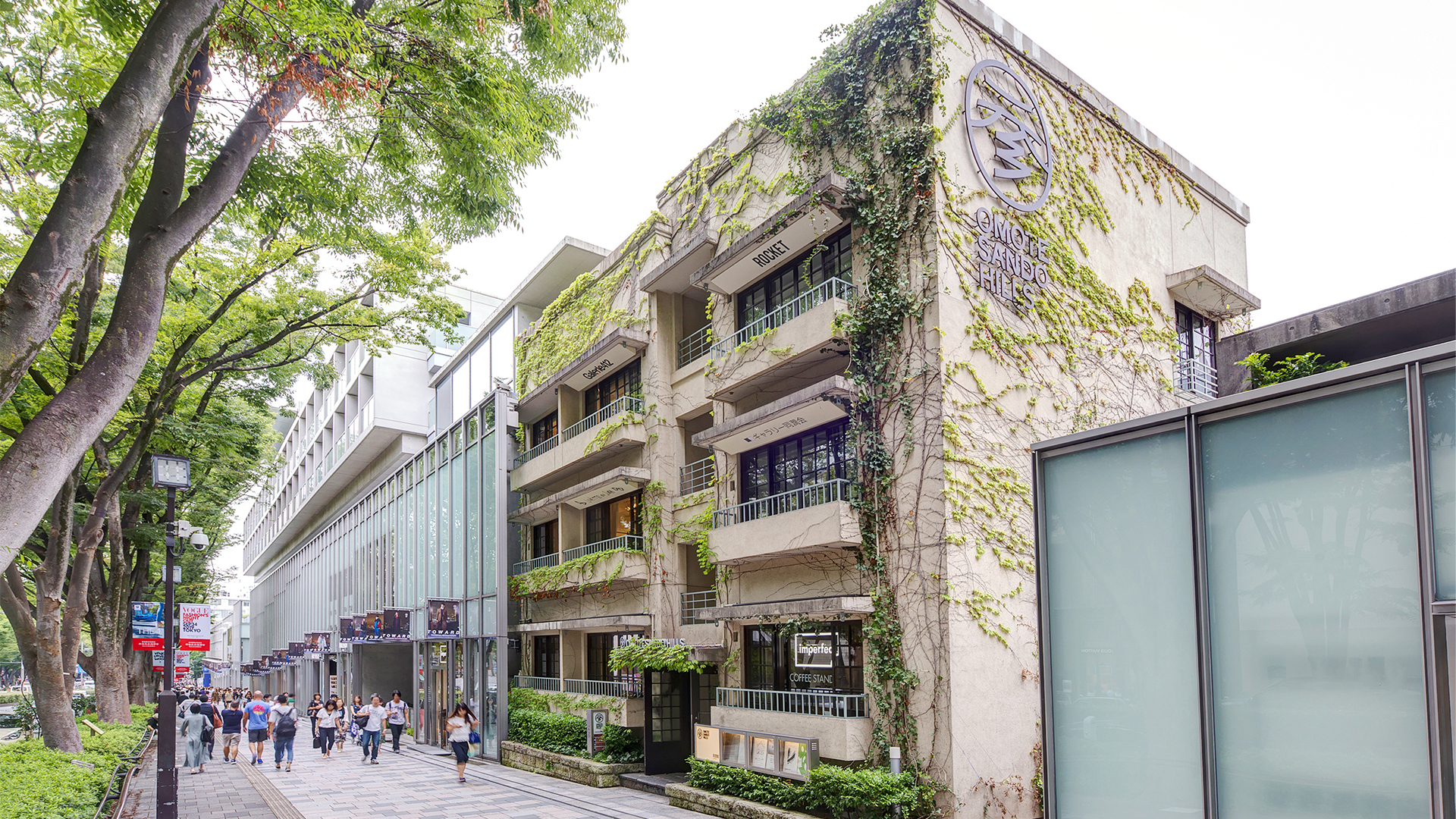
Omotesando Architecture Walk
The best place in Tokyo to start an architecture walk. Fashion boutiques and complexes designed by world-renowned architects are clustered within a short distance, so there's plenty to see even in a short time. You can mix in shopping and cafés, making it an easy walk even with companions who aren't deeply into architecture.
Keep a walk to admire exteriors separate from visits that use the shops' interiors. Focus on publicly accessible commercial spaces like Omotesando Hills and compare their materials and entrances. A beautiful glass facade doesn't mean you can enter private areas of offices or shops, and you'll need to follow photography rules too.
Keep a walk to admire exteriors separate from visits that use the shops' interiors. Focus on publicly accessible commercial spaces like Omotesando Hills and compare their materials and entrances. A beautiful glass facade doesn't mean you can enter private areas of offices or shops, and you'll need to follow photography rules too.
주소 Omotesando/Aoyama, Tokyo 일대(地図はエリアの代表地点)
대표 역 오모테산도역, 메이지진구마에역
design 상업 건축, 패션 플래그십, 거리 디자인
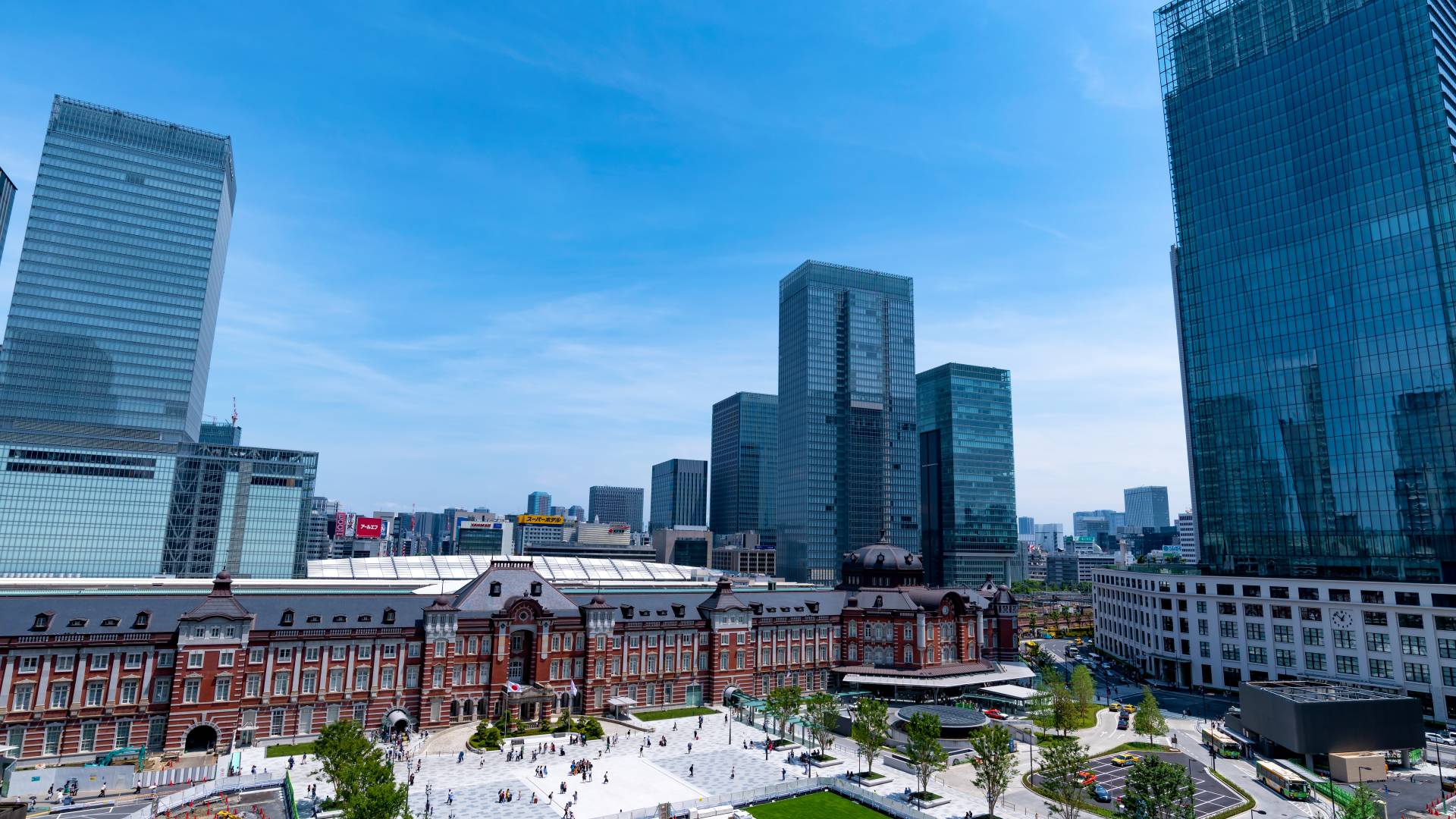
Marunouchi Building Area
Marunouchi Business District
A great area to take in Tokyo's orderly business center. The red-brick Tokyo Station building, modern high-rises and spacious pedestrian areas create a striking contrast. Walk on to Ginza or the Imperial Palace Outer Garden for a wide view of central Tokyo's urban design.
Compare the red-brick station building with the pedestrian space along Marunouchi Naka-dori, and the relationship between buildings and street becomes clear. The spot for photographing the station building and the Yaesu side, where you shop for souvenirs, lie in different directions from the station. If architecture is your priority, use the Marunouchi exit as your starting point.
Compare the red-brick station building with the pedestrian space along Marunouchi Naka-dori, and the relationship between buildings and street becomes clear. The spot for photographing the station building and the Yaesu side, where you shop for souvenirs, lie in different directions from the station. If architecture is your priority, use the Marunouchi exit as your starting point.
주소 Marunouchi, Chiyoda-ku, Tokyo 일대(地図はエリアの代表地点)
대표 역 도쿄역, 오테마치역
design 도쿄역사, 고층 오피스, 거리 조경, 황거 외원
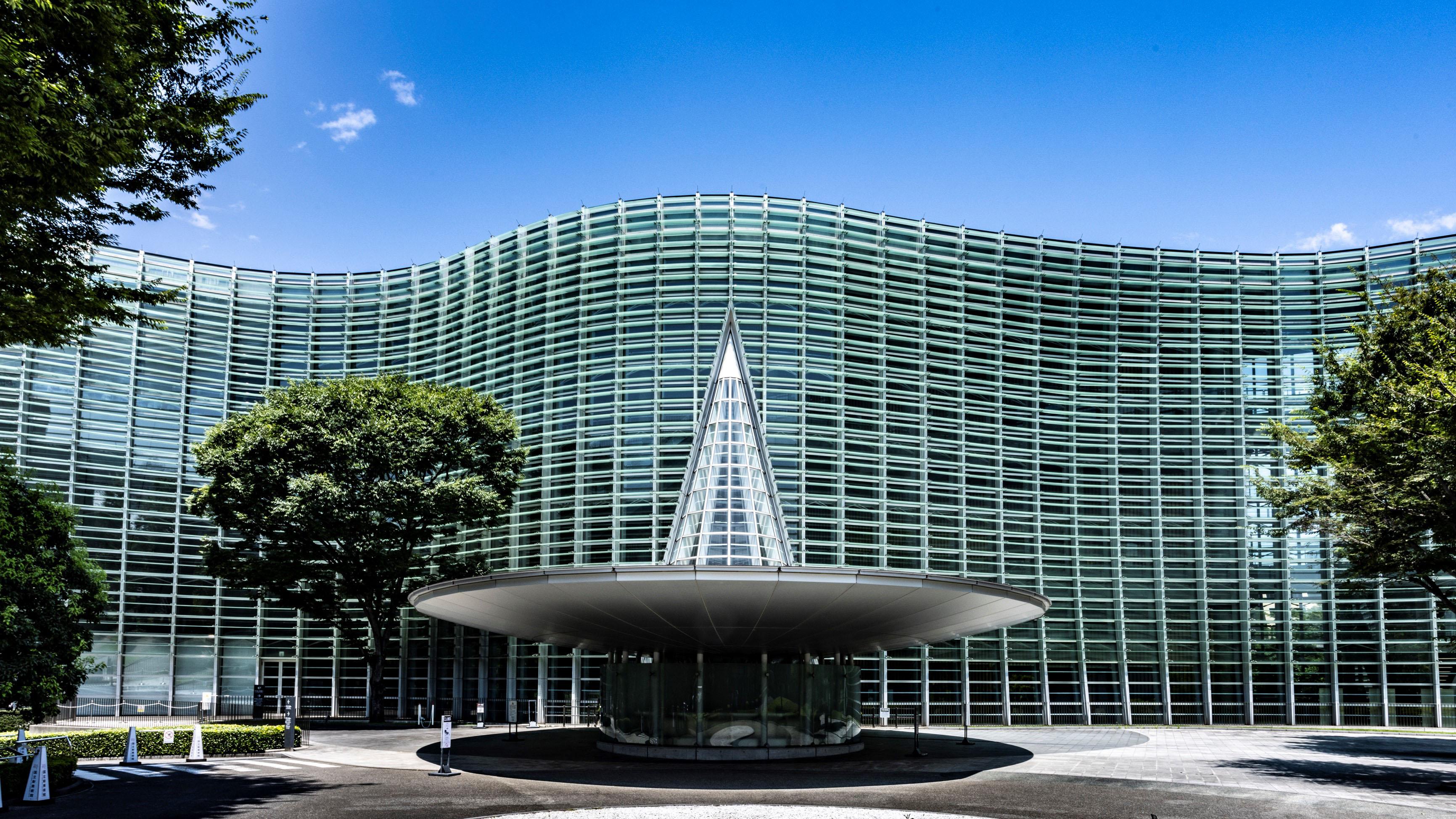
Roppongi Art Triangle
If you want to enjoy exhibitions and architecture together, Roppongi is a great pick. The spaciousness of The National Art Center, Tokyo, the large-scale developments of Roppongi Hills and Tokyo Midtown, and the surrounding public art are all gathered in one area. You can stay indoors while viewing exhibitions, but getting between the three institutions involves outdoor stretches.
The Art Triangle refers to the three institutions it links: The National Art Center, Tokyo, the Mori Art Museum and the Suntory Museum of Art. They aren't in a single building or connected underground. Rather than trying to see all three exhibitions, pick the one that interests you most and take in the others through their exteriors and surrounding public spaces.
The Art Triangle refers to the three institutions it links: The National Art Center, Tokyo, the Mori Art Museum and the Suntory Museum of Art. They aren't in a single building or connected underground. Rather than trying to see all three exhibitions, pick the one that interests you most and take in the others through their exteriors and surrounding public spaces.
주소 Roppongi, Minato-ku, Tokyo 일대(地図はエリアの代表地点)
대표 역 롯폰기역, 노기자카역
design 미술관, 복합개발, 공공미술, 야경
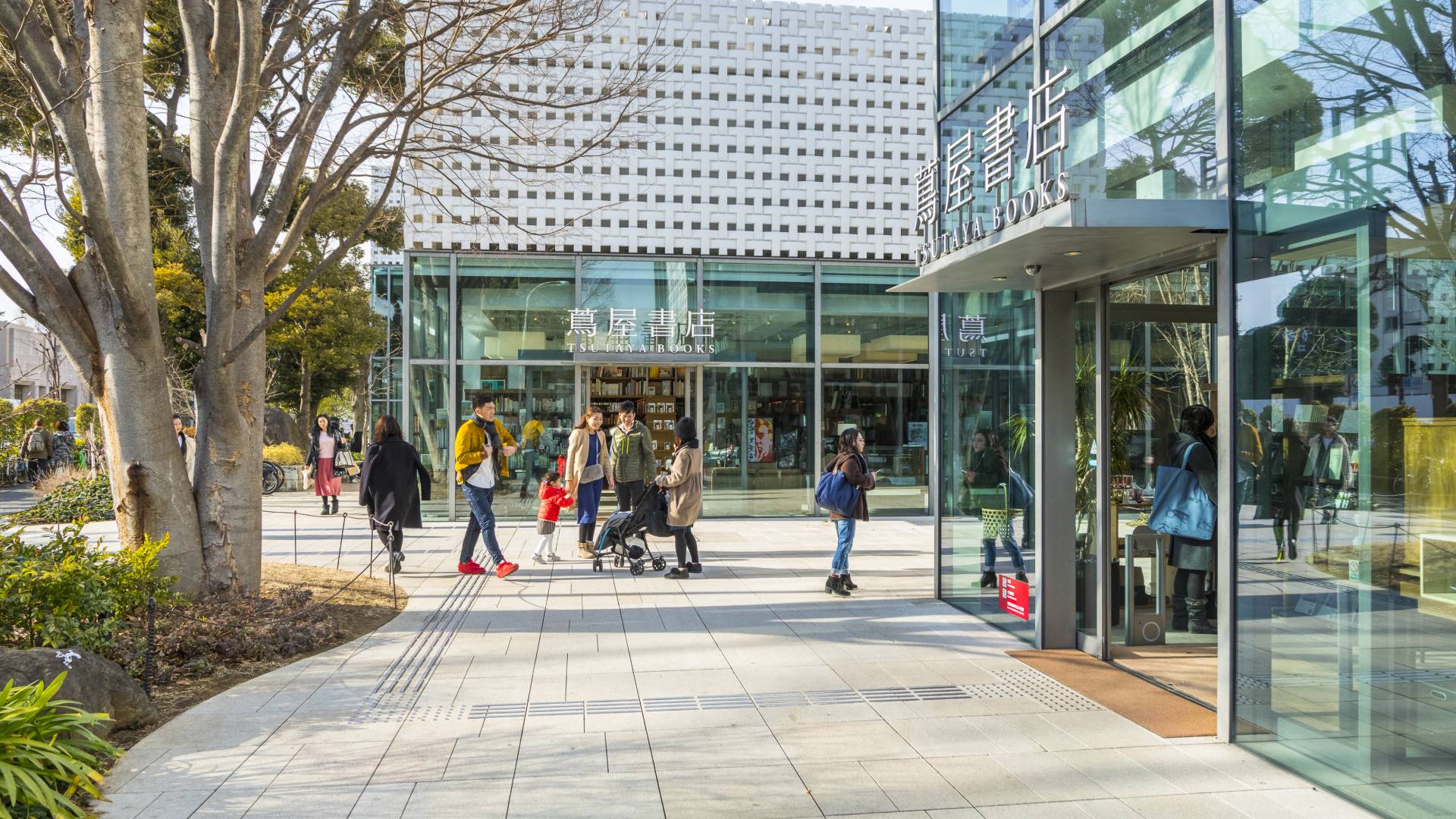
Daikanyama T-SITE Area
A good fit if you'd rather see spaces designed for people to linger than massive buildings. The bookstore, cafés and lifestyle shops create a neighborhood feel, perfect for sitting a while or browsing slowly. It's easy to extend into a walking route with Nakameguro or Ebisu.
Look at the walkways between the buildings housing the bookstore and café, and at the views through the windows, and the focus shifts from scale to how people spend time there. The bookstore is an operating shop, so follow its guidance on photography and seating. Simply looking around the space and settling into the café for a long break call for different amounts of time and money.
Look at the walkways between the buildings housing the bookstore and café, and at the views through the windows, and the focus shifts from scale to how people spend time there. The bookstore is an operating shop, so follow its guidance on photography and seating. Simply looking around the space and settling into the café for a long break call for different amounts of time and money.
주소 東京都渋谷区猿楽町16-15ほか(代官山T-SITE)
대표 역 다이칸야마역
design 서점 공간, 라이프스타일 숍, 저층 거리 분위기
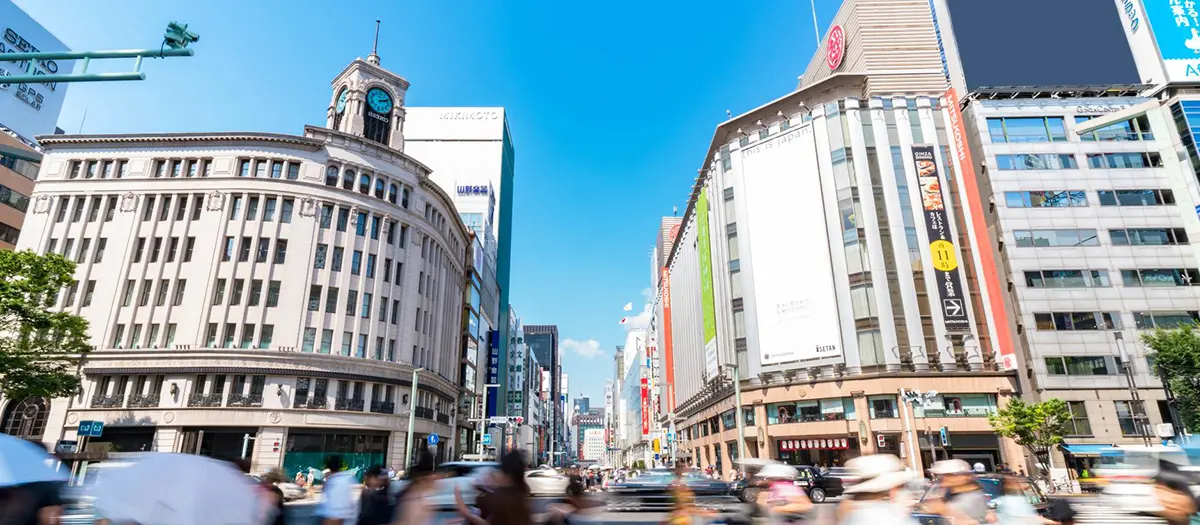
Ginza Architecture and Window Shopping
Ginza Architecture & Window Walk
Ginza's cityscape shines through its building facades, shop windows and street lighting combined. By day it's shopping and cafés; by evening, lights and neon change the mood. Rather than going for architecture alone, you'll get more out of it by pairing it with department store food halls, Kabukiza and the Yurakucho eateries.
Start from Ginza's central intersection, compare the exterior walls and windows of the department stores and shops, then widen your range into the side streets. Whether you can take photos inside depends on the store. Not every street becomes car-free even during the weekend pedestrian-only hours, so keep an eye on the roads as you move.
Start from Ginza's central intersection, compare the exterior walls and windows of the department stores and shops, then widen your range into the side streets. Whether you can take photos inside depends on the store. Not every street becomes car-free even during the weekend pedestrian-only hours, so keep an eye on the roads as you move.
주소 Ginza, Chuo-ku, Tokyo 일대(地図はエリアの代表地点)
대표 역 긴자역, 유라쿠초역
design 브랜드 건축, 백화점, 야간 조명, 쇼윈도
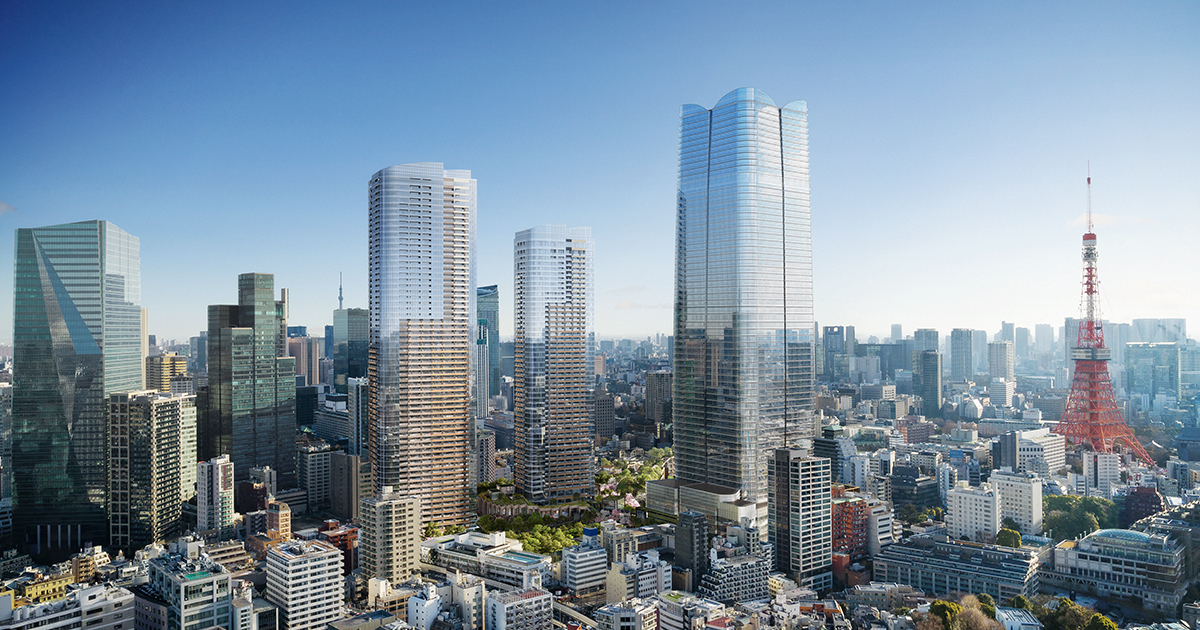
Azabudai Hills
Worth adding if you want to see the latest in Tokyo's urban development. Buildings, landscaping, commercial facilities and viewpoints combine to give a futuristic impression unlike Tokyo's older neighborhoods. It links naturally with plans around Roppongi or Tokyo Tower.
Plan a walk around the commercial spaces, Central Square and the curves of Garden Plaza separately from a visit to the high-rise Sky Lobby. The general free special opening of the Sky Lobby has ended, and you'll need to follow its eligibility rules and the conditions for using its food and drink facilities. If you're only there for the architecture, the publicly accessible ground-level areas offer plenty to compare.
Plan a walk around the commercial spaces, Central Square and the curves of Garden Plaza separately from a visit to the high-rise Sky Lobby. The general free special opening of the Sky Lobby has ended, and you'll need to follow its eligibility rules and the conditions for using its food and drink facilities. If you're only there for the architecture, the publicly accessible ground-level areas offer plenty to compare.
주소 1-3 Azabudai, Minato-ku, Tokyo 주변(地図はエリアの代表地点)
대표 역 가미야초역, 롯폰기잇초메역
design 초고층 복합개발, 조경, 도쿄타워 방향 풍경
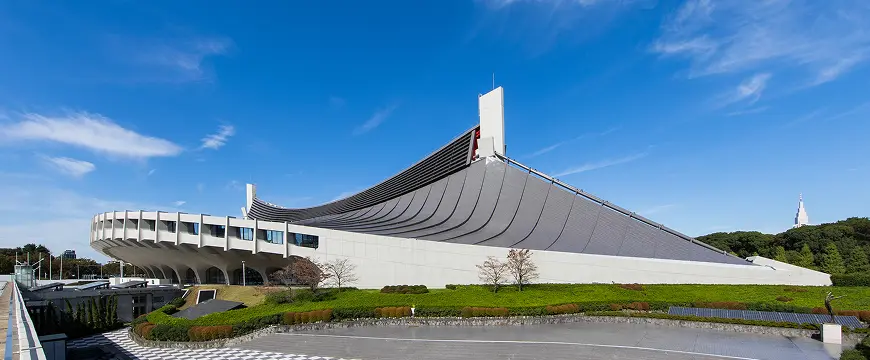
Yoyogi National Stadium
Yoyogi National Gymnasium
An iconic building that's hard to leave off any Tokyo architecture walk. Its distinctive roof structure blends with the surrounding park and the Harajuku–Shibuya route. It's more about admiring the exterior than touring inside, but if you're into architecture, it pairs nicely with an Omotesando walk.
Strictly speaking, this is a visit to see the gymnasium architecture of the Yoyogi National Stadium, a different facility from the Japan National Stadium in Shinjuku. When events or competitions are held, the accessible outdoor routes may change too. Don't count on regular interior tours; instead, take in the curves of the roof and the surrounding landscape from public paths.
Strictly speaking, this is a visit to see the gymnasium architecture of the Yoyogi National Stadium, a different facility from the Japan National Stadium in Shinjuku. When events or competitions are held, the accessible outdoor routes may change too. Don't count on regular interior tours; instead, take in the curves of the roof and the surrounding landscape from public paths.
주소 東京都渋谷区神南2-1-1
대표 역 하라주쿠역, 메이지진구마에역
design 현수 구조, 올림픽 건축, 요요기공원 연결
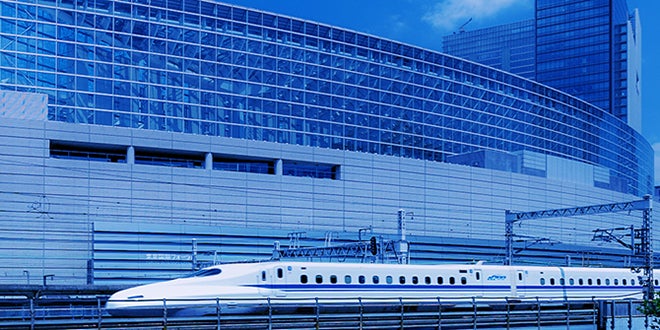
Tokyo International Forum
A great place to enjoy architectural space even on a rainy day. The vast glass atrium and indoor walkways are impressive, and its location between Tokyo Station, Marunouchi and Ginza makes it easy to reach. Even without a performance or event, it's worth dropping by to feel the sense of space.
Focus on the large structure of the Glass Building and its public walkways, while exhibition halls and theaters follow each event's admission rules. Even the common areas have operating and restricted hours, so you can't always freely see every floor. Drop by briefly on your way from Tokyo Station to Ginza and observe the height and light of the space.
Focus on the large structure of the Glass Building and its public walkways, while exhibition halls and theaters follow each event's admission rules. Even the common areas have operating and restricted hours, so you can't always freely see every floor. Drop by briefly on your way from Tokyo Station to Ginza and observe the height and light of the space.
주소 東京都千代田区丸の内3-5-1
대표 역 유라쿠초역, 도쿄역
design 유리 아트리움, 실내 보행 공간, 마루노우치 연결
Architectural walks tend to focus more on the exterior and the flow of the streets, making weather and footwear important factors. Depending on business hours, the areas available for internal viewing at commercial facilities may vary, and photography or the use of tripods may be restricted in private spaces. Areas densely populated with architecture like Omotesando can be explored in half a day, while including dining, exhibitions, and shopping in Marunouchi, Ginza, and Roppongi can create a fulfilling day. You don’t need to know every architect's name; if you consciously notice materials, light, entrance flows, and connections with surrounding streets, the urban sense of Tokyo will become much clearer.
At a glance
8 items
Omotesando Architecture Walk
오모테산도역, 메이지진구마에역
Marunouchi Building Area
도쿄역, 오테마치역
Roppongi Art Triangle
롯폰기역, 노기자카역
Daikanyama T-SITE Area
다이칸야마역
Ginza Architecture and Window Shopping
긴자역, 유라쿠초역
Azabudai Hills
가미야초역, 롯폰기잇초메역
Yoyogi National Stadium
東京都渋谷区神南2-1-1하라주쿠역, 메이지진구마에역
Tokyo International Forum
東京都千代田区丸の内3-5-1유라쿠초역, 도쿄역
Locations at a glance
8 places
As part of the Coupang Partners program, this post may earn a commission from qualifying purchases.
Comments 0
Log in to leave a comment.
Be the first to comment.
How about these lists?


You might also like


🎲
Not ready to stop here?
Wondering what to read next is the biggest waste of time.
Let the dice decide — you won't know what pops up until you roll.
If you don't press it… won't you wonder forever? 👀
