When you place TAEYEON's solo music chronologically, you can see how the same voice has taken on various expressions in each album. 'TAEYEON’s Twelve Songs that Changed the Seasons' is designed to compare these differences not as vague impressions but based on the criterion of changes in her solo activities over time. I arranged familiar tracks alongside rediscovered ones to create a seamless progression from the first song to the last.
Following the direction of a map of her solo career connecting from her debut song to her latest mini-album, I used official audio and videos. Since this is not a ranking, it's better to focus on the contrasts between the tracks rather than their numbers. Each entry includes the title, release date, artist, or video channel, and images are linked accordingly. I will not make definitive statements about unverified production intentions.
Following the direction of a map of her solo career connecting from her debut song to her latest mini-album, I used official audio and videos. Since this is not a ranking, it's better to focus on the contrasts between the tracks rather than their numbers. Each entry includes the title, release date, artist, or video channel, and images are linked accordingly. I will not make definitive statements about unverified production intentions.
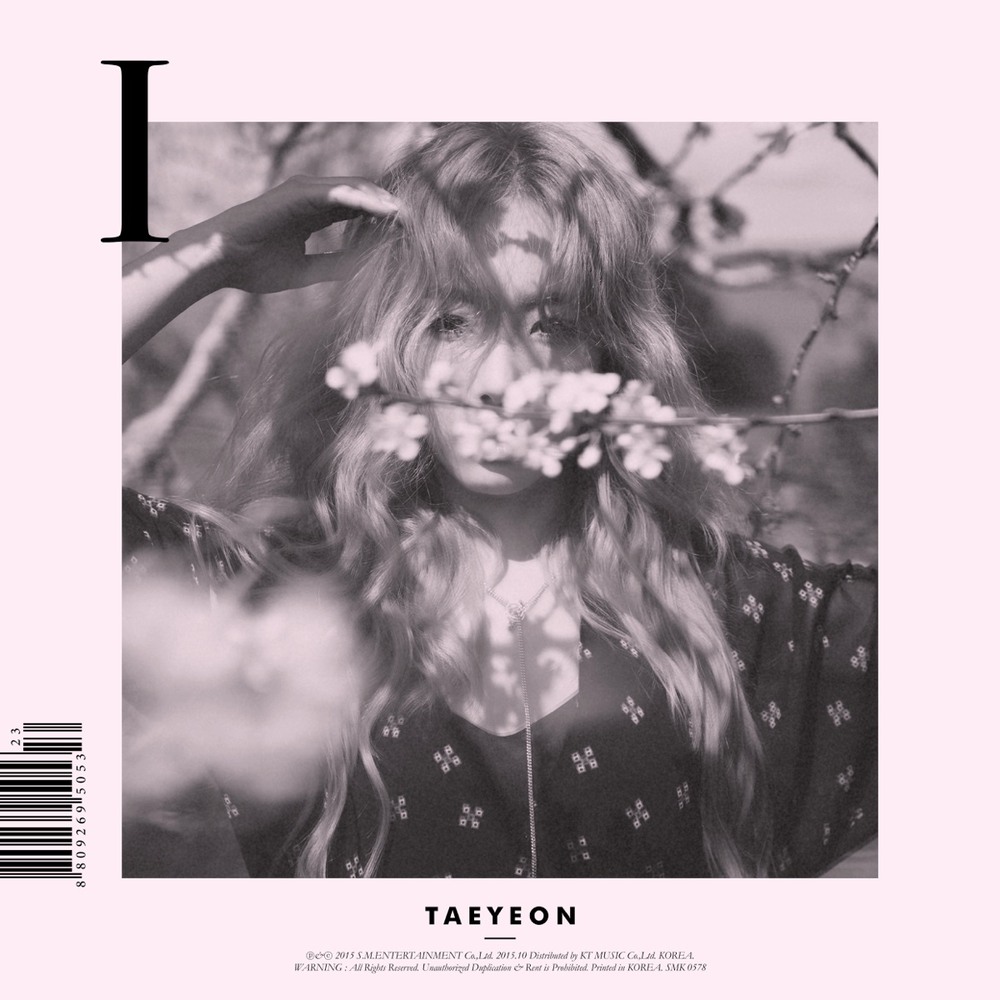
TAEYEON - I (feat. Verbal Jint)
'I (feat. Verbal Jint)', the first entry in 'TAEYEON’s Twelve Songs that Changed the Seasons', opens with an acoustic guitar and leaves a feeling of elevation in the chorus. The key points to examine with 'I (feat. Verbal Jint)' are the instruments in the intro and the first line, highlighting how this song transforms the atmosphere established beforehand when placed in this position among the total of 12. The official designation of 'I (feat. Verbal Jint)' in 'TAEYEON’s Twelve Songs that Changed the Seasons' is from the album 'I - The 1st Mini Album - EP', by artist TAEYEON, released on 2015-10-07. By checking the official documents marking its beginning and end—not just the title or a famous section—you can see the specific role that 'I (feat. Verbal Jint)' plays.
On the first listen of 'I (feat. Verbal Jint)', follow only the intro instruments and the first line; on the second listen, focus on the instruments and harmonies behind the main vocals. When the same verse is repeated, noting what changes in volume, tone, or breath can help pinpoint the element that creates the impression of 'an acoustic guitar opening and a feeling of elevation in the chorus'. In the context of 'TAEYEON’s Twelve Songs that Changed the Seasons', it’s useful to compare the tempo and mood retained when transitioning to the next song, 'Rain'.
At the end, let’s briefly skip 'I (feat. Verbal Jint)' and directly connect the preceding and following tracks. You can validate your reasons for selection by judging whether the flow of 'TAEYEON’s Twelve Songs that Changed the Seasons' feels natural or whether the contrast needed for the first position is lost. Note one memorable sound from 'I (feat. Verbal Jint)' and one element that transitions to 'Rain', and revisit the linked Apple Music page for the album, artist, and release date.
On the first listen of 'I (feat. Verbal Jint)', follow only the intro instruments and the first line; on the second listen, focus on the instruments and harmonies behind the main vocals. When the same verse is repeated, noting what changes in volume, tone, or breath can help pinpoint the element that creates the impression of 'an acoustic guitar opening and a feeling of elevation in the chorus'. In the context of 'TAEYEON’s Twelve Songs that Changed the Seasons', it’s useful to compare the tempo and mood retained when transitioning to the next song, 'Rain'.
At the end, let’s briefly skip 'I (feat. Verbal Jint)' and directly connect the preceding and following tracks. You can validate your reasons for selection by judging whether the flow of 'TAEYEON’s Twelve Songs that Changed the Seasons' feels natural or whether the contrast needed for the first position is lost. Note one memorable sound from 'I (feat. Verbal Jint)' and one element that transitions to 'Rain', and revisit the linked Apple Music page for the album, artist, and release date.
수록작 I - The 1st Mini Album - EP
공개일 2015-10-07
아티스트 TAEYEON
재생시간 206
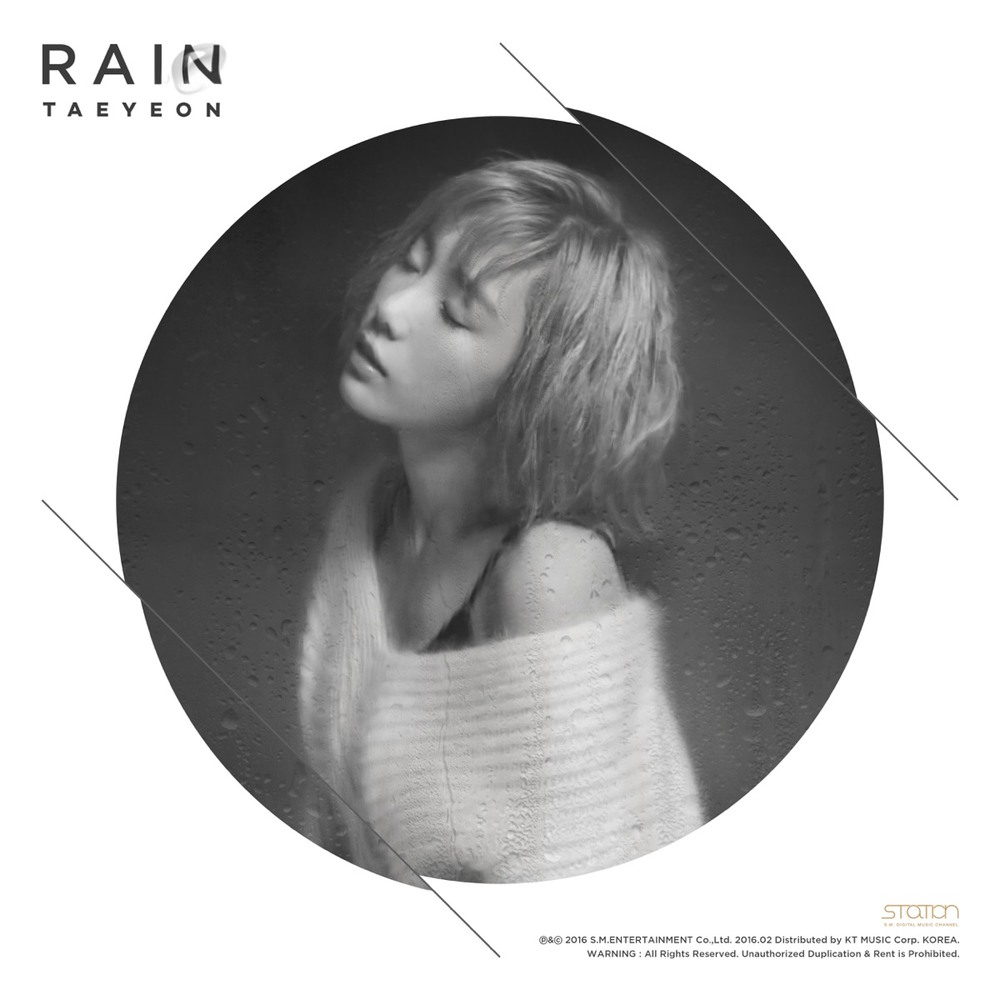
TAEYEON - Rain
'Rain', the second entry in 'TAEYEON’s Twelve Songs that Changed the Seasons', delicately captures the distance of a rainy day with calm piano and tight rhythms. The key point to examine with 'Rain' is the breath right before the chorus, emphasizing how it alters the atmosphere established beforehand when placed in this position among the total of 12. The official designation of 'Rain' in 'TAEYEON’s Twelve Songs that Changed the Seasons' is from the album 'Rain - SM STATION', by artist TAEYEON, released on 2016-02-03. By checking the official documents marking its beginning and end—not just the title or a famous section—you can see the specific role that 'Rain' plays.
On the first listen of 'Rain', focus only on the breath right before the chorus; on the second listen, pay attention to the instruments and harmonies behind the main vocals. When the same verse is repeated, noting what changes in volume, tone, or breath can help pinpoint the element that creates the impression of 'a delicate depiction of a rainy day between calm piano and tight rhythms'. In the context of 'TAEYEON’s Twelve Songs that Changed the Seasons', it’s useful to compare the tempo and mood retained when transitioning to the next song, 'Why'.
At the end, let’s briefly skip 'Rain' and directly connect the preceding and following tracks. You can validate your reasons for selection by judging whether the flow of 'TAEYEON’s Twelve Songs that Changed the Seasons' feels natural or whether the contrast needed for the second position is lost. Note one memorable sound from 'Rain' and one element that transitions to 'Why', and revisit the linked Apple Music page for the album, artist, and release date.
On the first listen of 'Rain', focus only on the breath right before the chorus; on the second listen, pay attention to the instruments and harmonies behind the main vocals. When the same verse is repeated, noting what changes in volume, tone, or breath can help pinpoint the element that creates the impression of 'a delicate depiction of a rainy day between calm piano and tight rhythms'. In the context of 'TAEYEON’s Twelve Songs that Changed the Seasons', it’s useful to compare the tempo and mood retained when transitioning to the next song, 'Why'.
At the end, let’s briefly skip 'Rain' and directly connect the preceding and following tracks. You can validate your reasons for selection by judging whether the flow of 'TAEYEON’s Twelve Songs that Changed the Seasons' feels natural or whether the contrast needed for the second position is lost. Note one memorable sound from 'Rain' and one element that transitions to 'Why', and revisit the linked Apple Music page for the album, artist, and release date.
수록작 Rain - SM STATION
공개일 2016-02-03
아티스트 TAEYEON
재생시간 222
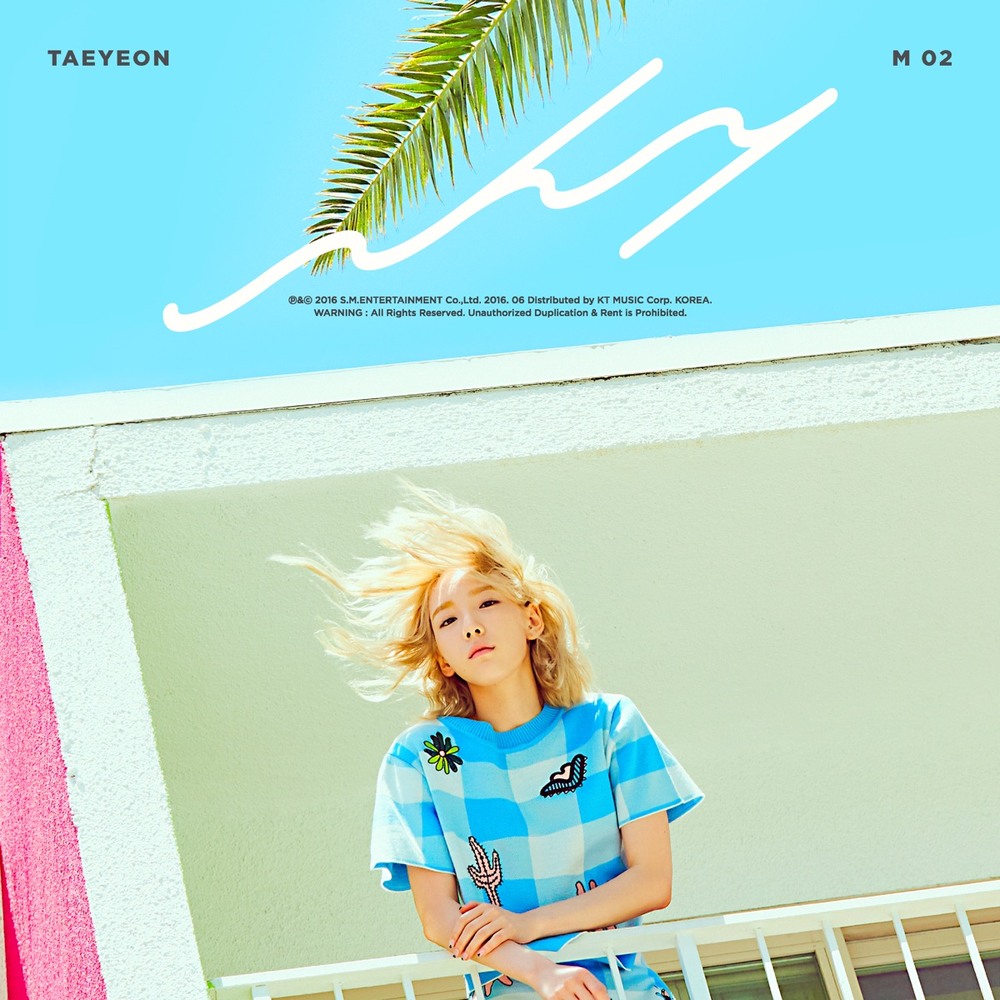
TAEYEON - Why
'Why', the third entry in 'TAEYEON’s Twelve Songs that Changed the Seasons', is a song that briskly flows like a summer scene with light electronic sounds and a repetitive hook. The key point to examine with 'Why' is the texture in the lower range, emphasizing how it alters the atmosphere established beforehand when placed in this position among the total of 12. The official designation of 'Why' in 'TAEYEON’s Twelve Songs that Changed the Seasons' is from the album 'Why - The 2nd Mini Album', by artist TAEYEON, released on 2016-06-28. By checking the official documents marking its beginning and end—not just the title or a famous section—you can see the specific role that 'Why' plays.
On the first listen of 'Why', follow only the texture in the lower range; on the second listen, focus on the instruments and harmonies behind the main vocals. When the same verse is repeated, noting what changes in volume, tone, or breath can help pinpoint the element that creates the impression of 'a song that flows briskly like a summer scene with light electronic sounds and a repetitive hook'. In the context of 'TAEYEON’s Twelve Songs that Changed the Seasons', it’s useful to compare the tempo and mood retained when transitioning to the next song, '11:11'.
At the end, let’s briefly skip 'Why' and directly connect the preceding and following tracks. You can validate your reasons for selection by judging whether the flow of 'TAEYEON’s Twelve Songs that Changed the Seasons' feels natural or whether the contrast needed for the third position is lost. Note one memorable sound from 'Why' and one element that transitions to '11:11', and revisit the linked Apple Music page for the album, artist, and release date.
On the first listen of 'Why', follow only the texture in the lower range; on the second listen, focus on the instruments and harmonies behind the main vocals. When the same verse is repeated, noting what changes in volume, tone, or breath can help pinpoint the element that creates the impression of 'a song that flows briskly like a summer scene with light electronic sounds and a repetitive hook'. In the context of 'TAEYEON’s Twelve Songs that Changed the Seasons', it’s useful to compare the tempo and mood retained when transitioning to the next song, '11:11'.
At the end, let’s briefly skip 'Why' and directly connect the preceding and following tracks. You can validate your reasons for selection by judging whether the flow of 'TAEYEON’s Twelve Songs that Changed the Seasons' feels natural or whether the contrast needed for the third position is lost. Note one memorable sound from 'Why' and one element that transitions to '11:11', and revisit the linked Apple Music page for the album, artist, and release date.
수록작 Why - The 2nd Mini Album
공개일 2016-06-28
아티스트 TAEYEON
재생시간 208

TAEYEON - 11:11
'11:11', the fourth entry in 'TAEYEON’s Twelve Songs that Changed the Seasons', is a song that slowly fills the void of late night with restrained guitar and close vocals. The key point to examine with '11:11' is the boundary where the rhythm changes, emphasizing how it alters the atmosphere established beforehand when placed in this position among the total of 12. The official designation of '11:11' in 'TAEYEON’s Twelve Songs that Changed the Seasons' is from the album '11:11 - Single', by artist TAEYEON, released on 2016-11-01. By checking the official documents marking its beginning and end—not just the title or a famous section—you can see the specific role that '11:11' plays.
On the first listen of '11:11', follow only the boundary where the rhythm changes; on the second listen, focus on the instruments and harmonies behind the main vocals. When the same verse is repeated, noting what changes in volume, tone, or breath can help pinpoint the element that creates the impression of 'a song that slowly fills the void of late night with restrained guitar and close vocals'. In the context of 'TAEYEON’s Twelve Songs that Changed the Seasons', it’s useful to compare the tempo and mood retained when transitioning to the next song, 'Fine'.
At the end, let’s briefly skip '11:11' and directly connect the preceding and following tracks. You can validate your reasons for selection by judging whether the flow of 'TAEYEON’s Twelve Songs that Changed the Seasons' feels natural or whether the contrast needed for the fourth position is lost. Note one memorable sound from '11:11' and one element that transitions to 'Fine', and revisit the linked Apple Music page for the album, artist, and release date.
On the first listen of '11:11', follow only the boundary where the rhythm changes; on the second listen, focus on the instruments and harmonies behind the main vocals. When the same verse is repeated, noting what changes in volume, tone, or breath can help pinpoint the element that creates the impression of 'a song that slowly fills the void of late night with restrained guitar and close vocals'. In the context of 'TAEYEON’s Twelve Songs that Changed the Seasons', it’s useful to compare the tempo and mood retained when transitioning to the next song, 'Fine'.
At the end, let’s briefly skip '11:11' and directly connect the preceding and following tracks. You can validate your reasons for selection by judging whether the flow of 'TAEYEON’s Twelve Songs that Changed the Seasons' feels natural or whether the contrast needed for the fourth position is lost. Note one memorable sound from '11:11' and one element that transitions to 'Fine', and revisit the linked Apple Music page for the album, artist, and release date.
수록작 11:11 - Single
공개일 2016-11-01
아티스트 TAEYEON
재생시간 223

TAEYEON - Fine
'Fine', the fifth entry in 'TAEYEON’s Twelve Songs that Changed the Seasons', is a song with a clear contrast that starts from a calm introduction and moves to powerful emotions in the chorus. The key point to examine with 'Fine' is the movement of the background harmonies, emphasizing how it alters the atmosphere established beforehand when placed in this position among the total of 12. The official designation of 'Fine' in 'TAEYEON’s Twelve Songs that Changed the Seasons' is from the album 'My Voice - The 1st Album', by artist TAEYEON, released on 2017-02-28. By checking the official documents marking its beginning and end—not just the title or a famous section—you can see the specific role that 'Fine' plays.
On the first listen of 'Fine', follow only the movement of the background harmonies; on the second listen, focus on the instruments and harmonies behind the main vocals. When the same verse is repeated, noting what changes in volume, tone, or breath can help pinpoint the element that creates the impression of 'a song with a clear contrast that moves from a calm introduction to powerful emotions in the chorus'. In the context of 'TAEYEON’s Twelve Songs that Changed the Seasons', it’s useful to compare the tempo and mood retained when transitioning to the next song, 'Four Seasons'.
At the end, let’s briefly skip 'Fine' and directly connect the preceding and following tracks. You can validate your reasons for selection by judging whether the flow of 'TAEYEON’s Twelve Songs that Changed the Seasons' feels natural or whether the contrast needed for the fifth position is lost. Note one memorable sound from 'Fine' and one element that transitions to 'Four Seasons', and revisit the linked Apple Music page for the album, artist, and release date.
On the first listen of 'Fine', follow only the movement of the background harmonies; on the second listen, focus on the instruments and harmonies behind the main vocals. When the same verse is repeated, noting what changes in volume, tone, or breath can help pinpoint the element that creates the impression of 'a song with a clear contrast that moves from a calm introduction to powerful emotions in the chorus'. In the context of 'TAEYEON’s Twelve Songs that Changed the Seasons', it’s useful to compare the tempo and mood retained when transitioning to the next song, 'Four Seasons'.
At the end, let’s briefly skip 'Fine' and directly connect the preceding and following tracks. You can validate your reasons for selection by judging whether the flow of 'TAEYEON’s Twelve Songs that Changed the Seasons' feels natural or whether the contrast needed for the fifth position is lost. Note one memorable sound from 'Fine' and one element that transitions to 'Four Seasons', and revisit the linked Apple Music page for the album, artist, and release date.
수록작 My Voice - The 1st Album
공개일 2017-02-28
아티스트 TAEYEON
재생시간 209
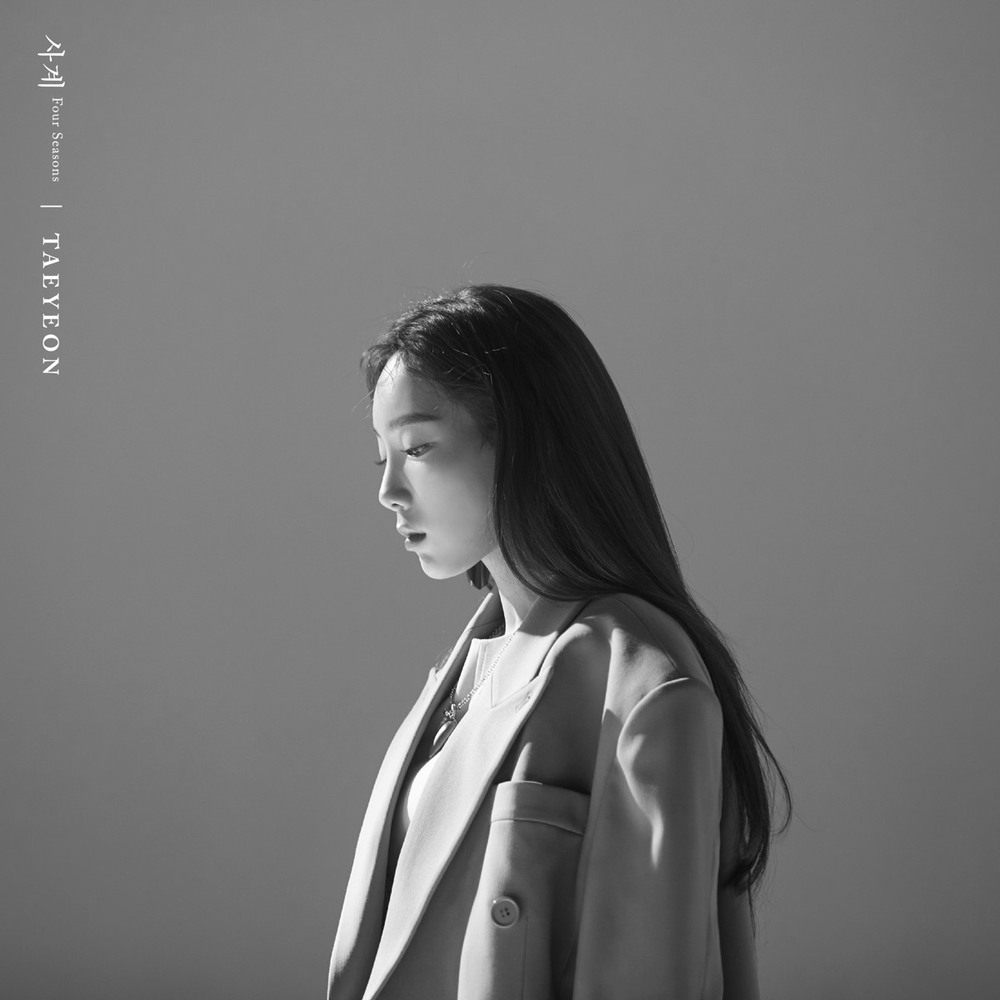
TAEYEON - Four Seasons
'Four Seasons', the sixth entry in 'TAEYEON’s Twelve Songs that Changed the Seasons', leaves a calm rhythm and solid chorus while overlapping the end of a relationship with the change of seasons. The key point to examine with 'Four Seasons' is the resonance of the final phrase, emphasizing how it alters the atmosphere established beforehand when placed in this position among the total of 12. The official designation of 'Four Seasons' in 'TAEYEON’s Twelve Songs that Changed the Seasons' is from the album 'Four Seasons - Single', by artist TAEYEON, released on 2019-03-24. By checking the official documents marking its beginning and end—not just the title or a famous section—you can see the specific role that 'Four Seasons' plays.
On the first listen of 'Four Seasons', follow only the resonance of the final phrase; on the second listen, focus on the instruments and harmonies behind the main vocals. When the same verse is repeated, noting what changes in volume, tone, or breath can help pinpoint the element that creates the impression of 'a song that leaves a calm rhythm and solid chorus while overlapping the end of a relationship with the change of seasons'. In the context of 'TAEYEON’s Twelve Songs that Changed the Seasons', it’s useful to compare the tempo and mood retained when transitioning to the next song, 'Spark'.
At the end, let’s briefly skip 'Four Seasons' and directly connect the preceding and following tracks. You can validate your reasons for selection by judging whether the flow of 'TAEYEON’s Twelve Songs that Changed the Seasons' feels natural or whether the contrast needed for the sixth position is lost. Note one memorable sound from 'Four Seasons' and one element that transitions to 'Spark', and revisit the linked Apple Music page for the album, artist, and release date.
On the first listen of 'Four Seasons', follow only the resonance of the final phrase; on the second listen, focus on the instruments and harmonies behind the main vocals. When the same verse is repeated, noting what changes in volume, tone, or breath can help pinpoint the element that creates the impression of 'a song that leaves a calm rhythm and solid chorus while overlapping the end of a relationship with the change of seasons'. In the context of 'TAEYEON’s Twelve Songs that Changed the Seasons', it’s useful to compare the tempo and mood retained when transitioning to the next song, 'Spark'.
At the end, let’s briefly skip 'Four Seasons' and directly connect the preceding and following tracks. You can validate your reasons for selection by judging whether the flow of 'TAEYEON’s Twelve Songs that Changed the Seasons' feels natural or whether the contrast needed for the sixth position is lost. Note one memorable sound from 'Four Seasons' and one element that transitions to 'Spark', and revisit the linked Apple Music page for the album, artist, and release date.
수록작 Four Seasons - Single
공개일 2019-03-24
아티스트 TAEYEON
재생시간 188

TAEYEON - Spark
'Spark', the seventh entry in 'TAEYEON’s Twelve Songs that Changed the Seasons', is a song that creates momentum on stage with its staccato rhythms and powerful chorus. The key point to examine with 'Spark' is the difference between the first and second verses, emphasizing how it alters the atmosphere established beforehand when placed in this position among the total of 12. The official designation of 'Spark' in 'TAEYEON’s Twelve Songs that Changed the Seasons' is from the album 'Purpose - The 2nd Album', by artist TAEYEON, released on 2019-10-28. By checking the official documents marking its beginning and end—not just the title or a famous section—you can see the specific role that 'Spark' plays.
On the first listen of 'Spark', focus on the difference between the first and second verses; on the second listen, pay attention to the instruments and harmonies behind the main vocals. When the same verse is repeated, noting what changes in volume, tone, or breath can help pinpoint the element that creates the impression of 'a song that creates momentum on stage with its staccato rhythms and powerful chorus'. In the context of 'TAEYEON’s Twelve Songs that Changed the Seasons', it’s useful to compare the tempo and mood retained when transitioning to the next song, 'What Do I Call You'.
At the end, let’s briefly skip 'Spark' and directly connect the preceding and following tracks. You can validate your reasons for selection by judging whether the flow of 'TAEYEON’s Twelve Songs that Changed the Seasons' feels natural or whether the contrast needed for the seventh position is lost. Note one memorable sound from 'Spark' and one element that transitions to 'What Do I Call You', and revisit the linked Apple Music page for the album, artist, and release date.
On the first listen of 'Spark', focus on the difference between the first and second verses; on the second listen, pay attention to the instruments and harmonies behind the main vocals. When the same verse is repeated, noting what changes in volume, tone, or breath can help pinpoint the element that creates the impression of 'a song that creates momentum on stage with its staccato rhythms and powerful chorus'. In the context of 'TAEYEON’s Twelve Songs that Changed the Seasons', it’s useful to compare the tempo and mood retained when transitioning to the next song, 'What Do I Call You'.
At the end, let’s briefly skip 'Spark' and directly connect the preceding and following tracks. You can validate your reasons for selection by judging whether the flow of 'TAEYEON’s Twelve Songs that Changed the Seasons' feels natural or whether the contrast needed for the seventh position is lost. Note one memorable sound from 'Spark' and one element that transitions to 'What Do I Call You', and revisit the linked Apple Music page for the album, artist, and release date.
수록작 Purpose - The 2nd Album
공개일 2019-10-28
아티스트 TAEYEON
재생시간 218

TAEYEON - What Do I Call You
'What Do I Call You', the eighth entry in 'TAEYEON’s Twelve Songs that Changed the Seasons', dryly questions the unfamiliar titles of a relationship that has ended over a loose groove. The key point to examine with 'What Do I Call You' is the distance between the voice and the accompaniment, emphasizing how it alters the atmosphere established beforehand when placed in this position among the total of 12. The official designation of 'What Do I Call You' in 'TAEYEON’s Twelve Songs that Changed the Seasons' is from the album 'What Do I Call You - The 4th Mini Album - EP', by artist TAEYEON, released on 2020-12-15. By checking the official documents marking its beginning and end—not just the title or a famous section—you can see the specific role that 'What Do I Call You' plays.
On the first listen of 'What Do I Call You', focus only on the distance between the voice and the accompaniment; on the second listen, pay attention to the instruments and harmonies behind the main vocals. When the same verse is repeated, noting what changes in volume, tone, or breath can help pinpoint the element that creates the impression of 'a song that dryly questions the unfamiliar titles of a relationship that has ended over a loose groove'. In the context of 'TAEYEON’s Twelve Songs that Changed the Seasons', it’s useful to compare the tempo and mood retained when transitioning to the next song, 'Weekend'.
At the end, let’s briefly skip 'What Do I Call You' and directly connect the preceding and following tracks. You can validate your reasons for selection by judging whether the flow of 'TAEYEON’s Twelve Songs that Changed the Seasons' feels natural or whether the contrast needed for the eighth position is lost. Note one memorable sound from 'What Do I Call You' and one element that transitions to 'Weekend', and revisit the linked Apple Music page for the album, artist, and release date.
On the first listen of 'What Do I Call You', focus only on the distance between the voice and the accompaniment; on the second listen, pay attention to the instruments and harmonies behind the main vocals. When the same verse is repeated, noting what changes in volume, tone, or breath can help pinpoint the element that creates the impression of 'a song that dryly questions the unfamiliar titles of a relationship that has ended over a loose groove'. In the context of 'TAEYEON’s Twelve Songs that Changed the Seasons', it’s useful to compare the tempo and mood retained when transitioning to the next song, 'Weekend'.
At the end, let’s briefly skip 'What Do I Call You' and directly connect the preceding and following tracks. You can validate your reasons for selection by judging whether the flow of 'TAEYEON’s Twelve Songs that Changed the Seasons' feels natural or whether the contrast needed for the eighth position is lost. Note one memorable sound from 'What Do I Call You' and one element that transitions to 'Weekend', and revisit the linked Apple Music page for the album, artist, and release date.
수록작 What Do I Call You - The 4th Mini Album - EP
공개일 2020-12-15
아티스트 TAEYEON
재생시간 168

TAEYEON - Weekend
The 9th entry of 《TAEYEON's Twelve Songs that Changed the Season》, 'Weekend', captures the feeling of momentarily escaping from complex plans with a bright bass and refreshing hook. The key point to explore in 'Weekend' is the variation in the repeating hook, and how it alters the atmosphere when placed in this position among the 12 tracks. The official details of 'Weekend' as noted in 《TAEYEON's Twelve Songs that Changed the Season》 are the single 《Weekend - Single》, artist TAEYEON, and the release date of 2021-07-06. By checking the start and end of the official material instead of judging only by the title or a famous segment, the specific role 'Weekend' plays becomes clearer.
On the first play of 'Weekend', focus only on the changing repeating hook, and on the second play, pick out the instruments and harmonies behind the main vocals. Noting any differences in volume, timbre, or breath as the same phrases repeat can highlight the point where the impression of 'a track capturing the feeling of momentarily escaping from complex plans with a bright bass and refreshing hook' arises. In the context of 《TAEYEON's Twelve Songs that Changed the Season》, it is useful to compare the remaining speed and temperature when transitioning to the next track, 'INVU', rather than just enjoying it solo.
Finally, let's connect the tracks before and after 'Weekend' without it for a moment. You can verify your reasoning for selection by judging whether the flow of 《TAEYEON's Twelve Songs that Changed the Season》 becomes natural or if the contrast needed in the 9th position disappears. Write down one memorable sound from 'Weekend' and one element that transitions into 'INVU', and check the details on the connected Apple Music page for the album and artist information, as well as the release date again.
On the first play of 'Weekend', focus only on the changing repeating hook, and on the second play, pick out the instruments and harmonies behind the main vocals. Noting any differences in volume, timbre, or breath as the same phrases repeat can highlight the point where the impression of 'a track capturing the feeling of momentarily escaping from complex plans with a bright bass and refreshing hook' arises. In the context of 《TAEYEON's Twelve Songs that Changed the Season》, it is useful to compare the remaining speed and temperature when transitioning to the next track, 'INVU', rather than just enjoying it solo.
Finally, let's connect the tracks before and after 'Weekend' without it for a moment. You can verify your reasoning for selection by judging whether the flow of 《TAEYEON's Twelve Songs that Changed the Season》 becomes natural or if the contrast needed in the 9th position disappears. Write down one memorable sound from 'Weekend' and one element that transitions into 'INVU', and check the details on the connected Apple Music page for the album and artist information, as well as the release date again.
수록작 Weekend - Single
공개일 2021-07-06
아티스트 TAEYEON
재생시간 233

TAEYEON - INVU
The 10th entry of 《TAEYEON's Twelve Songs that Changed the Season》, 'INVU', features expansive synths and a restrained introduction that builds the tension of the chorus. The crucial aspect of examining 'INVU' in 《TAEYEON's Twelve Songs that Changed the Season》 is the quietest moment, and how it transforms the preceding atmosphere when positioned in this slot among the 12 tracks. The official details of 'INVU' from 《TAEYEON's Twelve Songs that Changed the Season》 are the album 《INVU - The 3rd Album》, artist TAEYEON, and the release date of 2022-02-14. By checking the beginning and end of the official materials instead of merely judging by the title or a notorious segment, the specific role 'INVU' plays becomes clearer.
On the first play of 'INVU', follow only the quietest moment, and on the second play, pick out the instruments and harmonies behind the main vocals. Noting any shifts in volume, timbre, or breath as the same phrases repeat can help identify the point where the impression of 'a track that expands the tension of the chorus with expansive synths and a restrained introduction' occurs. In the context of 《TAEYEON's Twelve Songs that Changed the Season》, it's useful to compare the remaining speed and temperature when transitioning to the next track, 'To X', rather than listening to it in isolation.
Lastly, try connecting the tracks before and after 'INVU' without it for a moment. By determining whether the flow of 《TAEYEON's Twelve Songs that Changed the Season》 becomes more natural or if the necessary contrast in the 10th position is lost, you can validate your reasoning for selection. Write down one memorable sound from 'INVU' and one element that transitions to 'To X', and check the details on the connected Apple Music page for the album and artist information, as well as the release date again.
On the first play of 'INVU', follow only the quietest moment, and on the second play, pick out the instruments and harmonies behind the main vocals. Noting any shifts in volume, timbre, or breath as the same phrases repeat can help identify the point where the impression of 'a track that expands the tension of the chorus with expansive synths and a restrained introduction' occurs. In the context of 《TAEYEON's Twelve Songs that Changed the Season》, it's useful to compare the remaining speed and temperature when transitioning to the next track, 'To X', rather than listening to it in isolation.
Lastly, try connecting the tracks before and after 'INVU' without it for a moment. By determining whether the flow of 《TAEYEON's Twelve Songs that Changed the Season》 becomes more natural or if the necessary contrast in the 10th position is lost, you can validate your reasoning for selection. Write down one memorable sound from 'INVU' and one element that transitions to 'To X', and check the details on the connected Apple Music page for the album and artist information, as well as the release date again.
수록작 INVU - The 3rd Album
공개일 2022-02-14
아티스트 TAEYEON
재생시간 205

TAEYEON - To. X
The 11th entry of 《TAEYEON's Twelve Songs that Changed the Season》, 'To X', clearly shows the cracks in a relationship through its calm delivery in a lower register and repetitive rhythm. The key point in examining 'To X' within 《TAEYEON's Twelve Songs that Changed the Season》 is the starting point where the emotions heighten, and it’s crucial to see how it shifts the atmosphere when placed in this position among the 12 tracks. The official notation for 'To X' as indicated in 《TAEYEON's Twelve Songs that Changed the Season》 is the album 《To X - The 5th Mini Album - EP》, artist TAEYEON, and the release date of 2023-11-27. By reviewing both the beginning and end of the official material rather than simply relying on the title or a well-known segment, the specific role 'To X' fulfills becomes clearer.
On the first play of 'To X', just follow the starting point where emotions heighten, and on the second play, focus on the instruments and harmonies behind the main vocals. By marking any differences in volume, timbre, or breath as the same phrases repeat, you can pinpoint where the impression of 'a track that clearly displays the cracks in a relationship through a calm delivery in a lower register and repetitive rhythm' emerges. In the context of 《TAEYEON's Twelve Songs that Changed the Season》, it’s more useful to compare the remaining speed and temperature when transitioning to the next track, 'Letter To Myself', rather than experiencing it solo.
Finally, let’s try connecting the tracks before and after 'To X' without it for a moment. By determining whether the flow of 《TAEYEON's Twelve Songs that Changed the Season》 becomes more natural or if the needed contrast in the 11th position disappears, you can validate your reasoning for selection. Jot down one memorable sound from 'To X' and one component that transitions into 'Letter To Myself', and check the details on the connected Apple Music page for the album and artist information, as well as the release date again.
On the first play of 'To X', just follow the starting point where emotions heighten, and on the second play, focus on the instruments and harmonies behind the main vocals. By marking any differences in volume, timbre, or breath as the same phrases repeat, you can pinpoint where the impression of 'a track that clearly displays the cracks in a relationship through a calm delivery in a lower register and repetitive rhythm' emerges. In the context of 《TAEYEON's Twelve Songs that Changed the Season》, it’s more useful to compare the remaining speed and temperature when transitioning to the next track, 'Letter To Myself', rather than experiencing it solo.
Finally, let’s try connecting the tracks before and after 'To X' without it for a moment. By determining whether the flow of 《TAEYEON's Twelve Songs that Changed the Season》 becomes more natural or if the needed contrast in the 11th position disappears, you can validate your reasoning for selection. Jot down one memorable sound from 'To X' and one component that transitions into 'Letter To Myself', and check the details on the connected Apple Music page for the album and artist information, as well as the release date again.
수록작 To. X - The 5th Mini Album - EP
공개일 2023-11-27
아티스트 TAEYEON
재생시간 170

TAEYEON - Letter To Myself
The 12th entry of 《TAEYEON's Twelve Songs that Changed the Season》, 'Letter To Myself', pushes forward words sent to oneself with a band texture and an ascending voice. The key aspect to look at in 'Letter To Myself' is the ending part that prepares for the next song, and it is essential to see how it alters the atmosphere when placed in this position among the 12 tracks. The official notation of 'Letter To Myself' from 《TAEYEON's Twelve Songs that Changed the Season》 is the album 《Letter To Myself - The 6th Mini Album - EP》, artist TAEYEON, and the release date of 2024-11-18. By confirming both the start and end of the official materials instead of assessing just the title or a well-known segment, the specific role 'Letter To Myself' plays becomes clearer.
On the first play of 'Letter To Myself', just follow the ending part that prepares for the next song, and on the second play, pick out the instruments and harmonies behind the main vocals. By marking any variations in volume, timbre, or breath as the same phrases repeat, you can identify where the impression of 'a track that pushes forward words sent to oneself with a band texture and an ascending voice' arises. In the context of 《TAEYEON's Twelve Songs that Changed the Season》, it’s helpful to compare the remaining speed and temperature when transitioning to the next track, 'I (feat Verbal Jint)', rather than listening to it alone.
Finally, let’s briefly omit 'Letter To Myself' and connect the tracks before and after it. You can verify your reasoning for selection by assessing whether the flow of 《TAEYEON's Twelve Songs that Changed the Season》 becomes natural, or if the contrast needed in the 12th position is lost. Write down one memorable sound from 'Letter To Myself' and one element that transitions into 'I (feat Verbal Jint)', and again check the details on the connected Apple Music page for the album and artist information, including the release date.
On the first play of 'Letter To Myself', just follow the ending part that prepares for the next song, and on the second play, pick out the instruments and harmonies behind the main vocals. By marking any variations in volume, timbre, or breath as the same phrases repeat, you can identify where the impression of 'a track that pushes forward words sent to oneself with a band texture and an ascending voice' arises. In the context of 《TAEYEON's Twelve Songs that Changed the Season》, it’s helpful to compare the remaining speed and temperature when transitioning to the next track, 'I (feat Verbal Jint)', rather than listening to it alone.
Finally, let’s briefly omit 'Letter To Myself' and connect the tracks before and after it. You can verify your reasoning for selection by assessing whether the flow of 《TAEYEON's Twelve Songs that Changed the Season》 becomes natural, or if the contrast needed in the 12th position is lost. Write down one memorable sound from 'Letter To Myself' and one element that transitions into 'I (feat Verbal Jint)', and again check the details on the connected Apple Music page for the album and artist information, including the release date.
수록작 Letter To Myself - The 6th Mini Album - EP
공개일 2024-11-18
아티스트 TAEYEON
재생시간 184
As you go through these twelve songs, TAEYEON's solo career sounds like a process of redefining the distance of her voice with each song, rather than a repetition of a single style. Choosing the most surprising track in 'TAEYEON’s Twelve Songs that Changed the Seasons' can naturally help you recognize the moments in which you perceive the evolution of her solo activities. The increasing closeness between her familiar representative works and lesser-known tracks is also an important conclusion of this list.
When you revisit these songs, try grouping three tracks together instead of repeating just the selected song. Playing them at the same volume and noting down one memorable instrument, the breath of a sentence, or a visual distance can help clarify your taste. It's a good idea to assess the role of new works within the existing flow.
When you revisit these songs, try grouping three tracks together instead of repeating just the selected song. Playing them at the same volume and noting down one memorable instrument, the breath of a sentence, or a visual distance can help clarify your taste. It's a good idea to assess the role of new works within the existing flow.
At a glance
12 items
TAEYEON - I (feat. Verbal Jint)
2015-10-07TAEYEON206
TAEYEON - Rain
2016-02-03TAEYEON222
TAEYEON - Why
2016-06-28TAEYEON208
TAEYEON - 11:11
11:11 - Single2016-11-01TAEYEON
TAEYEON - Fine
2017-02-28TAEYEON209
TAEYEON - Four Seasons
2019-03-24TAEYEON188
TAEYEON - Spark
2019-10-28TAEYEON218
TAEYEON - What Do I Call You
2020-12-15TAEYEON168
TAEYEON - Weekend
Weekend - Single2021-07-06TAEYEON
TAEYEON - INVU
2022-02-14TAEYEON205
TAEYEON - To. X
2023-11-27TAEYEON170
TAEYEON - Letter To Myself
2024-11-18TAEYEON184
As part of the Coupang Partners program, this post may earn a commission from qualifying purchases.
Comments 0
Log in to leave a comment.
Be the first to comment.
How about these lists?


You might also like


🎲
Not ready to stop here?
Wondering what to read next is the biggest waste of time.
Let the dice decide — you won't know what pops up until you roll.
If you don't press it… won't you wonder forever? 👀