Collection
Royal Tombs & Ancient Graves
2026.08.18
The True Face of Gaya as Shown by the Seven Tomb Groups
Exploring the Diversity and Common Culture of the Confederation as Components of World Heritage
The Gaya tombs do not represent a unified kingdom, but rather illustrate a confederation where various political entities coexisted and interacted through their burial practices. The UNESCO World Heritage designation consists of the seven tomb groups located in Gimhae, Ham-an, Hapcheon, Goryeong, Goseong, Namwon, and Changnyeong. This list is organized to allow comparisons of the differences in burial mound arrangements, tomb structures, and artifacts unearthed while simultaneously exploring the shared culture of the Gaya region.
The seven sites are quite distant from each other, making it challenging to visit them all at once. It's better to pair the tomb group with a nearby museum for a more comprehensive understanding. Outdoor hills require caution due to slopes and lack of shade, and be sure not to climb on the burial mounds. The opening hours of exhibition halls and museums may differ from those of the tomb groups, so it's advisable to check each one before setting out.
The seven sites are quite distant from each other, making it challenging to visit them all at once. It's better to pair the tomb group with a nearby museum for a more comprehensive understanding. Outdoor hills require caution due to slopes and lack of shade, and be sure not to climb on the burial mounds. The opening hours of exhibition halls and museums may differ from those of the tomb groups, so it's advisable to check each one before setting out.
Gimhae Daeseongdong Tombs
Gimhae DaeSeongDong Tomb Group
The Gimhae DaeSeongDong tomb group is a site through which we can examine the autonomy and common burial culture of Gaya, where multiple political entities coexisted, represented by the seven tomb groups that make up the UNESCO World Heritage. As the burial site of the ruling class of Geumgwan Gaya, which grew based on the Gimhae basin, it illustrates active exchanges with various foreign artifacts and changes in wooden coffin graves. To understand the site, please check the visiting hours for both the adjacent museum and the outdoor tomb group. Since the tombs and burial mounds are historical sites as well as memorial spaces, do not touch the mounds, stone relics, or murals, and do not cross prohibited lines. If the identities and dates of the buried individuals are still under research, it's important to differentiate between tradition and scholarly assumptions, and double-check the operating hours, opening scopes, and photography regulations provided by the managing authorities before your visit.
소재지 경남 김해시 가야의길 126
시대·문명 금관가야
주요 의미 김해 분지를 기반으로 성장한 금관가야 지배층의 묘역으로, 다양한 외래계 유물과 목곽묘 변화가 활발한 교류를 보여줍니다.
관람 전 확인 인접 박물관과 고분군 야외 관람시간을 각각 확인
접근 안내 일반 관람 가능 여부와 공개 범위를 관리기관에서 확인
관람 예절 봉분과 석물에 올라가거나 손대지 않고 출입 제한·촬영 규정 준수
Hamann Malisan Tombs
Ham-an Malisan Tomb Group
The Ham-an Malisan tomb group provides an opportunity to explore the autonomy and common burial culture of Gaya, where multiple political entities coexisted, through the lens of the seven tomb groups that make up the UNESCO World Heritage. This site features a central burial area of Ara Gaya with large burial mounds that stretch along a ridge, known for its unique tomb structures and artifacts including horse collars. To grasp the site better, check the slope of the ridge walk, weather conditions, and museum closure days. Since the tombs and burial mounds are historical sites as well as memorial spaces, do not touch the mounds, stone relics, or murals, and do not cross prohibited lines. If the identities and dates of the buried individuals are still under research, it's important to differentiate between tradition and scholarly assumptions, and double-check the operating hours, opening scopes, and photography regulations provided by the managing authorities before your visit.
소재지 경남 함안군 가야읍 말산리 325-1
시대·문명 아라가야
주요 의미 구릉 위 대형 봉분이 길게 이어지는 아라가야 중심 묘역으로, 독특한 무덤 구조와 말갑옷을 비롯한 출토품이 알려져 있습니다.
관람 전 확인 구릉 산책의 경사와 기상, 박물관 휴관일을 확인
접근 안내 일반 관람 가능 여부와 공개 범위를 관리기관에서 확인
관람 예절 봉분과 석물에 올라가거나 손대지 않고 출입 제한·촬영 규정 준수
Hapcheon Okjeon Tombs
Hapcheon Okjeon Tomb Group
The Hapcheon Okjeon tomb group is a part of the seven tomb groups that make up the UNESCO World Heritage, providing insights into the autonomy and common burial culture of Gaya, where multiple political entities coexisted. This tomb group demonstrates the growth and interactions of forces in the Hwanggang basin, with ornate armor and horse costumes displaying the status of the ruling class. To better understand the site, check for limited public transport and amenities, and confirm your means of transportation. Since the tombs and burial mounds are historical sites as well as memorial spaces, do not touch the mounds, stone relics, or murals, and do not cross prohibited lines. If the identities and dates of the buried individuals are still under research, it's important to differentiate between tradition and scholarly assumptions, and double-check the operating hours, opening scopes, and photography regulations provided by the managing authorities before your visit.
소재지 경남 합천군 쌍책면 성산리 산 29-1
시대·문명 다라국 계통
주요 의미 황강 유역 세력의 성장과 교류를 보여주는 고분군으로, 화려한 장식대도와 갑옷·말갖춤이 지배층의 위상을 드러냅니다.
관람 전 확인 대중교통과 현장 편의시설이 제한적일 수 있어 이동 수단을 확인
접근 안내 일반 관람 가능 여부와 공개 범위를 관리기관에서 확인
관람 예절 봉분과 석물에 올라가거나 손대지 않고 출입 제한·촬영 규정 준수
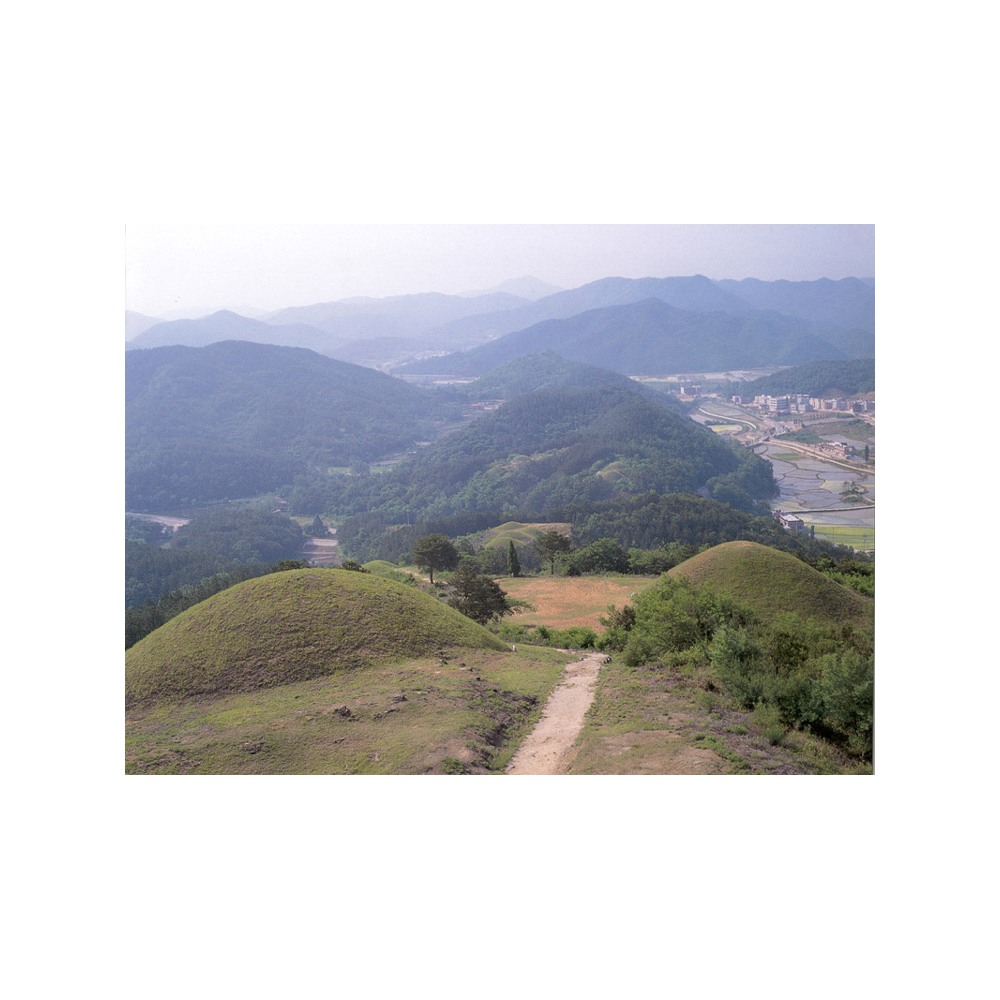
Goryeong Jisandong Tombs
Goryeong JisanDong Tomb Group
The Goryeong JisanDong tomb group is part of the seven tomb groups that make up the UNESCO World Heritage, allowing for an exploration of the autonomy and common burial culture of Gaya, where various political entities coexisted. This burial site of the highest ruling class of Daegaya features a dense cluster of large burial mounds on the JuSan ridge, showcasing traces of royal tombs along with pottery and metal artifacts that signify political growth. To understand the site, check the walking distances on the ridge and the connecting paths to the Daegaya Museum. Since the tombs and burial mounds are historical sites as well as memorial spaces, do not touch the mounds, stone relics, or murals, and do not cross prohibited lines. If the identities and dates of the buried individuals are still under research, it's important to differentiate between tradition and scholarly assumptions, and double-check the operating hours, opening scopes, and photography regulations provided by the managing authorities before your visit.
주소 경북 고령군 대가야읍 지산리 산 23-1
시대·문명 대가야
지역 경북 고령
주요 의미 주산 능선에 대형 봉분이 밀집한 대가야 최고 지배층 묘역으로, 순장 흔적과 토기·금속 유물이 정치적 성장을 보여줍니다.
유산 유형 대가야 고분군
관람 전 확인 능선 보행 거리와 대가야박물관 연계 동선을 확인
관찰 포인트 능선을 따라 달라지는 봉분 규모와 대가야박물관 출토품
접근 안내 일반 관람 가능 여부와 공개 범위를 관리기관에서 확인
방문 팁 오르막과 노출된 능선에 대비하고 순장 전시의 맥락을 충분히 읽는다
관람 예절 봉분과 석물에 올라가거나 손대지 않고 출입 제한·촬영 규정 준수
Goseong Songhak-dong Tombs
Goseong SonghakDong Tomb Group
The Goseong SonghakDong tomb group is among the seven tomb groups that comprise the UNESCO World Heritage, providing insights into the autonomy and common burial culture of Gaya, where multiple political entities coexisted. This burial site of the Sogaya forces that grew in a transportation hub of the southern coast contains important resources illustrating the excavation process of the mounds and interactions with the Japanese archipelago. To understand the site, as it is close to residential areas, please adhere to designated access routes and parking regulations. Since the tombs and burial mounds are historical sites as well as memorial spaces, do not touch the mounds, stone relics, or murals, and do not cross prohibited lines. If the identities and dates of the buried individuals are still under research, it's important to differentiate between tradition and scholarly assumptions, and double-check the operating hours, opening scopes, and photography regulations provided by the managing authorities before your visit.
소재지 경남 고성군 고성읍 송학리 470
시대·문명 소가야
주요 의미 남해안 교통의 요지에서 성장한 소가야 세력의 고분군으로, 봉분 조사 과정과 일본 열도와의 교류를 보여주는 자료가 중요합니다.
관람 전 확인 주거지와 가까운 유적이므로 지정 출입로와 주차 질서를 준수
접근 안내 일반 관람 가능 여부와 공개 범위를 관리기관에서 확인
관람 예절 봉분과 석물에 올라가거나 손대지 않고 출입 제한·촬영 규정 준수
Namwon Yugok-ri and Durak-ri Tombs
Namwon Yugokri and Durakri Tomb Group
The Namwon Yugokri and Durakri tomb group is one of the seven tomb groups recognized in the UNESCO World Heritage, allowing for an exploration of the autonomy and common burial culture of Gaya, where multiple political entities coexisted. Located on the Unbong plateau, this tomb group illustrates that Gaya culture was not limited to the Nakdong River basin, linking the concepts of iron production and transportation routes. To better understand the site, check the condition of the mountain roads and trails, as well as whether the information facilities are in operation. Since the tombs and burial mounds are historical sites as well as memorial spaces, do not touch the mounds, stone relics, or murals, and do not cross prohibited lines. If the identities and dates of the buried individuals are still under research, it's important to differentiate between tradition and scholarly assumptions, and double-check the operating hours, opening scopes, and photography regulations provided by the managing authorities before your visit.
소재지 전북특별자치도 남원시 인월면 유곡리 산 746-1
시대·문명 운봉고원 가야세력
주요 의미 운봉고원에 자리한 고분군으로, 가야 문화가 낙동강 유역에만 한정되지 않았음을 보여주며 철 생산과 교통로를 함께 생각하게 합니다.
관람 전 확인 산지 도로와 탐방로 상태, 안내시설 운영 여부를 확인
접근 안내 일반 관람 가능 여부와 공개 범위를 관리기관에서 확인
관람 예절 봉분과 석물에 올라가거나 손대지 않고 출입 제한·촬영 규정 준수
Changnyeong Gyo-dong and Songhyeon-dong Tombs
Changnyeong GyoDong and SonghyeonDong Tomb Group
The Changnyeong GyoDong and SonghyeonDong tomb group is included in the seven tomb groups that make up the UNESCO World Heritage, allowing for a look into the autonomy and common burial culture of Gaya, where various political entities coexisted. Formed in the hills west of HwaWang mountain, this burial site of the Biwha Gaya ruling class shows the region's growth through large mounds and various ornaments and horse gear. To understand the site better, check the operating hours of the tomb exhibition hall and the outdoor tomb group separately. Since the tombs and burial mounds are historical sites as well as memorial spaces, do not touch the mounds, stone relics, or murals, and do not cross prohibited lines. If the identities and dates of the buried individuals are still under research, it's important to differentiate between tradition and scholarly assumptions, and double-check the operating hours, opening scopes, and photography regulations provided by the managing authorities before your visit.
소재지 경남 창녕군 창녕읍 교리 124
시대·문명 비화가야
주요 의미 화왕산 서쪽 구릉에 형성된 비화가야 지배층 묘역으로, 대형 봉분과 다양한 장신구·마구가 지역 세력의 성장을 보여줍니다.
관람 전 확인 고분전시관과 야외 고분군의 운영시간을 따로 확인
접근 안내 일반 관람 가능 여부와 공개 범위를 관리기관에서 확인
관람 예절 봉분과 석물에 올라가거나 손대지 않고 출입 제한·촬영 규정 준수
The seven Gaya tomb groups represent a continuous heritage that showcases the diversity of regional political entities that formed a confederation, rather than a ranked hierarchy. By looking at the locations of large burial mounds alongside the surrounding plains, rivers, and transportation routes, you can see how each power grew in distinct environments. Many of the artifacts are often displayed in local museums, so planning a visit in pairs can greatly enrich your understanding.
Do not merely judge the strength of a state by the size of its tombs; examine the structures, burial goods, dating, and nearby settlements together. Untouched burial mounds are also important sources of information, so it's essential not to stray from designated paths or remove soil or stones. Some sections may be restricted due to seasonal maintenance and investigations, so it's a good idea to check the visiting guidelines provided by local authorities and museums.
Do not merely judge the strength of a state by the size of its tombs; examine the structures, burial goods, dating, and nearby settlements together. Untouched burial mounds are also important sources of information, so it's essential not to stray from designated paths or remove soil or stones. Some sections may be restricted due to seasonal maintenance and investigations, so it's a good idea to check the visiting guidelines provided by local authorities and museums.
한눈에 보기
7개
Gimhae Daeseongdong Tombs
경남 김해시 가야의길 126 · 금관가야 · 김해 분지를 기반으로 성장한 금관가야 지배층의 묘역으로, 다양한 외래계 유물과 목곽묘 변화가 활발한 교류를 보여줍니다. · 인접 박물관과 고분군 야외 관람시간을 각각 확인 · 일반 관람 가능 여부와 공개 범위를 관리기관에서 확인 · 봉분과 석물에 올라가거나 손대지 않고 출입 제한·촬영 규정 준수
Hamann Malisan Tombs
경남 함안군 가야읍 말산리 325-1 · 아라가야 · 구릉 위 대형 봉분이 길게 이어지는 아라가야 중심 묘역으로, 독특한 무덤 구조와 말갑옷을 비롯한 출토품이 알려져 있습니다. · 구릉 산책의 경사와 기상, 박물관 휴관일을 확인 · 일반 관람 가능 여부와 공개 범위를 관리기관에서 확인 · 봉분과 석물에 올라가거나 손대지 않고 출입 제한·촬영 규정 준수
Hapcheon Okjeon Tombs
경남 합천군 쌍책면 성산리 산 29-1 · 다라국 계통 · 황강 유역 세력의 성장과 교류를 보여주는 고분군으로, 화려한 장식대도와 갑옷·말갖춤이 지배층의 위상을 드러냅니다. · 대중교통과 현장 편의시설이 제한적일 수 있어 이동 수단을 확인 · 일반 관람 가능 여부와 공개 범위를 관리기관에서 확인 · 봉분과 석물에 올라가거나 손대지 않고 출입 제한·촬영 규정 준수
Goryeong Jisandong Tombs
경북 고령군 대가야읍 지산리 산 23-1 · 대가야 · 경북 고령 · 주산 능선에 대형 봉분이 밀집한 대가야 최고 지배층 묘역으로, 순장 흔적과 토기·금속 유물이 정치적 성장을 보여줍니다. · 대가야 고분군 · 능선 보행 거리와 대가야박물관 연계 동선을 확인 · 능선을 따라 달라지는 봉분 규모와 대가야박물관 출토품 · 일반 관람 가능 여부와 공개 범위를 관리기관에서 확인 · 오르막과 노출된 능선에 대비하고 순장 전시의 맥락을 충분히 읽는다 · 봉분과 석물에 올라가거나 손대지 않고 출입 제한·촬영 규정 준수
Goseong Songhak-dong Tombs
경남 고성군 고성읍 송학리 470 · 소가야 · 남해안 교통의 요지에서 성장한 소가야 세력의 고분군으로, 봉분 조사 과정과 일본 열도와의 교류를 보여주는 자료가 중요합니다. · 주거지와 가까운 유적이므로 지정 출입로와 주차 질서를 준수 · 일반 관람 가능 여부와 공개 범위를 관리기관에서 확인 · 봉분과 석물에 올라가거나 손대지 않고 출입 제한·촬영 규정 준수
Namwon Yugok-ri and Durak-ri Tombs
전북특별자치도 남원시 인월면 유곡리 산 746-1 · 운봉고원 가야세력 · 운봉고원에 자리한 고분군으로, 가야 문화가 낙동강 유역에만 한정되지 않았음을 보여주며 철 생산과 교통로를 함께 생각하게 합니다. · 산지 도로와 탐방로 상태, 안내시설 운영 여부를 확인 · 일반 관람 가능 여부와 공개 범위를 관리기관에서 확인 · 봉분과 석물에 올라가거나 손대지 않고 출입 제한·촬영 규정 준수
Changnyeong Gyo-dong and Songhyeon-dong Tombs
경남 창녕군 창녕읍 교리 124 · 비화가야 · 화왕산 서쪽 구릉에 형성된 비화가야 지배층 묘역으로, 대형 봉분과 다양한 장신구·마구가 지역 세력의 성장을 보여줍니다. · 고분전시관과 야외 고분군의 운영시간을 따로 확인 · 일반 관람 가능 여부와 공개 범위를 관리기관에서 확인 · 봉분과 석물에 올라가거나 손대지 않고 출입 제한·촬영 규정 준수
위치 한눈에 보기
7곳
이 포스팅은 쿠팡 파트너스 활동의 일환으로, 이에 따른 일정액의 수수료를 제공받습니다.
댓글 0
로그인 후 댓글을 작성할 수 있습니다.
첫 댓글을 남겨보세요.
이런 리스트는 어때요?


이런 리스트도 추천해요


🎲
여기서 멈추기엔 아쉽잖아?
다음에 뭘 볼지 고민하는 시간이 제일 아까워.
주사위가 대신 골라줄게 — 무슨 리스트가 튀어나올지는 굴려봐야 알지.
안 누르면… 평생 궁금하지 않겠어? 👀