Collection
Sejong
2026.08.23
The Ancient Times of Sejong Found in Jochiwon and Its Towns
Nine Places to Discover Pre-New Town Sejong Through Confucian Schools, Mountain Fortresses, Temples, and Water Springs
If you only perceive Sejong through the lens of a planned city, you might miss the layers of history woven into Jochiwon and the towns of Jeonui, Jeondong, Yeongi, and Janggun. The Buddhist cultural properties of Biamsa Temple, the educational spaces of Yeongi Hyanggyo and Jeonui Hyanggyo, and the tomb of General Kim Jong-seo convey beliefs and orders from different eras. At Unjusan Fortress, you can interpret the terrain that once safeguarded transportation routes, and at Jeonui Chosu and Bongsan-dong Hyangnamu, you'll find intersections of royal records and village memories.
These nine locations are spread out and the bus schedules are infrequent, so it's essential to divide your visit into the northern areas of Jeonui and Jeondong, and the regions of Jochiwon, Yeongi, Janggun, and the new urban center. Access to the Confucian schools and temples differs according to events, rituals, and prayers, and neither tombs nor fortresses have permanent guidance staff. By understanding the era and function of these cultural properties in advance and planning an itinerary focusing on mere observation of their exteriors, you can experience Sejong's ancient times at a leisurely pace.
Biamsa Temple
A temple nestled at the foot of a mountain in Jeonui-myeon, home to several cultural heritage pieces, including Geungnakbojeon Hall, a three-story stone pagoda and a large hanging Buddhist painting. Give priority to services and worshippers’ movements, and follow the guidance on photographing heritage items and access.
주소 세종특별자치시 전의면 비암사길 137
Yeongi Hyanggyo
A hyanggyo (Confucian school) in Yeongi-myeon that handled local education and ancestral rites in the Joseon era. You can compare the layout of Daeseongjeon and Myeongnyundang from outside, and on event days the rites take priority over sightseeing.
주소 세종특별자치시 연기면 교촌3길 13
Jeonui Hyanggyo
A hyanggyo remaining in the old living area of Jeonui-myeon, showing the area’s traditions of Confucian education and ancestral rites. Don't assume it's always open, and be mindful of parking and residents’ traffic on the narrow village roads.
주소 세종특별자치시 전의면 북촌1길 5-20
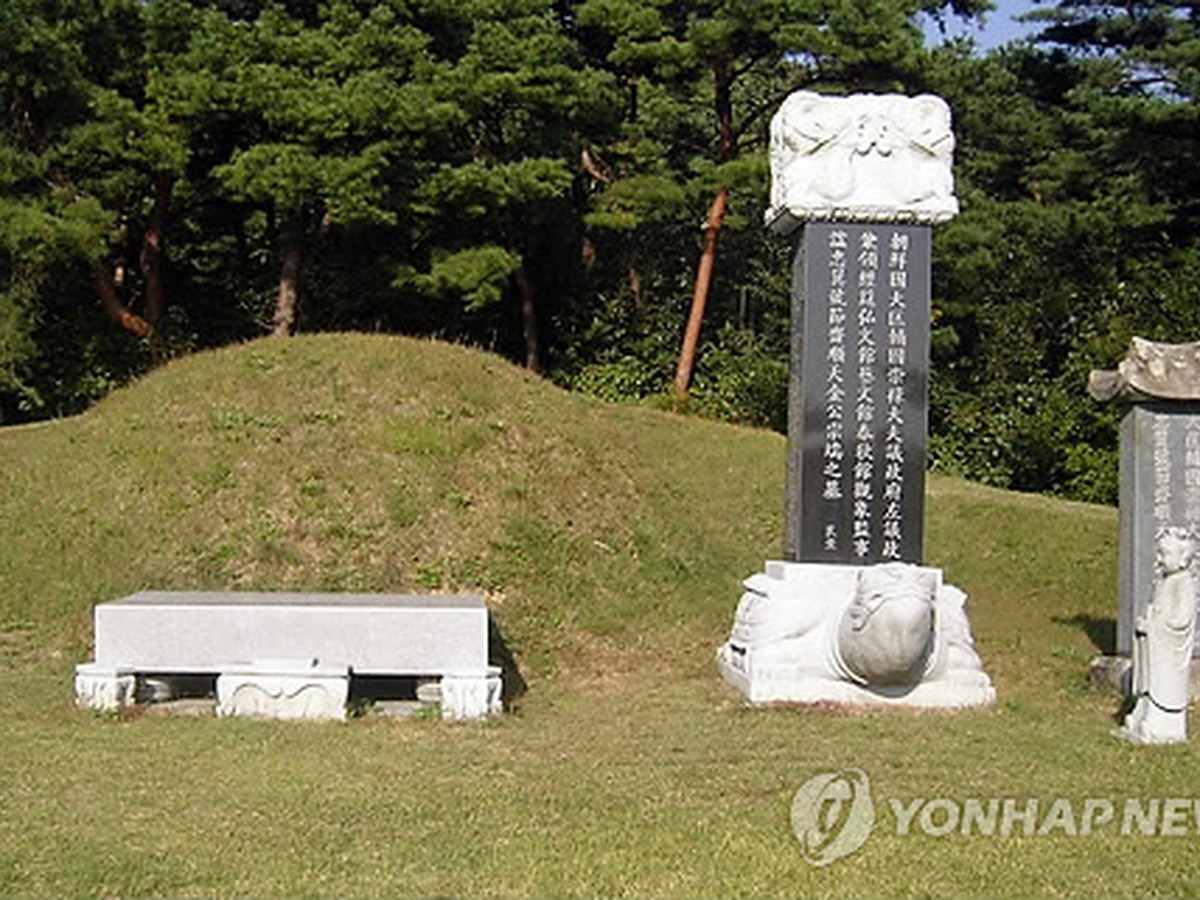
Tomb of General Kim Jong-seo
The tomb site of General Kim Jong-seo, who was both a scholar and a military leader in the early Joseon period, and an important place for understanding the name of Janggun-myeon and the area’s history. Respect the ritual space and boundaries of the tomb, and visit quietly.
주소 세종특별자치시 장군면 대교리 산 45
Sejong City Folk Museum
A city museum that explores the history of rural life through everyday tools and folk materials from Sejong’s towns and townships. Its exhibits are a good complement for understanding everyday culture that's hard to grasp from outdoor historic sites alone.
주소 세종특별자치시 전의면 금사길 75
Dongnakjeong Pavilion
A Joseon-era pavilion near the Geumgang River that evokes the area’s riverside scenery and scholarly culture before the new city center was developed. Check the state of the surroundings and access path, and stay within the heritage site boundaries.
주소 세종특별자치시 나성동 101
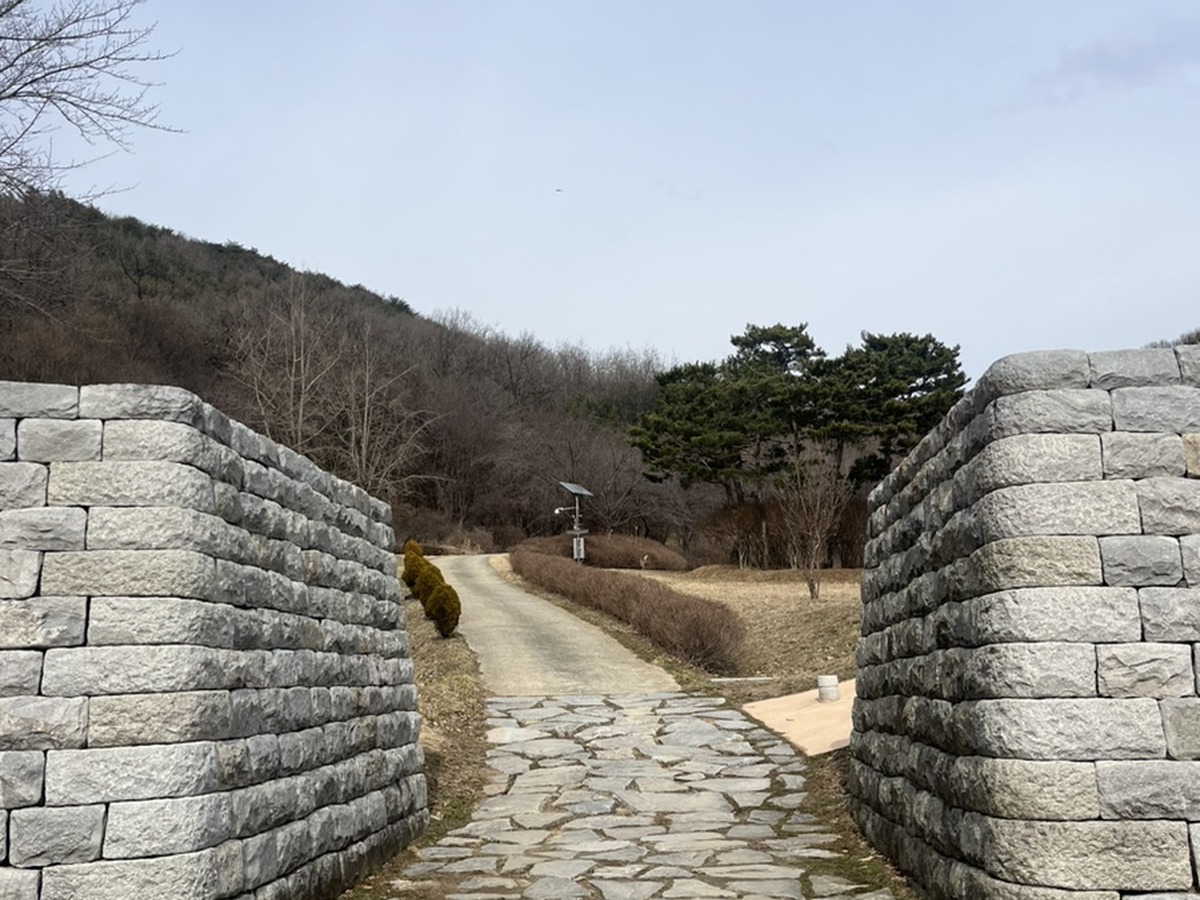
Unjusanseong Fortress
The remains of a mountain fortress built along the ridge of Unjusan Mountain, where you can read the terrain and defense system of northern Sejong. Observing the remains takes more time than an ordinary hike, so come prepared with proper shoes and plan your descent time.
주소 세종특별자치시 전동면 청송리 산 90
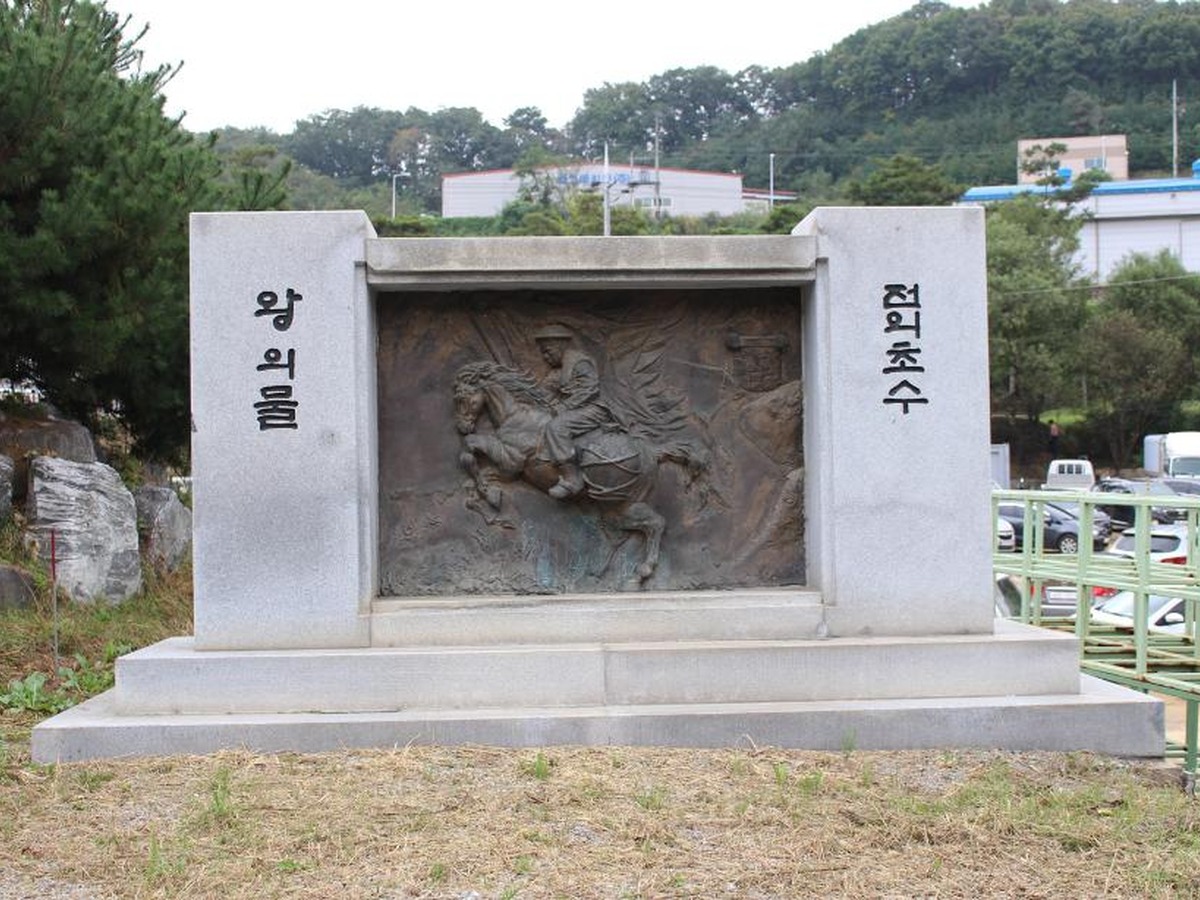
Jeonui Chosu Mineral Spring
A mineral spring site handed down in Jeonui-myeon, which you can connect with records of King Sejong the Great’s visits to mineral springs. Check separately whether the water is currently drinkable; it's safer to approach it as a historical site.
주소 세종특별자치시 전의면 관정리 148
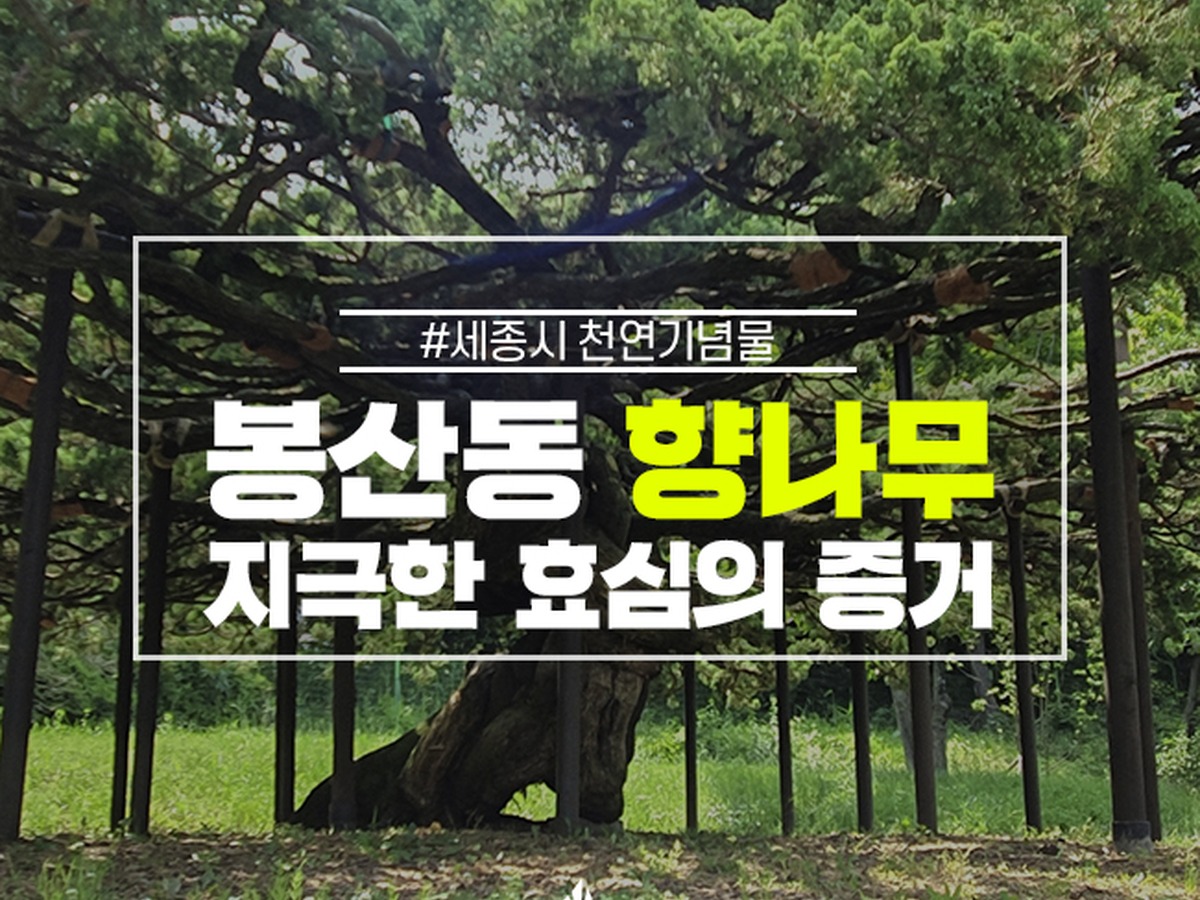
Bongsan-dong Chinese Juniper
Bongsan-dong Juniper
A juniper that has lived for a long time in Bongsan-ri, Jochiwon-eup, a natural heritage tree that holds the village’s folk beliefs and community memories. It stands in a residential area, so be careful not to intrude on residents’ daily lives or private property boundaries.
주소 세종특별자치시 조치원읍 건너말고샅길 9
After concluding your historical exploration, instead of arranging the relics in chronological order, reflect on why they remain in their respective locations. Biamsa is a sacred space tucked away in the mountains, Yeongi Hyanggyo and Jeonui Hyanggyo were educational centers for the community, and Unjusan Fortress was strategically placed to control paths and ridgelines. Just like the water from Jeonui Chosu and the Bongsan-dong Hyangnamu, natural elements also carry people's memories and records. By connecting location and function, the map of Sejong before the new town comes into view in three dimensions.
When walls are closed off, observe only the exteriors without trespassing over private properties or crossing fences. At the tomb of General Kim Jong-seo and Doknakjeong, show respect for the ritual spaces, and avoid straying from unofficial paths while searching for traces at the fortress. Calculating the bus schedules and sunset times is also necessary to minimize your last stop. When you view cultural properties without consuming them as mere backdrops and instead look at them alongside the contemporary town, your historical journey through Sejong will be complete.
At a glance
9 items
Locations at a glance
9 places
As part of the Coupang Partners program, this post may earn a commission from qualifying purchases.
Comments 0
Log in to leave a comment.
Be the first to comment.
How about these lists?


You might also like


🎲
Not ready to stop here?
Wondering what to read next is the biggest waste of time.
Let the dice decide — you won't know what pops up until you roll.
If you don't press it… won't you wonder forever? 👀