A Collection of Exposure Pathways and Safety Information to Know When Worried About PFAS
A compilation of information that unpacks major issues with official documents and practical verification steps
This compilation of exposure pathways and safety information regarding PFAS is designed to help you verify official documents instead of just consuming news headlines about PFAS exposure and safety. It is structured around concepts, institutions, and steps for checking original documents that can be utilized over time rather than fleeting controversies. Remember as well that summary phrases in search results do not replace the conditions of the entire original document.
As issues garner attention, articles and social media posts can quickly proliferate, mixing unverified content, confirmed decisions, and personal interpretations on a single screen. Thus, it’s essential first to distinguish who has made the statement and what legal or administrative authority that organization possesses. And once again, remember that summary phrases in search results do not replace the conditions of the entire original document.
Each item includes meanings, verification institutions, official URLs, items seen in the original document, and common misconceptions. Furthermore, it explains criteria for distinguishing between different documents with the same name, such as dates of announcement, implementation dates, case numbers, competition names, and substance names, rather than stopping at just opening the link. Remember that summary phrases in search results do not replace the conditions of the entire original document.
This compilation does not replace individual lawsuits, loans, taxes, health, or investment decisions. Specific situations may vary according to applicable laws, timing, individual conditions, and exposure pathways, so it is essential to check official guidance and seek professional consultation when necessary. Remember that summary phrases in search results do not replace the conditions of the entire original document.
Instead of fixing the time of writing in the text, I prioritized official pathways where you can find the latest version of the original documents over time. You can focus on selecting necessary items based on what to check after accessing relevant information rather than the reasons why the issue is receiving attention. Remember that summary phrases in search results do not replace the conditions of the entire original document.
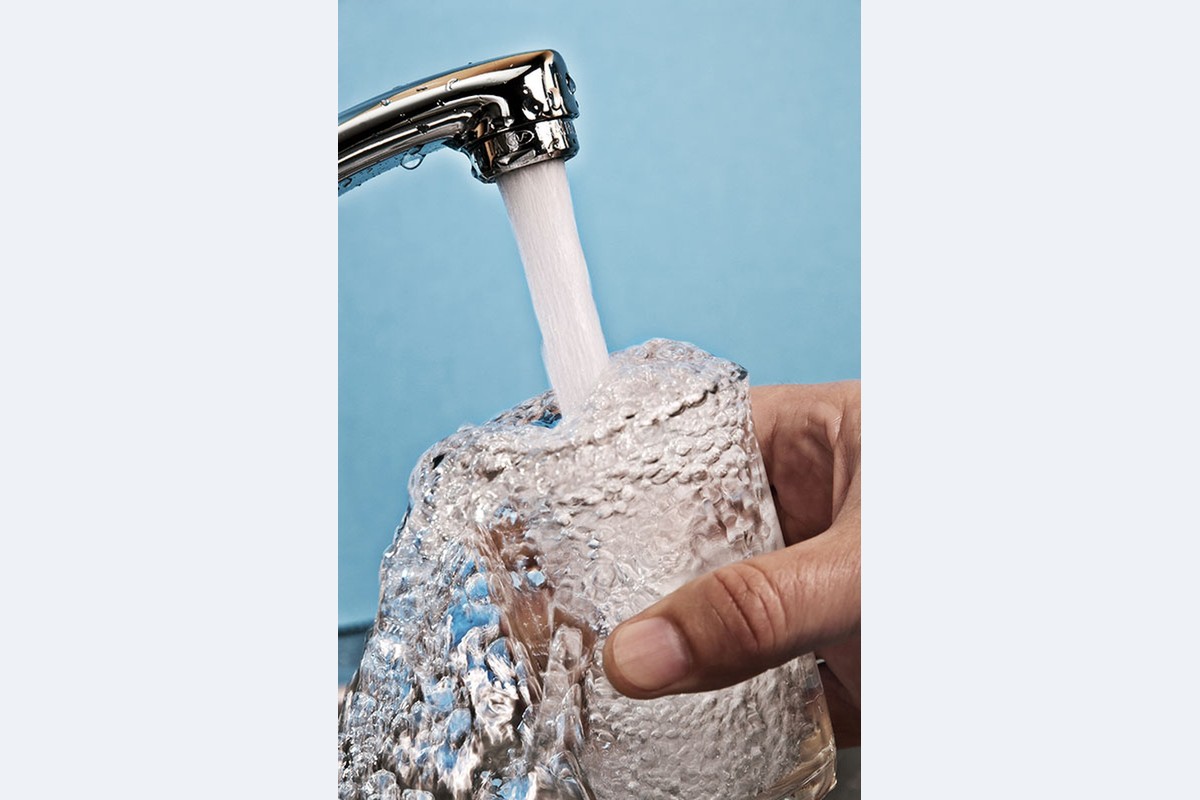
Drinking Water and Water Sources
What does it mean?
Drinking water and water sources refer to pathways for confirming regional water quality data and management standards, as PFAS can reach drinking water through the environment. This item is included to clarify the systems, organizations, and exposure pathways in question, rather than simply defining facts linked to the issue in one sentence. Even if similar phrases appear in articles, you need to verify whether legal terms and colloquial expressions convey the same meaning. When comparing multiple pieces of information, check if they deal with the same date, systems, competitions, or substances to prevent incorrect connections of figures under different conditions.
Why check it now?
As news related to PFAS exposure and safety increases, drinking water and water sources may be cited without context in short headlines or comments. The higher the interest, the more likely it is for projections before announcements to coalesce with already confirmed original documents, which makes it crucial not to interpret the size of interest merely as an intensity or size of the facts and risks involved. When comparing multiple pieces of information, check if they deal with the same date, systems, competitions, or substances to prevent incorrect connections of figures under different conditions.
What to look for in official documents?
First, check the names of substances, detection concentrations, units, regions, and purification treatments in official documents from the Ministry of Environment and WHO. Do not merely glance at the document titles; also read the announcement date, adjudication date, posting date, applicable targets, and the departments or decision-making bodies that created the documents. If there are attached laws, decision texts, statistics, or regulations, prioritize the original documents over summary texts. When comparing multiple pieces of information, check if they deal with the same date, systems, competitions, or substances to prevent incorrect connections of figures under different conditions.
Verification process
First, look to see if the exact expressions you searched for are present on the official page, then compare the targets and periods. Next, check for exceptions, supplementary provisions, procedures for objection, or updates. If the information comes from different institutions, separate the jurisdiction of each institution. Finally, leave behind the page address and document name to review any changes later. When comparing multiple pieces of information, check if they deal with the same date, systems, competitions, or substances to prevent incorrect connections of figures under different conditions.
Common misconceptions
A misconception to be cautious of is the belief that 'all tap water is contaminated at the same concentration.' Just the fact that official documents exist does not mean the same conclusions apply to all individuals and incidents. If underlying premises such as legal requirements, evaluation conditions, exposure amounts, and competitiveness change, the conclusions may also differ. When comparing multiple pieces of information, check if they deal with the same date, systems, competitions, or substances to prevent incorrect connections of figures under different conditions.
How to actually use the information
When checking drinking water and water sources, copy a key sentence and search again within the websites of the Ministry of Environment and WHO, then compare previous and current versions of related documents. If your rights, amounts, health, or ability to attend events are directly affected, consult with professionals or official customer service by presenting your conditions for separate verification. When comparing multiple pieces of information, check if they deal with the same date, systems, competitions, or substances to prevent incorrect connections of figures under different conditions.
Sources and limitations
The main verification institutions are the Ministry of Environment and WHO, and the official URL is https://www.who.int/teams/environment-climate-change-and-health/water-sanitation-and-health/chemical-hazards-in-drinking-water/per-and-polyfluoroalkyl-substances. This explanation provides general information on how to locate and read original documents and does not predict the outcome of individual cases or approvals for loans, taxes, health risks, or cases of athlete sanctions. When new decisions or amendments are posted by institutions, prioritize obtaining the latest original documents. When comparing multiple pieces of information, check if they deal with the same date, systems, competitions, or substances to prevent incorrect connections of figures under different conditions.
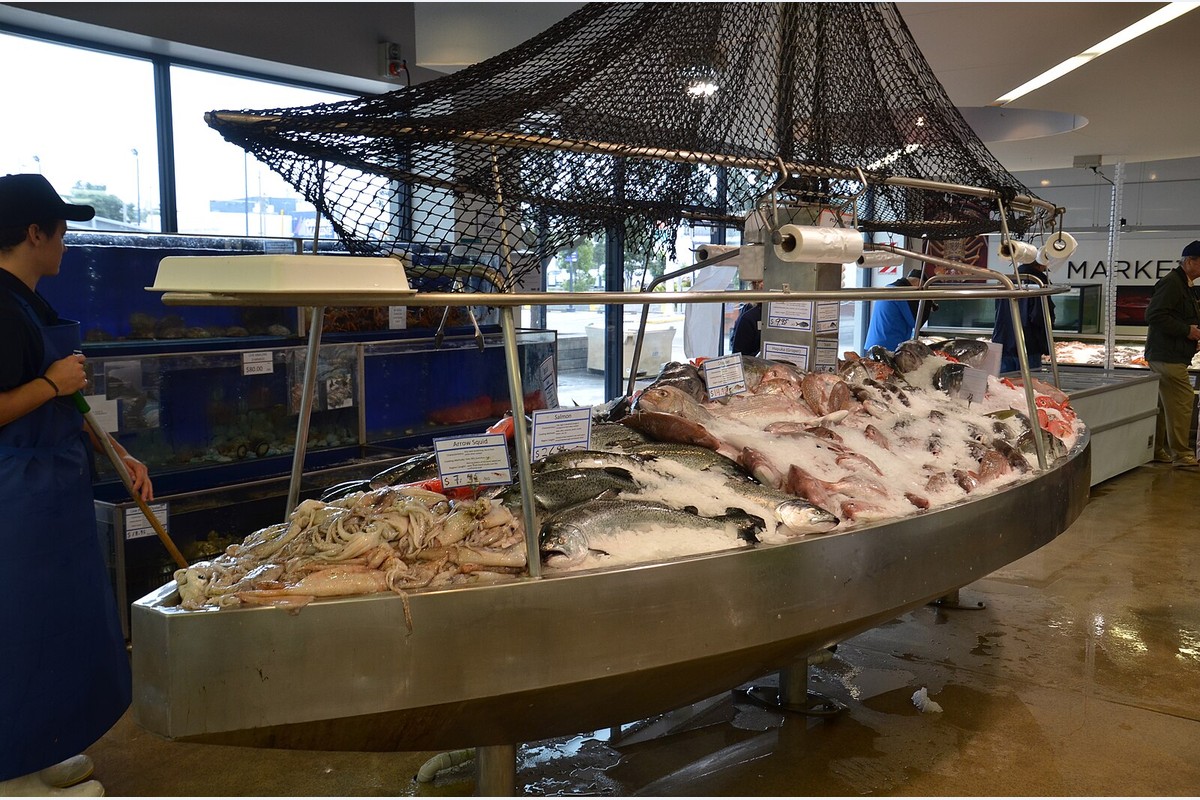
Food and Seafood
What does it mean?
Food and seafood refer to the realm of assessing the potential for exposure to substances remaining in the environment through food, along with investigations and consumption volumes of those foodstuffs. This item is included to clarify the systems, organizations, and exposure pathways in question, rather than simply defining facts linked to the issue in one sentence. Even if similar phrases appear in articles, you need to verify whether legal terms and colloquial expressions convey the same meaning. When comparing multiple pieces of information, check if they deal with the same date, systems, competitions, or substances to prevent incorrect connections of figures under different conditions.
Why check it now?
As news related to PFAS exposure and safety increases, food and seafood may be cited without context in short headlines or comments. The higher the interest, the more likely it is for projections before announcements to coalesce with already confirmed original documents, which makes it crucial not to interpret the size of interest merely as an intensity or size of the facts and risks involved. When comparing multiple pieces of information, check if they deal with the same date, systems, competitions, or substances to prevent incorrect connections of figures under different conditions.
What to look for in official documents?
First, check the subjects of investigation, the number of samples, limits of detection, and assessments based on intake in official documents from the Ministry of Food and Drug Safety. Do not merely glance at the document titles; also read the announcement date, adjudication date, posting date, applicable targets, and the departments or decision-making bodies that created the documents. If there are attached laws, decision texts, statistics, or regulations, prioritize the original documents over summary texts. When comparing multiple pieces of information, check if they deal with the same date, systems, competitions, or substances to prevent incorrect connections of figures under different conditions.
Verification process
First, look to see if the exact expressions you searched for are present on the official page, then compare the targets and periods. Next, check for exceptions, supplementary provisions, procedures for objection or updates. If the information comes from different institutions, separate the jurisdiction of each institution. Finally, leave behind the page address and document name to review any changes later. When comparing multiple pieces of information, check if they deal with the same date, systems, competitions, or substances to prevent incorrect connections of figures under different conditions.
Common misconceptions
A misconception to be cautious of is the belief that 'just because a substance has been detected does not mean it constitutes a definitive risk.' The existence of official materials does not mean that the same conclusions are applied to all individuals and incidents. If underlying premises such as legal requirements, evaluation conditions, exposure amounts, and competitiveness change, the conclusions may also differ. When comparing multiple pieces of information, check if they deal with the same date, systems, competitions, or substances to prevent incorrect connections of figures under different conditions.
How to actually use the information
When checking food and seafood, copy a key sentence and search again within the Ministry of Food and Drug Safety's site, then compare previous and current versions of related documents. If your rights, amounts, health, or ability to attend events are directly affected, consult with professionals or official customer service by presenting your conditions for separate verification. When comparing multiple pieces of information, check if they deal with the same date, systems, competitions, or substances to prevent incorrect connections of figures under different conditions.
Sources and limitations
The main verification institution is the Ministry of Food and Drug Safety, and the official URL is https://www.mfds.go.kr/. This explanation provides general information on how to locate and read original documents and does not predict the outcome of individual cases or approvals for loans, taxes, health risks, or cases of athlete sanctions. When new decisions or amendments are posted by institutions, prioritize obtaining the latest original documents. When comparing multiple pieces of information, check if they deal with the same date, systems, competitions, or substances to prevent incorrect connections of figures under different conditions.

Food Packaging Materials
What does it mean?
Food packaging materials refer to the area of verifying the use of fluorinated substances regarding their performance against oil and water. This item is included to clarify the systems, organizations, and exposure pathways in question, rather than simply defining facts linked to the issue in one sentence. Even if similar phrases appear in articles, you need to verify whether legal terms and colloquial expressions convey the same meaning. When comparing multiple pieces of information, check if they deal with the same date, systems, competitions, or substances to prevent incorrect connections of figures under different conditions.
Why check it now?
As news related to PFAS exposure and safety increases, food packaging materials may be cited without context in short headlines or comments. The higher the interest, the more likely it is for projections before announcements to coalesce with already confirmed original documents, which makes it crucial not to interpret the size of interest merely as an intensity or size of the facts and risks involved. When comparing multiple pieces of information, check if they deal with the same date, systems, competitions, or substances to prevent incorrect connections of figures under different conditions.
What to look for in official documents?
First, check the materials, uses, conditions for contact with food, and domestic standards in official documents from the Ministry of Food and Drug Safety. Do not merely glance at the document titles; also read the announcement date, adjudication date, posting date, applicable targets, and the departments or decision-making bodies that created the documents. If there are attached laws, decision texts, statistics, or regulations, prioritize the original documents over summary texts. When comparing multiple pieces of information, check if they deal with the same date, systems, competitions, or substances to prevent incorrect connections of figures under different conditions.
Verification process
First, look to see if the exact expressions you searched for are present on the official page, then compare the targets and periods. Next, check for exceptions, supplementary provisions, procedures for objection or updates. If the information comes from different institutions, separate the jurisdiction of each institution. Finally, leave behind the page address and document name to review any changes later. When comparing multiple pieces of information, check if they deal with the same date, systems, competitions, or substances to prevent incorrect connections of figures under different conditions.
Common misconceptions
A misconception to be cautious of is the belief that 'all water-repellent packaging materials contain the same PFAS.' The existence of official documents does not mean that the same conclusions are applied to all individuals and incidents. If underlying premises such as legal requirements, evaluation conditions, exposure amounts, and competitiveness change, the conclusions may also differ. When comparing multiple pieces of information, check if they deal with the same date, systems, competitions, or substances to prevent incorrect connections of figures under different conditions.
How to actually use the information
When checking food packaging materials, copy a key sentence and search again within the Ministry of Food and Drug Safety's site, then compare previous and current versions of related documents. If your rights, amounts, health, or ability to attend events are directly affected, consult with professionals or official customer service by presenting your conditions for separate verification. When comparing multiple pieces of information, check if they deal with the same date, systems, competitions, or substances to prevent incorrect connections of figures under different conditions.
Sources and limitations
The main verification institution is the Ministry of Food and Drug Safety, and the official URL is https://www.mfds.go.kr/. This explanation provides general information on how to locate and read original documents and does not predict the outcome of individual cases or approvals for loans, taxes, health risks, or cases of athlete sanctions. When new decisions or amendments are posted by institutions, prioritize obtaining the latest original documents. When comparing multiple pieces of information, check if they deal with the same date, systems, competitions, or substances to prevent incorrect connections of figures under different conditions.

Non-Stick Cooking Utensils
Nonstick Cooking Utensils
What does it mean?
Nonstick cooking utensils refer to an area focused on distinguishing between fluoropolymer coatings and the broad category of PFAS, as well as verifying precautionary measures regarding product usage. This item is included to clarify the systems, organizations, and exposure pathways in question, rather than simply defining facts linked to the issue in one sentence. Even if similar phrases appear in articles, you need to verify whether legal terms and colloquial expressions convey the same meaning. When comparing multiple pieces of information, check if they deal with the same date, systems, competitions, or substances to prevent incorrect connections of figures under different conditions.
Why check it now?
As news related to PFAS exposure and safety increases, nonstick cooking utensils may be cited without context in short headlines or comments. The higher the interest, the more likely it is for projections before announcements to coalesce with already confirmed original documents, which makes it crucial not to interpret the size of interest merely as an intensity or size of the facts and risks involved. When comparing multiple pieces of information, check if they deal with the same date, systems, competitions, or substances to prevent incorrect connections of figures under different conditions.
What to look for in official documents?
First, check the information on coating damage, overheating restrictions, replacement guidelines, and product labeling in official documents from the Ministry of Food and Drug Safety and manufacturers. Do not merely glance at the document titles; also read the announcement date, adjudication date, posting date, applicable targets, and the departments or decision-making bodies that created the documents. If there are attached laws, decision texts, statistics, or regulations, prioritize the original documents over summary texts. When comparing multiple pieces of information, check if they deal with the same date, systems, competitions, or substances to prevent incorrect connections of figures under different conditions.
Verification process
First, look to see if the exact expressions you searched for are present on the official page, then compare the targets and periods. Next, check for exceptions, supplementary provisions, procedures for objection, or updates. If the information comes from different institutions, separate the jurisdiction of each institution. Finally, leave behind the page address and document name to review any changes later. When comparing multiple pieces of information, check if they deal with the same date, systems, competitions, or substances to prevent incorrect connections of figures under different conditions.
Common misconceptions
A misconception to be cautious of is the belief that 'all fluoropolymer products create the same exposure immediately upon use.' The existence of official documents does not mean that the same conclusions are applied to all individuals and incidents. If underlying premises such as legal requirements, evaluation conditions, exposure amounts, and competitiveness change, the conclusions may also differ. When comparing multiple pieces of information, check if they deal with the same date, systems, competitions, or substances to prevent incorrect connections of figures under different conditions.
How to actually use the information
When checking nonstick cooking utensils, copy a key sentence and search again within the Ministry of Food and Drug Safety and manufacturers' sites, then compare previous and current versions of related documents. If your rights, amounts, health, or ability to attend events are directly affected, consult with professionals or official customer service by presenting your conditions for separate verification. When comparing multiple pieces of information, check if they deal with the same date, systems, competitions, or substances to prevent incorrect connections of figures under different conditions.
Sources and limitations
The main verification institutions are the Ministry of Food and Drug Safety and manufacturers, and the official URL is https://www.mfds.go.kr/. This explanation provides general information on how to locate and read original documents and does not predict the outcome of individual cases or approvals for loans, taxes, health risks, or cases of athlete sanctions. When new decisions or amendments are posted by institutions, prioritize obtaining the latest original documents. When comparing multiple pieces of information, check if they deal with the same date, systems, competitions, or substances to prevent incorrect connections of figures under different conditions.
Water-Repellent and Waterproof Fabrics
Waterproof and Water-Repellent Fabrics
What does it mean?
Waterproof and water-repellent fabrics refer to an area focused on verifying the use of PFAS related to the processing of clothing, carpets, and household fibers for water resistance and stain prevention. This item is included to clarify the systems, organizations, and exposure pathways in question, rather than simply defining facts linked to the issue in one sentence. Even if similar phrases appear in articles, you need to verify whether legal terms and colloquial expressions convey the same meaning. When comparing multiple pieces of information, check if they deal with the same date, systems, competitions, or substances to prevent incorrect connections of figures under different conditions.
Why check it now?
As news related to PFAS exposure and safety increases, waterproof and water-repellent fabrics may be cited without context in short headlines or comments. The higher the interest, the more likely it is for projections before announcements to coalesce with already confirmed original documents, which makes it crucial not to interpret the size of interest merely as an intensity or size of the facts and risks involved. When comparing multiple pieces of information, check if they deal with the same date, systems, competitions, or substances to prevent incorrect connections of figures under different conditions.
What to look for in official documents?
First, check the surface treatment, PFAS policies of manufacturers, and certification scopes in official documents from WHO and environmental organizations. Do not merely glance at the document titles; also read the announcement date, adjudication date, posting date, applicable targets, and the departments or decision-making bodies that created the documents. If there are attached laws, decision texts, statistics, or regulations, prioritize the original documents over summary texts. When comparing multiple pieces of information, check if they deal with the same date, systems, competitions, or substances to prevent incorrect connections of figures under different conditions.
Verification process
First, look to see if the exact expressions you searched for are present on the official page, then compare the targets and periods. Next, check for exceptions, supplementary provisions, procedures for objection, or updates. If the information comes from different institutions, separate the jurisdiction of each institution. Finally, leave behind the page address and document name to review any changes later. When comparing multiple pieces of information, check if they deal with the same date, systems, competitions, or substances to prevent incorrect connections of figures under different conditions.
Common misconceptions
A misconception to be cautious of is the belief that 'having waterproof features necessarily means it’s a PFAS product.' The existence of official documents does not mean that the same conclusions are applied to all individuals and incidents. If underlying premises such as legal requirements, evaluation conditions, exposure amounts, and competitiveness change, the conclusions may also differ. When comparing multiple pieces of information, check if they deal with the same date, systems, competitions, or substances to prevent incorrect connections of figures under different conditions.
How to actually use the information
When checking waterproof and water-repellent fabrics, copy a key sentence and search again within the WHO and environmental organizations' sites, then compare previous and current versions of related documents. If your rights, amounts, health, or ability to attend events are directly affected, consult with professionals or official customer service by presenting your conditions for separate verification. When comparing multiple pieces of information, check if they deal with the same date, systems, competitions, or substances to prevent incorrect connections of figures under different conditions.
Sources and limitations
The main verification institutions are WHO and environmental organizations, and the official URL is https://www.who.int/activities/assessing-the-occurrence-and-human-health-risk-of-per--and-polyfluoroalkyl-substances. This explanation provides general information on how to locate and read original documents and does not predict the outcome of individual cases or approvals for loans, taxes, health risks, or cases of athlete sanctions. When new decisions or amendments are posted by institutions, prioritize obtaining the latest original documents. When comparing multiple pieces of information, check if they deal with the same date, systems, competitions, or substances to prevent incorrect connections of figures under different conditions.

Cosmetics and Personal Hygiene Products
What does it mean?
Cosmetics and personal hygiene products refer to consumer product areas where it is necessary to verify the use of fluorinated ingredients through ingredient lists and regulatory agency documents. This item is included to clarify the systems, organizations, and exposure pathways in question, rather than simply defining facts linked to the issue in one sentence. Even if similar phrases appear in articles, you need to verify whether legal terms and colloquial expressions convey the same meaning. When comparing multiple pieces of information, check if they deal with the same date, systems, competitions, or substances to prevent incorrect connections of figures under different conditions.
Why check it now?
As news related to PFAS exposure and safety increases, cosmetics and personal hygiene products may be cited without context in short headlines or comments. The higher the interest, the more likely it is for projections before announcements to coalesce with already confirmed original documents, which makes it crucial not to interpret the size of interest merely as an intensity or size of the facts and risks involved. When comparing multiple pieces of information, check if they deal with the same date, systems, competitions, or substances to prevent incorrect connections of figures under different conditions.
What to look for in official documents?
First, check the ingredient list, product types, recalls, and safety notices in official documents from the Ministry of Food and Drug Safety. Do not merely glance at the document titles; also read the announcement date, adjudication date, posting date, applicable targets, and the departments or decision-making bodies that created the documents. If there are attached laws, decision texts, statistics, or regulations, prioritize the original documents over summary texts. When comparing multiple pieces of information, check if they deal with the same date, systems, competitions, or substances to prevent incorrect connections of figures under different conditions.
Verification process
First, look to see if the exact expressions you searched for are present on the official page, then compare the targets and periods. Next, check for exceptions, supplementary provisions, procedures for objection or updates. If the information comes from different institutions, separate the jurisdiction of each institution. Finally, leave behind the page address and document name to review any changes later. When comparing multiple pieces of information, check if they deal with the same date, systems, competitions, or substances to prevent incorrect connections of figures under different conditions.
Common misconceptions
A misconception to be cautious of is the belief that 'if the ingredient name contains fluorine, they all imply the same level of risk.' The existence of official materials does not mean that the same conclusions are applied to all individuals and incidents. If underlying premises such as legal requirements, evaluation conditions, exposure amounts, and competitiveness change, the conclusions may also differ. When comparing multiple pieces of information, check if they deal with the same date, systems, competitions, or substances to prevent incorrect connections of figures under different conditions.
How to actually use the information
When checking cosmetics and personal hygiene products, copy a key sentence and search again within the Ministry of Food and Drug Safety's site, then compare previous and current versions of related documents. If your rights, amounts, health, or ability to attend events are directly affected, consult with professionals or official customer service by presenting your conditions for separate verification. When comparing multiple pieces of information, check if they deal with the same date, systems, competitions, or substances to prevent incorrect connections of figures under different conditions.
Sources and limitations
The main verification institution is the Ministry of Food and Drug Safety, and the official URL is https://www.mfds.go.kr/. This explanation provides general information on how to locate and read original documents and does not predict the outcome of individual cases or approvals for loans, taxes, health risks, or cases of athlete sanctions. When new decisions or amendments are posted by institutions, prioritize obtaining the latest original documents. When comparing multiple pieces of information, check if they deal with the same date, systems, competitions, or substances to prevent incorrect connections of figures under different conditions.
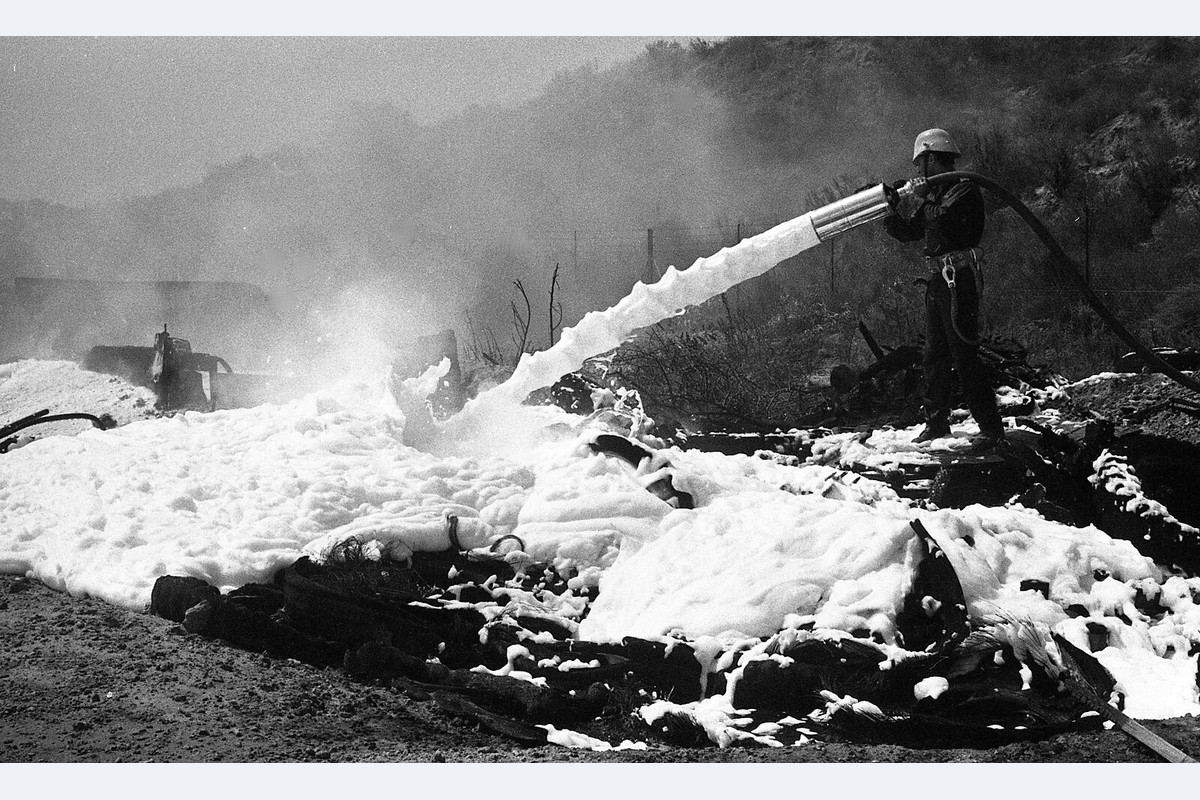
Firefighting Foam and Occupational Exposure
What does it mean?
Firefighting foam and occupational exposure refer to the area distinguishing between water-soluble foams that contain PFAS and the relatively high potential for exposure present in firefighting and industrial settings. This item is included to clarify the systems, organizations, and exposure pathways in question, rather than simply defining facts linked to the issue in one sentence. Even if similar phrases appear in articles, you need to verify whether legal terms and colloquial expressions convey the same meaning. When comparing multiple pieces of information, check if they deal with the same date, systems, competitions, or substances to prevent incorrect connections of figures under different conditions.
Why check it now?
As news related to PFAS exposure and safety increases, firefighting foam and occupational exposure may be cited without context in short headlines or comments. The higher the interest, the more likely it is for projections before announcements to coalesce with already confirmed original documents, which makes it crucial not to interpret the size of interest merely as an intensity or size of the facts and risks involved. When comparing multiple pieces of information, check if they deal with the same date, systems, competitions, or substances to prevent incorrect connections of figures under different conditions.
What to look for in official documents?
First, check work history, protection equipment, safety data sheets, and contaminated areas in official documents from IARC and the Ministry of Environment. Do not merely glance at the document titles; also read the announcement date, adjudication date, posting date, applicable targets, and the departments or decision-making bodies that created the documents. If there are attached laws, decision texts, statistics, or regulations, prioritize the original documents over summary texts. When comparing multiple pieces of information, check if they deal with the same date, systems, competitions, or substances to prevent incorrect connections of figures under different conditions.
Verification process
First, look to see if the exact expressions you searched for are present on the official page, then compare the targets and periods. Next, check for exceptions, supplementary provisions, procedures for objection, or updates. If the information comes from different institutions, separate the jurisdiction of each institution. Finally, leave behind the page address and document name to review any changes later. When comparing multiple pieces of information, check if they deal with the same date, systems, competitions, or substances to prevent incorrect connections of figures under different conditions.
Common misconceptions
A misconception to be cautious of is the belief that 'occupational exposure data equates to everyday exposure for the general consumer.' The existence of official materials does not mean that the same conclusions are applied to all individuals and incidents. If underlying premises such as legal requirements, evaluation conditions, exposure amounts, and competitiveness change, the conclusions may also differ. When comparing multiple pieces of information, check if they deal with the same date, systems, competitions, or substances to prevent incorrect connections of figures under different conditions.
How to actually use the information
When checking firefighting foam and occupational exposure, copy a key sentence and search again within the IARC and Ministry of Environment sites, then compare previous and current versions of related documents. If your rights, amounts, health, or ability to attend events are directly affected, consult with professionals or official customer service by presenting your conditions for separate verification. When comparing multiple pieces of information, check if they deal with the same date, systems, competitions, or substances to prevent incorrect connections of figures under different conditions.
Sources and limitations
The main verification institutions are IARC and the Ministry of Environment, and the official URL is https://www.iarc.who.int/news-events/iarc-monographs-volume-135-perfluorooctanoic-acid-pfoa-and-perfluorooctanesulfonic-acid-pfos/. This explanation provides general information on how to locate and read original documents and does not predict the outcome of individual cases or approvals for loans, taxes, health risks, or cases of athlete sanctions. When new decisions or amendments are posted by institutions, prioritize obtaining the latest original documents. When comparing multiple pieces of information, check if they deal with the same date, systems, competitions, or substances to prevent incorrect connections of figures under different conditions.
Sensitive Groups such as Children and Pregnant Women
Sensitive Groups Such as Children and Pregnant Women
What does it mean?
Sensitive groups such as children and pregnant women refer to an area that considers differences in growth and development stages and intake amounts, necessitating recommendations from health authorities and medical consultations. This item is included to clarify the systems, organizations, and exposure pathways in question, rather than simply defining facts linked to the issue in one sentence. Even if similar phrases appear in articles, you need to verify whether legal terms and colloquial expressions convey the same meaning. When comparing multiple pieces of information, check if they deal with the same date, systems, competitions, or substances to prevent incorrect connections of figures under different conditions.
Why check it now?
As news related to PFAS exposure and safety increases, sensitive groups such as children and pregnant women may be cited without context in short headlines or comments. The higher the interest, the more likely it is for projections before announcements to coalesce with already confirmed original documents, which makes it crucial not to interpret the size of interest merely as an intensity or size of the facts and risks involved. When comparing multiple pieces of information, check if they deal with the same date, systems, competitions, or substances to prevent incorrect connections of figures under different conditions.
What to look for in official documents?
First, check the official WHO documents for age ranges, sources of exposure, official recommendations, and interpretation limits on testing. Do not merely glance at the document titles; also read the announcement date, adjudication date, posting date, applicable targets, and the departments or decision-making bodies that created the documents. If there are attached laws, decision texts, statistics, or regulations, prioritize the original documents over summary texts. When comparing multiple pieces of information, check if they deal with the same date, systems, competitions, or substances to prevent incorrect connections of figures under different conditions.
Verification process
First, look to see if the exact expressions you searched for are present on the official page, then compare the targets and periods. Next, check for exceptions, supplementary provisions, procedures for objection, or updates. If the information comes from different institutions, separate the jurisdiction of each institution. Finally, leave behind the page address and document name to review any changes later. When comparing multiple pieces of information, check if they deal with the same date, systems, competitions, or substances to prevent incorrect connections of figures under different conditions.
Common misconceptions
A misconception to be cautious of is the belief that 'anxiety alone necessitates arbitrary testing or extreme dietary restrictions.' The existence of official materials does not mean that the same conclusions are applied to all individuals and incidents. If underlying premises such as legal requirements, evaluation conditions, exposure amounts, and competitiveness change, the conclusions may also differ. When comparing multiple pieces of information, check if they deal with the same date, systems, competitions, or substances to prevent incorrect connections of figures under different conditions.
How to actually use the information
When checking sensitive groups such as children and pregnant women, copy a key sentence and search again within the WHO’s site, then compare previous and current versions of related documents. If your rights, amounts, health, or ability to attend events are directly affected, consult with professionals or official customer service by presenting your conditions for separate verification. When comparing multiple pieces of information, check if they deal with the same date, systems, competitions, or substances to prevent incorrect connections of figures under different conditions.
Sources and limitations
The main verification institution is WHO, and the official URL is https://www.who.int/activities/assessing-the-occurrence-and-human-health-risk-of-per--and-polyfluoroalkyl-substances. This explanation provides general information on how to locate and read original documents and does not predict the outcome of individual cases or approvals for loans, taxes, health risks, or cases of athlete sanctions. When new decisions or amendments are posted by institutions, prioritize obtaining the latest original documents. When comparing multiple pieces of information, check if they deal with the same date, systems, competitions, or substances to prevent incorrect connections of figures under different conditions.

Reading PFAS Testing and Regulation Materials
Reading PFAS Testing and Regulatory Documents
What does it mean?
Reading PFAS testing and regulatory documents entails distinguishing individual substances like PFOS and PFOA from the entire category of PFAS, detecting limits, and health standards. This item is included to clarify the systems, organizations, and exposure pathways in question, rather than simply defining facts linked to the issue in one sentence. Even if similar phrases appear in articles, you need to verify whether legal terms and colloquial expressions convey the same meaning. When comparing multiple pieces of information, check if they deal with the same date, systems, competitions, or substances to prevent incorrect connections of figures under different conditions.
Why check it now?
As news related to PFAS exposure and safety increases, reading PFAS testing and regulatory documents may be cited without context in short headlines or comments. The higher the interest, the more likely it is for projections before announcements to coalesce with already confirmed original documents, which makes it crucial not to interpret the size of interest merely as an intensity or size of the facts and risks involved. When comparing multiple pieces of information, check if they deal with the same date, systems, competitions, or substances to prevent incorrect connections of figures under different conditions.
What to look for in official documents?
First, check the lists of substances, units, detection limits, regulatory values, and recommended values in official documents from WHO and EPA. Do not merely glance at the document titles; also read the announcement date, adjudication date, posting date, applicable targets, and the departments or decision-making bodies that created the documents. If there are attached laws, decision texts, statistics, or regulations, prioritize the original documents over summary texts. When comparing multiple pieces of information, check if they deal with the same date, systems, competitions, or substances to prevent incorrect connections of figures under different conditions.
Verification process
First, look to see if the exact expressions you searched for are present on the official page, then compare the targets and periods. Next, check for exceptions, supplementary provisions, procedures for objection, or updates. If the information comes from different institutions, separate the jurisdiction of each institution. Finally, leave behind the page address and document name to review any changes later. When comparing multiple pieces of information, check if they deal with the same date, systems, competitions, or substances to prevent incorrect connections of figures under different conditions.
Common misconceptions
A misconception to be cautious of is the belief that 'comparing different values by country directly determines safety or risk.' The existence of official materials does not mean that the same conclusions are applied to all individuals and incidents. If underlying premises such as legal requirements, evaluation conditions, exposure amounts, and competitiveness change, the conclusions may also differ. When comparing multiple pieces of information, check if they deal with the same date, systems, competitions, or substances to prevent incorrect connections of figures under different conditions.
How to actually use the information
When reading PFAS testing and regulatory documents, copy a key sentence and search again within the WHO and EPA sites, then compare previous and current versions of related documents. If your rights, amounts, health, or ability to attend events are directly affected, consult with professionals or official customer service by presenting your conditions for separate verification. When comparing multiple pieces of information, check if they deal with the same date, systems, competitions, or substances to prevent incorrect connections of figures under different conditions.
Sources and limitations
The main verification institutions are WHO and EPA, and the official URL is https://www.epa.gov/pfas. This explanation provides general information on how to locate and read original documents and does not predict the outcome of individual cases or approvals for loans, taxes, health risks, or cases of athlete sanctions. When new decisions or amendments are posted by institutions, prioritize obtaining the latest original documents. When comparing multiple pieces of information, check if they deal with the same date, systems, competitions, or substances to prevent incorrect connections of figures under different conditions.
For rapidly spreading issues like PFAS exposure and safety, it’s crucial to develop the habit of looking for the official announcement sources and original documents rather than concluding after reading just one article. The meanings and applicability of the same words vary depending on the context of laws, policies, competitions, and environmental assessments. When documents are revised or subsequent decisions are made, it is important to prioritize obtaining the new official documents over previously saved information.
The safest order is to summarize key assertions found in the search results into a single sentence and verify whether that sentence is indeed confirmed in the notice from the responsible agency. Afterward, checking specific conditions such as implementation dates, targets, exceptions, and objection procedures will reduce the likelihood of being swayed by exaggerated headlines. When documents are revised or subsequent decisions are made, it is important to prioritize obtaining the new official documents over previously saved information.
Official materials also possess different natures, such as press releases, explanatory materials, laws, decisions, and statistics. You should read them while distinguishing between policy proposals at the announcement stage and existing regulations, ongoing risk assessments, and criteria that have been finalized to properly understand documents that may appear contradictory. When documents are revised or subsequent decisions are made, it is important to prioritize obtaining the new official documents over previously saved information.
For legal, financial, and health issues that directly affect individuals, don’t rely solely on this list. Instead, verify additional information that suits your circumstances, like incident documents, financial company evaluations, regional water quality data, and medical personnel explanations. This list serves as a starting point for finding verification pathways. When documents are revised or subsequent decisions are made, it is important to prioritize obtaining the new official documents over previously saved information.
When new reports or claims arise, you can simply repeat the same process. Verifying official domains, document dates, responsible agencies, orders, or amendments in sequence is a method that can be continuously utilized even after the issue has passed. When documents are revised or subsequent decisions are made, it is important to prioritize obtaining the new official documents over previously saved information.
이 포스팅은 쿠팡 파트너스 활동의 일환으로, 이에 따른 일정액의 수수료를 제공받습니다.
댓글 0
로그인 후 댓글을 작성할 수 있습니다.
첫 댓글을 남겨보세요.
이런 리스트는 어때요?


이런 리스트도 추천해요



여기서 멈추기엔 아쉽잖아?
다음에 뭘 볼지 고민하는 시간이 제일 아까워.
주사위가 대신 골라줄게 — 무슨 리스트가 튀어나올지는 굴려봐야 알지.
안 누르면… 평생 궁금하지 않겠어? 👀