
Collection
Japan
2026.11.14
Walk the Hills, Read the History: Another Face of Nagasaki
From Ryoma's base to Chinese-style temples and Western houses of the old foreign settlement
A history walk in Nagasaki deepens once you move past the famous harbor views into the hills and back streets. See Ryoma's activities preserved in a small house, the architecture of a Chinese-style temple and a Confucius shrine, and a Western-style house once used as a consulate in turn, and you'll notice layers of time overlapping within one city. We've chosen six places that combine photogenic exteriors with stories to read inside.
Kameyama Shachu and Kazagashira Park suit a hill walk, while the Confucius Shrine and Higashiyamate No. 12 suit a stroll through the southern foreign settlement area. Rather than a course that covers all six in one day, pick according to the history and neighborhoods that interest you. Split your route with the shrine's stairs, the sloping approaches and the indoor facilities with fixed visiting hours in mind, and you can get to know Nagasaki a little more slowly.
Kameyama Shachu and Kazagashira Park suit a hill walk, while the Confucius Shrine and Higashiyamate No. 12 suit a stroll through the southern foreign settlement area. Rather than a course that covers all six in one day, pick according to the history and neighborhoods that interest you. Split your route with the shrine's stairs, the sloping approaches and the indoor facilities with fixed visiting hours in mind, and you can get to know Nagasaki a little more slowly.
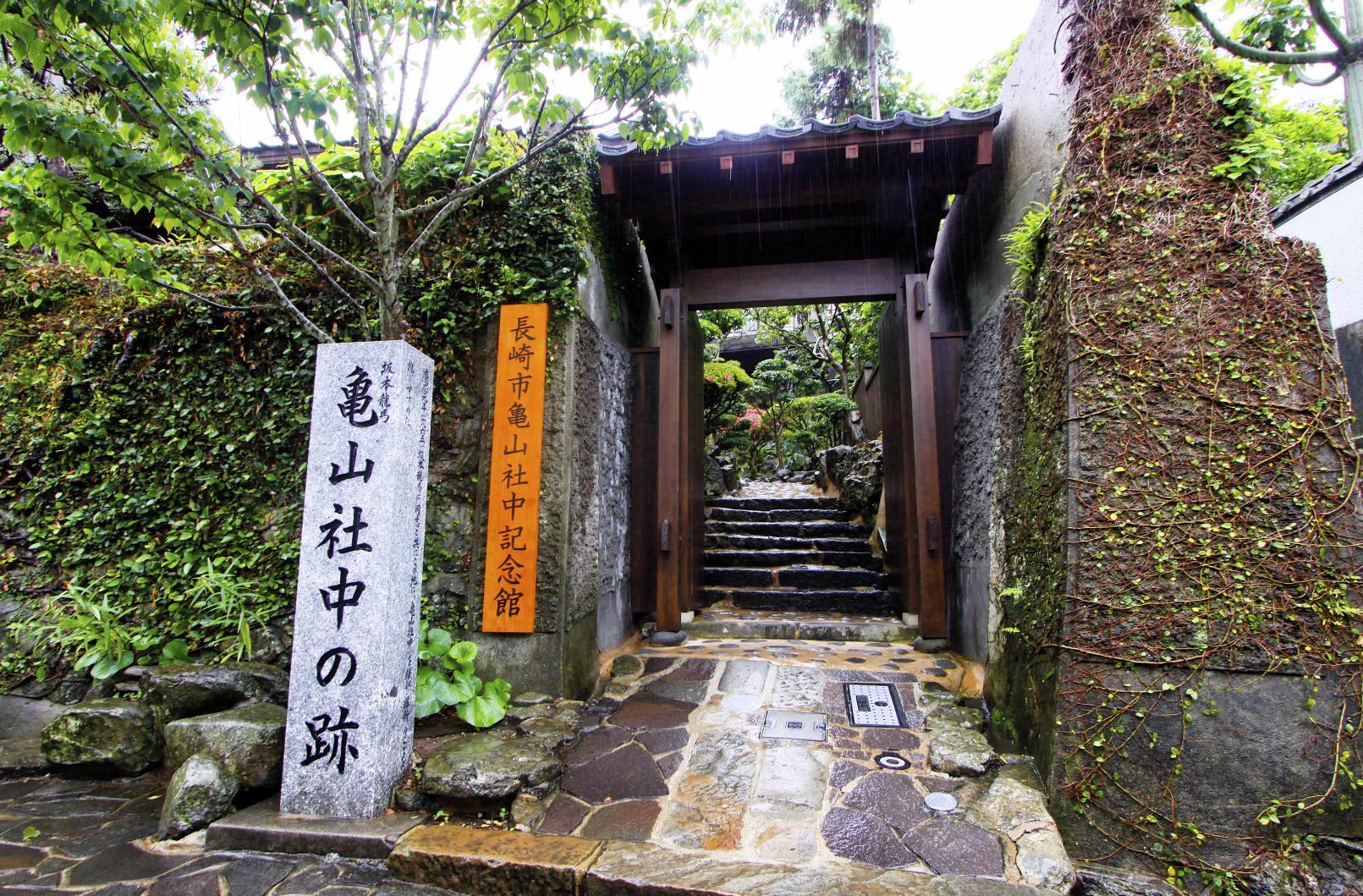
Kameyama Shachu Memorial Museum
This space commemorates the base of Kameyama Shachu, the group formed in 1865 by Sakamoto Ryoma and his associates. You can explore the story of this organization, which engaged in trade and shipping, through copies of letters and related exhibits. Restored to look close to how it did at the time, the Japanese house lets you encounter traces of the man at close range, quite unlike a huge history museum. See eye-catching items such as the replica of Ryoma's boots first, then read about the group's activities for easier understanding.
It stands on Irabayashi hill, so the climb itself shows off Nagasaki's terrain. It pairs well with Kazagashira Park, but allow more time than you would for a stroll on flat ground. It's a separate facility from a private exhibition space nearby, so on maps, check the name ‘亀山社中記念館’ and the address to be sure.
It stands on Irabayashi hill, so the climb itself shows off Nagasaki's terrain. It pairs well with Kazagashira Park, but allow more time than you would for a stroll on flat ground. It's a separate facility from a private exhibition space nearby, so on maps, check the name ‘亀山社中記念館’ and the address to be sure.
현지 이름 長崎市亀山社中記念館
주소 長崎県長崎市伊良林2-7-24
특징 막부 말기 역사·기념관
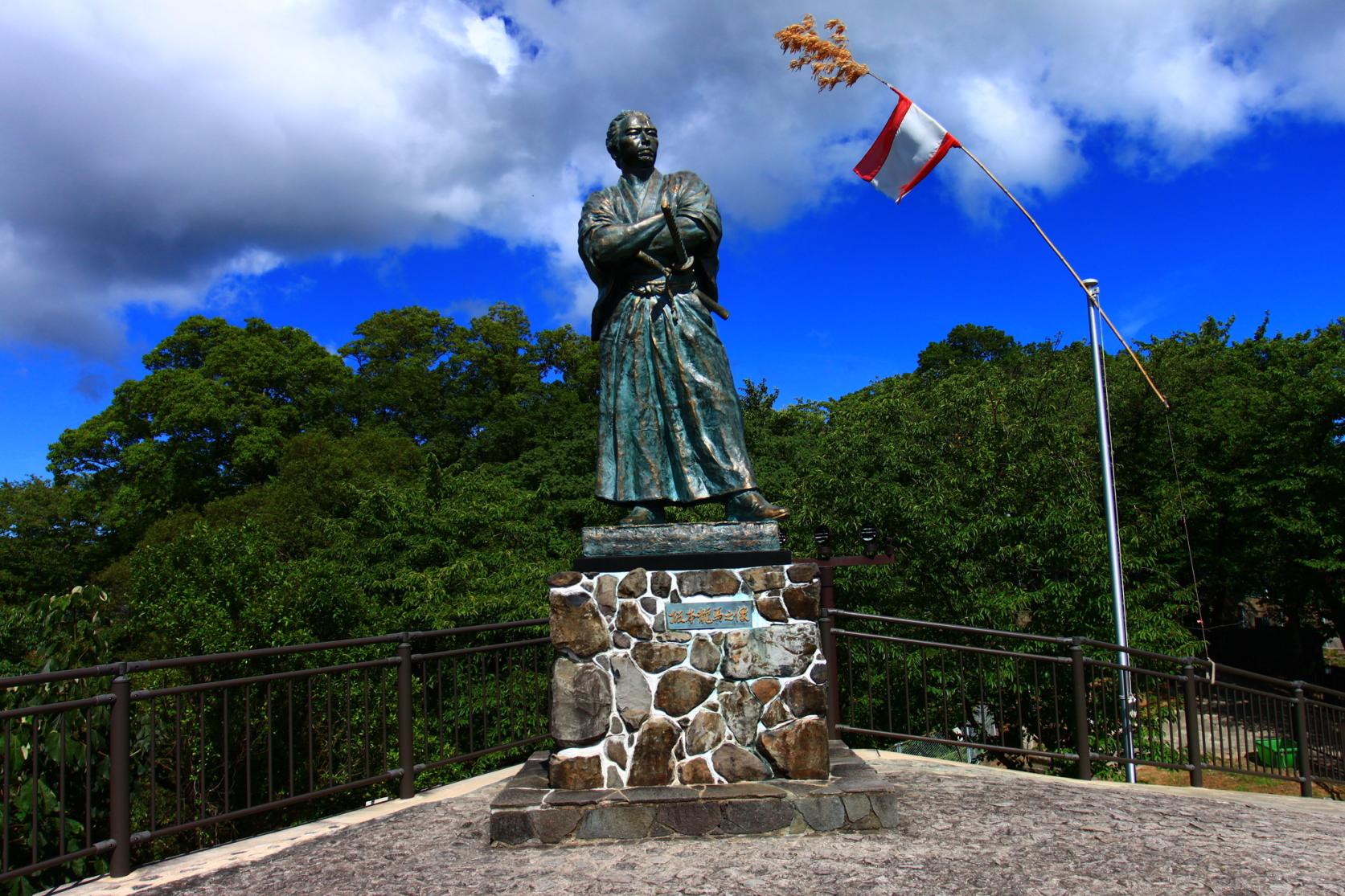
Kazagashira Park
Kazagashira Park sits on a hill overlooking Nagasaki Harbor. The statue of Sakamoto Ryoma, arms folded and gazing toward the sea, is its signature sight, linking the story of the man you read about at the nearby Kameyama Shachu Memorial Museum with a view of the city. Don't stop at a photo with the statue in the background; take your time looking out at Nagasaki, where houses packed tightly on the hillsides meet the harbor.
It's also known for cherry blossoms in spring and hydrangeas in early summer, but you can't count on flowers being in bloom throughout your trip. Center your plans on the hilltop view and a walk in the park regardless of season, and your itinerary won't be thrown off. Walking up from the city below means a stretch of slopes and stairs, so if that feels like too much, start by looking at routes from the bus stop.
It's also known for cherry blossoms in spring and hydrangeas in early summer, but you can't count on flowers being in bloom throughout your trip. Center your plans on the hilltop view and a walk in the park regardless of season, and your itinerary won't be thrown off. Walking up from the city below means a stretch of slopes and stairs, so if that feels like too much, start by looking at routes from the bus stop.
현지 이름 風頭公園
주소 長崎県長崎市伊良林3-510-6 他
특징 언덕 공원·료마 동상
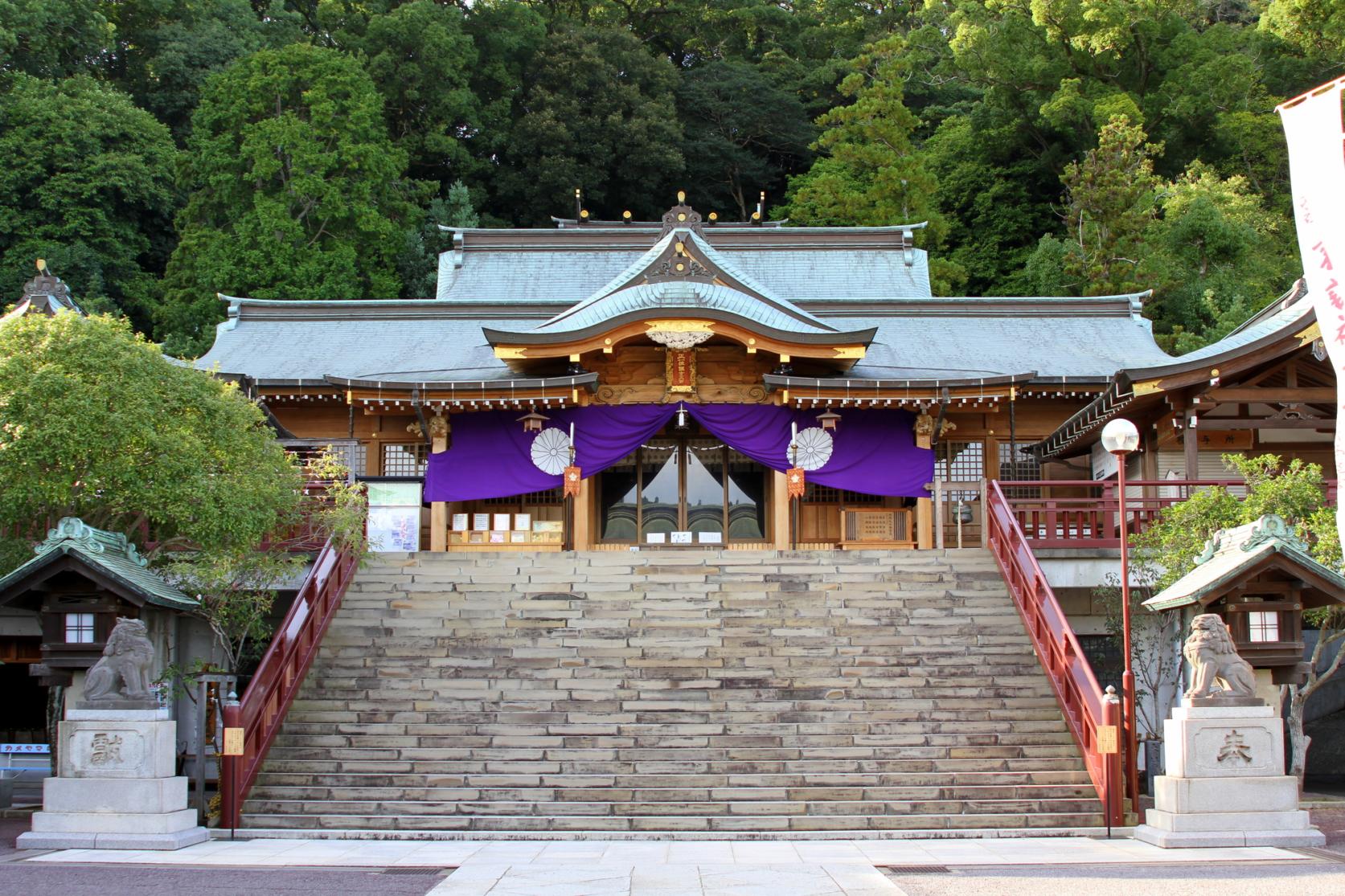
Suwa Shrine
Suwa Shrine is affectionately known locally as ‘Osuwa-san’. Pass through the torii gates and up the long stone stairs into the grounds, and you'll find a different, distinctly Japanese scene within a port city where foreign culture stands out. Beyond the worship area, it's fun to seek out the komainu (guardian lion-dog) statues around the grounds. Each has its own look and local story, so it would be a shame to see only the main hall in front and turn back.
It's well known for the autumn festival ‘Nagasaki Kunchi’, but you can't see those performances at other times. On an ordinary travel day, focus on the shrine architecture and a quiet route for paying your respects. It's fairly close to a streetcar stop, but you'll have to climb stairs to reach the grounds, so plan the order of your visits with your companions' mobility in mind.
It's well known for the autumn festival ‘Nagasaki Kunchi’, but you can't see those performances at other times. On an ordinary travel day, focus on the shrine architecture and a quiet route for paying your respects. It's fairly close to a streetcar stop, but you'll have to climb stairs to reach the grounds, so plan the order of your visits with your companions' mobility in mind.
현지 이름 鎮西大社 諏訪神社
주소 長崎県長崎市上西山町18-15
특징 신사·지역 신앙
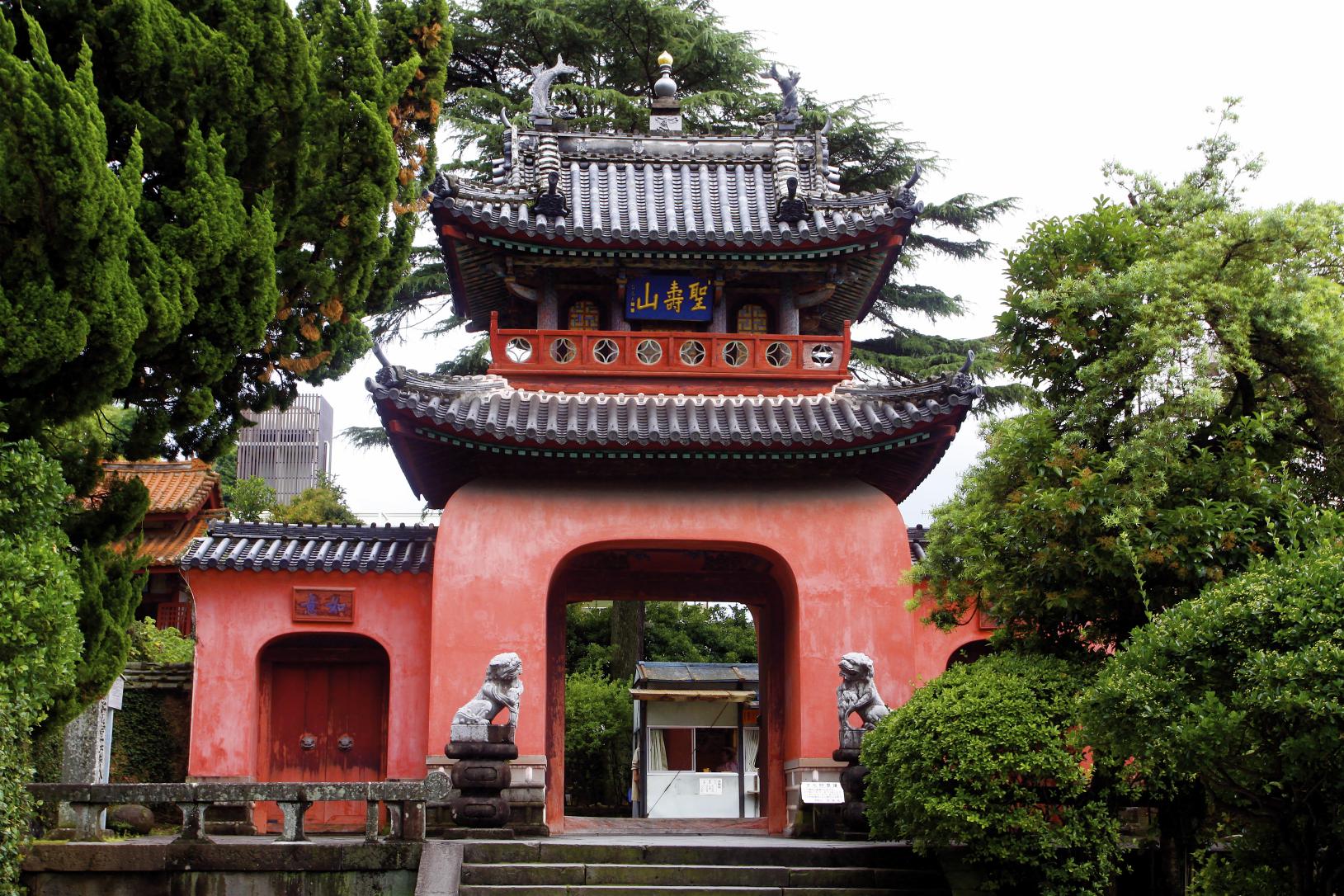
Sofukuji Temple
Founded in 1629, Sofukuji is a temple connected to people from Fuzhou, China. The colors and decorations of the architecture you meet as you pass through its red gate bring Nagasaki's history of exchange right before your eyes. The First Gate (Daiippomon) and the Main Hall (Daiyuhoden) are designated National Treasures of Japan, and the Maso Hall, which conveys the faith of people who traveled the seas, is another important sight. Capture the whole building in one shot, then look again at the details of the gates and eaves, and you'll discover things that differ from your first impression.
Looking for patterns considered auspicious in China, such as bats and peaches, is another way to enjoy a visit. It's a different temple from the similarly named Kofukuji; this is Sofukuji in Kajiya-machi. It suits a plan of walking the grounds to see the architecture rather than quickly scanning indoor exhibits. As a space for both worship and sightseeing, please respect the areas where photography is permitted.
Looking for patterns considered auspicious in China, such as bats and peaches, is another way to enjoy a visit. It's a different temple from the similarly named Kofukuji; this is Sofukuji in Kajiya-machi. It suits a plan of walking the grounds to see the architecture rather than quickly scanning indoor exhibits. As a space for both worship and sightseeing, please respect the areas where photography is permitted.
현지 이름 崇福寺
주소 長崎県長崎市鍛冶屋町7-5
특징 중국식 사찰·국보 건축
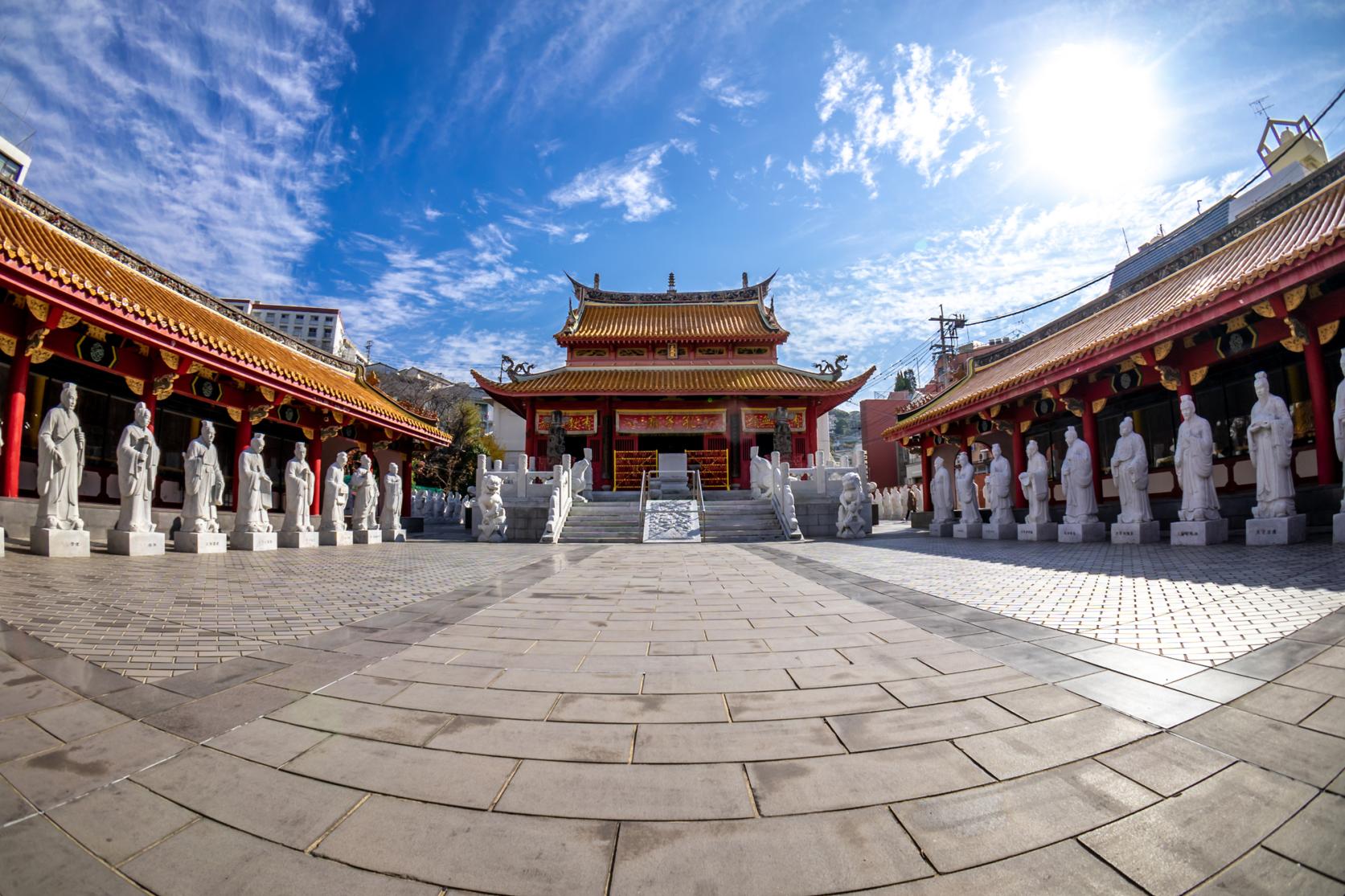
Nagasaki Confucius Shrine & Historical Museum of China
Nagasaki Confucius Shrine is a shrine to Confucius built in 1893, and its Chinese-style roofs and vivid colors catch your eye first. The stone statues of Confucius's 72 disciples lining the grounds each have their own expression and pose, making them worth a close look. Tour the main hall, Taiseiden, together with the Historical Museum of China, and you can see how exchange among people traveling through the port carried on in architecture, philosophy and artifacts.
Rather than just snapping a photo and leaving during a walk around the Oura area, set aside time to see the grounds and the exhibits. It's also known for face-changing (bianlian) performances, but check the facility's latest information on show times and dates before planning. It's best not to think of general visits to the shrine and specific performances as having the same conditions. Compare it with the nearby Western-style buildings, and the many cultures that coexisted in Nagasaki become even clearer.
Rather than just snapping a photo and leaving during a walk around the Oura area, set aside time to see the grounds and the exhibits. It's also known for face-changing (bianlian) performances, but check the facility's latest information on show times and dates before planning. It's best not to think of general visits to the shrine and specific performances as having the same conditions. Compare it with the nearby Western-style buildings, and the many cultures that coexisted in Nagasaki become even clearer.
현지 이름 長崎孔子廟・中国歴代博物館
주소 長崎県長崎市大浦町10-36
특징 공자묘·중국 문화 전시
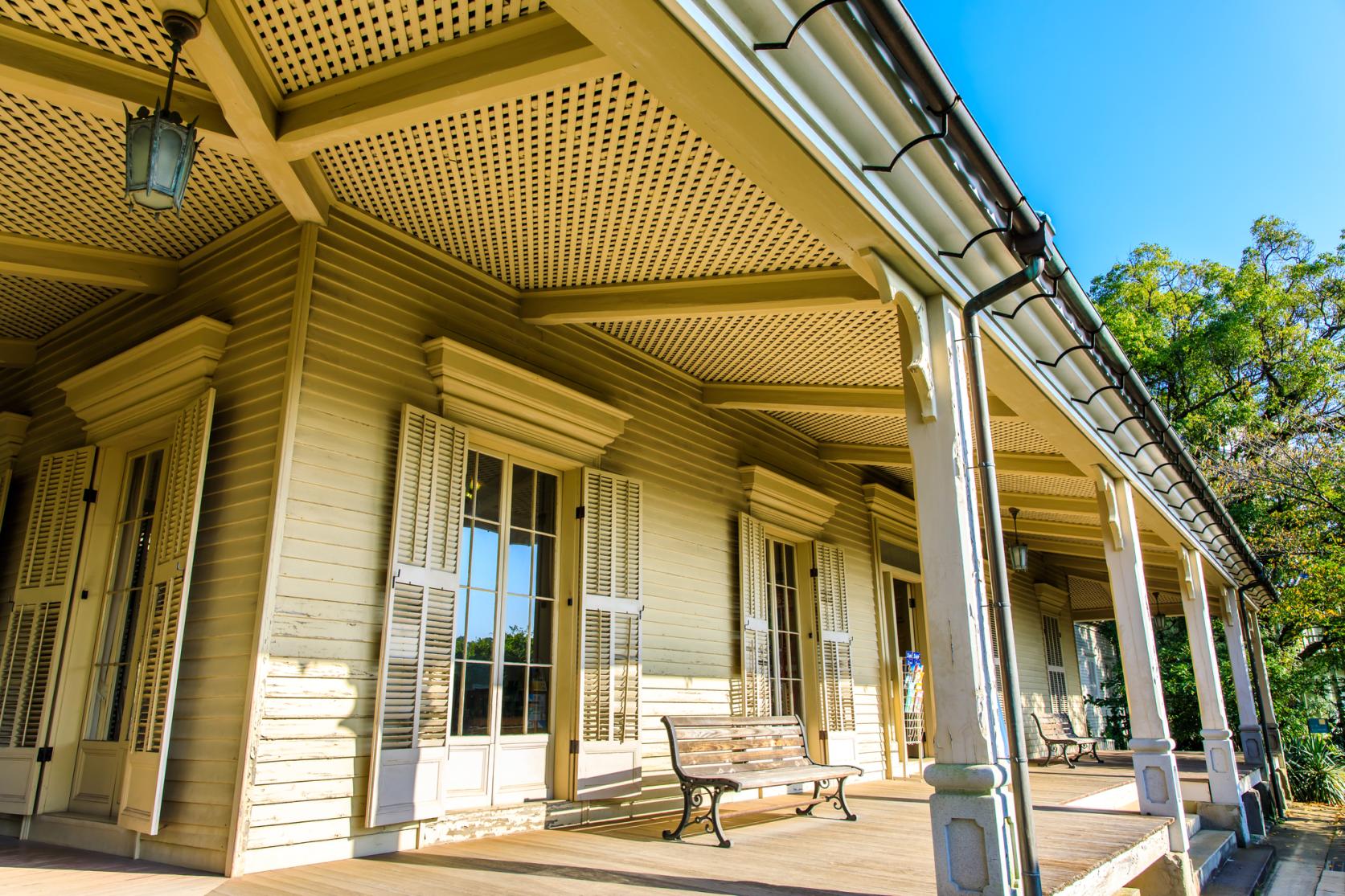
Higashiyamate No. 12
Higashiyamate No. 12 is a Western-style building constructed around 1868 that tells the history of a neighborhood that was once a foreign settlement. It has served as the Russian and American consulates and as a missionary residence, among other uses, and is now open to the public as the Museum of Private School History in the Former Foreign Settlement. Look at the wide veranda, the central hallway and the generous layout of the rooms, and you'll see the architectural sense of the time, which considered both views and daily living.
Inside, you can explore furniture and materials used by missionaries, as well as the history of Nagasaki's mission schools. It's a good place to fill in the background story indoors after walking Dutch Slope (Oranda-zaka), and since admission is free, it's easy to include in a short cultural walk. Its name is similar to No. 13 nearby and other Western houses, so set No. 12 at Higashiyamate-machi 3-7 as your destination. Check the New Year holiday closures before you set out.
Inside, you can explore furniture and materials used by missionaries, as well as the history of Nagasaki's mission schools. It's a good place to fill in the background story indoors after walking Dutch Slope (Oranda-zaka), and since admission is free, it's easy to include in a short cultural walk. Its name is similar to No. 13 nearby and other Western houses, so set No. 12 at Higashiyamate-machi 3-7 as your destination. Check the New Year holiday closures before you set out.
현지 이름 東山手十二番館
주소 長崎県長崎市東山手町3-7
특징 서양식 주택·사학 역사
If you're interested in Ryoma, start at the memorial museum and then look down on the harbor from Kazagashira Park. If architecture is your goal, comparing Sofukuji's red gate with the verandas of the Higashiyamate Western house is a good choice. Shrines, temples and the Confucian shrine are still places of worship today, so balance your curiosity with on-site etiquette.
On days with lots of hill walking, keep distances short and work in breaks at indoor museums. Apart from the visiting hours of temples and museums, residents' daily lives carry on in the surrounding lanes. Rather than trying to photograph every famous scene, choose to take in the architecture or exhibits of one place fully, and you'll also remember what kind of city Nagasaki was beyond its harbor.
On days with lots of hill walking, keep distances short and work in breaks at indoor museums. Apart from the visiting hours of temples and museums, residents' daily lives carry on in the surrounding lanes. Rather than trying to photograph every famous scene, choose to take in the architecture or exhibits of one place fully, and you'll also remember what kind of city Nagasaki was beyond its harbor.
At a glance
6 items
Kameyama Shachu Memorial Museum
長崎市亀山社中記念館長崎県長崎市伊良林2-7-24막부 말기 역사·기념관
Kazagashira Park
風頭公園언덕 공원·료마 동상
Suwa Shrine
鎮西大社 諏訪神社長崎県長崎市上西山町18-15신사·지역 신앙
Sofukuji Temple
崇福寺長崎県長崎市鍛冶屋町7-5중국식 사찰·국보 건축
Nagasaki Confucius Shrine & Historical Museum of China
長崎孔子廟・中国歴代博物館長崎県長崎市大浦町10-36공자묘·중국 문화 전시
Higashiyamate No. 12
東山手十二番館長崎県長崎市東山手町3-7서양식 주택·사학 역사
Locations at a glance
6 places
Comments 0
Log in to leave a comment.
Be the first to comment.
How about these lists?


You might also like


🎲
Not ready to stop here?
Wondering what to read next is the biggest waste of time.
Let the dice decide — you won't know what pops up until you roll.
If you don't press it… won't you wonder forever? 👀
