A Collection of Traditional Korean Musical Instruments Identified by Sound
Understanding the timbre and roles of string, wind, and percussion instruments through listening
Korean traditional instruments can be easily confused in a performance setting if only their appearances are memorized. This collection helps distinguish string, wind, and percussion instruments based on how they produce sound, their timbre, and their roles in ensemble music.
The descriptions of the instruments are organized based on the structure and playing techniques from the National Gugak Center’s Gugak Encyclopedia, summarizing how they differ in classical and folk music. Even instruments with the same name can vary in type according to size and purpose, so they are not simply defined in a single line.
First, it's good to listen to a solo performance of an instrument and then try to identify that sound in an ensemble setting. The experiential information includes hygiene, loud volume, concerns about instrument damage, and posture, which are good tips for beginners in actual classes.
When viewing the instrument’s appearance, it’s important to observe not just the number of strings and size, but also the playing posture and the tools used to produce sound. By checking which part—fingers, bow, stick, or mallet—creates the first sound, you will find it much easier to locate instruments in the background during a performance. The direction of the performer’s hands is also an important clue.
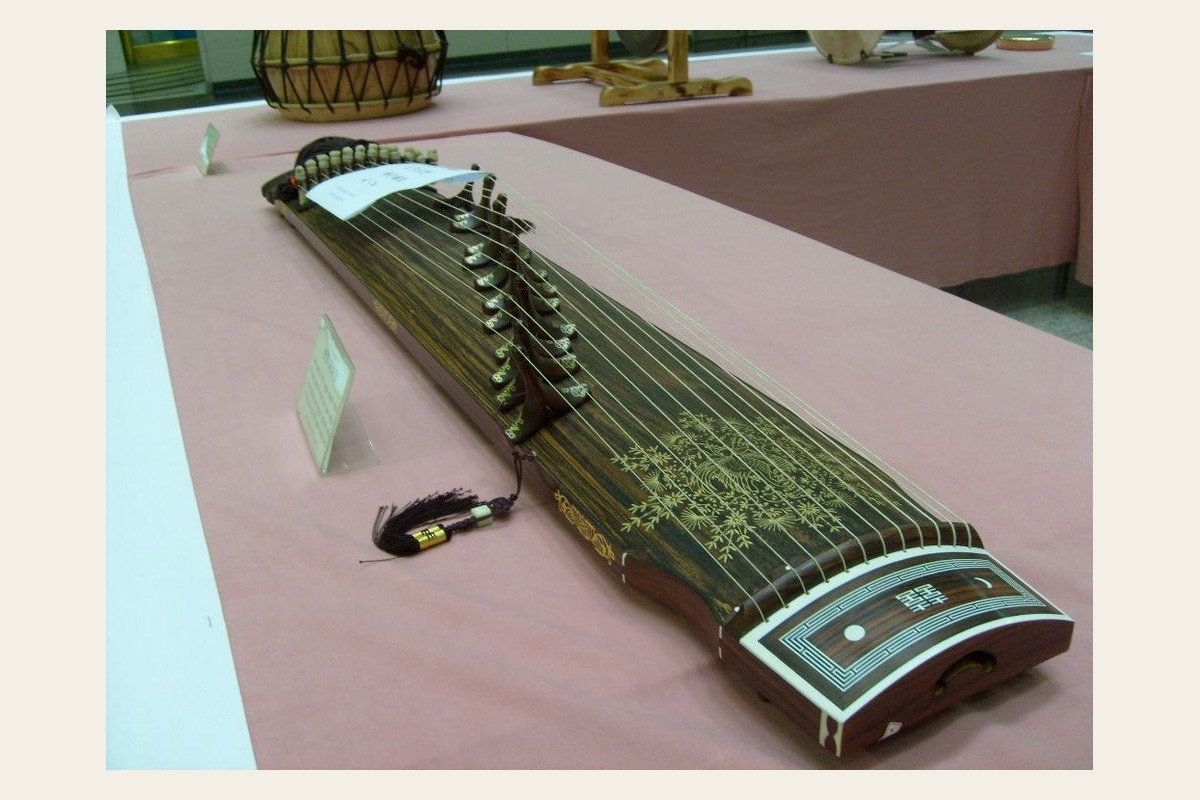
Gayageum
Overview
The twelve-stringed instrument is typical, played by plucking the strings with the fingers and embellishing the notes with the left hand. For those new to Korean music, it’s more memorable to remember the impression of 'the clear and soft sound followed by a gentle vibration' rather than just memorizing the name.
Background and Features
Widely used in Jeongak (classical music), Sanjo (improvisational music), Byeongchang (vocal recitation), and contemporary music, the sizes and spacing of Jeongak Gayageum and Sanjo Gayageum differ. The orchestration, repertoire, and techniques may change depending on the era and transmission lineage, so it's important not to view a single recording as the definitive answer.
Ear Identification
The key to identifying it by ear is the clear and soft sound followed by a gentle vibration. It’s lighter and more flexible than the geomungo. By not separating the instrument name, rhythm, and singing style, and instead listening to how the first melody starts and transitions into the next scene, the structure becomes clearer.
First Encounter
Start by watching a solo video where open strings and embellishments alternate. Search for 'gayageum' on the National Gugak Center's Gugak Archive to watch short videos with explanations and then compare full pieces or performances from different schools and ensembles at your own pace.
Helpful Information
During the experience, do not pull the strings too hard; focus on separating right-hand plucking and left-hand pressing techniques. The performance program may list different performers, schools, ensembles, and sections under the same name. Check the duration and whether commentary is included before purchasing tickets, and after the performance, look up other official recordings by the performers you liked.
Official Resources
Official Resource 1 · Official Resource 2 · Official Resource 3
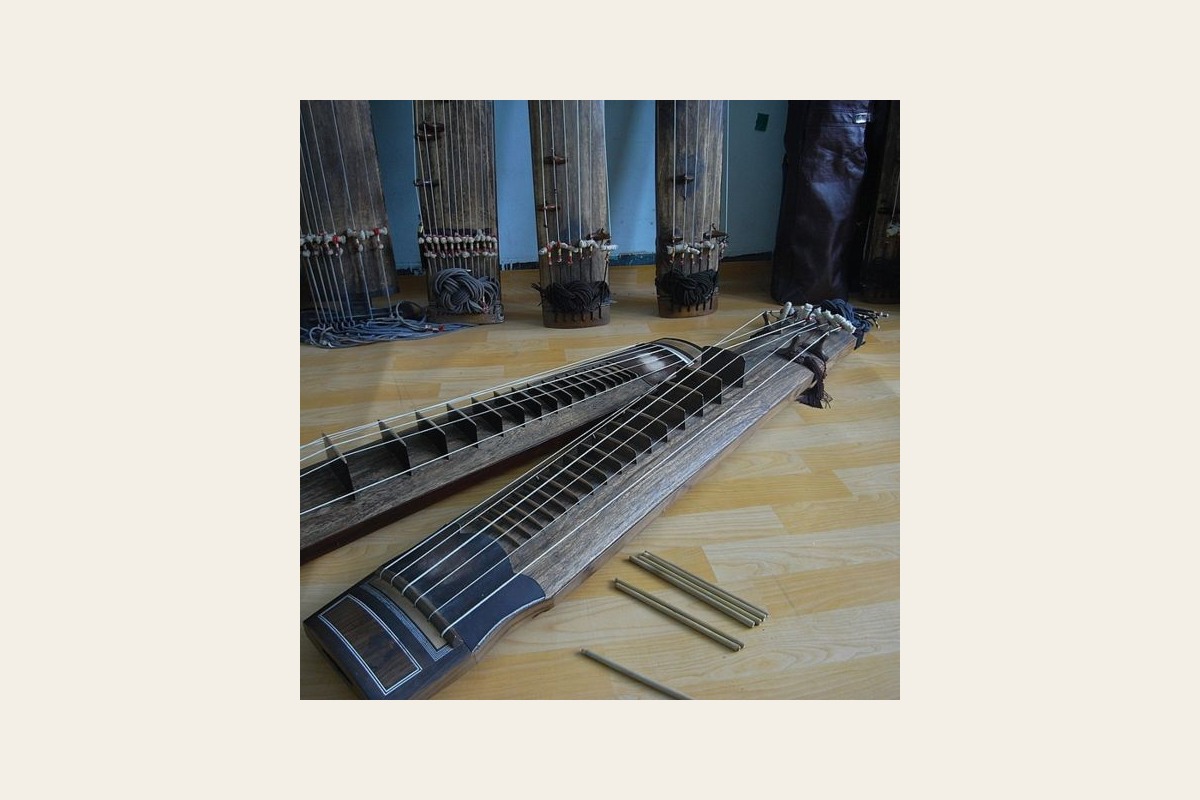
Geomungo
Overview
This string instrument has six strings, played by either striking or plucking, and changing pitch by pressing the strings on the frets. For beginners, it's better to remember the impression of 'the solid striking sound, deep and heavy resonance, and the sound of the plectrum hitting the strings' rather than just memorizing its name.
Background and Features
With connections to the Goguryeo era, it has become a central instrument in classical music ensembles and the elegant aesthetics of Joseon scholar culture. The orchestration, repertoire, and techniques may change based on the era and transmission lineage, so it's important not to consider one recording as the only answer.
Ear Identification
The core identification keys by ear are the solid striking sound, deep and heavy resonance, and the sound produced when the plectrum hits the string. Its sound is thicker than that of the gayageum, and it has a clear rhythmic structure. By not separating the instrument name, rhythm, and singing style, and instead listening to how the first melody starts and transitions to the next scene, the structure becomes clearer.
First Encounter
Start by watching videos of geomungo solo performances, especially the sounds made by ‘Deong·Dung·Jing’. Search for 'geomungo' on the National Gugak Center's Gugak Archive and view short explanatory videos first, then compare full pieces or performances from different schools and ensembles at your own pace.
Helpful Information
Beginners should learn to hold the plectrum and proper posture first, as the left hand's pressure on the frets is crucial. The performance program may list different performers, schools, ensembles, and sections under the same name. Before purchasing tickets, check the performance duration and whether commentary is included, and after the performance, look up other official recordings by the performers you liked.
Official Resources
Official Resource 1 · Official Resource 2 · Official Resource 3
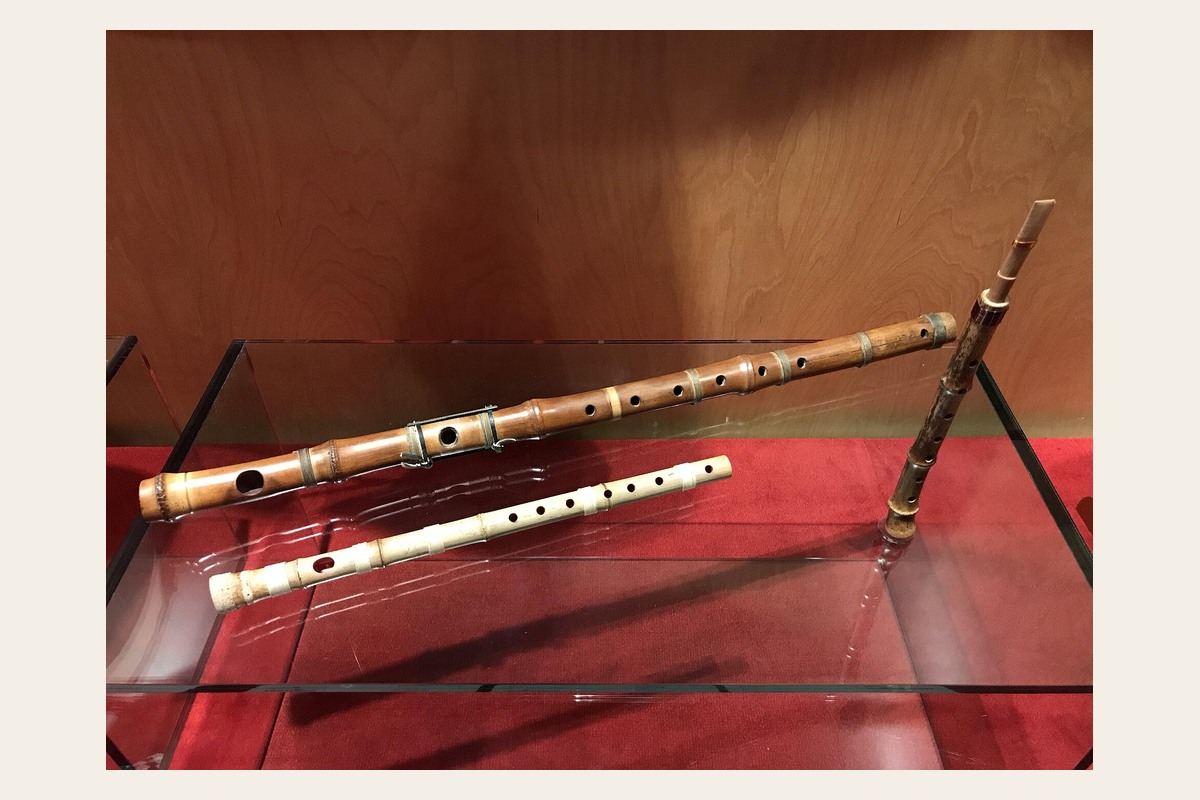
Daegeum
Overview
This large bamboo wind instrument is played horizontally and features a unique reed that creates a distinctive trembling sound. For beginners, it’s better to remember the impression of 'the widely spreading breath sound and the rough trembling in high notes' rather than just memorizing the name.
Background and Features
Used in classical, folk, sanjo, and ensemble music, it has a broad range and breath control, along with extensive resonance. The orchestration, repertoire, and techniques may vary according to the era and transmission lineage, so it's important not to regard a single recording as the definitive answer.
Ear Identification
The key to identifying it by ear is the widely spreading breath sound and the rough trembling in high notes. It is lower and larger than the sogeom and has stronger volume and resonance than the daegeum. When listening, don’t separate the instrument name, rhythm, and singing style, but rather capture how the first melody begins and transitions to the next scene together to clarify the structure.
First Encounter
Begin by listening to the Yeongsanhoesang and Daegeum Sanjo to compare two expressions of the same instrument. Search for 'daegeum' on the National Gugak Center's Gugak Archive to watch short explanatory videos first, and then compare full pieces or performances from different schools and ensembles at your own pace.
Helpful Information
Beginners may take time to produce sound. The instrument is sensitive to humidity and reed quality, so management should be learned from an instructor. The performance program may list different performers, schools, ensembles, and sections under the same name. Make sure to check the performance duration and whether commentary is included before purchasing tickets, and afterward, look for other official recordings by the performers you liked.
Official Resources
Official Resource 1 · Official Resource 2 · Official Resource 3
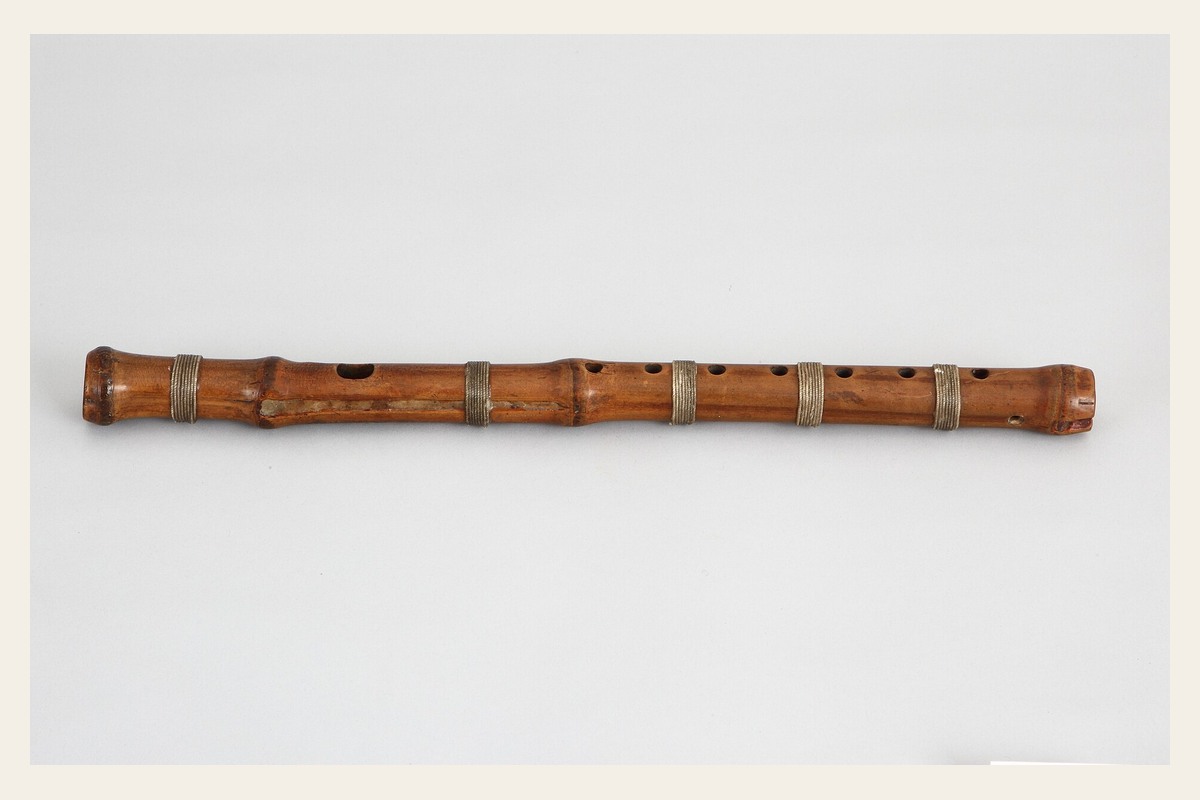
Sogeum
Overview
This smaller bamboo wind instrument produces higher pitches compared to the daegeum. For beginners, it's better to remember the impression of 'the clear, thin, high sound that sparkles above the ensemble' rather than simply memorizing the name.
Background and Features
Frequently used to enrich the bright upper melodies in court and classical ensembles, it is also integrated into contemporary Korean orchestras. The orchestration, repertoire, and techniques may vary according to the era and transmission lineage, so it's important not to view one recording as the sole answer.
Ear Identification
The key to identifying it by ear is the bright, thin, high sound that sparkles above the ensemble. It is smaller than the daegeum and lacks a resonance chamber, making it sound higher and cleaner. By listening to how the first melody starts and transitions into the next scene without separating the instrument name, rhythm, and singing style, the structure becomes clearer.
First Encounter
Start by identifying the small instrument next to the daegeum while watching videos of Pyeongjo Hesang or Korean orchestral performances. Search for 'sogeum' on the National Gugak Center's Gugak Archive to view short explanatory videos first, then compare full pieces or performances from different schools and ensembles in a relaxed manner.
Helpful Information
High sounds may feel strong to the ears, so be cautious of volume if seated close and avoid sharing mouthpieces. The performance program may list different performers, schools, ensembles, and sections under the same name. Make sure to check the performance duration and whether commentary is included before purchasing tickets, and afterward, look for other official recordings by the performers you liked.
Official Resources
Official Resource 1 · Official Resource 2 · Official Resource 3
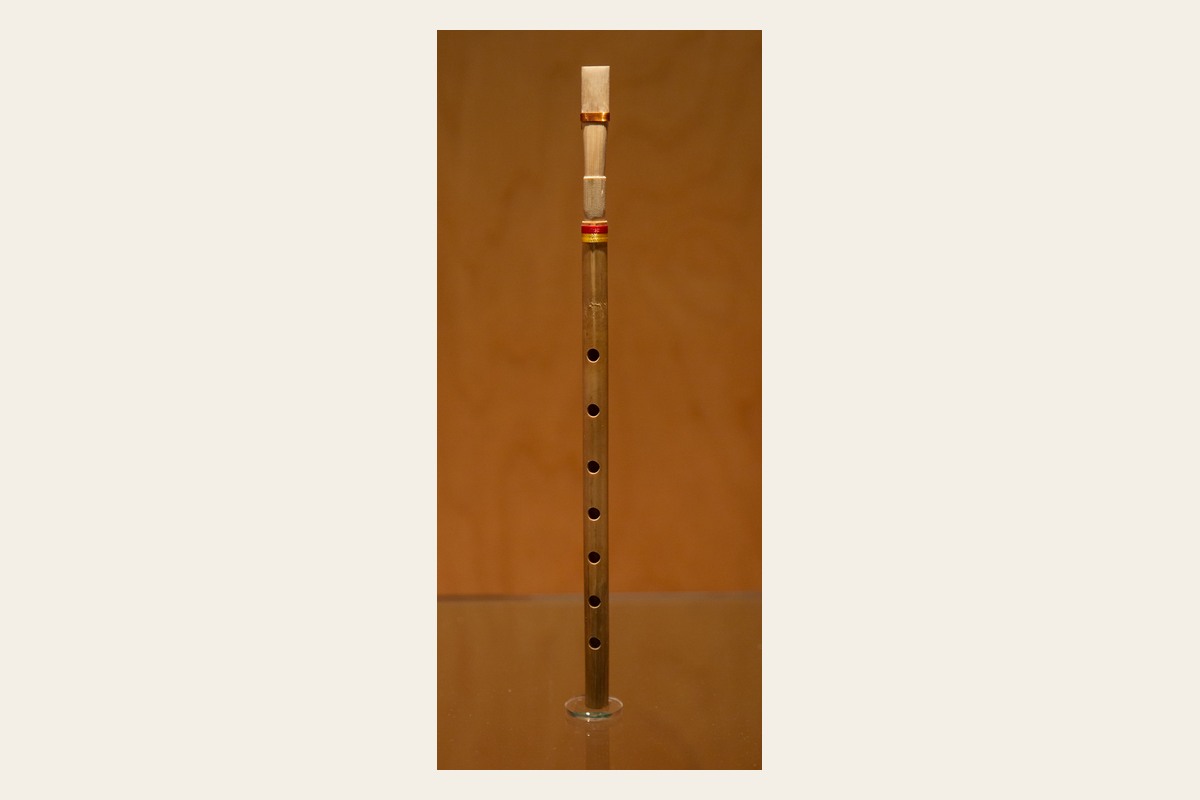
Piri
Overview
This vertical wind instrument is played with a double reed and produces a large, dense sound for its small body. For beginners, it’s better to remember the impression of 'the condensed and powerful sustained notes like a nasal sound, along with intricate ornamentations' rather than just memorizing the name.
Background and Features
The piri is divided into types like hyangpiri, seppiri, and dangpiri, often playing the main melodies in both classical and folk music. The orchestration, repertoire, and techniques may change according to the era and transmission lineage, so it's essential not to regard a single recording as the definitive answer.
Ear Identification
The key identification by ear is the condensed and powerful sustained notes along with intricate ornamentations like a nasal sound. It’s rounder than the taepyeongso and more linear in sound compared to the daegeum. Listen to how the first melody starts and transitions into the next scene without separating the instrument name, rhythm, and singing style to clarify the structure.
First Encounter
Begin by finding the piri in the first melody of Sujicheon and expand to the Samhyeonyukgak ensemble. Search for 'piri' on the National Gugak Center's Gugak Archive to watch short explanatory videos first, then compare full pieces or performances from different schools and ensembles at your own pace.
Helpful Information
Humidity and hygiene management is vital for the piri. During the beginner experience, rather than blowing too hard, first learn about breathing and lip shape. The performance program may list different performers, schools, ensembles, and sections under the same name. Be sure to check the performance duration and whether commentary is included before purchasing tickets, and afterward, look for other official recordings by the performers you liked.
Official Resources
Official Resource 1 · Official Resource 2 · Official Resource 3
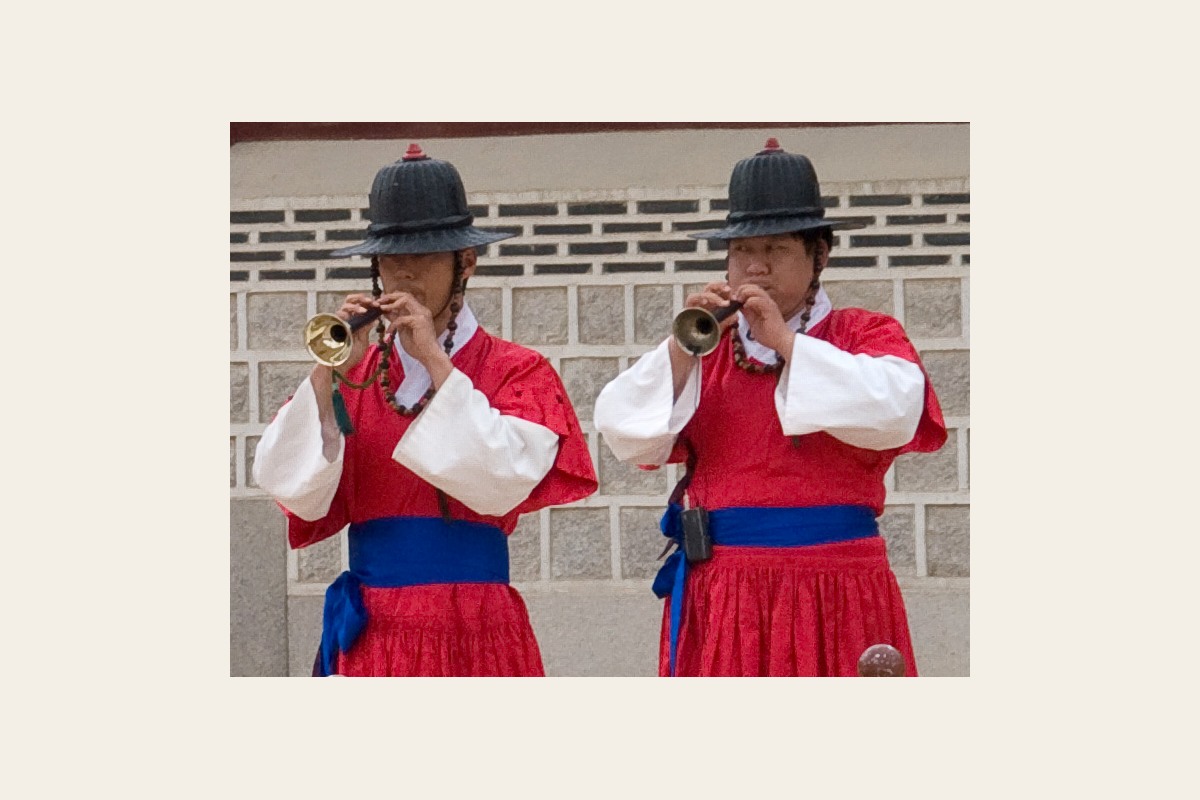
Taepyeongso
Overview
This double-reed wind instrument features a metal trumpet-like end and is characterized by its powerful sound that carries outdoors. For beginners, it's better to remember the impression of 'bright, sharp high notes and strong melodies that can be identified from afar' rather than simply memorizing the name.
Background and Features
In Daechuta, Nongak, shamanic music, and performance art, it plays a significant role in elevating the excitement and tension. The orchestration, repertoire, and techniques may vary according to the era and transmission lineage, so it's essential not to consider one recording as the only answer.
Ear Identification
The core identification by ear includes bright, sharp high notes and strong melodies that can be identified from afar. It is larger and more open than the piri, and unlike the nabal, it can play various melodies. By not separating the instrument name, rhythm, and singing style, and instead capturing how the first melody starts and transitions into the next scene together, the structure becomes clearer.
First Encounter
Start by comparing the first melodic call in Daechuta and the taepyeongso melody in Nongak. Search for 'taepyeongso' in the National Gugak Center's Gugak Archive to view короткими videos with explanations first, and then compare full pieces or performances from different schools and ensembles at your own pace.
Helpful Information
It produces a very loud sound, especially at close indoor distances. During the experience, ensure ear protection, take sufficient breaks, and follow the principle of personal use. The performance program may list different performers, schools, ensembles, and sections under the same name. Be sure to check the performance duration and whether commentary is included before purchasing tickets, and afterward, look for other official recordings by the performers you liked.
Official Resources
Official Resource 1 · Official Resource 2 · Official Resource 3
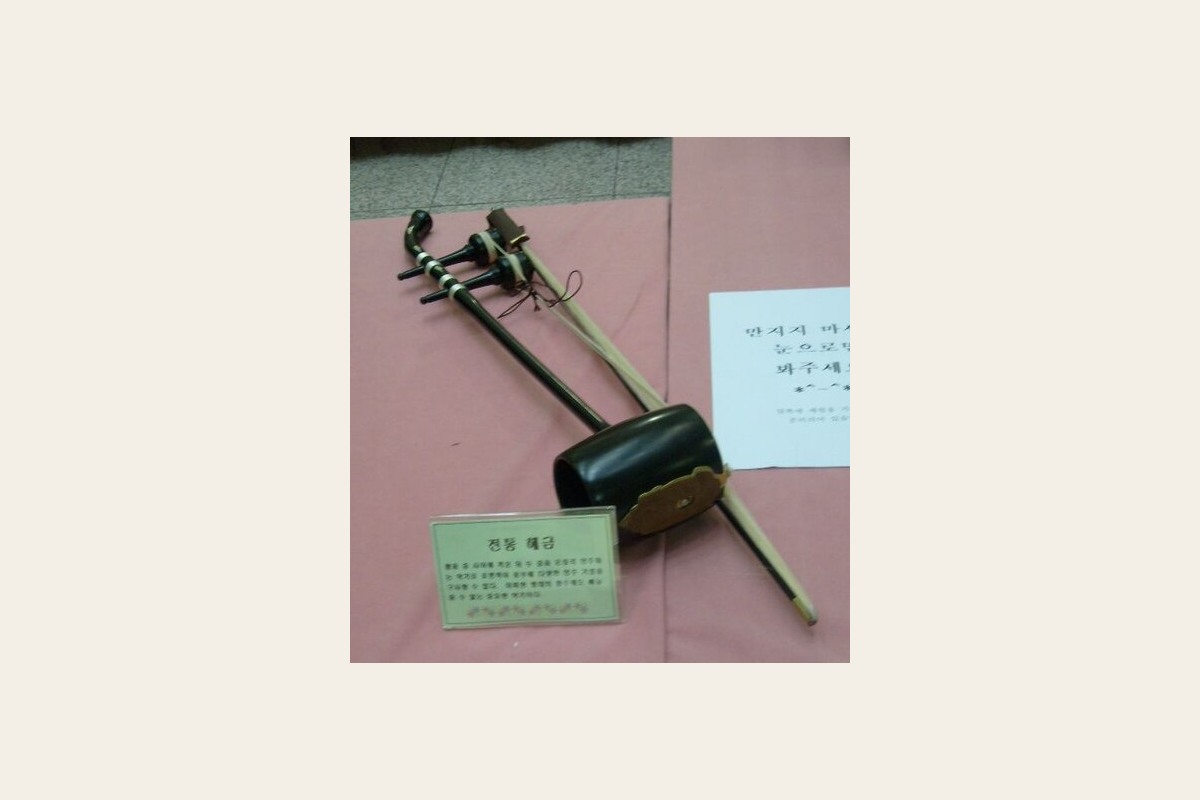
Haegum
Haegeum
Overview
This string instrument is played by drawing a bow between two strings while pressing the strings with the left hand to create pitch and tone. For beginners, it's recommended to remember the impression of 'thin and clear notes that transition to husky tones through the bowing friction' rather than just memorizing the name.
Background and Features
Known for its expressive range close to the human voice, it is used in classical, folk, sanjo, and new music. The orchestration, repertoire, and techniques may vary according to the era and transmission lineage, so it is essential not to consider a single recording as the definitive answer.
Ear Identification
The key identification by ear is the transition from a thin and clear sound to a husky tone produced by the bow's friction. It is higher and lighter than the ajeng, and the notes are connected depending on the direction of the bow, unlike the piri. By listening to how the first melody starts and transitions into the next scene without separating the instrument name, rhythm, and singing style, the structure becomes clearer.
First Encounter
Begin by observing the fluctuations and bow changes from the slow tempo of Haegeum Sanjo. Search for 'haegeum' on the National Gugak Center's Gugak Archive and watch short explanatory videos first, and then compare full pieces or performances from different schools and ensembles at your own pace.
Helpful Information
There are no precise indicators for pitch locations, so it relies on ear training. The rough sounds in the early experience are a natural learning process. The performance program may list different performers, schools, ensembles, and sections under the same name. Be sure to check the performance duration and whether commentary is included before purchasing tickets, and afterward, look for other official recordings by the performers you liked.
Official Resources
Official Resource 1 · Official Resource 2 · Official Resource 3
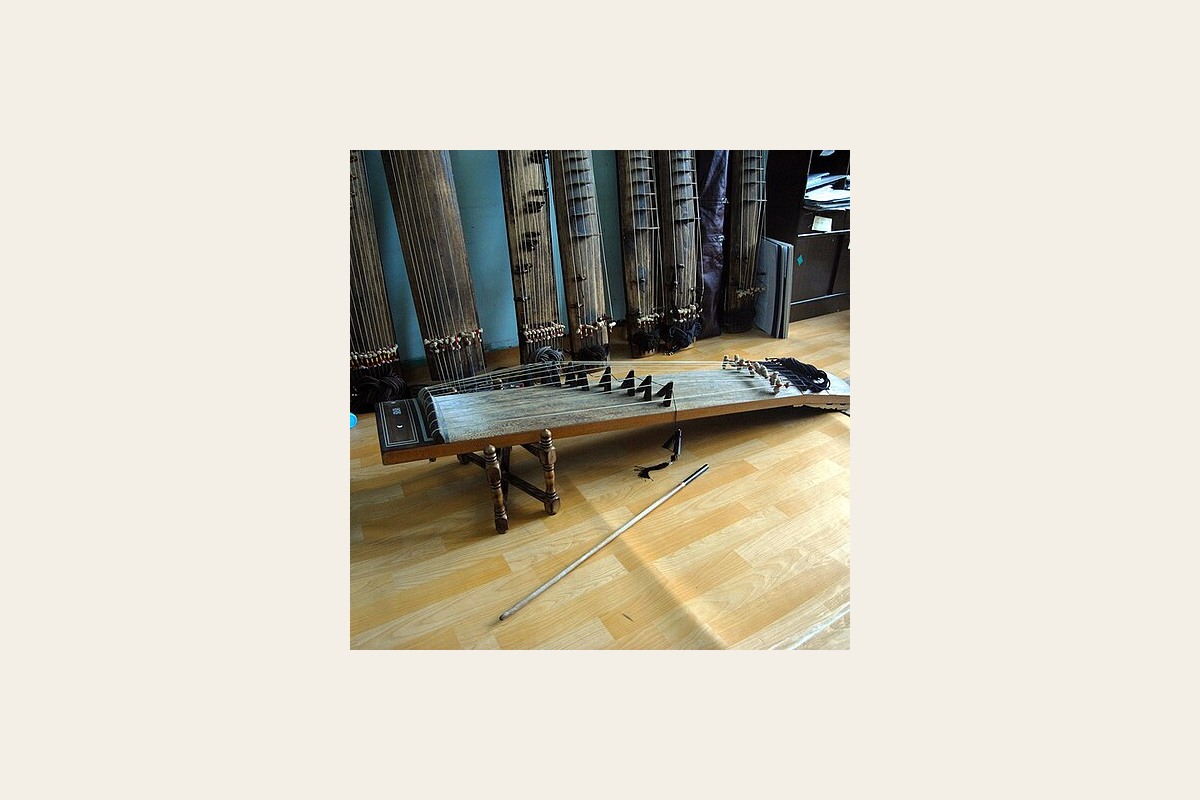
Ajaeng
Ajeng
Overview
This string instrument produces low and deep sounds by being stroked with a bow while resting on the ground. For beginners, it is better to remember the impression of 'the low tones resonating with the ground and a rough, scratching tone' rather than simply memorizing its name.
Background and Features
Used in court music for the Jeongak Ajeng and in folk music and sanjo as the Sanjo Ajeng, they differ in size, bow, and expressive techniques. The orchestration, repertoire, and techniques can vary based on the era and transmission lineage, so it’s important not to consider a single recording as the definitive answer.
Ear Identification
The key identification by ear is the low tones resonating with the ground and the rough, scratching sounds. It is much lower and heavier than the haegeum and connects the sounds more smoothly with the bow compared to the geomungo. By listening to how the first melody starts and transitions into the next scene and not separating the instrument name, rhythm, and singing style, the structure becomes clearer.
First Encounter
Begin by following the low tones in Sinawi and then confirm the timbre in Ajeng Sanjo solo. Search for 'ajeng' on the National Gugak Center's Gugak Archive and watch short explanatory videos first, followed by comparing full pieces or performances from different schools and ensembles at your own pace.
Helpful Information
The pressure of the friction between the bow and the strings is crucial. Do not touch display instruments arbitrarily; only use the practice instruments under guidance. The performance program may list different performers, schools, ensembles, and sections under the same name. Check the performance duration and whether commentary is included before purchasing tickets, and afterward, look for other official recordings by the performers you liked.
Official Resources
Official Resource 1 · Official Resource 2 · Official Resource 3
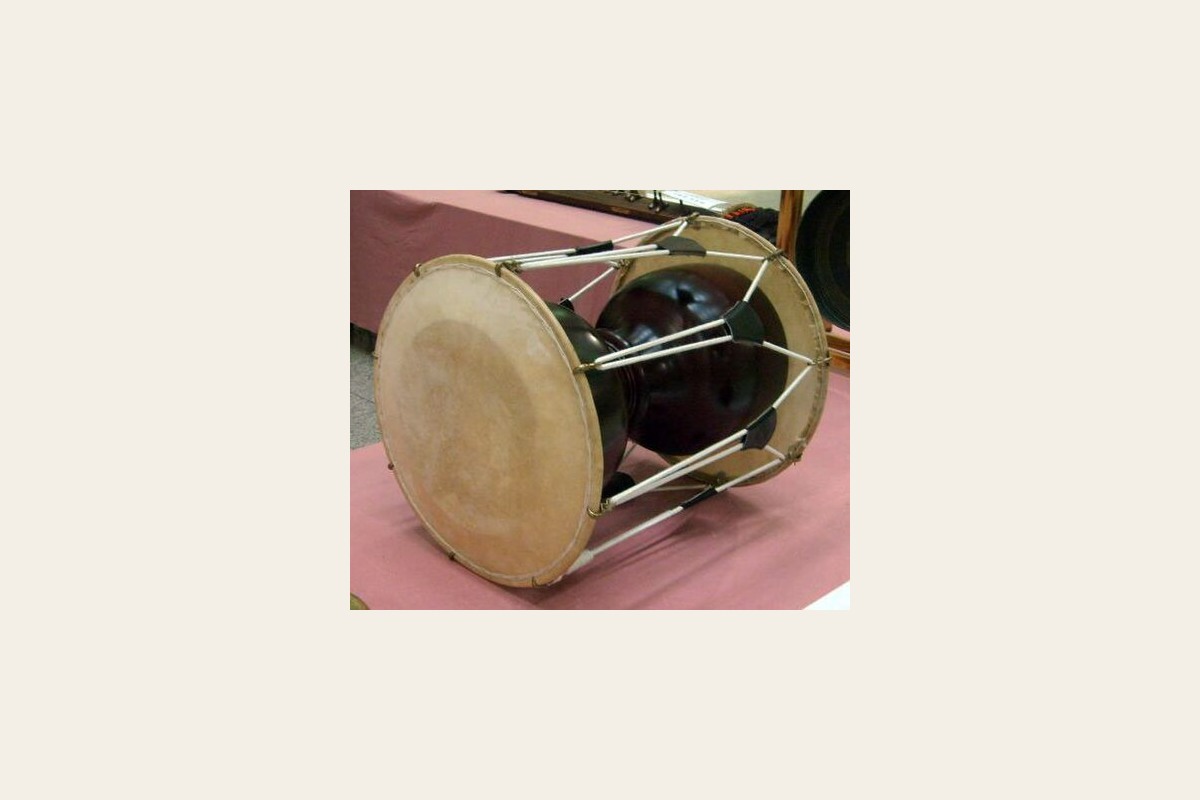
Janggu
Overview
This representative percussion instrument, shaped like an hourglass, is played on both sides with sticks and hands to produce different timbres. For beginners, it’s more memorable to capture the impression of 'the clear 'ta' of the stick side and the rounded 'gung' of the drum side alternating in rhythm' rather than just memorizing the name.
Background and Features
It organizes the flow of beats and rhythms in almost all genres, including Jeongak, folk music, dance, and Nongak. The orchestration, repertoire, and techniques may vary according to the era and transmission lineage, so it's important not to view one recording as the only answer.
Ear Identification
The key identification by ear features the clear 'ta' of the stick and the rounded 'gung' of the drum alternating in rhythm. The drum produces a strong, deep beat, while the janggu features contrasting sounds and intricate rhythmic expressions. By listening to how the first melody starts and transitions into the next scene without separating the instrument name, rhythm, and singing style, the structure becomes clearer.
First Encounter
Start by comparing educational videos showcasing the janggu played with three different rhythms: semachi, gutgeori, and jajinmori. Search for 'janggu' on the National Gugak Center's Gugak Archive to view short explanatory videos first, then compare full pieces or performances from different schools and ensembles in a relaxed manner.
Helpful Information
Focus on the breathing and order of rhythms rather than the counting of beats. Don’t grip the stick too tightly and ensure enough space between the instrument and other people. The performance program may list different performers, schools, ensembles, and sections under the same name. Check the performance duration and whether commentary is included before purchasing tickets, and afterwards look for other official recordings by the performers you liked.
Official Resources
Official Resource 1 · Official Resource 2 · Official Resource 3
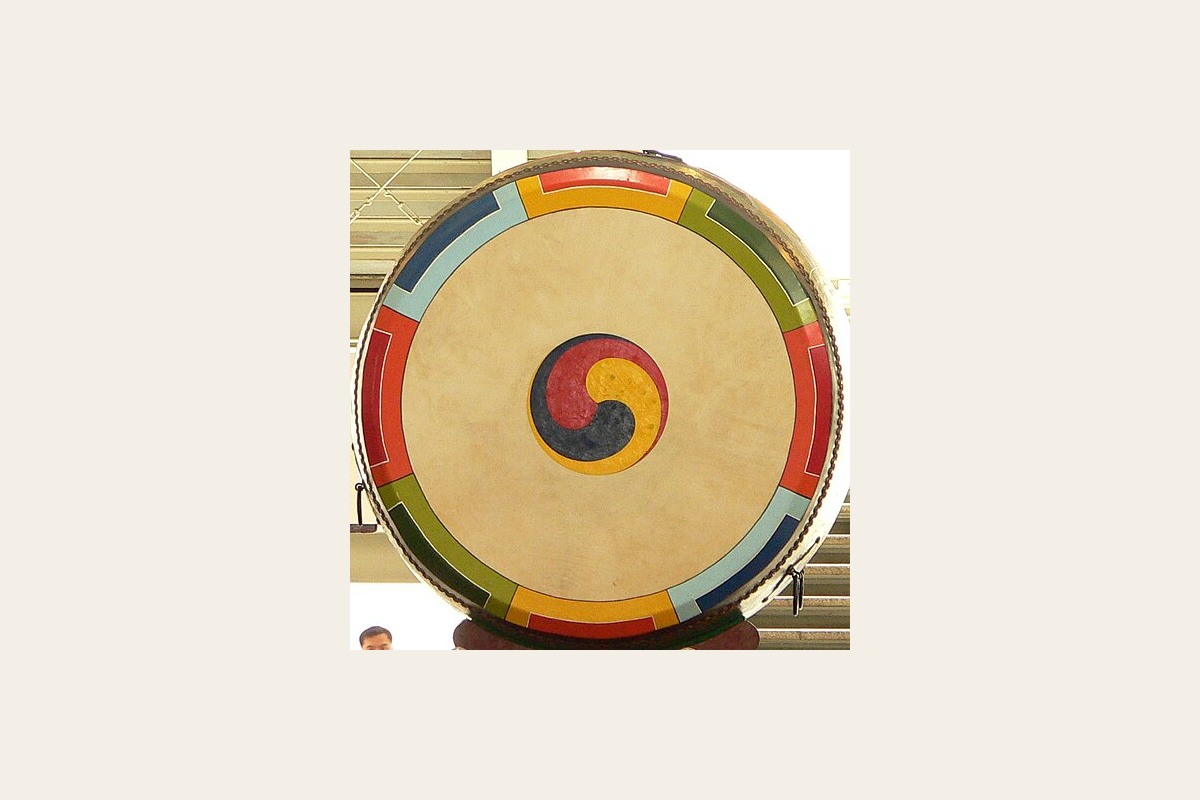
Buk
Overview
This is a broad category of non-metric percussion instruments with two leather sides, including the soribuk, jqgo, and yongo distinguished by genre. For beginners, it’s better to remember 'the low, rounded resonance that establishes a deep beat and supports the breath of the vocalist or ensemble' rather than just memorizing the name.
Background and Features
It varies in size, playing posture, and role in contexts such as pansori performance, pungmul drum usage, and court music. The orchestration, repertoire, and techniques may differ according to the era and transmission lineage, so it’s important not to view one recording as the definitive answer.
Ear Identification
The key identification by ear features low, rounded resonance establishing a deep beat while supporting the vocalist's or ensemble's rhythm. Although the contrast of timbre is simpler than that of the janggu, a single strike fills the space greatly. By not separating the instrument name, rhythm, and singing style, and instead capturing how the first melody starts and transitions into the next scene, the structure becomes clearer.
First Encounter
Start by comparing videos of the soribuk from pansori and the yongo from Daechuta to observe differences in size and playing style. Search for 'buk' on the National Gugak Center's Gugak Archive to view short explanatory videos first, and then compare full pieces or performances from different schools and ensembles in a relaxed manner.
Helpful Information
‘Buk’ is not a singular standardized instrument name. Check the specific names of instruments like soribuk, jqgo, yongo, etc., on the performance program. The performance program may list different performers, schools, ensembles, and sections under the same name. Be sure to check the performance duration and whether commentary is included before purchasing tickets, and afterward, look for other official recordings by the performers you liked.
Official Resources
Official Resource 1 · Official Resource 2 · Official Resource 3
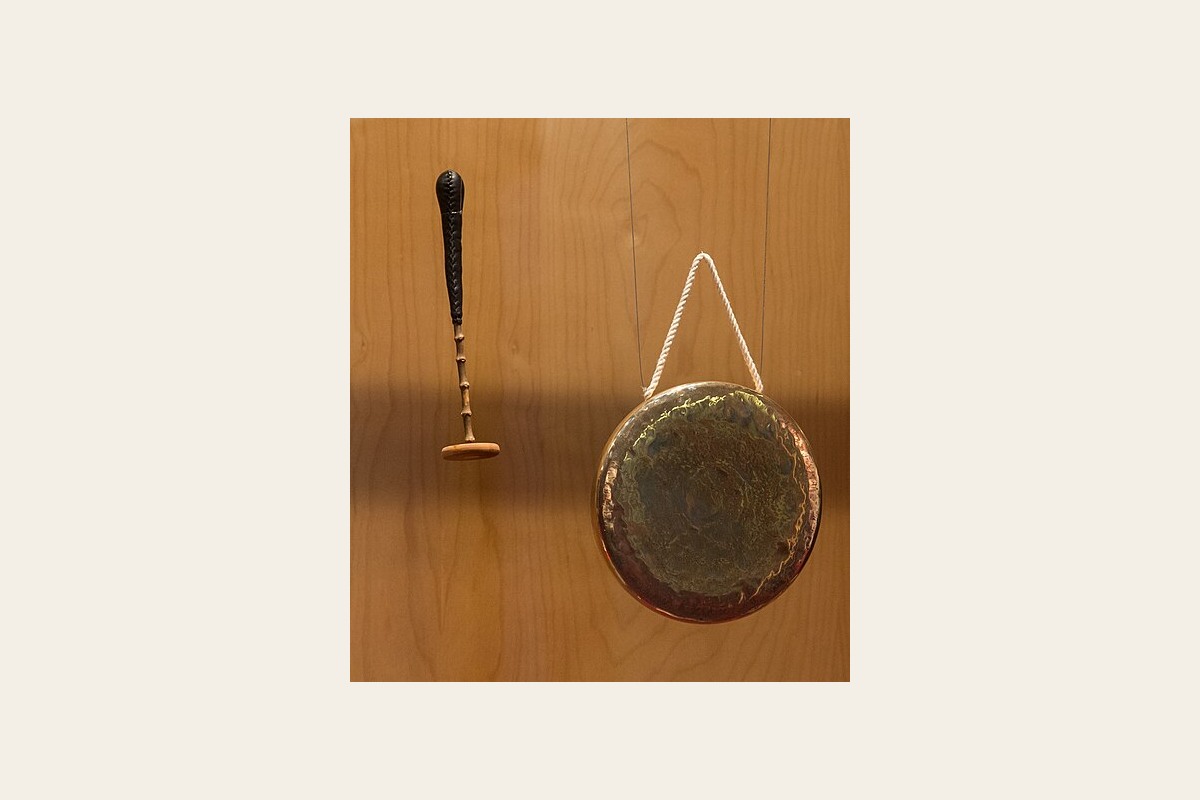
Gwaenggwari
Ggwaenggwari
Overview
This instrument is a small brass gong struck with a stick to produce a high, piercing signal sound. For beginners, it’s better to remember 'the short closing sound and the long opening sound, along with the high metallic tone cutting through the rhythm' rather than just memorizing the name.
Background and Features
In pungmul and samulnori, it leads the rhythm changes and signals the movements of the performers. The orchestration, repertoire, and techniques may vary according to the era and transmission lineage, so it’s essential not to regard one recording as the definitive answer.
Ear Identification
The key to identifying it by ear is the short closing sound and long opening sound, along with the high metallic tone cutting through the rhythm. It is smaller, higher, and carries out a denser rhythm-leading function compared to the jing. By listening to how the first melody starts and transitions into the next scene without separating the instrument name, rhythm, and singing style, the structure becomes clearer.
First Encounter
Start by listening to the gwaenggwari while following pungmul and look for differences between opening and closing sounds. Search for 'gwaenggwari' on the National Gugak Center's Gugak Archive to view short explanatory videos first, and then compare full pieces or performances from different schools and ensembles in a relaxed manner.
Helpful Information
It produces very loud sounds up close. During the experience, maintain distance and protect your ears, avoiding swinging the stick above head height. The performance program may list different performers, schools, ensembles, and sections under the same name. Be sure to check the performance duration and whether commentary is included before purchasing tickets, and afterward, look for other official recordings by the performers you liked.
Official Resources
Official Resource 1 · Official Resource 2 · Official Resource 3
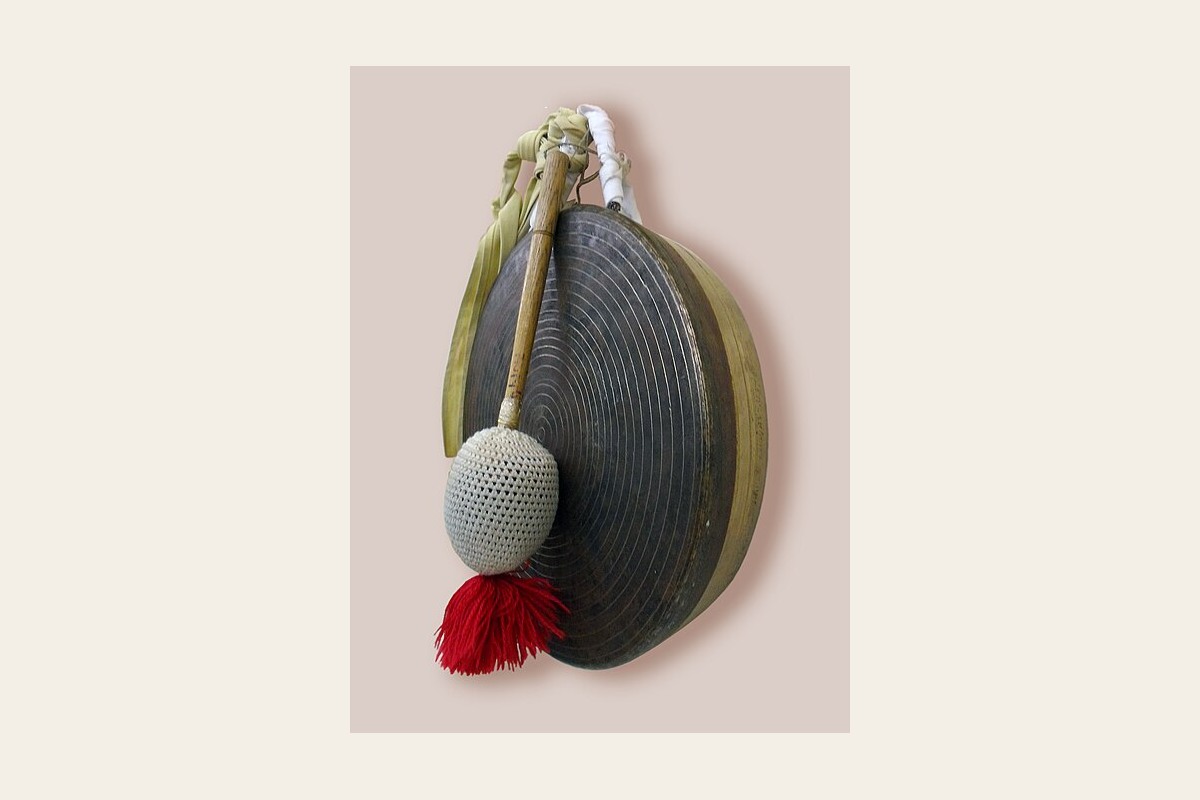
Jing
Overview
This instrument is a large brass disk struck gently to produce a low, resonating metallic sound. For beginners, it’s better to remember 'the slow fading of the low sound after a strike, along with lingering overtones' rather than just memorizing the name.
Background and Features
Used to signify major beats and indicate the flow of space in court music, Buddhist rituals, shamanic music, pungmul, and samulnori. The orchestration, repertoire, and techniques may vary according to the era and transmission lineage, so it’s important not to regard one recording as the definitive answer.
Ear Identification
The key to identifying it by ear is the slowly fading low sound and lingering overtones after a strike. It is lower and slower than the gwaenggwari but supports the rhythm with broader strokes. By listening to how the first melody starts and transitions into the next scene without separating the instrument name, rhythm, and singing style, the structure becomes clearer.
First Encounter
Start by counting the beats where the jing enters in samulnori and listen for when the resonance fades. Search for 'jing' on the National Gugak Center's Gugak Archive to view short explanatory videos first, and then compare full pieces or performances from different schools and ensembles at your own pace.
Helpful Information
The position of impact and the rebound of the stick are more important than striking hard. You can also learn how to mute the sound before it fades. The performance program may list different performers, schools, ensembles, and sections under the same name. Be sure to check the performance duration and whether commentary is included before purchasing tickets, and afterward, look for other official recordings by the performers you liked.
Official Resources
Official Resource 1 · Official Resource 2 · Official Resource 3
It’s more memorable to distinguish how sounds are initiated than to memorize the names of the instruments. Focus on the moments of sound production, such as the plucking of the gayageum, striking the geomungo with a stick, the tremulous sound of the daegeum, and the bowing of the haegeum and ajeng.
The next step is to find the timbre learned from solos in ensemble pieces like Yeongsanhoesang, Sinawi, or Korean orchestras. The roles of instruments vary based on genre and orchestration, so they should not be assumed to have the same function in every context.
When experiencing the instruments directly, do not touch the display instruments and only use the practice instruments under the guidance of an instructor. Hygiene of wind instruments, volume of percussion instruments, and the risk of damage to the strings and bows of string instruments are also important initial steps in learning Korean traditional instruments.
Before attending a performance, read the instrument arrangement in the program and check the actual positions on stage. If there are instruments that you cannot hear, it’s not a failure but a process of learning their roles in the ensemble, and hearing the same instrument in different genres can broaden your understanding of its timbre.
이 포스팅은 쿠팡 파트너스 활동의 일환으로, 이에 따른 일정액의 수수료를 제공받습니다.
댓글 0
로그인 후 댓글을 작성할 수 있습니다.
첫 댓글을 남겨보세요.
이런 리스트는 어때요?


이런 리스트도 추천해요


여기서 멈추기엔 아쉽잖아?
다음에 뭘 볼지 고민하는 시간이 제일 아까워.
주사위가 대신 골라줄게 — 무슨 리스트가 튀어나올지는 굴려봐야 알지.
안 누르면… 평생 궁금하지 않겠어? 👀