
A Museum Encountering Modern and Contemporary Korean History Outside Textbooks
A journey to read the memories of independence, opening, and democratization through actual records and places
The Modern and Contemporary History Museum is a place where you can revisit events seen in textbooks through actual documents, photos, buildings, and personal voices. Even when dealing with the same era, the national history of Seoul, the port city experiences of Busan, Incheon, Mokpo, and Gunsan, and the citizen memories of Gwangju and Jeju pose entirely different questions. This list gathers actual museums that do not just linger on hero stories but allows you to read about social changes and the lives of ordinary people together. Let's also compare how different regions convey their memories.
When viewing, examine not only what the exhibits are, but also who left them, when, and in what context they were preserved. By connecting maps, newspapers, letters, and testimonies instead of just memorizing the years of events, history becomes connected to present places. Since exhibition restructuring, explanations, and children's programs may change, check the institution's guidance before departure, and it's wise to leave time for a discussion after visiting places with heavier content.
National Museum of Korean History
Seodaemun Prison History Hall
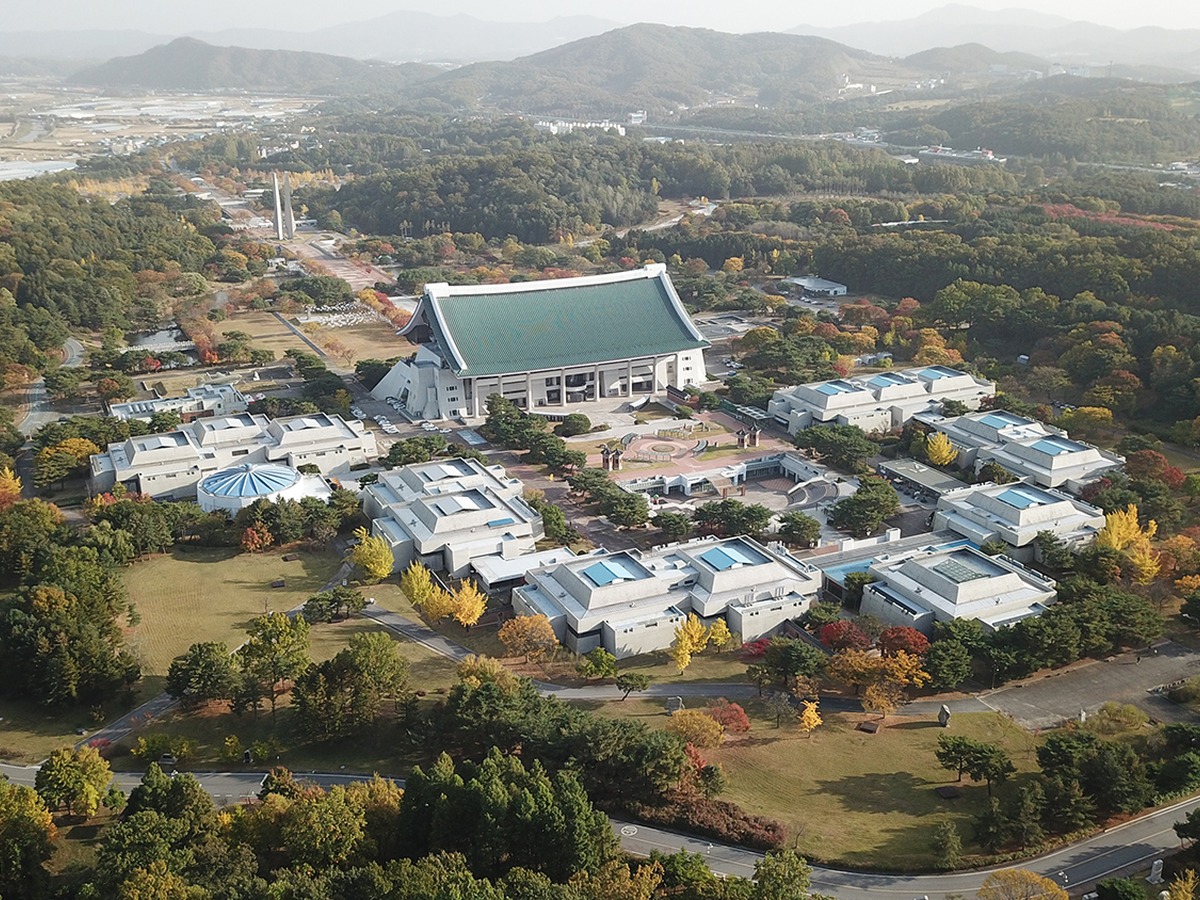
Independence Hall of Korea
Busan Modern and Contemporary History Museum
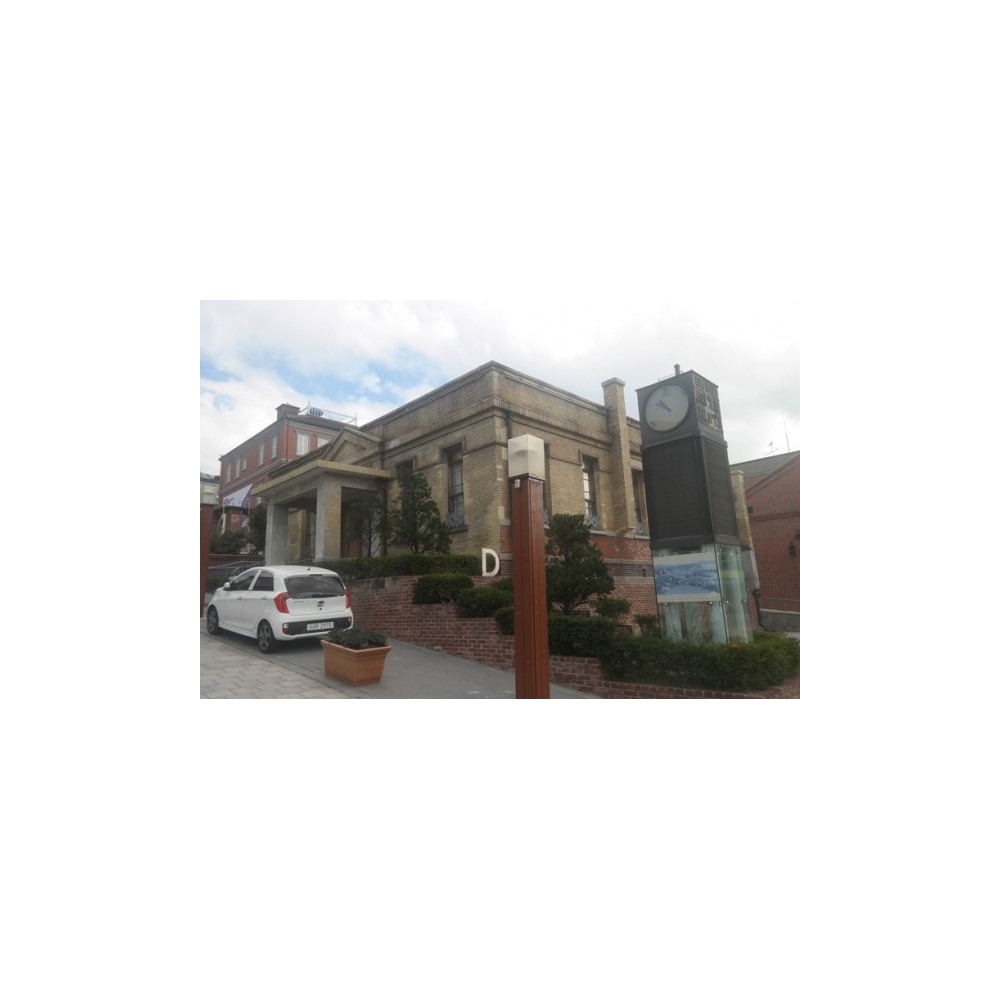
Incheon Open Port Museum
Mokpo Modern History Museum Hall 1
Gunsan Modern History Museum
National Museum of the Provisional Government of the Republic of Korea
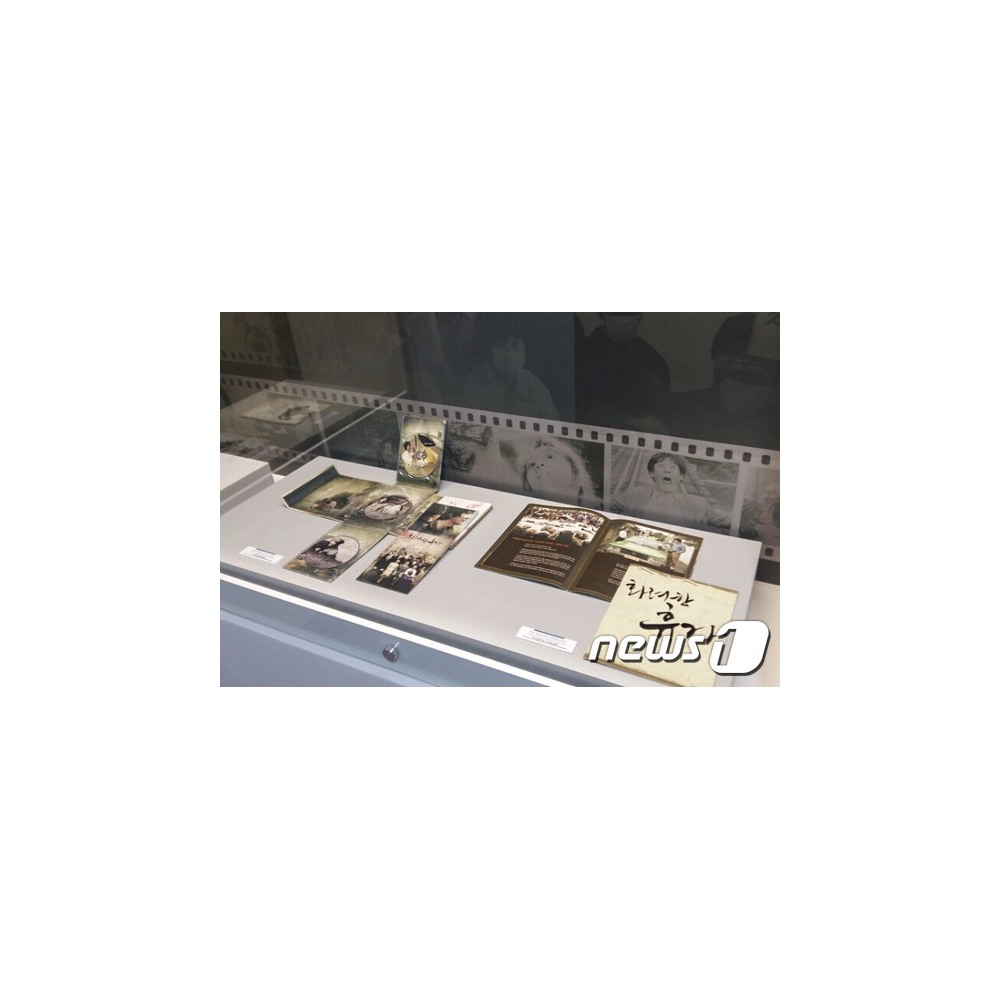
5·18 Democratic Movement Archives
Jeju 4.3 Peace Memorial Hall
Instead of rushing through multiple places in one day, it's often more memorable to slowly explore one museum with two or three questions in mind. When themes vary like independence movements, opening, wars and evacuations, democratization, and state violence, instead of competing for which exhibition is correct, let's compare how the experiences of different regions and individuals are connected. Even in sentences explaining the same event, one can find differences in the sources and expressions of the materials. Jot down any names you don’t recognize to look up later.
After your visit, try to briefly record one object that left a strong impression and the story of the person associated with it. If you are with children or teenagers, it's more important to share the meanings of freedom, human rights, and memory rather than showing them horrific scenes for a long time. Check official channels again for closure days, reservations, filming regulations, and current exhibition hall operations, and consider moving time and weather when walking to nearby historical streets.
As part of the Coupang Partners program, this post may earn a commission from qualifying purchases.
Comments 0
Log in to leave a comment.
Be the first to comment.
How about these lists?


You might also like


Not ready to stop here?
Wondering what to read next is the biggest waste of time.
Let the dice decide — you won't know what pops up until you roll.
If you don't press it… won't you wonder forever? 👀
