The Lineage of Korean Male Taekwondo Players by Weight Class
Collection Taekwondo 2026.08.05

The Lineage of Korean Male Taekwondo Players by Weight Class

From the quick exchanges in the lightweight category to the distance fighting in the heavyweight category, the flow of male players connecting international achievements.

To truly understand taekwondo tournaments, it's essential to follow the competition among male players across different weight classes and generational changes rather than just memorizing the winners' names. Even within the same weight class, effective distances and match tempos vary by era, and behind a player’s medal are numerous matchups and tactical changes. This list is designed to help readers understand the relationship between the players and tournaments while examining the results side by side. Even names you encounter for the first time become clearer when you relate them to their weight class and tournament.

The distinction between players from Jeong Guk-Hyun to Seo Geon-Woo is not about determining who is greater. Each entry carries different viewing cues, such as the lineage of weight classes, the international competitive landscape, pivotal moments in tournaments, and world championship records. Checking the medalists and matchups in the official results and adding interpretive perspectives can illuminate the relationship between opponents and match operations that may have been missed with just short video views. It's also important to keep results and interpretations separate when reading.

Especially when tracing competition and generational change among male players across weight classes, pay attention not just to a single kick but to the processes that created those moments. By examining early distance exploration, penalty management, score selection by rounds, and attack heights based on the opponent's physique, we can see that the same victory can be achieved in completely different ways. Even for players previously mentioned, this time, we will focus on the roles of weight classes and tournaments rather than their biographies. Alternating between official records and match videos can help you develop your own viewing standards. If you encounter unfamiliar abbreviations on the score sheet, first check the method of victory and the match stages, and comparing them side by side with other matches within the same weight class will make the differences even clearer.

Jeong Guk-hyun
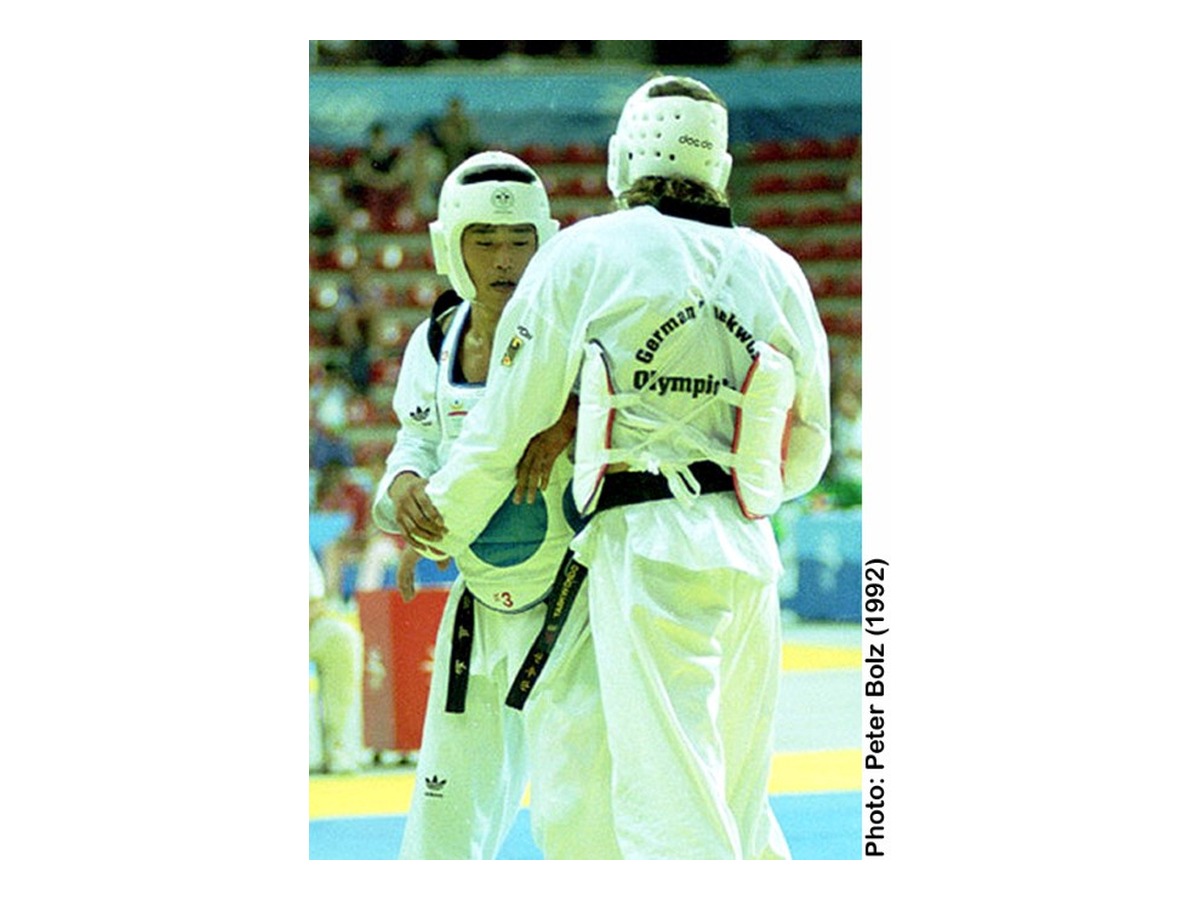
Jeong Guk-hyun

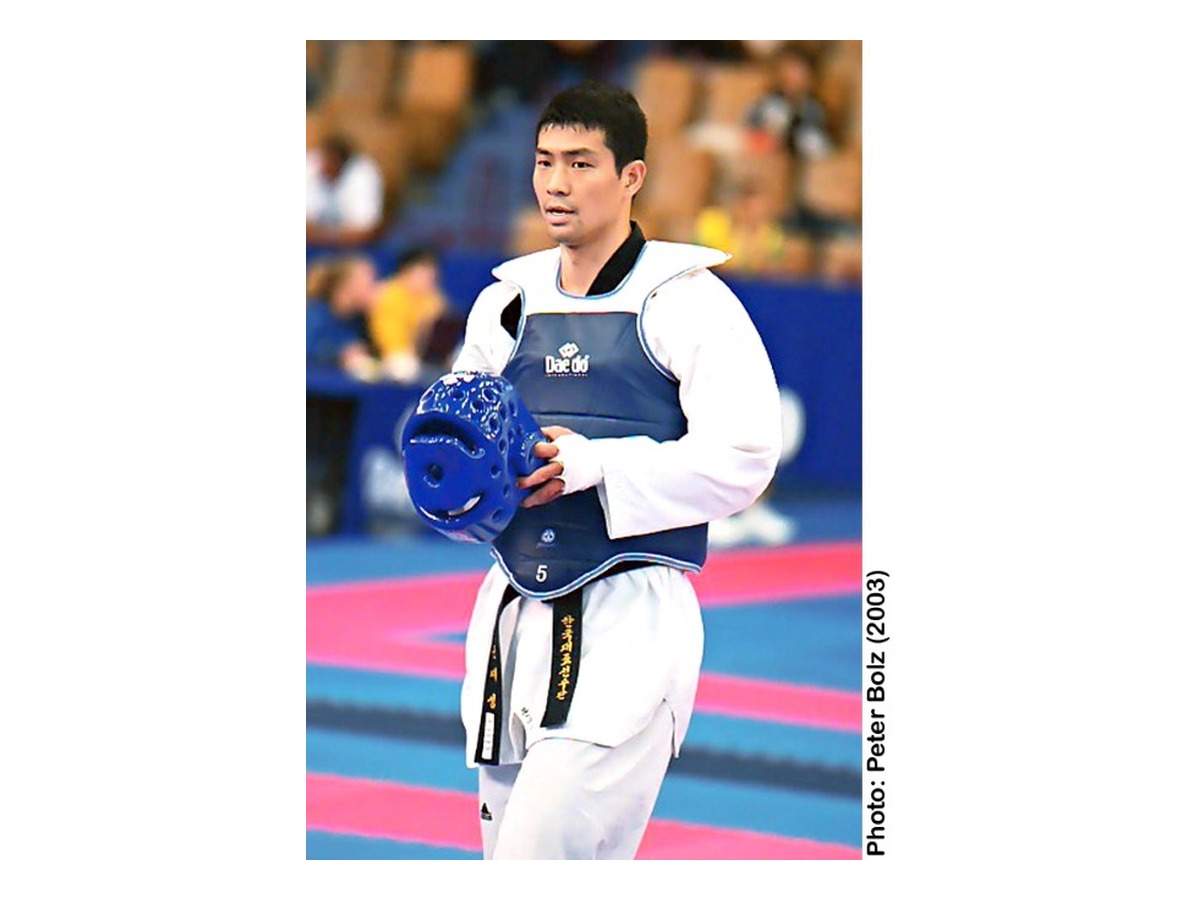
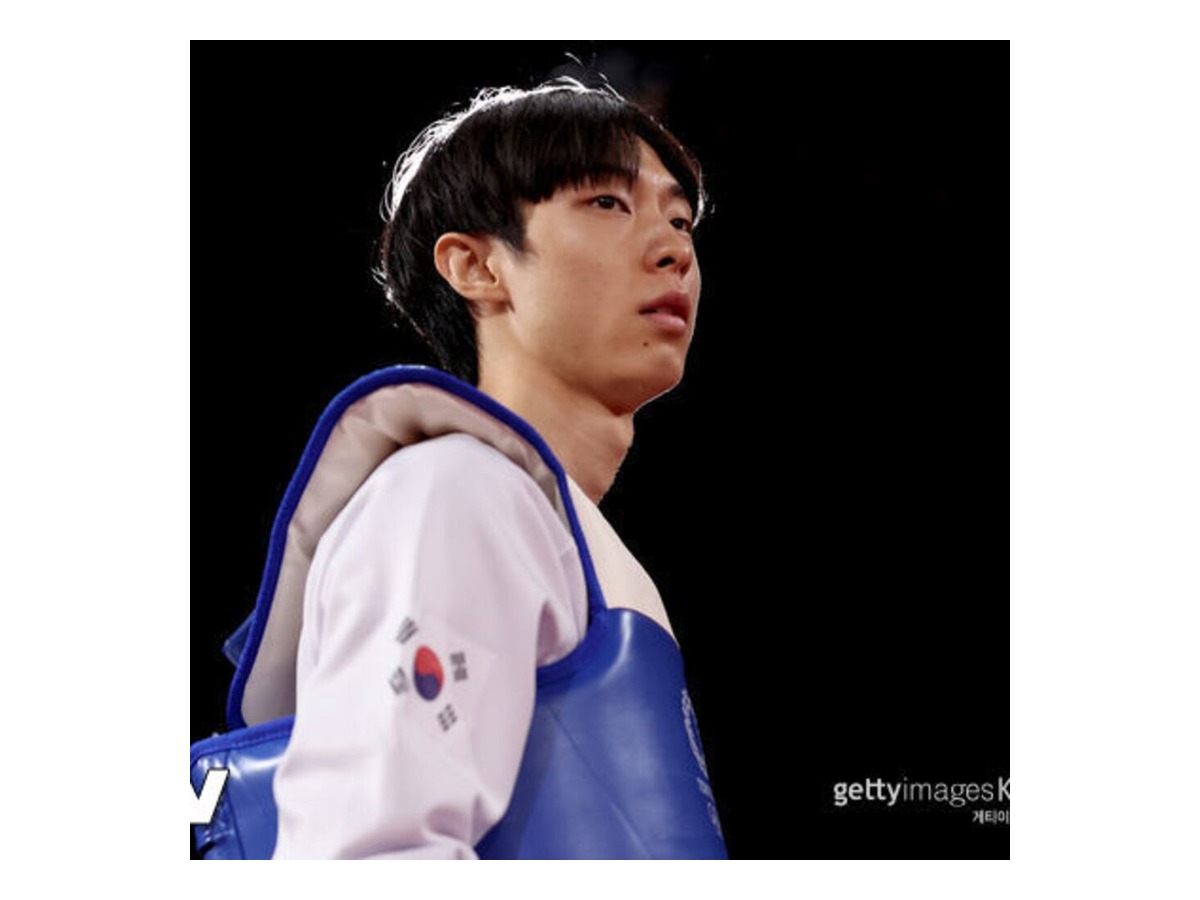
Jeong Guk-Hyun set the standard for early taekwondo with consecutive victories in the world championships in the welterweight category. This entry holds significance not just in listing medal colors but in examining how weight class, opponent composition, and tournament stages influenced the player's choices. By confirming the competing weight class, matchups, and methods of victory from the official results, one can read the match flow that may not be visible in a highlight scene. However, given the differences in scoring rules and weight class compositions by era, it's better not to simply compare the scores and outcomes of different tournaments under the same conditions. If possible, view matches starting from the round of 16 or quarterfinals, not just the finals, to see how distances and attack choices vary by opponent.
Kim Je-kyung

Kim Je-kyung

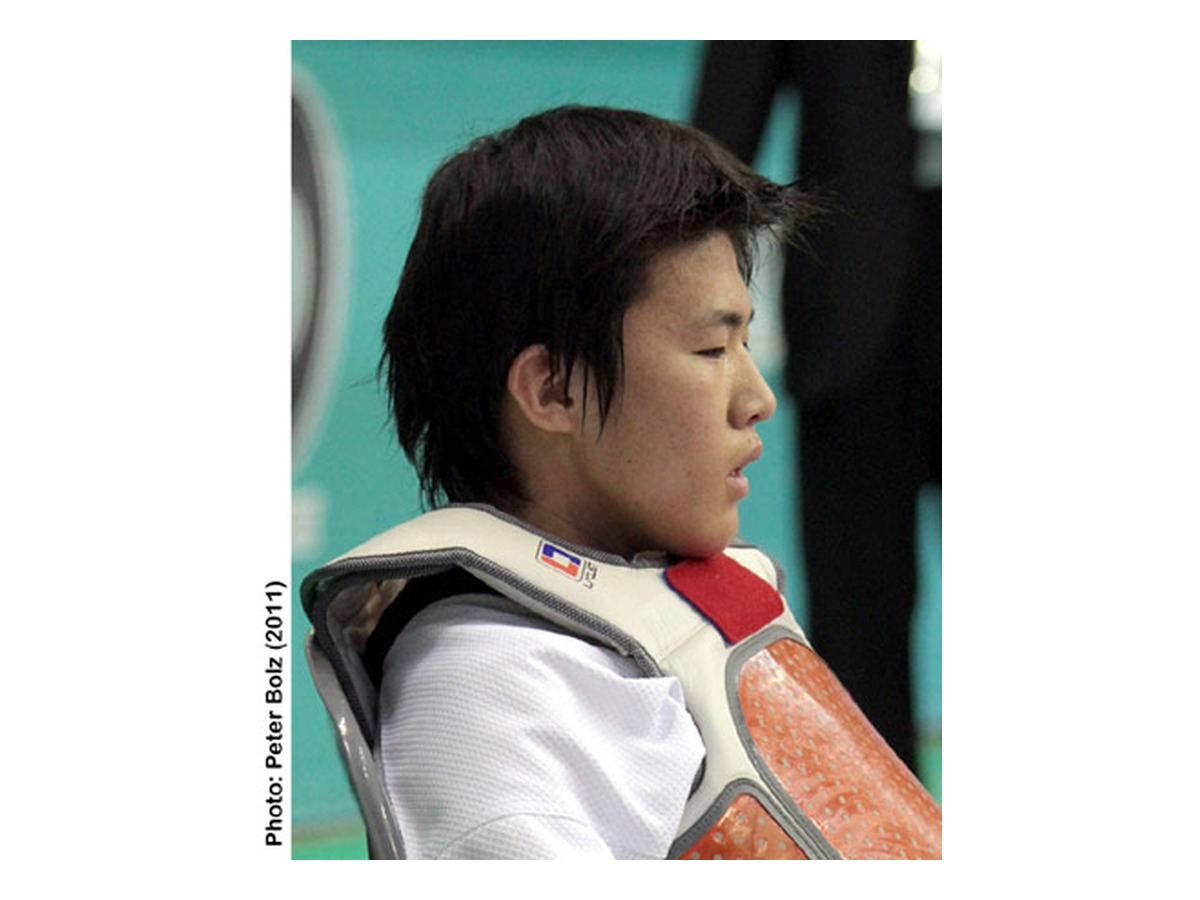
Kim Je-Kyung is the athlete who reached the top of heavyweight at the Atlanta Olympics. This entry holds significance not just in listing medal colors but in examining how weight class, opponent composition, and tournament stages influenced the player's choices. By confirming the competing weight class, matchups, and methods of victory from the official results, one can read the match flow that may not be visible in a highlight scene. However, given the differences in scoring rules and weight class compositions by era, it's better not to simply compare the scores and outcomes of different tournaments under the same conditions. If possible, view matches starting from the round of 16 or quarterfinals, not just the finals, to see how distances and attack choices vary by opponent.
Moon Dae-sung

Moon Dae-sung

Moon Dae-Sung is the gold medalist from the heavyweight category at the Athens Olympics. This entry holds significance not just in listing medal colors but in examining how weight class, opponent composition, and tournament stages influenced the player's choices. By confirming the competing weight class, matchups, and methods of victory from the official results, one can read the match flow that may not be visible in a highlight scene. However, given the differences in scoring rules and weight class compositions by era, it's better not to simply compare the scores and outcomes of different tournaments under the same conditions. If possible, view matches starting from the round of 16 or quarterfinals, not just the finals, to see how distances and attack choices vary by opponent.
Cha Dong-min

Cha Dong-min

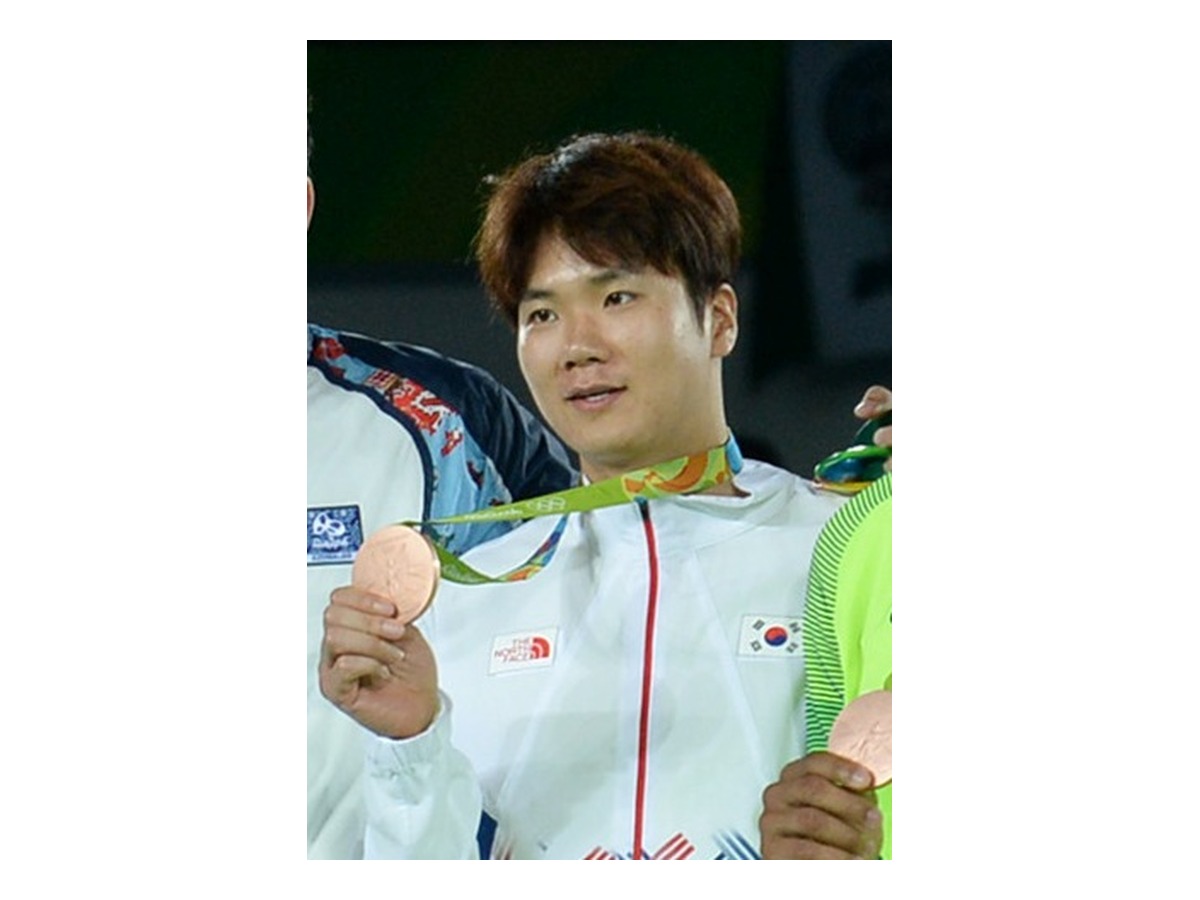
Cha Dong-Min has left behind a gold medal from Beijing and a bronze medal from Rio. This entry holds significance not just in listing medal colors but in examining how weight class, opponent composition, and tournament stages influenced the player's choices. By confirming the competing weight class, matchups, and methods of victory from the official results, one can read the match flow that may not be visible in a highlight scene. However, given the differences in scoring rules and weight class compositions by era, it's better not to simply compare the scores and outcomes of different tournaments under the same conditions. If possible, view matches starting from the round of 16 or quarterfinals, not just the finals, to see how distances and attack choices vary by opponent.
Lee Dae-hoon

Lee Dae-hoon

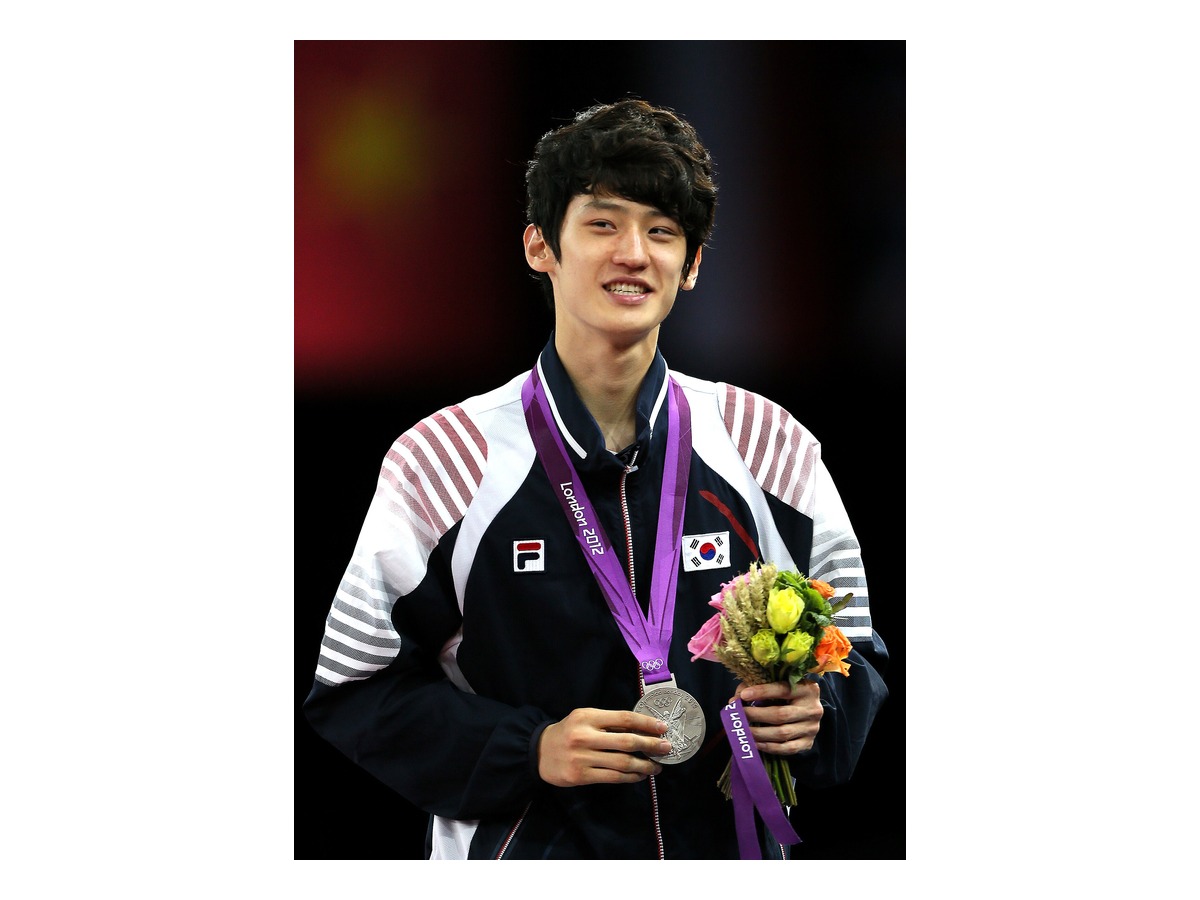
Lee Dae-Hoon has earned three Olympic medals and achieved success at world championships. This entry holds significance not just in listing medal colors but in examining how weight class, opponent composition, and tournament stages influenced the player's choices. By confirming the competing weight class, matchups, and methods of victory from the official results, one can read the match flow that may not be visible in a highlight scene. However, given the differences in scoring rules and weight class compositions by era, it's better not to simply compare the scores and outcomes of different tournaments under the same conditions. If possible, view matches starting from the round of 16 or quarterfinals, not just the finals, to see how distances and attack choices vary by opponent.
Kim Tae-hoon

Kim Tae-hoon

Kim Tae-Hoon recorded consecutive victories in the world championships at -54kg and a bronze medal in Rio. This entry holds significance not just in listing medal colors but in examining how weight class, opponent composition, and tournament stages influenced the player's choices. By confirming the competing weight class, matchups, and methods of victory from the official results, one can read the match flow that may not be visible in a highlight scene. However, given the differences in scoring rules and weight class compositions by era, it's better not to simply compare the scores and outcomes of different tournaments under the same conditions. If possible, view matches starting from the round of 16 or quarterfinals, not just the finals, to see how distances and attack choices vary by opponent.
Jang Jun

Jang Jun

Jang Joon won a bronze medal at -58kg in Tokyo. This entry holds significance not just in listing medal colors but in examining how weight class, opponent composition, and tournament stages influenced the player's choices. By confirming the competing weight class, matchups, and methods of victory from the official results, one can read the match flow that may not be visible in a highlight scene. However, given the differences in scoring rules and weight class compositions by era, it's better not to simply compare the scores and outcomes of different tournaments under the same conditions. If possible, view matches starting from the round of 16 or quarterfinals, not just the finals, to see how distances and attack choices vary by opponent.
In Gyo-don

In Gyo-don

In Gyo-Don won a bronze medal at +80kg in Tokyo. This entry holds significance not just in listing medal colors but in examining how weight class, opponent composition, and tournament stages influenced the player's choices. By confirming the competing weight class, matchups, and methods of victory from the official results, one can read the match flow that may not be visible in a highlight scene. However, given the differences in scoring rules and weight class compositions by era, it's better not to simply compare the scores and outcomes of different tournaments under the same conditions. If possible, view matches starting from the round of 16 or quarterfinals, not just the finals, to see how distances and attack choices vary by opponent.
Park Tae-jun

Park Tae-jun

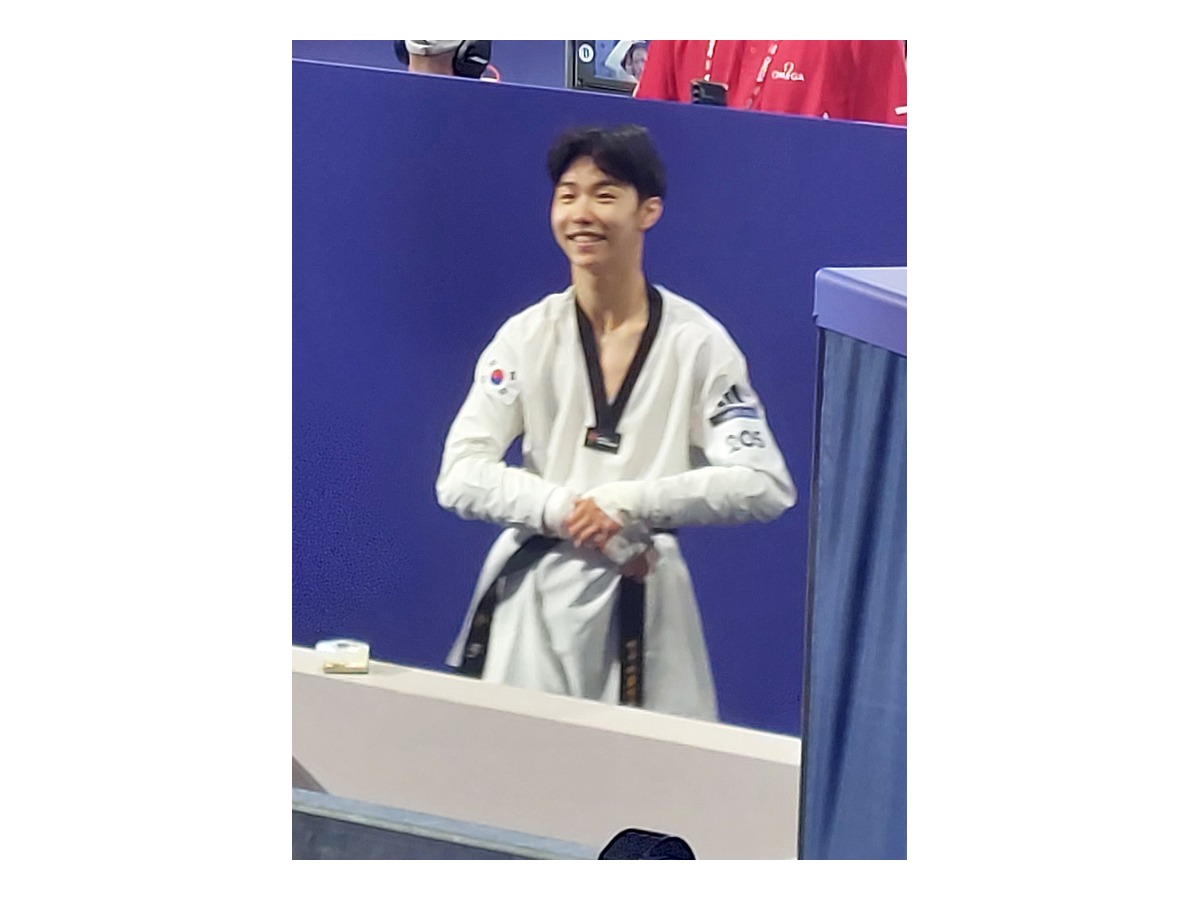
Park Tae-Jun won a gold medal at -58kg in Paris after securing victory at -54kg in Baku. This entry holds significance not just in listing medal colors but in examining how weight class, opponent composition, and tournament stages influenced the player's choices. By confirming the competing weight class, matchups, and methods of victory from the official results, one can read the match flow that may not be visible in a highlight scene. However, given the differences in scoring rules and weight class compositions by era, it's better not to simply compare the scores and outcomes of different tournaments under the same conditions. If possible, view matches starting from the round of 16 or quarterfinals, not just the finals, to see how distances and attack choices vary by opponent.
Seo Geon-woo

Seo Geon-woo

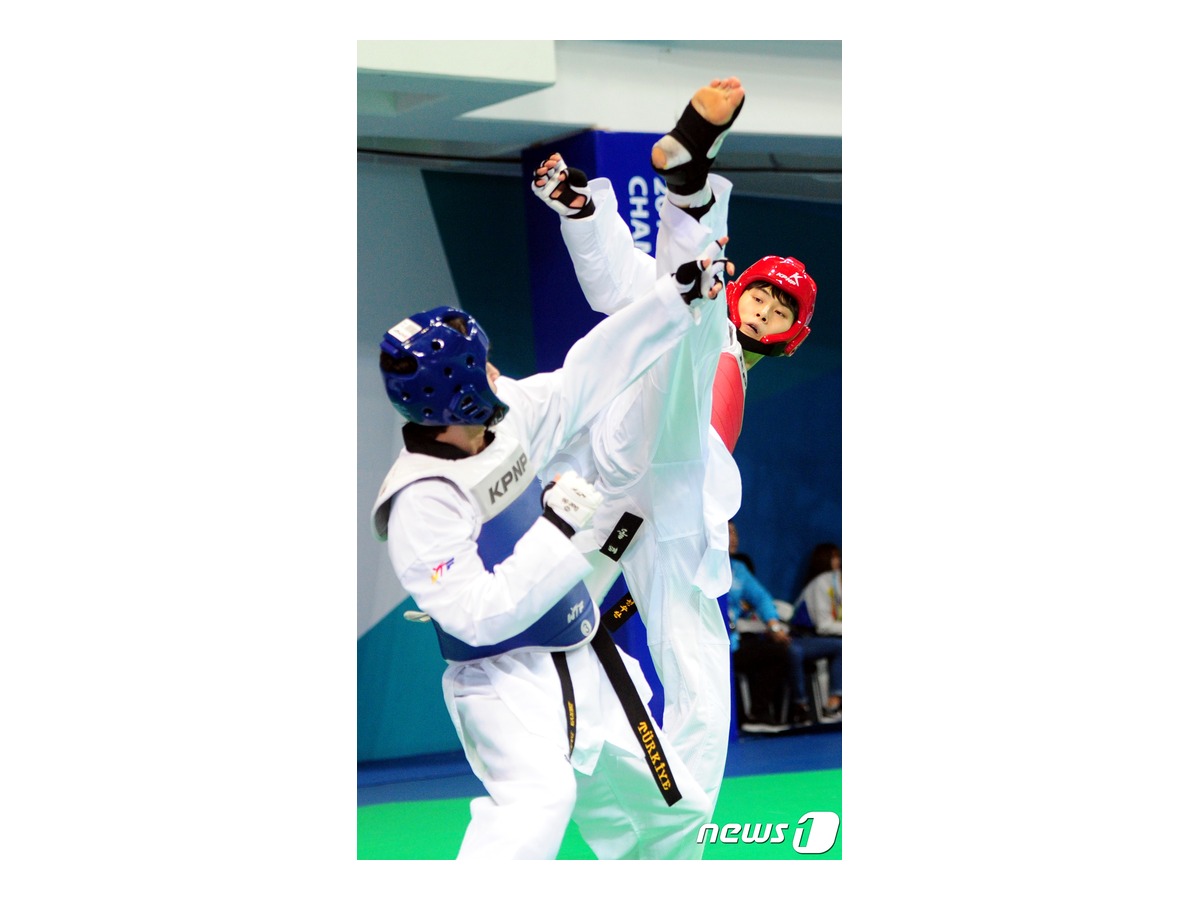
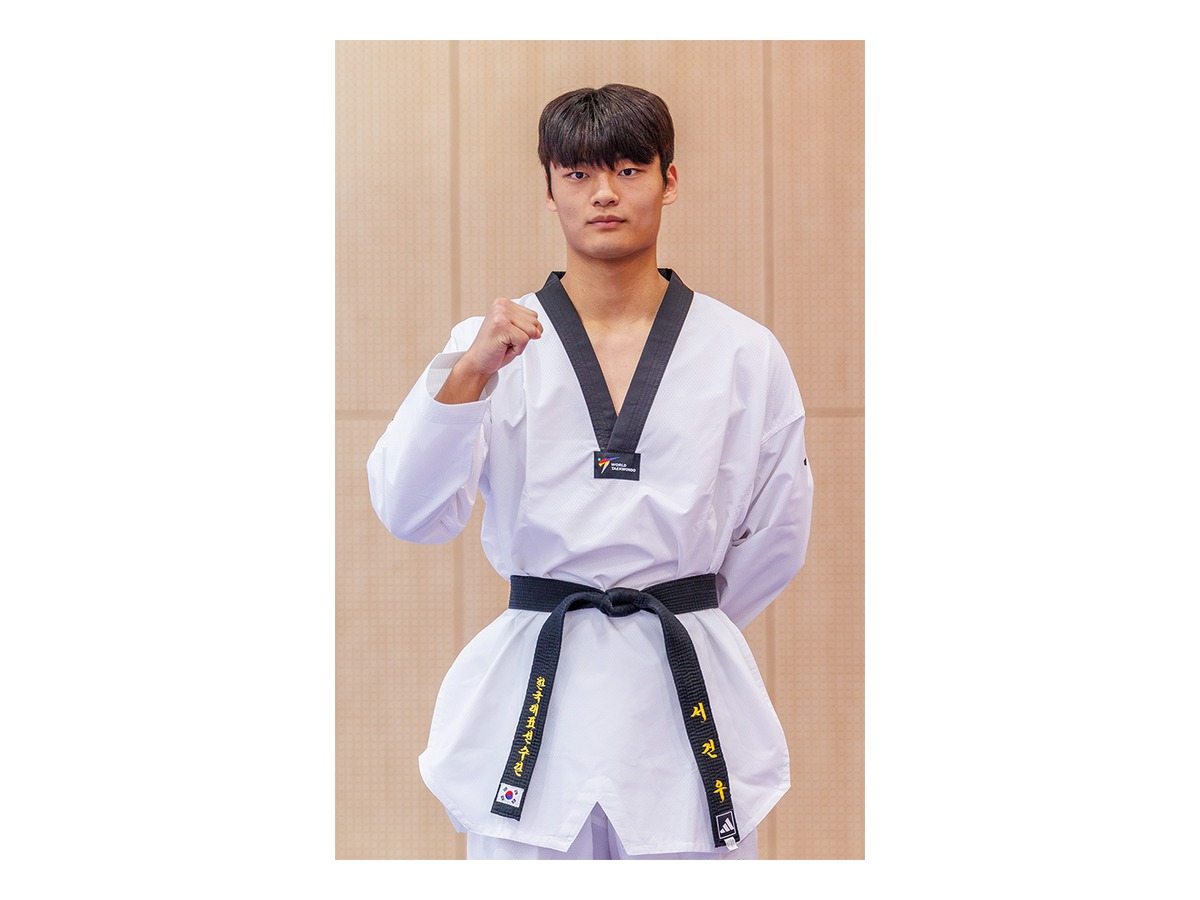
Seo Geon-Woo became the first Korean male to compete at -80kg in Paris. This entry holds significance not just in listing medal colors but in examining how weight class, opponent composition, and tournament stages influenced the player's choices. By confirming the competing weight class, matchups, and methods of victory from the official results, one can read the match flow that may not be visible in a highlight scene. However, given the differences in scoring rules and weight class compositions by era, it's better not to simply compare the scores and outcomes of different tournaments under the same conditions. If possible, view matches starting from the round of 16 or quarterfinals, not just the finals, to see how distances and attack choices vary by opponent.

As we follow the competition and generational changes among male players, it becomes apparent that international taekwondo cannot be explained by a single country or style. The flow that began with Jeong Guk-Hyun continues through to Seo Geon-Woo, during which new countries and generations have risen to prominence, and existing strong athletes have adapted their match strategies to changes in weight classes and rules. If you trace back to earlier rounds of the same tournament for areas of interest, obstacles and choices that are not evident from a single final match will reveal themselves.

When utilizing records, it is useful to develop a habit of checking the tournament name, weight class, match stage, and method of victory in order. The Olympic weight classes and the specific divisions in world championships have different compositions, and matches in periods where scoring systems changed from round victories also have different meanings associated with numbers. Results by disqualification, judgment, or penalties should also be distinguished from simple score victories. Always verify specific records against the connected official results page first.

Ultimately, enjoying Korean male players goes beyond merely consuming famous moments; it involves questioning why those results occurred. By looking at the opposing player's main weapon and weight class characteristics, accumulated fatigue from the tournament, and choices based on score differences together, the matches become much richer. Choose one player or tournament from this list and follow the overall matchups. The evolving landscape of taekwondo techniques and the global narrative will come together as a single story. If you encounter unfamiliar abbreviations in the records, first check the method of victory and match stages and comparing them side by side with other matches within the same weight class will make the differences even clearer.

댓글 0

로그인 후 댓글을 작성할 수 있습니다.

첫 댓글을 남겨보세요.

이런 리스트는 어때요?

이런 리스트도 추천해요

🎲

여기서 멈추기엔 아쉽잖아?

다음에 뭘 볼지 고민하는 시간이 제일 아까워.
주사위가 대신 골라줄게 — 무슨 리스트가 튀어나올지는 굴려봐야 알지.
안 누르면… 평생 궁금하지 않겠어? 👀

All menu
Login required
Log in
Categories
Language
Display mode

Drum roll… picking a list!

모하지
Use Mohazi as an app
Open it from your home screen and browse faster.
On iPhone, tap the Share button at the bottom of Safari, then choose “Add to Home Screen” to use it like an app.