Collection
Themed Travel
2026.10.07
A Trip Rereading Harbor Warehouses and Modern-Era Streets
Eight places where the traces of port openings, customs houses, and grain shipping become cultural spaces
The modern-era architecture of port cities shows the routes along which goods and capital moved before it shows any view of the sea. Customs warehouses, banks, trading companies, shipyards, and passenger terminals are symbols of the opening of the ports and of industrial growth, while also carrying the history of colonial exploitation and labor. Today they are used as art museums, exhibition halls, and bases for village tours, but if you look only at the new uses, it is easy to miss the background that produced these buildings and the imbalances of the city.
This list selects eight places you can actually visit in Incheon, Gunsan, Mokpo, Busan, Tongyeong, and Pohang. Instead of the broad districts of earlier lists, it breaks individual buildings and spaces out as items and distinguishes their past function from their present use. Where port security zones and residents' workplaces are close by, use only the public routes, and set aside time to read the signage so that the painful history of modern heritage is not consumed merely as a glamorous photo backdrop.
This list selects eight places you can actually visit in Incheon, Gunsan, Mokpo, Busan, Tongyeong, and Pohang. Instead of the broad districts of earlier lists, it breaks individual buildings and spaces out as items and distinguishes their past function from their present use. Where port security zones and residents' workplaces are close by, use only the public routes, and set aside time to read the signage so that the painful history of modern heritage is not consumed merely as a glamorous photo backdrop.
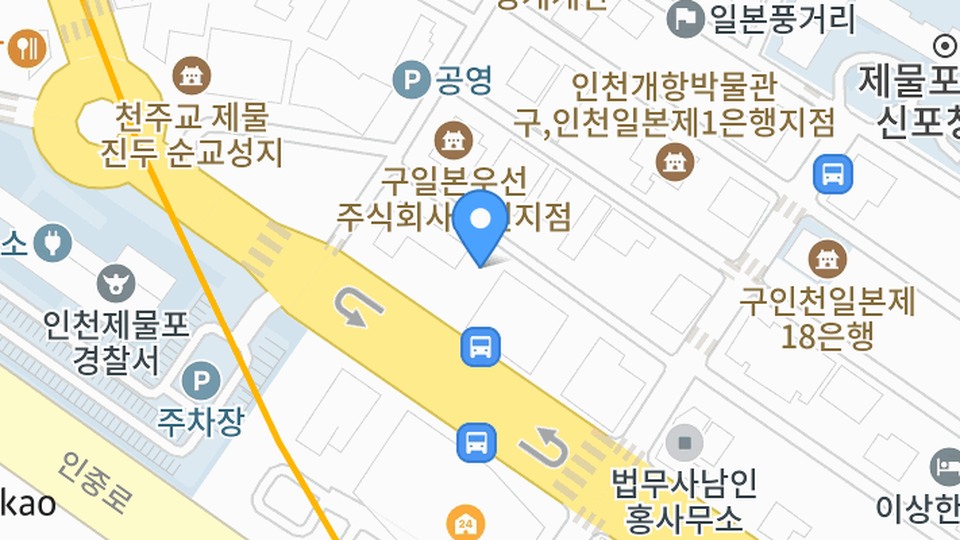
Incheon Art Platform
Incheon Art Platform began its life as a cluster of warehouses and trading-company buildings from the open-port era, and today it serves as a space for exhibitions, performances, and support for artists' creative work. Rather than erecting an entirely new building, the remaining structure was connected and adapted to serve as a space for exhibitions, performances, and support for artists' creative work, passing the memory of the place on to its next users. The first thing to look at on site is the connection between the red-brick warehouse cluster and the streets of the open-port district. Instead of quickly photographing the exterior, compare step by step how the traces of the open-port-era warehouses and trading-company buildings carried over into the space for exhibitions, performances, and support for artists' creative work, and the changes unique to this place reveal themselves naturally.
When preparing an actual visit, the first thing to take care of is to check the opening hours of each exhibition hall and any event-related restrictions. If access conditions around 3 Jemullyang-ro 218beon-gil, Jemulpo-gu, Incheon change, the publicly open extent of the space for exhibitions, performances, and support for artists' creative work may be affected, so beyond the business listing on the map noting that you should check each exhibition hall's opening hours and event-related restrictions, it is safer to confirm again with the latest notices. At Incheon Art Platform, distinguish the public viewing areas from the living spaces of residents and tenants, and when recording the connection between the red-brick warehouse cluster and the streets of the open-port district, avoid obstructing passage or work so that your trip respects the place's present use.
When preparing an actual visit, the first thing to take care of is to check the opening hours of each exhibition hall and any event-related restrictions. If access conditions around 3 Jemullyang-ro 218beon-gil, Jemulpo-gu, Incheon change, the publicly open extent of the space for exhibitions, performances, and support for artists' creative work may be affected, so beyond the business listing on the map noting that you should check each exhibition hall's opening hours and event-related restrictions, it is safer to confirm again with the latest notices. At Incheon Art Platform, distinguish the public viewing areas from the living spaces of residents and tenants, and when recording the connection between the red-brick warehouse cluster and the streets of the open-port district, avoid obstructing passage or work so that your trip respects the place's present use.
도로명주소 인천 제물포구 제물량로218번길 3
지번주소 인천 제물포구 해안동1가 1-5
과거 용도 개항기 창고와 상사 건물군
현재 쓰임 전시·공연·예술가 창작 지원 공간
현장 관찰점 붉은 벽돌 창고군과 개항장 거리의 연결
방문 전 확인 전시관별 개방시간과 행사 통제를 확인한다
공개 전화번호 검색 결과 미표시
공식 관광정보 https://korean.visitkorea.or.kr/search/search_list.do?keyword=%EC%9D%B8%EC%B2%9C%EC%95%84%ED%8A%B8%ED%94%8C%EB%9E%AB%ED%8F%BC
이미지 출처 http://staticmap.kakao.com/staticmap/og?type=place&srs=wgs84&size=400x200&service=placeweb&m=126.61977248447468%2C37.47289748637645
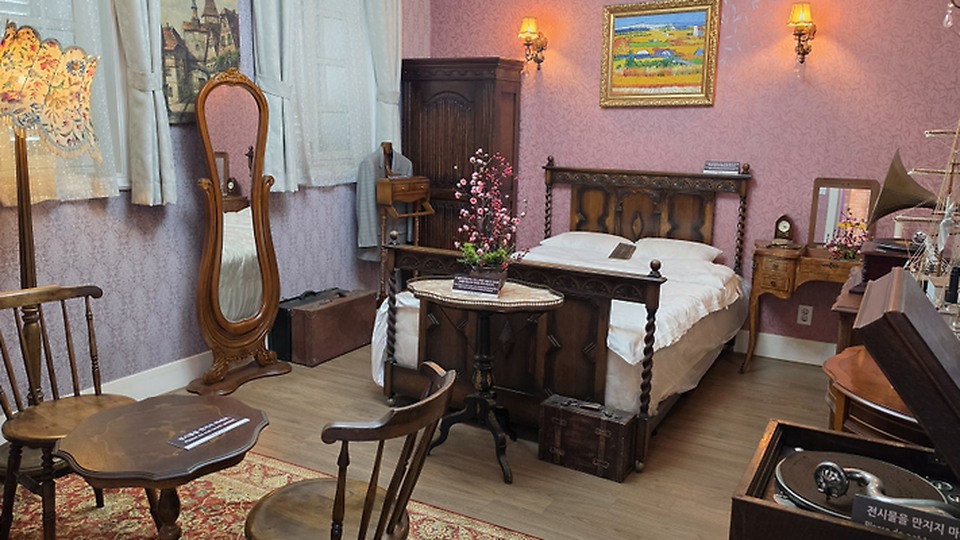
Daebul Hotel Exhibition Hall
Daibul Hotel Exhibition Hall
Daibul Hotel Exhibition Hall began its life as the site of Korea's first Western-style hotel, and today it serves as an exhibition hall on lodging and everyday life in the open-port district. Rather than erecting an entirely new building, the remaining structure was connected and adapted to serve as an exhibition hall on lodging and everyday life in the open-port district, passing the memory of the place on to its next users. The first thing to look at on site is the spatial composition where the hotel site and the Jung-gu everyday history exhibition overlap. Instead of quickly photographing the exterior, compare step by step how the traces of the site of Korea's first Western-style hotel carried over into the exhibition hall on lodging and everyday life in the open-port district, and the changes unique to this place reveal themselves naturally.
When preparing an actual visit, the first thing to take care of is to check the timed viewing sessions and closing days. If access conditions around 101 Sinpo-ro 23beon-gil, Jemulpo-gu, Incheon change, the publicly open extent of the exhibition hall on lodging and everyday life in the open-port district may be affected, so beyond the business listing on the map noting that you should check the timed viewing sessions and closing days, it is safer to confirm again with the latest notices. At Daibul Hotel Exhibition Hall, distinguish the public viewing areas from the living spaces of residents and tenants, and when recording the spatial composition where the hotel site and the Jung-gu everyday history exhibition overlap, avoid obstructing passage or work so that your trip respects the place's present use.
When preparing an actual visit, the first thing to take care of is to check the timed viewing sessions and closing days. If access conditions around 101 Sinpo-ro 23beon-gil, Jemulpo-gu, Incheon change, the publicly open extent of the exhibition hall on lodging and everyday life in the open-port district may be affected, so beyond the business listing on the map noting that you should check the timed viewing sessions and closing days, it is safer to confirm again with the latest notices. At Daibul Hotel Exhibition Hall, distinguish the public viewing areas from the living spaces of residents and tenants, and when recording the spatial composition where the hotel site and the Jung-gu everyday history exhibition overlap, avoid obstructing passage or work so that your trip respects the place's present use.
도로명주소 인천 제물포구 신포로23번길 101
지번주소 인천 제물포구 중앙동1가 18
과거 용도 한국 최초 서양식 호텔 터
현재 쓰임 개항장 숙박·생활사 전시관
현장 관찰점 호텔 터와 중구생활사 전시가 겹치는 공간 구성
방문 전 확인 회차별 관람과 휴관일을 확인한다
공개 전화번호 032-766-2202
공식 관광정보 https://korean.visitkorea.or.kr/search/search_list.do?keyword=%EB%8C%80%EB%B6%88%ED%98%B8%ED%85%94%EC%A0%84%EC%8B%9C%EA%B4%80
이미지 출처 https://img1.kakaocdn.net/cthumb/local/C800x400.q50/?fname=http%3A%2F%2Ft1.kakaocdn.net%2Flocal%2FkakaomapPhoto%2Freview%2Fdaca23ec163a03754c1b0fdfc1cbecda92e8c997%3Foriginal
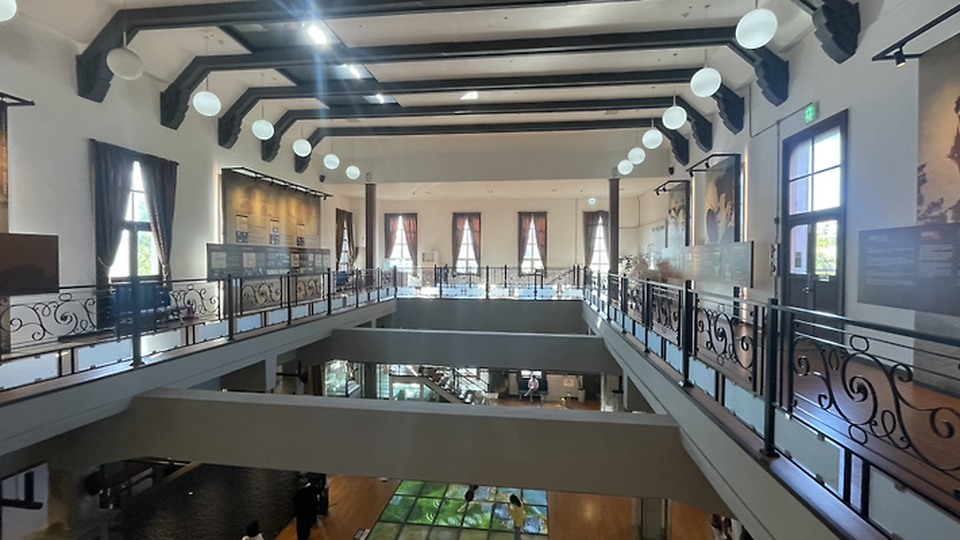
Gunsan Modern Architecture Museum
Gunsan Modern Architecture Museum began its life as the former Gunsan branch of the Bank of Chosen, and today it serves as an exhibition hall on modern architecture and urban history. Rather than erecting an entirely new building, the remaining structure was connected and adapted to serve as an exhibition hall on modern architecture and urban history, passing the memory of the place on to its next users. The first thing to look at on site is the traces of colonial-era finance that remain in the banking hall and vault structure. Instead of quickly photographing the exterior, compare step by step how the traces of the former Gunsan branch of the Bank of Chosen carried over into the exhibition hall on modern architecture and urban history, and the changes unique to this place reveal themselves naturally.
When preparing an actual visit, the first thing to take care of is to check the combined museum ticket and the last admission time. If access conditions around 214 Haemang-ro, Gunsan-si, Jeonbuk State change, the publicly open extent of the exhibition hall on modern architecture and urban history may be affected, so beyond the business listing on the map noting that you should check the combined museum ticket and the last admission time, it is safer to confirm again with the latest notices. At Gunsan Modern Architecture Museum, distinguish the public viewing areas from the living spaces of residents and tenants, and when recording the traces of colonial-era finance that remain in the banking hall and vault structure, avoid obstructing passage or work so that your trip respects the place's present use.
When preparing an actual visit, the first thing to take care of is to check the combined museum ticket and the last admission time. If access conditions around 214 Haemang-ro, Gunsan-si, Jeonbuk State change, the publicly open extent of the exhibition hall on modern architecture and urban history may be affected, so beyond the business listing on the map noting that you should check the combined museum ticket and the last admission time, it is safer to confirm again with the latest notices. At Gunsan Modern Architecture Museum, distinguish the public viewing areas from the living spaces of residents and tenants, and when recording the traces of colonial-era finance that remain in the banking hall and vault structure, avoid obstructing passage or work so that your trip respects the place's present use.
도로명주소 전북특별자치도 군산시 해망로 214
지번주소 전북특별자치도 군산시 장미동 23-1
과거 용도 옛 조선은행 군산지점
현재 쓰임 근대 건축·도시사 전시관
현장 관찰점 은행 홀과 금고 구조에 남은 식민지 금융의 흔적
방문 전 확인 박물관 통합권과 마지막 입장을 확인한다
공개 전화번호 검색 결과 미표시
공식 관광정보 https://korean.visitkorea.or.kr/search/search_list.do?keyword=%EA%B5%B0%EC%82%B0%EA%B7%BC%EB%8C%80%EA%B1%B4%EC%B6%95%EA%B4%80
이미지 출처 https://img1.kakaocdn.net/cthumb/local/C800x400.q50/?fname=http%3A%2F%2Ft1.kakaocdn.net%2Flocal%2FkakaomapPhoto%2Freview%2F5034f7b4db43c6111d964f9a61f32fade6429c71%3Foriginal
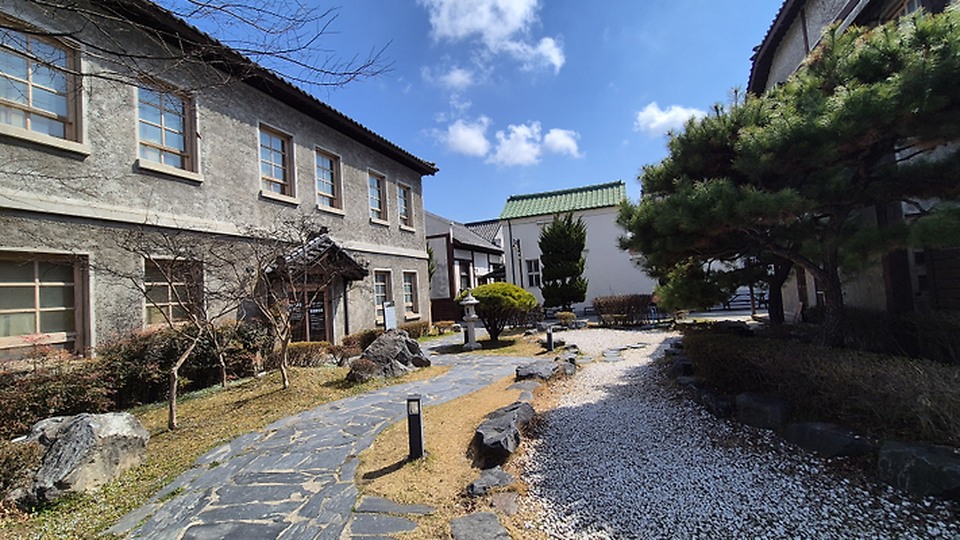
Jangmi Gallery
Jangmi Gallery began its life as a rice warehouse from the Japanese colonial period, and today it serves as a gallery for local art exhibitions. Rather than erecting an entirely new building, the remaining structure was connected and adapted to serve as a gallery for local art exhibitions, passing the memory of the place on to its next users. The first thing to look at on site is the combination of the small scale of an inner-harbor warehouse with art exhibitions. Instead of quickly photographing the exterior, compare step by step how the traces of the colonial-period rice warehouse carried over into the gallery for local art exhibitions, and the changes unique to this place reveal themselves naturally.
When preparing an actual visit, the first thing to take care of is to check whether a special exhibition is running and whether nearby facilities are closed. If access conditions around 232 Haemang-ro, Gunsan-si, Jeonbuk State change, the publicly open extent of the gallery for local art exhibitions may be affected, so beyond the business listing on the map noting that you should check whether a special exhibition is running and whether nearby facilities are closed, it is safer to confirm again with the latest notices. At Jangmi Gallery, distinguish the public viewing areas from the living spaces of residents and tenants, and when recording the combination of the small scale of an inner-harbor warehouse with art exhibitions, avoid obstructing passage or work so that your trip respects the place's present use.
When preparing an actual visit, the first thing to take care of is to check whether a special exhibition is running and whether nearby facilities are closed. If access conditions around 232 Haemang-ro, Gunsan-si, Jeonbuk State change, the publicly open extent of the gallery for local art exhibitions may be affected, so beyond the business listing on the map noting that you should check whether a special exhibition is running and whether nearby facilities are closed, it is safer to confirm again with the latest notices. At Jangmi Gallery, distinguish the public viewing areas from the living spaces of residents and tenants, and when recording the combination of the small scale of an inner-harbor warehouse with art exhibitions, avoid obstructing passage or work so that your trip respects the place's present use.
도로명주소 전북특별자치도 군산시 해망로 232
지번주소 전북특별자치도 군산시 장미동 18-2
과거 용도 일제강점기 미곡 창고
현재 쓰임 지역 미술 전시 갤러리
현장 관찰점 내항 창고의 작은 규모와 예술 전시의 결합
방문 전 확인 기획전 운영 여부와 인근 시설 휴관을 확인한다
공개 전화번호 063-445-9813
공식 관광정보 https://korean.visitkorea.or.kr/search/search_list.do?keyword=%EC%9E%A5%EB%AF%B8%EA%B0%A4%EB%9F%AC%EB%A6%AC
이미지 출처 https://img1.kakaocdn.net/cthumb/local/C800x400.q50/?fname=http%3A%2F%2Ft1.kakaocdn.net%2Flocal%2FkakaomapPhoto%2Freview%2Fa47fbcaac7614f5d264437654a349668ff3f6ade%3Foriginal
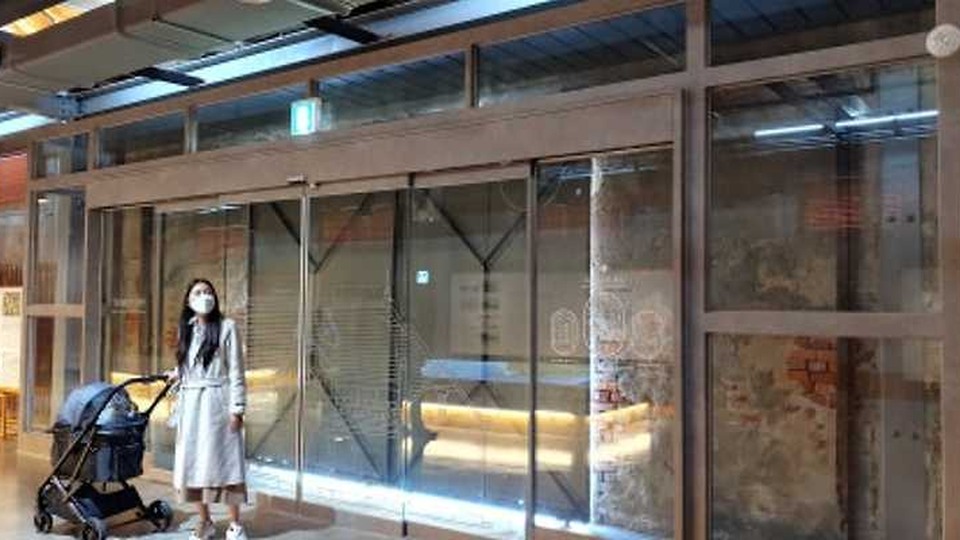
Mokpo Gastronomy Culture Gallery Customs House 1897
Mokpo Gastronomy Culture Gallery Haegwan 1897
Mokpo Gastronomy Culture Gallery Haegwan 1897 began its life as a former warehouse of the Mokpo Customs House, and today it serves as a space for food culture exhibitions and events. Rather than erecting an entirely new building, the remaining structure was connected and adapted to serve as a space for food culture exhibitions and events, passing the memory of the place on to its next users. The first thing to look at on site is the composition where the customs warehouse meets the harbor's food culture. Instead of quickly photographing the exterior, compare step by step how the traces of the former Mokpo Customs House warehouse carried over into the space for food culture exhibitions and events, and the changes unique to this place reveal themselves naturally.
When preparing an actual visit, the first thing to take care of is to check the events and venue rentals and the hours when the permanent exhibition can be viewed. If access conditions around 179 Haean-ro, Mokpo-si, Jeonnam-Gwangju Integrated Special City change, the publicly open extent of the space for food culture exhibitions and events may be affected, so beyond the business listing on the map noting that you should check the events and venue rentals and the permanent exhibition viewing hours, it is safer to confirm again with the latest notices. At Mokpo Gastronomy Culture Gallery Haegwan 1897, distinguish the public viewing areas from the living spaces of residents and tenants, and when recording the composition where the customs warehouse meets the harbor's food culture, avoid obstructing passage or work so that your trip respects the place's present use.
When preparing an actual visit, the first thing to take care of is to check the events and venue rentals and the hours when the permanent exhibition can be viewed. If access conditions around 179 Haean-ro, Mokpo-si, Jeonnam-Gwangju Integrated Special City change, the publicly open extent of the space for food culture exhibitions and events may be affected, so beyond the business listing on the map noting that you should check the events and venue rentals and the permanent exhibition viewing hours, it is safer to confirm again with the latest notices. At Mokpo Gastronomy Culture Gallery Haegwan 1897, distinguish the public viewing areas from the living spaces of residents and tenants, and when recording the composition where the customs warehouse meets the harbor's food culture, avoid obstructing passage or work so that your trip respects the place's present use.
도로명주소 전남광주통합특별시 목포시 해안로 179
지번주소 전남광주통합특별시 목포시 항동 6-33
과거 용도 목포세관의 옛 창고
현재 쓰임 미식문화 전시·행사 공간
현장 관찰점 세관 창고와 항구 음식 문화가 만나는 구성
방문 전 확인 행사·대관과 상설 관람 가능 시간을 확인한다
공개 전화번호 061-247-1897
공식 관광정보 https://korean.visitkorea.or.kr/search/search_list.do?keyword=%EB%AA%A9%ED%8F%AC%EB%AF%B8%EC%8B%9D%EB%AC%B8%ED%99%94%EA%B0%A4%EB%9F%AC%EB%A6%AC%20%ED%95%B4%EA%B4%801897
이미지 출처 https://img1.kakaocdn.net/cthumb/local/C800x400.q50/?fname=https%3A%2F%2Fpostfiles.pstatic.net%2FMjAyNjA1MjNfMTMg%2FMDAxNzc5NTA4NTQxMTA4.fmB5qkqWxiSSl9_SA5zBmBh8LwwURfVRR-SapwK-qzMg.sqEzmaLnpzIMlGuaJW6flUNz2u9tDxLooU0n2eHC_Fsg.JPEG%2F20221022_151248_HDR.jpg%3Ftype%3Dw466
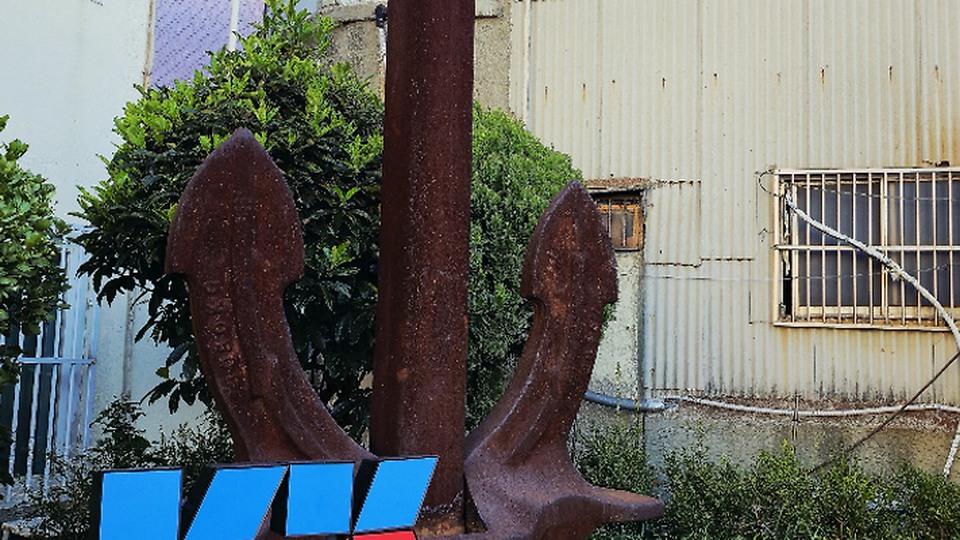
Kkangkkangi Art Village
Kkangkkangi Art Village began its life as Daepyeong-dong on Yeongdo, where ship repair yards were densely clustered, and today it serves as a space for village tours, public art, and everyday history. Rather than erecting an entirely new building, the remaining structure was connected and adapted to serve as a space for village tours, public art, and everyday history, passing the memory of the place on to its next users. The first thing to look at on site is the working landscape that remains in the sounds of ship repair and the shipyard alleys. Instead of quickly photographing the exterior, compare step by step how the traces of Daepyeong-dong on Yeongdo with its dense cluster of ship repair yards carried over into the space for village tours, public art, and everyday history, and the changes unique to this place reveal themselves naturally.
When preparing an actual visit, the first thing to take care of is to observe the no-entry rules for the workshops and check the operation of the village tour. If access conditions around Daepyeong-dong 2-ga, Yeongdo-gu, Busan change, the publicly open extent of the space for village tours, public art, and everyday history may be affected, so beyond the business listing on the map noting that you should observe the workshop no-entry rules and check the village tour operation, it is safer to confirm again with the latest notices. At Kkangkkangi Art Village, distinguish the public viewing areas from the living spaces of residents and tenants, and when recording the working landscape that remains in the sounds of ship repair and the shipyard alleys, avoid obstructing passage or work so that your trip respects the place's present use.
When preparing an actual visit, the first thing to take care of is to observe the no-entry rules for the workshops and check the operation of the village tour. If access conditions around Daepyeong-dong 2-ga, Yeongdo-gu, Busan change, the publicly open extent of the space for village tours, public art, and everyday history may be affected, so beyond the business listing on the map noting that you should observe the workshop no-entry rules and check the village tour operation, it is safer to confirm again with the latest notices. At Kkangkkangi Art Village, distinguish the public viewing areas from the living spaces of residents and tenants, and when recording the working landscape that remains in the sounds of ship repair and the shipyard alleys, avoid obstructing passage or work so that your trip respects the place's present use.
도로명주소 부산 영도구 대평동2가
지번주소 부산 영도구 대평동2가
과거 용도 수리조선소가 밀집한 영도 대평동
현재 쓰임 마을투어·공공예술·생활사 공간
현장 관찰점 선박 수리 소리와 조선소 골목에 남은 노동 경관
방문 전 확인 작업장 출입 금지와 마을투어 운영을 확인한다
공개 전화번호 051-418-3336
공식 관광정보 https://korean.visitkorea.or.kr/search/search_list.do?keyword=%EA%B9%A1%EA%B9%A1%EC%9D%B4%EC%98%88%EC%88%A0%EB%A7%88%EC%9D%84
이미지 출처 https://img1.kakaocdn.net/cthumb/local/C800x400.q50/?fname=http%3A%2F%2Ft1.kakaocdn.net%2Flocal%2FkakaomapPhoto%2Freview%2F49623bad4bc716c7ddd0b81731a06b55e6c8f854%3Foriginal
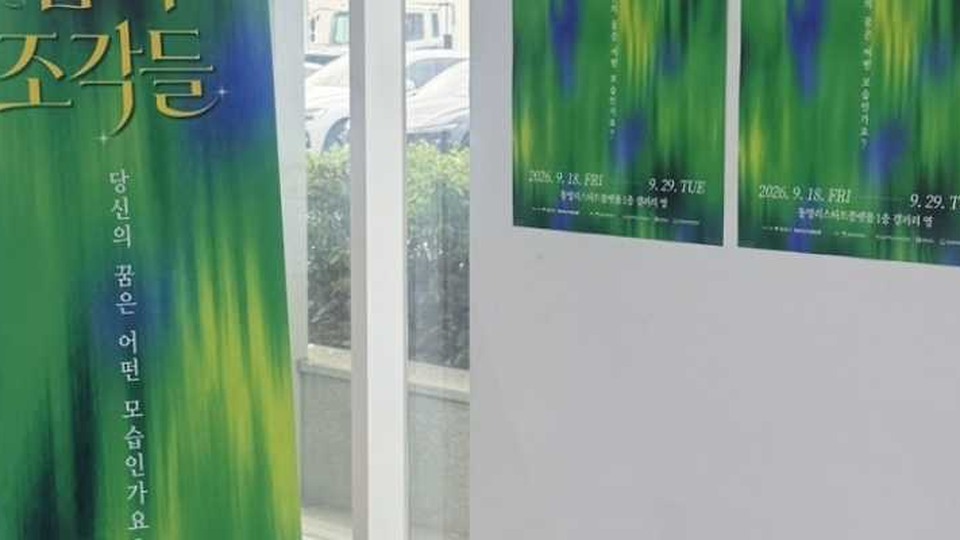
Tongyeong Restart Platform
Tongyeong Restart Platform began its life as the former main building of the Shinah Shipyard, and today it serves as a hub for startup, cultural, and tourism programs. Rather than erecting an entirely new building, the remaining structure was connected and adapted to serve as a hub for startup, cultural, and tourism programs, passing the memory of the place on to its next users. The first thing to look at on site is the connection between the shipyard building and the seascape of Bongpyeong-dong. Instead of quickly photographing the exterior, compare step by step how the traces of the former Shinah Shipyard main building carried over into the hub for startup, cultural, and tourism programs, and the changes unique to this place reveal themselves naturally.
When preparing an actual visit, the first thing to take care of is to distinguish the tenant spaces from the public exhibition areas. If access conditions around 195 Donam-ro, Tongyeong-si, Gyeongsangnam-do change, the publicly open extent of the hub for startup, cultural, and tourism programs may be affected, so beyond the business listing on the map noting that you should distinguish the tenant spaces from the public exhibition areas, it is safer to confirm again with the latest notices. At Tongyeong Restart Platform, distinguish the public viewing areas from the living spaces of residents and tenants, and when recording the connection between the shipyard building and the seascape of Bongpyeong-dong, avoid obstructing passage or work so that your trip respects the place's present use.
When preparing an actual visit, the first thing to take care of is to distinguish the tenant spaces from the public exhibition areas. If access conditions around 195 Donam-ro, Tongyeong-si, Gyeongsangnam-do change, the publicly open extent of the hub for startup, cultural, and tourism programs may be affected, so beyond the business listing on the map noting that you should distinguish the tenant spaces from the public exhibition areas, it is safer to confirm again with the latest notices. At Tongyeong Restart Platform, distinguish the public viewing areas from the living spaces of residents and tenants, and when recording the connection between the shipyard building and the seascape of Bongpyeong-dong, avoid obstructing passage or work so that your trip respects the place's present use.
도로명주소 경남 통영시 도남로 195
지번주소 경남 통영시 도남동 227-38
과거 용도 옛 신아조선소 본관
현재 쓰임 창업·문화·관광 프로그램 거점
현장 관찰점 조선소 건물과 봉평동 바다 경관의 연결
방문 전 확인 입주 공간과 공개 전시 구역을 구분한다
공개 전화번호 055-643-9322
공식 관광정보 https://korean.visitkorea.or.kr/search/search_list.do?keyword=%ED%86%B5%EC%98%81%EB%A6%AC%EC%8A%A4%ED%83%80%ED%8A%B8%ED%94%8C%EB%9E%AB%ED%8F%BC
이미지 출처 https://img1.kakaocdn.net/cthumb/local/C800x400.q50/?fname=https%3A%2F%2Fpostfiles.pstatic.net%2FMjAyNjA5MjJfMTEx%2FMDAxNzkwMDU0MDU5MTAw.7PG8McBZip5L8ioiy0pVy1yf51hCJCE0kWguXDfFBw0g.RkaaWcEoVnaVnrHEJr3G-W1ttuMcQdhdlJLn2iJXx7wg.JPEG%2FIMG%25EF%25BC%25BF9503.jpg%3Ftype%3Dw773
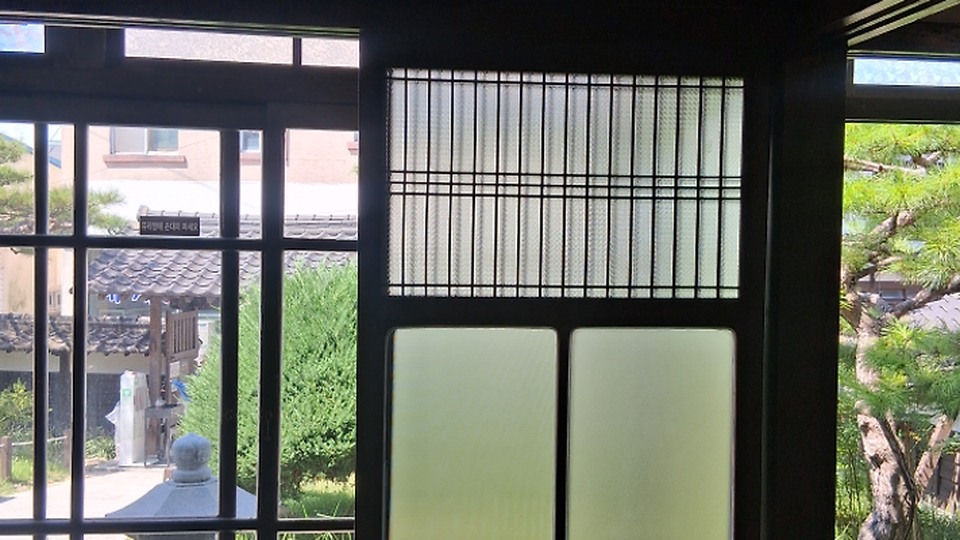
Guryongpo Modern History Museum
Guryongpo Modern History Museum began its life as an old house on the Japanese-style house street, and today it serves as an exhibition hall on modern everyday life. Rather than erecting an entirely new building, the remaining structure was connected and adapted to serve as an exhibition hall on modern everyday life, passing the memory of the place on to its next users. The first thing to look at on site is the structure of the houses on the harbor hill and the process by which the street was formed. Instead of quickly photographing the exterior, compare step by step how the traces of the old house on the Japanese-style house street carried over into the exhibition hall on modern everyday life, and the changes unique to this place reveal themselves naturally.
When preparing an actual visit, the first thing to take care of is to check the viewing hours for the house interior and the etiquette for residents' alleys. If access conditions around 153-1 Guryongpo-gil, Guryongpo-eup, Nam-gu, Pohang-si, Gyeongsangbuk-do change, the publicly open extent of the exhibition hall on modern everyday life may be affected, so beyond the business listing on the map noting that you should check the house interior viewing hours and the etiquette for residents' alleys, it is safer to confirm again with the latest notices. At Guryongpo Modern History Museum, distinguish the public viewing areas from the living spaces of residents and tenants, and when recording the structure of the houses on the harbor hill and the process by which the street was formed, avoid obstructing passage or work so that your trip respects the place's present use.
When preparing an actual visit, the first thing to take care of is to check the viewing hours for the house interior and the etiquette for residents' alleys. If access conditions around 153-1 Guryongpo-gil, Guryongpo-eup, Nam-gu, Pohang-si, Gyeongsangbuk-do change, the publicly open extent of the exhibition hall on modern everyday life may be affected, so beyond the business listing on the map noting that you should check the house interior viewing hours and the etiquette for residents' alleys, it is safer to confirm again with the latest notices. At Guryongpo Modern History Museum, distinguish the public viewing areas from the living spaces of residents and tenants, and when recording the structure of the houses on the harbor hill and the process by which the street was formed, avoid obstructing passage or work so that your trip respects the place's present use.
도로명주소 경북 포항시 남구 구룡포읍 구룡포길 153-1
지번주소 경북 포항시 남구 구룡포읍 구룡포리 243
과거 용도 일본인 가옥거리의 옛 주택
현재 쓰임 근대 생활사 전시관
현장 관찰점 항구 언덕의 가옥 구조와 거리 형성 과정
방문 전 확인 가옥 내부 관람시간과 주민 골목 예절을 확인한다
공개 전화번호 054-276-9605
공식 관광정보 https://korean.visitkorea.or.kr/search/search_list.do?keyword=%EA%B5%AC%EB%A3%A1%ED%8F%AC%EA%B7%BC%EB%8C%80%EC%97%AD%EC%82%AC%EA%B4%80
이미지 출처 https://img1.kakaocdn.net/cthumb/local/C800x400.q50/?fname=http%3A%2F%2Ft1.kakaocdn.net%2Flocal%2FkakaomapPhoto%2Freview%2F826150aec61c3bf30f698b78663f07eb6c5cb7c1%3Foriginal
Comparing harbor regeneration spaces shows that each city focuses its memory differently. Incheon links the warehouses and trading-company architecture of the open-port district into an arts platform, while Gunsan and Mokpo interpret the traces of customs, banking, and grain shipping through museums and exhibition halls. Busan's Kkangkkangi Art Village and Tongyeong's Restart Platform carry the memory of shipbuilding and passenger travel onward through programs for residents and creators.
When walking to several places in one city, factor in the hills, the harbor roads, and the operating hours together. Museums stop admitting visitors early, village alleys are residents' living spaces, and work vehicles may pass around shipyards and piers. If there is a paid guided tour or village tour, you can hear stories of labor and industry that are easy to miss when looking only at building exteriors. Rather than photographs, jotting down a line each on a place's original role and its current operator makes the context of urban regeneration that much clearer.
When walking to several places in one city, factor in the hills, the harbor roads, and the operating hours together. Museums stop admitting visitors early, village alleys are residents' living spaces, and work vehicles may pass around shipyards and piers. If there is a paid guided tour or village tour, you can hear stories of labor and industry that are easy to miss when looking only at building exteriors. Rather than photographs, jotting down a line each on a place's original role and its current operator makes the context of urban regeneration that much clearer.
At a glance
8 items
Incheon Art Platform
개항기 창고와 상사 건물군검색 결과 미표시
Daebul Hotel Exhibition Hall
인천 제물포구 중앙동1가 18한국 최초 서양식 호텔 터개항장 숙박·생활사 전시관
Gunsan Modern Architecture Museum
옛 조선은행 군산지점근대 건축·도시사 전시관검색 결과 미표시
Jangmi Gallery
일제강점기 미곡 창고지역 미술 전시 갤러리063-445-9813
Mokpo Gastronomy Culture Gallery Customs House 1897
목포세관의 옛 창고미식문화 전시·행사 공간061-247-1897
Kkangkkangi Art Village
부산 영도구 대평동2가부산 영도구 대평동2가마을투어·공공예술·생활사 공간
Tongyeong Restart Platform
경남 통영시 도남로 195옛 신아조선소 본관창업·문화·관광 프로그램 거점
Guryongpo Modern History Museum
일본인 가옥거리의 옛 주택근대 생활사 전시관054-276-9605
Locations at a glance
8 places
As part of the Coupang Partners program, this post may earn a commission from qualifying purchases.
Comments 0
Log in to leave a comment.
Be the first to comment.
How about these lists?


You might also like


🎲
Not ready to stop here?
Wondering what to read next is the biggest waste of time.
Let the dice decide — you won't know what pops up until you roll.
If you don't press it… won't you wonder forever? 👀