Collection
Science
2026.08.23
Understanding Glaciers and Polar Regions in Korea
Connecting Climate, Geology, and Polar Ecosystems in Real Museums and Science Centers
While you can't see massive glaciers directly in Korea, science centers and museums offer a gradual learning experience about how ice connects climate, ecosystems, and geological eras. The National Meteorological Museum presents observation and climate data, the National Ecology Institute's Polar Exhibition Center showcases life forms in icy environments, and the Museum of Natural History allows for consideration of the Ice Ages and the distribution of life within the broader context of Earth's history.
This list doesn't forcibly compile one-time experiences that use 'glacier' in their names but rather selects public science and cultural spaces based on permanent exhibitions. Not every location exclusively exhibits glaciers, so I've distinguished the learning topics you can genuinely connect with at each item. Since special programs and curated exhibitions may change, it's advisable to check the official website for current exhibit information, reservations, and closure announcements before visiting.
This list doesn't forcibly compile one-time experiences that use 'glacier' in their names but rather selects public science and cultural spaces based on permanent exhibitions. Not every location exclusively exhibits glaciers, so I've distinguished the learning topics you can genuinely connect with at each item. Since special programs and curated exhibitions may change, it's advisable to check the official website for current exhibit information, reservations, and closure announcements before visiting.
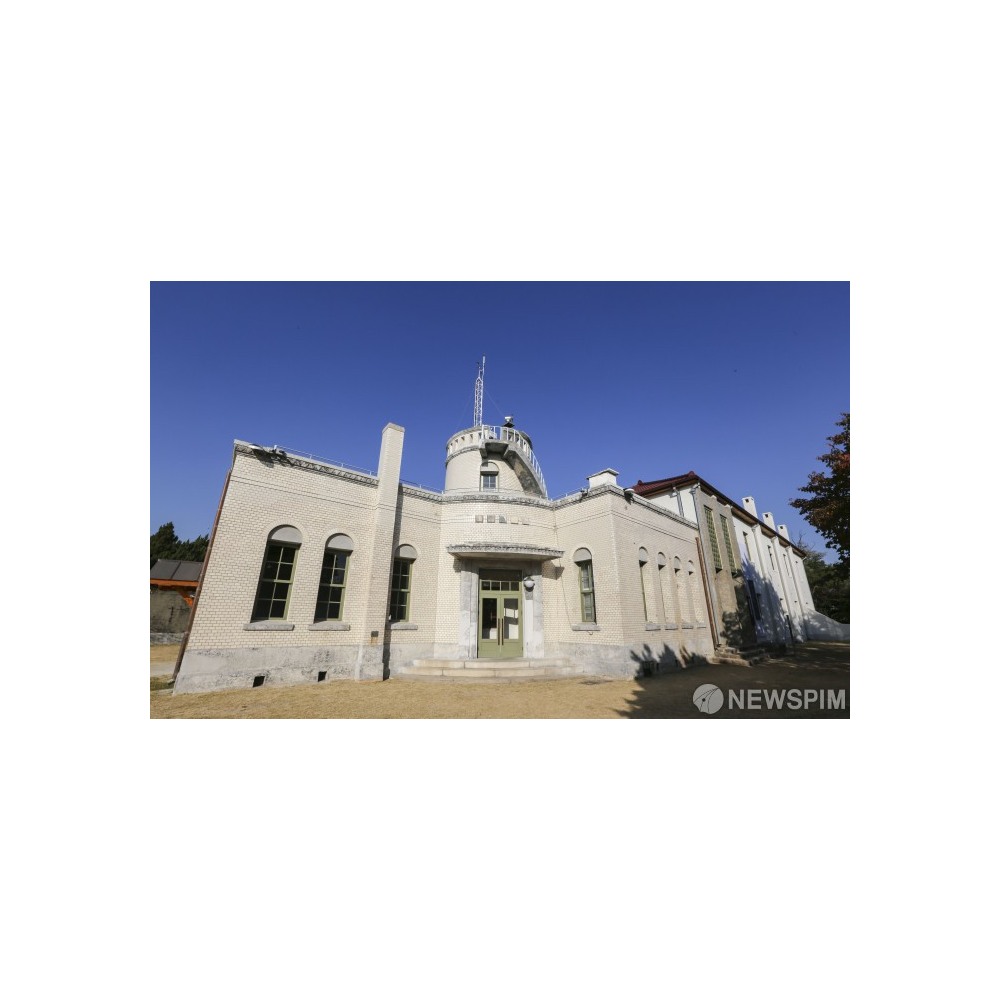
National Meteorological Museum
This museum explores the history of weather observation along with weather and climate. While it doesn’t exclusively showcase glaciers, you can learn the basics of reading climate data and connect with research on polar meteorological observations and life at Antarctic bases during educational sessions. This item will be examined from the perspective of 'real museums and science centers connecting climate, geology, and polar ecosystems.' The order is not based on superiority or popularity but is arranged to facilitate understanding of terrain, methods of observation, and story flow. By reviewing the official guides and videos in full and comparing with preceding and following items, you can connect much more concretely the landscapes shaped by glaciers, current changes, and how humans document them.
주소 서울 종로구 송월길 52
관람 방식 공식 안내 확인 후 방문
지역 서울 종로구
유산 유형 근대 기상관측 유산
관찰 포인트 측후소 건축과 자기기록계·측우기 자료가 연결되는 전시
방문 팁 예약제 여부와 야외 관측장비 공개 시간을 확인한다
National Ecology Institute Ecorium Polar Hall
National Ecology Institute Eco-Rium Polar Exhibition Center
This permanent exhibition space replicates the ecological changes moving from temperate regions to polar areas and showcases specimens from the Arctic and Antarctic. It’s a great place to understand how icy climates change organisms' bodies and behaviors, considering ice not just as terrain but as a foundation of the ecosystem. This item will be examined from the perspective of 'real museums and science centers connecting climate, geology, and polar ecosystems.' The order is not based on superiority or popularity but is arranged to facilitate understanding of terrain, methods of observation, and story flow. By reviewing the official guides and videos in full and comparing with preceding and following items, you can connect much more concretely the landscapes shaped by glaciers, current changes, and how humans document them.
위치 충청남도 서천군 마서면 금강로 1210
관람 방식 공식 안내 확인 후 방문
National Gwacheon Science Museum
National Gwacheon Science Museum Natural History Hall
This science museum allows for a large-scale examination of Earth's history as well as geological and ecological changes. You can connect the Ice Ages with the current climate, and by checking the operation and explanation schedules before visiting, you can understand the causes of terrain change more systematically. This item will be examined from the perspective of 'real museums and science centers connecting climate, geology, and polar ecosystems.' The order is not based on superiority or popularity but is arranged to facilitate understanding of terrain, methods of observation, and story flow. By reviewing the official guides and videos in full and comparing with preceding and following items, you can connect much more concretely the landscapes shaped by glaciers, current changes, and how humans document them.
위치 경기도 과천시 상하벌로 110
관람 방식 공식 안내 확인 후 방문
National Museum of Natural History
National Central Science Museum Natural History Hall
This exhibition hall addresses geological eras and the changes in organisms and environments together. It’s useful to connect glaciers as elements that change long-term climate and distribution of life rather than just viewing them as independent tourist scenes. You can also check accompanying explanations and educational programs. This item will be examined from the perspective of 'real museums and science centers connecting climate, geology, and polar ecosystems.' The order is not based on superiority or popularity but is arranged to facilitate understanding of terrain, methods of observation, and story flow. By reviewing the official guides and videos in full and comparing with preceding and following items, you can connect much more concretely the landscapes shaped by glaciers, current changes, and how humans document them.
위치 대전광역시 유성구 대덕대로 481
관람 방식 공식 안내 확인 후 방문
Seodaemun Natural History Museum
A city natural history museum that explores geological eras and environmental changes via its Earth Environment Hall and Evolution of Life Hall. It’s great for asking questions related to Ice Ages, climate, and biological adaptations, especially when visiting with children, but make sure to check session times and closure information beforehand. This item will be examined from the perspective of 'real museums and science centers connecting climate, geology, and polar ecosystems.' The order is not based on superiority or popularity but is arranged to facilitate understanding of terrain, methods of observation, and story flow. By reviewing the official guides and videos in full and comparing with preceding and following items, you can connect much more concretely the landscapes shaped by glaciers, current changes, and how humans document them.
위치 서울특별시 서대문구 연희로32길 51
관람 방식 공식 안내 확인 후 방문
National Gwangju Science Center
National Gwangju Science Museum
This science museum in the Jeolla region offers exhibitions and education related to light, science, and the Earth's environment. Instead of focusing solely on a single exhibition that reproduces glaciers, it serves as a supportive venue for understanding climate systems and observation technologies. It’s best to check the daily exhibition configurations and educational schedules beforehand. This item will be examined from the perspective of 'real museums and science centers connecting climate, geology, and polar ecosystems.' The order is not based on superiority or popularity but is arranged to facilitate understanding of terrain, methods of observation, and story flow. By reviewing the official guides and videos in full and comparing with preceding and following items, you can connect much more concretely the landscapes shaped by glaciers, current changes, and how humans document them.
위치 광주광역시 북구 첨단과기로 235
관람 방식 공식 안내 확인 후 방문
National Daegu Science Museum
This museum allows you to encounter principles of Earth's environment and scientific observation through exhibitions that connect nature and technology. It’s suitable for thinking about the time scales needed when viewing photos of glacial changes as well as temperature and water circulation in a learning flow, but be sure to check for any special exhibitions separately. This item will be examined from the perspective of 'real museums and science centers connecting climate, geology, and polar ecosystems.' The order is not based on superiority or popularity but is arranged to facilitate understanding of terrain, methods of observation, and story flow. By reviewing the official guides and videos in full and comparing with preceding and following items, you can connect much more concretely the landscapes shaped by glaciers, current changes, and how humans document them.
위치 대구광역시 달성군 유가읍 테크노대로6길 20
관람 방식 공식 안내 확인 후 방문
National Busan Science Museum
This science museum provides experiences related to industry, science, and the Earth's environment in the southeastern region. It’s great for connecting sea levels, oceans, and climate systems with glacial melting, and it’s more accurate to plan your visit by checking not just the permanent exhibition expectations but also the daily programs and themes of explanations. This item will be examined from the perspective of 'real museums and science centers connecting climate, geology, and polar ecosystems.' The order is not based on superiority or popularity but is arranged to facilitate understanding of terrain, methods of observation, and story flow. By reviewing the official guides and videos in full and comparing with preceding and following items, you can connect much more concretely the landscapes shaped by glaciers, current changes, and how humans document them.
위치 부산광역시 기장군 기장읍 동부산관광6로 59
관람 방식 공식 안내 확인 후 방문
At the Meteorological Museum, you can learn how observational data is collected, while the Polar Exhibition Center shows life adapted to icy environments. The Museum of Natural History focuses on long-term changes left by the Ice Ages, weaving different exhibits into a cohesive story. In the science center that addresses sea level and water circulation, you can raise questions about how melting land glaciers impact oceans and ecosystems.
If you're visiting with a child, it would be helpful to decide in advance on topics like the difference between glaciers and ice melting, why white ice looks different from blue ice, and how glacier lakes are formed. Instead of merely reading all the exhibit texts, jotting down notes from panels and models you find answers on can help in remembering. The configuration of permanent exhibitions and educational schedules can change, so it's essential to check the official website for hours of operation and reservation information again before you head out.
If you're visiting with a child, it would be helpful to decide in advance on topics like the difference between glaciers and ice melting, why white ice looks different from blue ice, and how glacier lakes are formed. Instead of merely reading all the exhibit texts, jotting down notes from panels and models you find answers on can help in remembering. The configuration of permanent exhibitions and educational schedules can change, so it's essential to check the official website for hours of operation and reservation information again before you head out.
한눈에 보기
8개
National Meteorological Museum
서울 종로구 송월길 52 · 공식 안내 확인 후 방문 · 서울 종로구 · 근대 기상관측 유산 · 측후소 건축과 자기기록계·측우기 자료가 연결되는 전시 · 예약제 여부와 야외 관측장비 공개 시간을 확인한다
National Ecology Institute Ecorium Polar Hall
충청남도 서천군 마서면 금강로 1210 · 공식 안내 확인 후 방문
National Gwacheon Science Museum
경기도 과천시 상하벌로 110 · 공식 안내 확인 후 방문
National Museum of Natural History
대전광역시 유성구 대덕대로 481 · 공식 안내 확인 후 방문
Seodaemun Natural History Museum
서울특별시 서대문구 연희로32길 51 · 공식 안내 확인 후 방문
National Gwangju Science Center
광주광역시 북구 첨단과기로 235 · 공식 안내 확인 후 방문
National Daegu Science Museum
대구광역시 달성군 유가읍 테크노대로6길 20 · 공식 안내 확인 후 방문
National Busan Science Museum
부산광역시 기장군 기장읍 동부산관광6로 59 · 공식 안내 확인 후 방문
위치 한눈에 보기
8곳
이 포스팅은 쿠팡 파트너스 활동의 일환으로, 이에 따른 일정액의 수수료를 제공받습니다.
댓글 0
로그인 후 댓글을 작성할 수 있습니다.
첫 댓글을 남겨보세요.
이런 리스트는 어때요?


이런 리스트도 추천해요


🎲
여기서 멈추기엔 아쉽잖아?
다음에 뭘 볼지 고민하는 시간이 제일 아까워.
주사위가 대신 골라줄게 — 무슨 리스트가 튀어나올지는 굴려봐야 알지.
안 누르면… 평생 궁금하지 않겠어? 👀