
Collection
Actors
2026.09.30
Jim Carrey's Transformative Acting: Changing Makeup and Voice
Nine Works Featuring Different Characters Within One Face
Jim Carrey’s transformations do not rely solely on special makeup. In *The Mask*, he separates the essence of Stanley and the Mask through posture, while in *Me, Myself & Irene*, he distinguishes between Charlie and Hank using the same face. *A Christmas Carol* showcases him performing many characters with varying ages and bodies through performance capture, and in *Sonic the Hedgehog 3*, he pits Aibo and Gerald Robotnik against each other within one work.
This list focuses on how the actors chose their voices, walks, gazes, and rhythms to differentiate each role, rather than on how different their appearances are. Be sure to explore how makeup, visual effects, costumes, and editing intertwine with the actors' performances. Even the most exaggerated movements can convey a different tone of scene depending on whether the character is a hero, a villain, a con artist, or a magician.
This list focuses on how the actors chose their voices, walks, gazes, and rhythms to differentiate each role, rather than on how different their appearances are. Be sure to explore how makeup, visual effects, costumes, and editing intertwine with the actors' performances. Even the most exaggerated movements can convey a different tone of scene depending on whether the character is a hero, a villain, a con artist, or a magician.
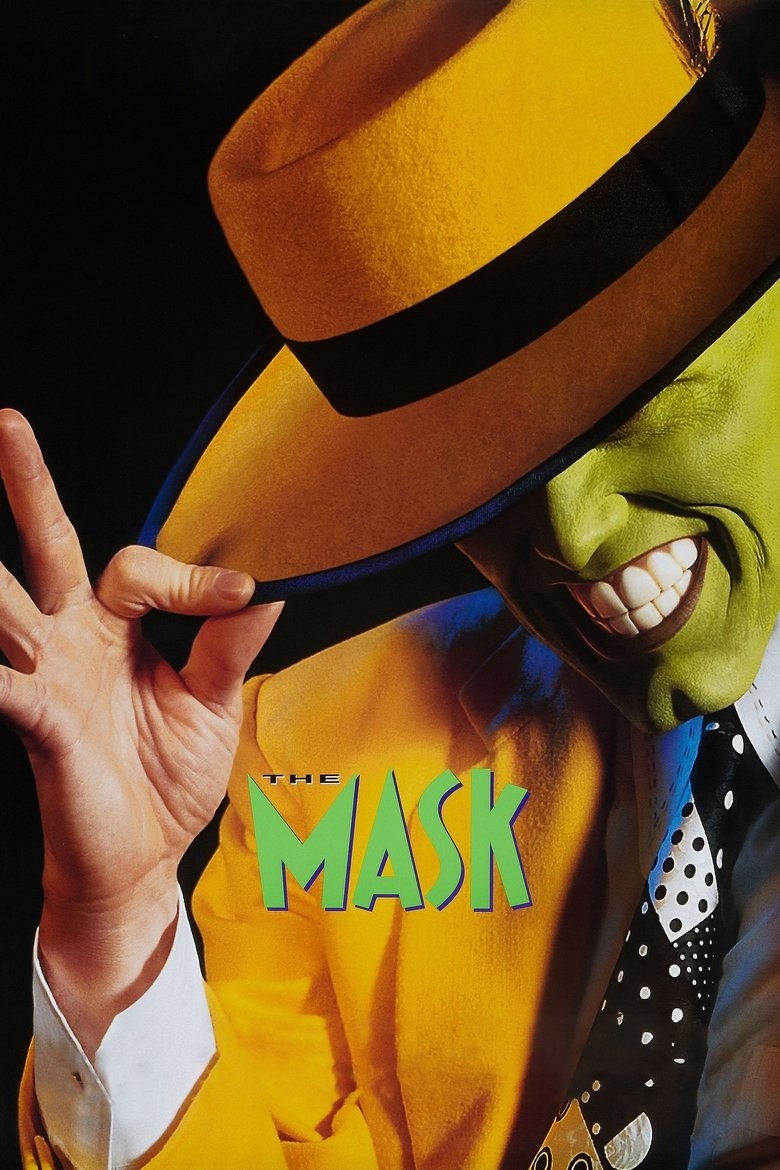
The Mask
The first work covered in Jim Carrey’s transformative acting is *The Mask*. This film, directed by Chuck Russell and released in 1994, features Jim Carrey in the roles of Stanley Ipkiss and the Mask. It is chosen as the first work because of its clear distinction between the timid Stanley and the explosive Mask through differences in posture, voice, and facial speed.
The recommendation context for this work is 'an audience wanting to see the immediate character transformation of an actor.' By following how Stanley Ipkiss / the Mask's speech and actions change the scene's atmosphere and the reactions of other characters, one can specifically understand why this film is included in Jim Carrey’s transformative acting.
The recommendation context for this work is 'an audience wanting to see the immediate character transformation of an actor.' By following how Stanley Ipkiss / the Mask's speech and actions change the scene's atmosphere and the reactions of other characters, one can specifically understand why this film is included in Jim Carrey’s transformative acting.
원제 The Mask
공개 연도 1994
감독 척 러셀
짐 캐리 배역 스탠리 입키스 / 마스크
이 목록의 관람 포인트 소심한 스탠리와 폭발적인 마스크를 자세·목소리·얼굴의 속도로 분리
이런 관객에게 한 배우의 즉각적인 캐릭터 전환을 보고 싶은 관객
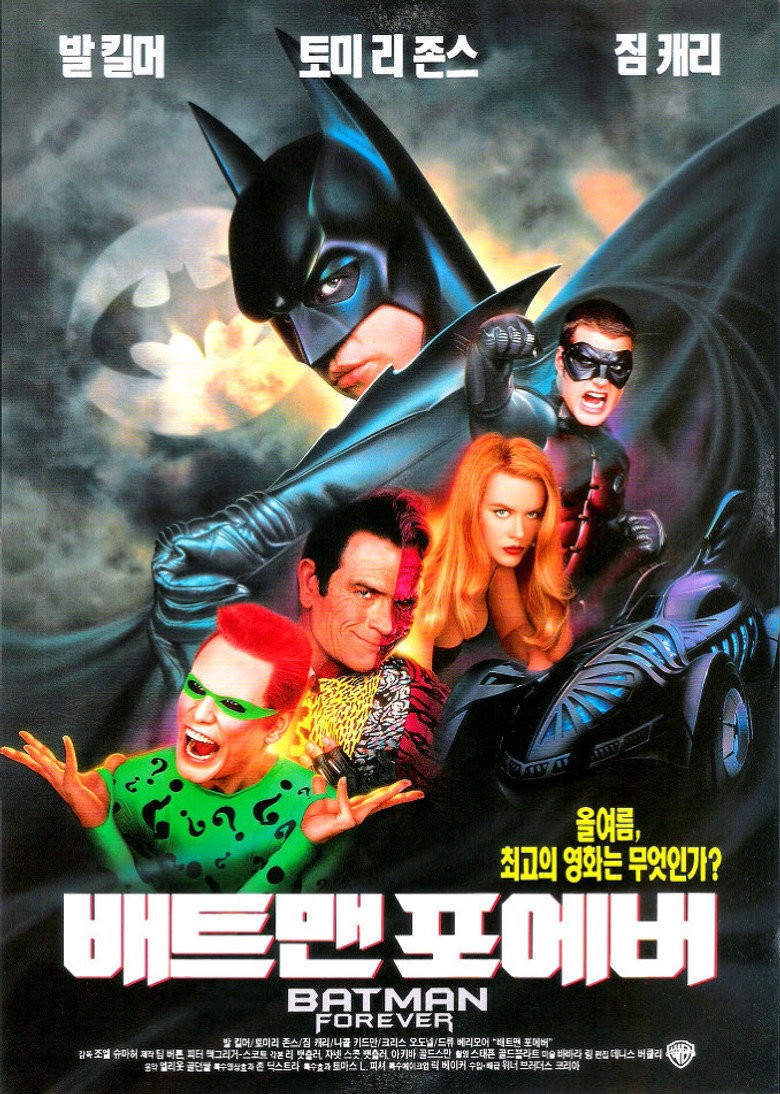
Batman Forever
The second work covered in Jim Carrey’s transformative acting is *Batman Forever*. This film, directed by Joel Schumacher and released in 1995, features Jim Carrey as Edward Nygma / The Riddler. It is included as the second work because of how the fluorescent costume, cane, and sharp vocal delivery visualize The Riddler's boastfulness.
The recommendation context for this work is 'an audience looking to compare the exaggerated design of comic book villains.' By following how Edward Nygma / The Riddler's speech and actions affect the scene's atmosphere and the responses of other characters, one can concretely understand why this film is part of Jim Carrey’s transformative acting.
The recommendation context for this work is 'an audience looking to compare the exaggerated design of comic book villains.' By following how Edward Nygma / The Riddler's speech and actions affect the scene's atmosphere and the responses of other characters, one can concretely understand why this film is part of Jim Carrey’s transformative acting.
원제 Batman Forever
공개 연도 1995
감독 조엘 슈마허
짐 캐리 배역 에드워드 니그마 / 리들러
이 목록의 관람 포인트 형광색 의상과 지팡이, 날카로운 발성으로 리들러의 과시욕을 시각화
이런 관객에게 코믹북 악역의 과장된 설계를 비교할 관객
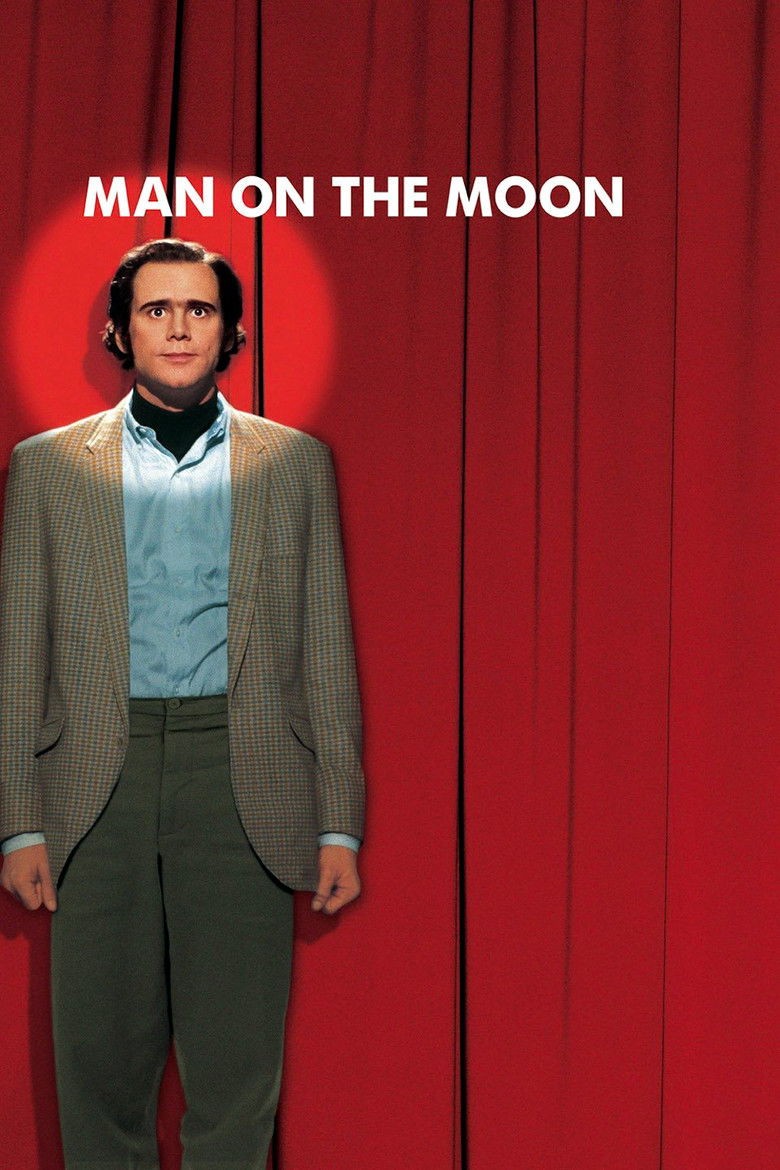
Man on the Moon
The third work covered in Jim Carrey’s transformative acting is *Man on the Moon*. This film, directed by Milos Forman and released in 1999, features Jim Carrey as Andy Kaufman. It is chosen because it deliberately blurs the boundaries between Andy Kaufman and Tony Clifton, showcasing a unique perspective on transformation.
The recommendation context for this work is 'an audience interested in the relationship between a real person and their persona.' By observing how Andy Kaufman's speech and actions in *Man on the Moon* change the scene's mood and the reactions of others, you can see why this film is included in Jim Carrey’s transformative acting.
The recommendation context for this work is 'an audience interested in the relationship between a real person and their persona.' By observing how Andy Kaufman's speech and actions in *Man on the Moon* change the scene's mood and the reactions of others, you can see why this film is included in Jim Carrey’s transformative acting.
원제 Man on the Moon
공개 연도 1999
감독 밀로스 포먼
짐 캐리 배역 앤디 카우프먼
이 목록의 관람 포인트 앤디 카우프먼과 토니 클리프턴 등 무대 인격의 경계를 의도적으로 흐림
이런 관객에게 실존 인물과 페르소나의 관계에 관심 있는 관객
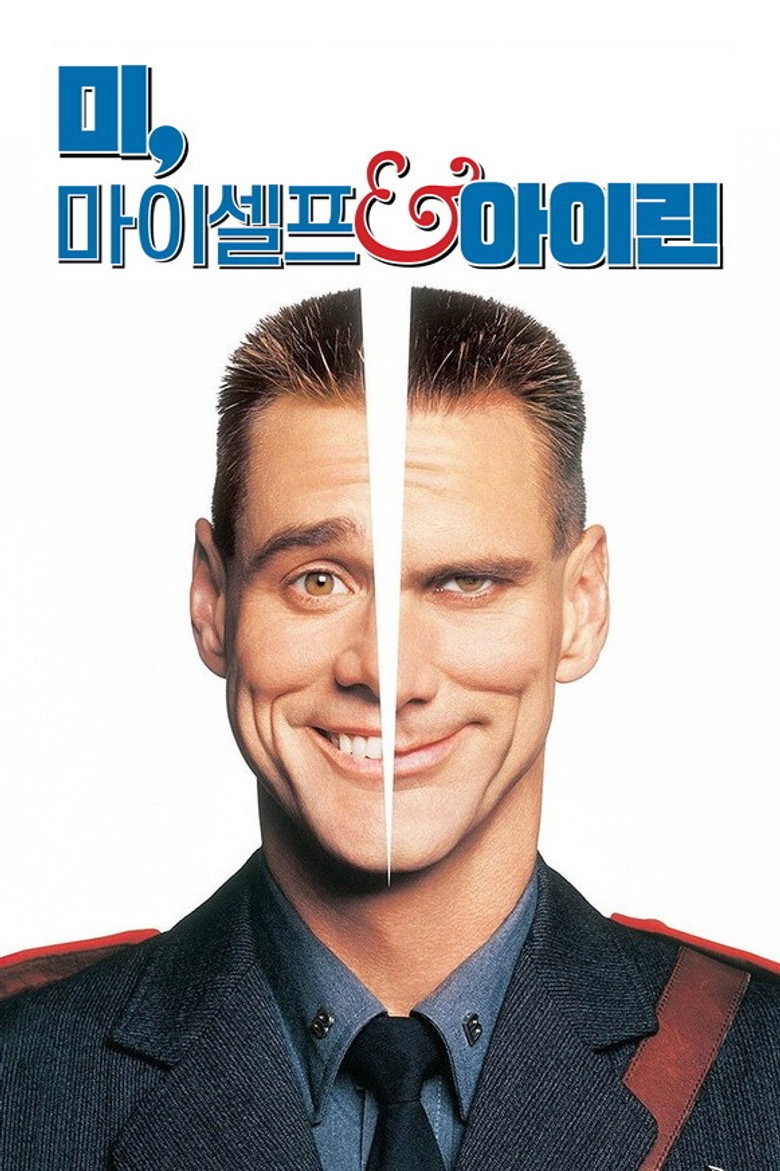
Me, Myself and Irene
Me, Myself & Irene
The fourth work covered in Jim Carrey’s transformative acting is *Me, Myself & Irene*. Released in 2000 and directed by Peter Farrelly and Bobby Farrelly, Jim Carrey plays Charlie Baileygates / Hank Evans. This film is chosen for its ability to distinguish Charlie and Hank without special makeup, relying only on changes in expression, shoulder movement, and vocal delivery.
The recommendation context for this work is 'adult audiences exploring the technique of dual character acting.' By following how Charlie Baileygates / Hank Evans’ mannerisms and actions alter the atmosphere of the scenes and affect reactions from other characters, one can specifically understand why this film is included in Jim Carrey’s transformative acting.
The recommendation context for this work is 'adult audiences exploring the technique of dual character acting.' By following how Charlie Baileygates / Hank Evans’ mannerisms and actions alter the atmosphere of the scenes and affect reactions from other characters, one can specifically understand why this film is included in Jim Carrey’s transformative acting.
원제 Me, Myself & Irene
공개 연도 2000
감독 피터 패럴리·바비 패럴리
짐 캐리 배역 찰리 베일리게이츠 / 행크 에번스
이 목록의 관람 포인트 찰리와 행크를 특수분장 없이 표정·어깨·발성의 전환만으로 구별
이런 관객에게 1인 2성격 연기의 기술을 살펴볼 성인 관객
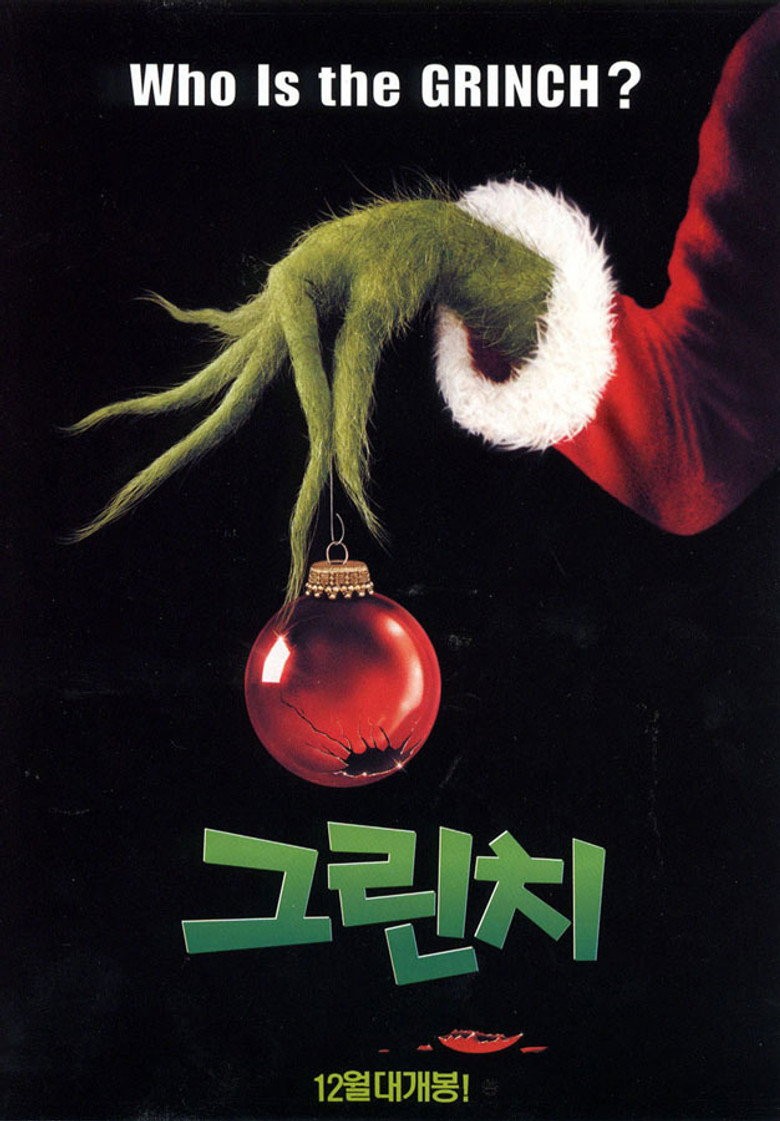
The Grinch
The fifth work covered in Jim Carrey’s transformative acting is *The Grinch*. Released in 2000 and directed by Ron Howard, Jim Carrey portrays the Grinch. It is included because it showcases character movements utilizing curves of fingers and body within thick special make-up.
The recommendation context for this work is 'an audience wanting to see the combination of make-up and physical acting.' By observing how the Grinch's speech and movements change the scene's atmosphere and the responses of others, one can see why this film is included in Jim Carrey’s transformative acting.
The recommendation context for this work is 'an audience wanting to see the combination of make-up and physical acting.' By observing how the Grinch's speech and movements change the scene's atmosphere and the responses of others, one can see why this film is included in Jim Carrey’s transformative acting.
원제 How the Grinch Stole Christmas
공개 연도 2000
감독 론 하워드
짐 캐리 배역 그린치
이 목록의 관람 포인트 두꺼운 특수분장 안에서 손가락과 몸통의 곡선까지 캐릭터 움직임으로 사용
이런 관객에게 분장과 신체 연기의 결합을 보고 싶은 관객
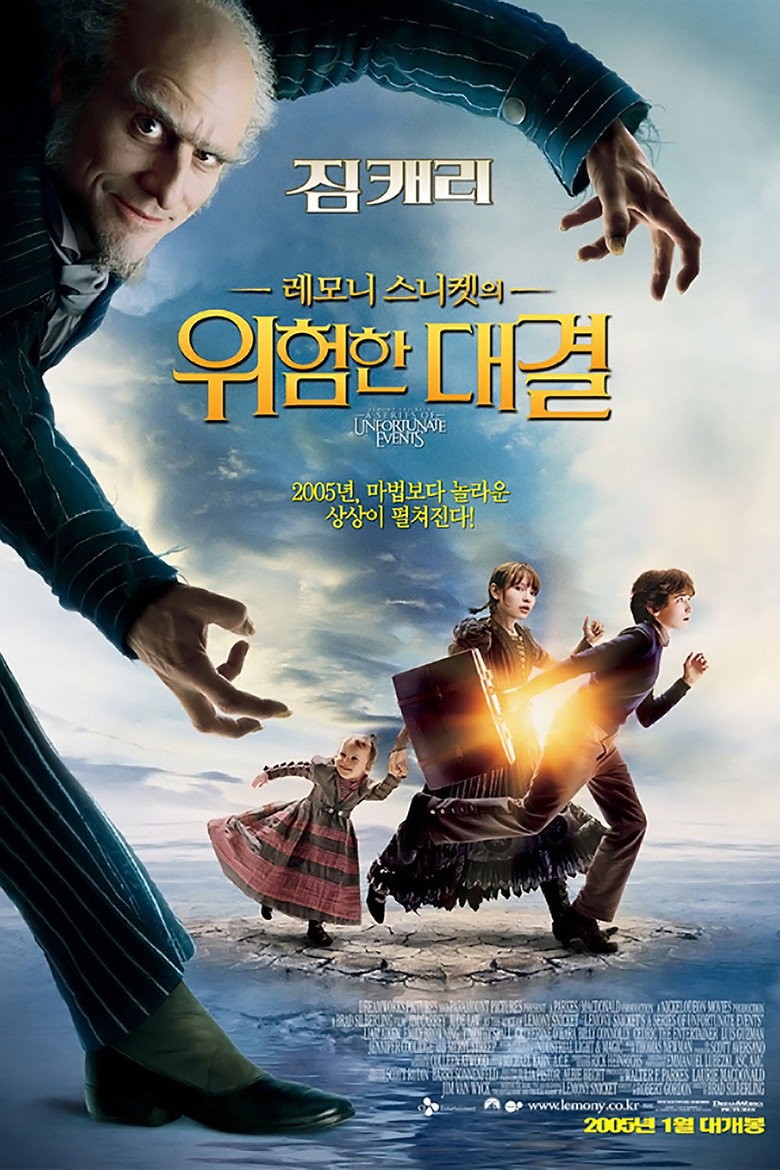
Lemony Snicket's A Series of Unfortunate Events
The 6th work covered in “Jim Carrey's Transformative Acting: Changing Makeup and Voice” is Lemony Snicket's A Series of Unfortunate Events. Work No. 6 is a 2004 release directed by Brad Silberling, with Jim Carrey playing Count Olaf. It was chosen as the 6th work because its defining trait—using even the clumsiness of Count Olaf's accents and gestures, when he disguises himself as other characters, as part of the performance—clearly shows the list's perspective.
The recommended audience and viewing context for work No. 6 is ‘viewers who like disguise comedies and gothic fantasy’. If you follow how the way Count Olaf talks and moves in Lemony Snicket's A Series of Unfortunate Events changes the mood of a scene and the reactions of the other characters, you can see concretely why this work is on the list.
The recommended audience and viewing context for work No. 6 is ‘viewers who like disguise comedies and gothic fantasy’. If you follow how the way Count Olaf talks and moves in Lemony Snicket's A Series of Unfortunate Events changes the mood of a scene and the reactions of the other characters, you can see concretely why this work is on the list.
원제 Lemony Snicket's A Series of Unfortunate Events
공개 연도 2004
감독 브래드 실버링
짐 캐리 배역 올라프 백작
이 목록의 관람 포인트 올라프 백작이 다른 인물로 변장할 때 억양과 몸짓의 허술함까지 연기의 일부로 활용
이런 관객에게 변장극과 고딕 판타지를 좋아하는 관객
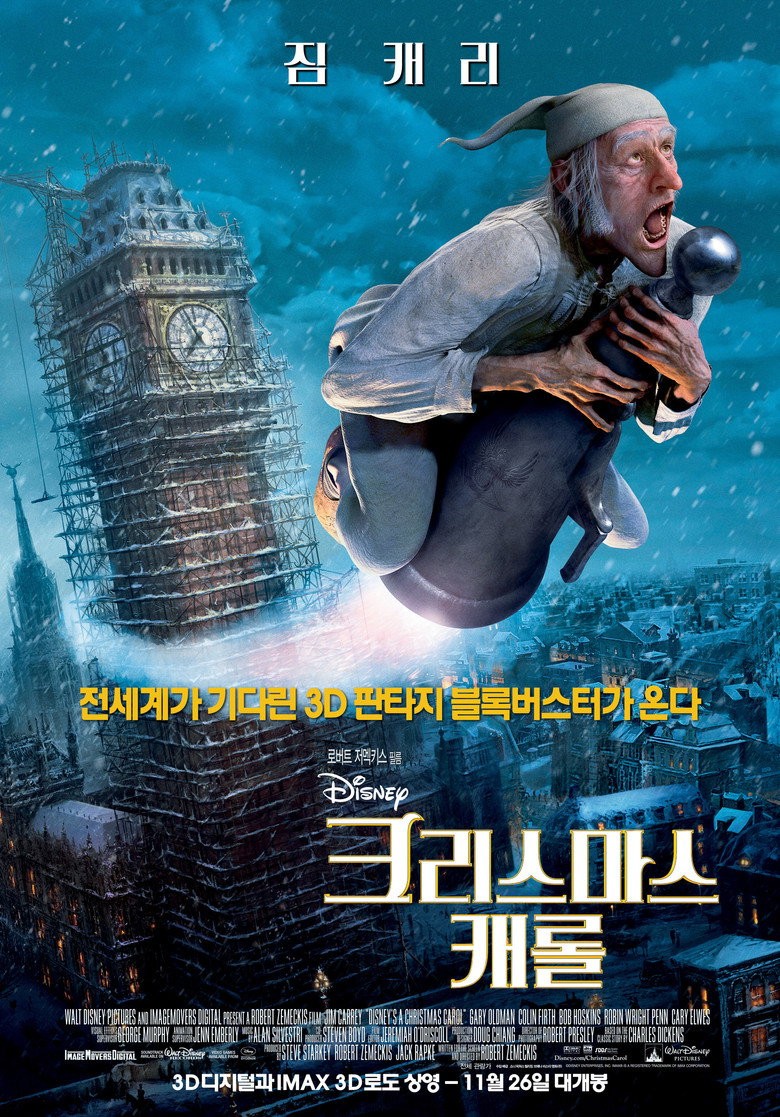
A Christmas Carol
The seventh work covered in Jim Carrey’s transformative acting is *A Christmas Carol*. Released in 2009 and directed by Robert Zemeckis, Jim Carrey plays Scrooge and several ghosts. It is included because it showcases the ability to traverse age and physique in performing Scrooge and the various spirits through performance capture.
The recommendation context for this work is 'an audience interested in how technology expands the movements of actors.' By observing how Scrooge and the ghosts' speech and actions influence the atmosphere of the scenes and the responses from characters, one can see why this film is part of Jim Carrey’s transformative acting.
The recommendation context for this work is 'an audience interested in how technology expands the movements of actors.' By observing how Scrooge and the ghosts' speech and actions influence the atmosphere of the scenes and the responses from characters, one can see why this film is part of Jim Carrey’s transformative acting.
원제 A Christmas Carol
공개 연도 2009
감독 로버트 저메키스
짐 캐리 배역 스크루지 및 여러 유령
이 목록의 관람 포인트 스크루지와 여러 유령을 퍼포먼스 캡처로 연기하며 나이와 체격을 넘나듦
이런 관객에게 기술이 배우의 움직임을 확장하는 방식을 볼 관객
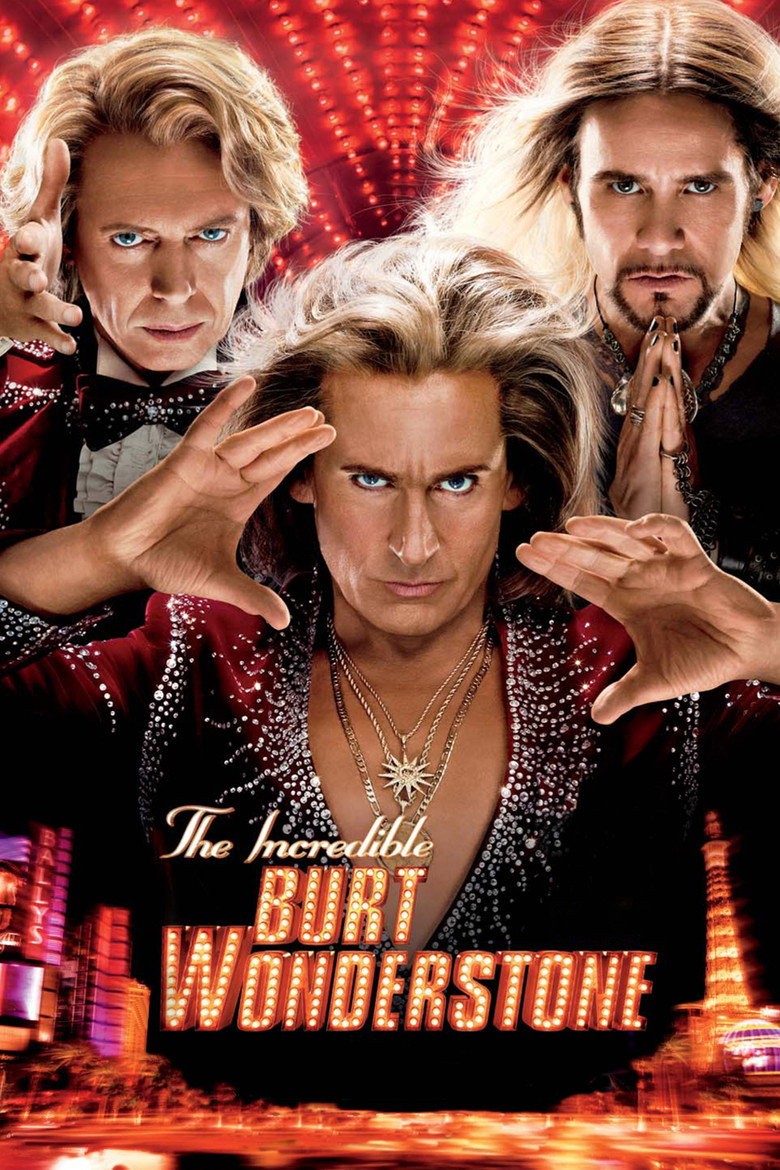
Burt Wonderstone
The eighth work covered in Jim Carrey’s transformative acting is *Burt Wonderstone*. Released in 2013 and directed by Don Scardino, Jim Carrey plays Steve Gray. It is chosen for its design of Steve Gray as a long-haired, slender silhouette clashing with traditional magic through dangerous performances.
The recommendation context for this work is 'an audience wanting to compare the appearance and rhythm of a supporting antagonist.' By tracking how Steve Gray's speech and movements impact the scene's atmosphere and the responses from other characters, you can understand why this film fits within Jim Carrey’s transformative acting.
The recommendation context for this work is 'an audience wanting to compare the appearance and rhythm of a supporting antagonist.' By tracking how Steve Gray's speech and movements impact the scene's atmosphere and the responses from other characters, you can understand why this film fits within Jim Carrey’s transformative acting.
원제 The Incredible Burt Wonderstone
공개 연도 2013
감독 돈 스카디노
짐 캐리 배역 스티브 그레이
이 목록의 관람 포인트 장발과 마른 실루엣, 위험한 퍼포먼스로 전통 마술과 대립하는 스티브 그레이를 설계
이런 관객에게 조연 악역의 외형과 리듬을 비교할 관객

Sonic the Hedgehog 3
The ninth work covered in Jim Carrey’s transformative acting is *Sonic the Hedgehog 3*. Scheduled for release in 2024 and directed by Jeff Fowler, Jim Carrey plays Aibo Robotnik / Gerald Robotnik. It is chosen for distinguishing Aibo and Gerald Robotnik through posture, voice, and generational sense, presenting a compelling dual role within a single scene.
The recommendation context for this work is 'family audiences wishing to see performances comparing two characters in one scene.' By watching how Aibo Robotnik / Gerald Robotnik’s speech and movements alter the scene's atmosphere and the responses from other characters, you will be able to specifically understand why this film is included in Jim Carrey’s transformative acting.
The recommendation context for this work is 'family audiences wishing to see performances comparing two characters in one scene.' By watching how Aibo Robotnik / Gerald Robotnik’s speech and movements alter the scene's atmosphere and the responses from other characters, you will be able to specifically understand why this film is included in Jim Carrey’s transformative acting.
원제 Sonic the Hedgehog 3
공개 연도 2024
감독 제프 파울러
짐 캐리 배역 아이보 로보트닉 / 제럴드 로보트닉
이 목록의 관람 포인트 아이보와 제럴드 로보트닉을 자세·음성·세대감으로 구분해 서로 마주 세운 1인 2역
이런 관객에게 두 인물을 한 장면에서 비교하는 연기를 보고 싶은 가족 관객
Comparing these nine works reveals that the core of transformation is not about making characters unrecognizable but rather about helping the audience understand the behavioral rules as characters appear. Stanley folds inward while the Mask expands outward, Charlie avoids collisions, and Hank invades space. The Grinch and Count Olaf reveal their desires through gestures and voices even beneath their disguises, while Robotnik’s movements grow larger in accordance with changes in costume and hairstyle.
Start by comparing *The Mask* and *Me, Myself & Irene*, then proceed to *A Christmas Carol* and *Sonic the Hedgehog 3*, where technology expands the range of acting. *Man on the Moon* presents a different kind of transformation by depicting a real person while navigating various stage personas. Observe not only the characters’ appearances but also how their voices and centers of gravity shift with each scene to clarify the differences.
Start by comparing *The Mask* and *Me, Myself & Irene*, then proceed to *A Christmas Carol* and *Sonic the Hedgehog 3*, where technology expands the range of acting. *Man on the Moon* presents a different kind of transformation by depicting a real person while navigating various stage personas. Observe not only the characters’ appearances but also how their voices and centers of gravity shift with each scene to clarify the differences.
At a glance
9 items
The Mask
The Mask1994척 러셀
Batman Forever
Batman Forever1995조엘 슈마허
Man on the Moon
Man on the Moon1999밀로스 포먼
Me, Myself and Irene
2000피터 패럴리·바비 패럴리
The Grinch
2000론 하워드그린치
Lemony Snicket's A Series of Unfortunate Events
2004브래드 실버링올라프 백작
A Christmas Carol
2009로버트 저메키스스크루지 및 여러 유령
Burt Wonderstone
2013돈 스카디노스티브 그레이
Sonic the Hedgehog 3
2024제프 파울러
As part of the Coupang Partners program, this post may earn a commission from qualifying purchases.
Comments 0
Log in to leave a comment.
Be the first to comment.
How about these lists?


You might also like


🎲
Not ready to stop here?
Wondering what to read next is the biggest waste of time.
Let the dice decide — you won't know what pops up until you roll.
If you don't press it… won't you wonder forever? 👀
