Collection
Exams & Certifications
2026.07.28
Language Tests Useful for Studying Abroad, Employment, and Immigration
Language tests differ in evaluation language and areas, scoring systems, and recognized institutions, so it's essential to choose the right test for your purpose.
When preparing to apply to overseas universities or for jobs or immigration, choosing a language test by name alone makes it easy to miss the required skill areas and submission conditions. Even among English tests, the purpose of assessment differs, such as readiness for university classes, workplace communication, or speaking ability, and Japanese, Chinese, and Korean tests differ in their grading systems and how often they are held. Your preparation becomes clearer once you first check which tests the receiving organization accepts, the minimum score, and how long scores remain valid.
This list brings together domestic and international language tests whose current structure and registration information can be confirmed with the official administering organization. Each entry separately covers the organizing body, assessment areas, situations where it is used, and what to check before registering. Test schedules, fees, and computer or paper formats can change by region and session, so it is safer to focus on official sources for confirmation rather than fixed figures.
This list brings together domestic and international language tests whose current structure and registration information can be confirmed with the official administering organization. Each entry separately covers the organizing body, assessment areas, situations where it is used, and what to check before registering. Test schedules, fees, and computer or paper formats can change by region and session, so it is safer to focus on official sources for confirmation rather than fixed figures.
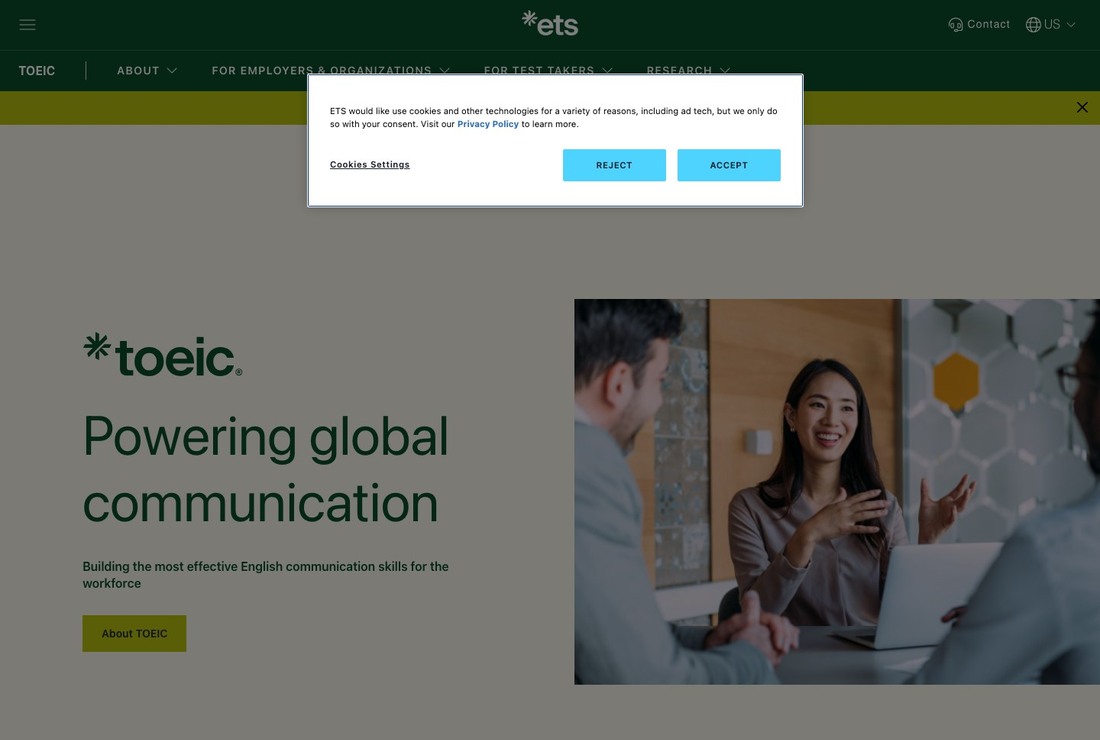
TOEIC Listening and Reading
TOEIC Listening and Reading is run by ETS and measures the English listening and reading skills used in workplaces and international business settings. It covers Listening and Reading, and it is especially useful when preparing for corporate hiring and promotion or graduation or exchange student requirements at some universities. This list introduces TOEIC Listening and Reading not for its fame but as an option for distinguishing actual submission purposes and assessment areas. A TOEIC Listening and Reading score alone does not settle your eligibility for admission or employment; separate requirements set by the receiving organization take precedence.
Before you start preparing, check which test types the receiving organization accepts, the minimum score, and how long scores remain valid. Read the current test structure, available registration regions, fees, and score release schedule on the official TOEIC Listening and Reading page in that order. Get familiar with the screen, audio, and answer format using TOEIC Listening and Reading practice questions, and if necessary, ask the receiving organization in writing whether it accepts the test. Save your registration screen and payment records, and note in your schedule how your TOEIC Listening and Reading score report will reach the receiving organization.
Before you start preparing, check which test types the receiving organization accepts, the minimum score, and how long scores remain valid. Read the current test structure, available registration regions, fees, and score release schedule on the official TOEIC Listening and Reading page in that order. Get familiar with the screen, audio, and answer format using TOEIC Listening and Reading practice questions, and if necessary, ask the receiving organization in writing whether it accepts the test. Save your registration screen and payment records, and note in your schedule how your TOEIC Listening and Reading score report will reach the receiving organization.
시행기관 ETS
시험 목적 직장과 국제 업무 환경에서 쓰이는 영어 듣기·읽기 능력을 측정
평가 영역 Listening·Reading
활용 상황 기업 채용·승진, 일부 대학의 졸업 또는 교환학생 요건을 준비할 때
확인할 점 제출처가 인정하는 시험 종류와 최소 점수, 성적 유효기간을 확인한다.
공식 정보 https://www.ets.org/toeic.html
이미지 출처 https://www.ets.org/toeic.html
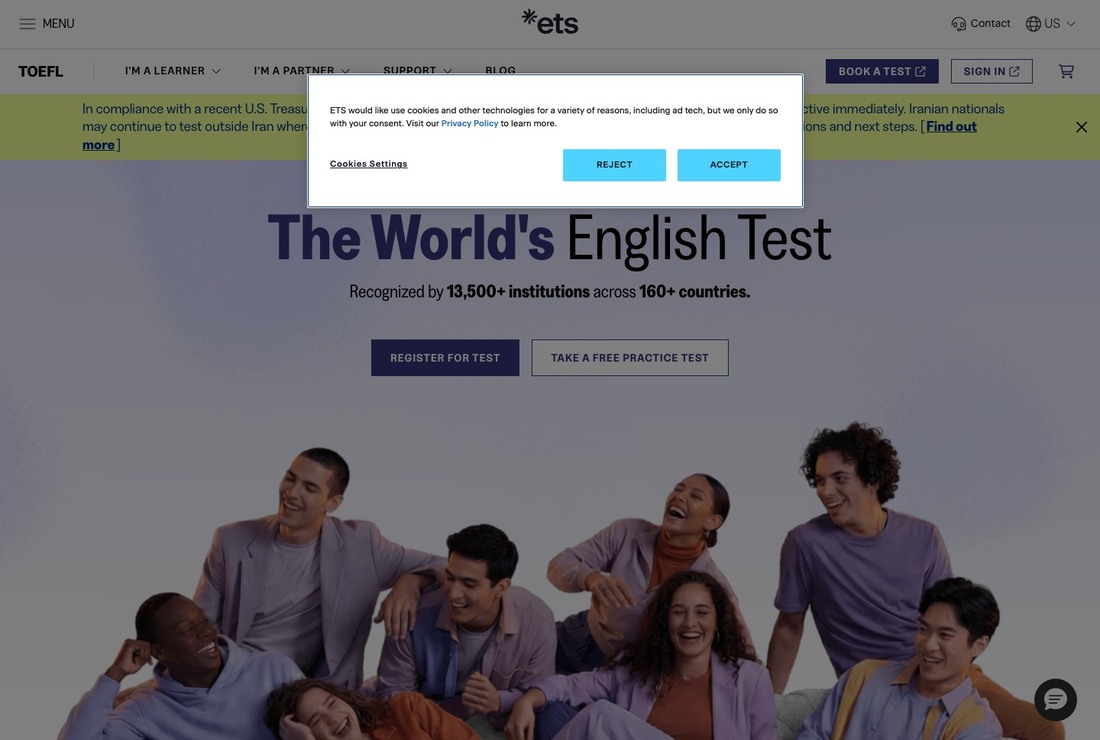
TOEFL iBT
TOEFL iBT is the test to consider when preparing English scores for admission to overseas universities and graduate schools and for scholarship applications. It is administered by ETS and measures the academic English communication skills needed for university classes in English-speaking countries. It covers Reading, Listening, Speaking, and Writing, and it is especially useful when preparing English scores for admission to overseas universities and graduate schools and for scholarship applications. This list introduces TOEFL iBT not for its fame but as an option for distinguishing actual submission purposes and assessment areas. Even with the same TOEFL iBT score, the way universities, companies, and immigration authorities accept it and its validity period can differ.
Before you start preparing, check your target university’s total and section score requirements, whether it accepts the Home Edition, and the deadline for sending official scores. Read the current test structure, available registration regions, fees, and score release schedule on the official TOEFL iBT page in that order. Get familiar with the screen, audio, and answer format using TOEFL iBT practice questions, and if necessary, ask the receiving organization in writing whether it accepts the test. On test day, follow the official TOEFL iBT ID rules and check-in time, and make sure your English name matches your application.
Before you start preparing, check your target university’s total and section score requirements, whether it accepts the Home Edition, and the deadline for sending official scores. Read the current test structure, available registration regions, fees, and score release schedule on the official TOEFL iBT page in that order. Get familiar with the screen, audio, and answer format using TOEFL iBT practice questions, and if necessary, ask the receiving organization in writing whether it accepts the test. On test day, follow the official TOEFL iBT ID rules and check-in time, and make sure your English name matches your application.
시행기관 ETS
시험 목적 영어권 대학 수업에 필요한 학술 영어 의사소통 능력을 측정
평가 영역 Reading·Listening·Speaking·Writing
활용 상황 해외 대학·대학원 입학과 장학금 지원용 영어 성적을 준비할 때
확인할 점 지원 대학의 총점·영역별 기준과 Home Edition 인정 여부, 공식 성적 전송 마감을 확인한다.
공식 정보 https://www.ets.org/toefl.html
이미지 출처 https://www.ets.org/toefl.html
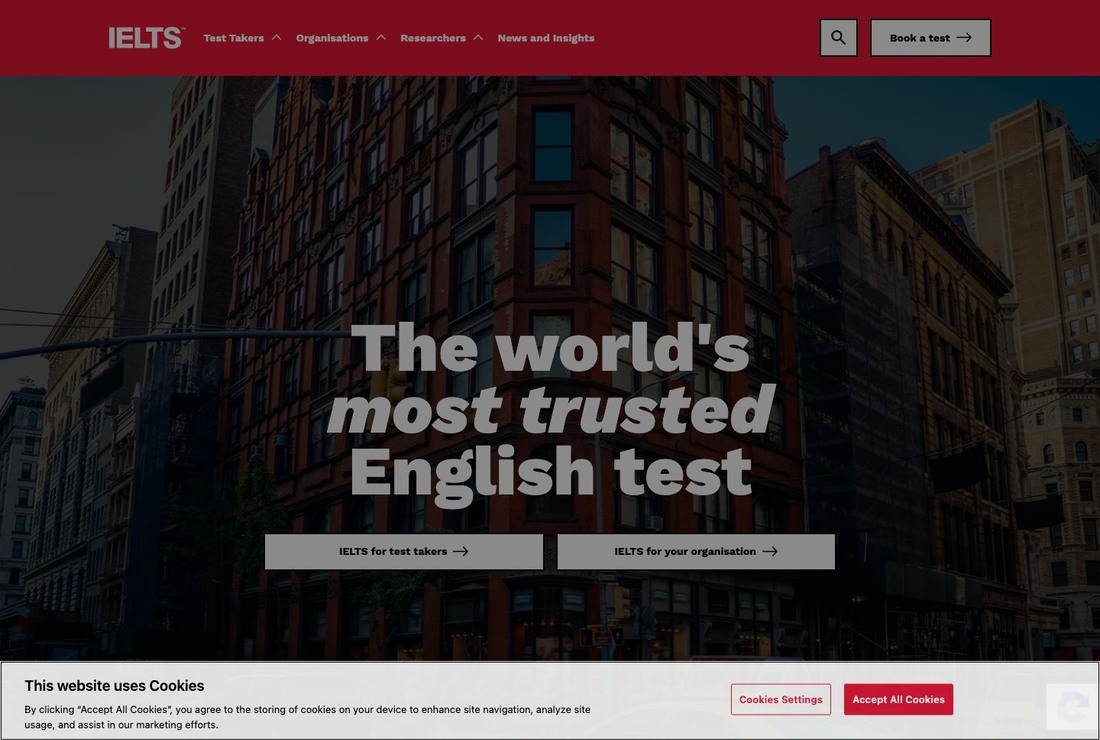
IELTS
The core of IELTS is that it assesses ability in all four areas of English for study, work, and immigration through the Listening, Reading, Writing, and Speaking sections. It covers Listening, Reading, Writing, and Speaking, and it is especially useful when you need English scores for university applications or immigration to the UK, Australia, Canada, and elsewhere. This list introduces IELTS not for its fame but as an option for distinguishing actual submission purposes and assessment areas. Rather than judging difficulty based on test reviews, look first at the official IELTS samples and current test structure.
Before you start preparing, check the Academic or General Training distinction, the computer or paper format, and whether the receiving organization accepts One Skill Retake. Read the current test structure, available registration regions, fees, and score release schedule on the official IELTS page in that order. Get familiar with the screen, audio, and answer format using IELTS practice questions, and if necessary, ask the receiving organization in writing whether it accepts the test. When setting your target score and first test date, factor in the IELTS retake rules and score release dates to leave yourself some margin.
Before you start preparing, check the Academic or General Training distinction, the computer or paper format, and whether the receiving organization accepts One Skill Retake. Read the current test structure, available registration regions, fees, and score release schedule on the official IELTS page in that order. Get familiar with the screen, audio, and answer format using IELTS practice questions, and if necessary, ask the receiving organization in writing whether it accepts the test. When setting your target score and first test date, factor in the IELTS retake rules and score release dates to leave yourself some margin.
시행기관 British Council·IDP·Cambridge English
시험 목적 유학·취업·이민 목적의 영어 네 영역 능력을 평가
평가 영역 Listening·Reading·Writing·Speaking
활용 상황 영국·호주·캐나다 등 대학 지원이나 이민용 영어 성적이 필요할 때
확인할 점 Academic·General Training 구분과 컴퓨터·지필 방식, 제출기관의 One Skill Retake 인정 여부를 확인한다.
공식 정보 https://ielts.org/
이미지 출처 https://ielts.org/
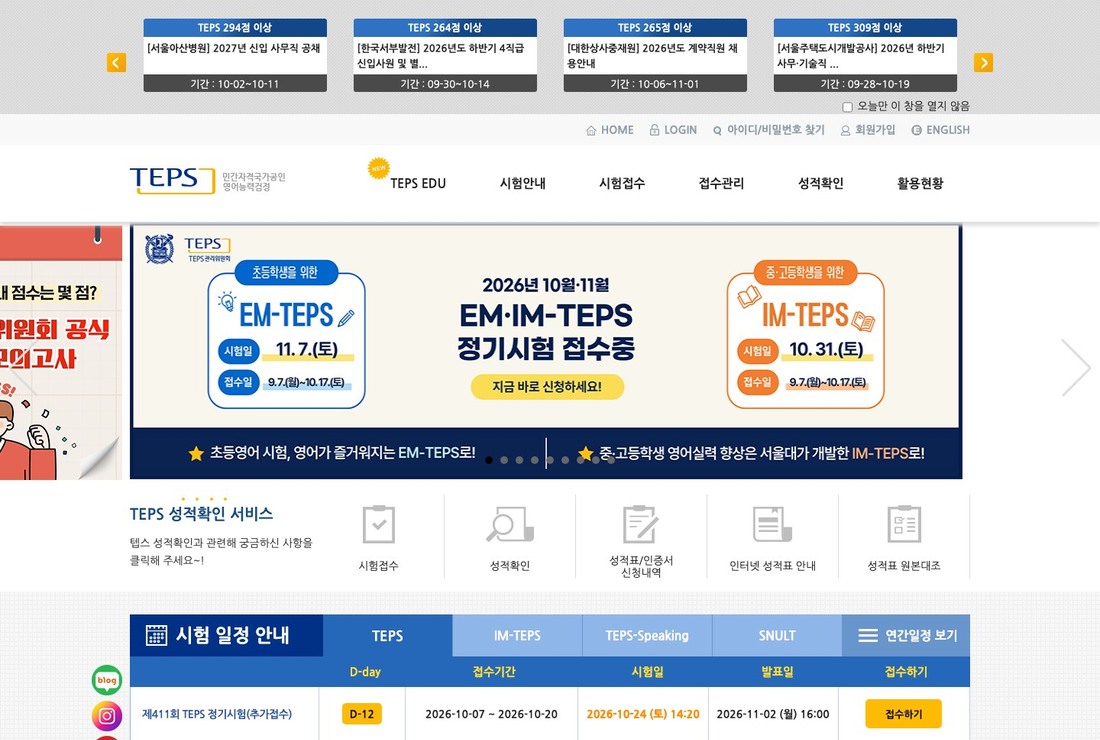
TEPS
TEPS, run by the Seoul National University TEPS Council, is an option used when preparing for domestic graduate school, scholarship, or qualification requirements or for proof of English ability. It covers listening comprehension, vocabulary, grammar, and reading comprehension, and it is especially useful when preparing for domestic graduate school, scholarship, or qualification requirements or for proof of English ability. This list introduces TEPS not for its fame but as an option for distinguishing actual submission purposes and assessment areas. TEPS schedules, fees, and score release dates may vary depending on the country of registration and test format.
Before you start preparing, check each organization’s accepted scores, the regular test schedule, and score release dates before registering. Read the current test structure, available registration regions, fees, and score release schedule on the official TEPS page in that order. Get familiar with the screen, audio, and answer format using TEPS practice questions, and if necessary, ask the receiving organization in writing whether it accepts the test. Right before applying, compare the official TEPS site with the receiving organization’s admission guidelines again so you don’t miss any changed conditions.
Before you start preparing, check each organization’s accepted scores, the regular test schedule, and score release dates before registering. Read the current test structure, available registration regions, fees, and score release schedule on the official TEPS page in that order. Get familiar with the screen, audio, and answer format using TEPS practice questions, and if necessary, ask the receiving organization in writing whether it accepts the test. Right before applying, compare the official TEPS site with the receiving organization’s admission guidelines again so you don’t miss any changed conditions.
시행기관 서울대학교 TEPS관리위원회
시험 목적 실용 영어의 이해 능력을 국내 기준으로 종합 평가
평가 영역 청해·어휘·문법·독해
활용 상황 국내 대학원·장학·자격 요건이나 영어 능력 증빙을 준비할 때
확인할 점 기관별 인정 점수와 정기시험 일정, 성적발표일을 접수 전에 확인한다.
공식 정보 https://www.teps.or.kr/
이미지 출처 https://www.teps.or.kr/
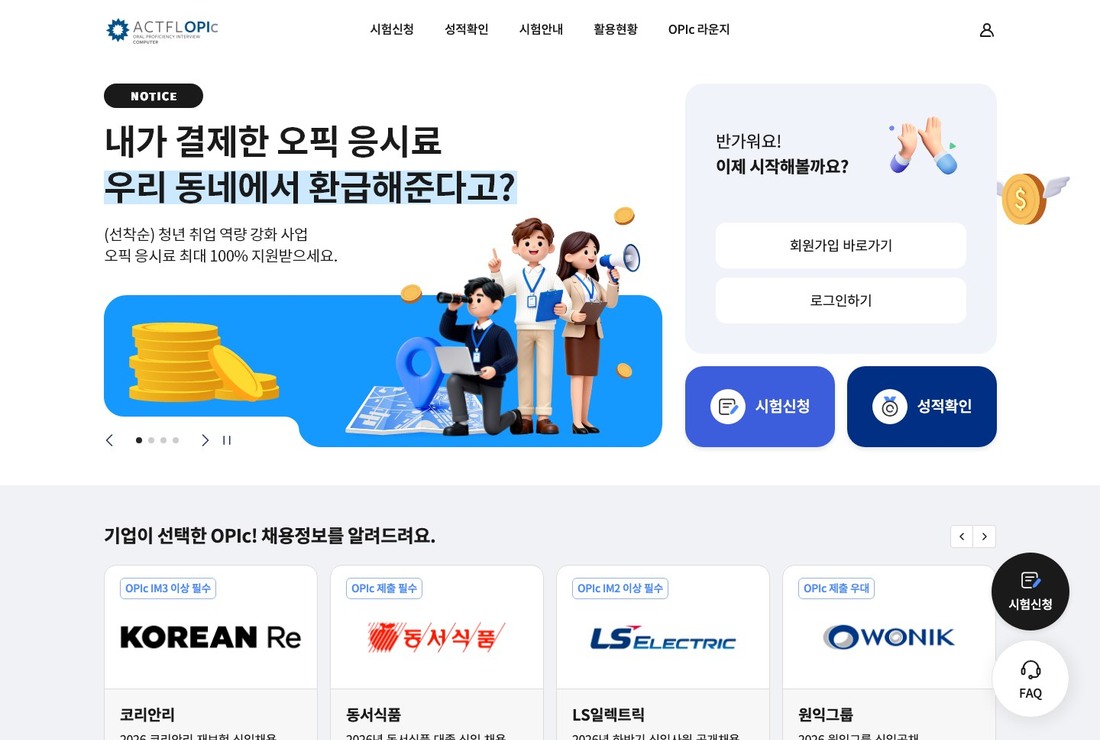
OPIc
OPIc is run domestically by Multicampus under the ACTFL assessment framework and evaluates English speaking ability in real-life situations through a computer-based interview. It covers the Background Survey, Self Assessment, and speaking questions, and it is especially useful when you need proof of speaking-focused English ability for corporate hiring and HR. This list introduces OPIc not for its fame but as an option for distinguishing actual submission purposes and assessment areas. A OPIc score alone does not settle your eligibility for admission or employment; separate requirements set by the receiving organization take precedence.
Before you start preparing, check the test language and difficulty selection, and the grade and score validity period required by the receiving organization. Read the current test structure, available registration regions, fees, and score release schedule on the official OPIc page in that order. Get familiar with the screen, audio, and answer format using OPIc practice questions, and if necessary, ask the receiving organization in writing whether it accepts the test. Save your registration screen and payment records, and note in your schedule how your OPIc score report will reach the receiving organization.
Before you start preparing, check the test language and difficulty selection, and the grade and score validity period required by the receiving organization. Read the current test structure, available registration regions, fees, and score release schedule on the official OPIc page in that order. Get familiar with the screen, audio, and answer format using OPIc practice questions, and if necessary, ask the receiving organization in writing whether it accepts the test. Save your registration screen and payment records, and note in your schedule how your OPIc score report will reach the receiving organization.
시행기관 ACTFL 평가 체계·멀티캠퍼스 국내 운영
시험 목적 컴퓨터 인터뷰를 통해 실제 상황의 영어 말하기 능력을 평가
평가 영역 Background Survey·Self Assessment·말하기 문항
활용 상황 기업 채용·인사와 말하기 중심의 영어 능력 증빙이 필요할 때
확인할 점 시험 언어와 난이도 선택, 제출처가 요구하는 등급과 성적 유효기간을 확인한다.
공식 정보 https://www.opic.or.kr/
이미지 출처 https://www.opic.or.kr/
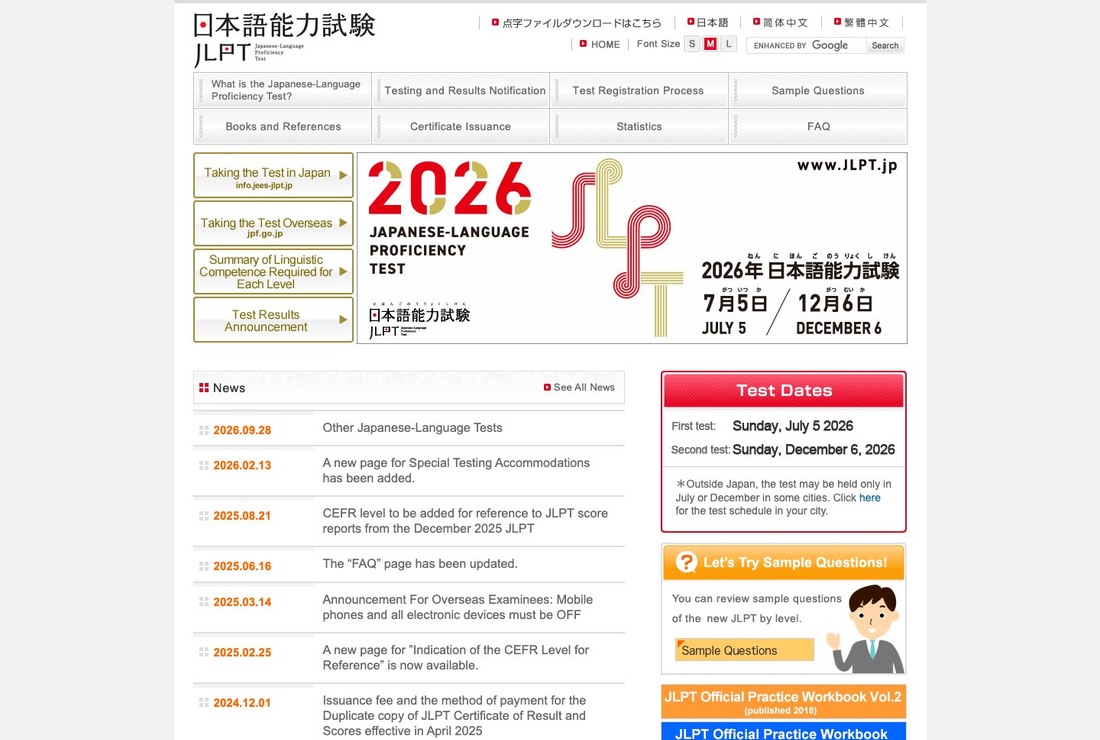
JLPT Japanese Language Proficiency Test
JLPT (Japanese Language Proficiency Test)
The JLPT (Japanese Language Proficiency Test) is the test to consider when preparing to apply to Japanese universities, look for work, or prove your Japanese ability. It is administered by the Japan Educational Exchanges and Services and the Japan Foundation, and it assesses Japanese script, vocabulary, grammar, reading, and listening skills by level. It covers language knowledge, reading, and listening, and it is especially useful when preparing to apply to Japanese universities, look for work, or prove your Japanese ability. This list introduces JLPT not for its fame but as an option for distinguishing actual submission purposes and assessment areas. Even with the same JLPT score, the way universities, companies, and immigration authorities accept it and its validity period can differ.
Before you start preparing, check which level from N1 to N5 the receiving organization requires and the registration offices and test dates in each country. Read the current test structure, available registration regions, fees, and score release schedule on the official JLPT page in that order. Get familiar with the screen, audio, and answer format using JLPT practice questions, and if necessary, ask the receiving organization in writing whether it accepts the test. On test day, follow the official JLPT ID rules and check-in time, and make sure your English name matches your application.
Before you start preparing, check which level from N1 to N5 the receiving organization requires and the registration offices and test dates in each country. Read the current test structure, available registration regions, fees, and score release schedule on the official JLPT page in that order. Get familiar with the screen, audio, and answer format using JLPT practice questions, and if necessary, ask the receiving organization in writing whether it accepts the test. On test day, follow the official JLPT ID rules and check-in time, and make sure your English name matches your application.
시행기관 일본국제교육지원협회·국제교류기금
시험 목적 일본어 문자·어휘·문법·독해와 청해 능력을 등급별로 평가
평가 영역 언어지식·독해·청해
활용 상황 일본 대학 지원, 취업과 일본어 능력 증빙을 준비할 때
확인할 점 N1~N5 중 제출처가 요구하는 급수와 국가별 접수처·시험일을 확인한다.
공식 정보 https://www.jlpt.jp/e/
이미지 출처 https://www.jlpt.jp/e/
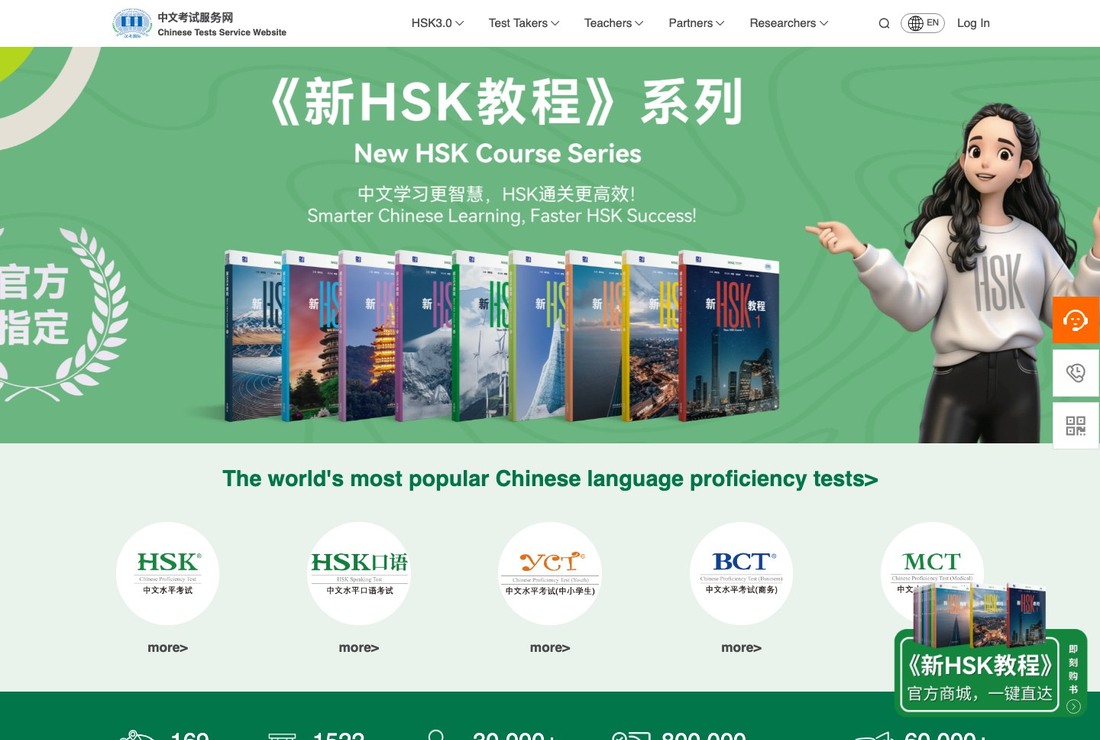
HSK Chinese Proficiency Test
HSK (Hanyu Shuiping Kaoshi)
The core of the HSK (Chinese Proficiency Test) is that it assesses Chinese listening, reading, and writing skills by level through its listening, reading, and writing sections. It covers listening, reading, and writing, and it is especially useful when preparing to apply to Chinese universities, for scholarships, or to prove your Chinese ability. This list introduces HSK not for its fame but as an option for distinguishing actual submission purposes and assessment areas. Rather than judging difficulty based on test reviews, look first at the official HSK samples and current test structure.
Before you start preparing, check the school’s notice for which HSK system applies, the required level, and whether HSKK scores must be submitted as well. Read the current test structure, available registration regions, fees, and score release schedule on the official HSK page in that order. Get familiar with the screen, audio, and answer format using HSK practice questions, and if necessary, ask the receiving organization in writing whether it accepts the test. When setting your target score and first test date, factor in the HSK retake rules and score release dates to leave yourself some margin.
Before you start preparing, check the school’s notice for which HSK system applies, the required level, and whether HSKK scores must be submitted as well. Read the current test structure, available registration regions, fees, and score release schedule on the official HSK page in that order. Get familiar with the screen, audio, and answer format using HSK practice questions, and if necessary, ask the receiving organization in writing whether it accepts the test. When setting your target score and first test date, factor in the HSK retake rules and score release dates to leave yourself some margin.
시행기관 Chinese Testing International
시험 목적 중국어 듣기·읽기·쓰기 능력을 등급별로 평가
평가 영역 듣기·읽기·쓰기
활용 상황 중국 대학 지원, 장학금과 중국어 능력 증빙을 준비할 때
확인할 점 적용되는 HSK 체계와 요구 급수, HSKK 동시 제출 여부를 학교 공고에서 확인한다.
공식 정보 https://www.chinesetest.cn/
이미지 출처 https://www.chinesetest.cn/
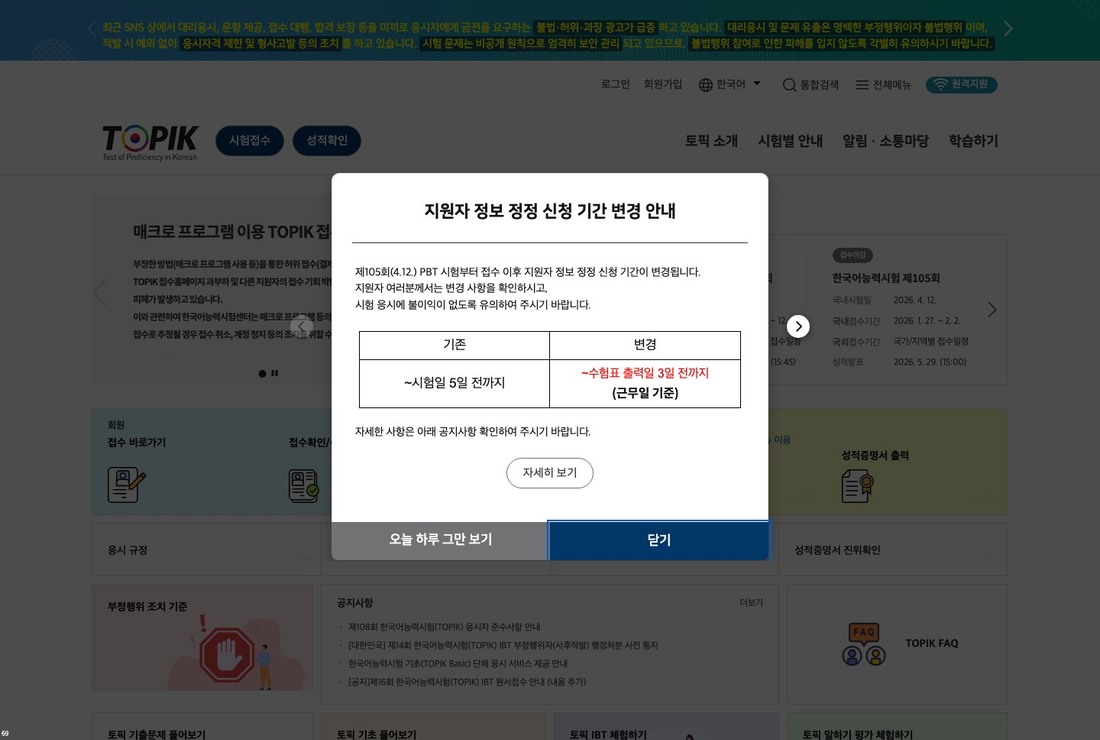
TOPIK Korean Language Proficiency Test
TOPIK (Test of Proficiency in Korean)
The TOPIK (Test of Proficiency in Korean), run by the National Institute for International Education under the Korean Ministry of Education, is an option used when you need a Korean language level for admission to or graduation from Korean universities, scholarships, or employment. It covers listening and reading for TOPIK I and listening, writing, and reading for TOPIK II, and it is especially useful when you need a Korean language level for admission to or graduation from Korean universities, scholarships, or employment. This list introduces TOPIK not for its fame but as an option for distinguishing actual submission purposes and assessment areas. TOPIK schedules, fees, and score release dates may vary depending on the country of registration and test format.
Before you start preparing, check the distinction between TOPIK I and II, the receiving organization’s level requirements, and test dates and registration offices in Korea and abroad. Read the current test structure, available registration regions, fees, and score release schedule on the official TOPIK page in that order. Get familiar with the screen, audio, and answer format using TOPIK practice questions, and if necessary, ask the receiving organization in writing whether it accepts the test. Right before applying, compare the official TOPIK site with the receiving organization’s admission guidelines again so you don’t miss any changed conditions.
Before you start preparing, check the distinction between TOPIK I and II, the receiving organization’s level requirements, and test dates and registration offices in Korea and abroad. Read the current test structure, available registration regions, fees, and score release schedule on the official TOPIK page in that order. Get familiar with the screen, audio, and answer format using TOPIK practice questions, and if necessary, ask the receiving organization in writing whether it accepts the test. Right before applying, compare the official TOPIK site with the receiving organization’s admission guidelines again so you don’t miss any changed conditions.
시행기관 대한민국 교육부 국립국제교육원
시험 목적 한국어 사용 능력을 측정해 유학·취업 등의 기준으로 활용
평가 영역 TOPIK I 듣기·읽기, TOPIK II 듣기·쓰기·읽기
활용 상황 한국 대학 입학·졸업, 장학금과 취업용 한국어 등급이 필요할 때
확인할 점 TOPIK I·II 구분과 지원기관의 급수 기준, 국내외 시행일·접수처를 확인한다.
공식 정보 https://www.topik.go.kr/
이미지 출처 https://www.topik.go.kr/
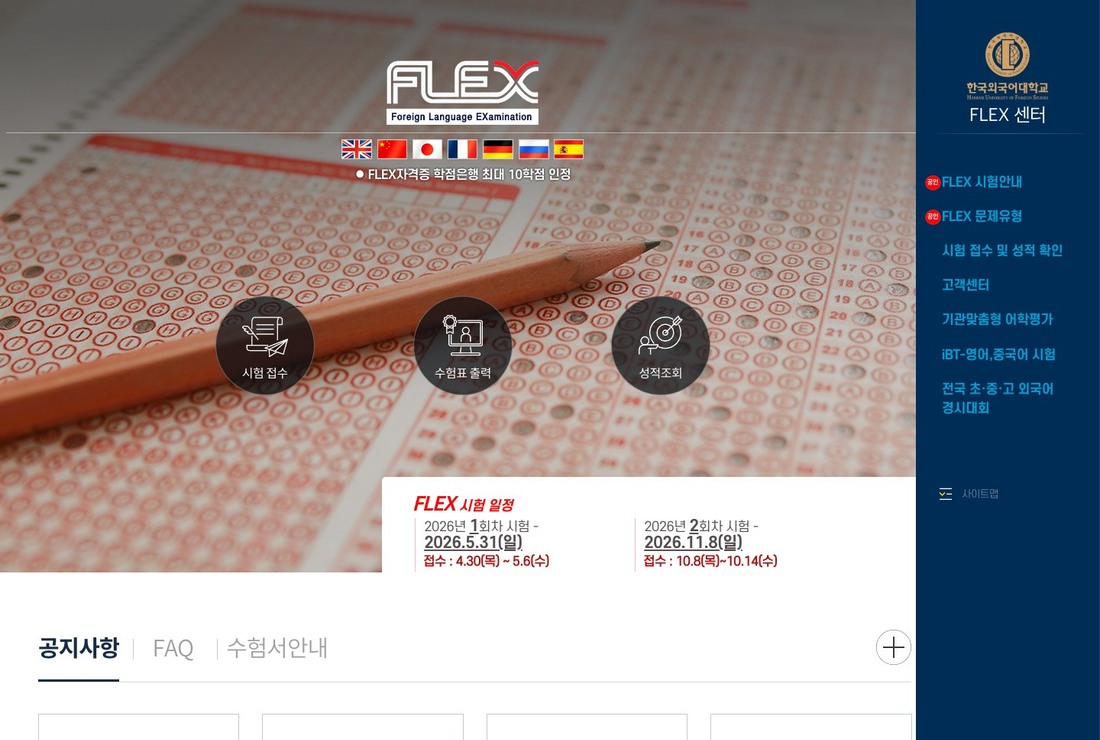
FLEX Foreign Language Proficiency Test
FLEX (Foreign Language Ability Test)
The FLEX (Foreign Language Ability Test) is run by the FLEX Center at Hankuk University of Foreign Studies and assesses comprehension and expression in several foreign languages by purpose-specific sections. It covers listening and reading as well as language-specific speaking and writing, and it is especially useful when looking for a test to prove foreign language ability at companies, public institutions, and universities. This list introduces FLEX not for its fame but as an option for distinguishing actual submission purposes and assessment areas. A FLEX score alone does not settle your eligibility for admission or employment; separate requirements set by the receiving organization take precedence.
Before you start preparing, check the test language, assessment areas, the distinction between regular and on-demand tests, and the scope of recognition by the receiving organization. Read the current test structure, available registration regions, fees, and score release schedule on the official FLEX page in that order. Get familiar with the screen, audio, and answer format using FLEX practice questions, and if necessary, ask the receiving organization in writing whether it accepts the test. Save your registration screen and payment records, and note in your schedule how your FLEX score report will reach the receiving organization.
Before you start preparing, check the test language, assessment areas, the distinction between regular and on-demand tests, and the scope of recognition by the receiving organization. Read the current test structure, available registration regions, fees, and score release schedule on the official FLEX page in that order. Get familiar with the screen, audio, and answer format using FLEX practice questions, and if necessary, ask the receiving organization in writing whether it accepts the test. Save your registration screen and payment records, and note in your schedule how your FLEX score report will reach the receiving organization.
시행기관 한국외국어대학교 FLEX센터
시험 목적 여러 외국어의 이해와 표현 능력을 목적별 영역으로 평가
평가 영역 듣기·읽기 및 언어별 말하기·쓰기
활용 상황 기업·공공기관과 대학에서 외국어 능력을 증빙할 시험을 찾을 때
확인할 점 응시 언어와 평가 영역, 정기·수시시험 구분 및 제출처의 인정 범위를 확인한다.
공식 정보 https://flex.hufs.ac.kr/sites/flex/index.do
이미지 출처 https://flex.hufs.ac.kr/sites/flex/index.do
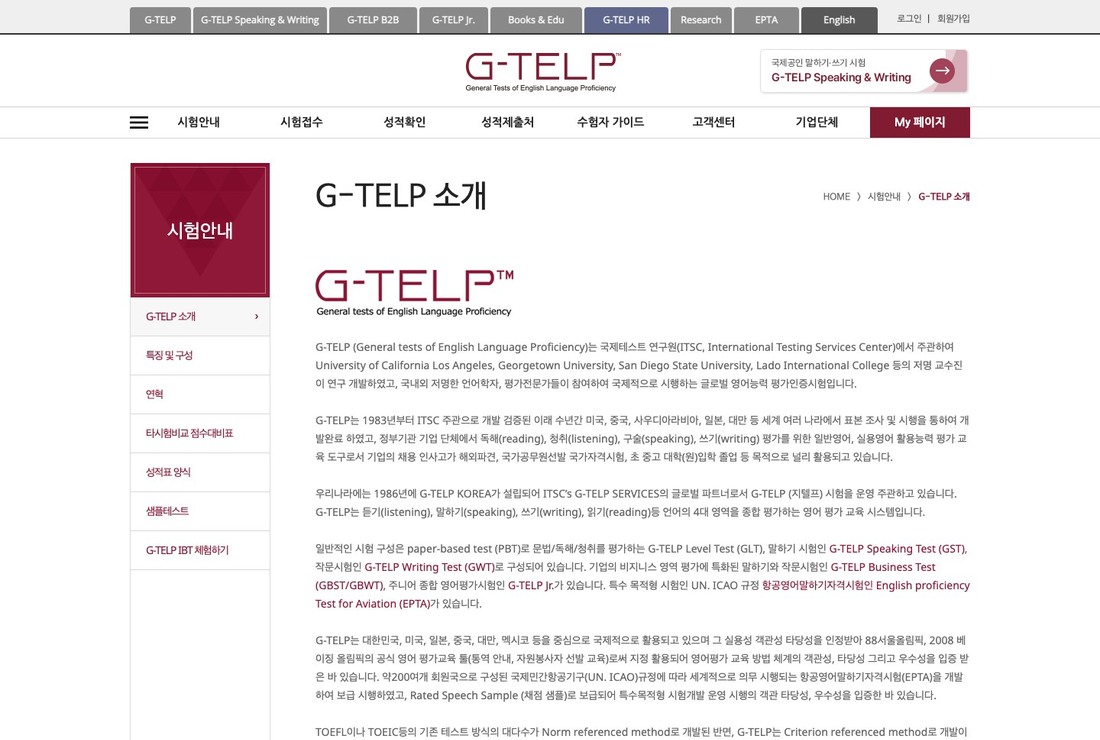
G-TELP
G-TELP is the test to consider when preparing English scores recognized for national qualifications, hiring, graduation, and similar purposes. It is administered by G-TELP Korea and assesses English grammar, listening, reading, and vocabulary skills by level. It covers Grammar, Listening, and Reading and Vocabulary, and it is especially useful when preparing English scores recognized for national qualifications, hiring, graduation, and similar purposes. This list introduces G-TELP not for its fame but as an option for distinguishing actual submission purposes and assessment areas. Even with the same G-TELP score, the way universities, companies, and immigration authorities accept it and its validity period can differ.
Before you start preparing, check the distinction between regular and on-demand tests and between Levels, as well as the test sessions and scores the receiving organization accepts. Read the current test structure, available registration regions, fees, and score release schedule on the official G-TELP page in that order. Get familiar with the screen, audio, and answer format using G-TELP practice questions, and if necessary, ask the receiving organization in writing whether it accepts the test. On test day, follow the official G-TELP ID rules and check-in time, and make sure your English name matches your application.
Before you start preparing, check the distinction between regular and on-demand tests and between Levels, as well as the test sessions and scores the receiving organization accepts. Read the current test structure, available registration regions, fees, and score release schedule on the official G-TELP page in that order. Get familiar with the screen, audio, and answer format using G-TELP practice questions, and if necessary, ask the receiving organization in writing whether it accepts the test. On test day, follow the official G-TELP ID rules and check-in time, and make sure your English name matches your application.
시행기관 한국G-TELP위원회
시험 목적 영어 문법·청취·독해 및 어휘 능력을 레벨별로 평가
평가 영역 Grammar·Listening·Reading and Vocabulary
활용 상황 국가자격·채용·졸업 등에서 인정되는 영어 성적을 준비할 때
확인할 점 정기·수시시험과 Level 구분, 제출처가 인정하는 시험 회차와 점수를 확인한다.
공식 정보 https://www.g-telp.co.kr/info/info1.asp
이미지 출처 http://g-telp.co.kr/info/info1.asp
Once you’ve picked your candidate exams, rather than setting a target score first, work backward from the submission deadline to the score release date and the number of retakes possible. This helps you avoid mistakes like preparing only for a listening and reading test when speaking is required, or spending time on an exam the school doesn’t accept. If you check your current level with a practice test and then compare whether the assessment areas and test environment suit you, you can also make a more concrete study plan.
Before registering, check the English name on your passport, ID rules, items allowed in the test center, and how scores are sent, and keep your payment and registration records. Test scores do not automatically guarantee admission or employment, and organizations may apply additional interviews and separate qualifications. At the final submission stage, reread the latest notices from the school, company, or immigration authority and make sure your official score report arrives by the required deadline and method.
Before registering, check the English name on your passport, ID rules, items allowed in the test center, and how scores are sent, and keep your payment and registration records. Test scores do not automatically guarantee admission or employment, and organizations may apply additional interviews and separate qualifications. At the final submission stage, reread the latest notices from the school, company, or immigration authority and make sure your official score report arrives by the required deadline and method.
At a glance
10 items
TOEIC Listening and Reading
ETS
TOEFL iBT
ETS
IELTS
TEPS
서울대학교 TEPS관리위원회청해·어휘·문법·독해
OPIc
JLPT Japanese Language Proficiency Test
언어지식·독해·청해
HSK Chinese Proficiency Test
듣기·읽기·쓰기
TOPIK Korean Language Proficiency Test
대한민국 교육부 국립국제교육원
FLEX Foreign Language Proficiency Test
한국외국어대학교 FLEX센터
G-TELP
한국G-TELP위원회
As part of the Coupang Partners program, this post may earn a commission from qualifying purchases.
Comments 0
Log in to leave a comment.
Be the first to comment.
How about these lists?


You might also like


🎲
Not ready to stop here?
Wondering what to read next is the biggest waste of time.
Let the dice decide — you won't know what pops up until you roll.
If you don't press it… won't you wonder forever? 👀