Collection
Board Games
2026.09.17
The Scary Choice of People Over Price Tags in Economic Board Games
A collection of real products that move the market through auction, stocks, negotiation, and logistics
The price of economic board games often moves not by the numbers set by the rulebook, but by the expectations and actions of players. Even the same power plant can become more expensive with a lot of competitors, while a piece that seems low in value can see its market price rise if many transactions involve a specific artist. In free negotiation games, the power of trust and conversation is more important than calculation, and the way judgments are made can vary greatly depending on whether cash is public or private.
This list gathers eight real products dealing with power plant auctions, art markets, real estate negotiations, stocks and mergers, and industrial logistics. It shows interaction intensity, language dependence, and entry difficulty to distinguish between simple money calculation and player-led markets. Instead of focusing on actual financial knowledge, it emphasizes the ways players can experience demand, supply, bidding, and networks within each game.
This list gathers eight real products dealing with power plant auctions, art markets, real estate negotiations, stocks and mergers, and industrial logistics. It shows interaction intensity, language dependence, and entry difficulty to distinguish between simple money calculation and player-led markets. Instead of focusing on actual financial knowledge, it emphasizes the ways players can experience demand, supply, bidding, and networks within each game.
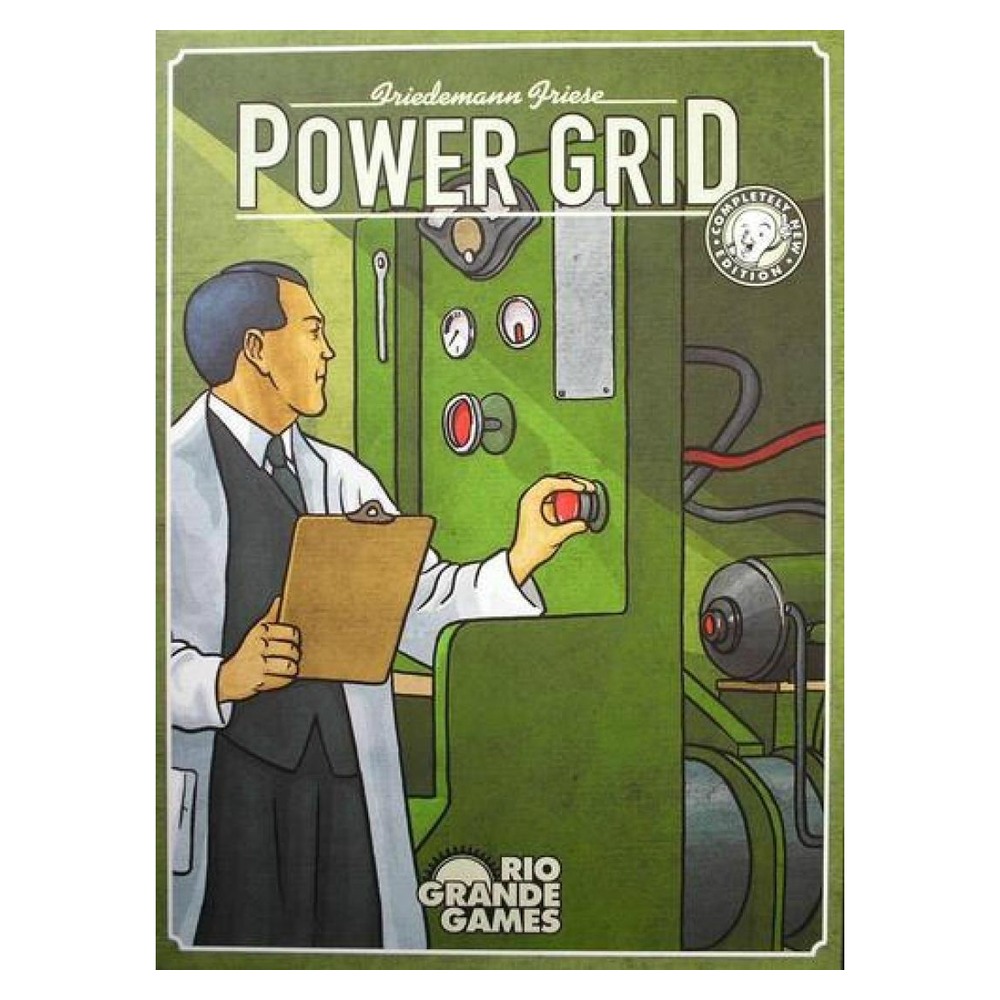
Power Grid
The core system notation of Power Grid is 'Auction · Supply and Demand'. The interaction types of Power Grid are 'Auction · Map Control · Market Price'. During the selection phase, not only the theme of 'Power Grid' but also the intensity of attack, negotiation, and blocking should match the group's preferences. The official page indicates that the first edition is out of print and has been replaced by the subsequent edition, Power Grid Recharged, so buyers should differentiate between editions.
The recommended number of players for Power Grid is 2 to 6, the recommended age is 12 and up, and the expected time is about 120 minutes. It is classified as low language dependence and intermediate entry difficulty. In the first game, using only the basic setup of Power Grid and explaining public information and victory conditions first can reduce the burden of rules.
The recommended number of players for Power Grid is 2 to 6, the recommended age is 12 and up, and the expected time is about 120 minutes. It is classified as low language dependence and intermediate entry difficulty. In the first game, using only the basic setup of Power Grid and explaining public information and victory conditions first can reduce the burden of rules.
게임 인원 2~6명
권장 연령 만 12세 이상
예상 시간 약 120분
핵심 시스템 경매·수요 공급
상호작용 경매·지도 선점·시장 가격
언어 의존도 낮음
입문 난도 중급

Modern Art
The core system notation of Modern Art is 'Multi-auction · Art Market'. The interaction type of Modern Art is 'All transactions are player auctions'. During the selection phase, not only the theme of 'Modern Art' but also the intensity of attack, negotiation, and blocking should match the group's preferences.
The recommended number of players for Modern Art is 3 to 5, the recommended age is 10 and up, and the expected time is about 45 minutes. It is classified as low language dependence and beginner entry difficulty. In the first game, using only the basic setup of Modern Art and explaining public information and victory conditions first can reduce the burden of rules.
The recommended number of players for Modern Art is 3 to 5, the recommended age is 10 and up, and the expected time is about 45 minutes. It is classified as low language dependence and beginner entry difficulty. In the first game, using only the basic setup of Modern Art and explaining public information and victory conditions first can reduce the burden of rules.
게임 인원 3~5명
권장 연령 만 10세 이상
예상 시간 약 45분
핵심 시스템 다중 경매·미술 시장
상호작용 모든 거래가 플레이어 경매
언어 의존도 낮음
입문 난도 입문

Chinatown
The core system notation of Chinatown is 'Free Negotiation · Store Set'. The interaction type of Chinatown is 'Very strong free negotiation and cash transactions'. During the selection phase, not only the theme of 'Chinatown' but also the intensity of attack, negotiation, and blocking should match the group's preferences.
The recommended number of players for Chinatown is 3 to 5, the recommended age is 12 and up, and the expected time is about 60 minutes. It is classified as low language dependence and intermediate entry difficulty. In the first game, using only the basic setup of Chinatown and explaining public information and victory conditions first can reduce the burden of rules.
The recommended number of players for Chinatown is 3 to 5, the recommended age is 12 and up, and the expected time is about 60 minutes. It is classified as low language dependence and intermediate entry difficulty. In the first game, using only the basic setup of Chinatown and explaining public information and victory conditions first can reduce the burden of rules.
게임 인원 3~5명
권장 연령 만 12세 이상
예상 시간 약 60분
핵심 시스템 자유 협상·상점 세트
상호작용 자유 협상과 현금 거래가 매우 강함
언어 의존도 낮음
입문 난도 중급
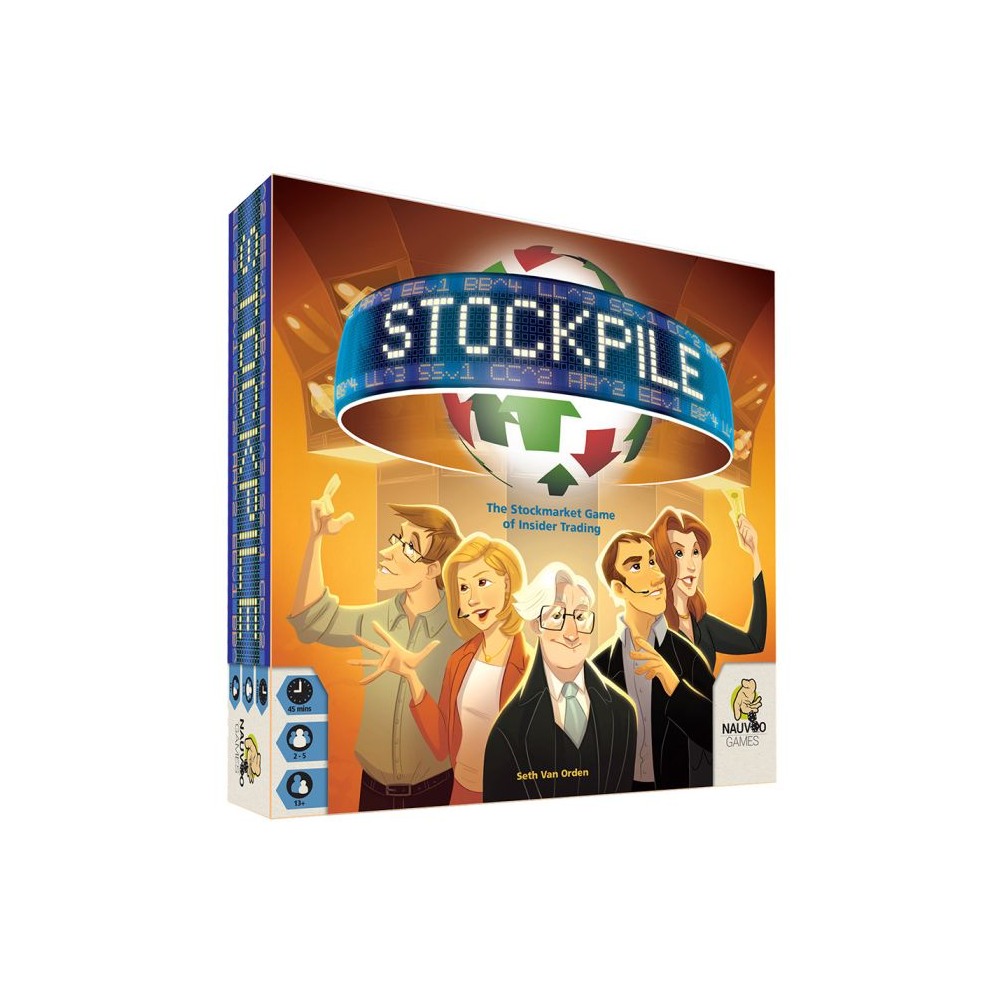
Stockpile
The core system notation of Stockpile is 'Stocks · Private Auction'. The interaction type of Stockpile is 'Information asymmetry and auction'. During the selection phase, not only the theme of 'Stockpile' but also the intensity of attack, negotiation, and blocking should match the group's preferences.
The recommended number of players for Stockpile is 2 to 5, the recommended age is 13 and up, and the expected time is about 45 minutes. It is classified as low language dependence and intermediate entry difficulty. In the first game, using only the basic setup of Stockpile and explaining public information and victory conditions first can reduce the burden of rules.
The recommended number of players for Stockpile is 2 to 5, the recommended age is 13 and up, and the expected time is about 45 minutes. It is classified as low language dependence and intermediate entry difficulty. In the first game, using only the basic setup of Stockpile and explaining public information and victory conditions first can reduce the burden of rules.
게임 인원 2~5명
권장 연령 만 13세 이상
예상 시간 약 45분
핵심 시스템 주식·비공개 경매
상호작용 정보 비대칭과 경매
언어 의존도 낮음
입문 난도 중급

For Sale
The core system notation of For Sale is 'Two-stage Auction · Real Estate'. The interaction type of For Sale is 'Tracking opponents' budgets and bidding'. During the selection phase, not only the theme of 'For Sale' but also the intensity of attack, negotiation, and blocking should match the group's preferences.
The recommended number of players for For Sale is 3 to 6, the recommended age is 10 and up, and the expected time is about 30 minutes. It is classified as low language dependence and beginner entry difficulty. In the first game, using only the basic setup of For Sale and explaining public information and victory conditions first can reduce the burden of rules.
The recommended number of players for For Sale is 3 to 6, the recommended age is 10 and up, and the expected time is about 30 minutes. It is classified as low language dependence and beginner entry difficulty. In the first game, using only the basic setup of For Sale and explaining public information and victory conditions first can reduce the burden of rules.
게임 인원 3~6명
권장 연령 만 10세 이상
예상 시간 약 30분
핵심 시스템 2단계 경매·부동산
상호작용 상대 예산 추적과 입찰
언어 의존도 낮음
입문 난도 입문
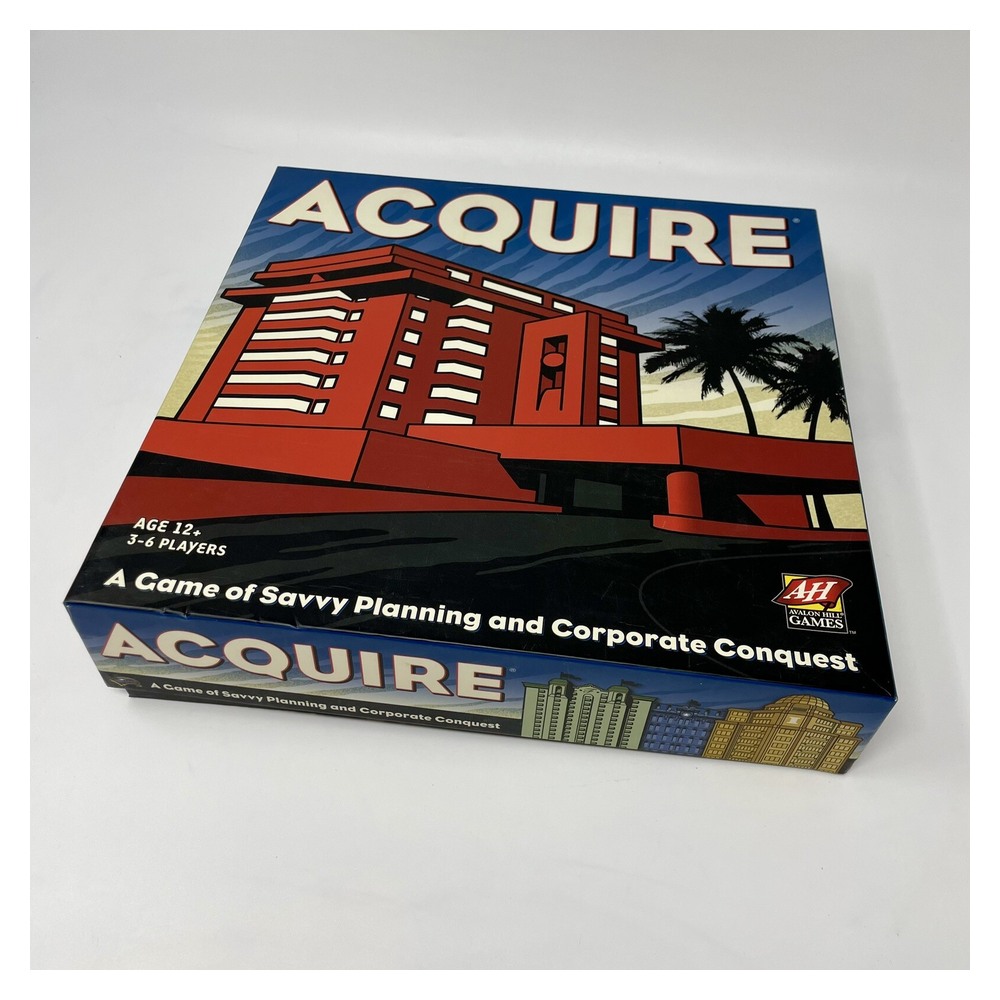
Acquire
The core system notation of Acquire is 'Corporate Mergers · Stock Investment'. The interaction type of Acquire is 'Stock acquisition and timing of mergers'. During the selection phase, not only the theme of 'Acquire' but also the intensity of attack, negotiation, and blocking should match the group's preferences.
The recommended number of players for Acquire is 2 to 6, the recommended age is 12 and up, and the expected time is about 90 minutes. It is classified as low language dependence and intermediate entry difficulty. In the first game, using only the basic setup of Acquire and explaining public information and victory conditions first can reduce the burden of rules.
The recommended number of players for Acquire is 2 to 6, the recommended age is 12 and up, and the expected time is about 90 minutes. It is classified as low language dependence and intermediate entry difficulty. In the first game, using only the basic setup of Acquire and explaining public information and victory conditions first can reduce the burden of rules.
게임 인원 2~6명
권장 연령 만 12세 이상
예상 시간 약 90분
핵심 시스템 기업 합병·주식 투자
상호작용 주식 선점과 합병 타이밍
언어 의존도 낮음
입문 난도 중급
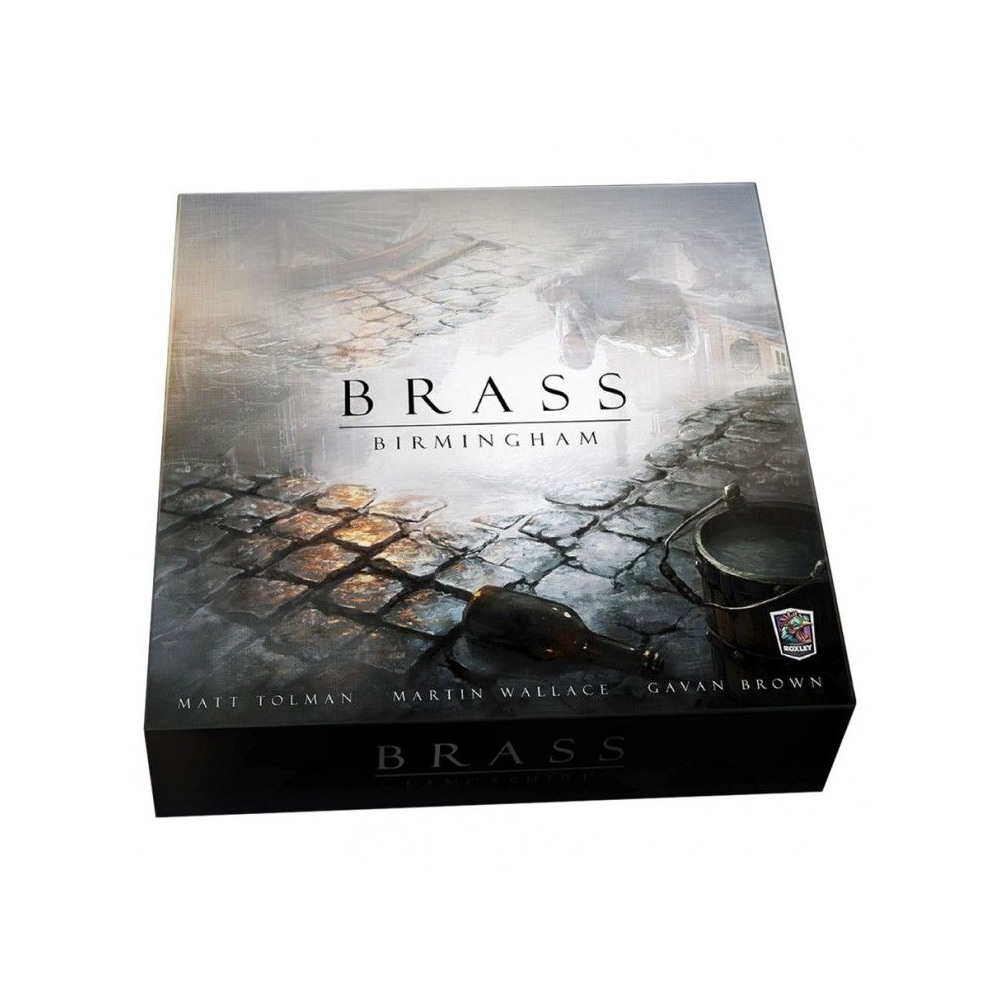
Brass: Birmingham
The core system notation of Brass: Birmingham is 'Industrial Network · Loan Economy'. The interaction type of Brass: Birmingham is 'Common resources and network competition'. During the selection phase, not only the theme of 'Brass: Birmingham' but also the intensity of attack, negotiation, and blocking should match the group's preferences.
The recommended number of players for Brass: Birmingham is 2 to 4, the recommended age is 14 and up, and the expected time is 60 to 120 minutes. It is classified as low language dependence and advanced entry difficulty. In the first game, using only the basic setup of Brass: Birmingham and explaining public information and victory conditions first can reduce the burden of rules.
The recommended number of players for Brass: Birmingham is 2 to 4, the recommended age is 14 and up, and the expected time is 60 to 120 minutes. It is classified as low language dependence and advanced entry difficulty. In the first game, using only the basic setup of Brass: Birmingham and explaining public information and victory conditions first can reduce the burden of rules.
게임 인원 2~4명
권장 연령 만 14세 이상
예상 시간 60~120분
핵심 시스템 산업망·대출 경제
상호작용 공용 자원과 네트워크 경쟁
언어 의존도 낮음
입문 난도 상급
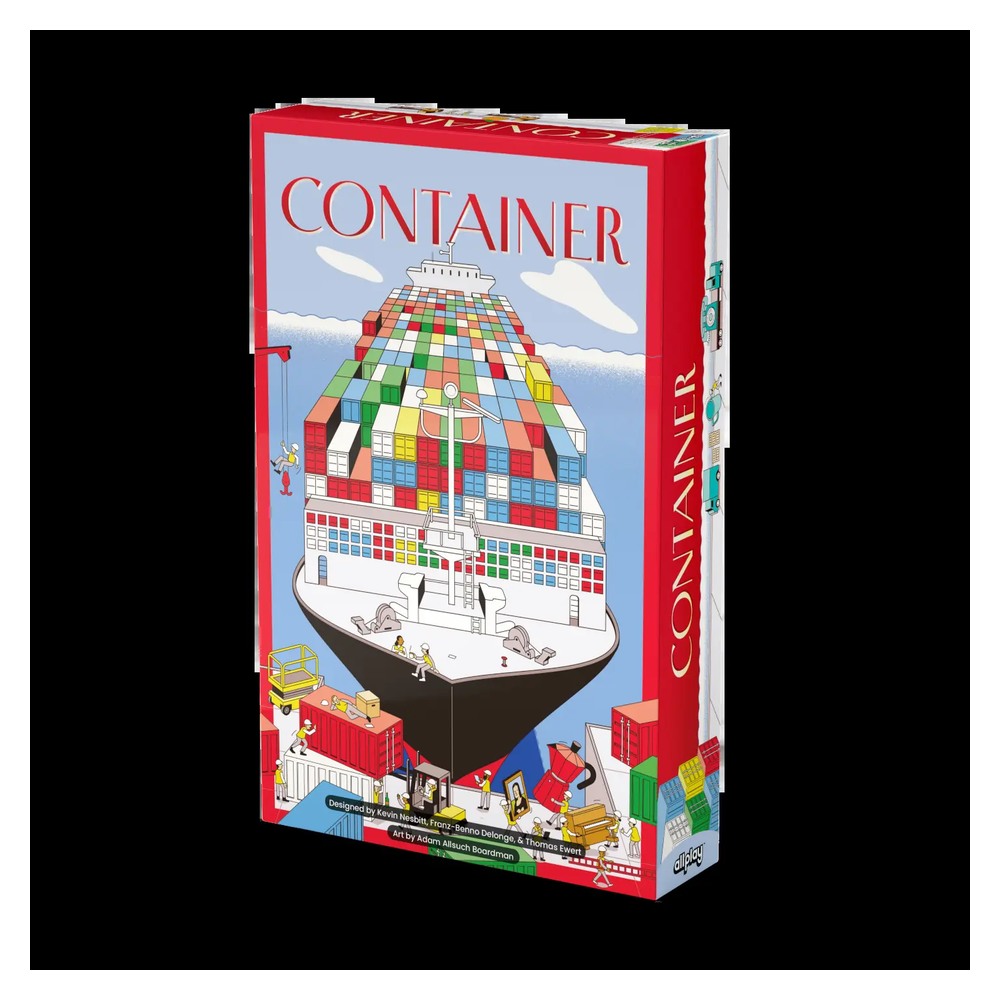
Container
The core system notation of Container is 'Player-led Market · Logistics'. The interaction type of Container is 'Price determination and auctions are entirely player-led'. During the selection phase, not only the theme of 'Container' but also the intensity of attack, negotiation, and blocking should match the group's preferences.
The recommended number of players for Container is 3 to 5, the recommended age is 13 and up, and the expected time is about 90 minutes. It is classified as low language dependence and advanced entry difficulty. In the first game, using only the basic setup of Container and explaining public information and victory conditions first can reduce the burden of rules.
The recommended number of players for Container is 3 to 5, the recommended age is 13 and up, and the expected time is about 90 minutes. It is classified as low language dependence and advanced entry difficulty. In the first game, using only the basic setup of Container and explaining public information and victory conditions first can reduce the burden of rules.
게임 인원 3~5명
권장 연령 만 13세 이상
예상 시간 약 90분
핵심 시스템 플레이어 주도 시장·물류
상호작용 가격 결정과 경매가 전부 플레이어 주도
언어 의존도 낮음
입문 난도 상급
For Sale and Modern Art briefly showcase the essence of auctions, while Chinatown turns free negotiation itself into the game. Stockpile addresses information asymmetry, and Acquire deals with mergers and major shareholder bonuses. Power Grid connects power plants, fuel, and city networks, while Brass: Birmingham and Container require reading the supply chains and prices used by others, making it a level heavier.
Even if it's play money, emotions can arise during the negotiation process, so agree on the scope of allowing false promises and when to cancel deals before starting. Accurately state the bidding unit and distinguish between public information and private information to reduce disputes. In the first game, prioritize the experience of smooth cash flow over high returns, and see how the end conditions change the market price; this will clarify the reasons for choices starting from the second game.
Even if it's play money, emotions can arise during the negotiation process, so agree on the scope of allowing false promises and when to cancel deals before starting. Accurately state the bidding unit and distinguish between public information and private information to reduce disputes. In the first game, prioritize the experience of smooth cash flow over high returns, and see how the end conditions change the market price; this will clarify the reasons for choices starting from the second game.
한눈에 보기
8개
Power Grid
2~6명 · 만 12세 이상 · 약 120분 · 경매·수요 공급 · 경매·지도 선점·시장 가격 · 낮음 · 중급
Modern Art
3~5명 · 만 10세 이상 · 약 45분 · 다중 경매·미술 시장 · 모든 거래가 플레이어 경매 · 낮음 · 입문
Chinatown
3~5명 · 만 12세 이상 · 약 60분 · 자유 협상·상점 세트 · 자유 협상과 현금 거래가 매우 강함 · 낮음 · 중급
Stockpile
2~5명 · 만 13세 이상 · 약 45분 · 주식·비공개 경매 · 정보 비대칭과 경매 · 낮음 · 중급
For Sale
3~6명 · 만 10세 이상 · 약 30분 · 2단계 경매·부동산 · 상대 예산 추적과 입찰 · 낮음 · 입문
Acquire
2~6명 · 만 12세 이상 · 약 90분 · 기업 합병·주식 투자 · 주식 선점과 합병 타이밍 · 낮음 · 중급
Brass: Birmingham
2~4명 · 만 14세 이상 · 60~120분 · 산업망·대출 경제 · 공용 자원과 네트워크 경쟁 · 낮음 · 상급
Container
3~5명 · 만 13세 이상 · 약 90분 · 플레이어 주도 시장·물류 · 가격 결정과 경매가 전부 플레이어 주도 · 낮음 · 상급
#Board Games#Strategy Games#Deck Building#Worker Placement#Economic Games#Asymmetrical Games#Civilization Games
이 포스팅은 쿠팡 파트너스 활동의 일환으로, 이에 따른 일정액의 수수료를 제공받습니다.
댓글 0
로그인 후 댓글을 작성할 수 있습니다.
첫 댓글을 남겨보세요.
이런 리스트는 어때요?


이런 리스트도 추천해요


🎲
여기서 멈추기엔 아쉽잖아?
다음에 뭘 볼지 고민하는 시간이 제일 아까워.
주사위가 대신 골라줄게 — 무슨 리스트가 튀어나올지는 굴려봐야 알지.
안 누르면… 평생 궁금하지 않겠어? 👀