Collection of Filming Locations from 'Donggung'
From Palaces to Hermitages and Confucian Academies, 10 Real Places Creating the Mysterious World of 'Donggung'
The Netflix series 'Donggung' is a historical mystery that pursues the secrets of the palace and the world of ghosts. The Donggung seen on screen is not just one location but a patchwork of actual palaces, broadcast sets, hermitages, Confucian academies, traditional villages, and pavilions by the water. This collection outlines how those spaces contributed to the atmosphere of the work and what visitors can see on-site today.
The 10 listed locations were identified based on comparison materials from 'Filming Locations for the Drama Released in July 2026,' cross-referenced with official resources from the Cultural Heritage Administration, Korea Tourism Organization, and local governments for addresses, histories, and visitor information. The original reference article was published by author sigisiging under CC BY 4.0, and this write-up acknowledges that condition. No images or sentences from the original text have been used, and all descriptions are newly written.
Gyeongbokgung and Oksan Seowon are protected national heritage sites, while Gaeshimsa and Dosolam are religious spaces where rituals and practice continue today. Dae Jang Geum Park is a set for production purposes, and the residents of Namsa Yedamchon live there. Despite being 'filming locations,' entry and filming rules vary, so the original functions of the places should be respected before recreating scenes.
The locations are widely scattered across Seoul, Yongin, Okcheon, Seosan, Namwon, Haenam, Mungyeong, Gyeongju, Sancheong, and Miryang. Rather than connecting all in one day, it is advisable to divide travel by regions such as the metropolitan area, Chungcheong, Jeolla, and Gyeongsang. Before departure, check operating hours, filming restrictions, ceremonies, construction, and weather conditions on official channels for the latest updates.
Gyeongbokgung
Scenes in the Drama
One of the actual filming locations that makes up the palace spaces in 'Donggung.' The comparison screen reveals the refined axis created by wide halls, corridors, and stone floors, functioning as a background that simultaneously shows the authority of the royal family and tension between characters.
Story of the Actual Place
Gyeongbokgung is the royal palace of the Joseon Dynasty, having undergone destruction and reconstruction, damage, and restoration, making it a national heritage. Different areas like Geunjeongjeon, Gyeonghoeru, and Hyangwonjeong create distinct atmospheres, revealing the clear differences between ceremonial and living spaces within the palace.
Screen vs. On-site
The screen aligns the axis of characters and architecture while minimizing surrounding viewing elements to emphasize the grandeur of the palace. In reality, the distance between various halls and the scale of courtyards feel much larger, and it should not be assumed that the same access points as the screen are available because there might be restricted areas or filming control sections not shown.
Visiting Information
Easy access from Gwanghwamun via subway line 3 to Gyeongbokgung Station. Visiting hours, closure days, and fees may vary by season and events, and night admissions are often operated on a separate reservation basis. Before visiting in July 2026, it’s a good idea to check the operating guidelines and day-of control notices on the official website of the Cultural Heritage Administration’s Gyeongbokgung.
When Visiting
The palace is not a filming set but a protected national heritage. Do not cross over thresholds and prohibited areas, and check for permissions for tripod, drone, and commercial filming. During the changing of the guards or group viewing times, Gwanghwamun can be crowded, so even if you find the perfect shot, don't obstruct the traffic of other visitors.
Yongin Dae Jang Geum Park
Scenes in the Drama
A filming location that connects various spaces needed for historical dramas, such as palace walls, halls, government buildings, and marketplaces, all within one site. In 'Donggung,' it seamlessly transitions from actual palace shooting segments, serving as a backdrop that broadens the scale of the story world.
Story of the Actual Place
A historical drama filming site managed by MBC, where approximately 240 traditional-style buildings are placed along the mountainside. Unlike Gyeongbokgung, which is a restored cultural heritage site, this is a set that is utilized and transformed according to the era and story for production purposes.
Screen vs. On-site
The camera presents the front of the set and alleys to make it appear as a complete palace, but on-site, areas from different historical backgrounds are closely connected. During filming, props, banners, and access routes may change, and some areas may close, so it's advisable to focus on the spatial configuration of the set rather than attempting to recreate the scenes exactly.
Visiting Information
According to the official guidelines, the hours are 09:00–18:00 from March to October, and 09:00–17:00 from November to February, with adult admission at 11,000 won and youth/children at 9,000 won. Free parking is available, and about 90 minutes is recommended for general visits. Fees, closing times, and holiday operations may change, so it’s recommended to check the official visiting guidelines on the day of your visit.
When Visiting
If actual broadcasting is scheduled, some sets may be restricted without prior notice. Please follow safety fences and staff guidelines, and note that set buildings may be structures designed for filming, not for public entry. Pets, except for service dogs, are not allowed, and nighttime openings are not operated regularly.
Filming Location Verification
Source 1 · Source 2 · Source 3 · Source 4
Busodam Rock
Buseodam Rock
Scenes in the Drama
The unique scenery where the surface of Daecheong Lake meets the long, extending rocky ridge serves as a filming background for 'Donggung's' surreal and eerie natural scenes. Unlike the palace buildings, natural elements like water, rock cliffs, and mist lead the tension of the scene.
Story of the Actual Place
Buseodam Rock is a renowned site in Okcheon, known for its backdrop of rocky peaks appearing to float above the water since part of the mountains submerged due to the construction of the Daecheong Dam. The approximately 700-meter-long cliff and the view around Chusajeong change significantly based on seasons, water levels, and the direction of light.
Screen vs. On-site
The drama's visuals use close-up rock lines and compressed backgrounds near the water's surface to create the illusion of an isolated space. Visitors on land view from Chusajeong and designated paths, making it difficult to achieve the same visual composition seen on the screen. Do not attempt to access unauthorized areas based on guesses about boat or drone filming.
Visiting Information
The filming location coordinates are for Chusori 759, and the Okcheon County's official tourism guide provides the address of Buseodam Rock in the vicinity of Gunbuk-myeon Hwan-san-ro 518. The official page notes that some exploration facilities operate from 09:00 to 17:00, and it may close on Mondays, holidays, thaw periods, and during bad weather, so it is recommended to check at 043-730-3413 before departing.
When Visiting
The ridge edges have steep and cliff sections, so do not stray from designated paths. Conditions of the paths vary with rain, snow, freezing, and the water level of Daecheong Lake, making the rocks by the water particularly slippery. Do not board unidentified boats without verified commercial operation or trespass on private land or village roads for shooting purposes.
Gaesimsa
Gaeshimsa
Scenes in the Drama
The hermitage at the end of a forest path with curved wooden pillars and low halls evokes the setting for secret meetings and practices in 'Donggung.' The quiet atmosphere contrasts sharply with the opulence of palaces, creating depth in the characters' inner thoughts and the storyline.
Story of the Actual Place
Gaeshimsa is an ancient temple nestled at the foot of Sangwangsan in Seosan, South Chungcheong Province. The humble structures like Daeungjeon and Simgeomdang, the entry path crossing over a pond, and the spring scenery of double cherry blossoms and blue blossoms are widely known.
Screen vs. On-site
The visuals create an impression of a secluded retreat by tightly framing the halls and woods, but it is a living religious space frequented by worshippers and hikers. Seasonal flowers greatly influence the atmosphere on screen, and ceremonial events may operate differently than during the filming period.
Visiting Information
The address for searching is 321-86 Gaeshimsa. You have to walk uphill and climb stairs from the parking area to the temple, so comfortable footwear is advisable. During the peak spring flower season, the access road and parking area can get very congested. Entry, parking, and ceremonial schedules may change, so please check Seosan City's tourism guide or on-site temple notices.
When Visiting
Gaeshimsa is not a tour set but an active temple with ongoing rituals and practices. Check the guidelines first for filming inside prayer halls, using flash, or tripods, and avoid entering during ceremonies. Do not pull at flower branches or lean against temple railings, and maintain a quiet voice and proper attire while visiting.
Gwanghanruwon
Scenes in the Drama
The Gwanghanruwon, where ponds, pavilions, and the Ojak Bridge overlap in one frame, is confirmed as a filming location that richly enhances the palace gardens and night scenes in 'Donggung.' The reflection of the water and the silhouette of the pavilions blend well with the atmosphere of the work, blurring the boundaries between reality and another world.
Story of the Actual Place
Gwanghanruwon is a representative scenic area of Namwon where various traditional buildings, ponds, islands, and Ojak Bridge harmonize around the Gwanghanru pavilion. It is also widely known as the backdrop of 'Chunhyangjeon' and is notable for its design that symbolizes the realm of fairies.
Screen vs. On-site
The drama emphasizes lighting and water reflections to give the impression of a deep, secretive palace garden, but the reality is more akin to an open park. Night view lighting, event stages, and seasonal foliage can give the same pavilion a substantially different impression than the screen.
Visiting Information
The location is easily accessible by public transport and vehicle at 1447 Yocheon-ro, Namwon. Paid viewing hours and free opening times, nighttime operations, and event schedules can vary by season. Based on the situation in July 2026, check the Gwanghanruwon official website for visiting hours, fees, parking, and event restrictions before departing.
When Visiting
Areas around the Ojak Bridge and pavilions tend to be congested with visitors, so do not obstruct traffic with tripods. Avoid climbing over pond railings or getting too close to the water's surface, and do not lean equipment against the pillars, Dancheong, or handrails of national heritage buildings. At night, be cautious of the rocky stairs and bridge edges where visibility is low.
Haenam Doseolam
Haenam Dosolam
Scenes in the Drama
The breathtaking sight of a small hermitage nestled between the cliffs of Dalmasan is confirmed as a filming background representing an isolated retreat in 'Donggung.' The narrow mountain path and cliff terrain amplify the character's sense of isolation and the tension of the scene.
Story of the Actual Place
Dosolam is a small hermitage located near the rocky ridges of Dalmasan in Haenam. It is known as an ancient place of prayer, and the current structure was rebuilt in the 2000s. Its location offers a stunning view of both peaks and the sea, making it well-known as a filming spot.
Screen vs. On-site
The camera compresses the hermitage and rocky peaks into one frame, creating an appearance of a cliffside view. However, this visit is not easily accessible by car, and even at the upper access point, one must navigate a narrow, winding path and approximately 800 meters on foot. The feeling of openness can vary greatly depending on weather and visibility conditions.
Visiting Information
The address is 355-300 Mabong-songjeong-gil, Songji-myeon, and it is essential to check navigation routes and vehicle access before entering the mountain path. The Korea Tourism Organization recommends a walking distance of about 15 minutes from the upper point, but personal fitness levels and path conditions may require more time. It is safer to postpone visits during rain, strong winds, or fog.
When Visiting
Since cliffs and narrow ridgelines are connected, wear slip-resistant shoes and begin descending before sunset. Do not try to force vehicles onto narrow roads where passing is difficult, and follow on-site controls. As a space for practice, it is prohibited to film inside the prayer hall and monk residence without permission, and drone flights also require prior approval.
Mungyeong Saejae Jogokgwan
Scenes in the Drama
The Jogokgwan, with its fortress gates, deep valleys, and pine forests, is confirmed as a filming location that creates the atmosphere of a gateway or border space outside the capital in 'Donggung.' The closed gates and narrowing landscape heighten the urgency of the characters' movement and the story's tension.
Story of the Actual Place
The Jogokgwan is the second gate of Mungyeong Saejae, built shortly after the Imjin War. Positioned in a narrow point of the valley about 3 kilometers in from the first gate, Juhul-gwan, the surrounding pine forest and rocky cliffs enhance the defensive impression of the gate.
Screen vs. On-site
While the screen presents characters and gates prominently to create an isolated gate appearance, in reality, it is along the main trail of Mungyeong Saejae, attracting steady foot traffic from visitors. The open set nearby and Jogokgwan are different locations, so it’s important to confirm you haven't confused your visit to the second gate with simply visiting the set.
Visiting Information
The Jogokgwan itself is found at 42-36 Sangcho-ri, Mungyeong-eup, and regular vehicles find it hard to access directly. One must walk over 3 kilometers through the first gate from the Mungyeong Saejae parking lot, so plan ample time and energy for the round trip. Each of the exploration trail, tram, museum, and set operations vary, so check the notices issued by the Mungyeong Saejae Management Office.
When Visiting
Although it is a long walk on a gentle dirt path, there can be wet and slippery areas after rains or snow. The gates and fortress walls are protected, so do not climb or lean equipment against them, and check the on-site guidance for drinking water. When filming or events cause control, follow detour and waiting instructions.
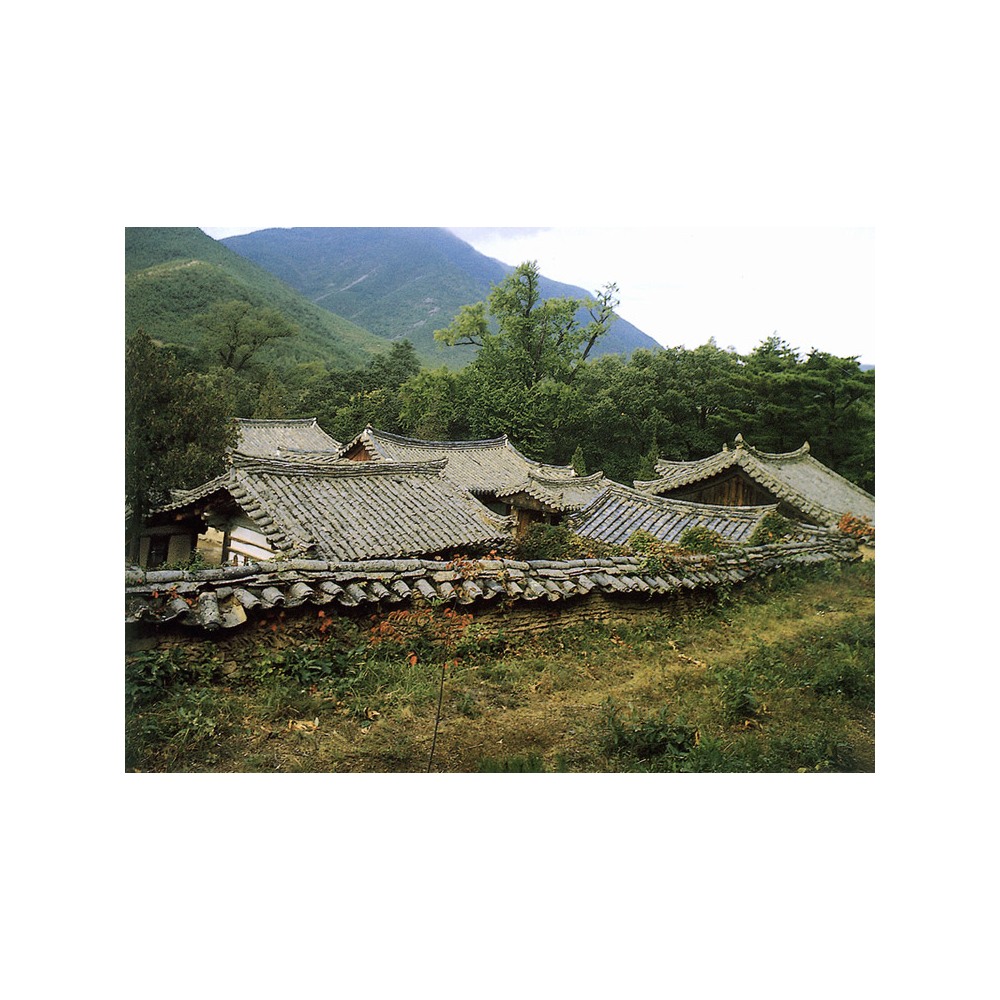
Ok-san Seowon
Oksan Seowon
Scenes in the Drama
The gate and yard of the seowon, along with its restrained wooden architecture, serve as a filming background for the exchange of scholarship and power and secret discussions in 'Donggung.' The distinct axis, different from the opulence of the palace, portrays character relations calmly yet strictly.
Story of the Actual Place
Oksan Seowon was established in 1572 to commemorate the Joseon Neoconfucian scholar Hoijae Yi Eon-jeok. Spaces for lectures and rituals are hierarchically arranged, and together with other seowons, it is registered as a UNESCO World Heritage site under ‘Korean Seowon.’
Screen vs. On-site
The drama layers the gate and eaves to create a deep space, but the actual seowon is divided into areas according to the order of teaching and rituals. The doors that are closed or decorated during filming may not be open to the public now, and it’s advisable to check markers to avoid confusion with nearby Deoknakdang or valley landscapes.
Visiting Information
The address is 216-27 Oksan Seowon-gil, Angang-eup. There is less public transport compared to urban tourist sites, making vehicle movement more convenient, but parking conditions may vary on weekends and event days. Viewing areas may be adjusted due to rituals, maintenance, and cultural education center-related construction, so please confirm with Gyeongju City or the official cultural heritage guidance before visiting.
When Visiting
The UNESCO World Heritage seowon should be viewed quietly as a space for education and rituals. Don't open closed doors or recklessly enter the maru, and comply with guidelines for food and pet entries. Filming with tripods, drones, and commercial photography may require permission from management, and be cautious on the wet rocks in the valley.
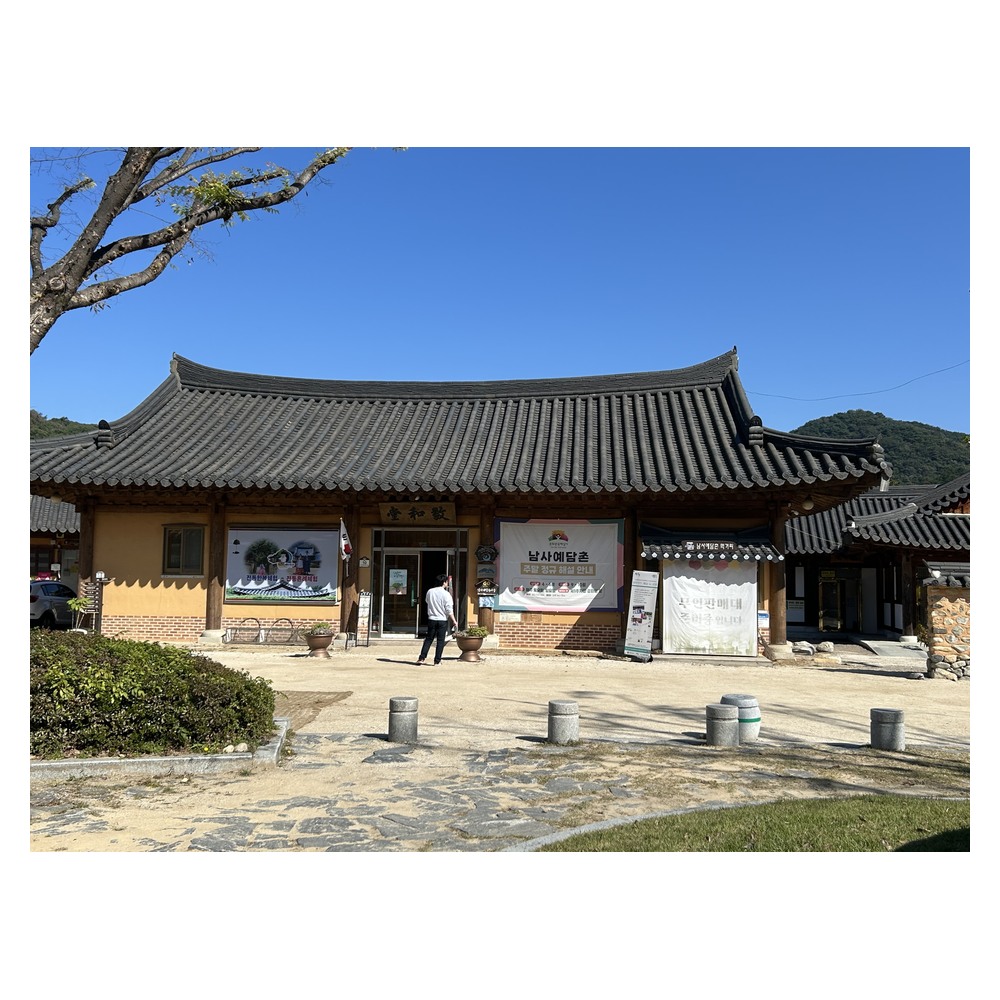
Namsa Yedam Village
Namsa Yedamchon
Scenes in the Drama
The stone wall alleys and tile-roofed houses of Namsa Yedamchon are confirmed as filming backgrounds representing the landscapes of noble households and villages outside the palace in 'Donggung.' The winding alleys hide and reveal characters, adding a sense of realism to the scene.
Story of the Actual Place
Namsa Yedamchon is a traditional village in Danseong-myeon, Sancheong, featuring old houses, stone walls, and Chinese scholar trees. Designated as cultural heritage, it coexists with actual residents, showcasing a living village's time layers rather than a preserved film set.
Screen vs. On-site
The screen selects narrow segments to avoid modern signage and vehicles, making the village appear wholly historic. However, on-site, there are residents' cars, daily items, and private houses that are not open to exploration. Even if you find walls similar to filming scenes, the area inside the gates remains a private zone.
Visiting Information
The main guide point is 10 Jirisan-daero 2897-gil, Danseong-myeon. It is advisable to use the parking area at the village entrance and explore the stone wall paths on foot. Availability of cultural explanations, experiences, and house openings can vary by date, so it’s best to check Sancheong-gun’s cultural tourism guide and Namsa Yedamchon’s site notices in advance.
When Visiting
As it is an actual village where residents live, do not shoot or enter inside the gates, windows, or yards without permission. Do not make loud noises in the alleys or obstruct vehicle traffic, and do not climb or lean against the stone walls. Group photography and drone flights should be arranged in advance.
Wanjaejeong
Scenes in the Drama
The island of Wiyangji, Wanjaejeong, and the trees arching over the water serve as a serene filming background resembling a secluded garden in 'Donggung.' Although beautiful, the pavilion seems to be an unreachable space, visualizing the distance and anxiety between characters.
Story of the Actual Place
Wiyangji is an old reservoir created for agricultural use, known for the island of Wanjaejeong and the surrounding willow and ipap trees. The current Wanjaejeong is related to the Andong Kwon clan and attracts many visitors during the blooming season of the ipap trees, eager to see the white flowers and reflections on the water.
Screen vs. On-site
The drama intricately layers the pavilion, trees, and reflections to create the illusion of a secret garden separate from the outside world. In reality, the paths around Wiyangji connect to rural villages, and reflections may vanish depending on water levels, wind, and blooming status. The accessibility of the Wanjaejeong interior can also differ from that during filming.
Visiting Information
Enter 'Wiyangji' or '273-36 Wiyang-ro, Bubuk-myeon' into your navigation system. It is generally accessible for outdoor viewing, but interior and clan management areas may have separate controls. During ipap blooming season, parking and roads can become congested, so visiting early in the day is advised. Always check for events and maintenance notices through Miryang City tourism announcements before heading out.
When Visiting
The edges of the reservoir and island connections can be slippery after rain, and there may be sections without railings. Avoid going down to the water's edge or stepping on tree roots for photo compositions. Wanjaejeong is not a public filming set, so do not interfere with closed areas or clan events, and ensure to get prior permission for any commercial filming or drone usage.
In the metropolitan area, comparing Gyeongbokgung and Yongin Dae Jang Geum Park provides a clear view of how the layout of the actual royal palace differs from the spatial design of the filming set. In the Chungcheong region, Buseodam Rock and Gaeshimsa center around the scenic lakeside and the tranquility of the hermitage, so it’s better to allocate enough time for each, considering the seasons and weather.
The distances between Gwanghanruwon and Dosolam in the Jeolla region are long. Rather than trying to combine the Namwon city garden and the Dalmasan hermitage in one day, it is advisable to keep them as separate itineraries, prioritizing descent and safety on the mountain path before sunset at Dosolam. In the Gyeongsang region, since Mungyeong Saejae, Oksan Seowon, Namsa Yedamchon, and Wanjaejeong are located in different districts, a 2-3 day schedule is more realistic.
Understanding the history and current use of the places makes the filming location travel more memorable than just capturing photos like on-screen. There are respective boundaries at the thresholds and handrails of national heritage sites, the prayer halls of temples, the gates of residents, and the banks of reservoirs. Please respect barriers and on-site guidelines, and do not obstruct other visitors' pathways with filming equipment.
The operating hours, fees, and open areas are based on information confirmed in July 2026, but they may change due to filming, rituals, ceremonies, events, maintenance, and weather. Be sure to check the official links for each item before departure and prioritize the latest notices if there’s any changed information.
이 포스팅은 쿠팡 파트너스 활동의 일환으로, 이에 따른 일정액의 수수료를 제공받습니다.
댓글 0
로그인 후 댓글을 작성할 수 있습니다.
첫 댓글을 남겨보세요.
이런 리스트는 어때요?


이런 리스트도 추천해요




여기서 멈추기엔 아쉽잖아?
다음에 뭘 볼지 고민하는 시간이 제일 아까워.
주사위가 대신 골라줄게 — 무슨 리스트가 튀어나올지는 굴려봐야 알지.
안 누르면… 평생 궁금하지 않겠어? 👀