Collection
China
2026.08.23
The Two Thousand Years of Changsha Revived by a Silk Garment
A Historical Journey Connecting Artifacts from Mawangdui, Bamboo Slips, City Walls, and Modern Educational Spaces at Actual Museums and Ruins
The history of Changsha comes alive when you follow the artifacts that have emerged from the land and the buildings left in the city, rather than just memorizing the names of dynasties. The Mawangdui exhibition at Hunan Provincial Museum showcases Han-era life with examples of lacquerware, silk, bamboo slips, and the preservation of Lady Xin's body, while the Changsha Jiandu Museum allows visitors to read the city's administrative records unearthed from the ground. The former home of Jia Yi, Tianxinge, and the site of Hunan First Normal University connect the times of literary figures and modern education.
When searching for the ruins and exhibition halls by the same name, remember that the actual excavation site and the location of the artifact exhibition may differ. The essence of the Mawangdui artifacts lies in the Hunan Provincial Museum, so don’t get them confused with the excavation site. Check the requirements for real-name reservations, passport collection, the museum's closure on Mondays, and the final admission times. By linking one large museum with about two smaller historic homes in a day, you can create time to read the explanations. In memorials and religious spaces, maintain etiquette over viewing.
When searching for the ruins and exhibition halls by the same name, remember that the actual excavation site and the location of the artifact exhibition may differ. The essence of the Mawangdui artifacts lies in the Hunan Provincial Museum, so don’t get them confused with the excavation site. Check the requirements for real-name reservations, passport collection, the museum's closure on Mondays, and the final admission times. By linking one large museum with about two smaller historic homes in a day, you can create time to read the explanations. In memorials and religious spaces, maintain etiquette over viewing.
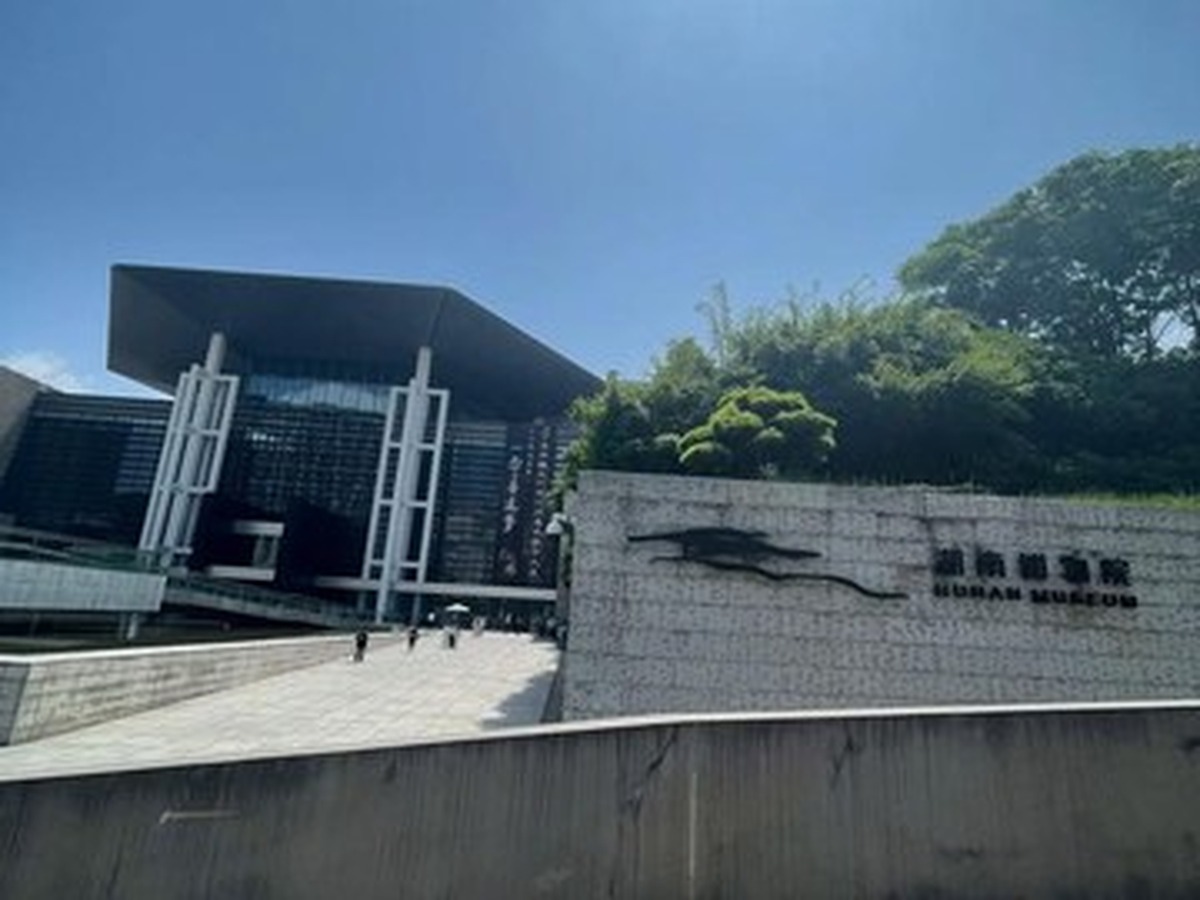
Hunan Provincial Museum
Hunan Provincial Museum is the flagship museum for anyone who wants to see the finds from the Mawangdui Han tombs in person. Its Mawangdui Han tombs exhibition and permanent Hunan history and culture galleries let you look deeply into Han-dynasty life through lacquerware, silk, bamboo slips and the preserved Lady Xin Zhui, a different role from the excavation site at the Mawangdui Han Tombs. You need a real-name reservation and your passport to collect tickets, and it closes on Mondays, so check the last entry time in advance as well.
주소 湖南省长沙市开福区东风路50号
방문 확인 실명 예약·여권 수령과 월요일 휴관·마지막 입장을 공식 안내에서 확인한다
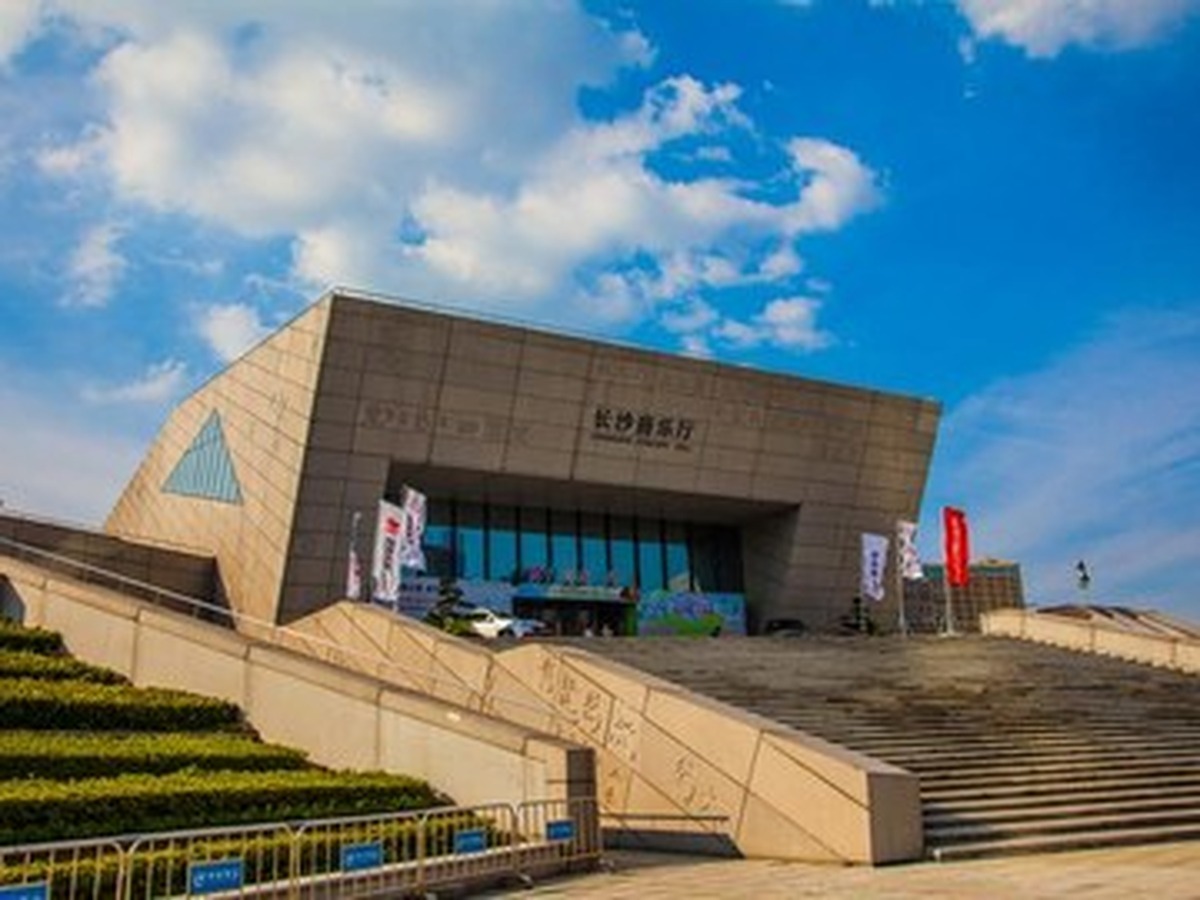
Changsha Museum
Changsha Museum suits anyone who wants a single overview of how the city of Changsha changed from ancient to modern times. Unlike Hunan Provincial Museum, which goes deep into Han-dynasty artifacts, this municipal museum lays out the city's whole story through archaeological finds and local-history exhibits. Other cultural facilities share the same complex, so the entrances are easy to mix up, and the floors for permanent and special exhibitions and the closing days are set separately.
주소 湖南省长沙市开福区滨江文化园新河三角洲
방문 확인 상설·기획전 층과 휴관일을 확인하고 같은 단지의 다른 문화시설과 구분한다
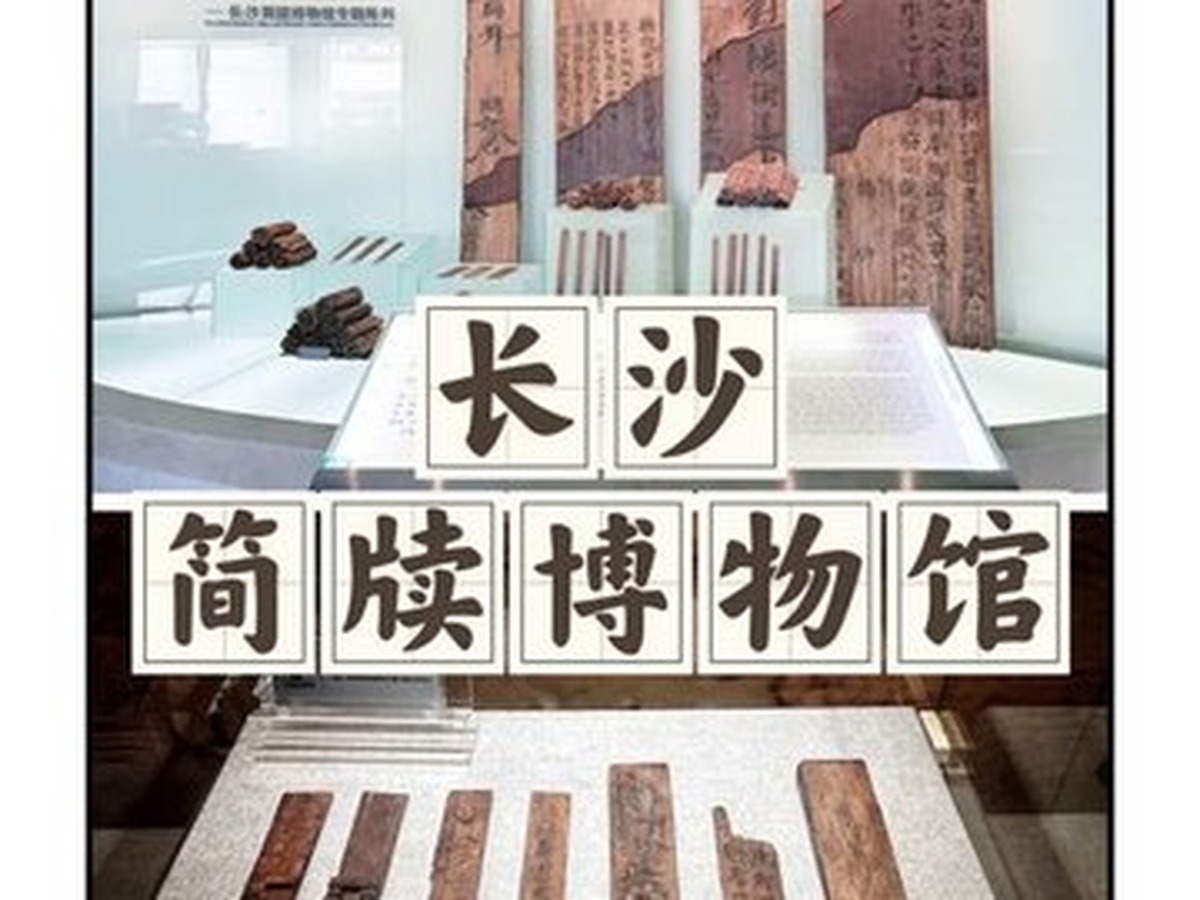
Changsha Jian'du Museum
Changsha Jiandu Museum
Changsha Jian'du Museum suits anyone who wants to read how an ancient city was run through administrative records dug out of the ground. It is a specialist museum for bamboo slips from the Wu state of the Three Kingdoms and the Han dynasty, unearthed at Zoumalou and elsewhere, so its focus on administration, taxes and daily life sets it apart from the general museums. Entry is free but requires a reservation, and light-sensitive artifacts have their own photography rules, with the on-site guidance as the standard.
주소 湖南省长沙市天心区白沙路92号
방문 확인 무료 예약과 전시 교체를 확인하고 빛에 민감한 유물의 촬영 규정을 따른다
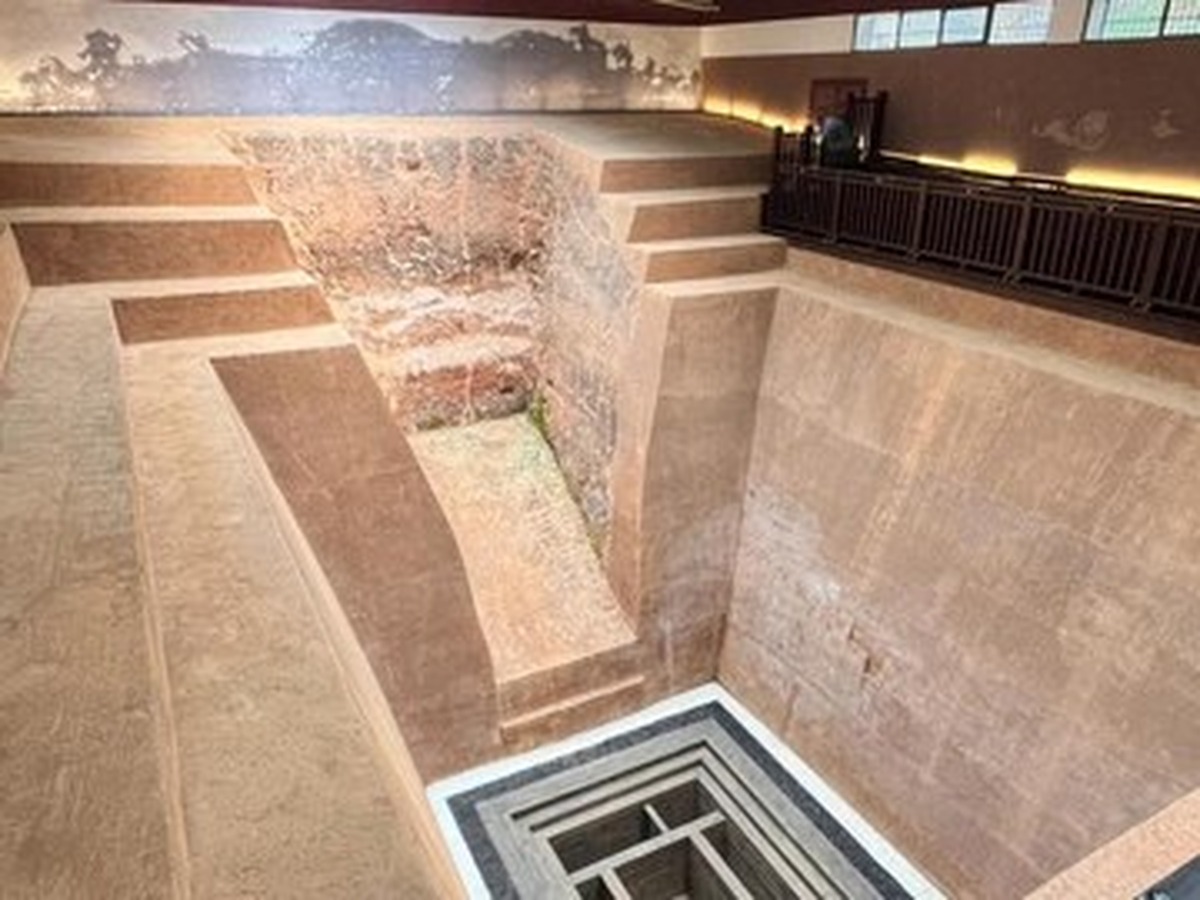
Mawangdui Han Tombs
Mawangdui Han Tomb Site
The Mawangdui Han Tombs suit anyone who wants to stand on the very spot where the artifacts came from. This is where the tombs of the family of Li Cang, chancellor of the Changsha Kingdom in the Western Han, were excavated, letting you connect the finds seen at Hunan Provincial Museum to where they were found. The key finds are at Hunan Provincial Museum, so the two are easy to confuse, and whether the site is open can vary by period.
주소 湖南省长沙市芙蓉区古汉路89号
방문 확인 유적 현장 개방 여부를 확인하고 핵심 출토품은 후난박물원에 있음을 구분한다
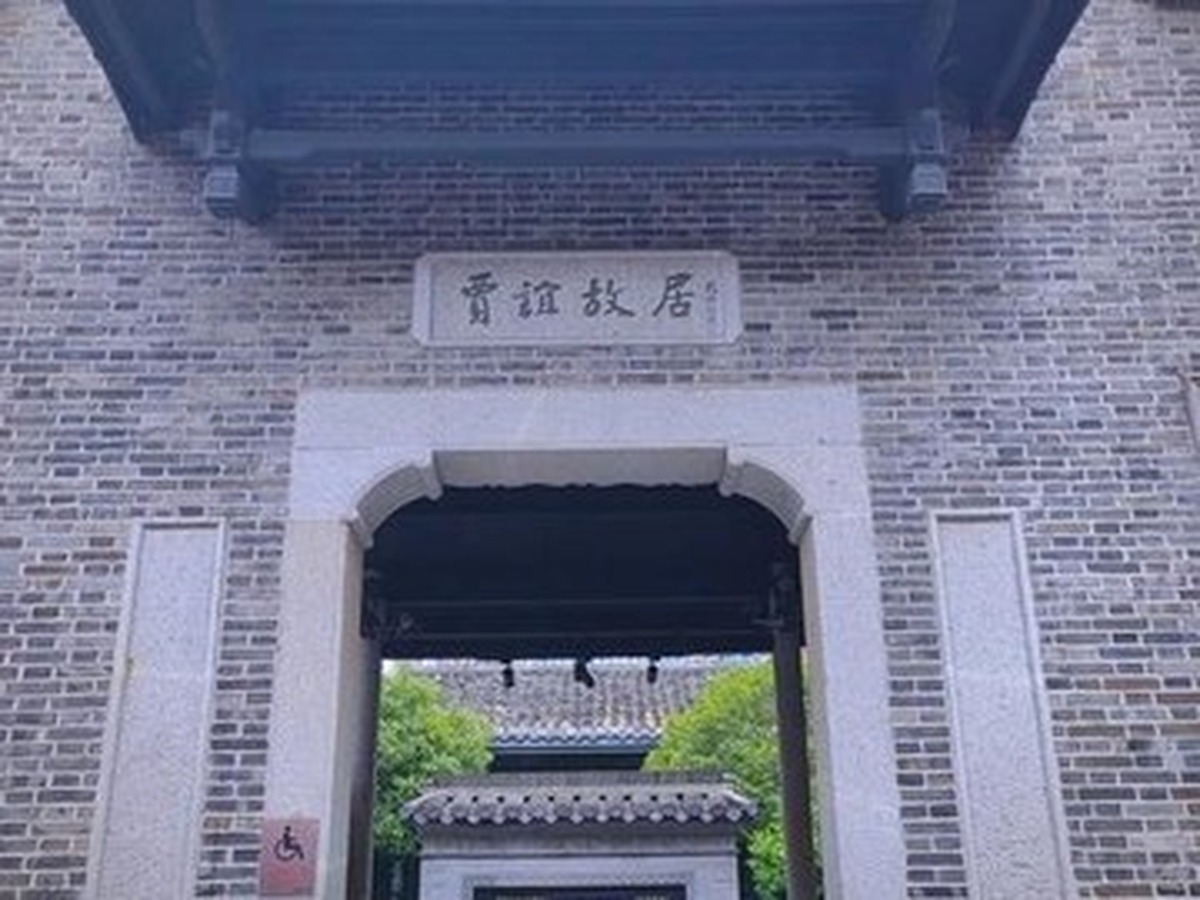
Jia Yi's Former Residence
Former Residence of Jia Yi
Jia Yi's Former Residence suits anyone who wants to slot a small historic house between the big museums and get a feel for a scholar's era. Unlike the museums of excavated artifacts, this is a place to see the space a scholar left behind, linking the time of scholars and modern education together with Tianxin Pavilion and the former First Normal site. The street gets crowded and the exhibition rooms are small, so you move according to how entry is run and the set viewing order.
주소 湖南省长沙市天心区太平街28号
방문 확인 거리 혼잡과 입장 운영을 확인하고 좁은 전시실에서 관람 순서를 지킨다
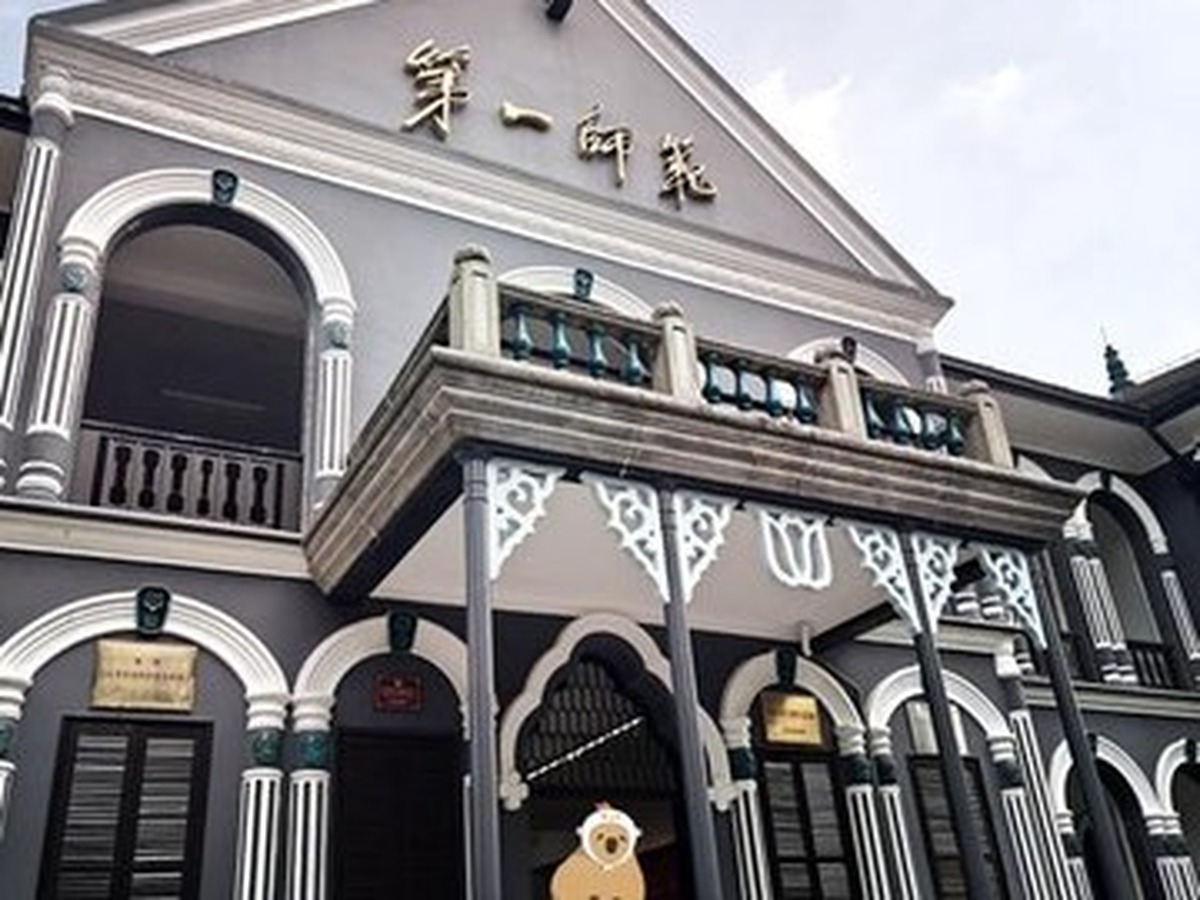
Former Site of Hunan First Normal University
The Former Site of Hunan First Normal University suits anyone interested in Hunan's modern educational history. Its early-modern campus and restored classrooms show Hunan's education history and Mao Zedong's student days, covering a different era from the museums centered on ancient artifacts. The campus is divided between areas still run as a school and exhibition areas, so ID and reservation requirements apply, and visits are limited to the exhibition zone.
주소 湖南省长沙市天心区书院路356号
방문 확인 학교 운영 구역과 전시 구역을 구분하고 신분증·예약 조건을 확인한다
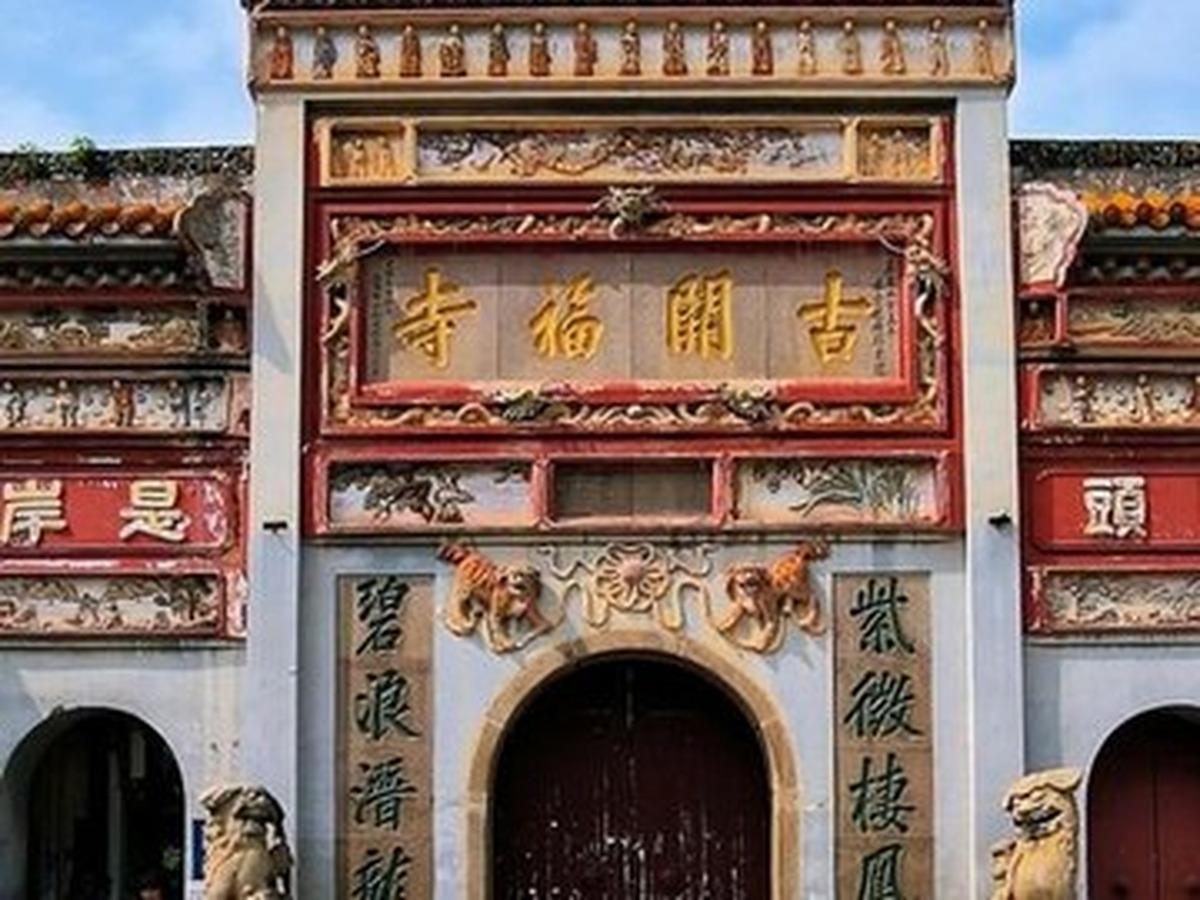
Kaifu Temple
Kaifu Temple suits anyone who wants to see, between museum visits, a place where religious life still goes on today. An old Buddhist temple in the north of the city, it lets you observe both the layout of its halls and present-day worship, unlike the exhibition halls. Around services and incense areas, follow the dress and photography etiquette and do not block worshippers' paths.
주소 湖南省长沙市开福区开福寺路136号
방문 확인 법회·향불 구역과 복장·촬영 예절을 확인하고 참배객 동선을 막지 않는다
Former Site of the Xiang District Committee
Former Site of the CPC Xiang District Committee
The Former Site of the Xiang District Committee suits anyone who wants to look into the activities of Hunan's early revolutionary organization. This memorial uses the old house at Qingshuitang and its exhibits to show the organization's work and the relationships among its members, and seen together with the former First Normal site it makes modern Changsha's story clearer. There are opening-hour, reservation and security-screening procedures, and as this is a revolutionary site, staged photos are out of place.
주소 湖南省长沙市开福区八一路538号清水塘
방문 확인 개관·예약과 보안 검사를 확인하고 전시의 역사적 맥락을 차분히 읽는다
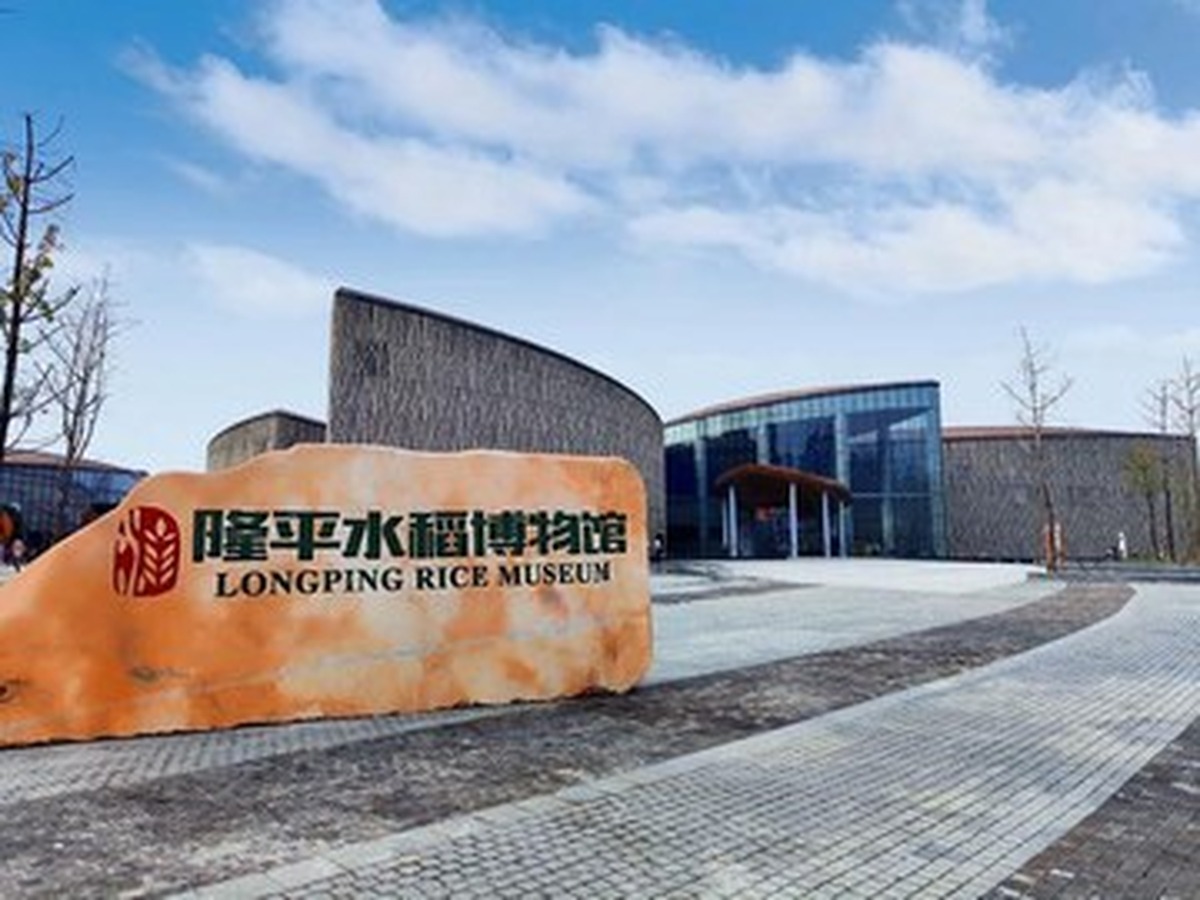
Longping Rice Museum
Longping Rice Museum suits anyone who wants to explore agriculture and science with children. Its agricultural exhibits cover the history of rice cultivation, hybrid rice research and Yuan Longping's scientific work, a different theme from the other stops centered on archaeology and modern history. Children's activities may run separately from the permanent galleries.
주소 湖南省长沙市芙蓉区人民东路668号
방문 확인 상설관 개방과 단체 예약을 확인하고 어린이 체험 운영을 별도로 살핀다
As you connect these historical spaces, it becomes clear that Changsha is a city that has preserved records of its experiences through war and development in various forms. The silk and lacquerware from Mawangdui, bamboo slips from the former residence of Zhuge Liang, and the city walls of Tianxinge and Hunan First Normal University all bear witness to their respective eras through different materials. Rather than just looking at museum displays, if you observe the excavation sites and the streets of the old city, you can more vividly imagine the environments in which the artifacts were situated.
After visiting, instead of writing the names of impressive artifacts, jot down what aspects of life and administration they described. For large exhibitions, check the order of viewing by floor, and be aware of potential temporary closures at smaller memorials. In religious spaces and revolutionary sites, refrain from staged photography and follow the guidance notes. Prepare your reservation screens, passports, and power banks, and when quoting materials, organizing them based on the museum's official explanations and artifact names can help reduce errors.
After visiting, instead of writing the names of impressive artifacts, jot down what aspects of life and administration they described. For large exhibitions, check the order of viewing by floor, and be aware of potential temporary closures at smaller memorials. In religious spaces and revolutionary sites, refrain from staged photography and follow the guidance notes. Prepare your reservation screens, passports, and power banks, and when quoting materials, organizing them based on the museum's official explanations and artifact names can help reduce errors.
At a glance
9 items
Hunan Provincial Museum
湖南省长沙市开福区东风路50号
Changsha Museum
Changsha Jian'du Museum
湖南省长沙市天心区白沙路92号
Mawangdui Han Tombs
湖南省长沙市芙蓉区古汉路89号
Jia Yi's Former Residence
湖南省长沙市天心区太平街28号
Former Site of Hunan First Normal University
湖南省长沙市天心区书院路356号
Kaifu Temple
Former Site of the Xiang District Committee
Longping Rice Museum
Locations at a glance
9 places
As part of the Coupang Partners program, this post may earn a commission from qualifying purchases.
Comments 0
Log in to leave a comment.
Be the first to comment.
How about these lists?


You might also like


🎲
Not ready to stop here?
Wondering what to read next is the biggest waste of time.
Let the dice decide — you won't know what pops up until you roll.
If you don't press it… won't you wonder forever? 👀