Collection
Astronomy & Star Gazing
2026.07.05
A Beginner's Guide to Finding Representative Constellations in the Night Sky
We've put together a list of familiar yet often confusing constellations like Orion, the Big Dipper in Ursa Major, and Cassiopeia, tailored for beginners.
When you develop an interest in constellations, the first challenge you face is knowing where to look in the sky, even though you've heard of many names. In urban areas, stars are not very visible, and constellations vary by season and time, making it easy to get exhausted if you try to find too many targets at once from the start.
This list is centered on representative constellations that are relatively easy to explain in Korea and can be found with constellation apps or star charts. Associating the shape of the constellations, the seasons they're easy to find in, and nearby celestial objects will gradually help you develop a sense of reading the night sky instead of just memorizing names.
This list is centered on representative constellations that are relatively easy to explain in Korea and can be found with constellation apps or star charts. Associating the shape of the constellations, the seasons they're easy to find in, and nearby celestial objects will gradually help you develop a sense of reading the night sky instead of just memorizing names.
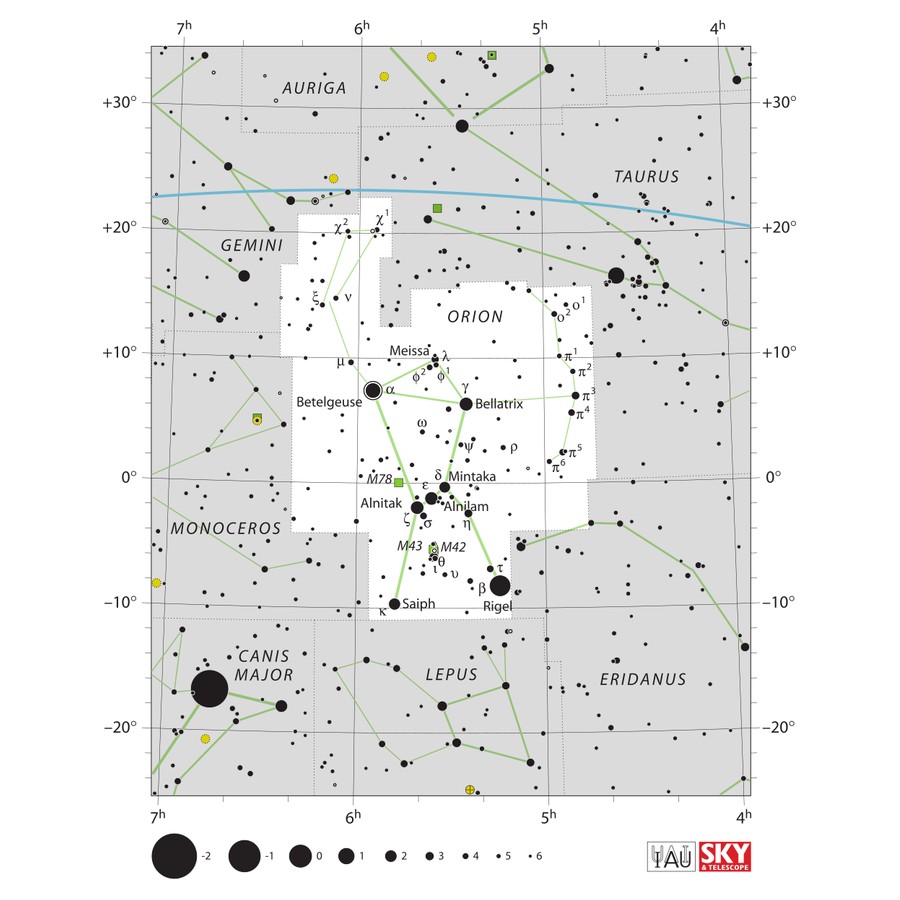
Orion
Orion (오리온자리)
Orion is a great choice for those who have just developed an interest in constellations and the night sky. It's especially useful when practicing finding constellations in the winter night sky, as the three stars that form the belt are clearly lined up, making it easy for beginners to spot. This helps you remember it much better than just memorizing the name, as you can also see bright stars like Betelgeuse and Rigel, making it a good reference point for winter constellations. It's important to check the season and observation times before using or purchasing any materials, as the visibility of constellations changes based on season, time, observation location, and light pollution, so it's more realistic to focus on learning one target at a time.
잘 보이는 계절 겨울
찾는 단서 나란한 세 별
관측 난이도 쉬움
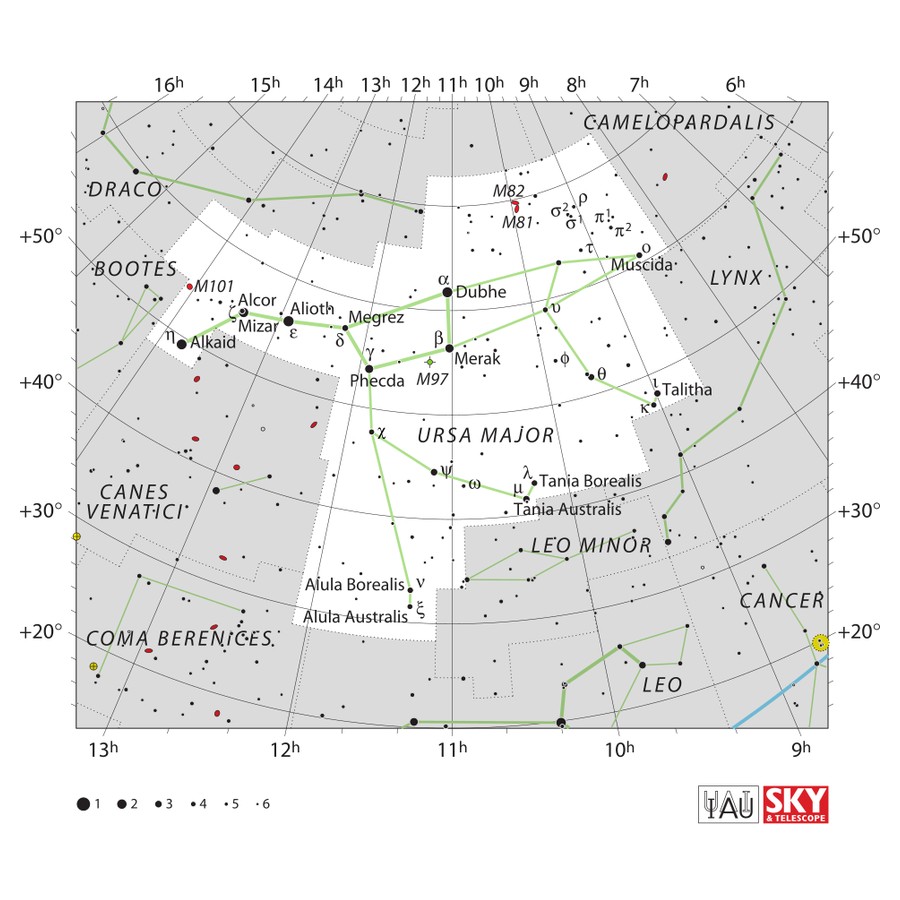
Ursa Major
Ursa Major (큰곰자리)
Ursa Major is a great choice for those who have just developed an interest in constellations and the night sky. It's particularly useful when you want to familiarize yourself with the northern sky using the Big Dipper, as the ladle shape is recognizable and makes it good for practice in finding directions. This leaves a much longer-lasting impression than mere name memorization. It often serves as a guide to finding Polaris (North Star) and is commonly used as a basic reference point for constellation observation. Before using or purchasing any materials, it's good to note that the Big Dipper is part of Ursa Major. The visibility of constellations depends on the season, time, observation location, and light pollution, so instead of trying to see everything at once, it's best to choose one target for today and learn it slowly.
잘 보이는 계절 봄
찾는 단서 북두칠성
관측 난이도 쉬움
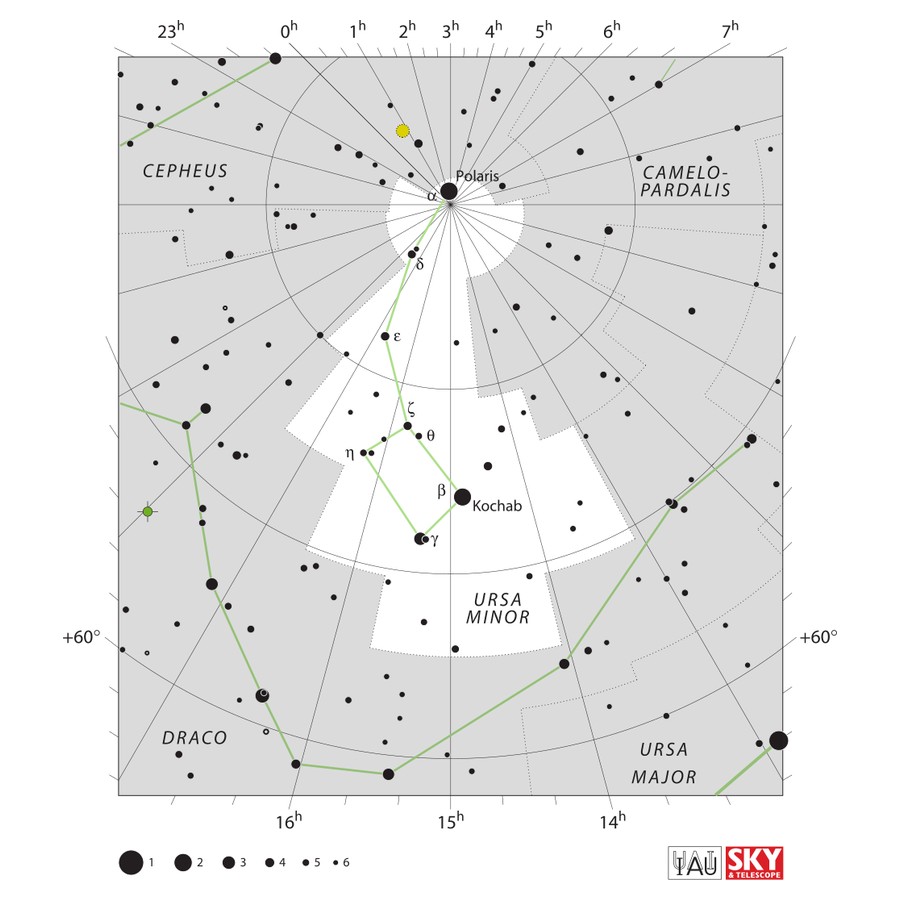
Ursa Minor
Ursa Minor (작은곰자리)
Ursa Minor is a great choice for those who have just developed an interest in constellations and the night sky. It's particularly useful when you want to understand Polaris and the northern direction, as it contains the reference point of Polaris. This makes it memorable much longer than just memorizing the name. Approaching Ursa Minor by first locating Polaris makes it easier to understand. Before using or purchasing any materials, it's important to note that faint stars may not be visible in urban areas. The visibility of constellations depends on the season, time, observation location, and light pollution, so instead of trying to see everything at once, it’s best to choose one target for today and learn it slowly.
잘 보이는 계절 사계절
찾는 단서 북극성
관측 난이도 보통
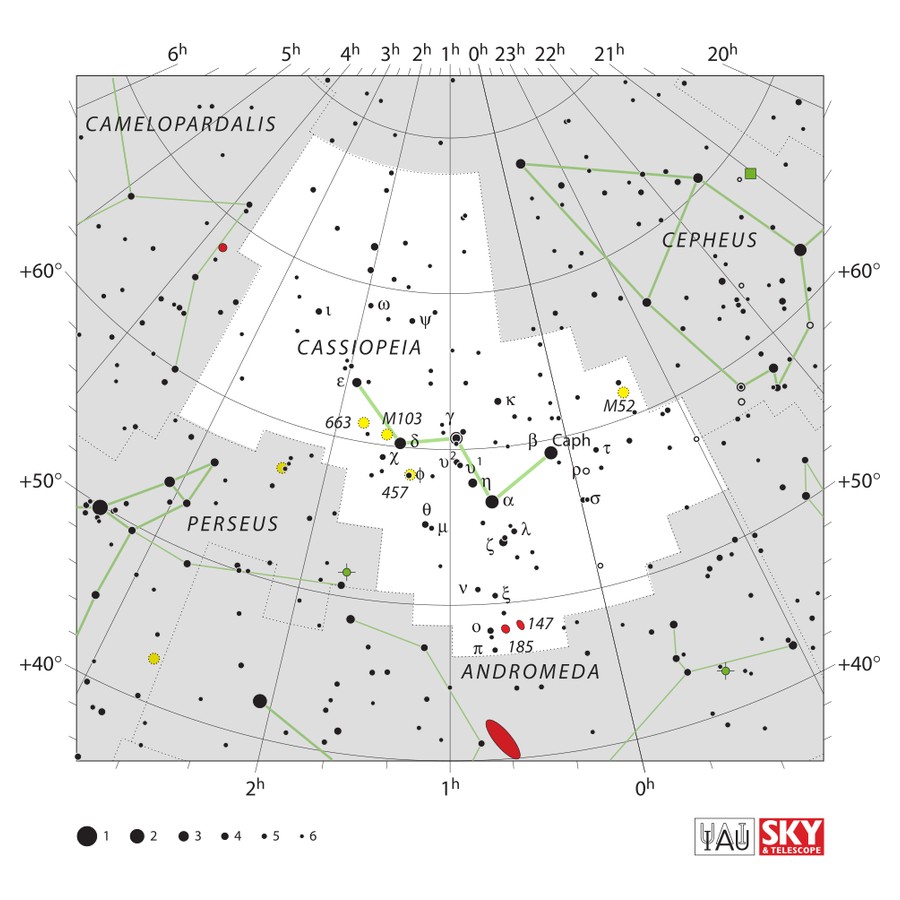
Cassiopeia
Cassiopeia (카시오페이아자리)
Cassiopeia is a great choice for those who have just developed an interest in constellations and the night sky. It’s particularly useful when you want to find the W-shaped constellation in the northern sky, as its simple shape makes it easy to remember even with seasonal changes. You can also use it as another guide to locate Polaris when the Big Dipper is low. Before using or purchasing any materials, it's good to note that from certain angles, it may appear to be rotating and might look like an M. The visibility of constellations depends on the season, time, observation location, and light pollution, so instead of trying to see everything at once, it’s best to choose one target for today and learn it slowly.
잘 보이는 계절 가을·겨울
찾는 단서 W 또는 M 모양
관측 난이도 쉬움
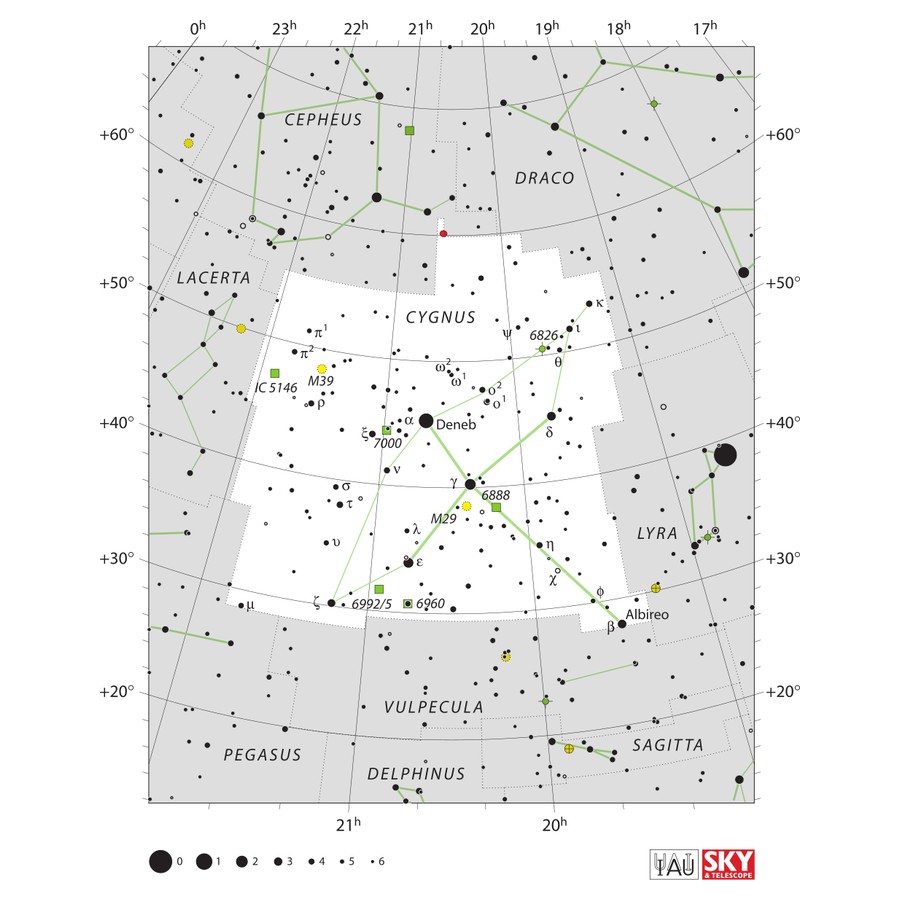
Cygnus
Cygnus (백조자리)
Cygnus is a great choice for those who have just developed an interest in constellations and the night sky. It is particularly useful when you want to feel the direction of the Milky Way in the summer night sky, with its cross shape and the bright star Deneb serving as good references. This leaves a much longer-lasting impression than just memorizing the name. Finding Deneb, one of the stars forming the Summer Triangle, makes it easy to access this constellation. Before using or purchasing any materials, it’s important to note that nearby light pollution can weaken surrounding stars' visibility. The visibility of constellations depends on the season, time, observation location, and light pollution, so instead of trying to see everything at once, it’s best to choose one target for today and learn it slowly.
추천 시기 7월~9월 밤
길잡이 별 데네브
난이도 초보자~중급
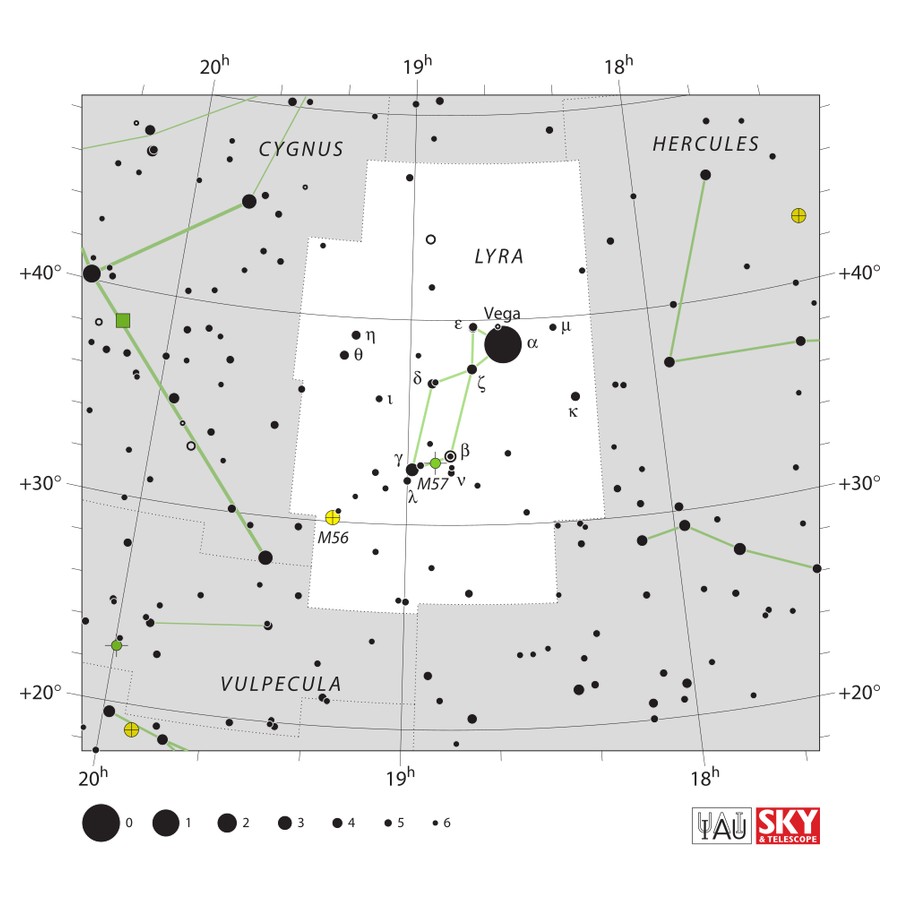
Lyra
Lyra (거문고자리)
Lyra is a great choice for those who have just developed an interest in constellations and the night sky. It’s particularly useful when searching for constellations using the bright star Vega as a reference in the summer sky, as Vega is very bright and provides clues even in urban settings. This helps you remember it much longer than just memorizing the name. After locating Vega, connecting the shapes around it in a small parallelogram gives a sense of the constellation. Before using or purchasing any materials, it's good to note that the overall shape of the constellation is small and simple. The visibility of constellations depends on the season, time, observation location, and light pollution, so instead of trying to see everything at once, it’s best to choose one target for today and learn it slowly.
추천 시기 6월 말~8월 밤
길잡이 별 베가
난이도 초보자 추천
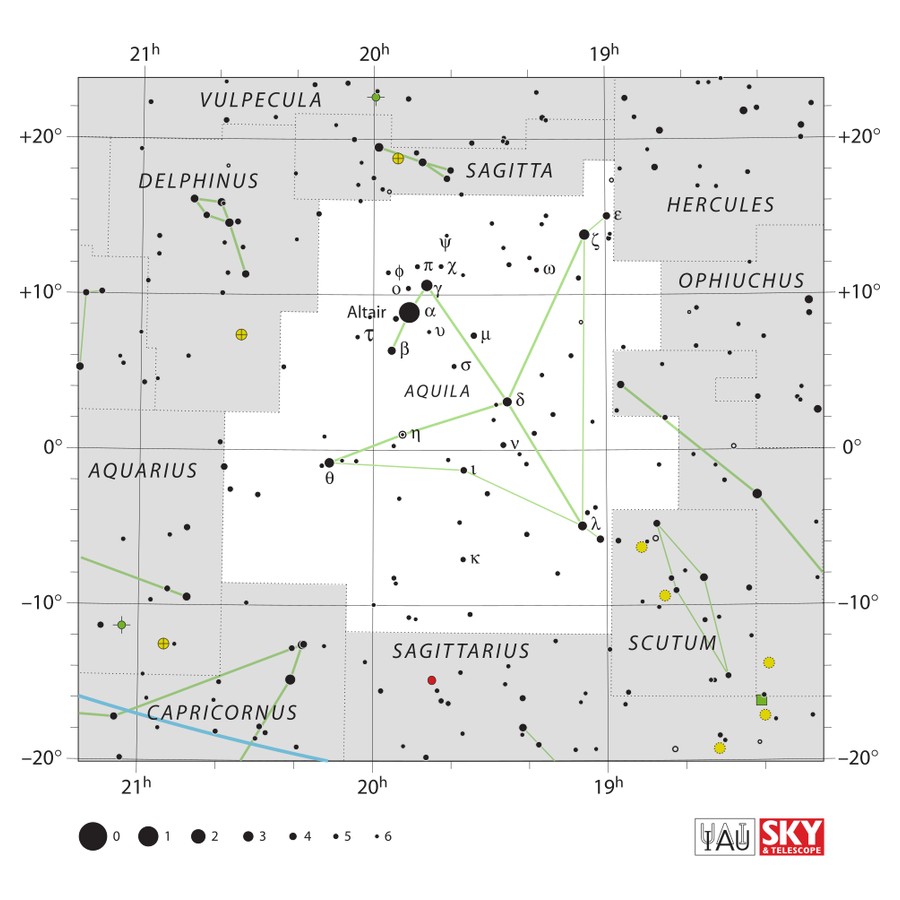
Aquila
Aquila (독수리자리)
Aquila is a great choice for those who have just developed an interest in constellations and the night sky. It’s especially useful when completing the Summer Triangle and observing the structure of the night sky, as Altair serves as a good reference point for connecting summer constellations widely. This leaves a much longer-lasting impression than just memorizing the name. When found together with Cygnus and Lyra, it helps to understand the big picture of the summer sky. Before using or purchasing any materials, it’s good to note that if surrounding stars are faint, the shape may appear blurry. The visibility of constellations depends on the season, time, observation location, and light pollution, so instead of trying to see everything at once, it’s best to choose one target for today and learn it slowly.
추천 시기 7월~9월 밤
길잡이 별 알타이르
난이도 초보자 추천
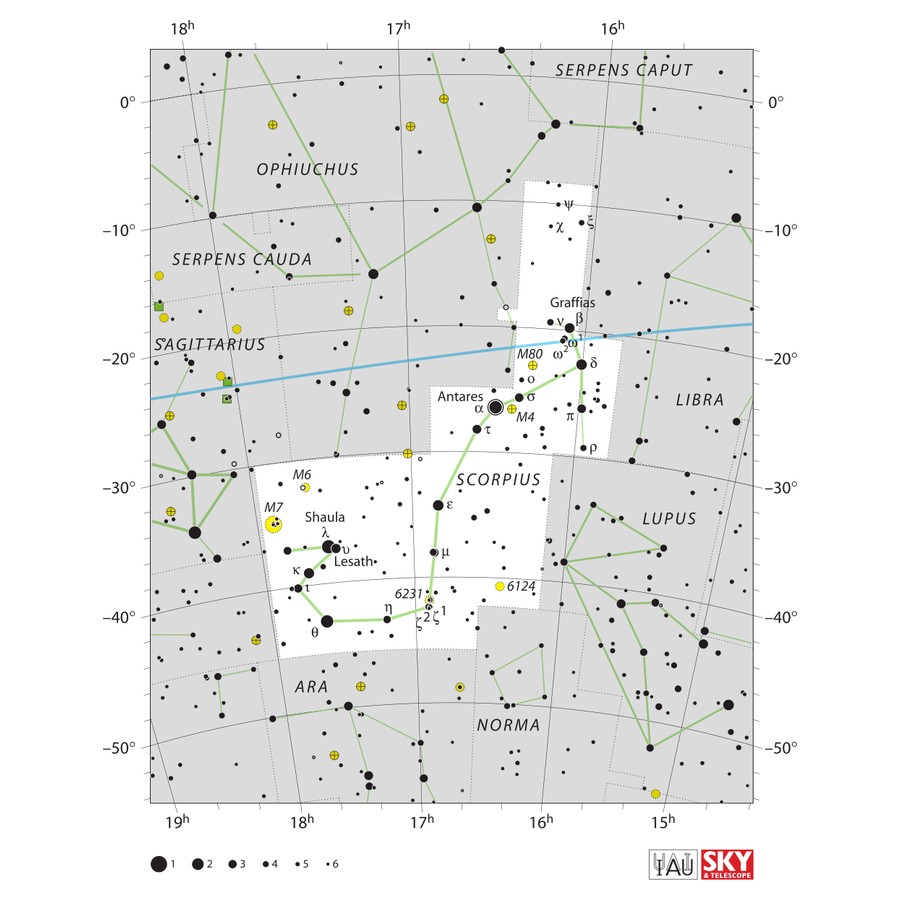
Scorpius
Scorpius (전갈자리)
Scorpius is a great choice for those who have just developed an interest in constellations and the night sky. It’s particularly useful when searching for summer constellations in the southern sky, as the red Antares and its curved tail shape are striking. This leaves a much longer-lasting impression than just memorizing the name. You can perceive this constellation much better on beaches or walkways where the southern view is more open compared to urban settings. Before using or purchasing any materials, it’s important to note that you need an unobstructed southern sky to observe it well. The visibility of constellations depends on the season, time, observation location, and light pollution, so instead of trying to see everything at once, it’s best to choose one target for today and learn it slowly.
추천 시기 6월~8월 밤
길잡이 별 안타레스
난이도 남쪽 시야 필요
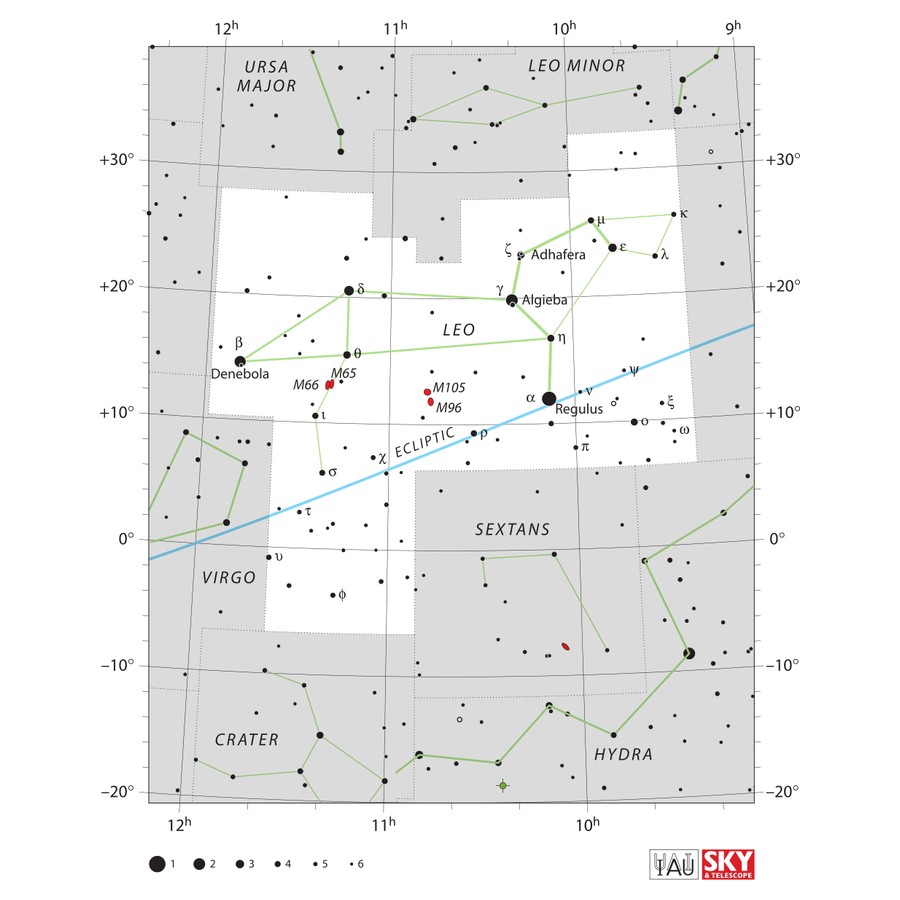
Leo
Leo (사자자리)
Leo is a great choice for those who have just developed an interest in constellations and the night sky. It’s particularly useful when you want to find animal-shaped constellations in the spring night sky, as the head looks like a question mark and serves as a good clue. This helps you remember it much longer than just memorizing the name. Using Regulus as a reference point makes it easy to identify the sickle shape that forms the front part of Leo. Before using or purchasing any materials, it's worth noting that beginners may confuse it with surrounding constellations. The visibility of constellations depends on the season, time, observation location, and light pollution, so instead of trying to see everything at once, it’s best to choose one target for today and learn it slowly.
잘 보이는 계절 봄
찾는 단서 레굴루스, 낫 모양
관측 난이도 보통
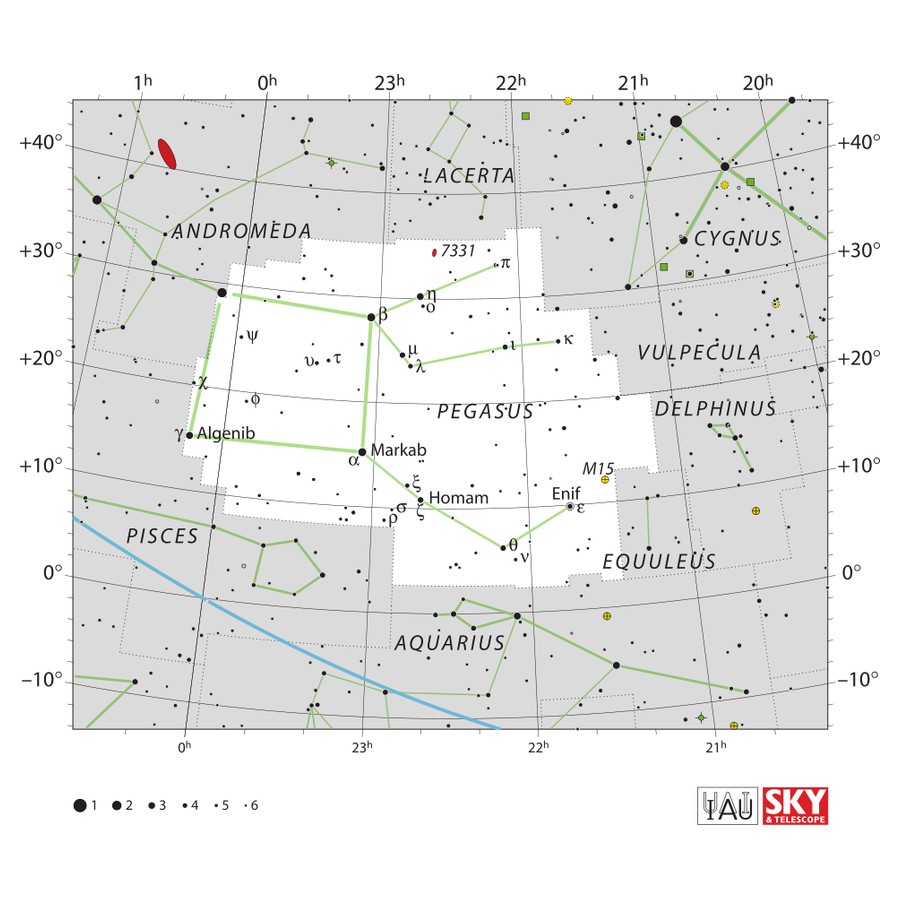
Pegasus
Pegasus (페가수스자리)
Pegasus is a great choice for those who have just developed an interest in constellations and the night sky. It’s particularly useful when you want to find the large square in the autumn night sky, as the Pegasus Square serves as a point of reference for autumn constellations. This helps you remember it much longer than just memorizing the name. Finding it in connection with Andromeda helps practice reading the autumn night sky widely. Before using or purchasing any materials, it’s important to note that the stars are spaced out, so you may need to look larger at first. The visibility of constellations depends on the season, time, observation location, and light pollution, so instead of trying to see everything at once, it’s best to choose one target for today and learn it slowly.
잘 보이는 계절 가을
찾는 단서 큰 사각형
관측 난이도 보통
The easiest way to observe constellations is to use a bright star as a reference point and connect the surrounding shapes. Initially, instead of trying to find the perfect shape, focus on recognizing some prominent patterns like the three stars in Orion, the W shape of Cassiopeia, or the ladle shape of Ursa Major. On clear nights with low moonlight, away from streetlights, you can perceive the same constellations much more clearly. Once you get familiar with constellations, it's also recommended to look at the sky from the same place a month apart. Experiencing how stars shift will help you naturally understand the concept of seasonal constellations and greatly enhance your enjoyment of stargazing.
한눈에 보기
10개
이 포스팅은 쿠팡 파트너스 활동의 일환으로, 이에 따른 일정액의 수수료를 제공받습니다.
댓글 0
로그인 후 댓글을 작성할 수 있습니다.
첫 댓글을 남겨보세요.
이런 리스트는 어때요?


이런 리스트도 추천해요




🎲
여기서 멈추기엔 아쉽잖아?
다음에 뭘 볼지 고민하는 시간이 제일 아까워.
주사위가 대신 골라줄게 — 무슨 리스트가 튀어나올지는 굴려봐야 알지.
안 누르면… 평생 궁금하지 않겠어? 👀