
Collection
Basketball
2026.09.22
Reading Basketball Statistics Hidden Behind the Scoreboard
From shooting efficiency to usage rate and net rating: the uses and limits of numbers
While the score is the first thing to catch your eye on a box score, 20 points scored from 10 attempts means something different than 20 points scored from 25 attempts. Rebounds and assists also depend on playing time, position, and team tactics, which can affect opportunities. To read statistics well means not just memorizing lots of numbers but distinguishing what is included from what is overlooked.
This list breaks down commonly seen NBA statistics such as field goal percentage, effective field goal percentage, true shooting percentage, rebound rate, usage rate, and net rating through questions from beginner audiences. Rather than confirming player rankings with a single metric, it emphasizes the importance of considering attempts, playing time, roles, lineups, and competitive level in context.
This list breaks down commonly seen NBA statistics such as field goal percentage, effective field goal percentage, true shooting percentage, rebound rate, usage rate, and net rating through questions from beginner audiences. Rather than confirming player rankings with a single metric, it emphasizes the importance of considering attempts, playing time, roles, lineups, and competitive level in context.
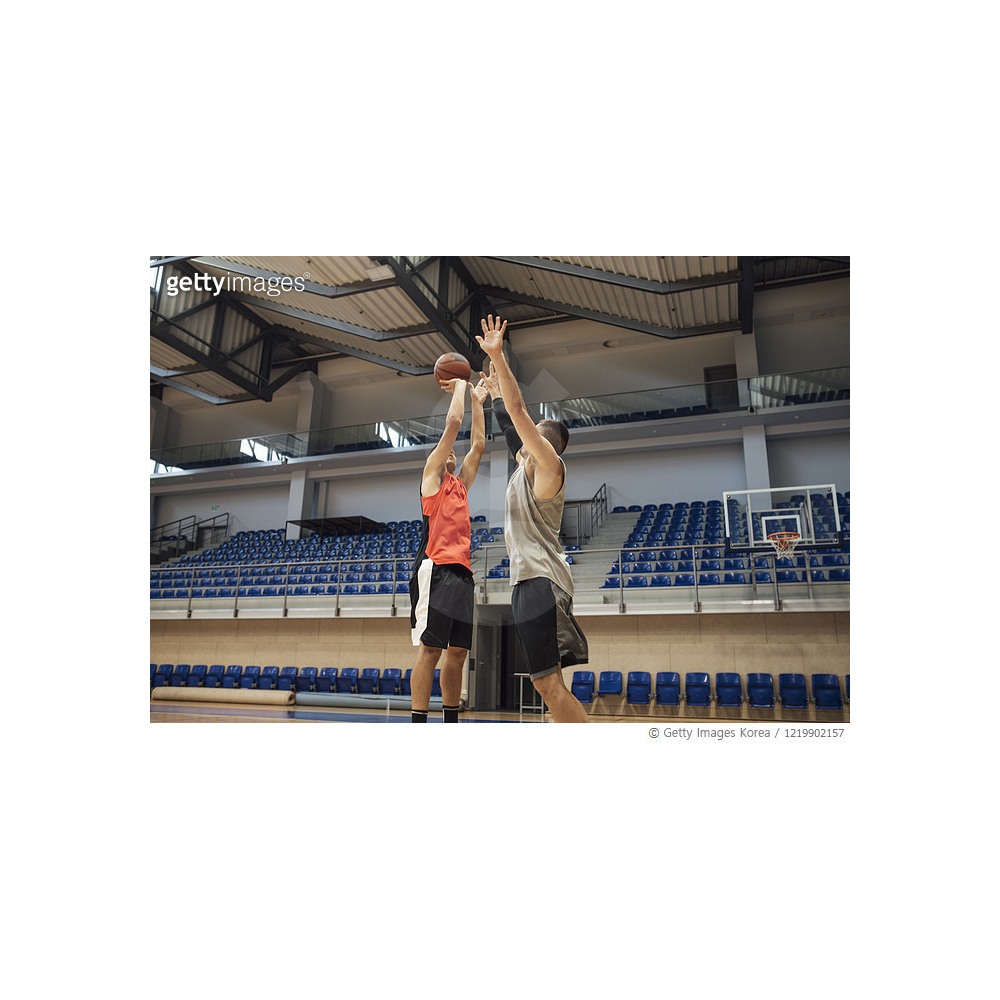
Field Goal Percentage (FG%)
Field Goal Percentage FG%
Field Goal Percentage FG% is a stat in “Reading Basketball Statistics Hidden Behind the Scoreboard” for reading what the scoreboard doesn't show. It's a shooting stat. It's a useful reference for spectators checking basic shooting efficiency, but sample size and the teammates a player shared the floor with can swing the value, so it's hard to draw conclusions from that one number alone.
When reading this number, keep in mind to look at position, shot difficulty, and number of attempts together. Stats are a summary of the game, so it's hard to pin down a player with a single number. Sample size, teammates, and the level of the opponent can swing the numbers a lot, so it's more accurate to lay several stats side by side and check them against what you saw on the broadcast.
When reading this number, keep in mind to look at position, shot difficulty, and number of attempts together. Stats are a summary of the game, so it's hard to pin down a player with a single number. Sample size, teammates, and the level of the opponent can swing the numbers a lot, so it's more accurate to lay several stats side by side and check them against what you saw on the broadcast.
구분 기록: 슈팅
추천 상황 기본 슛 효율을 확인할 관중
확인할 점 포지션·슛 난도와 시도 수를 함께 보기
Effective Field Goal Percentage (eFG%)
Effective Field Goal Percentage eFG%
Effective Field Goal Percentage eFG% is a stat in “Reading Basketball Statistics Hidden Behind the Scoreboard” for reading what the scoreboard doesn't show. It's a shooting stat. It's a useful reference for spectators comparing players whose share of 3-pointers differs, but sample size and the teammates a player shared the floor with can swing the value, so it's hard to draw conclusions from that one number alone.
When reading this number, keep in mind that it doesn't include the effects of defense or free throws. Stats are a summary of the game, so it's hard to pin down a player with a single number. Sample size, teammates, and the level of the opponent can swing the numbers a lot, so it's more accurate to lay several stats side by side and check them against what you saw on the broadcast.
When reading this number, keep in mind that it doesn't include the effects of defense or free throws. Stats are a summary of the game, so it's hard to pin down a player with a single number. Sample size, teammates, and the level of the opponent can swing the numbers a lot, so it's more accurate to lay several stats side by side and check them against what you saw on the broadcast.
구분 기록: 슈팅
추천 상황 3점 비중이 다른 선수를 비교할 관중
확인할 점 수비·자유투 영향은 포함하지 않음

True Shooting Percentage (TS%)
True Shooting TS%
True Shooting TS% is a stat in “Reading Basketball Statistics Hidden Behind the Scoreboard” for reading what the scoreboard doesn't show. It's a scoring-efficiency stat. It's a useful reference for spectators looking at the efficiency of scorers who draw a lot of free throws, but sample size and the teammates a player shared the floor with can swing the value, so it's hard to draw conclusions from that one number alone.
When reading this number, keep in mind the official formula and the differences in how each league labels it. Stats are a summary of the game, so it's hard to pin down a player with a single number. Sample size, teammates, and the level of the opponent can swing the numbers a lot, so it's more accurate to lay several stats side by side and check them against what you saw on the broadcast.
When reading this number, keep in mind the official formula and the differences in how each league labels it. Stats are a summary of the game, so it's hard to pin down a player with a single number. Sample size, teammates, and the level of the opponent can swing the numbers a lot, so it's more accurate to lay several stats side by side and check them against what you saw on the broadcast.
구분 기록: 득점 효율
추천 상황 자유투를 많이 얻는 득점원의 효율을 볼 관중
확인할 점 공식 계산식과 리그별 표기 차이
Assist-to-Turnover Ratio
Assist to Turnover Ratio
Assist to Turnover Ratio is a stat in “Reading Basketball Statistics Hidden Behind the Scoreboard” for reading what the scoreboard doesn't show. It's a passing stat. It's a useful reference for spectators comparing how steadily guards run the offense, but sample size and the teammates a player shared the floor with can swing the value, so it's hard to draw conclusions from that one number alone.
When reading this number, keep in mind the difficulty of the passes and whether teammates made their shots. Stats are a summary of the game, so it's hard to pin down a player with a single number. Sample size, teammates, and the level of the opponent can swing the numbers a lot, so it's more accurate to lay several stats side by side and check them against what you saw on the broadcast.
When reading this number, keep in mind the difficulty of the passes and whether teammates made their shots. Stats are a summary of the game, so it's hard to pin down a player with a single number. Sample size, teammates, and the level of the opponent can swing the numbers a lot, so it's more accurate to lay several stats side by side and check them against what you saw on the broadcast.
구분 기록: 패스
추천 상황 가드의 안정적인 전개를 비교할 관중
확인할 점 패스 난도와 동료 슛 성공 여부

Offensive Rebound Rate
Offensive Rebound Rate is a stat in “Reading Basketball Statistics Hidden Behind the Scoreboard” for reading what the scoreboard doesn't show. It's a rebounding stat. It's a useful reference for spectators looking for players who create second chances, but sample size and the teammates a player shared the floor with can swing the value, so it's hard to draw conclusions from that one number alone.
When reading this number, keep in mind the influence of teammates and the stretches the player was on the floor. Stats are a summary of the game, so it's hard to pin down a player with a single number. Sample size, teammates, and the level of the opponent can swing the numbers a lot, so it's more accurate to lay several stats side by side and check them against what you saw on the broadcast.
When reading this number, keep in mind the influence of teammates and the stretches the player was on the floor. Stats are a summary of the game, so it's hard to pin down a player with a single number. Sample size, teammates, and the level of the opponent can swing the numbers a lot, so it's more accurate to lay several stats side by side and check them against what you saw on the broadcast.
구분 기록: 리바운드
추천 상황 세컨드 찬스를 만드는 선수를 찾을 관중
확인할 점 팀 동료와 출전 구간의 영향

Defensive Rebound Rate
Defensive Rebound Rate is a stat in “Reading Basketball Statistics Hidden Behind the Scoreboard” for reading what the scoreboard doesn't show. It's a rebounding stat. It's a useful reference for spectators looking at the ability to finish defensive possessions, but sample size and the teammates a player shared the floor with can swing the value, so it's hard to draw conclusions from that one number alone.
When reading this number, keep in mind that box-out contributions aren't all captured in individual numbers. Stats are a summary of the game, so it's hard to pin down a player with a single number. Sample size, teammates, and the level of the opponent can swing the numbers a lot, so it's more accurate to lay several stats side by side and check them against what you saw on the broadcast.
When reading this number, keep in mind that box-out contributions aren't all captured in individual numbers. Stats are a summary of the game, so it's hard to pin down a player with a single number. Sample size, teammates, and the level of the opponent can swing the numbers a lot, so it's more accurate to lay several stats side by side and check them against what you saw on the broadcast.
구분 기록: 리바운드
추천 상황 수비 포제션을 끝내는 능력을 볼 관중
확인할 점 박스아웃 기여가 개인 수치에 모두 담기지 않음
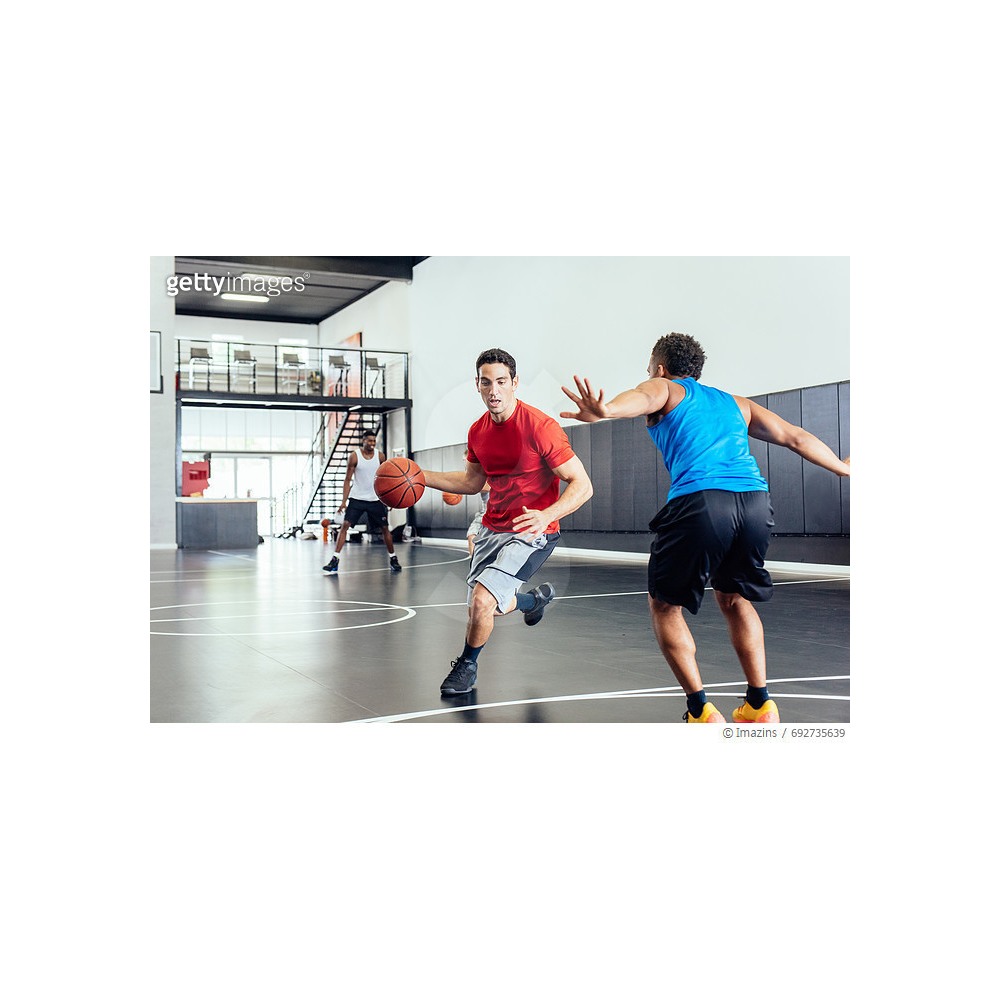
Steal Rate
Steal Rate is a stat in “Reading Basketball Statistics Hidden Behind the Scoreboard” for reading what the scoreboard doesn't show. It's a defensive stat. It's a useful reference for spectators gauging the results of aggressive defense, but sample size and the teammates a player shared the floor with can swing the value, so it's hard to draw conclusions from that one number alone.
When reading this number, keep in mind to also look at the plays lost to gambling on defense. Stats are a summary of the game, so it's hard to pin down a player with a single number. Sample size, teammates, and the level of the opponent can swing the numbers a lot, so it's more accurate to lay several stats side by side and check them against what you saw on the broadcast.
When reading this number, keep in mind to also look at the plays lost to gambling on defense. Stats are a summary of the game, so it's hard to pin down a player with a single number. Sample size, teammates, and the level of the opponent can swing the numbers a lot, so it's more accurate to lay several stats side by side and check them against what you saw on the broadcast.
구분 기록: 수비
추천 상황 공격적 수비의 결과를 참고할 관중
확인할 점 도박성 수비로 놓친 장면도 함께 보기

Block Rate
Block Rate is a stat in “Reading Basketball Statistics Hidden Behind the Scoreboard” for reading what the scoreboard doesn't show. It's a defensive stat. It's a useful reference for spectators comparing rim-protection roles, but sample size and the teammates a player shared the floor with can swing the value, so it's hard to draw conclusions from that one number alone.
Observe separately the effect of discouraging shots from being attempted at all. Stats are a summary of the game, so it's hard to pin down a player with a single number. Sample size, teammates, and the level of the opponent can swing the numbers a lot, so it's more accurate to lay several stats side by side and check them against what you saw on the broadcast.
Observe separately the effect of discouraging shots from being attempted at all. Stats are a summary of the game, so it's hard to pin down a player with a single number. Sample size, teammates, and the level of the opponent can swing the numbers a lot, so it's more accurate to lay several stats side by side and check them against what you saw on the broadcast.
구분 기록: 수비
추천 상황 림 보호 역할을 비교할 관중
확인할 점 시도 자체를 억제한 효과는 별도 관찰

Usage Rate (USG%)
Usage Rate USG%
Usage Rate USG% is a stat in “Reading Basketball Statistics Hidden Behind the Scoreboard” for reading what the scoreboard doesn't show. It's a role stat. It's a useful reference for spectators looking at the load a player carries on offense, but sample size and the teammates a player shared the floor with can swing the value, so it's hard to draw conclusions from that one number alone.
When reading this number, keep in mind that a high number doesn't automatically mean efficient. Stats are a summary of the game, so it's hard to pin down a player with a single number. Sample size, teammates, and the level of the opponent can swing the numbers a lot, so it's more accurate to lay several stats side by side and check them against what you saw on the broadcast.
When reading this number, keep in mind that a high number doesn't automatically mean efficient. Stats are a summary of the game, so it's hard to pin down a player with a single number. Sample size, teammates, and the level of the opponent can swing the numbers a lot, so it's more accurate to lay several stats side by side and check them against what you saw on the broadcast.
구분 기록: 역할
추천 상황 공격에서 맡는 부담을 볼 관중
확인할 점 높다고 곧 효율적이라는 뜻은 아님

Net Rating
Net Rating is a stat in “Reading Basketball Statistics Hidden Behind the Scoreboard” for reading what the scoreboard doesn't show. It's a point-differential stat. It's a useful reference for spectators looking at the overall direction of a player's or lineup's impact, but sample size and the teammates a player shared the floor with can swing the value, so it's hard to draw conclusions from that one number alone.
Take teammates, opponents, and sample size into account together. Stats are a summary of the game, so it's hard to pin down a player with a single number. Sample size, teammates, and the level of the opponent can swing the numbers a lot, so it's more accurate to lay several stats side by side and check them against what you saw on the broadcast.
Take teammates, opponents, and sample size into account together. Stats are a summary of the game, so it's hard to pin down a player with a single number. Sample size, teammates, and the level of the opponent can swing the numbers a lot, so it's more accurate to lay several stats side by side and check them against what you saw on the broadcast.
구분 기록: 득실점
추천 상황 선수와 라인업의 전체 영향 방향을 볼 관중
확인할 점 동료·상대·표본 크기를 함께 고려
After watching a game, first check the basic box score for shot attempts, turnovers, and offensive rebounds. Then, when you look at efficiency metrics and possession-based numbers, it becomes easier to connect scenes with statistics. If the numbers differ from expectations, rather than thinking the statistics are wrong, take another look at the missed free throws, second chances, and the opposing lineup during the time on the court.
Advanced metrics are tools for generating questions, not final judgments. Short playing times and sample sizes can lead to significant fluctuations, and actions that provide opportunities to teammates, like good screens and box outs, may not fully reflect in individual numbers. It's essential to check whether multiple metrics point in the same direction and to confirm with actual footage for balanced interpretations.
Advanced metrics are tools for generating questions, not final judgments. Short playing times and sample sizes can lead to significant fluctuations, and actions that provide opportunities to teammates, like good screens and box outs, may not fully reflect in individual numbers. It's essential to check whether multiple metrics point in the same direction and to confirm with actual footage for balanced interpretations.
At a glance
10 items
Field Goal Percentage (FG%)
기록: 슈팅기본 슛 효율을 확인할 관중
Effective Field Goal Percentage (eFG%)
기록: 슈팅
True Shooting Percentage (TS%)
기록: 득점 효율
Assist-to-Turnover Ratio
기록: 패스
Offensive Rebound Rate
기록: 리바운드팀 동료와 출전 구간의 영향
Defensive Rebound Rate
기록: 리바운드
Steal Rate
기록: 수비
Block Rate
기록: 수비림 보호 역할을 비교할 관중
Usage Rate (USG%)
기록: 역할공격에서 맡는 부담을 볼 관중
Net Rating
기록: 득실점
As part of the Coupang Partners program, this post may earn a commission from qualifying purchases.
Comments 0
Log in to leave a comment.
Be the first to comment.
How about these lists?


You might also like


🎲
Not ready to stop here?
Wondering what to read next is the biggest waste of time.
Let the dice decide — you won't know what pops up until you roll.
If you don't press it… won't you wonder forever? 👀
