Ballet Warmers to Keep You Cozy
A guide to warming items like pants, knits, and booties, and when to wear them, illustrated with actual products.
Ballet warmers are more about knowing when and which parts to cover rather than just piling on layers. Warm-up pants and knitwear are used to maintain body temperature before and after class, while bootie-style warm footwear is meant to keep your feet cozy during waiting and moving. When teachers need to observe alignment at the bar and center, overly loose clothing can obscure the pelvis, knees, and ankles. Let's take a look at the differences between products, from Typha Lightweight Nylon Warm-up Pants to Wear Moi NAYA Warm up.
Nylon pants are lightweight and provide a wind-blocking effect, while knit pants wrap the body softly. The drawstrings at the waist and ankles can adjust the fit, but if they touch the floor, they can become a safety hazard. Legging-style and relaxed pants provide different visible lines and ranges of movement, so you'll need to check the class regulations and when to wear them. Before purchasing, make sure to review the official options and the dress code of your studio.
This list compiles actual warm-up pants, knitwear, and booties that can be confirmed on the official domestic sales pages. It doesn't exaggerate the warmth effect or recommend wearing them throughout class, instead distinguishing the areas they cover and things to check. As studio temperatures and personal body temperature responses vary, follow your teacher's guidance and remove them at appropriate times if you start sweating or if your movements are restricted. Prioritize comfort and intended use over the labeled size when making comparisons.
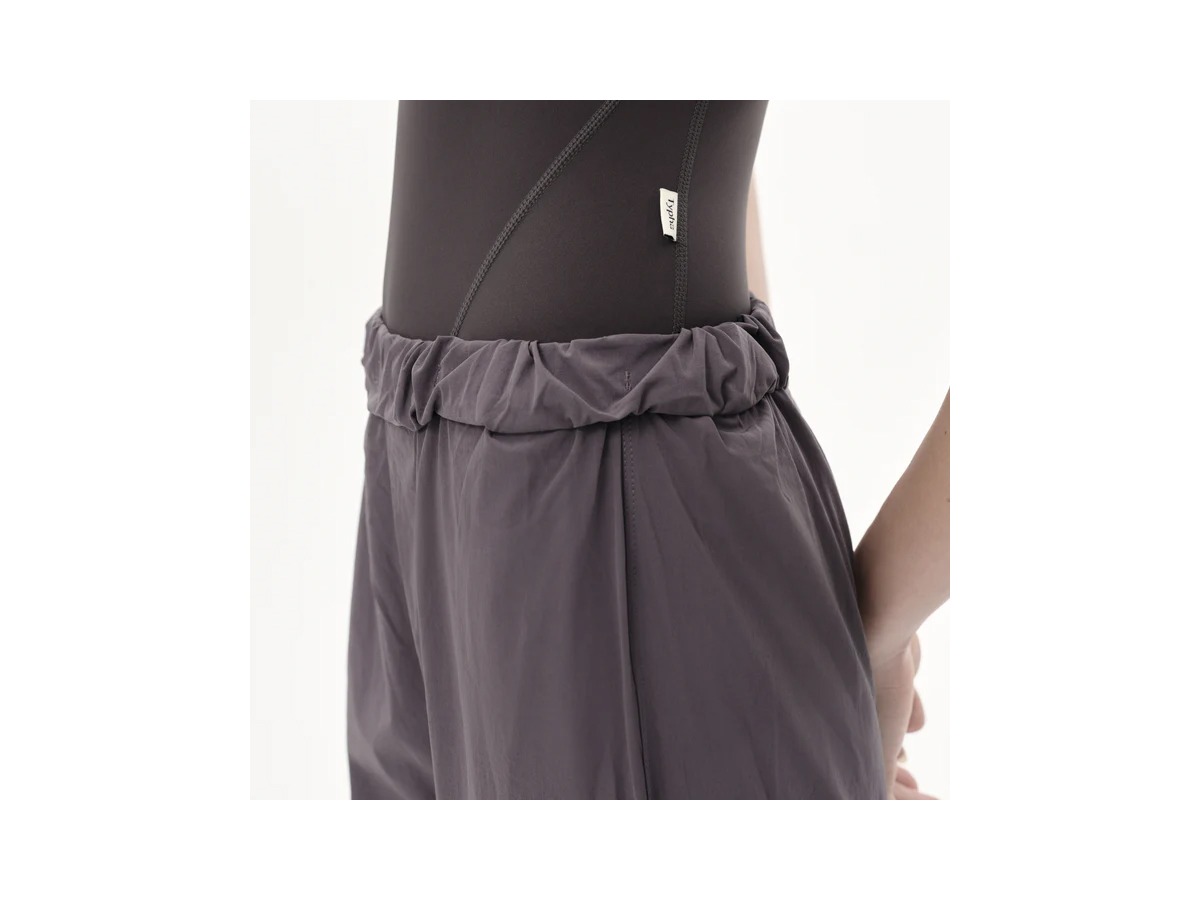
Typha Lightweight Nylon Warm-up Pants
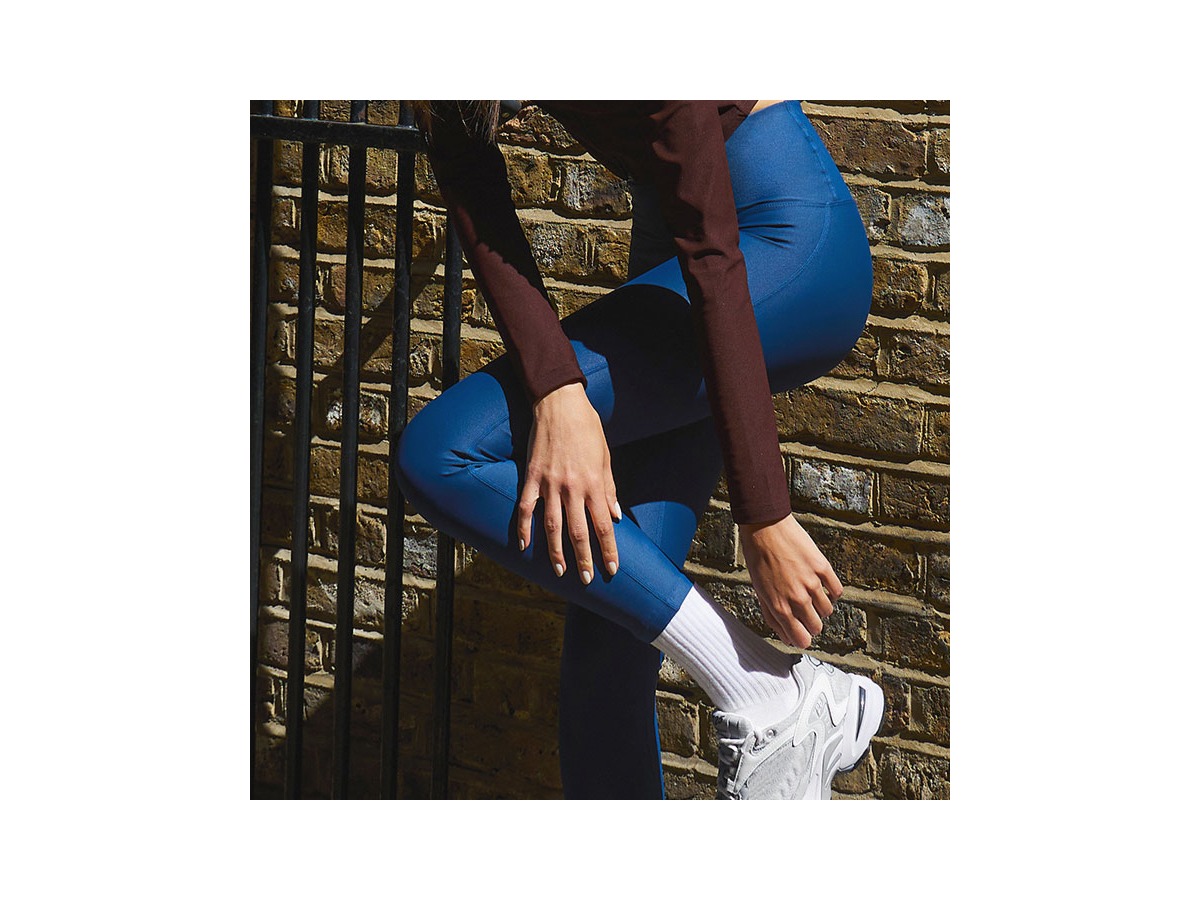
Warm up Leggings Q PP402
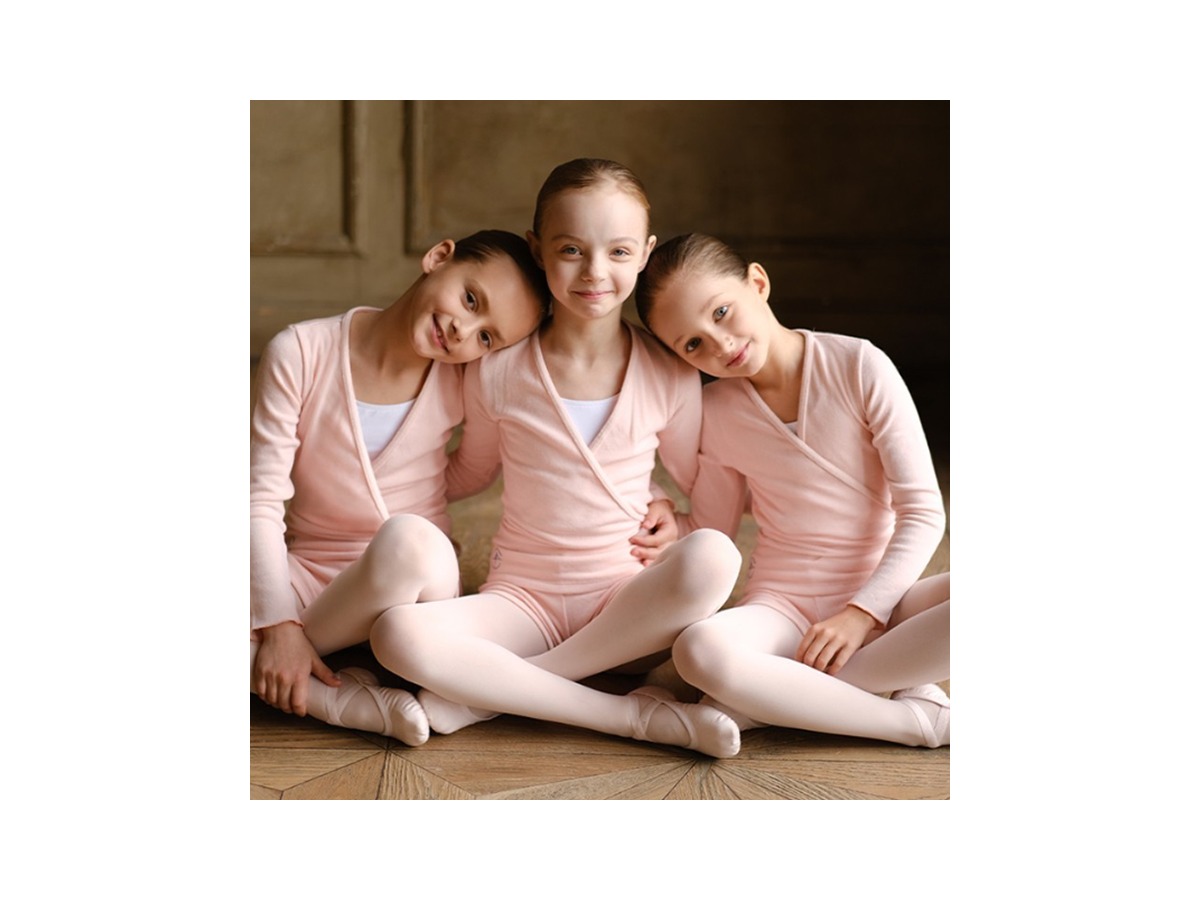
Wear Moi MENUET Warm up
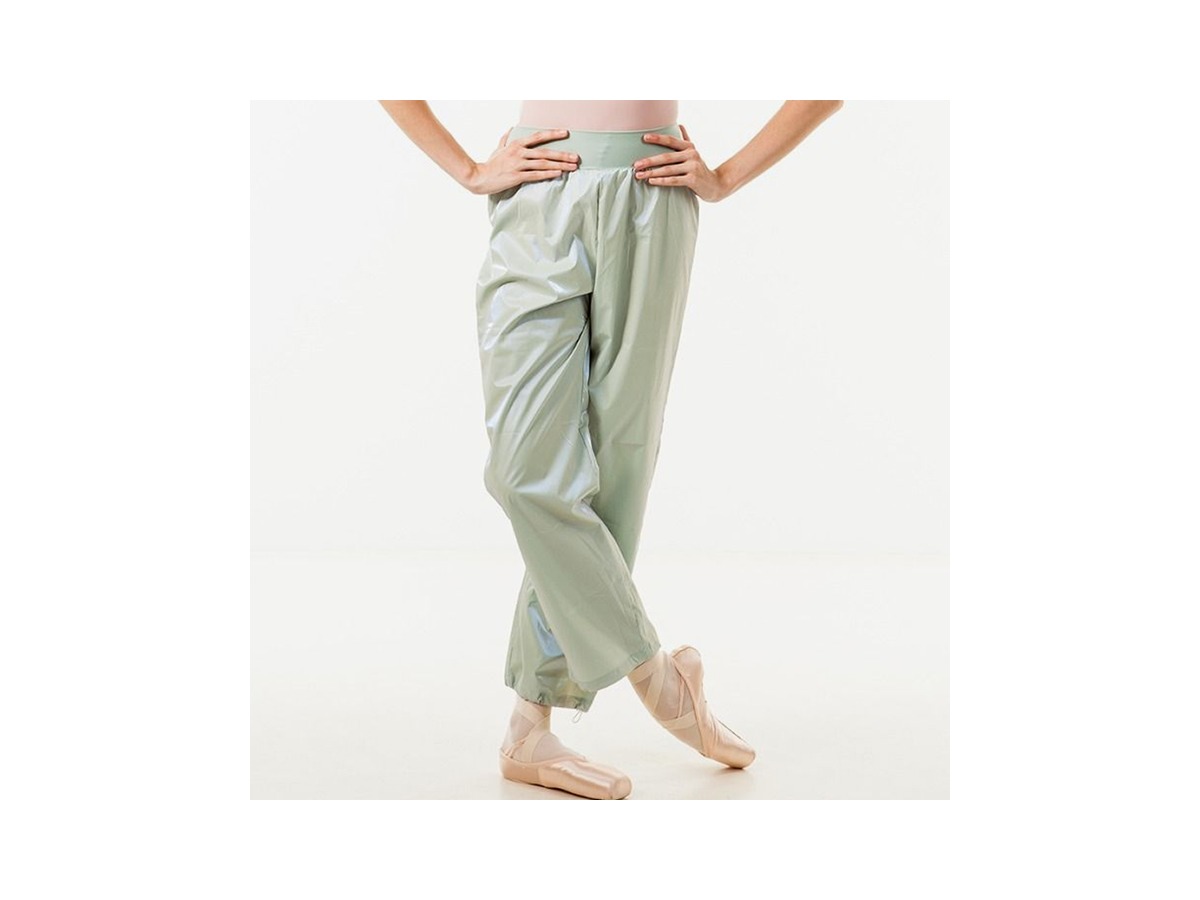
Sansha 81BB1005T Warm up Pants
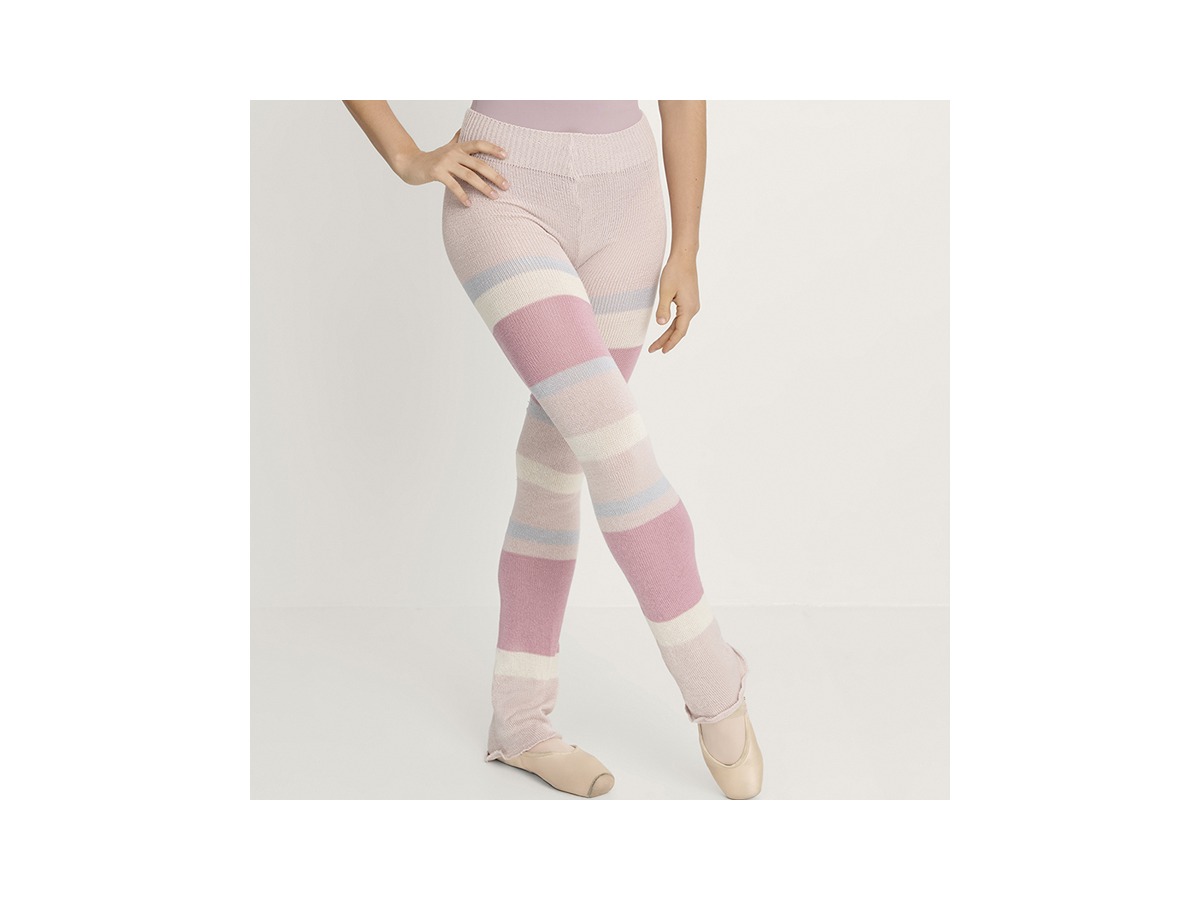
Intermezzo 5573 Warm-up Pants
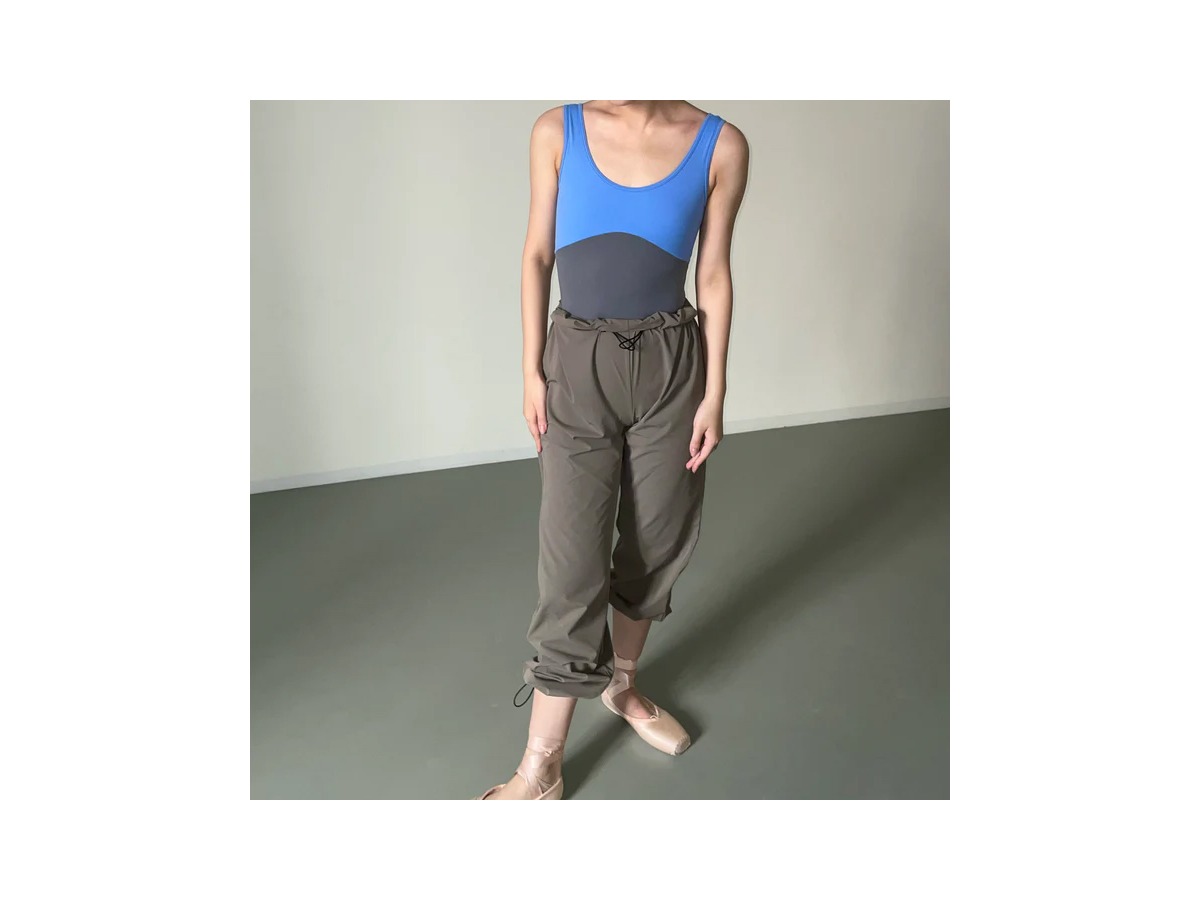
Typha Drawstring Waist Ankles Warm-up Pants
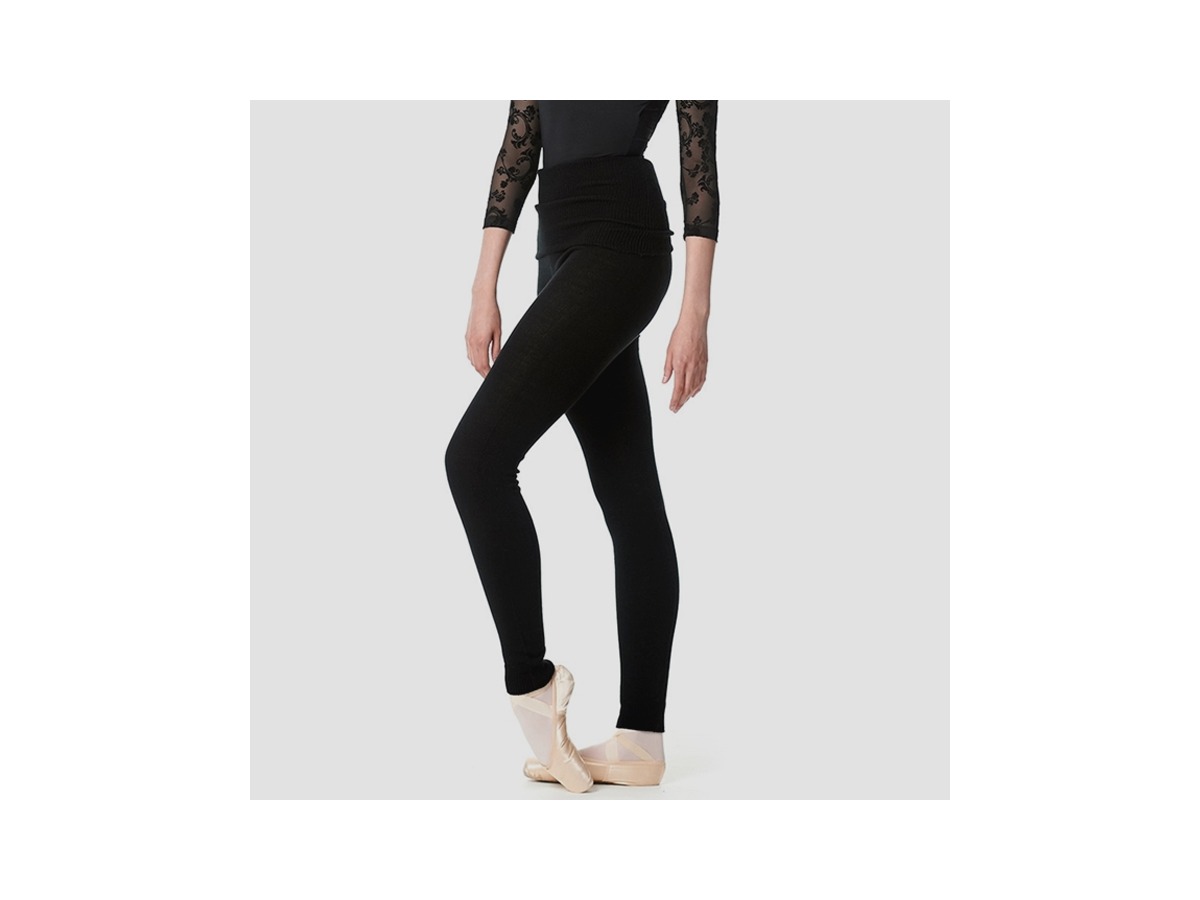
Lulli LUB604 Knit Warm-up Pants
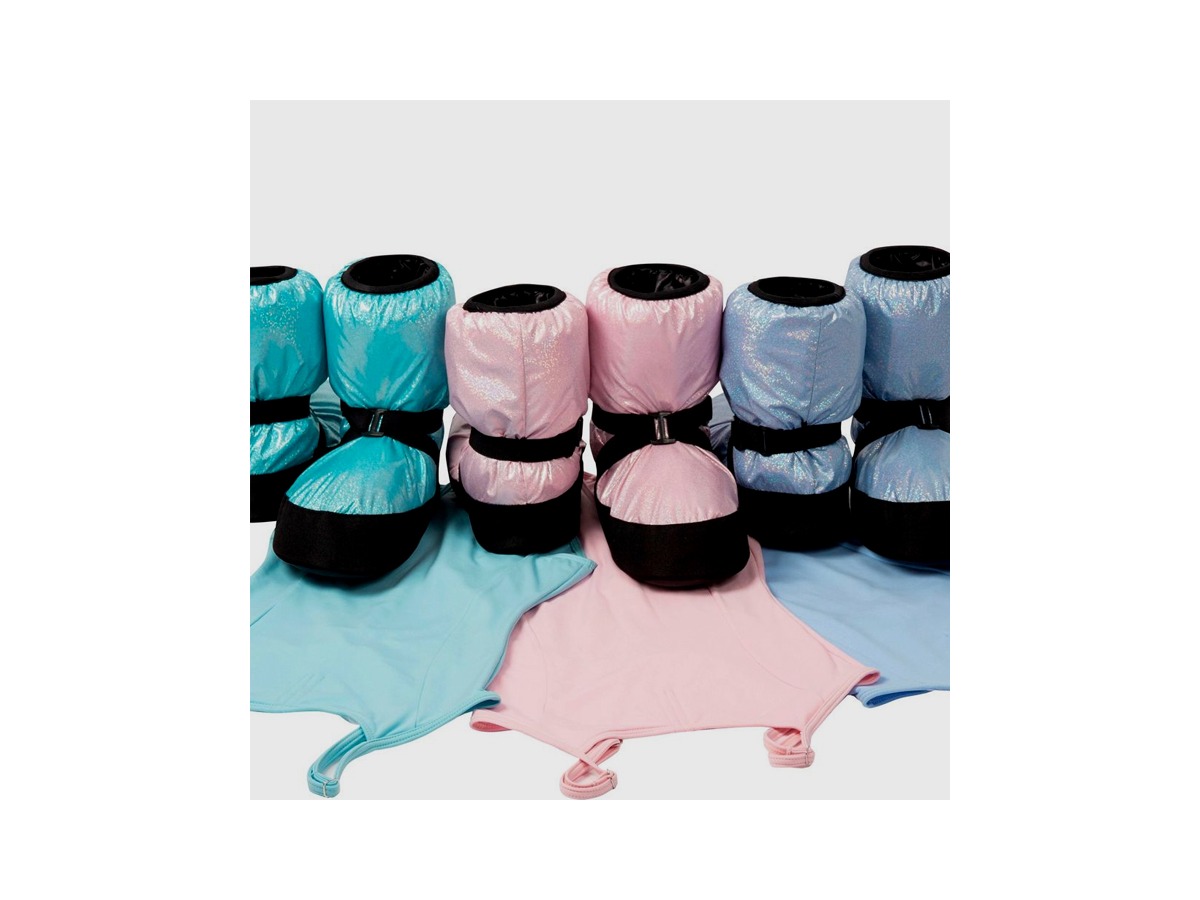
Grishko M-68/1 Candy Warm Up Boots
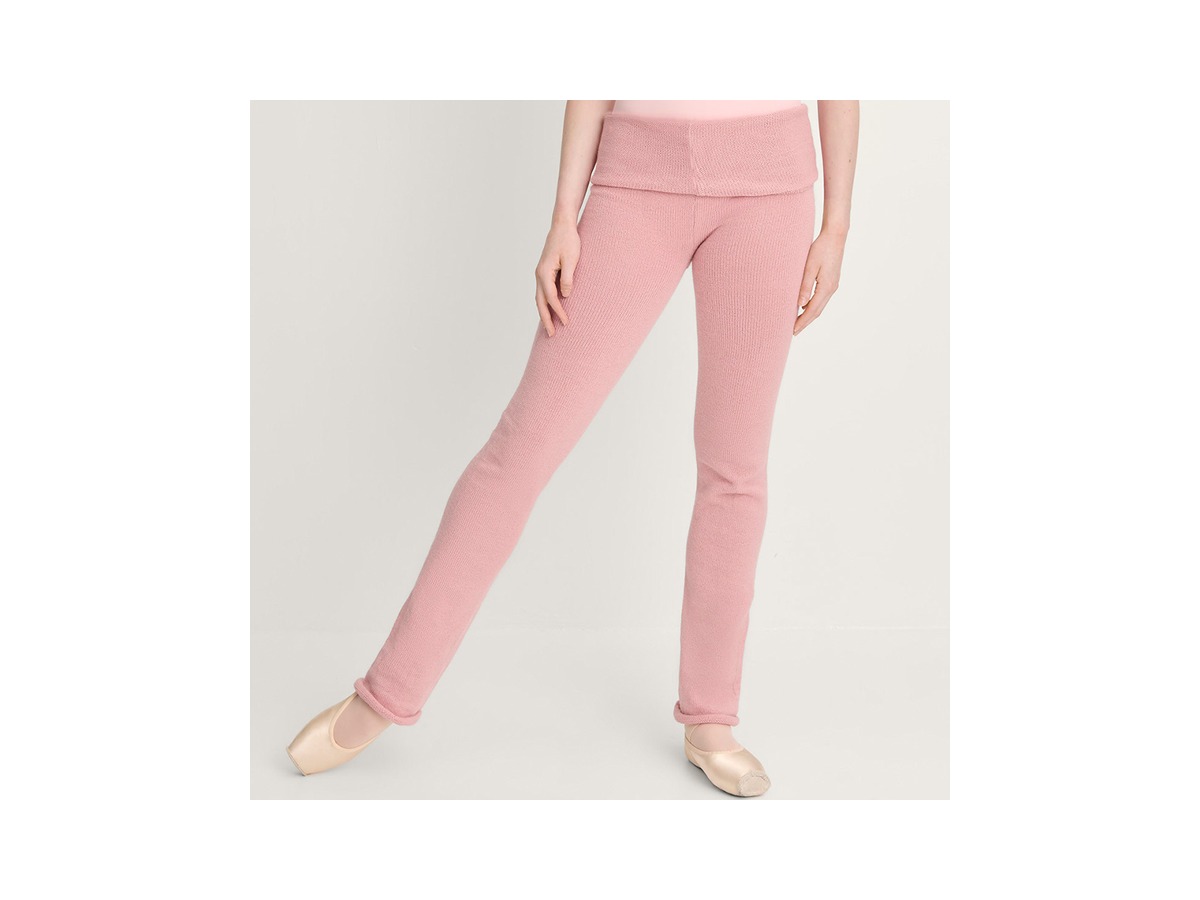
Intermezzo 5562 Warm-up Pants
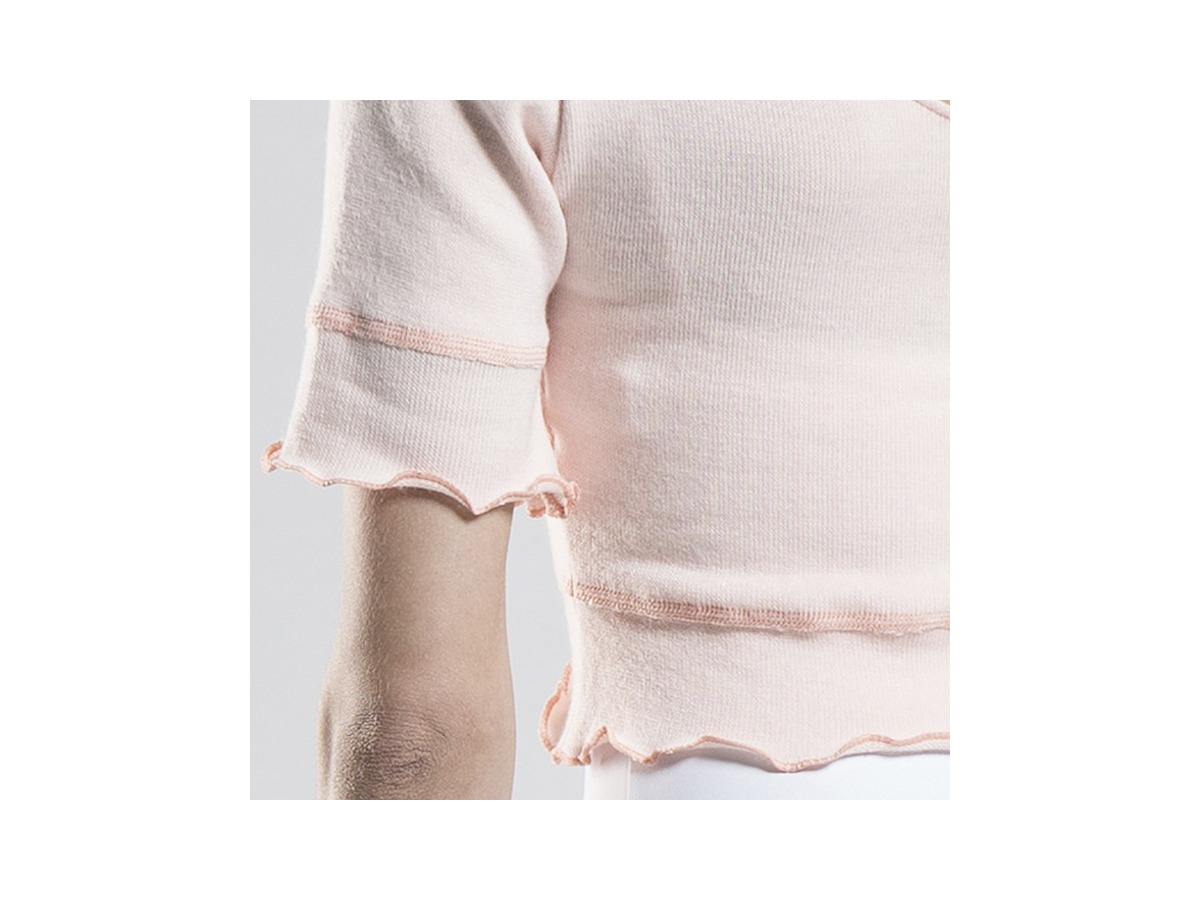
Wear Moi NAYA Warm up
After choosing your warmer, try it on over your leotard and tights to see how your waist, ankles, and knees look. Check if the fabric pulls or the waistline rolls up when sitting or doing pliés, and ensure that the hems and strings don't touch the floor. Even if you're in need of warmth, lengths and volumes that interfere with movement and surrounding safety are not suitable for class use. Prioritize comfort and intended use over the labeled size when making comparisons.
Bootie-style warm footwear is designed to keep your feet warm while waiting, not for performing bar or center movements. Follow studio regulations regarding where they can be worn and exercise extra caution on slippery floors. Knit and nylon products have different washing and drying methods, so follow the official care guidelines and avoid leaving them wet in a bag for long. Before purchasing, make sure to review the official options and the dress code of your studio.
The purpose of warmers is not to excessively sweat or force flexibility. They serve as supportive clothing to comfortably maintain body temperature while preparing to move, allowing the teacher to check alignment during class. Depending on individual cold sensitivity, the class environment, and travel times, you only need to cover the necessary areas without overlapping too many products. Let's take a look at the differences between products, from Typha Lightweight Nylon Warm-up Pants to Wear Moi NAYA Warm up.
이 포스팅은 쿠팡 파트너스 활동의 일환으로, 이에 따른 일정액의 수수료를 제공받습니다.
댓글 0
로그인 후 댓글을 작성할 수 있습니다.
첫 댓글을 남겨보세요.
이런 리스트는 어때요?


이런 리스트도 추천해요


여기서 멈추기엔 아쉽잖아?
다음에 뭘 볼지 고민하는 시간이 제일 아까워.
주사위가 대신 골라줄게 — 무슨 리스트가 튀어나올지는 굴려봐야 알지.
안 누르면… 평생 궁금하지 않겠어? 👀