Collection of Official Information Confirming Argentina National Football Team Participation and Disciplinary Rumors
A compilation of information deciphered through original texts from official institutions and practical verification steps regarding major issues.
This collection of official information confirming the Argentina national football team's participation and disciplinary rumors allows you to check original materials instead of consuming news just by headlines. It is structured around concepts, institutions, and the sequence of verifying original texts that can be used for a longer time than momentary debates. It’s also important to remember that a summary phrase from a search result does not replace the conditions of the complete original text.
The issues that attract attention see a rapid increase in articles and social media posts, but the content under review, confirmed decisions, and personal interpretations can easily get mixed on one screen. Therefore, it is essential to distinguish who made the announcement and what legal or administrative authority the institution holds. It’s also important to remember that a summary phrase from a search result does not replace the conditions of the complete original text.
Each item includes meaning, verification institutions, official URLs, items to view in the original text, and common misunderstandings. It guides you not only to open links but also to clarify criteria that differentiate documents with the same names such as announcement dates, enforcement dates, case numbers, tournament names, and material names. It’s important to remember that a summary phrase from a search result does not replace the conditions of the complete original text.
This collection does not replace personal lawsuits, loans, taxes, health, or investment decisions. Specific situations may vary depending on applicable laws and times, personal conditions, and exposure pathways, so it is vital to verify official guidance and seek necessary professional consultations. Remember that a summary phrase from a search result does not replace the conditions of the complete original text.
Instead of fixing the timestamp in the text, priority is given to official paths where you can find the latest originals even after time passes. After encountering related information, focus on what needs to be confirmed rather than the reasons for the issue's attention. Remember that a summary phrase from a search result does not replace the conditions of the complete original text.
FIFA Official Tournament Page
What It Means
“FIFA Official Tournament Page” is the top-level source for checking participating teams, group draws, schedules, and match results for FIFA-organized tournaments such as the World Cup. This entry is included to first make clear the scope of what is being discussed—which system, institution, or exposure pathway—rather than pinning down the facts connected to the issue in a single sentence. Even when a similar expression appears in an article, you should check whether the legal term and the everyday expression actually mean the same thing. When comparing multiple sources, first make sure they deal with the same date and the same system, competition, or substance, so you don’t wrongly connect figures from different conditions.
Why Check It Now
As reporting on rumors about the Argentina national football team’s participation and discipline increases, “FIFA Official Tournament Page” can easily be quoted without context in short headlines or comments. The higher the interest, the more pre-announcement forecasts get mixed up with original texts that have already been finalized, so it’s important not to read the level of interest itself as a measure of how strong the facts are or how great the risk is.
What to Look for in Official Materials
First, check the tournament name, season, team page, and match status in the official materials from FIFA. Don’t look only at the document title; read it together with the announcement, ruling, or posting date, who it applies to, and the department or decision-making body that produced the document. If laws, decisions, statistics, or regulations are attached, give the original texts priority over summaries.
Order of Verification
First, look for whether exactly the same wording as the claim you searched for appears on the official page, and then compare who it covers and the time period. After that, check for exceptions, supplementary provisions, appeals, or updates, and if the materials come from different institutions, distinguish each institution’s jurisdiction. Finally, keep a note of the page address and document name so you can look at any changes again later.
Common Misconceptions
The misconception to watch out for is ‘thinking a petition or social media reaction has changed official eligibility to participate’. The mere fact that official materials exist does not mean the same conclusion applies to every individual and case. If the premises left out of articles—such as admissibility requirements, review conditions, exposure levels, or competition jurisdiction—are different, the conclusion can be different too.
How to Use It in Practice
When checking “FIFA Official Tournament Page”, copy the key sentence and search for it again within the FIFA website, and compare the previous and latest versions of related documents. If it directly affects your rights, money, health, or attending a match, present your own circumstances to an official civil petition, consultation, or customer service channel, or to a qualified professional, and confirm separately.
Sources and Limitations
The main institution for verification is FIFA, and the official URL is https://www.fifa.com/. This explanation is general information that guides you on how to find and read original texts; it does not predict the outcome of individual cases, loan approvals, tax amounts, disease risks, or player discipline. When the institution posts new decisions or revised materials, the latest original text should take priority.
FIFA Legal and Disciplinary Materials
What It Means
“FIFA Legal and Disciplinary Materials” is official legal information for checking FIFA regulations, decisions by its disciplinary bodies, and the grounds for sanctions. This entry is included to first make clear the scope of what is being discussed—which system, institution, or exposure pathway—rather than pinning down the facts connected to the issue in a single sentence. Even when a similar expression appears in an article, you should check whether the legal term and the everyday expression actually mean the same thing. When comparing multiple sources, first make sure they deal with the same date and the same system, competition, or substance, so you don’t wrongly connect figures from different conditions.
Why Check It Now
As reporting on rumors about the Argentina national football team’s participation and discipline increases, “FIFA Legal and Disciplinary Materials” can easily be quoted without context in short headlines or comments. The higher the interest, the more pre-announcement forecasts get mixed up with original texts that have already been finalized, so it’s important not to read the level of interest itself as a measure of how strong the facts are or how great the risk is.
What to Look for in Official Materials
First, check who made the decision, who it applies to, the provisions it is based on, and whether it can be appealed in the official materials from FIFA. Don’t look only at the document title; read it together with the announcement, ruling, or posting date, who it applies to, and the department or decision-making body that produced the document. If laws, decisions, statistics, or regulations are attached, give the original texts priority over summaries.
Order of Verification
First, look for whether exactly the same wording as the claim you searched for appears on the official page, and then compare who it covers and the time period. After that, check for exceptions, supplementary provisions, appeals, or updates, and if the materials come from different institutions, distinguish each institution’s jurisdiction. Finally, keep a note of the page address and document name so you can look at any changes again later.
Common Misconceptions
The misconception to watch out for is ‘blowing up an individual player’s suspension into the whole national team being expelled from a tournament’. The mere fact that official materials exist does not mean the same conclusion applies to every individual and case. If the premises left out of articles—such as admissibility requirements, review conditions, exposure levels, or competition jurisdiction—are different, the conclusion can be different too.
How to Use It in Practice
When checking “FIFA Legal and Disciplinary Materials”, copy the key sentence and search for it again within the FIFA website, and compare the previous and latest versions of related documents. If it directly affects your rights, money, health, or attending a match, present your own circumstances to an official civil petition, consultation, or customer service channel, or to a qualified professional, and confirm separately.
Sources and Limitations
The main institution for verification is FIFA, and the official URL is https://www.fifa.com/legal. This explanation is general information that guides you on how to find and read original texts; it does not predict the outcome of individual cases, loan approvals, tax amounts, disease risks, or player discipline. When the institution posts new decisions or revised materials, the latest original text should take priority.
AFA Announcement
What It Means
“AFA Announcement” is the official channel for checking national team call-ups, training, player condition, the association’s position, and domestic disciplinary information. This entry is included to first make clear the scope of what is being discussed—which system, institution, or exposure pathway—rather than pinning down the facts connected to the issue in a single sentence. Even when a similar expression appears in an article, you should check whether the legal term and the everyday expression actually mean the same thing. When comparing multiple sources, first make sure they deal with the same date and the same system, competition, or substance, so you don’t wrongly connect figures from different conditions.
Why Check It Now
As reporting on rumors about the Argentina national football team’s participation and discipline increases, “AFA Announcement” can easily be quoted without context in short headlines or comments. The higher the interest, the more pre-announcement forecasts get mixed up with original texts that have already been finalized, so it’s important not to read the level of interest itself as a measure of how strong the facts are or how great the risk is.
What to Look for in Official Materials
First, check the Selección section, notice dates, and the distinction between the original text and translations in the official materials from the AFA. Don’t look only at the document title; read it together with the announcement, ruling, or posting date, who it applies to, and the department or decision-making body that produced the document. If laws, decisions, statistics, or regulations are attached, give the original texts priority over summaries.
Order of Verification
First, look for whether exactly the same wording as the claim you searched for appears on the official page, and then compare who it covers and the time period. After that, check for exceptions, supplementary provisions, appeals, or updates, and if the materials come from different institutions, distinguish each institution’s jurisdiction. Finally, keep a note of the page address and document name so you can look at any changes again later.
Common Misconceptions
The misconception to watch out for is ‘mistaking an image with the association’s logo posted by a fan account for an official announcement’. The mere fact that official materials exist does not mean the same conclusion applies to every individual and case. If the premises left out of articles—such as admissibility requirements, review conditions, exposure levels, or competition jurisdiction—are different, the conclusion can be different too.
How to Use It in Practice
When checking “AFA Announcement”, copy the key sentence and search for it again within the AFA website, and compare the previous and latest versions of related documents. If it directly affects your rights, money, health, or attending a match, present your own circumstances to an official civil petition, consultation, or customer service channel, or to a qualified professional, and confirm separately.
Sources and Limitations
The main institution for verification is the AFA, and the official URL is https://www.afa.com.ar/. This explanation is general information that guides you on how to find and read original texts; it does not predict the outcome of individual cases, loan approvals, tax amounts, disease risks, or player discipline. When the institution posts new decisions or revised materials, the latest original text should take priority.
AFA Disciplinary Committee Materials
What It Means
“AFA Disciplinary Committee Materials” is the page for separately checking the disciplinary bodies, regulations, and decisions related to the Argentine association’s internal competitions. This entry is included to first make clear the scope of what is being discussed—which system, institution, or exposure pathway—rather than pinning down the facts connected to the issue in a single sentence. Even when a similar expression appears in an article, you should check whether the legal term and the everyday expression actually mean the same thing. When comparing multiple sources, first make sure they deal with the same date and the same system, competition, or substance, so you don’t wrongly connect figures from different conditions.
Why Check It Now
As reporting on rumors about the Argentina national football team’s participation and discipline increases, “AFA Disciplinary Committee Materials” can easily be quoted without context in short headlines or comments. The higher the interest, the more pre-announcement forecasts get mixed up with original texts that have already been finalized, so it’s important not to read the level of interest itself as a measure of how strong the facts are or how great the risk is.
What to Look for in Official Materials
First, check the jurisdiction of domestic association discipline versus discipline for FIFA international competitions in the official materials from the AFA. Don’t look only at the document title; read it together with the announcement, ruling, or posting date, who it applies to, and the department or decision-making body that produced the document. If laws, decisions, statistics, or regulations are attached, give the original texts priority over summaries.
Order of Verification
First, look for whether exactly the same wording as the claim you searched for appears on the official page, and then compare who it covers and the time period. After that, check for exceptions, supplementary provisions, appeals, or updates, and if the materials come from different institutions, distinguish each institution’s jurisdiction. Finally, keep a note of the page address and document name so you can look at any changes again later.
Common Misconceptions
The misconception to watch out for is ‘assuming an AFA suspension automatically means a FIFA World Cup ban’. The mere fact that official materials exist does not mean the same conclusion applies to every individual and case. If the premises left out of articles—such as admissibility requirements, review conditions, exposure levels, or competition jurisdiction—are different, the conclusion can be different too.
How to Use It in Practice
When checking “AFA Disciplinary Committee Materials”, copy the key sentence and search for it again within the AFA website, and compare the previous and latest versions of related documents. If it directly affects your rights, money, health, or attending a match, present your own circumstances to an official civil petition, consultation, or customer service channel, or to a qualified professional, and confirm separately.
Sources and Limitations
The main institution for verification is the AFA, and the official URL is https://www.afa.com.ar/es/pages/disciplina. This explanation is general information that guides you on how to find and read original texts; it does not predict the outcome of individual cases, loan approvals, tax amounts, disease risks, or player discipline. When the institution posts new decisions or revised materials, the latest original text should take priority.
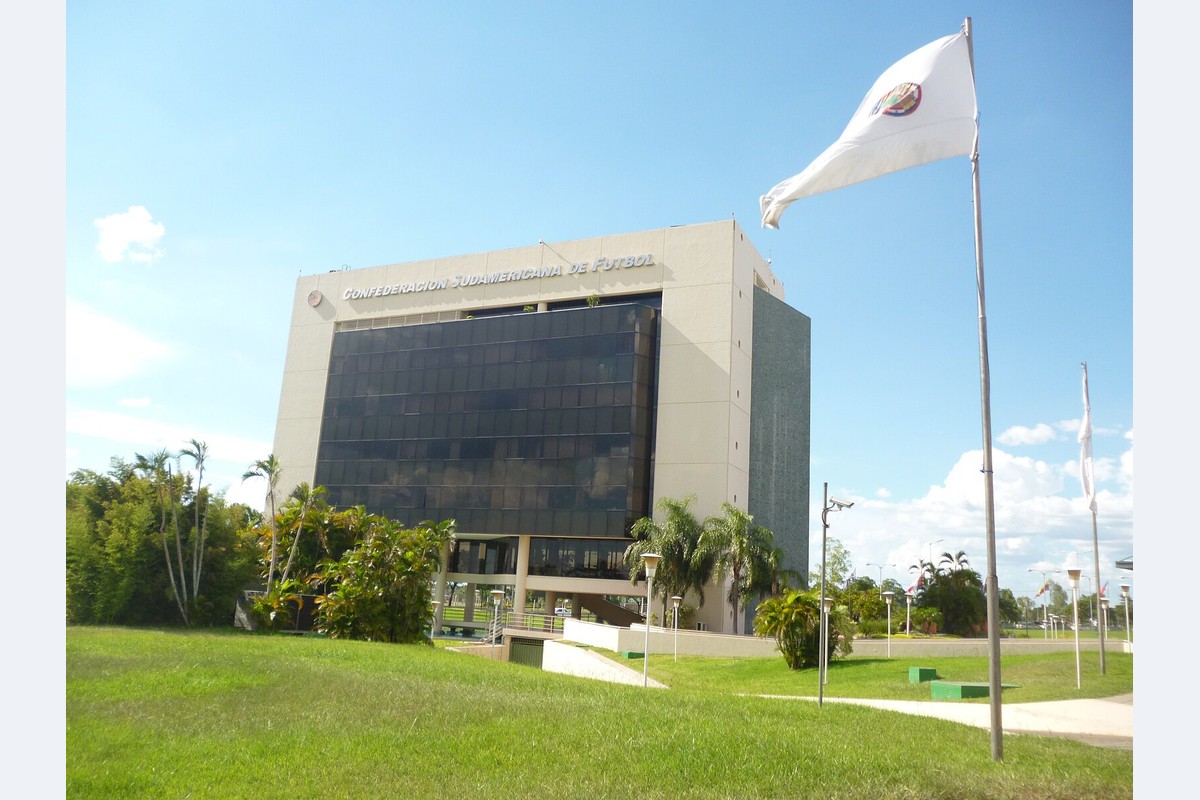
CONMEBOL Official Announcement
Official CONMEBOL Announcements
What It Means
“Official CONMEBOL Announcements” is the source for checking schedules, discipline, and match information for competitions organized by the South American Football Confederation, such as the South American qualifiers and the Copa América. This entry is included to first make clear the scope of what is being discussed—which system, institution, or exposure pathway—rather than pinning down the facts connected to the issue in a single sentence. Even when a similar expression appears in an article, you should check whether the legal term and the everyday expression actually mean the same thing. When comparing multiple sources, first make sure they deal with the same date and the same system, competition, or substance, so you don’t wrongly connect figures from different conditions.
Why Check It Now
As reporting on rumors about the Argentina national football team’s participation and discipline increases, “Official CONMEBOL Announcements” can easily be quoted without context in short headlines or comments. The higher the interest, the more pre-announcement forecasts get mixed up with original texts that have already been finalized, so it’s important not to read the level of interest itself as a measure of how strong the facts are or how great the risk is.
What to Look for in Official Materials
First, check the organizing body of the competition, qualifiers versus the final tournament, and disciplinary decisions in the official materials from CONMEBOL. Don’t look only at the document title; read it together with the announcement, ruling, or posting date, who it applies to, and the department or decision-making body that produced the document. If laws, decisions, statistics, or regulations are attached, give the original texts priority over summaries.
Order of Verification
First, look for whether exactly the same wording as the claim you searched for appears on the official page, and then compare who it covers and the time period. After that, check for exceptions, supplementary provisions, appeals, or updates, and if the materials come from different institutions, distinguish each institution’s jurisdiction. Finally, keep a note of the page address and document name so you can look at any changes again later.
Common Misconceptions
The misconception to watch out for is ‘automatically linking a CONMEBOL case to decisions about the FIFA final tournament’. The mere fact that official materials exist does not mean the same conclusion applies to every individual and case. If the premises left out of articles—such as admissibility requirements, review conditions, exposure levels, or competition jurisdiction—are different, the conclusion can be different too.
How to Use It in Practice
When checking “Official CONMEBOL Announcements”, copy the key sentence and search for it again within the CONMEBOL website, and compare the previous and latest versions of related documents. If it directly affects your rights, money, health, or attending a match, present your own circumstances to an official civil petition, consultation, or customer service channel, or to a qualified professional, and confirm separately.
Sources and Limitations
The main institution for verification is CONMEBOL, and the official URL is https://www.conmebol.com/. This explanation is general information that guides you on how to find and read original texts; it does not predict the outcome of individual cases, loan approvals, tax amounts, disease risks, or player discipline. When the institution posts new decisions or revised materials, the latest original text should take priority.
Official National Team Roster
Official National Team Call-Up List
What It Means
“Official National Team Call-Up List” is the material for checking which players were actually called up for a specific match window, along with replacements and injury-related changes. This entry is included to first make clear the scope of what is being discussed—which system, institution, or exposure pathway—rather than pinning down the facts connected to the issue in a single sentence. Even when a similar expression appears in an article, you should check whether the legal term and the everyday expression actually mean the same thing. When comparing multiple sources, first make sure they deal with the same date and the same system, competition, or substance, so you don’t wrongly connect figures from different conditions.
Why Check It Now
As reporting on rumors about the Argentina national football team’s participation and discipline increases, “Official National Team Call-Up List” can easily be quoted without context in short headlines or comments. The higher the interest, the more pre-announcement forecasts get mixed up with original texts that have already been finalized, so it’s important not to read the level of interest itself as a measure of how strong the facts are or how great the risk is.
What to Look for in Official Materials
First, check the announcement date, match window, additional call-ups, and roster changes in the official materials from the AFA. Don’t look only at the document title; read it together with the announcement, ruling, or posting date, who it applies to, and the department or decision-making body that produced the document. If laws, decisions, statistics, or regulations are attached, give the original texts priority over summaries.
Order of Verification
First, look for whether exactly the same wording as the claim you searched for appears on the official page, and then compare who it covers and the time period. After that, check for exceptions, supplementary provisions, appeals, or updates, and if the materials come from different institutions, distinguish each institution’s jurisdiction. Finally, keep a note of the page address and document name so you can look at any changes again later.
Common Misconceptions
The misconception to watch out for is ‘treating a predicted squad and the final registered squad as the same thing’. The mere fact that official materials exist does not mean the same conclusion applies to every individual and case. If the premises left out of articles—such as admissibility requirements, review conditions, exposure levels, or competition jurisdiction—are different, the conclusion can be different too.
How to Use It in Practice
When checking “Official National Team Call-Up List”, copy the key sentence and search for it again within the AFA website, and compare the previous and latest versions of related documents. If it directly affects your rights, money, health, or attending a match, present your own circumstances to an official civil petition, consultation, or customer service channel, or to a qualified professional, and confirm separately.
Sources and Limitations
The main institution for verification is the AFA, and the official URL is https://www.afa.com.ar/es/seleccion-argentina. This explanation is general information that guides you on how to find and read original texts; it does not predict the outcome of individual cases, loan approvals, tax amounts, disease risks, or player discipline. When the institution posts new decisions or revised materials, the latest original text should take priority.
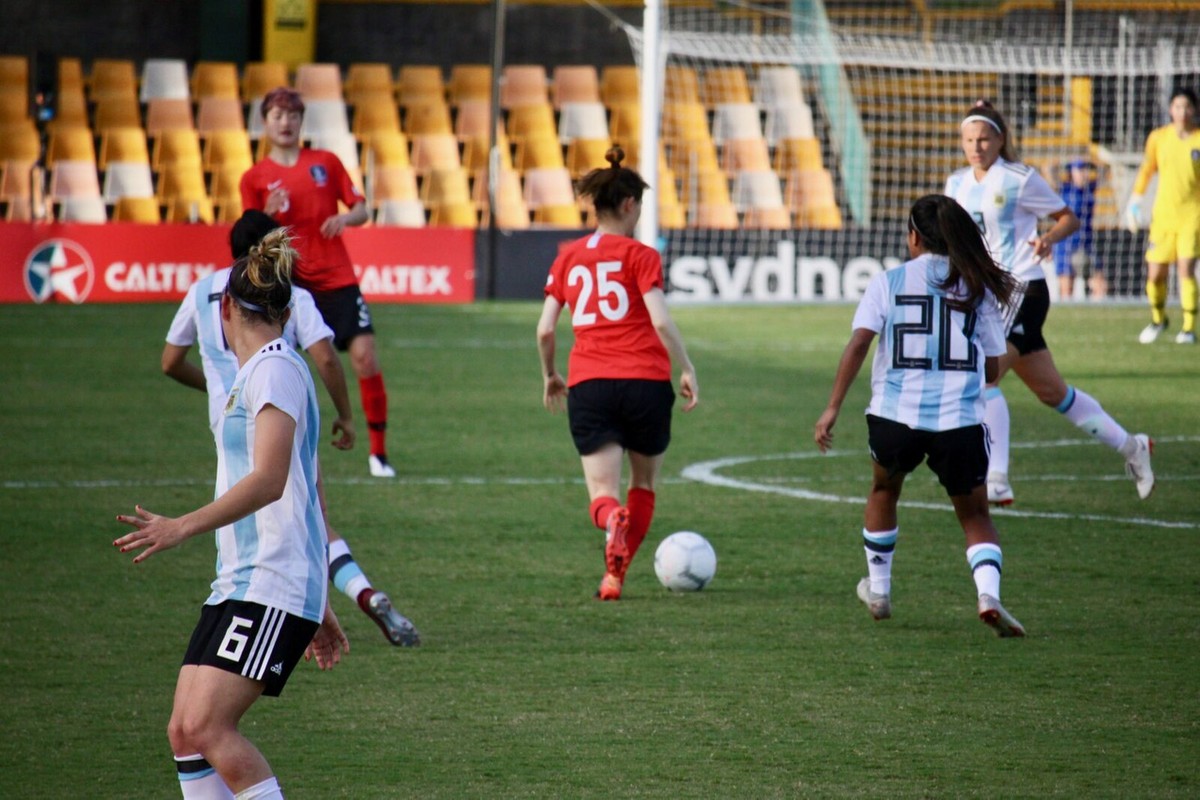
Official Match Report
What It Means
“Official Match Report” is the material for checking the actual match record, such as starting lineups, substitutions, cautions, sendings-off, goals, and match officials. This entry is included to first make clear the scope of what is being discussed—which system, institution, or exposure pathway—rather than pinning down the facts connected to the issue in a single sentence. Even when a similar expression appears in an article, you should check whether the legal term and the everyday expression actually mean the same thing. When comparing multiple sources, first make sure they deal with the same date and the same system, competition, or substance, so you don’t wrongly connect figures from different conditions.
Why Check It Now
As reporting on rumors about the Argentina national football team’s participation and discipline increases, “Official Match Report” can easily be quoted without context in short headlines or comments. The higher the interest, the more pre-announcement forecasts get mixed up with original texts that have already been finalized, so it’s important not to read the level of interest itself as a measure of how strong the facts are or how great the risk is.
What to Look for in Official Materials
First, check the match ID, competition, date, and disciplinary section in the official materials from FIFA and CONMEBOL. Don’t look only at the document title; read it together with the announcement, ruling, or posting date, who it applies to, and the department or decision-making body that produced the document. If laws, decisions, statistics, or regulations are attached, give the original texts priority over summaries.
Order of Verification
First, look for whether exactly the same wording as the claim you searched for appears on the official page, and then compare who it covers and the time period. After that, check for exceptions, supplementary provisions, appeals, or updates, and if the materials come from different institutions, distinguish each institution’s jurisdiction. Finally, keep a note of the page address and document name so you can look at any changes again later.
Common Misconceptions
The misconception to watch out for is ‘thinking broadcast captions or fan-made statistics are the final official record’. The mere fact that official materials exist does not mean the same conclusion applies to every individual and case. If the premises left out of articles—such as admissibility requirements, review conditions, exposure levels, or competition jurisdiction—are different, the conclusion can be different too.
How to Use It in Practice
When checking “Official Match Report”, copy the key sentence and search for it again within the FIFA or CONMEBOL website, and compare the previous and latest versions of related documents. If it directly affects your rights, money, health, or attending a match, present your own circumstances to an official civil petition, consultation, or customer service channel, or to a qualified professional, and confirm separately.
Sources and Limitations
The main institutions for verification are FIFA and CONMEBOL, and the official URL is https://www.fifa.com/. This explanation is general information that guides you on how to find and read original texts; it does not predict the outcome of individual cases, loan approvals, tax amounts, disease risks, or player discipline. When the institution posts new decisions or revised materials, the latest original text should take priority.
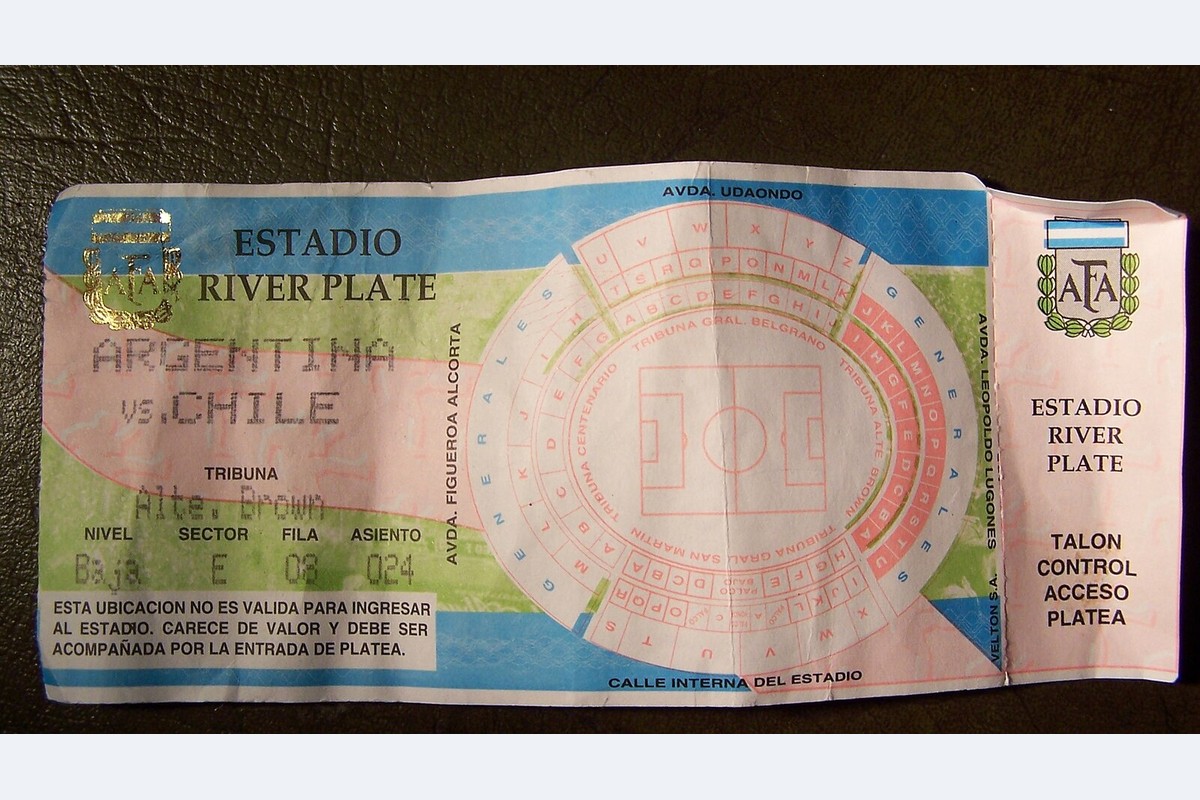
Official Broadcast and Ticket Information
Official Broadcasting and Ticket Information
What It Means
“Official Broadcasting and Ticket Information” are the ticket sales and broadcast channels linked by the competition and the association, used when checking whether a match is being held and whether it can be attended or watched on broadcast. This entry is included to first make clear the scope of what is being discussed—which system, institution, or exposure pathway—rather than pinning down the facts connected to the issue in a single sentence. Even when a similar expression appears in an article, you should check whether the legal term and the everyday expression actually mean the same thing. When comparing multiple sources, first make sure they deal with the same date and the same system, competition, or substance, so you don’t wrongly connect figures from different conditions.
Why Check It Now
As reporting on rumors about the Argentina national football team’s participation and discipline increases, “Official Broadcasting and Ticket Information” can easily be quoted without context in short headlines or comments. The higher the interest, the more pre-announcement forecasts get mixed up with original texts that have already been finalized, so it’s important not to read the level of interest itself as a measure of how strong the facts are or how great the risk is.
What to Look for in Official Materials
First, check the seller, stadium, time slot, and broadcast rights by region in the official materials from FIFA and the AFA. Don’t look only at the document title; read it together with the announcement, ruling, or posting date, who it applies to, and the department or decision-making body that produced the document. If laws, decisions, statistics, or regulations are attached, give the original texts priority over summaries.
Order of Verification
First, look for whether exactly the same wording as the claim you searched for appears on the official page, and then compare who it covers and the time period. After that, check for exceptions, supplementary provisions, appeals, or updates, and if the materials come from different institutions, distinguish each institution’s jurisdiction. Finally, keep a note of the page address and document name so you can look at any changes again later.
Common Misconceptions
The misconception to watch out for is ‘taking an unofficial ticket sales page as proof that a match is confirmed’. The mere fact that official materials exist does not mean the same conclusion applies to every individual and case. If the premises left out of articles—such as admissibility requirements, review conditions, exposure levels, or competition jurisdiction—are different, the conclusion can be different too.
How to Use It in Practice
When checking “Official Broadcasting and Ticket Information”, copy the key sentence and search for it again within the FIFA or AFA website, and compare the previous and latest versions of related documents. If it directly affects your rights, money, health, or attending a match, present your own circumstances to an official civil petition, consultation, or customer service channel, or to a qualified professional, and confirm separately.
Sources and Limitations
The main institutions for verification are FIFA and the AFA, and the official URL is https://www.fifa.com/tickets. This explanation is general information that guides you on how to find and read original texts; it does not predict the outcome of individual cases, loan approvals, tax amounts, disease risks, or player discipline. When the institution posts new decisions or revised materials, the latest original text should take priority.
For an issue that spreads quickly, like rumors about the Argentina national football team’s participation and discipline, it’s important to make a habit of first finding who made the official announcement and the original text, rather than drawing conclusions after reading just one article. Even the same word can differ in meaning and scope of application depending on the context of law, policy, competitions, or environmental assessments. When a document is revised or a follow-up decision comes out, the new official original should take priority over information you saved earlier.
The safest order is to write down the key claim from the search results in one sentence and then see whether that sentence is actually confirmed in the notice from the responsible institution. If you then check detailed conditions such as the effective date, who it covers, exceptions, and appeal procedures, you’re less likely to be swayed by exaggerated headlines.
Official materials also differ in nature, such as press releases, explanatory materials, laws, decisions, and statistics. You need to read with a distinction between policy proposals at the announcement stage and regulations in force, and between risk assessments still under study and finalized standards, in order to properly understand materials that seem to contradict each other.
For legal, financial, and health matters that affect you directly, don’t judge based on this list alone; additionally check information that fits your own situation, such as case documents, a financial company’s review, local water quality data, or explanations from medical staff. The list is a starting point that helps you set your verification path.
When new reports or claims come up, you can simply repeat the same process. The approach of checking the official domain, the document date, the responsible institution, the original order or provision, and the change history in turn can keep being used even after the issue has passed.
As part of the Coupang Partners program, this post may earn a commission from qualifying purchases.
Comments 0
Log in to leave a comment.
Be the first to comment.
How about these lists?


You might also like


Not ready to stop here?
Wondering what to read next is the biggest waste of time.
Let the dice decide — you won't know what pops up until you roll.
If you don't press it… won't you wonder forever? 👀