Why is It a Comparison Point for Decades? Guitars Representing Their Brands
A benchmark for acoustic guitars examined alongside their long lineage and current lineup
As you explore acoustic guitars, you notice that names like D-28, J-45, and 814ce keep popping up despite the continuous introduction of new models. While being old alone doesn’t necessarily mean it's a good choice now, looking at what players and manufacturers have maintained or changed over generations makes it easier to understand each brand's standards. Representative models become a starting point for comparing the ideal sounds that brands envision, such as the strong bass and projection of dreadnoughts, the compressed midrange of round shoulder types, and the balanced tone of grand auditoriums.
Here, we have checked not only the current official lineups from manufacturers but also the long model legacies and official descriptions of representative or best-selling guitars, rather than just momentary shopping mall rankings. The same model can have different bracing, neck profile, pickups, and finishes depending on the production year, so we haven't mixed vintage reputations with current sales specifications. All six products are actual current models, allowing us to compare the differences made when rosewood, mahogany, and maple meet in body construction.
Fame is just a starting point, not a conclusion. By considering the necessary volume, neck feel, presence of pickups, and maintenance burden, you can determine not only why these models have been loved for so long but also if they suit you.
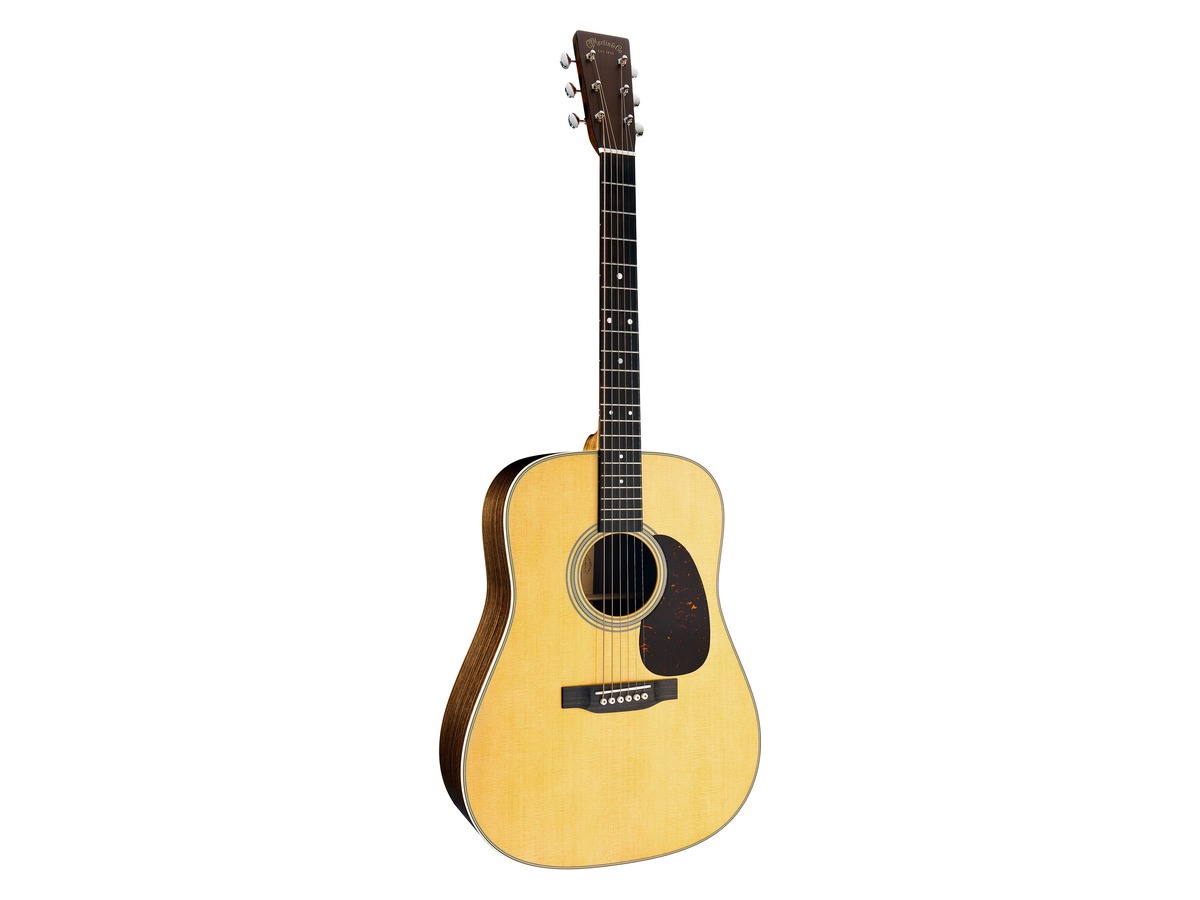
Martin D-28
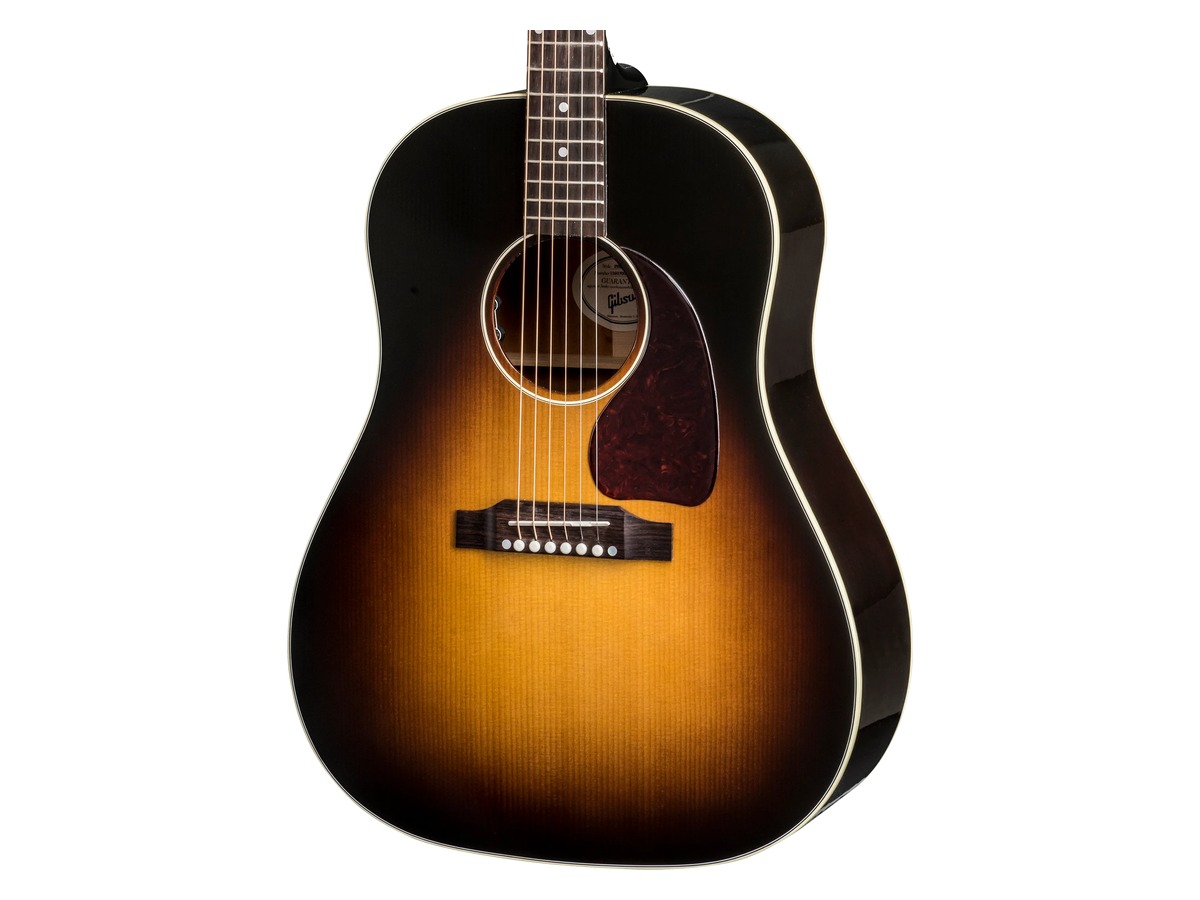
Gibson J-45 Standard
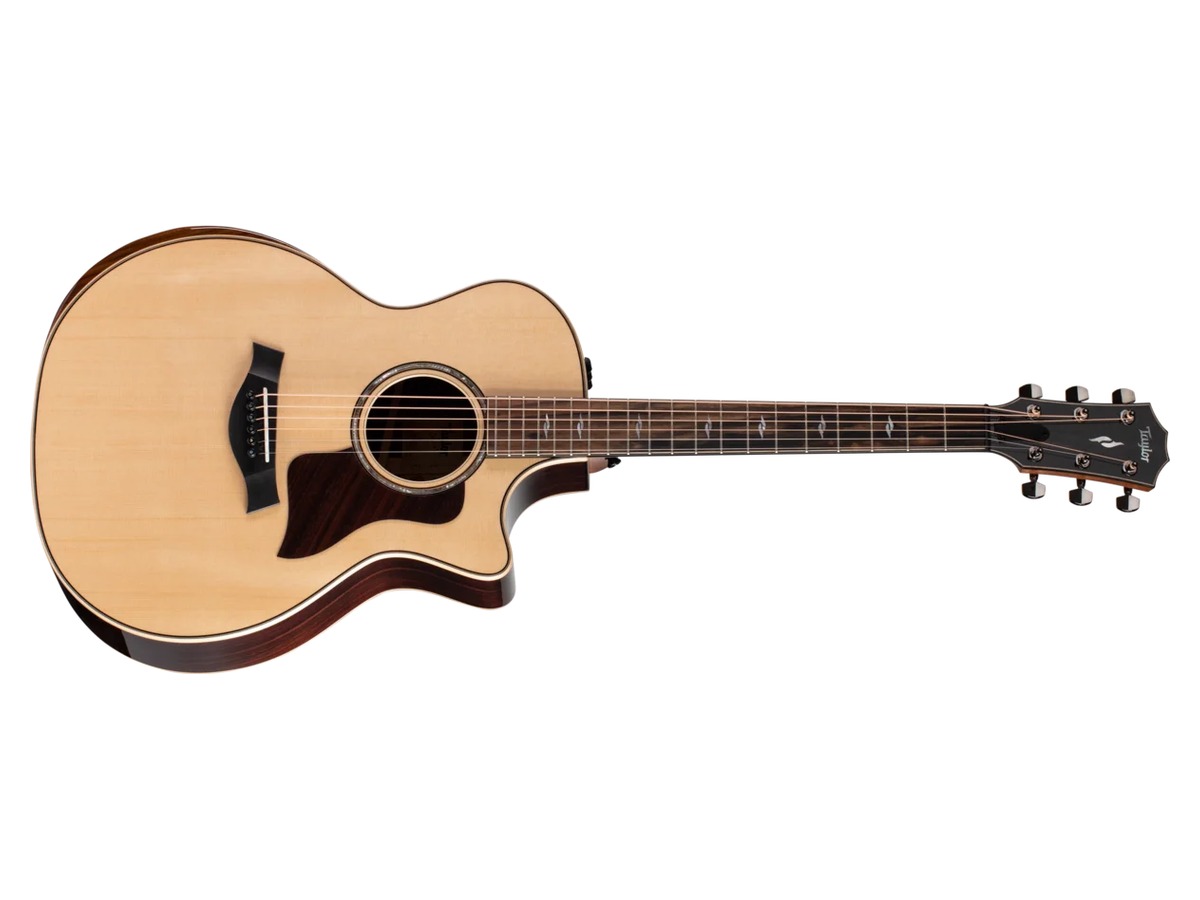
Taylor 814ce
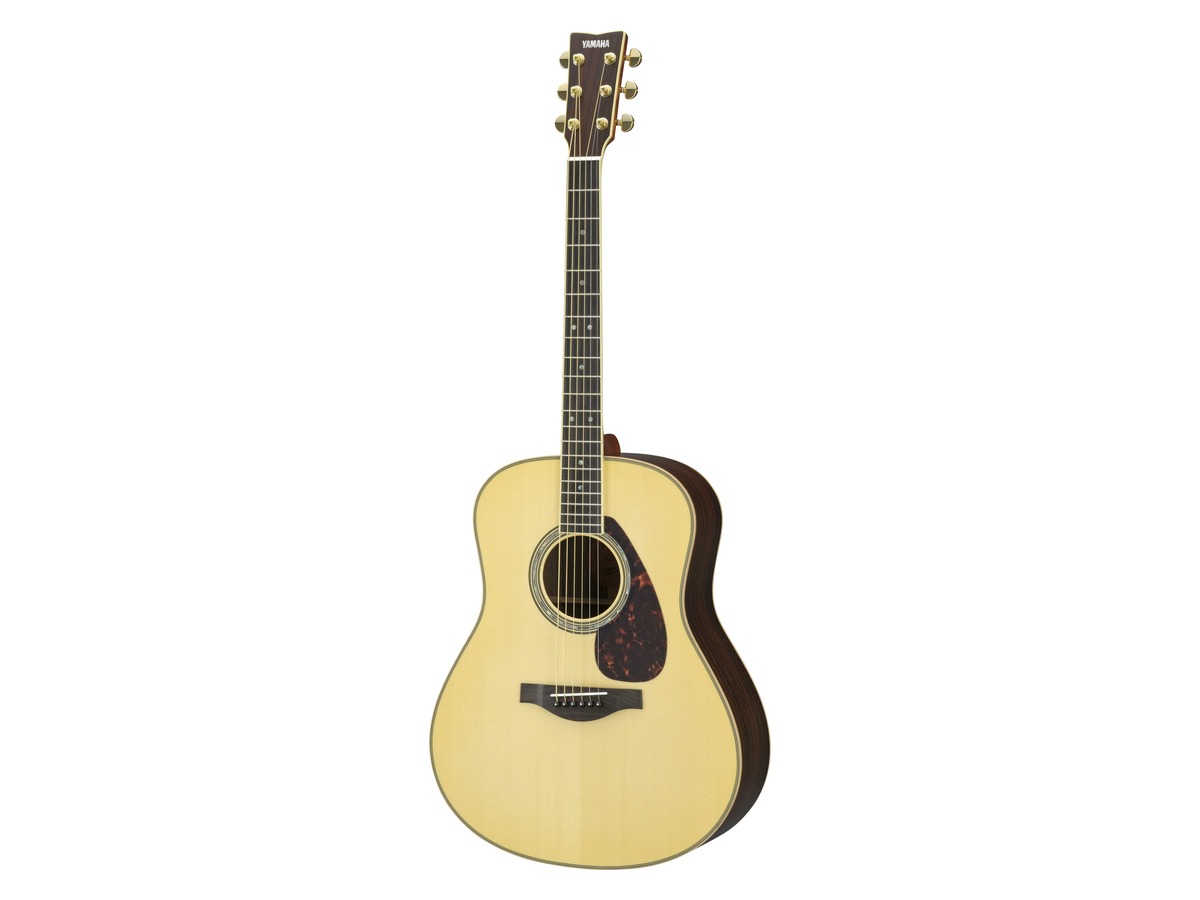
Yamaha LL16 ARE
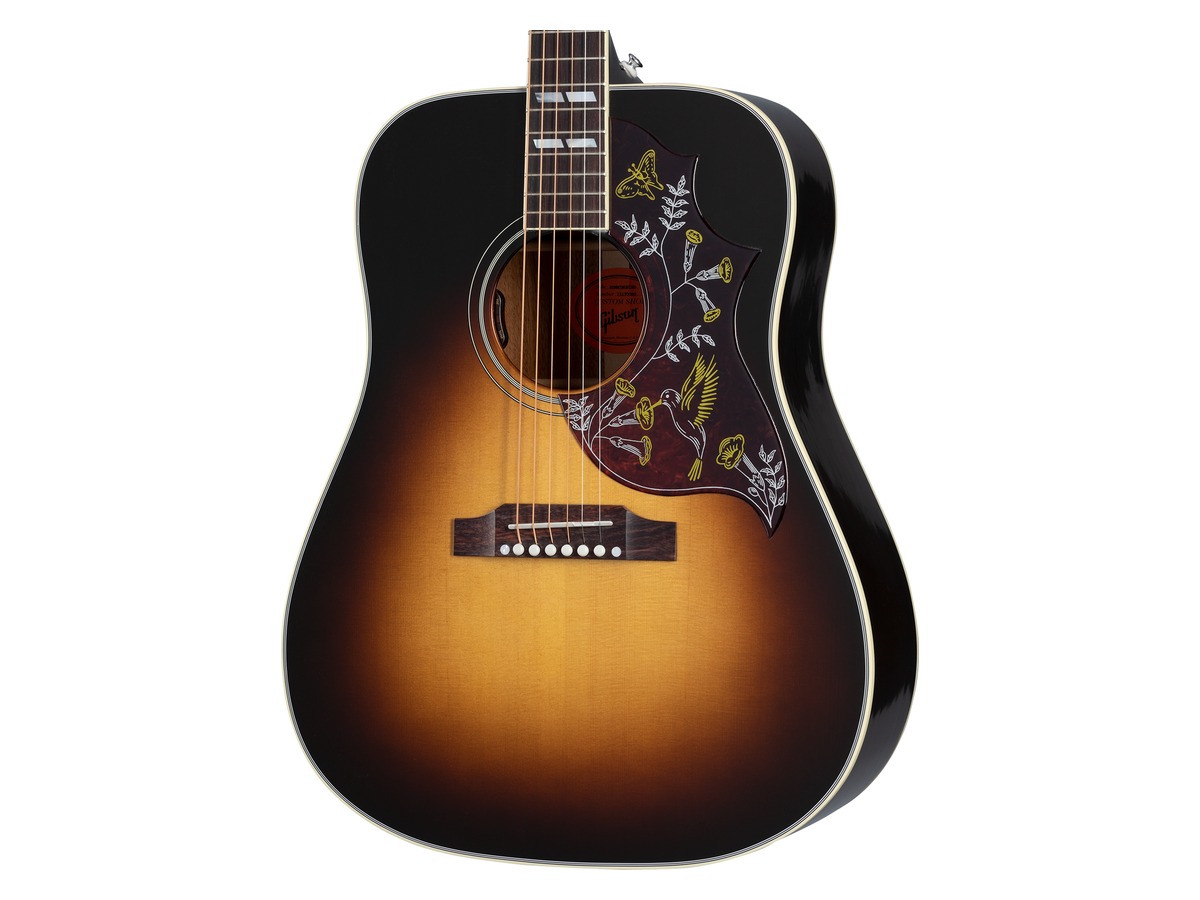
Gibson Hummingbird Standard
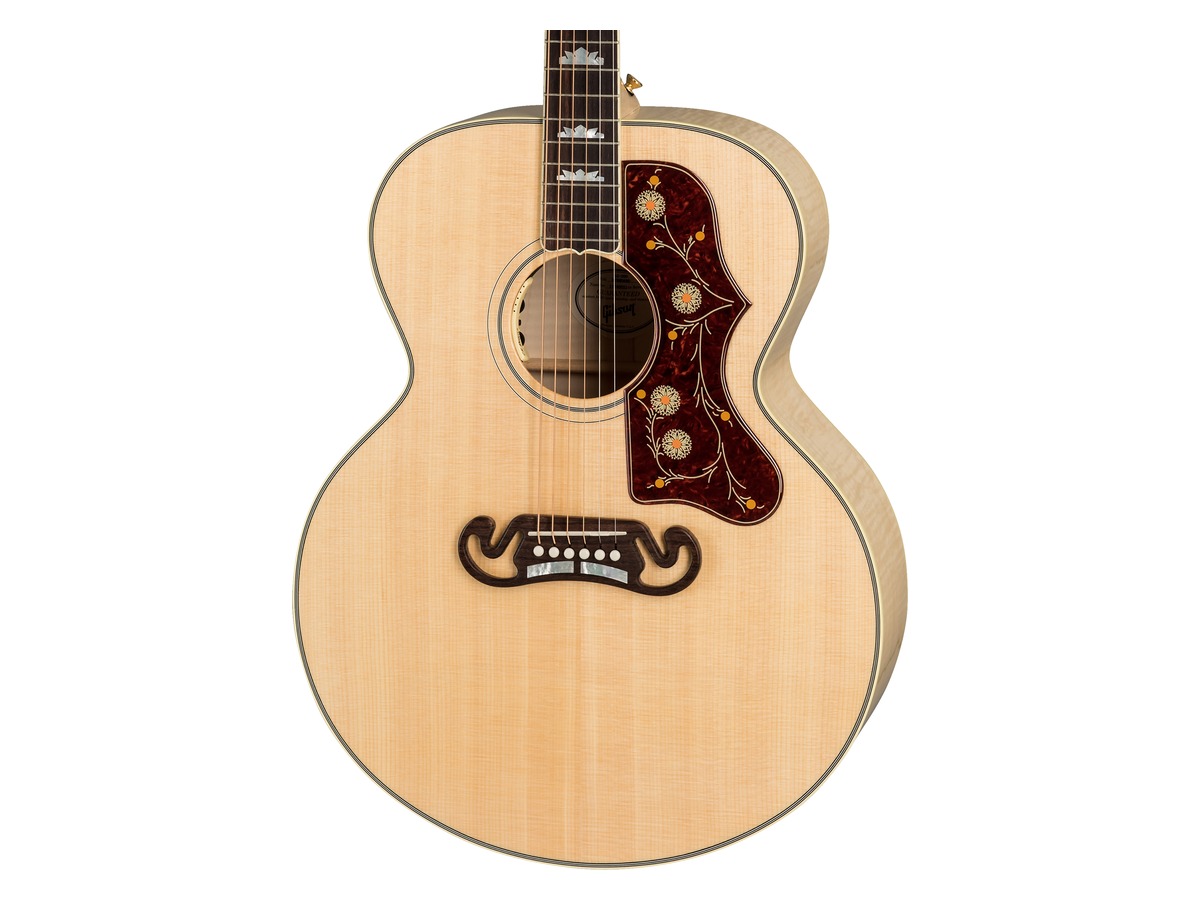
Gibson SJ-200 Standard
The greatest advantage of long-standing models is not that they guarantee a correct answer but that they provide a wealth of comparative data and experiences. With various recordings, performances, and repair cases accumulated over generations, it's easier to describe the desired sound and assess the condition of used models. However, even if the name is the same, current versions can differ in neck, bracing, and pickups from older models, and there can be wood variations even within the same production year. Instead of expecting the exact sound from famous recordings, you should check how the individual model you hold responds to your playing.
When comparing, try to conduct your demonstrations in the same string condition and space as much as possible. Playing chord strums, single-note flatpicking, and light arpeggios in the same order and intensity will highlight the differences in body types. If your purpose is vocal accompaniment, check how the mid-range overlaps with your voice; for ensemble purposes, see if the bass holds without getting muddy in the mix. For models with electronic devices, connection tones are also important evaluation criteria as much as the natural sound.
While representative models may be easy to resell, the market prices and distribution constantly fluctuate, so don't strictly consider them as an investment. Compare usage conditions, including warranty, repair network, case, and humidity management costs. If, after understanding why they've been loved for a long time, you still find yourself reaching for an instrument, it becomes a benchmark for you as well.
이 포스팅은 쿠팡 파트너스 활동의 일환으로, 이에 따른 일정액의 수수료를 제공받습니다.
댓글 0
로그인 후 댓글을 작성할 수 있습니다.
첫 댓글을 남겨보세요.
이런 리스트는 어때요?


이런 리스트도 추천해요


여기서 멈추기엔 아쉽잖아?
다음에 뭘 볼지 고민하는 시간이 제일 아까워.
주사위가 대신 골라줄게 — 무슨 리스트가 튀어나올지는 굴려봐야 알지.
안 누르면… 평생 궁금하지 않겠어? 👀